
เชิงนามธรรม
ความมีชีวิตในการปฏิบัติงานและประสิทธิภาพเชิงเศรษฐกิจของเครื่องจักรก่อสร้างขนาดใหญ่นั้นขึ้นอยู่กับความทนทานของระบบช่วงล่างเป็นหลัก. เอกสารนี้นำเสนอการวิเคราะห์ที่ครอบคลุมเกี่ยวกับปัจจัยสำคัญที่เกี่ยวข้องกับการเลือกชิ้นส่วนช่วงล่างปลอมแปลงอย่างแม่นยำ. โดยจะตรวจสอบความสัมพันธ์ที่ซับซ้อนระหว่างวัสดุศาสตร์, วิธีการผลิต, และวิศวกรรมเฉพาะด้านการใช้งาน. การวิจัยนี้จะเจาะลึกถึงคุณสมบัติทางโลหะวิทยาของโลหะผสมเหล็ก, เปรียบเทียบข้อดีทางโครงสร้างจุลภาคของการตีขึ้นรูปมากกว่าการหล่อ. นอกจากนี้, โดยจะสำรวจผลกระทบอย่างลึกซึ้งของกระบวนการบำบัดความร้อน, เช่นการดับและแบ่งเบาบรรเทา, ในการบรรลุความสมดุลที่จำเป็นของความแข็งและความเหนียว. การวิเคราะห์ขยายไปถึงความสำคัญของการพิจารณาการออกแบบที่เหมาะกับสภาพแวดล้อมการปฏิบัติงานที่หลากหลาย, ตั้งแต่ภูมิประเทศทะเลทรายที่มีการเสียดสีสูงไปจนถึงเหมืองหินที่มีผลกระทบสูง. บทบาทของระเบียบการประกันคุณภาพที่เข้มงวดและการคำนวณต้นทุนรวมในการเป็นเจ้าของได้รับการระบุอย่างชัดเจนว่าเป็นองค์ประกอบสำคัญในการตัดสินใจจัดซื้อจัดจ้างโดยอาศัยข้อมูลรอบด้าน. คู่มือนี้ทำหน้าที่เป็นแหล่งข้อมูลที่จำเป็นสำหรับผู้จัดการกลุ่มยานพาหนะ, เจ้าหน้าที่จัดซื้อ, และวิศวกรซ่อมบำรุงที่ต้องการเพิ่มเวลาทำงานของเครื่องจักรให้สูงสุดและยืดอายุการใช้งานของสินทรัพย์ด้วยการเลือกส่วนประกอบที่เหนือกว่า.
ประเด็นสำคัญ
- จัดลำดับความสำคัญขององค์ประกอบของวัสดุ; โลหะผสมเหล็กที่เหนือกว่าช่วยยืดอายุการใช้งานของส่วนประกอบโดยตรง.
- เข้าใจว่ากระบวนการตีขึ้นรูปจะให้ผลที่แข็งแกร่งกว่า, โครงสร้างเกรนทนทานกว่าการหล่อ.
- จับคู่การออกแบบส่วนประกอบและการบำบัดความร้อนกับสภาพแวดล้อมการทำงานเฉพาะของคุณ.
- เลือกซัพพลายเออร์ที่มีการประกันคุณภาพที่โปร่งใสและการสนับสนุนการรับประกันที่แข็งแกร่ง.
- ประเมินต้นทุนรวมในการเป็นเจ้าของ, ไม่ใช่แค่ราคาเริ่มต้นของชิ้นส่วนเท่านั้น.
- การลงทุนในชิ้นส่วนช่วงล่างปลอมแปลงที่มีคุณภาพและแม่นยำช่วยลดเวลาหยุดทำงานของอุปกรณ์ที่มีต้นทุนสูง.
- ตรวจสอบการรับรองของผู้ผลิตเพื่อให้มั่นใจว่าเป็นไปตามมาตรฐานคุณภาพสากล.
สารบัญ
- รากฐานของประสิทธิภาพ: เหตุใดความสมบูรณ์ของช่วงล่างจึงมีความสำคัญ
- ปัจจัย 1: วัสดุศาสตร์และองค์ประกอบทางโลหะวิทยา
- ปัจจัย 2: กระบวนการตีขึ้นรูปอย่างแม่นยำและผลที่ตามมา
- ปัจจัย 3: การออกแบบและวิศวกรรมสำหรับการใช้งานเฉพาะด้าน
- ปัจจัย 4: การประกันคุณภาพและชื่อเสียงของผู้ผลิต
- ปัจจัย 5: มูลค่าระยะยาวและต้นทุนรวมในการเป็นเจ้าของ (TCO)
- การตรวจสอบส่วนประกอบสำคัญของช่วงล่างอย่างละเอียดยิ่งขึ้น
- คำถามที่พบบ่อย (คำถามที่พบบ่อย)
- บทสรุป
- การอ้างอิง
รากฐานของประสิทธิภาพ: เหตุใดความสมบูรณ์ของช่วงล่างจึงมีความสำคัญ
ช่วงล่างของรถขุดหรือรถดันดินนั้นเชื่อมต่อกับพื้นโลกมาก. เป็นระบบที่ซับซ้อนในการเคลื่อนย้ายส่วนประกอบที่รับน้ำหนักทั้งหมดของเครื่องจักร, พร้อมกับพลังไดนามิกอันยิ่งใหญ่ที่เกิดขึ้นระหว่างการขุด, ผลักดัน, และเดินทางผ่านภูมิประเทศที่ขรุขระ. คิดว่าไม่ใช่แค่ชุดล้อเท่านั้น, but as the machine's foundation, โครงกระดูก, และระบบกล้ามเนื้อรวมเป็นหนึ่งเดียว. ความล้มเหลวของการเชื่อมโยงแทร็กเดียว, ลูกกลิ้ง, หรือเฟืองไม่ได้หยุดเพียงส่วนเดียว; มันสามารถนำมาหลายตัน, อุปกรณ์มูลค่าหลายล้านดอลลาร์ต้องหยุดชะงักลง. ต้นทุนที่ตามมาจะไม่จำกัดอยู่ที่ราคาของชิ้นส่วนทดแทน. พวกมันกระเพื่อมออกไปด้านนอก, รวมไปถึงผลผลิตที่สูญเสียไป, ความล่าช้าของโครงการ, ค่าจ้างผู้ปฏิบัติงานสำหรับเวลาว่าง, และค่าใช้จ่ายด้านลอจิสติกส์ในการซ่อมแซมสนาม.
ในภูมิภาคที่มีความต้องการในการปฏิบัติงาน เช่น ภาคเหมืองแร่ของออสเตรเลีย, โครงการก่อสร้างที่กว้างขวางในตะวันออกกลาง, หรืออุตสาหกรรมการสกัดทรัพยากรทั่วรัสเซียและแอฟริกา, ช่วงล่างจะถูกลงโทษอย่างไม่ลดละ. สถานะทางการเงินและการดำเนินงานของบริษัทสามารถเชื่อมโยงโดยตรงกับความยืดหยุ่นขององค์ประกอบเหล่านี้. ด้วยเหตุนี้, การเลือกชิ้นส่วนอะไหล่มีมากกว่างานจัดซื้อทั่วไป; มันจะกลายเป็นการตัดสินใจเชิงกลยุทธ์. เลือกใช้ราคาถูกกว่า, ชิ้นส่วนหล่อคุณภาพต่ำอาจดูเหมือนเป็นการประหยัดในระยะสั้นอย่างรอบคอบ, แต่มักจะพิสูจน์ได้ว่าเป็นข้อผิดพลาดที่มีค่าใช้จ่ายสูงในระยะยาว. จะต้องเน้นไปที่ความทนทาน, ความยืดหยุ่น, และประสิทธิภาพ, ซึ่งเป็นจุดเด่นของชิ้นส่วนช่วงล่างปลอมแปลงอย่างแม่นยำ. การทำความเข้าใจว่าอะไรที่ทำให้ส่วนประกอบที่เหนือกว่าเหล่านี้แตกต่างเป็นก้าวแรกสู่การสร้างกลุ่มยานพาหนะที่เชื่อถือได้และให้ผลกำไรมากขึ้น.
ปัจจัย 1: วัสดุศาสตร์และองค์ประกอบทางโลหะวิทยา
ประสิทธิภาพของส่วนประกอบทางกลเริ่มต้นที่ระดับอะตอม. ก่อนที่ชิ้นส่วนจะถูกสร้างขึ้น, ศักยภาพด้านความแข็งแกร่ง, ความต้านทานการสึกหรอ, และความเหนียวจะถูกกำหนดโดยองค์ประกอบที่เป็นส่วนประกอบ. สำหรับชิ้นส่วนช่วงล่างปลอมแปลงอย่างแม่นยำ, การเลือกใช้เหล็กไม่ใช่เรื่องเล็กน้อย; มันเป็นแก่นแท้ของผลงานในอนาคตของพวกเขา. ความซาบซึ้งอย่างลึกซึ้งต่อโลหะวิทยาที่เกี่ยวข้องทำให้สามารถแยกแยะส่วนประกอบที่แข็งแกร่งอย่างแท้จริงจากส่วนประกอบที่ด้อยกว่าซึ่งเพียงแต่ดูเป็นชิ้นส่วนเท่านั้น.
บทบาทของโลหะผสมเหล็ก
เหล็กฐานไม่แข็งแรงพอที่จะทนต่อแรงที่ช่วงล่างของรถดันดินหรือรถขุดทนได้. ความมหัศจรรย์นี้เกิดขึ้นจากการผสมโลหะผสม ซึ่งเป็นกระบวนการเพิ่มองค์ประกอบเฉพาะให้กับเหล็กเพื่อสร้างเหล็กที่มีคุณสมบัติเฉพาะตัว.
- คาร์บอน (C): นี่คือองค์ประกอบโลหะผสมพื้นฐานที่สุดในเหล็ก. Increasing the carbon content increases the steel's hardness and its ability to be hardened through heat treatment. อย่างไรก็ตาม, คาร์บอนมากเกินไปอาจทำให้เหล็กเปราะได้. สำหรับชิ้นส่วนช่วงล่าง, โดยทั่วไปแล้วจะต้องการปริมาณคาร์บอนปานกลาง, ให้พื้นฐานที่ดีสำหรับความแข็งโดยไม่ต้องเสียสละความเหนียวมากเกินไป.
- แมงกานีส (มน): แมงกานีสเป็นองค์ประกอบสำคัญที่มีจุดประสงค์หลายประการ. ช่วยเพิ่มความสามารถในการแข็งตัวของเหล็ก, หมายถึงส่วนที่หนาขึ้นสามารถชุบแข็งได้สม่ำเสมอมากขึ้น. นอกจากนี้ยังมีส่วนช่วยให้มีความแข็งแรงและทำหน้าที่เป็นตัวกำจัดออกซิไดซ์ในระหว่างการผลิตเหล็ก, ทำความสะอาดสิ่งสกปรก.
- โครเมียม (Cr): เมื่อนึกถึงความต้านทานต่อการสึกหรอ, โครเมียมควรอยู่ในใจ. มันเป็นอดีตคาร์ไบด์ที่ทรงพลัง. Carbides are extremely hard micro-constituents within the steel's structure that act like microscopic armor against abrasive wear. โครเมียมยังช่วยเพิ่มความต้านทานการกัดกร่อนและการชุบแข็งได้อย่างมาก.
- โมลิบดีนัม (โม): โมลิบดีนัมเป็นพันธมิตรที่ทรงพลังกับโครเมียม. It greatly increases the steel's toughness at a given hardness level, ป้องกันไม่ให้ชิ้นส่วนเปราะหลังจากการอบชุบด้วยความร้อน. นอกจากนี้ยังช่วยเพิ่มความแข็งแกร่งที่อุณหภูมิสูงและช่วยป้องกันอารมณ์แปรปรวน, ปรากฏการณ์ที่อาจทำให้ชิ้นส่วนอ่อนตัวลงในระหว่างรอบการบำบัดความร้อนบางรอบ.
- โบรอน (บี): ถึงแม้จะเป็นจำนวนเล็กน้อยก็ตาม, โบรอนมีผลอย่างมากต่อการเพิ่มความสามารถในการชุบแข็งของเหล็ก. ช่วยให้ผู้ผลิตสามารถบรรลุระดับความแข็งตามที่ต้องการในส่วนประกอบที่ใช้งานหนักพร้อมการชุบแข็งที่ไม่รุนแรง, ลดความเสี่ยงของการแตกร้าว. เหล็กอย่าง 35MnB หรือ 42CrMo เป็นตัวเลือกทั่วไปสำหรับชิ้นส่วนช่วงล่างปลอมแปลงคุณภาพสูงที่มีความแม่นยำสูง, คัดสรรมาเพื่อความสมดุลอันยอดเยี่ยมของคุณสมบัติเหล่านี้.
ทำความเข้าใจกับความแข็งเทียบกับ. ความเหนียว
เป็นความเข้าใจผิดที่พบบ่อยที่จะคิดว่าความแข็งและความเหนียวเป็นสิ่งเดียวกัน. ในสาขาโลหะวิทยา, เป็นคุณสมบัติที่แตกต่างและมักจะขัดแย้งกัน, และความสมดุลระหว่างสิ่งเหล่านี้เป็นสิ่งสำคัญยิ่งสำหรับส่วนประกอบช่วงล่าง.
- ความแข็ง: This is the material's ability to resist surface indentation and abrasion. ชิ้นส่วนต่างๆ เช่น ข้อต่อรางและลูกกลิ้งจำเป็นต้องมีความแข็งพื้นผิวสูง เพื่อป้องกันการสึกหรอจากการเจียรจากทราย, กรวด, และร็อค. ความแข็งมักวัดด้วยสเกล Rockwell C (HRC).
- ความเหนียว: This is the material's ability to absorb energy and deform without fracturing. ชิ้นส่วนที่มีความเหนียวต่ำจะเปราะ, เหมือนแก้ว. มันอาจจะยากมาก, แต่การกระแทกอย่างรุนแรงจะทำให้มันแตกสลาย. แกนกลางของส่วนประกอบช่วงล่างจะต้องแข็งแกร่งเพื่อดูดซับแรงกระแทกจากการที่เครื่องจักรหล่นลงมา, ชนสิ่งกีดขวาง, หรือเลี้ยวหักศอก.
ส่วนช่วงล่างที่สมบูรณ์แบบ, ดังนั้น, มีบุคลิกสองบุคลิก. มันมีเคส "ด้านนอกที่แข็งมาก" เพื่อต่อสู้กับการสึกหรอและรุนแรงยิ่งขึ้น, แกนภายใน "ที่เหนียวกว่า"" เพื่อต้านทานแรงกระแทกและการกระแทก. การบรรลุลักษณะสองประการนี้เป็นเป้าหมายหลักของกระบวนการบำบัดความร้อน, ซึ่งเราจะสำรวจในภายหลัง. การเลือกโลหะผสมเหล็กที่มีความสามารถในการชุบแข็งที่ดีเป็นขั้นตอนแรกในการทำให้มีบุคลิกสองบุคลิกนี้เป็นไปได้.
ปีศาจแห่งสิ่งสกปรก
สิ่งสำคัญพอๆ กับองค์ประกอบที่เพิ่มโดยเจตนาคือองค์ประกอบที่ต้องยกเว้นอย่างเคร่งครัด. กำมะถัน (S) และฟอสฟอรัส (ป) เป็นสองสิ่งเจือปนที่เป็นอันตรายมากที่สุดในเหล็กสำหรับการใช้งานนี้.
- กำมะถัน: นำไปสู่การก่อตัวของแมงกานีสซัลไฟด์, which create weak points within the steel's grain structure. This can severely reduce the material's ductility and impact toughness, ทำให้มีแนวโน้มที่จะเกิดการแตกร้าวภายใต้ภาระ.
- ฟอสฟอรัส: อาจทำให้เกิดปรากฏการณ์ที่เรียกว่า “อารมณ์เปราะ”," โดยที่เหล็กจะเปราะหลังจากถูกยึดหรือทำให้เย็นลงอย่างช้าๆ ผ่านช่วงอุณหภูมิที่กำหนด. นอกจากนี้ยังช่วยลดความเหนียวโดยรวมอีกด้วย.
โรงถลุงเหล็กและโรงตีเหล็กที่มีชื่อเสียงต่างพยายามอย่างเต็มที่เพื่อผลิต "ความสะอาด"" เหล็กที่มีกำมะถันและฟอสฟอรัสต่ำมาก. เมื่อประเมินซัพพลายเออร์ชิ้นส่วนช่วงล่างปลอมแปลงที่มีความแม่นยำ, การสอบถามเกี่ยวกับการจัดหาเหล็กและมาตรฐานด้านความบริสุทธิ์ของธาตุถือเป็นเครื่องหมายของผู้ซื้อที่ชาญฉลาด. การปรากฏตัวของสิ่งสกปรกเหล่านี้เป็นข้อบกพร่องที่มองไม่เห็นซึ่งสามารถนำไปสู่ภัยพิบัติและความล้มเหลวก่อนวัยอันควรในภาคสนาม.
ปัจจัย 2: กระบวนการตีขึ้นรูปอย่างแม่นยำและผลที่ตามมา
หากเลือกใช้วัสดุคือการเลือกดินเหนียว, the manufacturing process is the work of the sculptor's hands. วิธีการที่ใช้ในการขึ้นรูปเหล็กจากเหล็กแท่งดิบให้เป็นรางหรือลูกกลิ้งที่เสร็จแล้วมีผลอย่างมากต่อโครงสร้างภายในและ, เพราะเหตุนี้, ความแข็งแกร่งและอายุขัยของมัน. นี่คือจุดที่ความแตกต่างระหว่างการหล่อและการหลอมไม่ได้เป็นเพียงรายละเอียดทางเทคนิคเท่านั้น, แต่เป็นการแบ่งแยกขั้นพื้นฐานในด้านคุณภาพและประสิทธิภาพ.
การปลอม Vs. การคัดเลือกนักแสดง: เรื่องราวของสองโครงสร้างจุลภาค
ลองนึกภาพบล็อกไม้. มันแข็งแกร่งกว่าตามลายไม้มาก. การตีขึ้นรูปมีหลักการคล้ายกัน, แต่ด้วยโครงสร้างเม็ดเล็กของเหล็ก. การคัดเลือกนักแสดง, ในทางกลับกัน, เป็นกระบวนการที่แตกต่างกันมาก.
| คุณสมบัติ | การคัดเลือกนักแสดง | การตีขึ้นรูปที่แม่นยำ |
|---|---|---|
| กระบวนการ | โลหะหลอมเหลวจะถูกเทลงในแม่พิมพ์และแข็งตัว. | แท่งเหล็กแข็งถูกให้ความร้อนและขึ้นรูปภายใต้แรงดันอันมหาศาลโดยใช้แม่พิมพ์. |
| โครงสร้างเกรน | สุ่ม, ไอโซโทรปิก (คุณสมบัติเดียวกันทุกทิศทุกทาง). มักมีความพรุน. | เกรนได้รับการขัดเกลาและเน้นให้เข้ากับรูปร่างของชิ้นส่วน, สร้างการไหลของเมล็ดพืชอย่างต่อเนื่อง. |
| ข้อบกพร่องภายใน | มีแนวโน้มที่จะมีรูพรุน (ฟองแก๊ส), ฟันผุหดตัว, และปิดเย็น. | ขจัดช่องว่างและความพรุนภายในด้วยแรงอัด. |
| ความแข็งแกร่ง & ความเหนียว | โดยทั่วไปความต้านทานแรงดึงและความต้านทานต่อความล้าจะต่ำกว่า. เปราะมากขึ้น. | แรงดึงที่เหนือกว่า, ชีวิตที่เหนื่อยล้า, และกระทบต่อความเหนียว. |
| ความน่าเชื่อถือ | คาดเดาได้น้อยลง; ข้อบกพร่องภายในที่ซ่อนอยู่สามารถนำไปสู่ความล้มเหลวที่ไม่คาดคิดได้. | ชิ้นส่วนต่อชิ้นส่วนที่เชื่อถือได้สูงและสม่ำเสมอเนื่องจากมีโครงสร้างที่ประณีต. |
การคัดเลือกนักแสดง ก็เหมือนกับการทำน้ำแข็ง. คุณเทน้ำของเหลวลงในถาด และมันจะแข็งตัวเป็นรูปร่าง. โครงสร้างผลึกที่ได้จะเป็นแบบสุ่ม. ในทำนองเดียวกัน, ในการหล่อ, เหล็กหลอมเหลวจะถูกเทลงในแม่พิมพ์. ขณะที่มันเย็นลง, ธัญพืชก่อตัวแบบสุ่ม, รูปแบบไม่สม่ำเสมอ. สิ่งนี้สามารถนำไปสู่ช่องว่างขนาดเล็กและโครงสร้างที่อ่อนแอกว่าและไวต่อการแตกร้าวภายใต้ความเครียด.
การตีขึ้นรูป, ในทางตรงกันข้าม, เป็นกระบวนการปรุงแต่ง. แท่งเหล็กคุณภาพสูงที่เป็นของแข็งถูกให้ความร้อนจนถึงอุณหภูมิที่อ่อนตัวได้ (แต่ไม่ละลาย) แล้วจึงกด, ตอก, หรือบีบให้เป็นรูปร่างระหว่างแม่พิมพ์แบบกำหนดเองสองตัวภายใต้แรงกดดันหลายพันตัน. This immense force does something remarkable to the steel's internal grain structure. มันบังคับให้เมล็ดข้าวจัดเรียงและไหลไปตามรูปทรงของชิ้นส่วน, เหมือนกับเส้นใยในกล้ามเนื้อ. นี้"เมล็ดข้าวไหล" ขจัดช่องว่างภายในและสร้างความต่อเนื่อง, โครงสร้างที่หนาแน่นมีความแข็งแกร่งเป็นพิเศษและทนทานต่อความล้าและการกระแทก. ชิ้นส่วนช่วงล่างปลอมแปลงอย่างแม่นยำคือ, ดังนั้น, มีความสามารถที่เหนือกว่าโดยธรรมชาติในการทนต่ออายุการใช้งานที่โหดร้ายของเครื่องจักรกลหนัก.
ความแตกต่างของการบำบัดความร้อน: การดับและการแบ่งเบาบรรเทา
การตีขึ้นรูปจะสร้างโครงสร้างเกรนในอุดมคติ, แต่การอบชุบด้วยความร้อนจะปลดล็อคศักยภาพสูงสุด. นี่เป็นกระบวนการระบายความร้อนที่มีการควบคุมอย่างรอบคอบ ซึ่งออกแบบมาเพื่อสร้างลักษณะเฉพาะของพื้นผิวแข็งและแกนกลางที่แข็งแกร่ง.
- ออสเทนไนติงซ์: ชิ้นส่วนปลอมแปลงจะถูกให้ความร้อนจนถึงอุณหภูมิที่แม่นยำ (โดยทั่วไปจะอยู่ที่ประมาณ 850-950°C) โดยที่โครงสร้างผลึกภายในจะเปลี่ยนเป็นเฟสที่เรียกว่าออสเทนไนต์. นี่คือจุดเริ่มต้นของการชุบแข็ง.
- การดับ: ทันทีหลังจากการออสเทนไนซ์, ชิ้นส่วนจะเย็นลงอย่างรวดเร็วโดยการจุ่มลงในตัวกลางที่มีลักษณะคล้ายน้ำ, น้ำมัน, หรือสารละลายโพลีเมอร์. การระบายความร้อนอย่างรวดเร็วนี้บังคับให้ออสเทนไนต์เปลี่ยนเป็นมาร์เทนไซต์, โครงสร้างผลึกที่แข็งมากแต่ก็เปราะมากเช่นกัน. ความเร็วของการดับเป็นสิ่งสำคัญ; too slow and the part won't achieve full hardness, เร็วเกินไปและอาจแตกหรือบิดเบี้ยวได้. The specific quench medium is chosen based on the steel alloy and the part's geometry.
- การแบ่งเบาบรรเทา: ชิ้นส่วนที่ดับอย่างเดียวนั้นเปราะเกินกว่าจะซ่อมได้. มันจะแตกสลายเมื่อเกิดการกระแทกครั้งสำคัญครั้งแรก. การแบ่งเบาบรรเทาเป็นกระบวนการอุ่นชิ้นส่วนที่ดับแล้วให้มีอุณหภูมิต่ำลง (เช่น, 200-500องศาเซลเซียส) และถือไว้ในช่วงเวลาหนึ่ง. กระบวนการนี้ช่วยลดความเครียดภายในจากการดับ และช่วยให้มาร์เทนไซต์ที่เปราะบางส่วนเปลี่ยนเป็นโครงสร้างที่เหนียวมากขึ้น. Tempering reduces the overall hardness slightly but dramatically increases the part's toughness.
ศาสตร์และศิลป์ของการอบชุบด้วยความร้อนอยู่ที่การค้นหาอุณหภูมิและเวลาในการอบคืนตัวที่สมบูรณ์แบบ เพื่อให้ได้สมดุลที่เหมาะสมที่สุดของความแข็งพื้นผิวสำหรับความต้านทานการสึกหรอและความเหนียวของแกนสำหรับการต้านทานแรงกระแทก. สำหรับส่วนประกอบต่างๆ เช่น ลูกกลิ้งตีนตะขาบหรือลูกกลิ้ง, กระบวนการที่เรียกว่า การชุบแข็งแบบเหนี่ยวนำ มักใช้. ที่นี่, เฉพาะพื้นผิวด้านนอกของชิ้นส่วนเท่านั้นที่จะได้รับความร้อนอย่างรวดเร็วด้วยขดลวดเหนี่ยวนำแล้วจึงดับลง. ซึ่งสร้างความลึกซึ้งมาก, เคสด้านนอกแข็งมากแต่ยังคงแกนกลางของชิ้นส่วนไว้ตามเดิม, สภาพที่เข้มงวดยิ่งขึ้น—การแสดงออกถึงหลักการสองบุคลิกภาพขั้นสูงสุด.
ความแม่นยำของมิติและการตกแต่งพื้นผิว
“ความแม่นยำ" ในการตีขึ้นรูปด้วยความแม่นยำไม่ได้เป็นเพียงคำศัพท์ทางการตลาดเท่านั้น. การใช้งานขั้นสูง, แม่พิมพ์ที่กลึงด้วยคอมพิวเตอร์และเครื่องอัดไฮดรอลิกอันทรงพลังช่วยให้สามารถสร้างชิ้นส่วนที่มีความคลาดเคลื่อนของขนาดที่แคบมาก. ซึ่งหมายความว่าชิ้นส่วนนั้นถูกสร้างขึ้นมาใกล้กับรูปร่างสุดท้ายมาก, ต้องใช้เครื่องจักรหลังการตีน้อยที่สุด. สิ่งนี้มีประโยชน์หลายประการ:
- ความสม่ำเสมอ: ทุกส่วนแทบจะเหมือนกันหมด, รับประกันความพอดีและการทำงานที่เหมาะสมภายในชุดประกอบช่วงล่าง.
- ความแข็งแกร่ง: การใช้เครื่องจักรน้อยลงหมายถึงการรักษาการไหลของเกรนที่เป็นประโยชน์ซึ่งสร้างขึ้นระหว่างการตีขึ้นรูป, โดยเฉพาะบนพื้นผิวที่สำคัญ.
- ลดค่าใช้จ่าย: เวลาการตัดเฉือนที่ลดลงและการสิ้นเปลืองวัสดุช่วยให้กระบวนการผลิตมีประสิทธิภาพมากขึ้น.
ผิวสำเร็จเรียบเนียน, ปราศจากสเกลและความหยาบซึ่งมักเกี่ยวข้องกับวิธีการตีขึ้นรูปแบบเก่า, ยังเป็นจุดเด่นของคุณภาพอีกด้วย. พื้นผิวที่เรียบขึ้นจะช่วยลดแรงเสียดทานและเป็นรากฐานที่ดีกว่าสำหรับการซีล, ส่งผลให้ส่วนประกอบต่างๆ เช่น ลูกกลิ้งและลูกกลิ้งมีอายุการใช้งานยาวนานขึ้น.
ปัจจัย 3: การออกแบบและวิศวกรรมสำหรับการใช้งานเฉพาะด้าน
ลิงค์แทร็กไม่ได้เป็นเพียงลิงค์แทร็ก. ส่วนประกอบที่ออกแบบมาสำหรับรถดันดินที่ทำงานบนพื้นทราย, ดินที่มีฤทธิ์กัดกร่อนของสหรัฐอาหรับเอมิเรตส์มีข้อกำหนดที่แตกต่างจากดินที่ขุดเจาะทำลายหินในเหมืองหินของเกาหลีใต้หรือดินที่ปฏิบัติการในชั้นดินเยือกแข็งถาวรของไซบีเรีย. ความเป็นเลิศอย่างแท้จริงในด้านชิ้นส่วนช่วงล่างปลอมแปลงอย่างแม่นยำมาจากวิศวกรรมที่ยอมรับสภาพแวดล้อมที่หลากหลายและไม่เป็นมิตรเหล่านี้. รูปทรงเรขาคณิต, มวล, และโปรไฟล์การรักษาความร้อนจำเพาะของชิ้นส่วนควรตอบสนองโดยตรงกับการใช้งานที่ต้องการ.
สภาพแวดล้อมที่มีการเสียดสีสูง (การขุดในออสเตรเลีย, ทะเลทรายตะวันออกกลาง)
ในสภาพแวดล้อมที่เต็มไปด้วยทราย, กรวดละเอียด, และหินขัด, ศัตรูหลักคือการสึกหรอ. การบดอย่างต่อเนื่องจะทำหน้าที่เหมือนกับกระดาษทรายบนทุกส่วนประกอบที่เคลื่อนไหวของช่วงล่าง.
- วิศวกรรมมุ่งเน้น: ลำดับความสำคัญของการออกแบบที่นี่คือการเพิ่มความแข็งของพื้นผิวให้สูงสุด. เป้าหมายคือการสร้างชิ้นส่วนที่สามารถทนต่อการเสียดสีอย่างไม่หยุดยั้งนี้ได้นานที่สุด.
- วัสดุ & การรักษาความร้อน: สิ่งนี้เรียกร้องให้โลหะผสมเหล็กที่มีปริมาณโครเมียมสูงเกิดเป็นโครเมียมคาร์ไบด์แข็ง. กระบวนการบำบัดความร้อนจะได้รับการปรับแต่งเพื่อให้มีความแข็งพื้นผิวที่สูงมาก (มักจะอยู่ในช่วงของ 52-58 HRC) และตัวเรือนที่มีความแข็งลึก. การชุบแข็งด้วยการเหนี่ยวนำมีประสิทธิภาพโดยเฉพาะอย่างยิ่งสำหรับลูกกลิ้งตีนตะขาบและลูกกลิ้งในสภาวะเหล่านี้, สร้างความลึก, เปลือกทนต่อการสึกหรอ.
- ข้อควรพิจารณาในการออกแบบ: รูปทรงของชิ้นส่วนอาจได้รับการปรับให้เหมาะสมเพื่อให้วัสดุหลุดออก และลดพื้นที่สัมผัสที่กรวดทรายอาจติดอยู่ได้. การออกแบบซีลบนลูกกลิ้งและลูกกลิ้งก็มีความสำคัญอย่างยิ่งเช่นกัน, เพื่อป้องกันการเข้าปรับ, อนุภาคที่มีฤทธิ์กัดกร่อนเป็นกุญแจสำคัญในการป้องกันการทำลายภายใน.
สภาวะที่มีแรงกระแทกสูง (เหมืองหิน, การรื้อถอน)
ในเหมืองหินหรือสถานที่รื้อถอน, ช่วงล่างต้องคงที่, โหลดแรงกระแทกที่รุนแรง. เครื่องอาจจะขับทับของมีคม, หินแตก, หรือแชสซีทั้งหมดอาจสั่นสะเทือนจากการกระแทกของค้อนไฮดรอลิกหรือถังหินขนาดใหญ่ที่ตกลงมา.
- วิศวกรรมมุ่งเน้น: ที่นี่, ลำดับความสำคัญจะเปลี่ยนจากความแข็งล้วนๆ ไปสู่ความเหนียวและการต้านทานแรงกระแทก. ส่วนที่ยากเกินไป (และเปราะด้วย) จะล้มเหลวอย่างรุนแรงภายใต้แรงกระแทกเหล่านี้.
- วัสดุ & การรักษาความร้อน: ในขณะที่ยังคงต้องการพื้นผิวที่สึกหรอยาก, ความแข็งแกร่งหลักคือดาวเด่นของการแสดง. โลหะผสมที่มีโมลิบดีนัมและนิกเกิลเป็นที่นิยมเนื่องจากมีคุณสมบัติในการรับแรงกระแทกที่ดีเยี่ยม. กระบวนการแบ่งเบาบรรเทาจะถูกปรับให้มีอุณหภูมิที่สูงขึ้นเล็กน้อย, เสียสละความแข็งเพียงไม่กี่จุดเพื่อให้มีความเหนียวและความเหนียวเพิ่มขึ้นอย่างมาก. เป้าหมายคือส่วนที่สามารถงอและดูดซับพลังงานได้โดยไม่แตกหัก.
- ข้อควรพิจารณาในการออกแบบ: รูปทรงของชิ้นส่วนอาจมีรัศมีและร่องกว้างมากขึ้นในบริเวณที่มีความเครียดสูง เพื่อกระจายโหลดและป้องกันความเข้มข้นของความเครียดที่อาจเกิดรอยแตกร้าว. มวลและหน้าตัดโดยรวมของชิ้นส่วนอาจเพิ่มขึ้นเพื่อให้ดูดซับพลังงานกระแทกได้มากขึ้น.
การทำงานที่อุณหภูมิสูงมาก (ไซบีเรียน ฟรอสต์, แอฟริกันฮีต)
อุณหภูมิทำให้เกิดความเค้นอีกมิติหนึ่งกับวัสดุ. เหล็กมีพฤติกรรมแตกต่างออกไปเมื่อเย็นจัดหรือร้อนจัด.
- อากาศหนาว (-20°ซ ถึง -50°ซ): ความเสี่ยงหลักในสภาพอากาศหนาวเย็นจัดคือการแตกหักแบบเปราะ. เหล็กหลายชนิดมี "การเปลี่ยนผ่านแบบเหนียวไปเป็นเปราะ"" เมื่ออุณหภูมิลดลง. ชิ้นส่วนที่มีความเหนียวอย่างสมบูรณ์แบบที่อุณหภูมิ 20°C อาจเปราะเหมือนแก้วที่อุณหภูมิ -40°C.
- โซลูชั่นทางวิศวกรรม: ซึ่งจำเป็นต้องเลือกโลหะผสมเหล็กที่มีอุณหภูมิการเปลี่ยนผ่านจากความเหนียวไปเป็นเปราะต่ำมาก. การเติมนิกเกิลมีประสิทธิภาพอย่างยิ่งในการปรับปรุงความเหนียวที่อุณหภูมิต่ำ. การควบคุมคุณภาพอย่างเข้มงวดเพื่อกำจัดสิ่งเจือปน เช่น ฟอสฟอรัส, ซึ่งสามารถเพิ่มอุณหภูมิการเปลี่ยนแปลงนี้ได้, มีความสำคัญอย่างยิ่ง. เหล็กทุกชุดที่มีไว้สำหรับการใช้งานเหล่านี้จะต้องผ่านการทดสอบความต้านทานแรงกระแทกที่อุณหภูมิต่ำ.
- อากาศร้อน (40°C+ และอุณหภูมิในการทำงานสูง): ในสภาพอากาศร้อน, ความท้าทายนั้นแตกต่างออกไป. ตัวเหล็กเองอาจสูญเสียความแข็งแรงและความแข็งบางส่วนเมื่ออุณหภูมิสูงขึ้นจากความร้อนโดยรอบรวมกับความร้อนที่เกิดจากแรงเสียดทาน.
- โซลูชั่นทางวิศวกรรม: โมลิบดีนัมและวาเนเดียมเป็นองค์ประกอบโลหะผสมที่สำคัญที่นี่. ช่วยให้เหล็กคงความแข็งและความแข็งแรงไว้ที่อุณหภูมิสูง, คุณสมบัติที่เรียกว่า “ความแข็งร้อน”" ระบบหล่อลื่นและการซีลก็อยู่ภายใต้ความเครียดที่มากขึ้นเช่นกัน, ดังนั้นการออกแบบที่ส่งเสริมการระบายความร้อนและปกป้องซีลจากความร้อนสูงเกินไปจึงมีความสำคัญมากขึ้น.
ซัพพลายเออร์ที่ชาญฉลาดของ ส่วนประกอบรถขุดคุณภาพสูง จะไม่เสนอโซลูชันขนาดเดียวที่เหมาะกับทุกคน. พวกเขาจะมีส่วนร่วมในการสนทนาเกี่ยวกับใบสมัครเฉพาะของคุณ, ที่ตั้ง, และประเภทของงานที่เครื่องของคุณทำ. วิธีการให้คำปรึกษานี้เป็นตัวบ่งชี้ที่ชัดเจนของผู้ผลิตที่เข้าใจหลักการทางวิศวกรรมเชิงลึกเบื้องหลังชิ้นส่วนช่วงล่างปลอมแปลงอย่างแม่นยำ.
ปัจจัย 4: การประกันคุณภาพและชื่อเสียงของผู้ผลิต
ถึงแม้จะใช้วัสดุที่ดีที่สุดและกระบวนการตีขึ้นรูปที่ทันสมัยที่สุดก็ตาม, คุณภาพขั้นสุดท้ายของชิ้นส่วนช่วงล่างจะดีพอๆ กับระบบที่ใช้ตรวจสอบเท่านั้น. การประกันคุณภาพ (ประกันคุณภาพ) ไม่ใช่ขั้นตอนเดียว แต่เป็นวัฒนธรรมที่แพร่หลายที่ควรแทรกซึมทุกขั้นตอนของการผลิต, ตั้งแต่การตรวจสอบวัตถุดิบไปจนถึงการบรรจุขั้นสุดท้าย. A manufacturer's reputation is built not on marketing claims, แต่ขึ้นอยู่กับความสม่ำเสมอและความน่าเชื่อถือของผลิตภัณฑ์ที่ตรวจสอบได้, ได้รับการสนับสนุนจากระบบสนับสนุนที่แข็งแกร่ง.
ใบรับรองการถอดรหัส
การรับรองเป็นวิธีการหนึ่งในการตรวจสอบอย่างอิสระว่าผู้ผลิตปฏิบัติตามมาตรฐานที่ได้รับการยอมรับทั่วโลกในด้านการจัดการคุณภาพ. They are a baseline indicator of a company's commitment to process control and customer satisfaction.
- ISO 9001: นี่คือมาตรฐานการจัดการคุณภาพขั้นพื้นฐานและเป็นที่ยอมรับอย่างกว้างขวางที่สุด. ISO 9001 การรับรองบ่งชี้ว่าผู้ผลิตมีระบบการจัดการคุณภาพที่ผ่านการรับรองและตรวจสอบแล้ว (ระบบบริหารคุณภาพ). มันบอกเป็นนัยว่ากระบวนการต่างๆ มีไว้สำหรับสิ่งต่างๆ เช่น การควบคุมเอกสาร, การดำเนินการแก้ไข, การตรวจสอบภายใน, และมุ่งเน้นการปรับปรุงอย่างต่อเนื่อง. While it doesn't guarantee the quality of a specific part, ช่วยให้มั่นใจได้ว่ามีกรอบการทำงานสำหรับการบรรลุคุณภาพ.
- มาตรฐานอื่นๆ ที่เกี่ยวข้อง: ขึ้นอยู่กับอุตสาหกรรม, การรับรองอื่นๆ เช่น ISO/TS 16949 (สำหรับซัพพลายเออร์ด้านยานยนต์, ซึ่งมีข้อกำหนดด้านคุณภาพที่เข้มงวดมาก) หรือ OEM เฉพาะ (ผู้ผลิตอุปกรณ์ดั้งเดิม) คุณสมบัติของซัพพลายเออร์สามารถเป็นตัวบ่งชี้ที่ชัดเจนของผู้ผลิตระดับแนวหน้าได้. บริษัทที่ทำหน้าที่เป็นซัพพลายเออร์ให้กับแบรนด์เครื่องจักรหลัก ๆ น่าจะผ่านการตรวจสอบคุณภาพที่เข้มงวดและเข้มงวดแล้ว.
เมื่อพิจารณาถึงซัพพลายเออร์, ขอใบรับรองของพวกเขา. บริษัทที่มีชื่อเสียงจะภูมิใจที่จะแบ่งปันสิ่งเหล่านี้. ระวังซัพพลายเออร์ที่คลุมเครือหรือไม่ใส่ใจเกี่ยวกับข้อมูลรับรองการจัดการคุณภาพของตน.
ความสำคัญของการตรวจสอบย้อนกลับและการทดสอบเป็นชุด
คุณจะแน่ใจได้อย่างไรว่าแทร็กลิงค์ที่คุณได้รับในวันนี้นั้นถูกสร้างขึ้นด้วยความเอาใจใส่และคุณภาพของเหล็กเช่นเดียวกับที่คุณซื้อเมื่อหกเดือนที่แล้ว? คำตอบคือการตรวจสอบย้อนกลับและการทดสอบเป็นชุด.
- การตรวจสอบย้อนกลับ: ระบบตรวจสอบย้อนกลับที่แข็งแกร่งช่วยให้ผู้ผลิตสามารถติดตามส่วนประกอบเดียวตลอดจนประวัติการผลิต. แต่ละส่วน, หรืออย่างน้อยแต่ละชุดชิ้นส่วน, ควรทำเครื่องหมายด้วยรหัส. รหัสนี้เชื่อมโยงกับบันทึกที่ให้รายละเอียดเกี่ยวกับความร้อนจำเพาะของเหล็กที่มาจากเหล็กนั้น (พร้อมรายงานการวิเคราะห์ทางเคมี), วันที่มันถูกปลอมแปลง, พารามิเตอร์ของวงจรการบำบัดความร้อน, และผลการทดสอบมิติและความแข็ง. นี่เป็นสิ่งล้ำค่า. หากเกิดปัญหาขึ้นในสนาม, การตรวจสอบย้อนกลับช่วยให้ผู้ผลิตระบุสาเหตุที่แท้จริงได้อย่างรวดเร็ว และพิจารณาว่าชิ้นส่วนอื่นๆ จากชุดเดียวกันอาจได้รับผลกระทบหรือไม่.
- การทดสอบแบทช์: เป็นไปไม่ได้ที่จะทดสอบทุกส่วนถึงการทำลายล้าง. แทน, ผู้ผลิตพึ่งพาการทดสอบแบบแบตช์อย่างเป็นระบบ. จากการดำเนินการผลิตแต่ละครั้ง, ตัวอย่างที่เป็นตัวแทนจะถูกเก็บและนำไปทดสอบแบตเตอรี่:
- การวิเคราะห์ทางสเปกโตรกราฟี: เพื่อตรวจสอบองค์ประกอบทางเคมีของเหล็ก.
- การทดสอบความแข็ง: เพื่อตรวจสอบทั้งความแข็งของพื้นผิวและความแข็งที่ระดับความลึกต่างๆ (โปรไฟล์ความลึกของกรณี).
- การทดสอบแรงดึง: To measure the material's ultimate strength and ductility.
- การทดสอบแรงกระแทก (เช่น, การทดสอบแบบชาร์ปี): To measure the material's toughness, มักดำเนินการที่อุณหภูมิต่างๆ สำหรับชิ้นส่วนสำหรับสภาพอากาศหนาวเย็น.
- การวิเคราะห์โครงสร้างจุลภาค: นักโลหะวิทยาจะตัด, ขัด, และกัดตัวอย่างเพื่อตรวจสอบโครงสร้างของเกรนด้วยกล้องจุลทรรศน์, กำลังมองหาค่าปรับ, เม็ดสม่ำเสมอของการปลอมและการรักษาความร้อนที่เหมาะสม.
ซัพพลายเออร์ที่โปร่งใสจะสามารถจัดทำรายงานผลการทดสอบและอธิบายความถี่และขั้นตอนการทดสอบได้. ข้อมูลนี้เป็นข้อพิสูจน์วัตถุประสงค์ที่อยู่เบื้องหลังการกล่าวอ้างด้านคุณภาพ.
การประเมินนโยบายการสนับสนุนและการรับประกันของซัพพลายเออร์
ความสัมพันธ์กับซัพพลายเออร์ชิ้นส่วนไม่ควรสิ้นสุดเมื่อมีการชำระใบแจ้งหนี้. The post-sale support and warranty policy are a direct reflection of the manufacturer's confidence in their own product.
- การรับประกัน: อ่านนโยบายการรับประกันอย่างละเอียด. มันครอบคลุมอะไร, และนานแค่ไหน? ขึ้นอยู่กับเวลาทำการหรือตามระยะเวลา? ขั้นตอนการเรียกร้องสินไหมมีอะไรบ้าง? ชัดเจน, ครอบคลุม, และการรับประกันที่ยุติธรรมเป็นสัญญาณของผู้ผลิตที่ยืนหยัดอยู่เบื้องหลังชิ้นส่วนช่วงล่างปลอมแปลงอย่างแม่นยำ. การรับประกันที่คลุมเครือหรือไม่มีอยู่ถือเป็นสัญญาณอันตรายที่สำคัญ.
- การสนับสนุนด้านเทคนิค: คุณสามารถพูดคุยกับคนที่เข้าใจผลิตภัณฑ์ในทางเทคนิคได้หรือไม่? หากคุณมีคำถามเกี่ยวกับการติดตั้ง, หรือหากคุณพบรูปแบบการสึกหรอที่ผิดปกติ, มีผู้เชี่ยวชาญคอยให้คำแนะนำหรือไม่? การเข้าถึงการสนับสนุนทางเทคนิคที่มีความรู้สามารถมีคุณค่าพอๆ กับตัวชิ้นส่วนเอง, โดยเฉพาะอย่างยิ่งเมื่อวินิจฉัยปัญหาที่ซับซ้อน.
- ความพร้อมใช้งานและโลจิสติกส์: ส่วนที่ดีจะไม่มีประโยชน์หากคุณไม่สามารถหามันมาได้เมื่อคุณต้องการ. Evaluate the supplier's inventory levels and their logistical capabilities, โดยเฉพาะอย่างยิ่งสำหรับภูมิภาคของคุณ. พวกเขามีศูนย์กระจายสินค้าที่สามารถรองรับตลาดในออสเตรเลียได้หรือไม่, รัสเซีย, หรือเอเชียตะวันออกเฉียงใต้ได้อย่างมีประสิทธิภาพ? ซัพพลายเออร์ที่มีเครือข่ายลอจิสติกส์ระดับโลกที่แข็งแกร่งสามารถลดเวลาหยุดทำงานของคุณได้อย่างมากเมื่อจำเป็นต้องใช้ชิ้นส่วนที่สำคัญ.
ปัจจัย 5: มูลค่าระยะยาวและต้นทุนรวมในการเป็นเจ้าของ (TCO)
ในโลกของเครื่องจักรกลหนัก, ตัวเลขที่อันตรายที่สุดในใบเสนอราคามักจะเป็นตัวเลขที่ต่ำที่สุด. กลยุทธ์การจัดซื้อที่เน้นไปที่การลดราคาซื้อชิ้นส่วนช่วงล่างเบื้องต้นเพียงอย่างเดียวคือสูตรสำเร็จของปัญหาทางการเงินในระยะยาว. แนวทางที่ซับซ้อนกว่าและให้ผลกำไรมากกว่าในท้ายที่สุดคือการประเมินต้นทุนรวมในการเป็นเจ้าของ (TCO). TCO คือการประมาณการทางการเงินที่ช่วยให้ผู้ซื้อกำหนดต้นทุนทางตรงและทางอ้อมของผลิตภัณฑ์ตลอดวงจรชีวิตทั้งหมด. เผยให้เห็นว่าต้นทุนที่แท้จริงของส่วนประกอบนั้นสูงกว่าราคาสติกเกอร์มาก.
เกินกว่าราคาซื้อเริ่มแรก
ต้นทุนเริ่มต้นของชุดชิ้นส่วนช่วงล่างปลอมแปลงที่มีความแม่นยำจะสูงกว่าต้นทุนชิ้นส่วนหล่ออย่างแน่นอน. กระบวนการผลิตที่ซับซ้อนมากขึ้น, วัตถุดิบคุณภาพสูงขึ้น, และการควบคุมคุณภาพที่ครอบคลุมทั้งหมดมีส่วนทำให้การลงทุนล่วงหน้าสูงขึ้นนี้. อย่างไรก็ตาม, ราคาเริ่มต้นนี้เป็นเพียงชิ้นส่วนเดียวของปริศนาที่ใหญ่กว่ามาก. การคำนวณ TCO บังคับให้เราต้องพิจารณาต้นทุนที่เกี่ยวข้องอื่นๆ ทั้งหมดที่ถูกกว่า, ส่วนที่ด้อยกว่าย่อมเกิดขึ้นอย่างหลีกเลี่ยงไม่ได้.
ควรมีการวิเคราะห์ TCO สำหรับชิ้นส่วนช่วงล่างด้วย:
- ราคาซื้อเริ่มแรก: ต้นทุนของส่วนประกอบเอง.
- ค่าแรงติดตั้ง: ค่าใช้จ่ายของช่างกล' ถึงเวลาถอดชิ้นส่วนเก่าออกและติดตั้งชิ้นส่วนใหม่.
- ต้นทุนการหยุดทำงาน: รายได้ที่สูญเสียไปทุก ๆ ชั่วโมงที่เครื่องไม่ทำงาน.
- อายุการใช้งานที่คาดหวัง: จำนวนชั่วโมงการทำงานที่คาดว่าชิ้นส่วนจะคงอยู่.
- ต้นทุนทดแทนในอนาคต: ราคาของชิ้นส่วนชุดต่อไปและค่าแรงในการติดตั้ง.
เมื่อคุณคำนึงถึงอายุขัยที่ยาวขึ้น, ราคาต่อชั่วโมงของชิ้นส่วนพรีเมียมมักจะต่ำกว่าชิ้นส่วนราคาถูกอย่างมาก.
การคำนวณต้นทุนการหยุดทำงาน
ต้นทุนของการหยุดทำงานเป็นปัจจัยที่สำคัญที่สุดและมักเป็นปัจจัยที่ถูกประเมินต่ำเกินไปที่สุดในสมการ TCO. มันไม่มีความนุ่มนวล, หมายเลขนามธรรม; it is hard cash evaporating from the company's bottom line. เราจะเริ่มนับจำนวนได้อย่างไร?
ลองพิจารณารถขุดขนาด 40 ตันที่ทำงานบนเส้นทางวิกฤตของโครงการก่อสร้าง.
- รายได้ที่หายไป: หากเครื่องสร้าง, ตัวอย่างเช่น, $200 ต่อชั่วโมงของรายได้ของบริษัท, ทุก ๆ ชั่วโมงที่ไม่ได้ใช้งานถือเป็นการสูญเสียโดยตรง $200.
- ผู้ดำเนินการ & ต้นทุนการสนับสนุน: ผู้ประกอบการน่าจะยังได้รับเงินอยู่, เช่นเดียวกับบุคลากรฝ่ายสนับสนุนใดๆ (เช่น, คนขับรถบรรทุกกำลังรอให้รถขุดบรรทุกพวกมัน). Let's say this is another $50 ต่อชั่วโมง.
- บทลงโทษของโครงการ: สัญญาขนาดใหญ่หลายสัญญามีบทลงโทษสำหรับความล่าช้า. หากความล้มเหลวของเครื่องหนึ่งทำให้ทั้งโครงการล่าช้า, ค่าใช้จ่ายอาจเพิ่มขึ้นเป็นหลายพันหรือหลายหมื่นดอลลาร์ต่อวัน.
- ความเสียหายทางชื่อเสียง: Consistently failing to meet deadlines due to equipment breakdowns damages a company's reputation, ทำให้ยากต่อการชนะการประมูลในอนาคต.
Let's imagine a cheap set of track chains fails after 2,500 ชั่วโมง, ในขณะที่ชุดพรีเมี่ยมของ โซ่ติดตามปลอมแปลงที่มีความแม่นยำ กินเวลา 4,000 ชั่วโมง. ชุดราคาถูกอาจจะประหยัดได้ $2,000 ในการซื้อครั้งแรก. แต่ต้องมีรอบการเปลี่ยนเพิ่มเติมภายในกรอบเวลา 4,000 ชั่วโมงนั้น. วงจรพิเศษนั้นอาจเกี่ยวข้องกับ 16 ชั่วโมงการทำงาน ($1,200) และ 16 ชั่วโมงการหยุดทำงานของเครื่อง ($3,200 ในการสูญเสียรายได้เพียงอย่างเดียว). รวมต้นทุนที่ "ประหยัด"" $2,000 ตอนนี้เป็นการสูญเสียที่แท้จริง $2,400 ($1,200 + $3,200 – $2,000), and that's before even considering project penalties. ส่วนพรีเมี่ยม, แม้ว่าต้นทุนเริ่มต้นจะสูงกว่าก็ตาม, ให้ผลตอบแทนจากการลงทุนที่เหนือกว่ามาก.
ความสัมพันธ์ทางชีวภาพกับแนวทางปฏิบัติในการบำรุงรักษา
มูลค่าเต็มของชิ้นส่วนช่วงล่างฟอร์จคุณภาพสูงที่มีความแม่นยำสูงจะเกิดขึ้นได้เมื่อจับคู่กับการบำรุงรักษาอย่างขยันขันแข็งเท่านั้น. ทั้งสองเกี่ยวพันกัน. ส่วนประกอบระดับพรีเมี่ยมสามารถทนต่อการละเลยได้ดีกว่าชิ้นส่วนราคาถูก, แต่อายุการใช้งานก็จะสั้นลง. ในทางกลับกัน, แม้แต่การบำรุงรักษาที่ดีที่สุดก็ไม่สามารถรักษาชิ้นส่วนที่ทำจากวัสดุด้อยคุณภาพได้.
แนวทางปฏิบัติในการบำรุงรักษาที่สำคัญซึ่งจะช่วยยืดอายุการลงทุนของคุณให้สูงสุด ได้แก่:
- การทำความสะอาดเป็นประจำ: การทำความสะอาดโคลนเป็นระยะ, หิน, และเศษซากจากช่วงล่าง. วัสดุบรรจุภัณฑ์ช่วยเพิ่มน้ำหนัก, ความเครียด, และการสึกหรอแบบเสียดสี.
- ความตึงของแทร็กที่เหมาะสม: แทร็กที่แน่นเกินไปทำให้เกิดแรงเสียดทานและการสึกหรอเพิ่มขึ้นอย่างมากในส่วนประกอบทั้งหมด. แทร็กที่หลวมเกินไปอาจทำให้เครื่อง "ดีแทร็ก"" และทำให้เกิดความเสียหายอย่างมาก. ควรตรวจสอบและปรับความตึงของแทร็กอย่างสม่ำเสมอตามข้อกำหนดของ OEM และสภาพการทำงานในปัจจุบัน.
- การตรวจสอบเป็นประจำ: ตรวจสอบช่วงล่างด้วยสายตาทุกวันเพื่อดูว่าสลักเกลียวหลวมหรือไม่, ซีลรั่ว, หรือรูปแบบการสวมใส่ที่ผิดปกติ. การใช้เครื่องมืออัลตราโซนิคเพื่อวัดการสึกหรอของส่วนประกอบต่างๆ เช่น ข้อต่อรางและลูกกลิ้ง ช่วยให้สามารถวางแผนการเปลี่ยนทดแทนได้ในเชิงรุก, เปลี่ยนการหยุดทำงานที่ไม่คาดคิดให้เป็นการบำรุงรักษาตามกำหนดเวลา.
- การทำงานที่ชาญฉลาด: การฝึกอบรมผู้ปฏิบัติงานเพื่อลดการเดินทางย้อนกลับด้วยความเร็วสูง, หลีกเลี่ยงการเลี้ยวหักศอกโดยไม่จำเป็น, และการทำงานขึ้นและลงทางลาดแทนที่จะข้ามไปสามารถลดการสึกหรอของช่วงล่างได้อย่างมาก.
การลงทุนในอะไหล่ระดับพรีเมียมและการลงทุนในการบำรุงรักษาที่ดีเป็นสองด้านของเหรียญเดียวกัน. ทั้งสองอย่างเป็นองค์ประกอบสำคัญของกลยุทธ์ที่มุ่งเพิ่มความพร้อมของเครื่องจักรและความสามารถในการทำกำไรให้สูงสุด.
การตรวจสอบส่วนประกอบสำคัญของช่วงล่างอย่างละเอียดยิ่งขึ้น
ในขณะที่เราได้กล่าวถึงช่วงล่างเป็นระบบ, ประกอบด้วยองค์ประกอบที่แตกต่างกันหลายประการ, แต่ละคนมีบทบาทและลักษณะการสวมใส่ที่เป็นเอกลักษณ์ของตัวเอง. การทำความเข้าใจชิ้นส่วนแต่ละชิ้นเหล่านี้จะช่วยในการวินิจฉัยการสึกหรอและตัดสินใจเลือกการเปลี่ยนทดแทนอย่างมีข้อมูล.
| ส่วนประกอบ | ฟังก์ชั่นหลัก | รูปแบบการสวมใส่ทั่วไป | การปลอมแปลงผลประโยชน์ |
|---|---|---|---|
| ติดตามโซ่ / การประกอบลิงค์ | สร้างเข็มขัด "ที่ยืดหยุ่นได้" ที่เครื่องทำงานอยู่; เชื่อมต่อรองเท้าติดตาม. | การสึกหรอของพินและบุชชิ่งภายใน; รางลิงค์สึกหรอจากลูกกลิ้ง. | ต้านทานความล้าที่เหนือกว่าเพื่อทนทานต่อแรงดัดงอและแรงดึงคงที่. |
| แทร็กลูกกลิ้ง (ลูกกลิ้งล่าง) | Support the machine's weight on the track chain. | หน้าแปลนสึกหรอจากการกลึง; ดอกยางสึกจากการสัมผัสกับลิงค์. | มีความแข็งพื้นผิวสูงเพื่อต้านทานการสึกหรอ; ความเหนียวของแกนกลางในการต้านทานแรงกระแทกจากพื้นขรุขระ. |
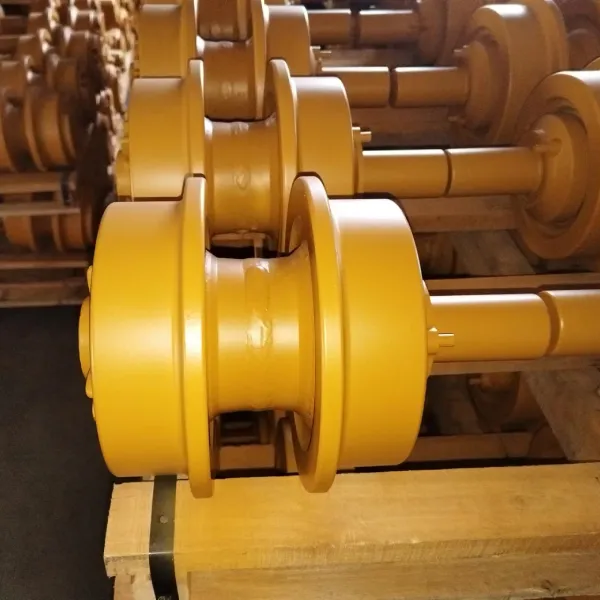
| ลูกกลิ้งขนส่ง (ลูกกลิ้งยอดนิยม) | รองรับน้ำหนักของโซ่ติดตามบนเส้นทางกลับ. | ดอกยางสึกจากโซ่ตีนตะขาบ. | การปิดผนึกที่ดีเยี่ยมเป็นสิ่งสำคัญ; ร่างกายปลอมแปลงให้ความแข็งแกร่ง, ตัวเรือนที่มั่นคงสำหรับตลับลูกปืนและซีล. |
| สเตอร์ | มีส่วนร่วมกับบูชของแทร็กเพื่อขับเคลื่อนแทร็ก. | การสึกหรอของฟัน, "กำลังเกี่ยว" ของฟันขณะสึก. | ความแข็งเป็นพิเศษบนพื้นผิวสัมผัสของฟันเพื่อต้านทานการสึกหรอจากการเชื่อมต่อของบุชชิ่ง. |
| คนขี้เกียจ | นำทางแทร็กที่ด้านหน้าของโครงช่วงล่างและใช้เพื่อปรับความตึงของแทร็ก. | การสึกหรอของดอกยางและหน้าแปลน, คล้ายกับลูกกลิ้ง. | ใหญ่, รูปทรงที่ซับซ้อนได้รับประโยชน์อย่างมากจากความแข็งแกร่งและความสมบูรณ์ของกระบวนการตีขึ้นรูป. |
ติดตามโซ่: นี่คือโครงกระดูกของแทร็ก. ความแม่นยำในการผลิตพินและบุชชิ่งและการอบชุบด้วยความร้อนจะกำหนดระยะเวลาที่โซ่จะรักษาระยะพิทช์ที่ถูกต้อง (ระยะห่างระหว่างพิน). เนื่องจากหมุดและบุชชิ่งสึกหรอภายใน, สนามยาวขึ้น, ซึ่งเร่งการสึกหรอของเฟือง. ตัวข้อต่อจะต้องทนต่อแรงดึงอันมหาศาลและการสึกหรอจากการเสียดสี, ทำให้โครงสร้างเกรนที่ประณีตของข้อต่อปลอมแปลงเป็นสิ่งที่ขาดไม่ได้.
ลูกกลิ้งและคนเดินเตาะแตะ: ส่วนประกอบเหล่านี้มีอายุการบีบอัดและการเสียดสีอย่างต่อเนื่อง. ความสามารถในการหมุนได้อย่างราบรื่นและต้านทานการสึกหรอขึ้นอยู่กับความแข็งของพื้นผิวและคุณภาพของตลับลูกปืนและซีลภายใน. การรั่วไหลในซีลลูกกลิ้งทำให้กรวดที่มีฤทธิ์กัดกร่อนเข้ามาและน้ำมันหลุดออกไป, นำไปสู่ความล้มเหลวอย่างรวดเร็วและสมบูรณ์. ที่แข็งแกร่ง, โครงสร้างลูกกลิ้งฟอร์จที่แม่นยำตามขนาดทำให้มีตัวเครื่องที่ดีที่สุดสำหรับซีลที่สำคัญเหล่านี้.
สเตอร์: เฟืองจะถ่ายโอนกำลังจากชุดขับเคลื่อนสุดท้ายไปยังห่วงโซ่ของราง. ส่วนปลายของฟันเฟืองจะได้รับแรงกดจากการสัมผัสที่สูงมากขณะสัมผัสกับบูชของราง. การตีขึ้นรูป, ตามด้วยการชุบแข็งแบบเหนี่ยวนำที่แม่นยำของฟัน, เป็นวิธีเดียวที่จะสร้างเฟืองที่สามารถทนต่อแรงเหล่านี้ได้โดยไม่สึกหรอก่อนวัยหรือฟันหัก.
โดยเข้าใจงานเฉพาะของแต่ละส่วน, เราจะเข้าใจได้ดีขึ้นว่าเหตุใดจึงเป็นเรื่องทั่วไป, แนวทางการใช้วัสดุและการผลิตที่มีขนาดเดียวเหมาะกับทุกคนยังไม่เพียงพอ. แต่ละส่วนประกอบต้องการโซลูชันที่ออกแบบโดยเฉพาะ, และกระบวนการตีขึ้นรูปอย่างแม่นยำให้ความยืดหยุ่นและการควบคุมเพื่อส่งมอบโซลูชันที่ออกแบบโดยเฉพาะด้วยความแข็งแกร่งและความน่าเชื่อถือที่ไม่มีใครเทียบได้.
คำถามที่พบบ่อย (คำถามที่พบบ่อย)
อะไรคือความแตกต่างที่สำคัญที่สุดระหว่างชิ้นส่วนช่วงล่างปลอมแปลงที่มีความแม่นยำและชิ้นส่วนช่วงล่างแบบหล่อ? ความแตกต่างหลักอยู่ที่โครงสร้างเกรนภายในของโลหะ. Forging kneads and aligns the steel's grain to follow the shape of the part, ทำให้เกิดความหนาแน่น, โครงสร้างต่อเนื่องที่แข็งแกร่งและทนทานต่อการกระแทกและความเมื่อยล้ามากขึ้นอย่างเห็นได้ชัด. การหล่อเกี่ยวข้องกับการเทโลหะหลอมเหลวลงในแม่พิมพ์, ส่งผลให้เกิดโครงสร้างเกรนแบบสุ่มที่สามารถมีช่องว่างขนาดเล็กมากได้, ทำให้เปราะมากขึ้นและมีแนวโน้มที่จะเกิดความล้มเหลวที่ไม่คาดคิดภายใต้ความเครียด.
สภาพแวดล้อมการทำงานของฉันส่งผลต่อชิ้นส่วนช่วงล่างที่ฉันควรเลือกอย่างไร? สภาพแวดล้อมของคุณเป็นปัจจัยสำคัญ. สำหรับสภาพที่มีการเสียดสีสูง เช่น ทรายหรือกรวดละเอียด, คุณต้องการชิ้นส่วนที่มีความแข็งพื้นผิวสูงสุดเพื่อต้านทานการสึกหรอ. สำหรับงานที่มีแรงกระแทกสูงเช่นในเหมืองหิน, คุณต้องการชิ้นส่วนที่มีความเหนียวของแกนที่เหนือกว่าเพื่อดูดซับแรงกระแทกโดยไม่แตกร้าว. เพื่อความเย็นจัด, คุณต้องการชิ้นส่วนที่ทำจากโลหะผสมเหล็กเฉพาะที่ต้านทานการเปราะที่อุณหภูมิต่ำ. A good supplier will help you match the part's engineering to your specific application.
ฉันสามารถผสมและจับคู่ส่วนประกอบช่วงล่างจากผู้ผลิตหลายรายได้หรือไม่? แม้ว่าบางครั้งจะเป็นไปได้ก็ตาม, โดยทั่วไปไม่แนะนำ. ผู้ผลิตแต่ละรายอาจมีความคลาดเคลื่อนของขนาดที่แตกต่างกันเล็กน้อย, ข้อมูลจำเพาะของวัสดุ, และโปรไฟล์ความแข็ง. ส่วนประกอบที่ไม่ตรงกันอาจทำให้เกิดความพอดีที่ไม่เหมาะสมและการสึกหรอของทั้งระบบเร็วขึ้น. ตัวอย่างเช่น, ใหม่, ระยะพิทช์ที่ถูกต้องของโซ่ที่วิ่งบนเฟืองที่สึกหรอจะทำให้โซ่ใหม่สึกหรอเร็วขึ้นมาก. เพื่อประสิทธิภาพและอายุการใช้งานที่เหมาะสมที่สุด, เป็นการดีที่สุดที่จะใช้แบบสมบูรณ์, ระบบที่ตรงกันจากระบบเดียว, ผู้ผลิตคุณภาพสูง.
ราคาที่สูงกว่าสำหรับชิ้นส่วนปลอมแปลงที่มีความแม่นยำนั้นสมเหตุสมผลเสมอไป? เมื่อประเมินผ่านเลนส์ Total Cost of Ownership (TCO), ราคาเริ่มต้นที่สูงกว่านั้นมักจะสมเหตุสมผลเสมอไป. อายุการใช้งานที่ยาวนานขึ้นและความน่าเชื่อถือที่เหนือกว่าของชิ้นส่วนปลอมแปลงที่มีความแม่นยำ ส่งผลให้รอบการเปลี่ยนน้อยลง, ลดต้นทุนค่าแรง, และ, ที่สำคัญที่สุด, ลดเวลาหยุดทำงานของเครื่องจักรที่มีค่าใช้จ่ายสูงได้อย่างมาก. เบี้ยประกันภัยจำนวนเล็กน้อยที่จ่ายล่วงหน้าเป็นการลงทุนที่ให้ผลตอบแทนจำนวนมากโดยการรักษาเครื่องจักรของคุณให้มีประสิทธิภาพและผลกำไร.
How can I verify the quality of a potential supplier's parts? มองหาหลักฐานที่เป็นรูปธรรม. ขอใบรับรองคุณภาพเช่น ISO 9001. สอบถามเกี่ยวกับการจัดหาวัสดุและขอดูรายงานการวิเคราะห์ทางเคมีและการทดสอบทางกลสำหรับเหล็กของพวกเขา. หารือเกี่ยวกับกระบวนการบำบัดความร้อน. ผู้ผลิตที่มีชื่อเสียงจะต้องมีความโปร่งใสและสามารถให้ข้อมูลทางเทคนิคโดยละเอียดเพื่อยืนยันการกล่าวอ้างด้านคุณภาพของตนได้. ในที่สุด, พิจารณาการรับประกันและระดับการสนับสนุนทางเทคนิค, เพราะสะท้อนถึงความมั่นใจในผลิตภัณฑ์ของตนเอง.
ฉันควรวางแผนเปลี่ยนช่วงล่างเมื่อใด? การเปลี่ยนควรขึ้นอยู่กับการสึกหรอที่วัดได้, ไม่ใช่แค่ชั่วโมงการใช้งานเท่านั้น. การใช้เครื่องมือพิเศษในการวัดการสึกหรอของหมุดแทร็ก, บูช, รางลิงค์, และหน้าแปลนลูกกลิ้งช่วยให้คุณสามารถติดตามอัตราการสึกหรอและคาดการณ์เมื่อส่วนประกอบต่างๆ จะหมดอายุการใช้งาน. วิธีการเชิงรุกนี้ช่วยให้คุณสามารถจัดกำหนดการการบำรุงรักษาก่อนที่ความล้มเหลวจะเกิดขึ้น, เปลี่ยนราคาแพง, การพังทลายของแผนโดยไม่คาดคิด, กิจกรรมการบริการที่มีประสิทธิภาพ.
บทบาทของการอบชุบด้วยความร้อนต่อคุณภาพของรองเท้าติดตามคืออะไร? การอบชุบด้วยความร้อนถือเป็นสิ่งสำคัญสำหรับรองเท้าลู่วิ่ง, ซึ่งต้องการคุณสมบัติที่ผสมผสานกันได้ยาก. ส่วนหลักของรองเท้าจะต้องแข็งแกร่งเพื่อต้านทานการโค้งงอและการแตกร้าวขณะเคลื่อนไปบนพื้นที่ไม่เรียบ. อย่างไรก็ตาม, พวกบ่น (แถบยกสูงที่ให้การยึดเกาะ) ต้องแข็งมากเพื่อต้านทานการสึกหรอจากการเสียดสี. กระบวนการที่เรียกว่า "การชุบแข็งแบบทะลุผ่าน"" ตามด้วยการแบ่งเบาบรรเทาอย่างระมัดระวังเพื่อให้ได้ความเหนียวหลักที่จำเป็น, ทำให้รองเท้าสามารถทนต่อแรงกดอันหนักหน่วงที่กดทับได้.
บทสรุป
การเลือกชิ้นส่วนช่วงล่างสำหรับเครื่องจักรกลหนักถือเป็นการตัดสินใจที่มีผลกระทบในวงกว้าง, ส่งผลกระทบต่อทุกสิ่งตั้งแต่ประสิทธิภาพการดำเนินงานรายวันไปจนถึงความสามารถในการทำกำไรในระยะยาวของธุรกิจ. วิธีการผิวเผิน, แนะนำโดยราคาซื้อเริ่มต้นเท่านั้น, มองข้ามการมีอิทธิพลซึ่งกันและกันอันซับซ้อน, วัสดุ, และสภาพแวดล้อมที่กำหนดอายุการใช้งานของส่วนประกอบเหล่านี้. เป็นเส้นทางที่มักนำไปสู่การหยุดทำงานที่เพิ่มขึ้น, ค่าบำรุงรักษาที่เพิ่มขึ้นอย่างรวดเร็ว, และไทม์ไลน์ของโครงการที่ถูกบุกรุก.
เส้นทางที่รู้แจ้งมากขึ้นเกี่ยวข้องกับการมีส่วนร่วมที่ลึกซึ้งยิ่งขึ้นกับหลักการของวัสดุศาสตร์, กระบวนการผลิต, และวิศวกรรมเฉพาะด้านการใช้งาน. โดยการทำความเข้าใจข้อดีทางโลหะวิทยาที่ได้รับจากโลหะผสมเหล็กจำเพาะ, ชื่นชมความเหนือกว่าของโครงสร้างจุลภาคของกระบวนการตีขึ้นรูปด้วยความแม่นยำ, และยืนกรานในการออกแบบที่ปรับให้เหมาะกับความท้าทายเฉพาะของสภาพแวดล้อมการทำงาน, เปลี่ยนการซื้อง่ายๆ ให้เป็นการลงทุนเชิงกลยุทธ์. แนวทางนี้, โดยมีศูนย์กลางอยู่ที่แนวคิดเรื่องต้นทุนรวมในการเป็นเจ้าของ, ตระหนักดีว่าคุณค่าที่แท้จริงไม่ได้อยู่ที่การออมครั้งแรก แต่อยู่ที่อายุขัยที่ขยายออกไป, ความน่าเชื่อถือที่เพิ่มขึ้น, และประสิทธิภาพที่ยั่งยืนซึ่งส่วนประกอบคุณภาพสูงมอบให้. ในที่สุด, การเลือกชิ้นส่วนช่วงล่างปลอมแปลงที่มีความแม่นยำเป็นเครื่องยืนยันถึงความมุ่งมั่นในด้านคุณภาพ, กลยุทธ์ในการลดความเสี่ยง, และเป็นขั้นตอนพื้นฐานในการสร้างการดำเนินงานด้านเครื่องจักรกลหนักที่มีความยืดหยุ่นและประสบความสำเร็จ.
การอ้างอิง
สมาคมอเมริกันสำหรับโลหะ. (1988). การตีและกระบวนการขึ้นรูปที่เกี่ยวข้อง. ในคู่มือโลหะ: ฉบับที่. 14. การขึ้นรูปและการปลอม (9เอ็ด). เอเอสเอ็ม อินเตอร์เนชั่นแนล.
โบเยอร์, ชม. อี. (เอ็ด). (1987). Atlas ของไดอะแกรมการบำบัดความร้อน. เอเอสเอ็ม อินเตอร์เนชั่นแนล.
เดวิส, J. R. (เอ็ด). (2001). การผสม: ทำความเข้าใจพื้นฐาน. เอเอสเอ็ม อินเตอร์เนชั่นแนล. https://doi.org/10.31399/asm.tb.autb.9781627082859
คูร์มี, R. ส., & กุปตะ, J. เค. (2005). หนังสือเรียนการออกแบบเครื่องจักร. สำนักพิมพ์ยูเรเซีย.
มีเหตุมีผล, เค. (เอ็ด). (1985). คู่มือการขึ้นรูปโลหะ. แมคกรอ-ฮิลล์.
เอสเอ็มไอ. (2021). พื้นฐานการตีขึ้นรูป: กระบวนการตีขึ้นรูป. สมาคมอุตสาหกรรมการตีขึ้นรูป. สืบค้นจาก
ทอทเทน, ช. อี. (2006). การบำบัดความร้อนด้วยเหล็ก: โลหะวิทยาและเทคโนโลยี. ซีอาร์ซี เพรส. https://doi.org/10.1201/9781420006463
เวอร์มา, J. น., & คูมาร์, S. (2019). ทบทวนผลของธาตุผสมที่มีต่อเหล็กสเตนเลส. วัสดุวันนี้: การดำเนินการ, 18, 466-473.