
추상적인
건설 중장비의 작동 가능성과 경제성은 근본적으로 차대 시스템의 내구성에 달려 있습니다.. 이 문서는 정밀 단조 차대 부품 선택과 관련된 중요한 요소에 대한 포괄적인 분석을 제공합니다.. 재료 과학 사이의 복잡한 관계를 조사합니다., 제조 방법론, 및 응용 분야별 엔지니어링. 이번 조사에서는 강철 합금의 야금학적 특성을 조사합니다., 주조에 비해 단조의 미세구조적 장점 대조. 뿐만 아니라, 열처리 공정의 심오한 영향을 탐구합니다., 담금질 및 템퍼링과 같은, 경도와 인성의 필수 균형을 달성하는 방법. 분석은 다양한 운영 환경에 맞는 설계 고려 사항의 중요성으로 확장됩니다., 마모가 심한 사막 지형부터 충격이 심한 채석장까지. 엄격한 품질 보증 프로토콜의 역할과 총 소유 비용 계산은 정보에 입각한 조달 결정을 내리는 데 있어 중추적인 요소로 설명됩니다.. 이 가이드는 차량 관리자를 위한 필수 리소스 역할을 합니다., 조달 담당자, 우수한 구성 요소 선택을 통해 기계 가동 시간을 극대화하고 자산 수명을 연장하려는 유지 관리 엔지니어.
주요 테이크 아웃
- 재료 구성 우선순위; 우수한 강철 합금은 부품 수명을 직접적으로 향상시킵니다..
- 단조 공정이 더 강한 결과를 낳는다는 것을 이해하세요., 주조보다 내구성이 뛰어난 입자 구조.
- 특정 작동 환경에 맞게 부품 설계 및 열처리를 일치시키세요..
- 투명한 품질 보증과 강력한 보증 지원을 갖춘 공급업체를 선택하세요..
- 총 소유 비용 평가, 부품의 초기 가격뿐만 아니라.
- 고품질의 정밀 단조 차대 부품에 투자하여 비용이 많이 드는 장비 가동 중지 시간을 최소화합니다..
- 국제 품질 표준 준수를 보장하기 위해 제조업체 인증을 확인하세요..
목차
- 성과의 기초: 차대 무결성이 중요한 이유
- 요인 1: 재료 과학 및 금속 구성
- 요인 2: 정밀 단조 공정과 그 의미
- 요인 3: 특정 응용 분야를 위한 설계 및 엔지니어링
- 요인 4: 품질 보증 및 제조업체 평판
- 요인 5: 장기적인 가치와 총소유비용 (TCO)
- 주요 차대 구성 요소에 대한 심층 조사
- 자주 묻는 질문 (FAQ)
- 결론
- 참조
성과의 기초: 차대 무결성이 중요한 이유
굴삭기 또는 도저의 하부 구조는 지면과 바로 연결되어 있습니다.. 기계의 전체 무게를 지탱하는 움직이는 구성 요소의 복잡한 시스템입니다., 굴착 중에 생성되는 엄청난 동적 힘과 함께, 미는, 그리고 험난한 지형을 횡단하면서. 단순한 바퀴 세트가 아니라고 생각하세요, but as the machine's foundation, 골격 구조, 근육 시스템이 모두 하나로 통합되었습니다.. 단일 트랙 링크의 실패, 롤러, 또는 스프로킷이 한 부분만 정지하지 않는 경우; 그것은 여러 톤을 가져올 수 있습니다, 수백만 달러 규모의 장비가 중단되었습니다.. 후속 비용은 결코 교체 부품 가격에만 국한되지 않습니다.. 바깥쪽으로 물결친다, 생산성 손실을 포괄, 프로젝트 지연, 유휴 시간에 대한 운영자 임금, 현장 수리에 따른 물류 비용.
호주의 광산 부문과 같이 운영 속도가 까다로운 지역, 중동의 대규모 건설 프로젝트, 또는 러시아와 아프리카 전역의 자원 추출 산업, 하체는 가혹한 처벌을 받는다. 회사의 재무 및 운영 상태는 이러한 구성 요소의 탄력성과 직접적으로 연결될 수 있습니다.. 이러한 이유로, 교체 부품 선택은 단순한 조달 작업을 뛰어넘습니다.; 전략적 결정이 된다. 더 저렴하게 선택하기, 품질이 낮은 주조 부품은 신중한 단기 절약처럼 보일 수 있습니다., 그러나 이는 장기적으로 보면 비용이 많이 드는 오류로 판명되는 경우가 많습니다.. 내구성에 중점을 두어야 함, 회복력, 성능, 이는 정밀 단조 차대 부품의 특징입니다.. 이러한 우수한 구성 요소를 차별화하는 요소를 이해하는 것이 보다 안정적이고 수익성 있는 차량을 구축하기 위한 첫 번째 단계입니다..
요인 1: 재료 과학 및 금속 구성
기계 부품의 성능은 원자 수준에서 시작됩니다.. 부품의 형태가 만들어지기 전에, 힘의 잠재력, 내마모성, 인성은 구성 요소에 따라 결정됩니다.. 정밀 단조 차대 부품용, 강철의 선택은 사소한 문제가 아닙니다; 그것은 미래 성과의 본질입니다. 관련된 야금술에 대한 깊은 이해를 통해 진정으로 견고한 구성 요소와 단지 부품만 보이는 열등한 구성 요소를 구별할 수 있습니다..
강철 합금의 역할
기본 철은 도저나 굴삭기 하부 구성품이 견디는 힘을 견딜 만큼 강하지 않습니다.. 마법은 합금을 통해 일어납니다. 즉, 철에 특정 원소를 추가하여 맞춤형 특성을 지닌 강철을 만드는 과정입니다..
- 탄소 (기음): 이것은 강철의 가장 기본적인 합금 원소입니다.. Increasing the carbon content increases the steel's hardness and its ability to be hardened through heat treatment. 하지만, 탄소가 너무 많으면 강철이 부서지기 쉽습니다.. 차대 부품용, 일반적으로 중간 정도의 탄소 함량을 추구합니다., 인성을 너무 많이 희생하지 않고 경도에 대한 좋은 기준 제공.
- 망간 (망): 망간은 다양한 용도로 사용되는 필수 요소입니다.. 강의 담금질성을 향상시킵니다., 즉, 두꺼운 부분이 더 균일하게 경화될 수 있음을 의미합니다.. 또한 강도에 기여하고 철강 생산 중 탈산제 역할을 합니다., 불순물을 청소하다.
- 크롬 (Cr): 내마모성을 생각할 때, 크롬이 떠오를 것이다. 강력한 탄화물 형성제입니다.. Carbides are extremely hard micro-constituents within the steel's structure that act like microscopic armor against abrasive wear. 크롬은 또한 내식성과 경화성을 크게 향상시킵니다..
- 몰리브덴 (모): 몰리브덴은 크롬의 강력한 동맹자입니다.. It greatly increases the steel's toughness at a given hardness level, 열처리 후 부품이 부서지는 것을 방지. 또한 고온에서 강도를 향상시키고 성질이 부서지는 것을 방지하는 데 도움이 됩니다., 특정 열처리 주기 동안 부품을 약화시킬 수 있는 현상.
- 붕소 (비): 극소량이라도, 붕소는 강철의 경화성을 높이는 데 극적인 효과가 있습니다.. 이를 통해 제조업체는 덜 심각한 담금질로 견고한 부품에서 원하는 경도 수준을 달성할 수 있습니다., 균열 위험 감소. 35MnB 또는 42CrMo와 같은 강철은 고품질 정밀 단조 차대 부품을 위한 일반적인 선택입니다., 이러한 특성의 탁월한 균형으로 인해 선택됨.
경도와 이해 비교. 인성
경도와 인성을 같은 것으로 생각하는 것은 일반적인 오해입니다.. 야금학에서, 그것들은 뚜렷하고 종종 반대되는 속성입니다, 차대 구성 요소의 경우 이들 사이의 균형이 가장 중요합니다..
- 경도: This is the material's ability to resist surface indentation and abrasion. 트랙 링크나 롤러와 같은 부품이 모래로 인한 연삭 마모를 견디려면 높은 표면 경도가 필요합니다., 자갈, 그리고 락. 경도는 종종 Rockwell C 스케일로 측정됩니다. (HRC).
- 인성: This is the material's ability to absorb energy and deform without fracturing. 인성이 낮은 부품은 부서지기 쉽습니다., 유리처럼. 많이 힘들 수도 있어요, 하지만 날카로운 충격을 가하면 부서질 수 있습니다. 차대 구성품의 코어는 기계 낙하로 인한 충격 하중을 흡수할 수 있을 만큼 견고해야 합니다., 장애물에 부딪히다, 아니면 급격하게 방향을 틀거나.
완벽한 차대 부품, 그러므로, 이중 성격을 갖고 있다. 그것은 매우 단단한 외부 "케이스를 가지고 있습니다." 마모와 더 힘든 상황에 대처하기 위해, 더 연성 내부 "코어"" 충격과 충격에 저항하기 위해. 이러한 이중성을 달성하는 것이 열처리 공정의 주요 목표입니다., 나중에 살펴보겠습니다.. 경화성이 좋은 강철 합금을 선택하는 것이 이러한 이중 성격을 가능하게 하는 첫 번째 단계입니다..
불순물의 유령
의도적으로 추가된 요소만큼 중요한 요소는 엄격하게 제외되어야 합니다.. 황 (에스) 인 (피) 이 용도에 사용되는 강철에서 가장 해로운 두 가지 불순물은 다음과 같습니다..
- 황: 황화망간이 형성됩니다., which create weak points within the steel's grain structure. This can severely reduce the material's ductility and impact toughness, 하중이 가해지면 균열이 생기기 쉽습니다..
- 인: "성미 취성"으로 알려진 현상이 발생할 수 있습니다.," 특정 온도 범위에서 유지되거나 천천히 냉각된 후 강철이 부서지기 쉬운 현상. 또한 전체적인 인성을 감소시킵니다..
평판이 좋은 제철소와 단조업체에서는 "깨끗한 제품"을 생산하기 위해 많은 노력을 기울이고 있습니다." 황과 인 함량이 극히 낮은 강철. 정밀 단조 차대 부품 공급업체를 평가할 때, 철강 조달 및 원소 순도 기준에 대해 문의하는 것은 안목 있는 구매자의 표시입니다.. 이러한 불순물의 존재는 현장에서 치명적이고 조기 고장을 초래할 수 있는 눈에 보이지 않는 결함입니다..
요인 2: 정밀 단조 공정과 그 의미
재료 선택이 점토의 선택이라면, the manufacturing process is the work of the sculptor's hands. 강철을 가공되지 않은 빌렛에서 완성된 트랙 링크나 롤러로 성형하는 데 사용되는 방법은 내부 구조와 구조에 큰 영향을 미칩니다., 따라서, 강도와 수명. 주조와 단조의 구별이 단순한 기술적인 세부 사항이 아닌 곳이 바로 여기입니다., 하지만 품질과 성능에는 근본적인 차이가 있습니다..
단조 대. 주조: 두 가지 미세구조 이야기
나무 블록을 상상해 보세요. 그것은 반대하는 것보다 결을 따라 훨씬 더 강합니다. 단조는 비슷한 원리로 작동합니다., 그러나 강철의 미세한 입자 구조로 인해. 주조, 반면에, 매우 다른 과정이다.
| 특징 | 주조 | 정밀단조 |
|---|---|---|
| 프로세스 | 쇳물을 틀에 부어 굳히는 방식. | 견고한 강철 빌렛은 다이를 사용하여 엄청난 압력으로 가열되고 성형됩니다.. |
| 곡물 구조 | 무작위의, 등방성 (모든 방향에서 동일한 속성). 종종 다공성을 포함합니다.. | 그레인은 부품의 모양을 따르도록 미세화되고 방향이 지정됩니다., 지속적인 곡물 흐름 생성. |
| 내부 결함 | 다공성 경향 (가스 거품), 수축 공동, 그리고 콜드 셧. | 압축력을 통해 내부 공극 및 다공성을 제거합니다.. |
| 힘 & 인성 | 일반적으로 인장 강도 및 피로 저항이 낮습니다.. 더 부서지기 쉬운. | 우수한 인장 강도, 피로 생활, 및 충격 인성. |
| 신뢰할 수 있음 | 덜 예측 가능; 숨겨진 내부 결함으로 인해 예상치 못한 실패가 발생할 수 있음. | 정교한 구조로 인해 부품 간 신뢰성이 높고 일관성이 높습니다.. |
주조 마치 얼음을 만드는 것과 같다. 트레이에 액체 물을 부으면 모양이 얼어붙습니다.. 결과 결정 구조는 무작위입니다.. 비슷하게, 캐스팅 중, 녹은 강철을 틀에 붓는다. 식으면서, 알갱이가 무작위로 형성된다, 불균일한 패턴. 이는 미세한 공극과 본질적으로 더 약하고 응력에 의해 균열이 발생하기 쉬운 구조로 이어질 수 있습니다..
단조, 대조적으로, 다듬어지는 과정이다. 고품질 강철로 만든 견고한 빌렛을 가단성 온도로 가열합니다. (하지만 녹지 않은) 그리고 눌렀다, 망치질하다, 또는 수천 톤의 압력을 받아 두 개의 맞춤형 다이 사이에 압착되어 모양이 만들어졌습니다.. This immense force does something remarkable to the steel's internal grain structure. 입자가 부품의 윤곽을 따라 정렬되고 흐르도록 강제합니다., 근육의 섬유와 매우 유사. 이 "곡물 흐름" 내부 공극을 제거하고 연속적인 공간을 만듭니다., 매우 견고하고 피로와 충격에 강한 치밀한 구조. 정밀 단조 차대 부품은, 그러므로, 중장비의 가혹한 작업 수명을 견딜 수 있는 능력이 본질적으로 우수합니다..
열처리의 뉘앙스: 담금질 및 템퍼링
단조는 이상적인 입자 구조를 만듭니다, 그러나 열처리는 잠재력을 최대한 발휘합니다.. 이는 단단한 표면과 견고한 코어의 이중 특성을 생성하도록 설계된 신중하게 제어되는 열 공정입니다..
- 오스테나이트화: 단조 부품을 정확한 온도로 가열합니다. (일반적으로 약 850-950°C) 내부 결정 구조가 오스테나이트라는 상으로 변태되는 곳. 이것이 경화의 시작점이다.
- 담금질: 오스테나이트화 직후, 부품을 물과 같은 매체에 담그면 급속 냉각됩니다., 기름, 또는 폴리머 용액. 이러한 급속 냉각으로 인해 오스테나이트는 마르텐사이트로 변태됩니다., 매우 단단하지만 매우 부서지기 쉬운 결정 구조. 담금질 속도가 중요합니다.; too slow and the part won't achieve full hardness, 너무 빠르면 갈라지거나 휘어질 수 있습니다.. The specific quench medium is chosen based on the steel alloy and the part's geometry.
- 템퍼링: 담금질만 된 부품은 부서지기 쉬우므로 서비스할 수 없습니다.. 첫 번째 중요한 충격에 부서질 것입니다.. 템퍼링은 담금질된 부품을 더 낮은 온도로 재가열하는 과정입니다. (예를 들어, 200-500℃) 특정 시간 동안 보관하고. 이 공정은 담금질로 인한 내부 응력을 완화하고 취성 마르텐사이트 일부가 보다 연성 구조로 변형되도록 합니다.. Tempering reduces the overall hardness slightly but dramatically increases the part's toughness.
열처리의 예술과 과학은 내마모성을 위한 표면 경도와 내충격성을 위한 코어 인성의 최적 균형을 달성하기 위한 완벽한 템퍼링 온도와 시간을 찾는 데 있습니다.. 트랙 롤러 또는 아이들러와 같은 구성품용, 라는 프로세스 유도 경화 자주 사용됩니다. 여기, 부품의 외부 표면만 유도 코일로 급속 가열한 후 담금질합니다.. 이것은 매우 깊은, 부품의 핵심은 그대로 유지하면서 매우 단단한 외부 케이스, 더 강인한 상태 - 이중 인격 원칙의 궁극적인 표현.
치수 정확도 및 표면 마감
"정밀도" 정밀 단조는 단순한 마케팅 용어가 아닙니다.. 고급의 사용, 컴퓨터로 가공된 다이와 강력한 유압 프레스를 사용하면 치수 공차가 매우 엄격한 부품을 만들 수 있습니다.. 이는 부품이 최종 형상에 매우 가깝게 만들어졌다는 것을 의미합니다., 단조 후 가공을 최소화해야 함. 여기에는 여러 가지 이점이 있습니다.:
- 일관성: 모든 부분이 사실상 동일합니다, 차대 어셈블리 내에서 적절한 장착과 기능을 보장합니다..
- 힘: 가공이 적다는 것은 단조 중에 생성된 유익한 입자 흐름이 보존된다는 것을 의미합니다., 특히 중요한 표면에.
- 비용 효율성: 가공 시간 및 재료 낭비 감소로 생산 공정 효율이 향상됩니다..
매끄러운 표면 마감, 종종 오래된 단조 방법과 관련된 규모와 거칠기가 없음, 품질의 특징이기도 합니다. 매끄러운 표면은 마찰을 줄이고 씰을 위한 더 나은 기반을 제공합니다., 롤러 및 아이들러와 같은 부품의 수명 연장.
요인 3: 특정 응용 분야를 위한 설계 및 엔지니어링
트랙 링크는 단순한 트랙 링크가 아닙니다.. 모래밭에서 작업하는 도저용으로 설계된 구성품, 아랍에미리트의 거친 토양은 한국 채석장의 암석을 깨는 굴착기나 시베리아 영구 동토층에서 작동하는 굴삭기의 요구 사항과 다릅니다.. 정밀 단조 차대 부품의 진정한 우수성은 다양하고 적대적인 환경을 인정하는 엔지니어링에서 비롯됩니다.. 기하학, 대량의, 부품의 특정 열처리 프로필은 의도된 용도에 직접적으로 반응해야 합니다..
마모가 심한 환경 (호주의 광업, 중동 사막)
모래가 많은 환경에서, 미세한 모래, 그리고 연마석, 가장 큰 적은 마모다. 지속적인 연삭 작업은 차대의 움직이는 모든 구성 요소에서 사포처럼 작용합니다..
- 엔지니어링 포커스: 여기서 디자인 우선순위는 표면 경도를 극대화하는 것입니다.. 목표는 가능한 한 오랫동안 이러한 끊임없는 마모를 견딜 수 있는 부품을 만드는 것입니다..
- 재료 & 열처리: 이를 위해서는 단단한 크롬 탄화물을 형성하기 위해 크롬 함량이 높은 강철 합금이 필요합니다.. 열처리 공정은 매우 높은 표면 경도를 생성하도록 맞춤화됩니다. (종종 범위 내에서 52-58 HRC) 그리고 깊게 강화된 케이스. 유도 경화는 이러한 조건에서 트랙 롤러와 아이들러에 특히 효과적입니다., 깊은 창조, 내마모성 쉘.
- 디자인 고려 사항: 부품의 기하학적 구조는 재료를 흘리고 모래가 갇힐 수 있는 접촉 영역을 줄이기 위해 최적화될 수 있습니다.. 롤러와 아이들러의 씰 디자인 또한 가장 중요합니다., 미세먼지 유입을 방지하면서, 연마 입자는 내부 파괴를 방지하는 핵심입니다.
큰 영향을 받는 조건 (채석, 파괴)
채석장이나 철거 현장에서, 하부 구조는 지속적으로 영향을 받습니다., 심한 충격 부하. 기계가 날카로운 곳을 주행하고 있을 수 있습니다., 부서진 바위, 또는 유압 해머나 큰 양동이의 암석이 떨어지는 충격으로 인해 섀시 전체가 떨릴 수 있습니다..
- 엔지니어링 포커스: 여기, 순수한 경도에서 인성과 내충격성으로 우선순위가 바뀌었습니다.. 너무 힘든 부분 (그래서 부서지기 쉬운) 이러한 충격 부하로 인해 치명적인 오류가 발생합니다..
- 재료 & 열처리: 단단한 마모 표면이 여전히 필요하지만, 핵심 강인함은 쇼의 스타입니다. 몰리브덴과 니켈을 함유한 합금은 우수한 충격 특성 때문에 선호됩니다.. 템퍼링 과정은 약간 더 높은 온도로 조정됩니다., 연성과 인성을 크게 증가시키기 위해 몇 가지 경도를 희생합니다.. 깨지지 않고 에너지를 유연하게 흡수할 수 있는 부품이 목표.
- 디자인 고려 사항: 부품 형상은 하중을 분산시키고 균열이 시작될 수 있는 응력 집중을 방지하기 위해 응력이 높은 영역에서 더 넓은 반경과 필렛을 제공할 수 있습니다.. 충격 에너지를 흡수하기 위해 더 많은 벌크를 제공하기 위해 부품의 전체 질량과 단면적을 늘릴 수 있습니다..
극한 온도 작동 (시베리아 서리, 아프리카 열)
온도는 재료에 또 다른 차원의 응력을 발생시킵니다.. 강철은 매우 차갑거나 매우 뜨거울 때 다르게 행동합니다..
- 추운 날씨 (-20°C ~ -50°C): 극한 추위의 주요 위험은 취성파괴입니다.. 많은 강철은 "연성에서 취성으로의 전이"를 겪습니다." 기온이 떨어지면서. 20°C에서는 완전히 단단한 부품이 -40°C에서는 유리처럼 부서지기 쉽습니다..
- 엔지니어링 솔루션: 이를 위해서는 연성-취성 전이 온도가 매우 낮은 강철 합금을 선택해야 합니다.. 니켈 첨가는 특히 저온 인성 향상에 효과적입니다.. 인 등의 불순물을 제거하기 위한 엄격한 품질관리, 이 전이 온도를 높일 수 있는, 절대적으로 중요하다. 이러한 용도로 사용되는 모든 강철 배치는 저온 충격 강도를 테스트해야 합니다..
- 더운 날씨 (40°C+ 및 높은 작동 온도): 더운 기후에서, 도전은 다르다. 강철 자체는 마찰로 인해 발생하는 열과 주변 열이 결합되어 온도가 상승하므로 강도와 경도가 일부 손실될 수 있습니다..
- 엔지니어링 솔루션: 몰리브덴과 바나듐은 여기서 핵심 합금 원소입니다.. 이는 강철이 고온에서 경도와 강도를 유지하도록 돕습니다., "뜨거운 경도"로 알려진 특성." 윤활 및 밀봉 시스템도 더 큰 스트레스를 받고 있습니다., 따라서 냉각을 촉진하고 과열로부터 씰을 보호하는 설계가 더욱 중요해졌습니다..
통찰력 있는 공급업체 고품질 굴삭기 부품 모든 경우에 적용되는 단일 솔루션을 제공하지 않습니다.. 그들은 귀하의 특정 애플리케이션에 대한 대화에 참여할 것입니다, 위치, 기계가 수행하는 작업 유형. 이러한 협의 접근 방식은 제조업체가 정밀 단조 차대 부품 뒤에 숨은 심층적인 엔지니어링 원리를 이해하고 있음을 보여주는 강력한 지표입니다..
요인 4: 품질 보증 및 제조업체 평판
최고의 소재와 최첨단 단조 공정으로도, 차대 부품의 최종 품질은 이를 검증하기 위해 설치된 시스템에 따라 결정됩니다.. 품질 보증 (품질보증) 단일 단계가 아니라 생산의 모든 단계에 스며드는 만연한 문화입니다., 원자재 검사부터 최종 포장까지. A manufacturer's reputation is built not on marketing claims, 하지만 검증 가능한 제품의 일관성과 신뢰성에 대해서는, 강력한 지원 시스템으로 뒷받침됨.
디코딩 인증
인증은 제조업체가 세계적으로 인정받는 품질 관리 표준을 준수하는지 독립적으로 검증하는 방법입니다.. They are a baseline indicator of a company's commitment to process control and customer satisfaction.
- ISO 9001: 이는 가장 기본적이고 널리 인정되는 품질경영 표준입니다.. ISO 9001 인증은 제조업체가 문서화되고 감사된 품질 관리 시스템을 보유하고 있음을 나타냅니다. (QMS). 이는 문서 제어와 같은 프로세스가 마련되어 있음을 의미합니다., 시정 조치, 내부 감사, 지속적인 개선에 중점을 둡니다.. While it doesn't guarantee the quality of a specific part, 품질 달성을 위한 프레임워크가 존재하는지 확인합니다..
- 기타 관련 표준: 업종에 따라, ISO/TS와 같은 기타 인증 16949 (자동차 공급업체를 위한, 매우 엄격한 품질 요구 사항이 있는 제품) 또는 특정 OEM (원래 장비 제조업체) 공급업체 자격은 최상위 제조업체에 대한 강력한 지표가 될 수 있습니다.. 주요 기계 브랜드에 공급업체로 활동하는 회사는 엄격하고 까다로운 품질 감사를 통과했을 가능성이 높습니다..
공급자를 고려할 때, 인증을 요청하세요. 평판이 좋은 회사는 이를 자랑스럽게 공유할 것입니다.. 품질 관리 자격에 대해 모호하거나 무시하는 공급업체를 조심하세요..
추적성과 배치 테스트의 중요성
오늘 귀하가 받는 트랙 링크가 6개월 전에 구입한 것과 동일한 주의와 동일한 강철 품질로 만들어졌다고 어떻게 확신할 수 있습니까?? 답은 추적성과 배치 테스트입니다..
- 추적성: 강력한 추적성 시스템을 통해 제조업체는 생산 이력 전체에서 단일 구성요소를 추적할 수 있습니다.. 각 부분, 또는 적어도 각 부품 배치, 코드로 표시해야 함. 이 코드는 강철의 비열을 자세히 설명하는 기록에 연결됩니다. (화학 분석 보고서를 통해), 위조된 날짜, 열처리 사이클의 매개변수, 치수 및 경도 시험 결과. 이것은 매우 귀중한 것입니다. 혹시 현장에서 문제가 발생한다면, 추적성을 통해 제조업체는 근본 원인을 신속하게 식별하고 동일한 배치의 다른 부품이 영향을 받을 수 있는지 확인할 수 있습니다..
- 일괄 테스트: 모든 부품을 파괴할 때까지 테스트하는 것은 불가능합니다.. 대신에, 제조업체는 체계적인 배치 테스트에 의존합니다.. 각 생산 실행에서, 대표 샘플을 채취하여 일련의 테스트를 거칩니다.:
- 분광학적 분석: 강철의 화학적 조성을 확인하기 위해.
- 경도 테스트: 표면 경도와 다양한 깊이에서의 경도를 모두 확인하려면 (케이스 깊이 프로필).
- 인장 시험: To measure the material's ultimate strength and ductility.
- 충격 테스트 (예를 들어, 샤르피 테스트): To measure the material's toughness, 추운 기후용 부품의 경우 다양한 온도에서 수행되는 경우가 많습니다..
- 미세구조 분석: 야금학자가 절단할 것입니다., 광택, 샘플을 에칭하여 현미경으로 입자 구조를 조사합니다., 벌금을 찾고, 적절한 단조와 열처리로 균일한 입자 형성.
투명한 공급업체는 테스트 보고서를 제공하고 테스트 빈도 및 절차를 설명할 수 있습니다.. 이 데이터는 품질 주장을 뒷받침하는 객관적인 증거입니다..
공급업체 지원 및 보증 정책 평가
송장 지불 시 부품 공급업체와의 관계가 종료되어서는 안 됩니다.. The post-sale support and warranty policy are a direct reflection of the manufacturer's confidence in their own product.
- 보증: 보증 정책을 주의 깊게 읽으십시오.. 무엇을 다루고 있나요?, 그리고 얼마나 오랫동안? 영업시간 기준인가요, 아니면 기간 기준인가요?? 청구 절차는 어떻게 되나요?? 클리어, 포괄적인, 공정한 보증은 정밀 단조 차대 부품을 뒷받침하는 제조업체의 표시입니다.. 모호하거나 존재하지 않는 보증은 주요 위험 신호입니다..
- 기술지원: 제품을 기술적으로 이해하는 사람과 통화할 수 있습니까?? 설치에 관해 궁금한 점이 있으시면, 또는 비정상적인 마모 패턴이 나타나는 경우, 안내해 줄 수 있는 전문가가 있나요?? 지식이 풍부한 기술 지원에 대한 접근은 부품 자체만큼 가치가 있습니다, 특히 복잡한 문제를 진단할 때.
- 가용성 및 물류: 필요할 때 얻을 수 없다면 큰 부분은 쓸모가 없다. Evaluate the supplier's inventory levels and their logistical capabilities, 특히 귀하의 지역에 대해. 호주 시장에 서비스를 제공할 수 있는 유통 센터가 있습니까?, 러시아 제국, 또는 동남아시아를 효율적으로? 강력한 글로벌 물류 네트워크를 갖춘 공급업체는 중요한 부품이 필요할 때 가동 중지 시간을 크게 줄일 수 있습니다..
요인 5: 장기적인 가치와 총소유비용 (TCO)
중장비의 세계에서는, 견적에서 가장 위험한 숫자는 종종 가장 낮은 숫자입니다.. 차대 부품의 초기 구매 가격을 최소화하는 데에만 초점을 맞춘 조달 전략은 장기적인 재정적 고통을 초래합니다.. 보다 정교하고 궁극적으로 수익성이 더 높은 접근 방식은 총 소유 비용을 평가하는 것입니다. (TCO). TCO는 구매자가 전체 수명주기 동안 제품의 직접 및 간접 비용을 결정하는 데 도움이 되는 재정적 추정치입니다.. 부품의 실제 가격이 스티커 가격보다 훨씬 높다는 사실이 밝혀졌습니다..
초기 구매 가격을 넘어서
정밀 단조 차대 부품 세트의 초기 비용은 주조 부품보다 거의 확실하게 높을 것입니다.. 더욱 복잡한 제조 공정, 더 높은 품질의 원료, 광범위한 품질 관리는 모두 높은 초기 투자에 기여합니다.. 하지만, 이 초기 가격은 훨씬 더 큰 퍼즐의 한 조각일 뿐입니다.. TCO를 계산하려면 더 저렴한 기타 모든 관련 비용을 고려해야 합니다., 열등한 부분은 필연적으로 생성됩니다.
차대 부품에 대한 TCO 분석에는 다음이 포함되어야 합니다.:
- 초기 구매 가격: 부품 자체의 비용.
- 설치 인건비: 역학의 비용' 오래된 부품을 제거하고 새 부품을 설치할 시간.
- 다운 타임 비용: 기계가 작동하지 않을 때마다 손실되는 수익.
- 예상 수명: 부품이 지속될 것으로 예상되는 작동 시간.
- 향후 교체 비용: 다음 부품 세트의 가격과 이를 설치하는 데 소요되는 인건비.
수명이 길어진다는 점을 고려하면, 프리미엄 부품의 시간당 비용은 값싼 부품보다 훨씬 낮은 경우가 많습니다..
다운타임 비용 계산
가동 중지 시간으로 인한 비용은 TCO 방정식에서 가장 중요하면서도 가장 과소평가되는 요소입니다.. 소프트는 아니고, 추상적인 숫자; it is hard cash evaporating from the company's bottom line. 그것을 정량화하기 시작하는 방법?
건설 프로젝트의 중요한 경로에서 작업하는 40톤 굴삭기를 생각해 보세요..
- 수익 손실: 기계가 생성하는 경우, 예를 들어, $200 회사의 시간당 수익, 매 시간 유휴 상태로 있을 때마다 직접적인 손실이 발생합니다. $200.
- 연산자 & 지원 비용: 운영자는 여전히 급여를 받고 있을 가능성이 높습니다., 다른 지원 인력과 마찬가지로 (예를 들어, 굴삭기가 짐을 싣기를 기다리는 트럭 운전사). Let's say this is another $50 시간당.
- 프로젝트 처벌: 많은 대형 계약에는 지연에 대한 위약금 조항이 있습니다.. 이 기계 한 대의 고장으로 인해 전체 프로젝트가 지연되는 경우, 비용은 하루에 수천 또는 수만 달러로 늘어날 수 있습니다..
- 평판 훼손: Consistently failing to meet deadlines due to equipment breakdowns damages a company's reputation, 향후 입찰에서 낙찰받기가 더 어려워집니다..
Let's imagine a cheap set of track chains fails after 2,500 시간, 프리미엄 세트와 함께 정밀 단조 트랙 체인 지속 4,000 시간. 값싼 세트가 저장되었을 수도 있습니다 $2,000 최초 구매 시. 하지만 4,000시간 이내에 추가 교체 주기가 필요합니다.. 추가 주기에는 다음이 포함될 수 있습니다. 16 노동 시간 ($1,200) 그리고 16 몇 시간의 기계 가동 중단 시간 ($3,200 수익 손실만으로). "절약된 총 비용" $2,000 이제 실질적인 손실이 발생했습니다. $2,400 ($1,200 + $3,200 – $2,000), and that's before even considering project penalties. 프리미엄 부분, 초기 비용이 더 높음에도 불구하고, 훨씬 뛰어난 투자 수익을 제공합니다..
유지 관리 관행과의 공생 관계
고품질 정밀 단조 차대 부품의 전체 가치는 부지런한 유지 관리 관행과 결합될 때만 실현될 수 있습니다.. 둘은 얽혀있다. 프리미엄 부품은 저렴한 부품보다 어느 정도의 방치를 더 잘 견딜 수 있습니다., 하지만 수명은 여전히 단축될 것입니다.. 거꾸로, 아무리 최고의 유지관리를 하더라도 품질이 낮은 재료로 만든 부품을 구할 수는 없습니다..
투자 수명을 극대화하는 주요 유지 관리 방법에는 다음이 포함됩니다.:
- 정기 청소: 주기적으로 진흙 청소하기, 바위, 그리고 하체의 잔해물. 포장된 재료로 인해 무게가 증가합니다., 부담, 그리고 연마 마모.
- 적절한 트랙 장력: 트랙이 너무 빡빡하면 모든 구성 요소의 마찰과 마모가 크게 증가합니다.. 트랙이 너무 느슨하면 기계가 "트랙을 이탈할 수 있습니다." 그리고 심각한 피해를 입힌다. 트랙 장력은 OEM 사양 및 현재 작업 조건에 따라 정기적으로 점검하고 조정해야 합니다..
- 정기점검: 매일 차대에 느슨한 볼트가 있는지 육안으로 검사, 씰 누출, 또는 비정상적인 마모 패턴. 초음파 도구를 사용하여 트랙 링크 및 롤러와 같은 구성 요소의 마모를 측정하면 교체를 사전에 계획할 수 있습니다., 예상치 못한 가동 중단 시간을 예정된 유지 관리로 전환.
- 스마트한 운영: 고속 역방향 이동을 최소화하기 위한 작업자 교육, 불필요하게 급회전을 피하세요, 경사면을 가로지르는 것보다 위아래로 작업하면 차대 마모를 크게 줄일 수 있습니다..
프리미엄 부품에 투자하는 것과 좋은 유지관리에 투자하는 것은 동전의 양면입니다. 둘 다 기계 가용성 및 수익성 극대화를 목표로 하는 전략의 필수 구성 요소입니다..
주요 차대 구성 요소에 대한 심층 조사
우리는 차대를 하나의 시스템으로 논의한 반면, 그것은 여러 가지 별개의 구성 요소로 구성되어 있습니다, 각각은 고유한 역할과 마모 특성을 가지고 있습니다.. 이러한 개별 부품을 이해하면 마모를 진단하고 정보에 입각한 교체 선택을 내리는 데 도움이 됩니다..
| 요소 | 주요 기능 | 일반적인 마모 패턴 | 단조의 장점 |
|---|---|---|---|
| 트랙 체인 / 링크 어셈블리 | 유연한 "벨트"를 형성합니다." 기계가 돌아가는 곳; 트랙 슈즈를 연결합니다. | 내부 핀 및 부싱 마모; 롤러의 링크 레일 마모. | 지속적인 굽힘 및 인장 하중을 견딜 수 있는 탁월한 피로 저항성. |
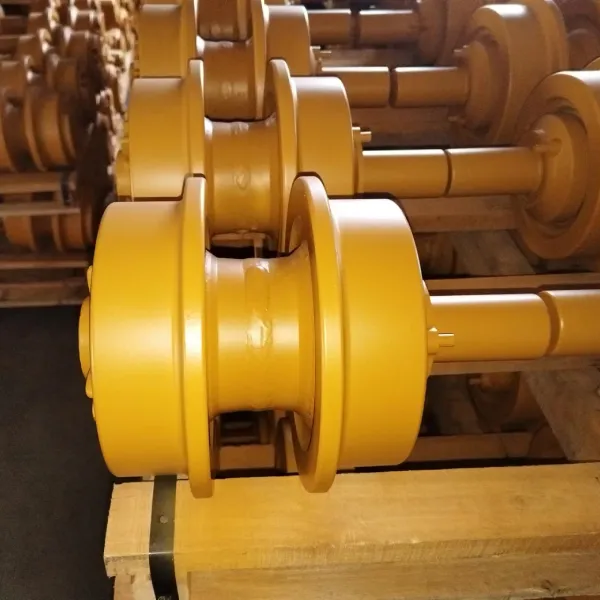
| 트랙 롤러 (하단 롤러) | Support the machine's weight on the track chain. | 회전으로 인한 플랜지 마모; 링크와의 접촉으로 인한 트레드 마모. | 마모에 강한 높은 표면 경도; 거친 지면의 충격을 견딜 수 있는 코어 인성. |
| 캐리어 롤러 (탑 롤러) | 복귀 경로에서 트랙 체인의 무게를 지지합니다.. | 트랙 체인의 트레드 마모. | 우수한 밀봉이 중요합니다; 단조된 몸체는 강한 힘을 제공합니다., 베어링과 씰을 위한 안정적인 하우징. |
| 스프로켓 | 트랙 부싱을 사용하여 트랙을 주행합니다.. | 치아 마모, "후킹" 치아가 마모되면서. | 부싱 맞물림으로 인한 마모를 방지하기 위해 톱니 접촉 표면의 탁월한 경도. |
| 유동 바퀴 | 차대 전면의 트랙을 안내하고 트랙 장력을 조정하는 데 사용됩니다.. | 트레드 및 플랜지 마모, 롤러와 유사. | 크기가 큰, 복잡한 형상은 단조 공정의 강도와 무결성으로 인해 큰 이점을 얻습니다.. |
추적 체인: 이것은 트랙의 뼈대입니다.. 핀과 부싱의 제조 및 열처리 정밀도에 따라 체인이 올바른 피치를 유지하는 기간이 결정됩니다. (핀 사이의 거리). 핀과 부싱이 내부적으로 마모됨에 따라, 피치가 길어진다, 스프로킷의 마모를 가속화합니다.. 링크 자체는 엄청난 인장력과 마모를 견뎌야 합니다., 단조 링크의 정교한 입자 구조를 만드는 것이 필수입니다..
롤러 및 아이들러: 이러한 구성 요소는 지속적인 압축과 마찰을 겪습니다.. 부드럽게 굴러가고 마모에 저항하는 능력은 표면 경도와 내부 베어링 및 씰의 품질에 따라 달라집니다.. 롤러 씰의 누출로 인해 연마 입자가 들어가고 오일이 빠져나가게 됩니다., 신속하고 완전한 실패로 이어짐. 견고함, 치수가 정확한 단조 롤러 본체는 이러한 중요한 씰을 위한 최상의 하우징을 제공합니다..
스프로켓: 스프로킷은 최종 드라이브에서 트랙 체인으로 동력을 전달합니다.. 스프로킷 톱니 끝은 트랙 부싱과 맞물릴 때 매우 높은 접촉 응력을 경험합니다.. 단조, 그 후 치아의 정밀한 유도 경화가 이루어집니다., 조기 마모나 톱니 파손 없이 이러한 힘을 견딜 수 있는 스프로킷을 만드는 유일한 방법입니다..
각 부분의 구체적인 업무를 이해함으로써, 왜 일반적인지 더 잘 이해할 수 있습니다., 재료와 제조에 대한 일률적인 접근 방식은 부적절합니다.. 각 구성 요소에는 맞춤형 솔루션이 필요합니다, 정밀 단조 공정은 비교할 수 없는 강도와 신뢰성을 갖춘 맞춤형 솔루션을 제공할 수 있는 유연성과 제어 기능을 제공합니다..
자주 묻는 질문 (FAQ)
정밀 단조 부품과 주조 차대 부품의 가장 큰 차이점은 무엇입니까?? 주요 차이점은 금속의 내부 입자 구조에 있습니다.. Forging kneads and aligns the steel's grain to follow the shape of the part, 조밀하게 생성, 훨씬 더 강하고 충격과 피로에 더 잘 견디는 연속 구조. 주조는 용융된 금속을 주형에 붓는 작업을 포함합니다., 그 결과 미세한 공극을 포함할 수 있는 무작위 입자 구조가 발생합니다., 더 부서지기 쉽고 스트레스를 받으면 예상치 못한 고장이 발생하기 쉽습니다..
내 작업 환경이 내가 선택해야 하는 차대 부품에 어떤 영향을 미칩니까?? 귀하의 환경은 중요한 요소입니다. 모래나 미세한 자갈과 같이 마모성이 높은 조건용, 마모에 저항하려면 표면 경도가 최대인 부품이 필요합니다.. 채석장과 같은 충격이 심한 작업에 적합, 균열 없이 충격을 흡수하려면 코어 인성이 뛰어난 부품이 필요합니다.. 극한의 추위에 대비해, 저온에서 부서지기 쉬운 특정 강철 합금으로 만든 부품이 필요합니다.. A good supplier will help you match the part's engineering to your specific application.
다양한 제조업체의 차대 구성 요소를 혼합하여 사용할 수 있습니까?? 가끔은 가능할 때도 있지만, 일반적으로 권장되지 않습니다. 제조업체마다 치수 공차가 약간 다를 수 있습니다., 재료 사양, 및 경도 프로파일. 일치하지 않는 구성 요소는 전체 시스템의 부적절한 장착 및 마모 가속화로 이어질 수 있습니다.. 예를 들어, 새로운, 마모된 스프로킷에서 올바른 피치의 트랙 체인이 작동하면 새 체인이 훨씬 빨리 마모됩니다.. 최적의 성능과 수명을 위해, 완전한 것을 사용하는 것이 가장 좋습니다, 단일 시스템에서 일치하는 시스템, 고품질 제조업체.
정밀 단조 부품의 높은 가격은 항상 정당합니까?? 총 소유 비용이라는 렌즈를 통해 평가할 때 (TCO), 더 높은 초기 가격은 거의 항상 정당화됩니다. 정밀 단조 부품의 수명 연장과 뛰어난 신뢰성으로 교체 주기 단축, 인건비 절감, 그리고, 가장 중요한 것은, 비용이 많이 드는 기계 가동 중지 시간의 극적인 감소. 소액의 프리미엄을 선불로 지불하면 기계의 생산성과 수익성을 유지하여 상당한 수익을 얻을 수 있는 투자입니다..
How can I verify the quality of a potential supplier's parts? 객관적인 증거를 찾아보세요. ISO와 같은 품질 인증을 요청하세요. 9001. 재료 소싱에 대해 문의하고 철강에 대한 화학 분석 및 기계 테스트 보고서를 확인하도록 요청하세요.. 열처리 공정에 대해 토론. 평판이 좋은 제조업체는 투명성을 유지하며 품질 주장을 입증하기 위한 자세한 기술 데이터를 제공할 수 있습니다.. 마지막으로, 보증 및 기술 지원 수준을 고려하십시오., 이는 자사 제품에 대한 자신감을 반영하기 때문입니다..
언제 하체 구성품을 교체할 계획을 세워야 합니까?? 교체는 측정된 마모를 기준으로 해야 합니다., 사용 시간뿐만 아니라. 특수 도구를 사용하여 트랙 핀의 마모 측정, 부싱, 링크 레일, 롤러 플랜지를 사용하면 마모율을 추적하고 부품의 서비스 수명이 끝나는 시기를 예측할 수 있습니다.. 이러한 사전 예방적 접근 방식을 통해 장애가 발생하기 전에 유지 관리 일정을 계획할 수 있습니다., 비용이 많이 드는, 예상치 못한 계획의 붕괴, 효율적인 서비스 이벤트.
트랙슈의 품질에 있어서 열처리의 역할은 무엇입니까?? 트랙슈에는 열처리가 중요합니다, 어려운 속성 조합이 필요한 경우. 신발의 본체는 고르지 않은 지면에서 움직일 때 구부러지거나 갈라지는 것을 방지할 수 있도록 견고해야 합니다.. 하지만, 그라우저스 (견인력을 제공하는 돌출된 막대) 연마 마모에 저항하기 위해 매우 단단해야 함. "통과 경화"라고 불리는 공정" 그 다음에는 필요한 코어 인성을 얻기 위해 신중한 템퍼링이 사용됩니다., 신발이 엄청난 스트레스를 견딜 수 있도록 보장.
결론
중장비용 차대 부품 선택은 광범위한 결과를 가져오는 결정입니다., 일일 운영 효율성부터 비즈니스의 장기적인 수익성까지 모든 것에 영향을 미칩니다.. 피상적인 접근 방식, 초기 구매 가격에 의해서만 안내됩니다., 힘의 복잡한 상호작용을 간과한다., 재료, 이러한 구성 요소의 작동 수명을 정의하는 환경. 가동 중지 시간이 늘어나는 경우가 많은 경로입니다., 치솟는 유지관리 비용, 그리고 손상된 프로젝트 일정.
보다 계몽된 길은 재료 과학의 원리에 대한 더 깊은 참여를 포함합니다, 제조 공정, 및 응용 분야별 엔지니어링. 특정 강철 합금이 제공하는 야금학적 이점을 이해함으로써, 정밀단조공정의 미세구조적 우수성을 높이 평가하다, 운영 환경의 고유한 과제에 맞는 설계를 고집합니다., 단순한 구매를 전략적 투자로 전환. 이 접근법, 총소유비용(Total Cost of Ownership) 개념을 중심으로, 진정한 가치는 최초의 절약이 아니라 수명의 연장에 있음을 인식합니다., 향상된 신뢰성, 고품질 부품이 제공하는 지속적인 성능. 궁극적으로, 정밀 단조 차대 부품을 선택하는 것은 품질에 대한 약속을 확인하는 것입니다., 위험 완화 전략, 탄력적이고 성공적인 중장비 운영을 구축하기 위한 기본 단계입니다..
참조
미국금속학회. (1988). 단조 및 관련 성형 공정. 금속 핸드북: 권. 14. 성형 및 단조 (9에드.). ASM 인터내셔널.
보이어, 시간. 이자형. (에드.). (1987). 열처리 다이어그램 아틀라스. ASM 인터내셔널.
데이비스, 제이. 아르 자형. (에드.). (2001). 합금화: 기본 사항 이해. ASM 인터내셔널. https://doi.org/10.31399/asm.tb.autb.9781627082859
쿠르미, 아르 자형. 에스., & 굽타, 제이. 케이. (2005). 기계 설계 교과서. 유라시아 출판사.
랭, 케이. (에드.). (1985). 금속 성형 핸드북. 맥그로힐.
SMI. (2021). 단조 기초: 단조 공정. 단조산업협회. 검색 위치
토튼, G. 이자형. (2006). 철강 열처리: 야금 및 기술. CRC 프레스. https://doi.org/10.1201/9781420006463
베르마, 제이. 피., & 쿠마르, 에스. (2019). 스테인레스강에 대한 합금원소의 영향에 대한 검토. 오늘의 자료: 소송 절차, 18, 466-473.