
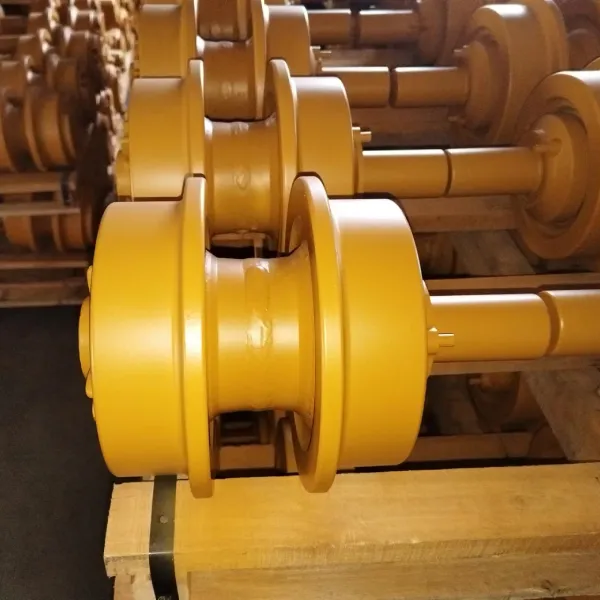
抽象的な
建設重機の運用可能性と経済効率は、基本的に車台システムの耐久性に依存します。. この文書は、精密鍛造車台部品の選択に関わる重要な要素の包括的な分析を示しています。. 材料科学間の複雑な関係を調査します。, 製造方法論, およびアプリケーション固有のエンジニアリング. この調査では、合金鋼の冶金学的特性を詳しく調べています。, 鋳造に対する鍛造の微細構造上の利点の対比. さらに, 熱処理プロセスの重大な影響を調査します, 焼き入れや焼き戻しなど, 硬度と靱性の必要なバランスを達成することについて. 分析は、多様な運用環境に合わせた設計上の考慮事項の重要性にまで及びます。, 摩耗の激しい砂漠地帯から衝撃の多い採石現場まで. 厳格な品質保証プロトコルの役割と総所有コストの計算は、情報に基づいた調達の意思決定を行う上で極めて重要な要素として明確に示されています。. このガイドは、フリート管理者にとって重要なリソースとして機能します。, 調達担当者, 優れたコンポーネントの選択により、機械の稼働時間を最大化し、資産寿命を延長したいと考えているメンテナンス エンジニア.
キーテイクアウト
- 材料構成を優先する; 優れた鋼合金はコンポーネントの寿命を直接的に高めます.
- 鍛造プロセスにより強度が得られることを理解してください。, 鋳物よりも耐久性のある粒子構造.
- コンポーネントの設計と熱処理を特定の動作環境に適合させる.
- 透明性の高い品質保証と堅牢な保証サポートを備えたサプライヤーを選択してください.
- 総所有コストを評価する, 部品の初期価格だけではありません.
- 高品質の精密鍛造足回り部品への投資により、コストのかかる装置のダウンタイムを最小限に抑えます.
- メーカーの認証を確認して国際品質基準を遵守していることを確認する.
目次
- パフォーマンスの基礎: 車台の完全性がなぜ重要なのか
- 要素 1: 材料科学と冶金組成
- 要素 2: 精密鍛造プロセスとその意味
- 要素 3: 特定の用途向けの設計とエンジニアリング
- 要素 4: 品質保証とメーカーの評判
- 要素 5: 長期的な価値と総所有コスト (TCO)
- 主要な車台コンポーネントの詳細な調査
- よくある質問 (よくある質問)
- 結論
- 参照
パフォーマンスの基礎: 車台の完全性がなぜ重要なのか
掘削機やブルドーザーの足回りはまさに地球とのつながりです. 機械の全重量を支える可動コンポーネントの複雑なシステムです。, 掘削中に発生する巨大な動的力とともに, 押す, そして荒れた地形を横断する. 単なる車輪のセットとして考えないでください, but as the machine's foundation, 骨格構造, 筋肉系がすべてひとつにまとめられています. 単一トラックリンクの障害, ローラー, またはスプロケットが一部だけを止めていない; それは数トンを運ぶことができます, 数百万ドルの設備が停止に追い込まれる. その後のコストは交換部品の価格に限定されることはありません. 外側に波紋が広がる, 生産性の損失を含む, プロジェクトの遅延, アイドル時間に対するオペレータの賃金, 現場での修理にかかる物流費用.
オーストラリアの鉱山部門など、操業テンポが厳しい地域では, 中東における大規模な建設プロジェクト, またはロシアとアフリカの資源採掘産業, 足回りは容赦ない懲罰にさらされる. 企業の財務および運営の健全性は、これらのコンポーネントの回復力に直接関係している可能性があります。. このため, 交換部品の選択は、単純な調達作業を超えて行われます; それは戦略的な決断になる. 安いものを選ぶ, 低品質の鋳造部品は短期的には賢明な節約のように思えるかもしれません, しかし、長い目で見れば、それは多大な損害をもたらすエラーであることが判明することがよくあります. 耐久性を重視する必要がある, 回復力, そしてパフォーマンス, 精密鍛造足回り部品の特徴です. これらの優れたコンポーネントの特徴を理解することは、より信頼性が高く収益性の高いフリートを構築するための第一歩です.
要素 1: 材料科学と冶金組成
あらゆる機械部品の性能は原子レベルから始まります. 部品が成形される前に, その強さの可能性, 耐摩耗性, 靭性はその構成要素によって決まります. 精密鍛造足回り部品用, 鋼材の選択は簡単な問題ではありません; それはまさに彼らの今後のパフォーマンスの本質である. 関連する冶金学を深く理解することで、本当に堅牢なコンポーネントと、単に部品を見た目だけの粗悪なコンポーネントとを区別できるようになります。.
合金鋼の役割
地鉄は、ブルドーザーや掘削機の車台が耐える力に耐えるのに十分な強度がありません。. 魔法は合金化によって起こります。合金化とは、鉄に特定の元素を加えて、目的に合わせた特性を備えた鋼を作成するプロセスです。.
- 炭素 (c): これは鋼の最も基本的な合金元素です。. Increasing the carbon content increases the steel's hardness and its ability to be hardened through heat treatment. しかし, 炭素が多すぎると鋼が脆くなる可能性があります. 足回り部品用, 通常は中程度の炭素含有量が求められます, 靭性をあまり犠牲にすることなく、硬度の適切なベースラインを提供します.
- マンガン (Mn): マンガンは複数の目的を果たす重要な元素です. 鋼の焼入れ性を向上させます, つまり、厚い部分はより均一に硬化できる. また、強度にも寄与し、鉄鋼製造中に脱酸剤としても機能します。, 不純物を取り除く.
- クロム (cr): 耐摩耗性を考えると, クロムが思い浮かぶはずです. 強力な炭化物形成剤です. Carbides are extremely hard micro-constituents within the steel's structure that act like microscopic armor against abrasive wear. クロムは耐食性と焼入れ性も大幅に向上します.
- モリブデン (MO): モリブデンはクロムの強力な味方です. It greatly increases the steel's toughness at a given hardness level, 熱処理後の部品の脆化を防止. また、高温での強度も向上し、焼き戻し脆化の防止にも役立ちます。, 特定の熱処理サイクル中に部品が弱くなる現象.
- ボロン (B): 微量でも, ホウ素は鋼の焼入れ性を向上させる劇的な効果があります. これにより、製造業者は、それほど過酷な焼入れを行わずに、頑丈なコンポーネントで所望の硬度レベルを達成できるようになります。, ひび割れのリスクを軽減する. 35MnB や 42CrMo などの鋼は、高品質の精密鍛造足回り部品として一般的な選択肢です。, これらの特性のバランスが優れているため選ばれました.
硬度と硬度の違いを理解する. タフネス
硬度と靭性を同じものと考えるのはよくある誤解です. 冶金学において, それらは異なる性質であり、多くの場合相反する特性です, それらのバランスが車台コンポーネントにとって最も重要です.
- 硬度: This is the material's ability to resist surface indentation and abrasion. トラックリンクやローラーなどの部品は、砂による研削摩耗に耐えるために高い表面硬度が必要です。, 砂利, そして岩. 硬度はロックウェル C スケールで測定されることがよくあります (HRC).
- タフネス: This is the material's ability to absorb energy and deform without fracturing. 靭性が低い部品は脆い, ガラスのように. とても大変かもしれない, しかし、強い衝撃を与えると割れてしまいます. 足回りコンポーネントのコアは、機械の落下による衝撃荷重を吸収するために頑丈である必要があります。, 障害物にぶつかる, または急に曲がる.
完璧な足回りパーツ, したがって, 二重人格を持っています. 非常に硬い外側のケースが付いています" 摩耗とよりタフな戦いに, より延性の高い内部「コア」" 衝撃や衝撃に耐えるために. この二重の性質を達成することが熱処理プロセスの主な目標です, それについては後で調べます. 焼入れ性に優れた合金鋼を選択することが、この二重の個性を可能にする第一歩です.
不純物の亡霊
意図的に追加された要素と同じくらい重要なのは、厳密に除外する必要がある要素です。. 硫黄 (s) とリン (p) この用途にとって鋼中の 2 つの最も有害な不純物は次のとおりです。.
- 硫黄: 硫化マンガンの形成を引き起こす, which create weak points within the steel's grain structure. This can severely reduce the material's ductility and impact toughness, 負荷がかかると亀裂が入りやすくなります.
- リン: 「焼き戻し脆化」として知られる現象を引き起こす可能性があります。," 鋼が特定の温度範囲に保持されるか、またはゆっくりと冷却されると脆くなる場所. 全体的な靭性も低下します.
評判の高い製鉄所や鍛造会社は、「クリーンな」製品を製造するために多大な労力を費やしています。" 硫黄とリンの含有量が極めて低い鋼. 精密鍛造足回り部品のサプライヤーを評価する場合, 鉄鋼の調達と元素純度の基準について尋ねることは、目の肥えたバイヤーの証です. これらの不純物の存在は目に見えない欠陥であり、現場で致命的かつ早期の故障につながる可能性があります。.
要素 2: 精密鍛造プロセスとその意味
素材選びが粘土の選択なら, the manufacturing process is the work of the sculptor's hands. 未加工のビレットから完成したトラックリンクまたはローラーに鋼を成形するために使用される方法は、その内部構造と, その結果, その強度と寿命. ここで、鋳造と鍛造の区別が単なる技術的な詳細ではなくなります。, しかし、品質とパフォーマンスには根本的な隔たりがある.
鍛造対. 鋳造: 2 つの微細構造の物語
木のブロックを想像してください. 木目に沿って進むよりも、木目に沿った方がはるかに強い. 鍛造も同様の原理で機能します, しかし、鋼の微細な結晶粒構造により、. 鋳造, 一方で, 全く異なるプロセスです.
| 特徴 | 鋳造 | 精密鍛造 |
|---|---|---|
| プロセス | 溶かした金属を型に流し込み固める. | 固体鋼ビレットは、金型を使用して巨大な圧力下で加熱され、成形されます。. |
| 穀物構造 | ランダム, 等方性 (全方向で同じ特性). 多くの場合、気孔が含まれています. | 粒子は微細化され、部品の形状に沿って配向されます。, 連続的な木目の流れを作り出す. |
| 内部欠陥 | 多孔質になりやすい (気泡), ひけ巣, そして冷気遮断. | 圧縮力により内部の空隙や気孔を除去します。. |
| 強さ & タフネス | 一般に引張強さと疲労耐性が低い. より脆くなる. | 優れた引張強度, 疲労寿命, 衝撃靭性. |
| 信頼性 | 予測可能性が低い; 隠れた内部欠陥が予期せぬ故障につながる可能性がある. | 洗練された構造による高い信頼性と部品間の一貫性. |
鋳造 角氷を作るようなものです. 液体の水をトレイに注ぐと、固まって形が変わります. 得られる結晶構造はランダムです. 同様に, 鋳造中, 溶けた鋼を型に流し込みます. 冷めるにつれて, 粒子はランダムに形成されます, 不均一なパターン. これにより、微細な空隙が生じ、構造が本質的に弱く、応力下で亀裂が生じやすくなる可能性があります。.
鍛造, 対照的に, 洗練のプロセスです. 高品質の鋼の固体ビレットを可鍛性の温度まで加熱します (でも溶けてない) そして押した, ハンマーで叩かれた, または、数千トンの圧力下で 2 つのカスタム金型の間で絞り成形される. This immense force does something remarkable to the steel's internal grain structure. 粒子を強制的に整列させ、部品の輪郭に沿って流動させます。, 筋肉の繊維とよく似ています. この「穀物の流れ」" 内部の空隙を排除し、連続的な構造を実現します。, 緻密な構造で非常に強く、疲労や衝撃に強い. 精密鍛造足回り部品は、, したがって, 重機の過酷な使用寿命に耐える能力が本質的に優れています。.
熱処理の微妙な違い: 焼き入れと焼き戻し
鍛造により理想的な結晶組織を形成, しかし、熱処理によりその可能性が最大限に発揮されます. これは、硬い表面と丈夫な芯という二重の個性を生み出すように設計された、慎重に制御された熱プロセスです。.
- オーステナイト化: 鍛造部品は正確な温度に加熱されます (通常約 850 ~ 950°C) 内部の結晶構造がオーステナイトと呼ばれる相に変化します。. ここが硬化の開始点です.
- 消光: オーステナイト化直後, 部品を水などの媒体に浸すことで急速に冷却されます。, 油, またはポリマー溶液. この急速な冷却により、オーステナイトがマルテンサイトに変態します。, 非常に硬いが、非常に脆い結晶構造. 急冷の速度が重要です; too slow and the part won't achieve full hardness, 速すぎると割れたり歪んだりする可能性があります. The specific quench medium is chosen based on the steel alloy and the part's geometry.
- 焼き戻し: 焼き入れしただけの部品は脆すぎて使用できません. 最初の大きな衝撃で砕け散るだろう. 焼き戻しは、焼き入れした部品をより低い温度まで再加熱するプロセスです (例えば。, 200-500℃) そしてそれを一定時間保持する. このプロセスにより、焼入れによる内部応力が緩和され、脆いマルテンサイトの一部がより延性の高い構造に変化します。. Tempering reduces the overall hardness slightly but dramatically increases the part's toughness.
熱処理の技術と科学は、耐摩耗性のための表面硬度と耐衝撃性のための中心部の靭性の最適なバランスを達成するための完璧な焼き戻し温度と時間を見つけることにあります。. トラックローラーやアイドラーなどのコンポーネント用, と呼ばれるプロセス 高周波焼入れ よく使われます. ここ, 部品の外面のみを誘導コイルで急速加熱し、その後焼き入れします。. これにより、非常に深いものが作成されます, パーツのコアを元の状態に保ちながら、非常に硬いアウターケース, より厳しい状態—二重人格原理の究極の表現.
寸法精度と表面仕上げ
「精度」" 精密鍛造は単なるマーケティング用語ではありません. 高度な使用, コンピューター加工の金型と強力な油圧プレスにより、非常に厳しい寸法公差の部品の作成が可能になります。. これは、パーツが最終形状に非常に近い状態で作られていることを意味します。, 鍛造後の加工が最小限で済む. これにはいくつかの利点があります:
- 一貫性: どの部分もほぼ同一です, 車台アセンブリ内での適切なフィットと機能の確保.
- 強さ: 機械加工が少ないということは、鍛造中に生成される有益な鍛流線が維持されることを意味します。, 特に重要な表面では.
- 費用対効果: 加工時間と材料の無駄を削減し、生産プロセスの効率化に貢献します。.
滑らかな表面仕上げ, 古い鍛造法によく見られるスケールや粗さがない, 品質の証でもあります. より滑らかな表面により摩擦が軽減され、シールのより良い基盤が提供されます。, ローラーやアイドラーなどのコンポーネントの長寿命化につながります。.
要素 3: 特定の用途向けの設計とエンジニアリング
トラック リンクは単なるトラック リンクではありません. 砂地で作業するブルドーザー用に設計されたコンポーネント, アラブ首長国連邦の研磨土には、韓国の採石場で岩石を砕く掘削機やシベリアの永久凍土で稼働する掘削機とは異なる要件があります。. 精密鍛造足回り部品における真の卓越性は、これらの多様で過酷な環境を考慮したエンジニアリングから生まれます。. 幾何学模様, 質量, 部品の特定の熱処理プロファイルは、その意図された用途に直接対応する必要があります。.
摩耗の多い環境 (オーストラリアの鉱山, 中東の砂漠)
砂が支配する環境で, 細かい砂, そして研磨石, 主な敵は摩耗です. 絶え間ない研削動作は、車台のすべての可動コンポーネントに対してサンドペーパーのように作用します。.
- エンジニアリングの焦点: ここでの設計の優先事項は、表面硬度を最大化することです. 目標は、この容赦ない摩耗にできるだけ長く耐えられる部品を作成することです。.
- 材料 & 熱処理: これには、硬質クロム炭化物を形成するために、クロム含有量の高い合金鋼が必要です。. 熱処理プロセスは、非常に高い表面硬度を生み出すように調整されます。 (多くの場合、次の範囲にあります 52-58 HRC) そして深く硬化されたケース. 高周波焼き入れは、このような条件のトラック ローラーとアイドラーに特に効果的です。, 深みを生み出す, 耐摩耗性シェル.
- 設計上の考慮事項: 部品の形状は、材料を落とし、砂が閉じ込められる可能性のある接触領域を減らすために最適化される場合があります。. ローラーとアイドラーのシールの設計も最も重要です, 微粒子の侵入を防ぐため, 研磨粒子は内部破壊を防ぐ鍵となります.
影響の大きい状況 (採石業, 解体)
採石場や解体現場で, 足回りは一定の負荷にさらされます, 激しい衝撃荷重. 機械が鋭角を越えて走行している可能性があります, 壊れた岩, または、油圧ハンマーや大きなバケツの石が落ちた衝撃でシャーシ全体が震える可能性があります。.
- エンジニアリングの焦点: ここ, 優先順位は純粋な硬度から靭性と耐衝撃性に移ります。. 硬すぎる部分 (したがって脆い) このような衝撃荷重がかかると壊滅的に故障します.
- 材料 & 熱処理: 耐摩耗性の表面は依然として必要ですが、, コアのタフさがショーの主役です. モリブデンとニッケルを含む合金は、優れた衝撃特性により好まれます。. 焼き戻し工程は若干高めの温度に調整されます, 延性と靱性を大幅に向上させるために、いくつかの硬度を犠牲にします。. 目標は、破損することなく曲げてエネルギーを吸収できる部品です。.
- 設計上の考慮事項: 部品の形状は、荷重を分散し、亀裂が発生する可能性のある応力集中を防ぐために、高応力領域により大きな半径とフィレットを備えている場合があります。. 衝撃エネルギーを吸収するための嵩を増やすために、部品の全体的な質量と断面積が増加する可能性があります。.
極端な温度での動作 (シベリアンフロスト, アフリカンヒート)
温度は材料に別の次元の応力をもたらします. 非常に寒いときと非常に熱いときでは、鋼の挙動が異なります。.
- 寒い天候 (-20℃~-50℃): 極度の寒さにおける主なリスクは脆性破壊です. 多くの鋼は「延性から脆性への転移」を経験します。" 気温が下がるにつれて. 20°C では完全に丈夫な部品でも、-40°C ではガラスと同じくらい脆くなる可能性があります。.
- エンジニアリングソリューション: これには、延性から脆性への転移温度が非常に低い鋼合金を選択する必要があります。. ニッケルの添加は特に低温靱性の向上に効果的です。. リンなどの不純物を排除する徹底した品質管理, この転移温度を上昇させる可能性がある, 絶対に不可欠です. これらの用途向けの鋼のすべてのバッチは、低温衝撃強度をテストする必要があります.
- 暑い天気 (40°C+ および高い動作温度): 暑い気候では, 挑戦は違う. 周囲の熱と摩擦によって発生する熱によって温度が上昇すると、鋼自体の強度と硬度が一部失われることがあります。.
- エンジニアリングソリューション: モリブデンとバナジウムはここでの重要な合金元素です. 高温下でも鋼の硬度と強度を維持するのに役立ちます。, 「高温硬度」として知られる特性。" 潤滑およびシールシステムにも大きなストレスがかかる, そのため、冷却を促進し、シールを過熱から保護する設計がより重要になります。.
洞察力に優れたサプライヤー 高品質の掘削機コンポーネント 画一的なソリューションは提供しない. 彼らはあなたの特定のアプリケーションについて対話します。, 位置, マシンが実行する作業の種類. このコンサルティング的なアプローチは、精密鍛造車台部品の背後にある深いエンジニアリング原則を理解しているメーカーの強力な指標です。.
要素 4: 品質保証とメーカーの評判
最高の素材と最先端の鍛造プロセスを使用しても、, 足回り部品の最終品質は、それを検証するためのシステムが整備されていることによって決まります。. 品質保証 (QA) これは単一のステップではなく、生産のあらゆる段階に浸透する必要がある普及した文化です。, 原材料の検査から最終包装まで. A manufacturer's reputation is built not on marketing claims, ただし、製品の検証可能な一貫性と信頼性が重要です。, 充実したサポート体制に支えられています.
デコード認証
認証は、メーカーが世界的に認められた品質管理基準を遵守していることを独自に検証する方法です。. They are a baseline indicator of a company's commitment to process control and customer satisfaction.
- ISO 9001: これは最も基本的で広く認識されている品質管理基準です. ISO 9001 認証は、製造業者が文書化および監査された品質管理システムを備えていることを示します。 (QMS). これは、文書管理などのプロセスが整備されていることを意味します。, 是正措置, 内部監査, 継続的な改善に重点を置く. While it doesn't guarantee the quality of a specific part, 品質を達成するためのフレームワークが存在することを保証します.
- その他の関連規格: 業界にもよりますが, ISO/TS などのその他の認証 16949 (自動車サプライヤー向け, 非常に厳しい品質要件がある) または特定の OEM (オリジナルの機器メーカー) サプライヤーの資格は、一流メーカーの強力な指標となる可能性があります. 主要な機械ブランドのサプライヤーとして機能する企業は、おそらく厳格で要求の厳しい品質監査に合格しているでしょう。.
サプライヤーを検討する場合, 証明書を要求する. 評判の良い企業は誇りを持って情報を共有します. 品質管理に関する資格について曖昧または否定的なサプライヤーには注意してください.
トレーサビリティとバッチテストの重要性
あなたが今日受け取ったトラックリンクが、半年前に購入したものと同じ注意と同じ品質の鋼で作られたとどうやって確信できるのでしょうか。? 答えはトレーサビリティとバッチテストです.
- トレーサビリティ: 堅牢なトレーサビリティ システムにより、メーカーは単一コンポーネントをその生産履歴に至るまで追跡することができます。. 各部分, または少なくとも部品の各バッチ, コードでマークする必要があります. このコードは、その由来となる鋼の比熱を詳述する記録にリンクしています。 (化学分析レポート付き), 偽造された日付, 熱処理サイクルのパラメータ, 寸法および硬さの試験結果. これは非常に貴重です. 現場で問題が発生した場合, トレーサビリティにより、メーカーは根本原因を迅速に特定し、同じバッチの他の部品が影響を受ける可能性があるかどうかを判断できます。.
- バッチテスト: すべての部品を破壊するまでテストすることは現実的ではありません. その代わり, メーカーは体系的なバッチテストに依存しています. 各生産工程から, 代表的なサンプルが採取され、一連のテストが行われます:
- 分光分析: 鋼の化学組成を確認するには.
- 硬さ試験: 表面硬さと様々な深さの硬さを確認したい (ケース深さプロファイル).
- 引張試験: To measure the material's ultimate strength and ductility.
- 衝撃試験 (例えば。, シャルピー試験): To measure the material's toughness, 寒冷地向けの部品ではさまざまな温度で実行されることが多い.
- 微細構造解析: 冶金学者が切断します, 研磨, サンプルをエッチングして、顕微鏡で粒子構造を検査します。, 罰金を探しています, 適切な鍛造と熱処理による均一な結晶粒.
透明性のあるサプライヤーはテストレポートを提供し、テストの頻度と手順を説明できます。. このデータは、品質主張の裏付けとなる客観的な証拠です。.
サプライヤーのサポートと保証ポリシーの評価
部品サプライヤーとの関係は、請求書の支払いによって終了するべきではありません。. The post-sale support and warranty policy are a direct reflection of the manufacturer's confidence in their own product.
- 保証: 保証規定をよくお読みください. 内容は何ですか, そしてどのくらいの期間? 営業時間に基づくのか、それとも期間に基づくのか? 請求を行うためのプロセスは何ですか? 明確な, 包括的な, 公正な保証は、精密鍛造足回り部品を支持するメーカーの証です. 保証が曖昧または存在しない場合は重大な危険信号です.
- テクニカルサポート: 製品を技術的に理解している人に相談できますか? インストールについて質問がある場合, または、異常な摩耗パターンを経験した場合, 指導してくれる専門家はいますか? 知識豊富なテクニカル サポートへのアクセスは、部品そのものと同じくらい価値があります。, 特に複雑な問題を診断する場合.
- 在庫状況と物流: 必要なときに入手できなければ、重要な部品は役に立ちません. Evaluate the supplier's inventory levels and their logistical capabilities, 特にあなたの地域にとって. オーストラリアの市場にサービスを提供できる配送センターはありますか, ロシア, または東南アジアを効率的に? 強力なグローバル物流ネットワークを持つサプライヤーは、重要な部品が必要な場合にダウンタイムを大幅に削減できます。.
要素 5: 長期的な価値と総所有コスト (TCO)
重機の世界では, 見積書で最も危険な数字は、多くの場合、最も低い数字です. 足回り部品の初期購入価格を最小限に抑えることだけに重点を置いた調達戦略は、長期にわたる経済的苦痛の原因となる. より洗練され、最終的により収益性の高いアプローチは、総所有コストを評価することです。 (TCO). TCO は、購入者が製品のライフサイクル全体にわたる直接コストと間接コストを決定するのに役立つ財務上の見積もりです。. コンポーネントの実際のコストが表示価格よりもはるかに高いことが明らかになりました.
初回購入価格を超えて
一連の精密鍛造車台部品の初期コストは、ほぼ確実に鋳造品よりも高くなります。. より複雑な製造プロセス, より高品質の原材料, および広範な品質管理はすべて、この高額な先行投資に貢献しています。. しかし, この初期価格は、はるかに大きなパズルの 1 ピースにすぎません. TCO の計算では、他のすべての関連コストを考慮する必要があります。, 必ず不良品が発生します.
車台部品の TCO 分析には以下を含める必要があります。:
- 初回購入価格: コンポーネント自体のコスト.
- 設置人件費: メカニックの費用' 古い部品を取り外して新しい部品を取り付ける時間です.
- ダウンタイムのコスト: マシンが稼働しない時間ごとに失われる収益.
- 期待寿命: 部品が持続すると予想される稼働時間数.
- 将来の交換費用: 次の部品セットの価格とそれらを取り付けるための労力.
より長い寿命を考慮すると, 高級部品の時間当たりのコストは、安価な部品の時間当たりのコストよりも大幅に低いことが判明することがよくあります.
ダウンタイムのコストの計算
ダウンタイムのコストは、TCO 計算式の中で最も重要であり、多くの場合最も過小評価されている要素です. ソフトではありません, 抽象的な数字; it is hard cash evaporating from the company's bottom line. 数値化するにはどうすればよいですか?
建設プロジェクトのクリティカル パスで作業する 40 トンの掘削機を考えてみましょう。.
- 収入の損失: 機械が生成した場合, 例えば, $200 会社の時間当たりの収益, アイドル状態になると、1 時間ごとに直接損失が発生します。 $200.
- オペレーター & サポート費用: オペレーターにはまだ給料が支払われている可能性が高い, サポート担当者も同様です (例えば。, 掘削機が荷物を積み込むのを待つトラック運転手). Let's say this is another $50 1時間あたり.
- プロジェクトのペナルティ: 多くの大規模契約には遅延に対する違約金条項が設けられている. この 1 台のマシンの障害によりプロジェクト全体が遅れた場合, コストは 1 日あたり数千ドルまたは数万ドルに膨れ上がる可能性があります.
- 風評被害: Consistently failing to meet deadlines due to equipment breakdowns damages a company's reputation, 今後の入札を獲得することが難しくなる.
Let's imagine a cheap set of track chains fails after 2,500 時間, のプレミアムセットですが、 精密鍛造トラックチェーン 続く 4,000 時間. 安いセットの方が節約できたかもしれない $2,000 初回購入時. ただし、4,000 時間以内に追加の交換サイクルが必要です. その追加サイクルには次のようなことが含まれる可能性があります 16 労働時間 ($1,200) そして 16 数時間のマシンのダウンタイム ($3,200 収入の損失だけでも). その「節約されたコスト」の合計は、" $2,000 現在は実質的な損失です $2,400 ($1,200 + $3,200 – $2,000), and that's before even considering project penalties. プレミアム部分, 初期費用が高くても, はるかに優れた投資収益率を実現します.
メンテナンス実践との共生関係
高品質の精密鍛造足回り部品の真価は、入念なメンテナンスを実践した場合にのみ実現されます。. 二つは絡み合っている. 高級コンポーネントは、安価なコンポーネントよりもある程度の無視に耐えることができます, しかしそれでも寿命は短くなるだろう. 逆に, どんなに最善のメンテナンスを行っても、劣悪な材料で作られた部品を救うことはできません.
投資の寿命を最大限に延ばすための重要なメンテナンス方法には次のものがあります。:
- 定期的な清掃: 定期的に泥の掃除をする, 岩, そして車台からの破片. 梱包された材料により重量が増加します, 歪み, 摩耗と摩耗.
- 適切なトラックの張力: トラックがきつすぎると、すべてのコンポーネントの摩擦と摩耗が大幅に増加します。. トラックが緩すぎると、マシンが「デトラック」する可能性があります。" そして重大な損害を引き起こす. トラックの張力は、OEM 仕様および現在の作業条件に従って定期的にチェックおよび調整する必要があります。.
- 定期検査: 足回りのボルトの緩みを毎日目視検査する, シールの漏れ, または異常な摩耗パターン. 超音波ツールを使用してトラックリンクやローラーなどのコンポーネントの摩耗を測定することで、事前の交換計画が可能になります。, 予期せぬダウンタイムを定期メンテナンスに変える.
- スマートな操作: 高速逆進を最小限に抑えるためのオペレーターのトレーニング, 不必要な急旋回を避ける, 斜面を横切るのではなく、上り下りする作業により、車台の摩耗を大幅に軽減できます。.
高級部品への投資と適切なメンテナンスへの投資は表裏の関係にあります. どちらも、機械の可用性と収益性を最大化することを目的とした戦略に不可欠な要素です。.
主要な車台コンポーネントの詳細な調査
システムとしての足回りについて説明してきましたが、, いくつかの異なるコンポーネントで構成されています, それぞれに独自の役割と摩耗特性があります. これらの個々の部品を理解することは、摩耗を診断し、情報に基づいて交換品を選択するのに役立ちます。.
| 成分 | 一次機能 | 一般的な摩耗パターン | 鍛造のメリット |
|---|---|---|---|
| トラックチェーン / リンクアセンブリ | 柔軟な「ベルト」を形成" マシンが動作すること; トラックシューズを接続します. | 内部ピンとブッシュの摩耗; ローラーによるリンクレールの摩耗. | 一定の曲げおよび引張荷重に耐える優れた耐疲労性. |
| トラックローラー (ボトムローラー) | Support the machine's weight on the track chain. | 回転によるフランジの摩耗; リンクとの接触によるトレッドの摩耗. | 表面硬度が高く、磨耗に強い; 荒れた地面からの衝撃に耐えるコアの靭性. |
| キャリアローラー (トップローラー) | 戻り経路でトラックチェーンの重量を支える. | トラックチェーンによるトレッドの摩耗. | 優れた密閉性が重要です; 鍛造ボディが強力な剛性を実現, ベアリングとシール用の安定したハウジング. |
| スプロケット | トラックブッシュと係合してトラックを駆動します. | 歯の磨耗, 「引っ掛ける」" 摩耗した歯の. | 歯接触面の硬度が優れており、ブッシュの噛み合いによる摩耗に耐えます。. |
| アイドラー | 車台の前部で履帯をガイドし、履帯の張力を調整するために使用されます。. | トレッドとフランジの摩耗, ローラーに似たもの. | 大きい, 複雑な形状は、鍛造プロセスの強度と完全性から大きな恩恵を受けます。. |
チェーンを追跡します: これがトラックの骨格です. ピンとブッシングの製造と熱処理の精度によって、チェーンが正しいピッチをどれだけ長く維持できるかが決まります。 (ピン間の距離). ピンとブッシュが内部で摩耗するため, ピッチが伸びる, スプロケットの摩耗を促進します. リンク自体は、莫大な張力と摩耗に耐えなければなりません, 鍛造リンクの洗練された結晶粒構造を不可欠なものに.
ローラーとアイドラー: これらのコンポーネントは、一定の圧縮と摩擦に耐えます。. スムーズに回転し、耐摩耗性を発揮する能力は、表面硬度と内部ベアリングとシールの品質によって決まります。. ローラーシールに漏れがあると、砥粒が侵入し、オイルが流出します。, 急速かつ完全な失敗につながる. 堅牢な, 寸法的に正確な鍛造ローラーの本体は、これらの重要なシールに可能な限り最高のハウジングを提供します.
スプロケット: スプロケットはファイナルドライブからトラックチェーンに動力を伝達します。. スプロケットの歯の先端は、トラックブッシュと係合する際に非常に高い接触応力を受けます。. 鍛造, その後、歯の精密な高周波焼入れが行われます。, これが、早期の摩耗や歯の破損を引き起こすことなく、これらの力に耐えることができるスプロケットを作成する唯一の方法です。.
各部位の具体的な働きを理解することで、, なぜジェネリックなのかをよりよく理解できるでしょう, 素材や製造に対する画一的なアプローチでは不十分. 各コンポーネントにはカスタマイズされたソリューションが必要です, 精密鍛造プロセスは、比類のない強度と信頼性を備えたカスタマイズされたソリューションを提供するための柔軟性と制御を提供します。.
よくある質問 (よくある質問)
精密鍛造足回り部品と鋳造足回り部品の最も大きな違いは何ですか? 主な違いは金属の内部粒子構造にあります。. Forging kneads and aligns the steel's grain to follow the shape of the part, 密集したものを作成する, 連続構造により強度が大幅に向上し、衝撃や疲労に対する耐性が向上. 鋳造とは、溶かした金属を型に流し込む作業です, その結果、微細な空隙を含む可能性のあるランダムな粒子構造が生成されます。, より脆くなり、ストレスがかかると予期せぬ故障が発生しやすくなります.
作業環境はどの足回り部品を選択すべきかに影響しますか? 環境は重要な要素です. 砂や細かい砂利などの摩耗性の高い条件用, 摩耗に耐えるために最大の表面硬度を持つ部品が必要です. 採石場などの衝撃の大きい作業に, 割れることなく衝撃を吸収するには、優れたコア靭性を備えた部品が必要です. 極寒の場合, 低温でも脆くなりにくい特定の合金鋼で作られた部品が必要です. A good supplier will help you match the part's engineering to your specific application.
異なるメーカーの車台コンポーネントを組み合わせて使用できますか? 可能な場合もありますが、, 一般的には推奨されません. メーカーによっては寸法公差が若干異なる場合があります, 材質仕様, および硬度プロファイル. コンポーネントが一致しないと、不適切なフィット感が生じ、システム全体の摩耗が加速する可能性があります。. 例えば, 新しい, 摩耗したスプロケット上でトラック チェーンを正しくピッチ調整すると、新しいチェーンの磨耗が早くなります。. 最適なパフォーマンスと寿命のために, 完全なものを使用するのが最善です, 単一のシステムからのマッチング, 高品質のメーカー.
精密鍛造部品の高価格は常に正当化される? 総所有コストの観点から評価した場合 (TCO), 高い初期価格はほとんどの場合正当化されます. 精密鍛造部品の長寿命と優れた信頼性により、交換サイクルの短縮につながります。, 人件費の削減, そして, 最も重要なこと, コストのかかるマシンのダウンタイムを大幅に削減. 前払いする少額の保険料は、機械の生産性と収益性を維持することで大きな利益をもたらす投資になります。.
How can I verify the quality of a potential supplier's parts? 客観的な証拠を探す. ISOなどの品質認証を求める 9001. 材料調達について問い合わせ、鋼鉄の化学分析および機械試験レポートを参照してください。. 熱処理プロセスについて話し合う. 評判の良いメーカーは透明性が高く、自社の品質主張を裏付ける詳細な技術データを提供できます。. ついに, 保証と技術サポートのレベルを考慮する, これは自社製品に対する自信の表れであるため、.
足回りの交換はいつ頃計画すればよいですか? 交換は測定された摩耗に基づいて行う必要があります, 使用時間だけでなく. 専用ツールを使用してトラックピンの摩耗を測定, ブッシング, リンクレール, ローラー フランジを使用すると、摩耗率を追跡し、コンポーネントがいつ耐用年数の終わりに達するかを予測できます。. このプロアクティブなアプローチにより、障害が発生する前にメンテナンスをスケジュールすることができます。, 費用のかかるものを変える, 計画への予期せぬ崩壊, 効率的なサービスイベント.
トラックシューズの品質における熱処理の役割は何ですか? トラックシューズには熱処理が不可欠です, プロパティの難しい組み合わせが必要です. シューズの本体は、凹凸のある地面を移動するときに曲がったりひび割れたりしないよう、丈夫である必要があります。. しかし, グロウザー (トラクションを提供する盛り上がったバー) 摩耗に耐えるために非常に硬い必要がある. 「貫通硬化」と呼ばれるプロセス" 必要なコアの靭性を達成するために、慎重な焼き戻しが行われます。, 靴にかかる計り知れないストレスに耐えられるようにする.
結論
重機の足回り部品の選択は、広範囲に影響を及ぼす決定です。, 日々の業務効率からビジネスの長期的な収益性に至るまで、あらゆるものに影響を与える. 表面的なアプローチ, 初回購入価格のみに基づいて決定されます, 力の複雑な相互作用を見落としている, 材料, これらのコンポーネントの耐用年数を定義する環境と. これはダウンタイムの増加につながることが多い経路です, 高騰するメンテナンスコスト, 侵害されたプロジェクトのタイムライン.
より啓発された道には、材料科学の原理とのより深い関わりが含まれます, 製造工程, およびアプリケーション固有のエンジニアリング. 特定の鋼合金によってもたらされる冶金学的利点を理解することによって, 精密鍛造プロセスの微細構造の優位性を評価, 動作環境特有の課題に合わせた設計にこだわる, 単純な購入を戦略的投資に変える. このアプローチ, 総所有コストの概念を中心とした, 真の価値は初期の節約ではなく、寿命の延長にあることを認識します, 信頼性の向上, 高品質のコンポーネントがもたらす持続的なパフォーマンス. 結局のところ, 精密鍛造足回り部品を選択することは、品質へのこだわりを表明することになります。, リスクを軽減するための戦略, 回復力と成功を収める重機運用を構築するための基礎的なステップ.
参照
米国金属協会. (1988). 鍛造および関連する成形プロセス. 金属ハンドブックに掲載: 巻. 14. 成形と鍛造 (9第 2 版). ASMインターナショナル.
ボイヤー, H. E. (エド。). (1987). 熱処理図のアトラス. ASMインターナショナル.
デイビス, J. r. (エド。). (2001). 合金化: 基本を理解する. ASMインターナショナル. https://doi.org/10.31399/asm.tb.autb.9781627082859
クルミ, r. S., & グプタ, J. K. (2005). 機械設計の教科書. ユーラシア出版社.
ランゲ, K. (エド。). (1985). 金属成形ハンドブック. マグロウヒル.
SMI. (2021). 鍛造の基礎: 鍛造工程. 鍛造工業会. から取得
トッテン, g. E. (2006). 鋼の熱処理: 冶金と技術. CRCプレス. https://doi.org/10.1201/9781420006463
ヴェルマ, J. P., & クマール, s. (2019). ステンレス鋼に対する合金元素の影響に関するレビュー. 今日の材料: 議事録, 18, 466-473.