
अमूर्त
भारी निर्माण मशीनरी के लिए घटकों का अधिग्रहण किसी भी उद्यम के लिए एक महत्वपूर्ण परिचालन और वित्तीय विचार का प्रतिनिधित्व करता है. यह विश्लेषण वोल्वो मशीनों के लिए पार्ट्स की सोर्सिंग करते समय की गई पांच सबसे प्रचलित और वित्तीय रूप से हानिकारक त्रुटियों की जांच करता है. यह प्रारंभिक घटक लागत के बीच जटिल संबंध की जांच करता है, दीर्घकालिक परिचालन व्यय, और स्वामित्व की कुल लागत की व्यापक अवधारणा (TCO). यह चर्चा नकली या घटिया घटकों के प्रसार के खिलाफ एक सुरक्षा कवच के रूप में आपूर्तिकर्ता की विश्वसनीयता के महत्वपूर्ण मूल्यांकन तक फैली हुई है।. सटीक पार्ट-टू-मशीन अनुकूलता की आवश्यकता का विस्तृत अन्वेषण, विशेष रूप से हवाई जहाज़ के पहिये जैसी जटिल प्रणालियों के भीतर, पेश की जाती. दस्तावेज़ वास्तविक के बीच एक सूक्ष्म अंतर भी प्रदान करता है, मूल उपकरण निर्माता (OEM), और बाद के हिस्से, चयन के लिए एक रणनीतिक रूपरेखा की पेशकश. अंत में, यह प्रतिक्रियाशील मरम्मत से सक्रिय की ओर एक आदर्श बदलाव की वकालत करता है, पूर्वानुमानित रखरखाव, यह तर्क देते हुए कि ऐसी रणनीति उपकरण की दीर्घायु को अधिकतम करने के लिए मौलिक है, परिचालन अपटाइम, और विविध वैश्विक बाज़ारों के मालिकों के लिए निवेश पर रिटर्न.
चाबी छीनना
- स्वामित्व की कुल लागत का मूल्यांकन करें, केवल प्रारंभिक खरीद मूल्य नहीं.
- नकली घटकों के उपयोग को रोकने के लिए आपूर्तिकर्ताओं की पूरी तरह जांच करें.
- सीरियल नंबरों का उपयोग करके सटीक पार्ट-टू-मशीन संगतता सुनिश्चित करें.
- प्रदर्शन के साथ लागत को संतुलित करने के लिए वोल्वो मशीनों के लिए रणनीतिक रूप से उच्च गुणवत्ता वाले आफ्टरमार्केट पार्ट्स प्राप्त करें.
- जरूरतों का अनुमान लगाने के साथ-साथ घटक जीवन का विस्तार करने के लिए सक्रिय रखरखाव कार्यक्रम अपनाएं.
- जानकारीपूर्ण खरीदारी के लिए घिसे-पिटे हिस्सों के पीछे के भौतिक विज्ञान को समझें.
विषयसूची
- परिचय: वोल्वो निर्माण उपकरण के लिए घटक चयन का उच्च जोखिम
- गलती 1: स्वामित्व की कुल लागत पर आरंभिक कीमत को प्राथमिकता देना (TCO)
- गलती 2: आपूर्तिकर्ता सत्यापन और आंशिक प्रामाणिकता की उपेक्षा करना
- गलती 3: सटीक पार्ट-टू-मशीन संगतता को अनदेखा करना
- गलती 4: वास्तविक बनाम को गलत समझना. OEM vs. आफ्टरमार्केट स्पेक्ट्रम
- गलती 5: एक प्रतिक्रियाशील "इसे ठीक करो जब यह टूट जाए" को अपनाना" दृष्टिकोण
- अक्सर पूछे जाने वाले प्रश्नों (उपवास)
- निष्कर्ष
- संदर्भ
परिचय: वोल्वो निर्माण उपकरण के लिए घटक चयन का उच्च जोखिम
वोल्वो कंस्ट्रक्शन इक्विपमेंट ने मजबूत इंजीनियरिंग के लिए वैश्विक प्रतिष्ठा हासिल की है, भरोसेमंद, और तकनीकी रूप से उन्नत मशीनरी. दक्षिण पूर्व एशिया के तेजी से विकसित हो रहे शहरी केंद्रों में नींव खोदने वाले दुर्जेय उत्खननकर्ताओं से लेकर ऑस्ट्रेलिया के विशाल खनन परिदृश्यों में काम करने वाले शक्तिशाली व्हील लोडर तक, ये पीली और भूरे रंग की मशीनें उत्पादकता का प्रतीक हैं. उनके मूल्य का सार, तथापि, यह केवल मशीन की प्रारंभिक खरीद में ही निहित नहीं है. बजाय, इसका एहसास हजारों घंटों की निर्बाध प्रक्रिया के माध्यम से होता है, कुशल संचालन. इन मशीनों का निरंतर प्रदर्शन उन घटकों की गुणवत्ता से अटूट रूप से जुड़ा हुआ है जो इन्हें संपूर्ण बनाते हैं. वोल्वो मशीनों के लिए प्रतिस्थापन भागों का चयन, इसलिए, यह कोई साधारण खरीद कार्य नहीं है; it is a high-stakes strategic decision with profound implications for a project's profitability, सुरक्षा, और समयरेखा.
बिना जानकारी के चुनाव करने से नकारात्मक परिणामों का सिलसिला शुरू हो सकता है. एक प्रतीत होता है कि मामूली घटक की एक समयपूर्व विफलता, ट्रैक रोलर या बाल्टी के दांत की तरह, करोड़ों डॉलर की मशीन को ठप कर सकता है. प्रतिस्थापन हिस्से की प्रत्यक्ष लागत अनिर्धारित डाउनटाइम की भारी लागत से कम हो जाती है. इन लागतों में निष्क्रिय श्रम भी शामिल है, परियोजना दंड, अनुबंधों की संभावित हानि, साथ ही आपातकालीन मरम्मत का साजोसामान व्यय. आगे, एक घटिया हिस्सा आसन्न हिस्से पर त्वरित घिसाव पैदा कर सकता है, अधिक महंगे घटक, पूरे सिस्टम में विफलताओं का डोमिनोज़ प्रभाव शुरू करना. उदाहरण के लिए, एक खराब निर्मित स्प्रोकेट पूरी ट्रैक श्रृंखला को व्यवस्थित रूप से नष्ट कर सकता है, सौ डॉलर की समस्या को दस हजार डॉलर की आपदा में बदलना.
भारी उपकरण घटकों का वैश्विक बाज़ार जटिल है, वास्तविक वोल्वो-ब्रांडेड वस्तुओं से लेकर आफ्टरमार्केट विकल्पों की आश्चर्यजनक श्रृंखला तक सब कुछ प्रदान करने वाले आपूर्तिकर्ताओं के एक स्पेक्ट्रम द्वारा आबाद. रूस जैसे क्षेत्रों में उपकरण प्रबंधकों के लिए, मध्य पूर्व, या अफ्रीका, इस परिदृश्य को नेविगेट करना अद्वितीय चुनौतियाँ प्रस्तुत करता है, लंबी आपूर्ति श्रृंखलाएं भी शामिल हैं, परिवर्तनीय गुणवत्ता मानक, साथ ही नकली सामानों का लगातार खतरा. इन चुनौतियों की सहानुभूतिपूर्ण समझ के लिए साधारण मूल्य तुलना से आगे बढ़ने की आवश्यकता है. इसके लिए गहराई की आवश्यकता है, मूल्य की प्रकृति के बारे में अधिक दार्शनिक जाँच. किसी हिस्से की वास्तविक लागत क्या है? यह केवल चालान की संख्या नहीं बल्कि उसके निष्पादन का योग है, इसकी दीर्घायु, एक एकीकृत प्रणाली के रूप में मशीन पर इसका प्रभाव पड़ता है, और परिसंपत्ति के समग्र आर्थिक जीवन में इसका योगदान. निम्नलिखित चर्चा इस खरीद प्रक्रिया में पांच सबसे आम और महंगी गलतियों पर चर्चा करेगी, एक स्पष्ट पेशकश, मालिकों और ऑपरेटरों को ऐसे विकल्प चुनने के लिए सशक्त बनाने के लिए संरचित ढांचा जो उनके निवेश की सुरक्षा करता है और उनकी परिचालन गति को बनाए रखता है.
गलती 1: स्वामित्व की कुल लागत पर आरंभिक कीमत को प्राथमिकता देना (TCO)
खरीद में सबसे आकर्षक और अंततः हानिकारक त्रुटियों में से एक एक घटक की प्रारंभिक खरीद मूल्य पर निर्धारण है. तंग बजट और प्रतिस्पर्धी बोली की दुनिया में, अग्रिम बचत का आकर्षण शक्तिशाली है. एक बाल्टी के लिए उद्धरण जो अपने प्रतिद्वंद्वियों की तुलना में बीस प्रतिशत सस्ता है, एक सीधी वित्तीय जीत की तरह लगता है. यह परिप्रेक्ष्य, तथापि, अत्यंत अदूरदर्शी है. यह भाग के कुल आर्थिक जीवन और मशीन के बड़े पारिस्थितिकी तंत्र के भीतर इसकी भूमिका का हिसाब देने में विफल रहता है. The true measure of a part's value is its Total Cost of Ownership (TCO), एक समग्र अवधारणा जिसमें न केवल प्रारंभिक परिव्यय बल्कि समय के साथ इसके उपयोग से जुड़ी सभी बाद की लागतें शामिल हैं. Neglecting TCO in favor of a low sticker price is akin to choosing a building's foundation based on the cheapest concrete available, इसकी भार-वहन क्षमता या पर्यावरणीय तनाव के प्रति इसके लचीलेपन पर विचार किए बिना. शुरुआती बचत अक्सर मृगतृष्णा होती है, भविष्य में कहीं अधिक बड़े खर्चों को छिपाना.
अग्रिम बचत का भ्रम
कम प्रारंभिक लागत की अपील सरलता में निहित है, मूर्त मीट्रिक जो रिपोर्ट करना और उचित ठहराना आसान है. अभी तक, भारी उपकरण संचालन की वास्तविकता यह है कि सस्ते हिस्से अक्सर घटिया सामग्री या कम सटीक इंजीनियरिंग सहनशीलता के साथ निर्मित होते हैं. रिपर शैंक में निम्न-श्रेणी का स्टील मिश्र धातु खरीद के समय पैसे बचा सकता है, लेकिन यह तेजी से खराब हो जाएगा, उच्च तनाव के तहत फ्रैक्चर, या कठोर ज़मीन को प्रभावी ढंग से भेदने में विफल हो जाते हैं, reducing the machine's overall productivity. वोल्वो उत्खननकर्ता के हवाई जहाज़ के पहिये पर विचार करें, अत्यधिक तनाव और घर्षण के अधीन इंटरलॉकिंग घटकों की एक प्रणाली. भारी छूट पर खरीदी गई ट्रैक चेन का एक सेट स्टील से बनाया जा सकता है जिसका उचित ताप उपचार नहीं किया गया है. जबकि देखने में यह उच्च-गुणवत्ता वाले विकल्प के समान है, ये जंजीरें और तेजी से फैलेंगी. बढ़ी हुई "पिच" (पिन केन्द्रों के बीच की दूरी) अब स्प्रोकेट के दांतों के साथ पूरी तरह से संरेखित नहीं होगा, पीसने की ओर ले जाता है, कूदने की क्रिया जो चेन और स्प्रोकेट दोनों पर घिसाव को तेज करती है.
परिणाम प्रतिस्थापन का एक दुष्चक्र है. "सस्ता" भाग समय से पहले विफल हो जाता है, न केवल एक और खरीद की आवश्यकता है बल्कि श्रम लागत का एक और दौर भी आवश्यक है, सबसे अधिक नुकसानदायक, मशीन डाउनटाइम की एक और अवधि. एक भी विफलता से अतिरिक्त क्षति भी हो सकती है. एक घटिया हाइड्रोलिक नली के दबाव में फटने की कल्पना करें. नली की लागत ही न्यूनतम है. वास्तविक लागत में महंगे हाइड्रोलिक द्रव का नुकसान शामिल है, पर्यावरण प्रदूषण की संभावना, कर्मियों को चोट लगने का खतरा, नली को बदलने और सिस्टम को शुद्ध करने के लिए श्रम, साथ ही मशीन कितने घंटों या दिनों से बंद है. इस प्रकार नली पर प्रारंभिक बचत इसकी विफलता के दूरगामी परिणामों के कारण अर्थहीन हो गई है. यह व्यापक प्रभाव इस बात पर प्रकाश डालता है कि कैसे किसी घटक को अलग-थलग करके नहीं देखा जा सकता है. मशीन के यांत्रिक समाज में प्रत्येक भाग एक नागरिक है, और किसी एक की विफलता अन्य सभी पर अनुचित बोझ डाल सकती है.
वास्तविक लागत की गणना: एक टीसीओ ढांचा
अग्रिम बचत के भ्रम से आगे बढ़ना, एक अधिक अनुशासित, विश्लेषणात्मक दृष्टिकोण की आवश्यकता है. स्वामित्व ढांचे की कुल लागत एक घटक विकल्प के पूर्ण वित्तीय प्रभाव का मूल्यांकन करने के लिए एक संरचित विधि प्रदान करती है. मूल सूत्र विचार के लिए एक शक्तिशाली उपकरण है:
टीसीओ = प्रारंभिक खरीद मूल्य + (रखरखाव लागत + मरम्मत की लागत) + डाउनटाइम लागत – बचाव/पुनर्विक्रय मूल्य
Let's apply a hypothetical, फिर भी यथार्थवादी, परिदृश्य. कोरिया में एक निर्माण कंपनी के बेड़े प्रबंधक को वोल्वो EC480E उत्खनन पर ट्रैक समूहों को बदलने की आवश्यकता है. उनके पास दो विकल्प हैं:
- विकल्प ए: कम लागत वाले हवाई जहाज़ के पहिये के हिस्से. प्रारंभिक कीमत: $15,000. अपेक्षित जीवनकाल: 2,500 घंटे.
- विकल्प बी: उच्च गुणवत्ता वाले आफ्टरमार्केट अंडरकैरिज पार्ट्स. प्रारंभिक कीमत: $22,000. अपेक्षित जीवनकाल: 5,000 घंटे.
एक साधारण कीमत तुलना विकल्प ए को बेहतर बनाती है. एक टीसीओ विश्लेषण खत्म 5,000 परिचालन घंटे, तथापि, एक अलग कहानी का खुलासा करता है.
| लागत कारक | विकल्प ए: कम लागत वाले हिस्से | विकल्प बी: उच्च गुणवत्ता वाला आफ्टरमार्केट | विश्लेषण |
|---|---|---|---|
| प्रारंभिक कीमत | $15,000 | $22,000 | विकल्प बी है 47% पहले से अधिक महंगा. |
| में प्रतिस्थापन 5,000 घंटे | 1 (पर 2,500 घंटे) | 0 | विकल्प ए के लिए पूर्ण प्रतिस्थापन चक्र की आवश्यकता होती है. |
| प्रतिस्थापन भाग की लागत | $15,000 | $0 | विकल्प ए के लिए दूसरी खरीदारी आंशिक लागत को दोगुना कर देती है. |
| प्रतिस्थापन के लिए श्रम | 2 घटनाएँ x 16 घंटे x $75/घंटा = $2,400 | 1 घटना एक्स 16 घंटे x $75/घंटा = $1,200 | विकल्प A के लिए दो अलग-अलग इंस्टॉलेशन इवेंट की आवश्यकता होती है. |
| डाउनटाइम लागत | 2 घटनाएँ x 16 घंटे x $500/घंटा = $16,000 | 1 घटना एक्स 16 घंटे x $500/घंटा = $8,000 | डाउनटाइम एक प्रमुख छिपा हुआ व्यय है. |
| कुल लागत ख़त्म 5,000 घंटे | $48,400 | $31,200 | विकल्प बी सच्ची बचत प्रदान करता है $17,200. |
यह तालिका टीसीओ सिद्धांत को स्पष्ट रूप से दर्शाती है. आरंभिक $7,000 विकल्प ए द्वारा दी गई बचत वाष्पित हो जाती है और विकल्प ए में बदल जाती है $17,200 परिचालन जीवन पर होने वाले नुकसान को मापा जा रहा है. गणना से पता चलता है कि "सस्ता" विकल्प है, वास्तव में, इससे अधिक 50% लंबे समय में अधिक महंगा. यह ढाँचा "खरीदने में कितना खर्च होता है" के परिप्रेक्ष्य में बदलाव को बाध्य करता है?" "इसके स्वामित्व और संचालन की लागत क्या है?".
वैश्विक संचालन में डाउनटाइम की छिपी लागत
उपरोक्त टीसीओ गणना डाउनटाइम लागत का उपयोग करती है $500 घंटे से, एक आकृति जो अमूर्त लग सकती है. ज़मीन पर मौजूद ऑपरेटरों के लिए, वह लागत बहुत ही ठोस है. मध्य पूर्व के तेल और गैस क्षेत्रों में, एक पाइपलाइन उत्खनन परियोजना बहुत ही कम समय-सारणी पर चलती है. If an excavator's bucket fails due to a cracked weld on a cheap replacement, पाइप बिछाने वाले पूरे दल को बेकार खड़े रहने के लिए मजबूर किया जा सकता है. उस निष्क्रिय टीम की दैनिक लागत, देरी के लिए संविदात्मक दंड के साथ संयुक्त, हजारों डॉलर में जा सकता है. डाउनटाइम का एक घंटा कभी भी एक मूक मशीन का एक घंटा नहीं होता; यह खोई हुई प्रगति का एक घंटा है, भुगतान-लेकिन-अनुत्पादक श्रम का एक घंटा, और छूटी हुई समय सीमा से एक घंटा करीब.
बरसात के मौसम के दौरान दक्षिण पूर्व एशिया के सुदूर हिस्से में लकड़ी काटने के ऑपरेशन पर विचार करें. लकड़ी निकालने की खिड़की छोटी है. If a forwarder's main hydraulic pump, कम लागत वाले विकल्प से प्रतिस्थापित किया गया, विफल रहता है, मशीन उपयोगी सड़क से मीलों दूर फंसी हो सकती है. उस स्थान पर वोल्वो मशीनों के लिए मैकेनिक और सही पार्ट्स लाने की तार्किक चुनौती बहुत बड़ी है. डाउनटाइम को घंटों में नहीं बल्कि दिनों या हफ्तों में मापा जाता है. उस समय के दौरान, कोटा छूट गया है, और राजस्व की हानि होती है. उस पंप की विफलता की असली लागत उसका खरीद मूल्य नहीं है, बल्कि उस लकड़ी का मूल्य है जिसकी कटाई नहीं की गई थी. ये परिदृश्य दूरस्थ या समय-संवेदनशील संचालन में विश्वसनीयता के बढ़े हुए महत्व को रेखांकित करते हैं. ऐसे सन्दर्भों में, किसी टिकाऊ वस्तु के लिए भुगतान किया गया प्रीमियम, विश्वसनीय घटक कोई लागत नहीं है; यह भयावह परिचालन विफलता के विरुद्ध एक बीमा पॉलिसी है. टीसीओ के आधार पर भागों का चयन अनिश्चितता के स्थान पर पूर्वानुमेयता और क्षणभंगुर के स्थान पर दीर्घकालिक लाभप्रदता को चुनना है, भ्रामक बचत.
गलती 2: आपूर्तिकर्ता सत्यापन और आंशिक प्रामाणिकता की उपेक्षा करना
भारी मशीनरी घटकों के वैश्विक बाज़ार में, सभी आपूर्तिकर्ता समान नहीं बनाये गये हैं. डिजिटल युग ने दुनिया भर से पुर्जे प्राप्त करना पहले से कहीं अधिक आसान बना दिया है, लेकिन इसने बेईमान विक्रेताओं के लिए नकली और घटिया उत्पाद बेचने का दरवाजा भी खोल दिया है. किसी अपुष्ट आपूर्तिकर्ता पर भरोसा रखना एक महत्वपूर्ण जुआ है. इसके परिणाम वित्तीय हानि से परे गंभीर सुरक्षा जोखिम और मूल्यवान उपकरणों को दीर्घकालिक क्षति तक विस्तारित होते हैं. आपूर्तिकर्ता सत्यापन के लिए एक मेहनती और व्यवस्थित दृष्टिकोण नौकरशाही लालफीताशाही नहीं है; यह जोखिम प्रबंधन में एक मौलिक अभ्यास है. It involves looking past the glossy online catalog and professional-looking website to scrutinize the supplier's credentials, प्रतिष्ठा, और उनके उत्पादों की सत्यापन योग्य गुणवत्ता. यह प्रक्रिया यह सुनिश्चित करने के बारे में है कि आपके द्वारा खरीदी गई वोल्वो मशीनों के पुर्जे प्रामाणिक हैं, कड़े विनिर्माण मानकों को पूरा करें, प्लस एक वैध व्यवसाय द्वारा समर्थित हैं.
नकली और घटिया भागों का व्यापक खतरा
निर्माण और खनन उद्योगों में नकली हिस्सों की समस्या एक व्यापक और घातक खतरा है. ये केवल "सामान्य" नहीं हैं" पार्ट्स; वे जानबूझकर धोखा देने के लिए डिज़ाइन किए गए घटक हैं, अक्सर वास्तविक ब्रांडिंग की नकल करने वाले बक्सों में पैक किया जाता है, नकली लोगो और भाग संख्या के साथ पूर्ण. धोखा उल्लेखनीय रूप से परिष्कृत हो सकता है. नकली बियरिंग बाहर से असली बियरिंग के समान दिख सकती है, लेकिन अंदर पर, इसे अनुचित मंजूरी के साथ घटिया स्टील से बनाया जा सकता है, लोड के तहत जब्त करने और विफल होने के लिए नियत. यह विफलता गियरबॉक्स या अंतिम ड्राइव को नष्ट कर सकती है, जिसके कारण मरम्मत में हजारों डॉलर का खर्च आया.
घटिया हिस्से संबंधित का प्रतिनिधित्व करते हैं, हालांकि थोड़ा अलग है, खतरा. ये प्रत्यक्ष रूप से नकली नहीं हो सकते हैं, लेकिन निर्माताओं द्वारा उत्पादित किए जाते हैं जो लागत कम करने के लिए सामग्री और प्रक्रियाओं में कटौती करते हैं. बाल्टी अटैचमेंट को अनुचित तकनीकों का उपयोग करके या उच्च शक्ति वाले स्टील को पहले से गर्म किए बिना वेल्ड किया जा सकता है, HAZ में कमजोर बिंदु बनाना (गर्मी प्रभावित क्षेत्र) जिनमें खुदाई के दबाव से दरार पड़ने का खतरा रहता है. निर्माण मशीनरी के लिए गलत स्टील मिश्रधातु से बनी छेनी जल्दी ही कुंद पड़ जाएगी या चट्टान से टकराने पर टूट भी जाएगी, उड़ने वाले धातु के टुकड़ों से एक महत्वपूर्ण सुरक्षा ख़तरा उत्पन्न होता है. खतरा यह है कि ये दोष अक्सर नग्न आंखों से अदृश्य होते हैं. पार्ट सही ढंग से स्थापित हो सकता है और थोड़े समय के लिए भी कार्य कर सकता है, इससे पहले कि इसकी अंतर्निहित कमजोरी अचानक उत्पन्न हो जाए, विनाशकारी विफलता. यही कारण है कि आपूर्तिकर्ता की पहचान और सत्यनिष्ठा सर्वोपरि है. एक प्रतिष्ठित आपूर्तिकर्ता गुणवत्ता के द्वारपाल के रूप में कार्य करता है, यह सुनिश्चित करना कि उनके द्वारा बेचे जाने वाले घटकों का निर्माण सटीक विशिष्टताओं के अनुसार किया गया है.
आपके पार्ट्स आपूर्तिकर्ता की जांच के लिए एक चेकलिस्ट
कैसे, तब, क्या एक समझदार खरीदार एक भरोसेमंद साझेदार को संभावित दायित्व से अलग करता है? इसके लिए एक व्यवस्थित जांच की आवश्यकता है, उचित परिश्रम का एक रूप. इसे अपने ऑपरेशन के लिए एक महत्वपूर्ण कर्मचारी को काम पर रखने के रूप में सोचें. आप किसी के संदर्भ और बायोडाटा की जांच किए बिना उसे नौकरी पर नहीं रखेंगे; यही कठोरता आपके पार्ट्स आपूर्तिकर्ता पर भी लागू होनी चाहिए.
संभावित आपूर्तिकर्ताओं की जांच के लिए यहां एक व्यावहारिक जांच सूची दी गई है:
- प्रमाणपत्र और पता लगाने की क्षमता की तलाश करें: पूछें कि क्या आपूर्तिकर्ता या उनके विनिर्माण भागीदार आईएसओ हैं 9001 प्रमाणित. यह प्रमाणीकरण गुणवत्ता प्रबंधन प्रणालियों के लिए वैश्विक मानक के पालन को इंगित करता है. एक प्रतिष्ठित आपूर्तिकर्ता को अपने उत्पादों के लिए सामग्री ट्रैसेबिलिटी रिपोर्ट या अनुरूपता प्रमाण पत्र प्रदान करने में सक्षम होना चाहिए, प्रयुक्त स्टील की उत्पत्ति और गुणवत्ता को साबित करना.
- उनकी भौतिक उपस्थिति की जाँच करें: क्या आपूर्तिकर्ता के पास सत्यापन योग्य भौतिक पता है?, गोदाम, और कार्यालय? उनका स्थान देखने के लिए ऑनलाइन मैपिंग टूल का उपयोग करें. एक कंपनी जो पूरी तरह से पोस्ट ऑफिस बॉक्स या आवासीय पते से संचालित होती है, एक प्रमुख खतरे का झंडा होना चाहिए. वैध व्यवसायों के पास मूर्त संपत्ति और बुनियादी ढांचा होता है.
- उनकी ऑनलाइन प्रतिष्ठा और इतिहास की जाँच करें: स्वतंत्र समीक्षाएँ खोजें, मामले का अध्ययन, या प्रशंसापत्र. वे व्यापार में कब तक रहे? उद्योग में एक लंबा इतिहास अक्सर विश्वसनीयता के ट्रैक रिकॉर्ड का सुझाव देता है. उन आपूर्तिकर्ताओं से सावधान रहें जिनका कोई इतिहास नहीं है या जेनेरिक की बाढ़ है, अत्यधिक सकारात्मक समीक्षाएँ जो अप्रामाणिक प्रतीत होती हैं.
- वारंटी और वापसी नीतियों के बारे में पूछताछ करें: एक आपूर्तिकर्ता जो अपने उत्पाद के पीछे खड़ा है वह स्पष्ट पेशकश करेगा, व्यापक वारंटी. वारंटी नीति के बारे में लिखित में पूछें. वे किसी दावे को कैसे संभालते हैं? अस्पष्ट या अस्तित्वहीन वारंटी उनके अपने उत्पादों में विश्वास की कमी का सुझाव देती है.
- उनके तकनीकी ज्ञान का परीक्षण करें: विशिष्ट तकनीकी प्रश्नों में उनकी बिक्री या सहायक कर्मचारियों को शामिल करें. बाल्टी किनारे की ब्रिनेल कठोरता रेटिंग के बारे में पूछें, उनके रिपर शैंक्स में प्रयुक्त स्टील का विशिष्ट ग्रेड, या उनके स्प्रोकेट के लिए ताप उपचार प्रक्रिया. एक जानकार टीम एक ऐसी कंपनी का संकेत देती है जो अपने उत्पादों के तकनीकी पहलुओं में निवेश करती है, सिर्फ चलते बक्सों में नहीं. एक आपूर्तिकर्ता जो इन सवालों का जवाब नहीं दे सकता, वह बस एक पुनर्विक्रेता हो सकता है जिसे इस बात की कोई वास्तविक समझ नहीं है कि वे क्या बेच रहे हैं.
- सन्दर्भों का अनुरोध करें: उनके कुछ दीर्घकालिक ग्राहकों की संपर्क जानकारी मांगें, अधिमानतः आपके जैसे क्षेत्र या उद्योग में. किसी अन्य उपकरण मालिक से उनके अनुभव के बारे में सीधे बात करने से अमूल्य लाभ मिल सकता है, निष्पक्ष अंतर्दृष्टि.
सामग्री विज्ञान को समझना: स्टील की गुणवत्ता क्यों मायने रखती है?
किसी भी टिकाऊ घिसे-पिटे हिस्से के केंद्र में वह सामग्री होती है जिससे वह बनाया जाता है. बाल्टियों जैसे घटकों के लिए, ब्लेड, रिपर, और अंडरकारेज पार्ट्स, विशिष्ट प्रकार का स्टील और उसका उपचार मामूली विवरण नहीं हैं - वे प्रदर्शन और जीवनकाल के प्राथमिक निर्धारक हैं. एक प्रतिष्ठित आपूर्तिकर्ता न केवल इसे समझेगा बल्कि अपने द्वारा उपयोग की जाने वाली सामग्रियों के बारे में पारदर्शी भी होगा.
कुंजी अक्सर उच्च शक्ति वाली पाई जाती है, घर्षण-प्रतिरोधी इस्पात मिश्र धातु. कई उच्च गुणवत्ता वाले ग्राउंड-एंगेजिंग उपकरण (पाना), उदाहरण के लिए, बोरोन स्टील से बने होते हैं. बोरान एक सूक्ष्म मिश्रधातु तत्व है; यहां तक कि कम मात्रा में भी (उदा।, 20-40 प्रति मिलियन भाग), यह नाटकीय रूप से "कठोरता" को बढ़ाता है" स्टील का. इसका मतलब है कि गर्मी उपचार प्रक्रिया के दौरान, कठोरता सतह से सामग्री में गहराई तक प्रवेश कर सकती है.
ताप उपचार प्रक्रिया ही, आमतौर पर शमन और तड़का लगाना शामिल होता है, उतना ही महत्वपूर्ण है.
- शमन: भाग को बहुत अधिक तापमान तक गर्म किया जाता है (800°C से अधिक) और फिर तेजी से पानी में ठंडा किया गया, तेल, या हवा. This process locks the steel's crystal structure into a very hard state known as martensite.
- टेम्परिंग: एक बिना टेम्पर्ड मार्टेंसिटिक स्टील अत्यंत कठोर लेकिन बहुत भंगुर भी होता है. टेम्परिंग में एक विशिष्ट अवधि के लिए हिस्से को कम तापमान पर दोबारा गर्म करना शामिल है. यह प्रक्रिया आंतरिक तनाव से राहत देती है और भंगुरता को कम करती है, परिणामस्वरूप एक अंतिम उत्पाद तैयार होता है जिसमें कठोरता का इष्टतम संतुलन होता है (पहनने के प्रतिरोध के लिए) और कठोरता (प्रभाव प्रतिरोध के लिए).
एक घटिया हिस्सा साधारण कार्बन स्टील से बनाया जा सकता है, या यह एक अच्छे मिश्र धातु से बना हो सकता है लेकिन अनुचित तरीके से गर्मी का इलाज किया गया है. यह केवल "केस-हार्डेड" हो सकता है," सतह पर कठोरता की एक पतली परत के साथ जो जल्दी ही खत्म हो जाती है, नीचे के नरम कोर को उजागर करना. या फिर इसे बुझाया जा सकता है लेकिन शांत नहीं किया जा सकता, जिससे पहली गंभीर टक्कर में इसके कांच की तरह टूटने का खतरा हो जाता है. जब आप किसी आपूर्तिकर्ता की जाँच करते हैं, आप परोक्ष रूप से इन धातुकर्म प्रक्रियाओं की उनकी समझ और नियंत्रण की जांच कर रहे हैं. एक ऐसे आपूर्तिकर्ता को चुनना जो सामग्री संरचना और ताप उपचार पर विस्तृत विवरण प्रदान कर सके, स्थायित्व के मूलभूत सिद्धांतों के प्रति प्रतिबद्ध एक भागीदार को चुनना है।.
गलती 3: सटीक पार्ट-टू-मशीन संगतता को अनदेखा करना
भारी मशीनरी की जटिल दुनिया में, "काफ़ी करीब" की अवधारणा" असफलता का नुस्खा है. यह धारणा कि वोल्वो मशीन के एक विशिष्ट मॉडल के लिए डिज़ाइन किया गया हिस्सा उसी मॉडल की किसी भी मशीन में फिट होगा, एक सामान्य लेकिन खतरनाक अतिसरलीकरण है. निर्माता लगातार अपने डिज़ाइनों को परिष्कृत करते रहते हैं, एक ही मॉडल लाइन के भीतर भी घटकों में सूक्ष्म लेकिन महत्वपूर्ण भिन्नताएं होती हैं. ये परिवर्तन अक्सर विशिष्ट क्रम संख्या श्रेणियों या उत्पादन वर्षों से जुड़े होते हैं. इन बारीक विवरणों को नजरअंदाज करने और सटीक पार्ट-टू-मशीन अनुकूलता सुनिश्चित करने में विफल रहने से कई समस्याएं पैदा हो सकती हैं, स्थापना संबंधी कठिनाइयों से लेकर समझौता किए गए प्रदर्शन और संपूर्ण यांत्रिक प्रणालियों के त्वरित विनाश तक. भाग की पहचान में सटीकता की खोज पांडित्य नहीं है; यह उपकरण की परिचालन अखंडता और दीर्घायु बनाए रखने के लिए एक मूलभूत आवश्यकता है.
मॉडल नंबर से परे: सीरियल नंबरों और उत्पादन वर्षों की बारीकियाँ
एक उपकरण प्रबंधक को पता हो सकता है कि उन्हें अपने "वोल्वो EC220D" के लिए एक नई अंतिम ड्राइव की आवश्यकता है" खुदाई के यंत्र. तथापि, EC220D के उत्पादन जीवन के दौरान, वोल्वो ने विभिन्न निर्माताओं से हाइड्रोलिक मोटरें ली होंगी, या हो सकता है कि उन्होंने प्रदर्शन को बेहतर बनाने के लिए गियर अनुपात या माउंटिंग बोल्ट पैटर्न को अपडेट किया हो. प्रारंभिक उत्पादन मॉडल के लिए बनाई गई अंतिम ड्राइव बाद के मॉडल में फिट नहीं हो सकती है या ठीक से काम नहीं कर सकती है, दोनों को "EC220D" लेबल दिए जाने के बावजूद।"
This is where the machine's Product Identification Number (नत्थी करना), अक्सर इसे सीरियल नंबर के रूप में जाना जाता है, अपरिहार्य हो जाता है. The PIN is the machine's unique identity card. इसमें इसके विशिष्ट कॉन्फ़िगरेशन के बारे में एन्कोडेड जानकारी शामिल है, विनिर्माण तिथि, और इसके संयोजन में प्रयुक्त सामग्री का सटीक बिल. वोल्वो मशीनों के लिए महत्वपूर्ण भागों का ऑर्डर करते समय, किसी जानकार आपूर्तिकर्ता को पूर्ण पिन प्रदान करना यह गारंटी देने का सबसे विश्वसनीय तरीका है कि आपको सही घटक प्राप्त हुआ है. एक पेशेवर पार्ट्स आपूर्तिकर्ता उस सटीक मशीन के विशिष्ट इलेक्ट्रॉनिक पार्ट्स कैटलॉग तक पहुंचने के लिए पिन का उपयोग करेगा, अनुमान लगाना समाप्त करना. वे इसे एक निश्चित क्रमांक के बाद मशीनों के लिए देख सकते हैं, उदाहरण के लिए, ट्रैक समायोजक असेंबली को अद्यतन किया गया था, एक अलग सील किट की आवश्यकता है. Attempting to order the part without the PIN is like a doctor writing a prescription without knowing the patient's specific medical history or allergies—the potential for a negative outcome is high.
अंडरकैरिज सिस्टम में खराब फिटमेंट का डोमिनोज़ प्रभाव
खराब फिटमेंट के परिणाम शायद हवाई जहाज़ के पहिये प्रणाली में सबसे स्पष्ट रूप से चित्रित किए गए हैं. हवाई जहाज़ के पहिये केवल भागों का एक संग्रह नहीं है; यह एक जटिल है, समकालिक प्रणाली जहां प्रत्येक घटक को दूसरों के साथ लगभग पूर्ण परिशुद्धता के साथ बातचीत करनी चाहिए. The total cost of a machine's undercarriage can represent up to 50% इसके जीवनकाल में इसके कुल रखरखाव बजट का, इसलिए यहाँ गलतियाँ विशेष रूप से महंगी हैं.
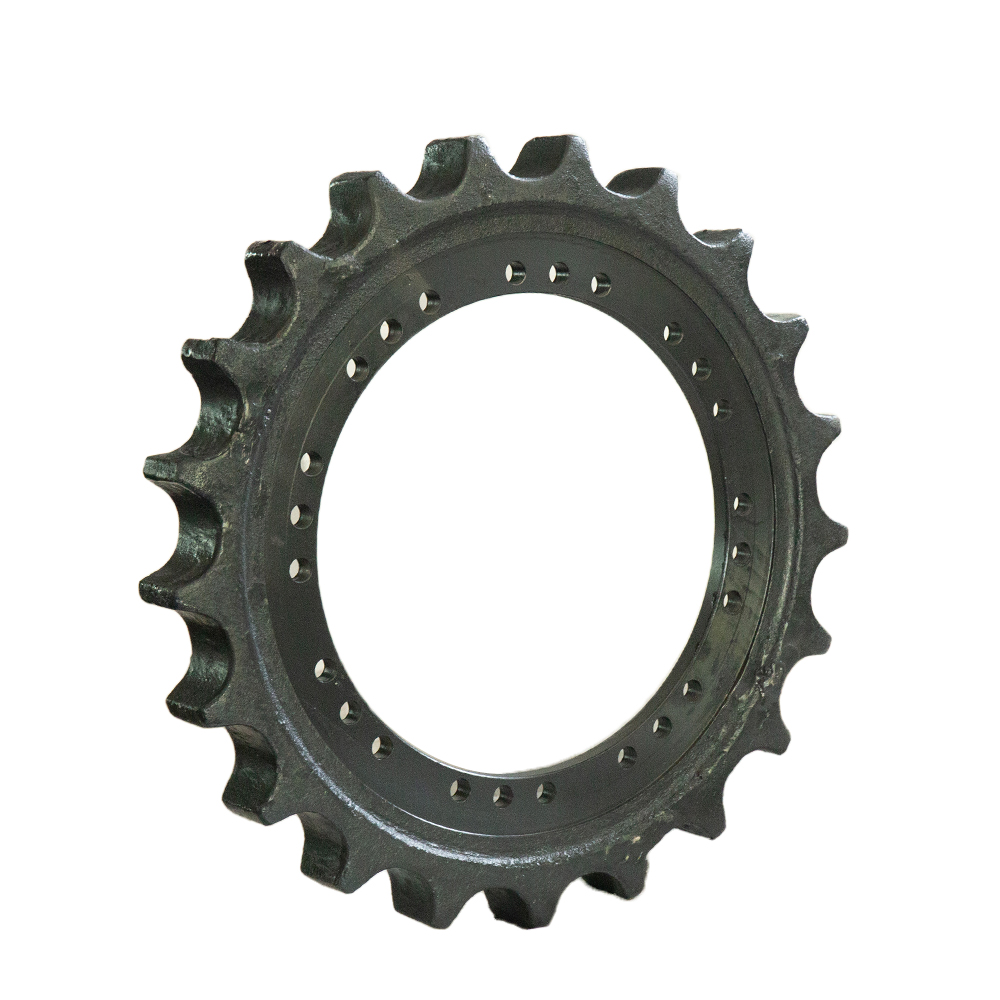
Let's consider the crucial interaction between the track chain and the sprocket. ट्रैक श्रृंखला में प्रत्येक पिन के केंद्र के बीच की दूरी को "पिच" कहा जाता है।" एक नया स्प्रोकेट एक विशिष्ट पिच की नई श्रृंखला की झाड़ियों से जुड़ने के लिए पूरी तरह से तैयार किए गए दांतों के साथ निर्मित होता है. जैसे चेन घिसती है, इसके आंतरिक पिन और झाड़ियाँ घिस जाती हैं, जिससे पिच लम्बी या "खिंचाव" हो जाती है।" इसके साथ ही, इस अंतःक्रिया से स्प्रोकेट के दांत घिस जाते हैं.
अब, एक नया स्थापित करने की कल्पना करें, एक पुराने पर उच्च गुणवत्ता वाली ट्रैक श्रृंखला, भारी घिसा हुआ स्प्रोकेट. घिसे हुए स्प्रोकेट दांत, जो पतले और "हुक" हो गए हैं," will not properly engage the new chain's bushings. वे गलत क्षेत्रों पर बल केंद्रित करेंगे, जिससे नई श्रृंखला अत्यधिक तीव्र गति से खराब हो रही है. इसके विपरीत, बेमेल या खराब निर्मित चेन के साथ नया स्प्रोकेट स्थापित करना उतना ही विनाशकारी हो सकता है. यदि निम्न-गुणवत्ता वाली प्रतिस्थापन श्रृंखला में प्रारंभ से ही असंगत या गलत पिच है, यह तुरंत नए स्प्रोकेट के दांतों को नुकसान पहुंचाना शुरू कर देगा.
एक बहुत विशिष्ट उदाहरण है वोल्वो स्प्रोकेट रिम, जो दांतेदार है, बोल्ट-ऑन रिंग जो चेन को चलाती है. यदि प्रतिस्थापन रिम में थोड़ा गलत बोल्ट पैटर्न व्यास या टूथ प्रोफ़ाइल है, इसे इंस्टालेशन के दौरान जबरदस्ती अपनी जगह पर स्थापित किया जा सकता है. भार के अंतर्गत, तथापि, जरा सा भी गलत संरेखण बोल्ट पर असमान तनाव पैदा करेगा, संभावित रूप से उन्हें कतराने के लिए प्रेरित किया जा सकता है. अधिक सूक्ष्मता से, दाँतों के अनुचित जुड़ाव से पीसने की क्रिया उत्पन्न होगी जो संपूर्ण अंतिम ड्राइव के माध्यम से हानिकारक कंपन भेजती है, संभावित रूप से महंगे बियरिंग और गियर को नुकसान पहुंचा रहा है. किसी ख़राब फिटिंग वाले हिस्से पर प्रारंभिक बचत उससे होने वाली संपार्श्विक क्षति की लागत से नष्ट हो जाती है. हवाई जहाज़ के पहिये एकल के रूप में संचालित होते हैं, महंगी प्रणाली, और एक भी गैर-अनुरूप भाग को शामिल करना एक स्वस्थ जीव में वायरस को पेश करने जैसा है.
पार्ट नंबर और स्कैमैटिक्स को डिकोड करना
इन अनुकूलता समस्याओं से बचने के लिए, उपकरण मालिकों और मैकेनिकों को पार्ट पहचान के लिए उपलब्ध उपकरणों का उपयोग करने में कुशल होना चाहिए. The primary tools are the machine's parts manual and the electronic parts catalogs (निर्यात संवर्धन परिषदों) निर्माताओं और प्रतिष्ठित आपूर्तिकर्ताओं द्वारा प्रदान किया गया.
भाग संख्या का पता लगाना: पार्ट्स मैनुअल, या तो भौतिक या डिजिटल रूप में, is the machine's bible. इसमें मशीन के प्रत्येक सिस्टम के विस्फोट-दृश्य आरेख शामिल हैं. ये चित्र अमूल्य हैं. वे दिखाते हैं कि घटकों को कैसे इकट्ठा किया जाता है और प्रत्येक व्यक्तिगत टुकड़े को एक संदर्भ संख्या निर्दिष्ट करते हैं. आरेख में आवश्यक भाग के दृश्य प्रतिनिधित्व का पता लगाकर, आप इसके संबंधित भाग संख्या को संलग्न सूची में पा सकते हैं. कैटलॉग में उन नोट्स पर ध्यान देना महत्वपूर्ण है जो क्रम संख्या के आधार पर परिवर्तन निर्दिष्ट करते हैं (उदा।, "मशीनों के लिए पिन XXXXX और ऊपर").
विस्फोट-दृश्य आरेखों का उपयोग करना: ये आरेख किसी भाग संख्या की पहचान करने में मदद करने के अलावा और भी बहुत कुछ करते हैं. वे घटकों के बीच संबंध को प्रकट करते हैं. किसी असफल भाग को प्रतिस्थापित करते समय, आरेख का सावधानीपूर्वक अध्ययन संबंधित मुहरें दिखा सकता है, O-छल्ले, या गास्केट जिन्हें हमेशा एक ही समय पर बदला जाना चाहिए. उदाहरण के लिए, पानी के पंप को उसके गैस्केट को बदले बिना बदलने से रिसाव हो रहा है. आरेख पूर्ण और पेशेवर मरम्मत सुनिश्चित करने के लिए एक दृश्य चेकलिस्ट प्रदान करता है.
क्रॉस-रेफरेंसिंग और सत्यापन: एक बार जब आपके पास पार्ट नंबर हो, एक पेशेवर आपूर्तिकर्ता इसका उपयोग फिटमेंट की पुष्टि करने और विकल्प पेश करने के लिए कर सकता है. वे वास्तविक वोल्वो पार्ट नंबर को उच्च गुणवत्ता वाले आफ्टरमार्केट समकक्ष के साथ क्रॉस-रेफरेंस कर सकते हैं. वे स्पष्ट प्रश्न पूछने के लिए अपनी विशेषज्ञता का उपयोग भी कर सकते हैं. उदाहरण के लिए, यदि आप हाइड्रोलिक सिलेंडर के लिए कोई पार्ट ऑर्डर करते हैं, पुष्टि करने के लिए वे आपसे रॉड या बोर का व्यास मापने के लिए कह सकते हैं, as there might be multiple options for your machine's PIN. ग्राहक और आपूर्तिकर्ता के बीच यह सहयोगात्मक सत्यापन प्रक्रिया अंतिम है, गलत हिस्से को ऑर्डर करने की महँगी गलती को रोकने के लिए महत्वपूर्ण जाँच. यह लेन-देन को एक साधारण खरीदारी से समस्या-समाधान साझेदारी में बदल देता है.
गलती 4: वास्तविक बनाम को गलत समझना. OEM vs. आफ्टरमार्केट स्पेक्ट्रम
भारी उपकरण घटकों का बाज़ार "अच्छा" का सरल बाइनरी नहीं है" और "बुरा।"" पार्ट्स. यह गुणवत्ता के कई स्तरों वाला एक सूक्ष्म स्पेक्ट्रम है, कीमत, और सोर्सिंग. एक छोर पर असली हिस्से हैं, दूसरी ओर आफ्टरमार्केट विकल्पों की एक विशाल और विविध दुनिया है, और बीच में कहीं OEM की श्रेणी निहित है. इन श्रेणियों के बीच अंतर की गहरी गलतफहमी खराब खरीदारी निर्णयों का लगातार स्रोत है. सही अनुप्रयोग के लिए सही प्रकार का भाग चुनना एक रणनीतिक कार्य है जिसके लिए जोखिम के स्पष्ट मूल्यांकन की आवश्यकता होती है, बजट, और घटक द्वारा निभाई जाने वाली विशिष्ट भूमिका. बस सबसे महंगे पर डिफॉल्ट करना (असली) या सबसे सस्ता (aftermarket) सावधानीपूर्वक विचार किए बिना विकल्प या तो अनावश्यक व्यय या अस्वीकार्य जोखिम का कारण बन सकता है. एक परिष्कृत दृष्टिकोण में आपके बेड़े की लागत और विश्वसनीयता को अनुकूलित करने के लिए संपूर्ण स्पेक्ट्रम का लाभ उठाना शामिल है.
स्तरों को परिभाषित करना: असली, OEM, और आफ्टरमार्केट
बुद्धिमान विकल्प बनाने के लिए, किसी को सबसे पहले पार्ट्स सोर्सिंग की भाषा सटीकता से बोलनी चाहिए. ये शब्द अक्सर एक दूसरे के स्थान पर उपयोग किए जाते हैं, लेकिन उनके अलग-अलग अर्थ हैं.
असली भाग: ये उपकरण निर्माता द्वारा सीधे बेचे जाने वाले घटक हैं, इस मामले में, वोल्वो. वे वोल्वो-ब्रांडेड बॉक्स में आते हैं और कारखाने में मशीन को असेंबल करने के लिए बिल्कुल वही हिस्से होते हैं. वे सही फिट की गारंटी देते हैं, सामग्री की गुणवत्ता, और प्रदर्शन. यह गारंटी प्रीमियम कीमत पर आती है, which reflects not only the quality of the part but also the cost of Volvo's extensive global distribution network, ब्रांडिंग, अनुसंधान, और विकास. वे गुणवत्ता के मानक हैं.
OEM (मूल उपकरण निर्माता) पार्ट्स: यह सबसे गलत समझे जाने वाले शब्दों में से एक है. ओईएम पार्ट उसी कंपनी द्वारा बनाया गया एक कंपोनेंट है जो वोल्वो को असली पार्ट की आपूर्ति करती है. उदाहरण के लिए, वोल्वो अपनी बीयरिंग स्वयं नहीं बनाती है, पिस्टन, या टर्बोचार्जर. They design the specifications and then contract with a specialized company—let's say Bosch for fuel injectors or SKF for bearings—to produce them. वोल्वो फैक्ट्री में भेजे गए पार्ट्स वोल्वो बॉक्स में डाल दिए जाते हैं और "असली" बन जाते हैं।" बिल्कुल वही हिस्से, समान उत्पादन लाइन पर समान मानकों पर निर्मित, बॉश या एसकेएफ अपने स्वयं के वितरण चैनलों के माध्यम से बेचते हैं "ओईएम" पार्ट्स. They offer genuine-level quality without the equipment manufacturer's brand markup, एक महत्वपूर्ण मूल्य प्रस्ताव का प्रतिनिधित्व करना. चुनौती एक विशिष्ट घटक के लिए सही OEM आपूर्तिकर्ता की पहचान करना है.
आफ्टरमार्केट पार्ट्स: यह सबसे व्यापक और सबसे विविध श्रेणी है. आफ्टरमार्केट पार्ट किसी भी कंपनी द्वारा उत्पादित कोई भी पार्ट है जो OEM आपूर्तिकर्ता नहीं है. आफ्टरमार्केट दुनिया में गुणवत्ता व्यापक पैमाने पर मौजूद है. एक जगह पर, आपके पास अत्यधिक प्रतिष्ठित कंपनियां हैं जो विशिष्ट घटक श्रेणियों में विशेषज्ञ हैं, जैसे हवाई जहाज़ के पहिये या ज़मीन से जुड़ने वाले उपकरण. ये कंपनियां वास्तविक हिस्से को रिवर्स-इंजीनियर कर सकती हैं और फिर सुधार करने के लिए अपनी विशेष विशेषज्ञता का उपयोग कर सकती हैं, शायद अधिक उन्नत स्टील मिश्र धातु या अधिक मजबूत डिज़ाइन का उपयोग करना. उनके उत्पाद वास्तविक विशिष्टताओं को पूरा कर सकते हैं या उससे भी अधिक कर सकते हैं. ये "उच्च गुणवत्ता वाले आफ्टरमार्केट" हैं" आपूर्तिकर्ताओं. स्पेक्ट्रम के दूसरे छोर पर निर्माता कम लागत पर उत्पादन कर रहे हैं, घटिया सामग्री और खराब गुणवत्ता नियंत्रण वाले निम्न गुणवत्ता वाले हिस्से. मुख्य बात यह है कि "आफ्टरमार्केट" "हीन" का पर्यायवाची नहीं है; यह केवल उत्पत्ति का एक पदनाम है. उच्च-गुणवत्ता वाले आफ्टरमार्केट को निम्न-गुणवत्ता वाले विकल्पों से अलग करने के लिए विवेक की आवश्यकता है.
रणनीतिक सोर्सिंग के लिए एक तुलनात्मक विश्लेषण
इन स्तरों के बीच चयन करने में कई कारकों को शामिल करना शामिल है. निम्नलिखित तालिका इस रणनीतिक निर्णय लेने की प्रक्रिया के लिए एक रूपरेखा प्रदान करती है, वोल्वो मशीनों के पुर्जों के लिए प्रत्येक श्रेणी के फायदे और नुकसान को स्पष्ट करने में मदद करना.
| विशेषता | असली (वोल्वो ब्रांडेड) | OEM (मूल उपकरण निर्माता) | उच्च गुणवत्ता वाला आफ्टरमार्केट |
|---|---|---|---|
| कीमत | उच्चतम | मध्यम (20-40% असली से कम) | चर (अक्सर 40-60% असली से कम) |
| गुणवत्ता | बेंचमार्क मानक, गारंटी | वास्तविक गुणवत्ता के समान | वास्तविक मानकों को पूरा कर सकते हैं या उससे अधिक कर सकते हैं |
| उपयुक्त & समारोह | सही फिट की गारंटी | वास्तविक फिट के समान | वास्तविक फिट से मेल खाने के लिए डिज़ाइन किया गया; उच्च गुणवत्ता वाले आपूर्तिकर्ता इसकी गारंटी देते हैं |
| गारंटी | आमतौर पर पूर्ण वोल्वो नेटवर्क द्वारा समर्थित | OEM निर्माता द्वारा समर्थित (उदा।, BOSCH, एसकेएफ) | आफ्टरमार्केट आपूर्तिकर्ता द्वारा समर्थित; बहुत व्यापक हो सकता है |
| उपलब्धता | आम तौर पर आधिकारिक डीलरों के माध्यम से अच्छा है | स्रोत प्राप्त करना कठिन हो सकता है; OEM की पहचान की आवश्यकता है | विशेष आपूर्तिकर्ताओं से प्राप्त सामान्य पहनने वाले भागों के लिए उत्कृष्ट |
| स्रोत | आधिकारिक वोल्वो डीलर नेटवर्क | स्वतंत्र पार्ट्स वितरक, OEM's own network | विशिष्ट आफ्टरमार्केट आपूर्तिकर्ता और वितरक |
इस तुलना से पता चलता है कि कोई भी "सर्वश्रेष्ठ" नहीं है" हर स्थिति के लिए विकल्प. इष्टतम निर्णय संदर्भ पर निर्भर है.
प्रत्येक प्रकार का चयन कब करें: एक व्यावहारिक मार्गदर्शिका
विशेषज्ञ पार्ट्स सोर्सिंग की कला यह जानने में निहित है कि लागत का सर्वोत्तम संतुलन प्राप्त करने के लिए प्रत्येक प्रकार के हिस्से को कब तैनात करना है, प्रदर्शन, और जोखिम प्रबंधन.
जब असली हिस्से चुनें:
- मशीन अभी भी फ़ैक्टरी वारंटी के अंतर्गत है. वारंटी अवधि के दौरान गैर-वास्तविक भागों का उपयोग संभावित रूप से संबंधित विफलताओं के लिए कवरेज को रद्द कर सकता है.
- यह भाग अत्यधिक जटिल है, सुरक्षा-महत्वपूर्ण इलेक्ट्रॉनिक घटक, एक इंजन नियंत्रण इकाई की तरह (ईसीयू). मालिकाना सॉफ्टवेयर और इन घटकों का जटिल अंशांकन वास्तविक विकल्प को सबसे सुरक्षित विकल्प बनाता है.
- विफलता की लागत बहुत अधिक है और पूर्ण निश्चितता की आवश्यकता है, जैसे कि प्राथमिक उत्पादन मशीन पर आंतरिक इंजन या ट्रांसमिशन घटकों के लिए.
जब OEM पार्ट्स चुनें:
- मशीन वारंटी से बाहर है, और आप वास्तविक मूल्य टैग के बिना वास्तविक स्तर की गुणवत्ता की तलाश कर रहे हैं.
- आप अपनी ज़रूरत के घटक के लिए OEM आपूर्तिकर्ता की सकारात्मक रूप से पहचान कर सकते हैं. फ़िल्टर जैसी वस्तुओं के लिए यह सामान्य है, बेल्ट, टर्बोचार्जर, और ईंधन प्रणाली घटक.
- आप एक बड़ी मरम्मत या पुनर्निर्माण कर रहे हैं और अधिक उचित लागत पर मूल फ़ैक्टरी प्रदर्शन विशेषताओं को बनाए रखना चाहते हैं.
जब उच्च गुणवत्ता वाले आफ्टरमार्केट पार्ट्स चुनें:
- आप उच्च घिसाव वाले घटकों को बदल रहे हैं. प्रतिष्ठित आफ्टरमार्केट आपूर्तिकर्ताओं के लिए यह सबसे अच्छी जगह है. हवाई जहाज़ के पहिये के हिस्सों जैसी वस्तुएँ (रोलर्स, आलसी, ट्रैक चेन), बाल्टी, दाँत, किनारों को काटना, और अन्य ग्राउंड-एंगेजिंग उपकरण सामान्य उपयोग के माध्यम से उपयोग किए जाते हैं. एक उच्च गुणवत्ता वाला आफ्टरमार्केट आपूर्तिकर्ता जो इसमें विशेषज्ञता रखता है गुणवत्ता वोल्वो हवाई जहाज़ के पहिये वास्तविक कीमत के एक अंश पर बेहतर घिसाव प्रतिरोधी स्टील से बने उत्पादों की पेशकश कर सकते हैं. इस श्रेणी में टीसीओ बचत अक्सर बहुत अधिक होती है.
- आप किसी मानक हिस्से के बेहतर या हेवी-ड्यूटी संस्करण की तलाश में हैं. आफ्टरमार्केट कंपनियां अक्सर कुछ नया करती रहती हैं, प्रसाद, उदाहरण के लिए, गंभीर चट्टान अनुप्रयोगों के लिए अतिरिक्त सुदृढीकरण वाली एक बाल्टी या बेहतर प्रवेश के लिए अधिक आक्रामक प्रोफ़ाइल वाला एक रिपर शैंक.
- मशीन पुरानी है, और असली या ओईएम पार्ट्स ढूंढना मुश्किल होता जा रहा है या बेहद महंगा होता जा रहा है. एक मजबूत आफ्टरमार्केट पुराना बनाए रख सकता है, फिर भी उत्पादक, मशीनें आर्थिक रूप से चल रही हैं.
इस स्पेक्ट्रम को समझकर, एक बेड़ा प्रबंधक एक मिश्रित सोर्सिंग रणनीति बना सकता है. वे संवेदनशील इंजन सेंसर के लिए वास्तविक भागों का उपयोग कर सकते हैं, नियमित सेवा के लिए OEM फ़िल्टर, और ट्रैक प्रतिस्थापन के लिए उच्च गुणवत्ता वाले आफ्टरमार्केट अंडरकैरिज घटक, जिससे वोल्वो मशीनों के लिए उनके हिस्सों की विश्वसनीयता से समझौता किए बिना संपूर्ण रखरखाव बजट का अनुकूलन किया जा सके.
गलती 5: एक प्रतिक्रियाशील "इसे ठीक करो जब यह टूट जाए" को अपनाना" दृष्टिकोण
रखरखाव के लिए सबसे पारंपरिक और यकीनन सबसे महंगा तरीका कार्रवाई करने से पहले किसी चीज़ के विफल होने की प्रतीक्षा करना है।. यह "जब-जब-जब-जब-तब इसे ठीक करो।"" दर्शन, प्रतिक्रियाशील रखरखाव के रूप में भी जाना जाता है, भारी मशीनरी को घरेलू उपकरण की तरह मानता है. It functions until it doesn't, और तभी ध्यान दिया जाता है. जटिल के लिए, वोल्वो निर्माण उपकरण जैसी पूंजी-गहन संपत्तियां, यह एक अत्यंत त्रुटिपूर्ण रणनीति है. यह रखरखाव कार्यक्रम का नियंत्रण मौका पर छोड़ देता है, यह गारंटी देना कि विफलताएँ सबसे असुविधाजनक समय पर होंगी, जिससे अधिकतम व्यवधान और व्यय होता है. एक अधिक प्रबुद्ध और आर्थिक रूप से सुदृढ़ दृष्टिकोण प्रतिक्रियाशील से सक्रिय और यहां तक कि पूर्वानुमानित मानसिकता में स्थानांतरित करना है. इसमें नियमित निरीक्षण शामिल है, परिचालन डेटा के आधार पर नियोजित रखरखाव, और उचित संचालन के माध्यम से घटक जीवन का विस्तार करने का एक सचेत प्रयास. यह यांत्रिक विफलता का निष्क्रिय शिकार होने और परिसंपत्ति स्वास्थ्य के सक्रिय प्रबंधक होने के बीच का अंतर है.
सक्रिय हवाई जहाज़ के पहिये निरीक्षण की शक्ति
जैसा कि पहले चर्चा की गई थी, ट्रैक की गई मशीन का अंडरकैरिज इसकी सबसे महंगी पहनने वाली प्रणालियों में से एक है. यह एक ऐसी प्रणाली भी है जो स्पष्टता प्रदान करती है, किसी भयावह विफलता के घटित होने से बहुत पहले ही उसके स्वास्थ्य के दृश्य संकेत मिल जाते हैं. एक सक्रिय दृष्टिकोण सरल से शुरू होता है, नियमित दृश्य निरीक्षण जो ऑपरेटर द्वारा प्रत्येक दिन की शुरुआत में कुछ ही मिनटों में किया जा सकता है. यह कोई जटिल तकनीकी कार्य नहीं है; यह अनुशासित अवलोकन की आदत है.
एक बुनियादी दैनिक वॉक-अराउंड निरीक्षण शामिल होना चाहिए:
- ट्रैक शिथिलता की जाँच करना: ट्रैक श्रृंखला का तनाव महत्वपूर्ण है. एक ट्रैक जो बहुत तंग है, सभी घटकों पर घिसाव को तेज करता है. एक ट्रैक जो बहुत ढीला है, मशीन को "ट्रैक फेंकने" का कारण बन सकता है," जिससे महत्वपूर्ण डाउनटाइम हुआ. The operator's manual specifies the correct amount of sag, जिसे टेप माप से तुरंत जांचा जा सकता है.
- लीक के लिए निरीक्षण: ट्रैक रोलर्स को देखो, आलसी, और अंतिम ड्राइव. तेल रिसाव का कोई भी संकेत ख़राब सील का संकेत देता है. सील एक सस्ता हिस्सा है, लेकिन अगर यह पूरी तरह से विफल हो जाता है, घटक अपनी चिकनाई खो देगा, जिससे महंगे आंतरिक बीयरिंग और शाफ्ट तेजी से नष्ट हो गए. रिसाव को जल्दी पकड़ने से हज़ार डॉलर की मरम्मत पचास डॉलर में बदल जाती है.
- स्प्रोकेट दांत की जांच: ड्राइव स्प्रोकेट पर लगे दाँत घिसाव का स्पष्ट इतिहास प्रदान करते हैं. जैसे वे पहनते हैं, वे पतले हो जाते हैं और उनमें "हुक" विकसित हो जाता है" या नुकीली आकृति. गंभीर रूप से घिसा हुआ स्प्रोकेट नई ट्रैक श्रृंखला को नुकसान पहुंचाएगा. पहनने के पैटर्न का निरीक्षण करने से नई प्रणाली के जीवन को अधिकतम करने के लिए स्प्रोकेट और चेन दोनों को एक साथ बदलने की योजना बनाने में मदद मिलती है. एक घटना जिसे "स्कैलोपिंग" के नाम से जाना जाता है," जहां सिरों के बीच दांत की सतह अवतल हो जाती है, यह एक और स्पष्ट संकेतक है कि स्प्रोकेट अपनी सेवा जीवन के अंत के करीब है.
- बुशिंग और ट्रेड वियर को मापना: अधिक उन्नत निरीक्षण, जिसे एक रखरखाव तकनीशियन द्वारा साप्ताहिक या मासिक रूप से किया जा सकता है, ट्रैक बुशिंग पर घिसाव और ग्राउज़र की ऊंचाई को मापने के लिए विशेष उपकरणों का उपयोग करना शामिल है (ट्रेड्स) ट्रैक पैड पर. इस डेटा को समय के साथ ट्रैक किया जा सकता है ताकि सटीक अनुमान लगाया जा सके कि अंडरकैरिज अपने कार्यात्मक जीवन के अंत तक कब पहुंचेगा, किसी महत्वपूर्ण कार्य के बीच के बजाय निर्धारित डाउनटाइम के दौरान नियोजित प्रतिस्थापन की अनुमति देना.
पूर्वानुमानित रखरखाव अनुसूची लागू करना
प्रोएक्टिव रखरखाव भविष्य कहनेवाला रखरखाव में विकसित होता है जब यह विफलताओं का पूर्वानुमान लगाने के लिए डेटा का उपयोग करना शुरू कर देता है. आधुनिक वोल्वो मशीनें परिष्कृत टेलीमैटिक्स सिस्टम से सुसज्जित हैं, like Volvo's CareTrack, जो लगातार हजारों डेटा प्वाइंट्स पर नजर रखता है, इंजन के तापमान और हाइड्रोलिक दबाव से लेकर ईंधन की खपत और गलती कोड तक. डेटा की यह धारा वोल्वो मशीनों के लिए प्रतिस्थापन भागों की आवश्यकता की भविष्यवाणी करने के लिए एक शक्तिशाली उपकरण है.
प्रत्येक हाइड्रोलिक फ़िल्टर को बदलने के बजाय 500 घंटे (एक पारंपरिक, निवारक अनुसूची), एक पूर्वानुमानित प्रणाली फ़िल्टर में दबाव अंतर का विश्लेषण कर सकती है. जैसे ही फिल्टर बंद हो जाता है, दबाव ड्रॉप बढ़ जाता है. जब दबाव ड्रॉप पूर्व निर्धारित सीमा तक पहुंच जाता है तो सिस्टम अलर्ट भेज सकता है, यह दर्शाता है कि फ़िल्टर अपने प्रभावी जीवन के अंत के करीब है और इसे बदलने की आवश्यकता है. यह सुनिश्चित करता है कि फ़िल्टर का उपयोग उसके पूर्ण कार्यात्मक जीवन के लिए किया जाता है, बिना किसी विफलता के बिंदु पर धकेले.
उन्नत टेलीमैटिक्स के बिना संचालन के लिए, एक समान तर्क मैन्युअल रूप से लागू किया जा सकता है. पार्ट प्रतिस्थापन और परिचालन घंटों का विस्तृत लॉग रखकर, एक प्रबंधक अपने विशिष्ट कार्य स्थलों पर विभिन्न घटकों के जीवनकाल के लिए एक ऐतिहासिक आधार रेखा स्थापित कर सकता है. अगर, उदाहरण के लिए, अत्यधिक अपघर्षक रेत के गड्ढे में काम करने वाले व्हील लोडर पर बाल्टी के दांत लगातार बने रहते हैं 150 घंटे, प्रतिस्थापन को 140-घंटे के निशान पर निर्धारित किया जा सकता है. यह सरल डेटा-संचालित दृष्टिकोण उत्पादकता के नुकसान को रोकता है जो तब होता है जब दांत पूरी तरह से खराब हो जाते हैं और "अति-रखरखाव" को भी रोकता है" मशीन में उन पुर्जों को बदल दिया गया है जिनका कार्यात्मक जीवन अभी भी शेष है. पूर्वानुमानित शेड्यूल का एक महत्वपूर्ण हिस्सा स्मार्ट इन्वेंट्री प्रबंधन भी है. यह जानते हुए कि आपको लगभग तीन महीनों में हवाई जहाज़ के पहिये के हिस्सों के एक नए सेट की आवश्यकता होगी, आपको उन्हें मानक शिपिंग के साथ ऑर्डर करने की अनुमति मिलती है, बहु-टन शिपमेंट के लिए हवाई माल ढुलाई की अत्यधिक लागत से बचना.
भाग दीर्घायु में ऑपरेटर प्रशिक्षण की भूमिका
सक्रिय रखरखाव दर्शन का अंतिम स्तंभ मशीन ऑपरेटर के गहन प्रभाव को पहचानना है. नियंत्रण वाला व्यक्ति केवल ड्राइवर नहीं है; they are the primary custodian of the machine's mechanical health on a day-to-day basis. वे मशीन को कैसे संचालित करते हैं, इसके घटकों के जीवन को या तो काफी कम किया जा सकता है या काफी बढ़ाया जा सकता है, विशेष रूप से हवाई जहाज़ के पहिये और ज़मीन से जुड़ने वाले उपकरण.
प्रभावी ऑपरेटर प्रशिक्षण में उन तकनीकों पर जोर दिया जाना चाहिए जो मशीन पर तनाव को कम करती हैं:
- काउंटर-रोटेशन कम से कम करें: मशीन को उसी स्थान पर घुमाने से, जिसमें एक ट्रैक आगे की ओर और दूसरा पीछे की ओर होता है, ट्रैक फ्रेम और अंडर कैरिज घटकों पर अत्यधिक मरोड़ वाला तनाव पड़ता है।. ऑपरेटरों को व्यापक बनाने के लिए प्रोत्साहित करना, अधिक क्रमिक "Y" मोड़ इस तनाव को कम करता है.
- हाई-स्पीड रिवर्स यात्रा को सीमित करें: ट्रैक चेन को मुख्य रूप से भार को आगे की दिशा में खींचने के लिए डिज़ाइन किया गया है. रिवर्स में व्यापक हाई-स्पीड ऑपरेशन से स्प्रोकेट दांतों और ट्रैक बुशिंग के रिवर्स-ड्राइव साइड पर त्वरित घिसाव होता है.
- वैकल्पिक मोड़ दिशा: लगातार केवल एक ही दिशा में मुड़ने से हवाई जहाज़ के पहिये का एक पक्ष दूसरे की तुलना में बहुत तेजी से खराब हो जाएगा. ऑपरेटरों को उनके टर्निंग पैटर्न को वैकल्पिक करने का प्रशिक्षण देने से घिसाव को समान करने में मदद मिलती है.
- ऊपर और नीचे ढलान पर काम करें, उनके पार नहीं: ढलान पर बग़ल में काम करना (पक्ष hilling) निरंतर स्थान, heavy loads on the downhill side's track rollers, आलसी, और ट्रैक फ़्रेम, समय से पहले असफलता की ओर ले जाता है.
- सही खुदाई तकनीक का प्रयोग करें: निर्माण मशीनरी के लिए बाल्टी या छेनी का उपयोग करके चट्टानी स्थानों पर उछाल पर भारी साइड-लोड को मोड़ना या मोड़ना, चिपकना, और बाल्टी पिन और झाड़ियाँ, जिससे तेजी से घिसाव होता है. Proper technique involves using the machine's hydraulic power in a straight line as much as possible.
ऑपरेटर प्रशिक्षण में निवेश करके, एक कंपनी अपने हिस्सों की लंबी उम्र के लिए निवेश करती है. एक ऑपरेटर जो अपने कार्यों के यांत्रिक परिणामों को समझता है, रखरखाव लागत को नियंत्रित करने और मशीन अपटाइम को अधिकतम करने के प्रयास में एक अमूल्य भागीदार है. प्रतिक्रियाशील से सक्रिय और भविष्य कहनेवाला रखरखाव संस्कृति में बदलाव दर्शन में बदलाव है - रखरखाव को एक व्यय के रूप में देखने से जिसे टाला जाना चाहिए, इसे विश्वसनीयता में निवेश के रूप में देखना है।.
अक्सर पूछे जाने वाले प्रश्नों (उपवास)
मैं कैसे सत्यापित कर सकता हूं कि कोई आफ्टरमार्केट पार्ट गुणवत्ता मानकों को पूरा करता है या नहीं? गुणवत्ता को सत्यापित करने के लिए, आपूर्तिकर्ता से तकनीकी विशिष्टताओं का अनुरोध करें, जैसे कि प्रयुक्त स्टील का प्रकार (उदा।, बोरोन स्टील), इसकी कठोरता रेटिंग (उदा।, एचबी400, एचबी500), और ताप उपचार प्रक्रिया के बारे में विवरण. आईएसओ जैसे प्रमाणपत्र मांगें 9001 और उनकी वारंटी नीति के बारे में पूछताछ करें. एक प्रतिष्ठित आपूर्तिकर्ता इस जानकारी के प्रति पारदर्शी होगा.
Is using aftermarket parts going to void my Volvo machine's warranty? आधार वारंटी अवधि के दौरान, निर्माता वारंटी के तहत मरम्मत के लिए वास्तविक भागों के उपयोग की आवश्यकता कर सकते हैं. यदि यह साबित हो जाता है कि विफलता किसी दोषपूर्ण आफ्टरमार्केट हिस्से के कारण हुई है, निर्माता उस विशिष्ट विफलता के लिए वारंटी दावे को अस्वीकार कर सकता है. तथापि, उच्च गुणवत्ता वाले आफ्टरमार्केट पार्ट का उपयोग करना, जैसे कि तेल फिल्टर या बाल्टी का दांत, संपूर्ण मशीन की वारंटी स्वचालित रूप से रद्द नहीं होती है. अपने वारंटी अनुबंध की विशिष्ट शर्तों की जांच करना सबसे अच्छा है.
वोल्वो एक्सकेवेटर अंडरकैरिज पर सबसे पहले विफल होने वाला सबसे आम हिस्सा क्या है?? जबकि यह काफी हद तक परिचालन स्थितियों पर निर्भर करता है, स्प्रोकेट और ट्रैक चेन बुशिंग अक्सर महत्वपूर्ण टूट-फूट दिखाने वाले पहले घटकों में से होते हैं. स्प्रोकेट के दांत हर घुमाव पर सीधे चेन बुशिंग से जुड़ते हैं, इसे उच्च-घर्षण बनाना, उच्च-प्रभाव इंटरफ़ेस. स्प्रोकेट दांत के आकार और ट्रैक चेन "खिंचाव" की सक्रिय निगरानी" यह कुंजी है.
बाल्टी या रिपर का ताप उपचार कितना महत्वपूर्ण है?? ताप उपचार असाधारण रूप से महत्वपूर्ण है. यह वह प्रक्रिया है जो किसी घटक को सतह की कठोरता का आदर्श संतुलन प्रदान करती है (पहनने के प्रतिरोध के लिए) और मूल क्रूरता (प्रभाव का विरोध करने और बिखरने से रोकने के लिए). उत्कृष्ट स्टील से बनी बाल्टी, लेकिन अनुचित ताप उपचार के साथ या तो बहुत नरम हो सकती है (जल्दी खराब होना) या बहुत भंगुर (भार के नीचे टूटना).
यदि वे समान दिखते हैं तो क्या मैं किसी भिन्न मशीन मॉडल के हिस्सों का उपयोग कर सकता हूँ?? इसे दृढ़ता से हतोत्साहित किया जाता है. भले ही कोई हिस्सा देखने में एक जैसा दिखता हो, आयामों में सूक्ष्म अंतर हो सकते हैं, सामग्री विशिष्टताएँ, या सहनशीलता जो स्पष्ट नहीं है. गलत हिस्से का उपयोग करने से खराब फिटमेंट हो सकता है, समझौता प्रदर्शन, और अन्य घटकों को व्यापक क्षति. Always use the machine's specific serial number (नत्थी करना) सटीक सही भाग की पहचान करने के लिए.
What's the best way to reduce shipping costs for heavy parts to regions like Africa or Australia? सबसे अच्छी रणनीति आगे की योजना बनाना है. सक्रिय और भविष्य कहनेवाला रखरखाव आपको महीनों पहले हवाई जहाज़ के पहिये के घटकों या नई बाल्टी जैसी भारी वस्तुओं की आवश्यकता का पूर्वानुमान लगाने की अनुमति देता है. यह आपको समुद्री माल ढुलाई के माध्यम से उन्हें ऑर्डर करने में सक्षम बनाता है, जो हवाई माल ढुलाई से नाटकीय रूप से सस्ता है. आपूर्तिकर्ता के साथ ऑर्डर को समेकित करने से प्रति-आइटम शिपिंग लागत भी कम हो सकती है.
मैं अपनी विशिष्ट वोल्वो मशीन के लिए सही पार्ट नंबर कैसे ढूंढूं?? The most reliable method is to use your machine's unique Product Identification Number (नत्थी करना) या सीरियल नंबर. किसी योग्य पार्ट्स आपूर्तिकर्ता को यह नंबर प्रदान करें. वे इसका उपयोग आपकी मशीन के लिए सटीक इलेक्ट्रॉनिक पार्ट्स कैटलॉग तक पहुंचने के लिए कर सकते हैं, जो अनुमान लगाने की प्रक्रिया को समाप्त करता है और यह सुनिश्चित करता है कि आपको एक ऐसा घटक प्राप्त हो जो फिट होने और सही ढंग से कार्य करने की गारंटी हो.
निष्कर्ष
वोल्वो मशीनों के लिए पुर्जों की सोर्सिंग और खरीद की प्रक्रिया सरल लेन-देन संबंधी खरीदारी से परे है; यह रणनीतिक परिसंपत्ति प्रबंधन का एक अभिन्न अंग है. पांच सामान्य गलतियों की जांच-प्रारंभिक कीमत को प्राथमिकता देना, आपूर्तिकर्ता परिश्रम की उपेक्षा करना, अनुकूलता की अनदेखी, भागों के स्पेक्ट्रम को गलत समझना, और एक प्रतिक्रियाशील रखरखाव मुद्रा में बने रहना - अधिक परिचालन दक्षता और वित्तीय विवेक की ओर एक स्पष्ट मार्ग प्रकट करता है. स्वामित्व की कुल लागत के परिप्रेक्ष्य को अपनाना निर्णय लेने के लिए एक तर्कसंगत ढांचा प्रदान करता है, अल्पकालिक बचत की तुलना में दीर्घकालिक मूल्य पर ध्यान केंद्रित करना. उसी प्रकार, एक कठोर आपूर्तिकर्ता जांच प्रक्रिया घटिया और नकली घटकों के जोखिमों के खिलाफ एक महत्वपूर्ण बचाव के रूप में कार्य करती है जो सुरक्षा और उपकरण स्वास्थ्य दोनों को खतरे में डालते हैं।.
भाग की पहचान में परिशुद्धता, guided by the machine's specific serial number, नए घटकों का निर्बाध एकीकरण सुनिश्चित करता है, preserving the intricate harmony of the machine's systems. वास्तविक की सूक्ष्म समझ, OEM, और उच्च गुणवत्ता वाले आफ्टरमार्केट टियर प्रबंधकों को लचीलापन विकसित करने का अधिकार देते हैं, उपकरण के विशिष्ट अनुप्रयोग और आयु के अनुरूप लागत प्रभावी सोर्सिंग रणनीति. अंत में, प्रतिक्रियाशील से सक्रिय और पूर्वानुमानित रखरखाव संस्कृति की ओर दार्शनिक बदलाव, मेहनती निरीक्षण और ऑपरेटर प्रशिक्षण द्वारा समर्थित, रखरखाव को अप्रत्याशित खर्च से विश्वसनीयता में प्रबंधनीय निवेश में बदल देता है. इन सिद्धांतों को आत्मसात करके, विविध और मांग वाले बाजारों में वोल्वो उपकरण के मालिक और ऑपरेटर अपने निवेश की बेहतर सुरक्षा कर सकते हैं, महँगे डाउनटाइम को कम करें, और अंततः उनके परिचालन की उत्पादकता और लाभप्रदता में वृद्धि होगी.
संदर्भ
आर्टिज़ोन. (2024, जून 28). विभिन्न प्रकार के स्प्रोकेट के बारे में बताया गया. आर्टिज़ोन. https://artizono.com/sprockets-types/
उपकरण साझा करें. (2023, नवंबर 21). निर्माण उपकरण में स्प्रोकेट के लिए एक गाइड: प्रकार, कार्य, रखरखाव, और अधिक. https://shop.equipmentshare.com/blogs/parts-in-depth/sprockets?srsltid=AfmBOoqpB5y88EUJg-nC98o5U9jGYeWv2JQ2VD9-M8LF7rO57LWRL6Oq
मैग्नम इंडस्ट्रियल. (2024, अप्रैल 4). स्प्रोकेट: परम मार्गदर्शक. https://www.magnumindustrial.com/learning-center/sprockets-ultimate-guide/
पीडीएफकॉफ़ी. (2021, दिसंबर 27). स्प्रोकेट. https://pdfcoffee.com/sprockets-3-pdf-free.html