
抽象的な
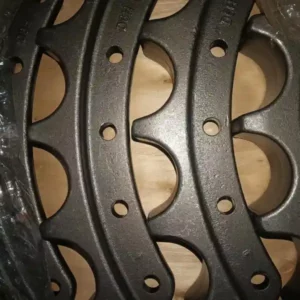
The operational longevity and economic efficiency of heavy construction machinery are profoundly influenced by the integrity of the undercarriage system, 最も重要なコンポーネントを表すトラックシューズ. These elements are the direct interface between a multi-ton machine and the often-hostile ground, subjecting them to intense abrasive wear, high-impact loads, and flexural stresses. The selection of appropriate high wear track shoes is therefore not a trivial procurement decision but a complex analytical exercise. It demands a nuanced understanding of metallurgical properties, 製造方法論, application-specific geometries, and the profound impact of operational practices. This article examines the multifaceted considerations integral to choosing the correct track shoes. It presents a systematic framework for evaluating ground conditions, material science, component dimensions, オペレータの影響, およびメンテナンスプロトコル. この全体的な視点を採用することで、, 機器管理者とオペレーターは、車台の早期故障を大幅に軽減できます。, 長期的な運用コストを削減する, 多様なグローバル環境全体で機械の可用性と生産性を最大化します.
キーテイクアウト
- トラックシューズのグラウザーのタイプと幅を主な地面の状態に直接一致させます.
- 優れた強度と耐摩耗性を実現するために、完全硬化ボロン鋼を優先します。.
- 作業に適切な浮力を提供する、できるだけ幅の狭い靴を使用してください。.
- 適切なオペレータートレーニングにより、車台部品の異常摩耗が大幅に軽減されます.
- 定期的な検査スケジュールを実施して、摩耗しやすいトラックシューズの摩耗を早期に発見します.
- 初期購入価格は総所有コストの一部にすぎないことを理解する.
- 寿命を延ばすためには、車台システム全体の総合的なメンテナンスの視点が必要です.
目次
- 地形の解体: 靴の種類を地面の状況に合わせる
- 物質の科学: 材料の組成と製造を理解する
- パフォーマンスの幾何学: 靴の幅, ピッチ, およびプロファイルの考慮事項
- 業務規律: トラックシューズの寿命を延ばすための人的要因
- 総合的なメンテナンスの哲学: 検査, 修理, と交換
- よくある質問 (よくある質問)
- 結論
- 参照
地形の解体: 靴の種類を地面の状況に合わせる
機械とそれが通過する地球との対話は、トラックシューによって媒介されます。. それは圧力の言語です, 摩擦, そしてインパクト. 最初に地面の状況を厳密に分析せずにトラック シューズを選択することは、レーストラックを走行するのか泥だらけのフィールドを走行するのかを知らずに車両のタイヤを選択するのと同じです。. 地面は均一ではない, パッシブサーフェス; それは契約条件を決定するアクティブなエージェントです. 土の性質, ロック, または骨材 - その摩耗性, 水分含有量, 凝集性 - すべての車台コンポーネントの摩耗の速度と性質を根本的に決定します, 特に靴. この初期評価でエラーが発生すると、多額の費用がかかる失敗が連鎖的に発生する可能性があります。, 生産的な資産を固定的な負債に変える. したがって, 摩耗性の高いトラックシューズを合理的に選択するための第一原則は、深いものであることです。, 機械が存在し、動作する環境の経験的理解.
グラウンドコンディションの重要性: 基礎的な分析
すべての現場には独特の地質学的特徴があります. アラビア半島の風に吹かれた砂は硬い砂で構成されています。, 容赦のない研磨剤として機能する鋭い石英粒子, 驚くべきスピードで鋼を削り取る. 西オーストラリア州のラテライト質土壌, 鉄と酸化アルミニウムが豊富, 一見硬くて磨耗しやすい, 特に乾燥しているとき. 対照的に, 泥炭のような, 東南アジアの建設現場の飽和地盤は磨耗が問題となっている, しかし、浮力とトラクションの. 沈んだ機械は動かなくなる, その力は役に立たない. シベリアの凍ったツンドラは別の変動要因をもたらす: 低温脆性, 温帯気候では衝撃荷重が吸収される可能性があり、壊滅的な破壊を引き起こす可能性がある場所.
適切な分析は地形を分類することから始まります. ハイインパクトですか, 爆破された石が散らばった採石場の床のように? 磨耗が激しいですか, 砂砂漠のような? それともトラクションが低いのか, 泥沼のような? 頻繁, それは組み合わせです. 例えば, 掘削作業には柔らかい表土の除去が含まれる場合があります (浮力が必要な) 下の研磨岩盤に到達する (耐摩耗性が必要な). オペレータは、機械が各状態で費やす時間の割合を考慮する必要があります。. この分析は偶然の観察ではなく、意図的な評価である必要があります。, おそらく土壌のサンプリングや地質工学レポートとの協議が含まれるでしょう。. この評価の経済的影響は直接的かつ重大です. マシンの使用時に衝撃の強い岩に最適化されたシューズを選択する 90% 柔らかい土壌では不必要な地面の撹乱につながります, 過剰な燃料消費, グラウザーが非効率的に地球をかき回すため、ドライブトレイン全体が早期に摩耗します。.
軟弱地盤の操作: シングルグローザーシューズの場合
柔らかい土壌の状態では, 泥, または粘土, 主な課題は、泥沼にはまることなくマシンを前進させるのに十分なトラクションを実現することです。. ここで、シングル グローザー トラック シューズ本来の優位性が発揮されます。. グローザーとは、地面に突き刺さる靴の外面にある突き出たバーまたはプロファイルです。. シングルグラウザー設計は、1 つの主要な機能を備えています。, tall protuberance running across the shoe's width.
パドルと考えてください. 背が高い, シャープな形状により、柔らかい素材に深く食い込むことができます, 押すための広い表面積を提供する. これにより最大の牽引力が得られます. 隣接する靴のシングルグルーザー間のスペースが広いため、セルフクリーニングも容易になります。. トラックチェーンがスプロケットとアイドラーを周回すると、, 曲げる動作により、靴の間に詰まってしまう泥や破片を落とすのに役立ちます。. 梱包された材料は深刻な問題です; 注意深く設計されたトラックシステムをスムーズなトラックシステムに効果的に変換します。, トラクションレスベルト, 同時にトラックの張力も増加し、すべての可動部品の摩耗が加速します。. The single grouser's ability to penetrate and clean makes it the standard choice for bulldozers and other machines whose primary function is to push large loads in a relatively straight line on yielding surfaces. 深い貫通力により優れたグリップ力を実現, maximizing the machine's pushing power.
硬くて岩の多い表面: ダブルとトリプルのグラウザー シューズが優れている理由
使用環境がハードに変化した場合, 岩だらけの, または混合表面, 単一のグローザーシューズの論理が崩壊し始める. 背の高い, 攻撃的なシングルグラウザーは硬い岩を貫通できません. その代わり, 機械の全重量がグローザーの細い先端に集中します。. これにより、膨大なポイント負荷が発生します, これは、グローザー自体の摩耗を促進するだけでなく、トラックシューズに厳しい曲げ応力を与えます。. 靴が曲がり、最終的に亀裂が入る可能性があります. さらに, 硬い路面上で単一のグラウザーで動作する機械は、荒れた路面に遭遇します。, 振動乗り物, これはオペレータを疲労させ、機械全体に衝撃荷重を伝達します。.
これはダブルおよびトリプル グローザー トラック シューズの領域です. 背の高いグロウザーの代わりに, 荷重は 2 つまたは 3 つの短いものに分散されます。, 攻撃性の低いグラウザー.
ダブルグローザーシューズ: これらは、シングル グローザーのトラクションとトリプル グローザーの旋回能力とスムーズな乗り心地の間の妥協点を提供します。. 単一のグラウザーよりも地面との接触面積が広い, これにより、靴にかかる曲げ応力が軽減され、摩耗しやすい表面や硬い表面での摩耗寿命が向上します。. トラクションと操縦性のバランスが必要なクローラーローダーや掘削機に一般的な選択肢です。.
トリプルグラウザーシューズ: これらは掘削機で見られる最も一般的なタイプのトラックシューであり、「標準」とみなされます。" 汎用靴. 3人 (または場合によってはそれ以上) グラウザーは短くなり、地面との接触面積が大きくなります。. これにより接地圧が大幅に軽減されます, 表面の乱れを最小限に抑えます, よりスムーズな乗り心地を提供します. トリプルグローザーの主な利点は、優れた旋回能力です。. 装軌式機械が回転するとき, 靴は回転して地面に対して滑らなければなりません. トリプルグローザーの低いプロファイルにより、抵抗の量が軽減されます。, または「スクラブ」," ターン中に. これにより、車台全体にかかる横応力が軽減されます。, シューズ自体からピンまで, ブッシング, とリンク. 掘削機などの機械の場合, 常に回転し、位置を変更しています, これは、車台部品の寿命を延ばす上で大きな利点となります。.
特殊なアプリケーション: フラット, ゴム, とスワンプシューズ
一般的なグローザータイプを超えて, 特定の目的に合わせてさまざまな特殊な靴が存在します, 要求の厳しいアプリケーション.
フラットシューズ: 名前が示すように, この靴にはグラウザーがありません. ハードに使用されます, トラクションが問題にならないコンクリートやアスファルトなどの平らな面, しかし、表面の損傷が大きな懸念事項です. 大規模な倉庫内の舗装作業や産業用途では、作業面の破壊を防ぐためにフラットシューズがよく使用されます。.
ゴム靴 (またはゴムパッド): 表面保護をさらに強化するには, ゴムパッドは標準のトリプルグローザーシューにボルトで固定できます。, または、靴自体がスチールフレームに接着された固体ゴムブロックである場合もあります. これらは都市建設のいたるところに存在します, 掘削機が公道を横断したり、装飾舗装で作業する必要がある場所. 優れた表面保護を提供し、騒音を低減します。, ただし、解体現場や岩だらけの環境では切り傷や塊になりやすい.
スワンプシューズ (または低接地圧靴): 極度の軟弱地盤条件下では, 沼地のような, 沼地, または浚渫作業, 標準のシューでは、機械の沈み込みを防ぐのに十分な表面積が得られない可能性があります。. スワンプシューズは通常、幅広です, 時には三角形または台形の形状になる, to maximize the contact area and distribute the machine's weight. この浮力の原理はスノーシューと同じです。. 表面積を増やすことで, 平方インチあたりの圧力 (PSI) 減少します, マシンを「浮かせる」" 不安定な地面の上で. これらは高度に専門化されており、どんなハードウェアでもすぐに摩耗してしまいます。, 研磨面.
グラウザー設計の比較分析
情報に基づいた決定を下すには, 各設計に固有のトレードオフを視覚化すると役立ちます. 選択とは決して「完璧なもの」を見つけることではありません。" 靴, ただし、特定の一連の運用上の優先事項に最も適した靴.
| 靴の種類 | 主な用途 | トラクション | 旋回能力 | 硬い表面での摩耗 | 地盤の乱れ |
|---|---|---|---|---|---|
| シングルグラウザー | 柔らかい土, 泥, ハイトラクションのニーズ (ドーザー) | 素晴らしい | 貧しい | 貧しい | 高い |
| ダブル食料品店 | 混合土壌, 中程度のトラクション/旋回ニーズ | 良い | 適度 | 適度 | 適度 |
| 三重生産者 | 汎用, 硬い表面, 頻繁に回転する | 適度 | 素晴らしい | 素晴らしい | 低い |
| フラットシューズ | 舗装面 (アスファルト, コンクリート) | 貧しい | 素晴らしい | 素晴らしい | 非常に低い |
| スワンプシュー | 極めて軟弱な地盤 (沼地, 沼地) | 適度 | 貧しい | 非常に悪い | 低い (浮力のせいで) |
物質の科学: 材料の組成と製造を理解する
地面の状態によってトラックシューの正しい形状が決定されたら、, 靴自体の本質的な品質に焦点を移さなければなりません. 何でできていますか, そしてそれはどのように作られたのか? 2 つのトラック シューズは肉眼では同じに見えますが、フィールドでのパフォーマンスは大きく異なります。. 何千時間もの信頼性の高いサービスを提供する可能性があります, 一方、もう一方は早期に失敗します, 負荷がかかると破損したり、期待外れの速度で摩耗したりする. この違いは目に見えないところに隠されています, 顕微鏡レベルで, 鋼の化学とそれが受けた熱プロセス. 冶金学と製造の基礎を理解することは学術的な演習ではありません; 摩耗しやすいトラックシューズを調達または指定する人にとって、実用的な必需品です。. 表面的な類似性から真の品質を見分ける能力です, 経済的に大きな影響を与える区別.
冶金学の役割: 単純な鋼を超えて
「鋼」という言葉" 鉄と炭素の合金を表す広範な記述子です. しかし, the performance characteristics of steel can be dramatically altered by the addition of small quantities of other elements and by the application of heat. The steel used for high wear track shoes is a sophisticated material, carefully engineered to balance two competing properties: 硬度と靭性.
- 硬度 is the material's resistance to scratching, 摩耗, and indentation. A harder surface will better resist the grinding effect of sand, 砂利, そして岩.
- タフネス is the material's ability to absorb energy and deform without fracturing. A tough material can withstand the sudden shock loads of hitting a rock or dropping the machine's bucket.
These two properties are often in opposition. A very hard material, ガラスのように, is often very brittle (not tough). A very tough material, like soft copper, is not very hard. 冶金学者の技術は、合金鋼とその両方を最適化する熱処理プロセスを作成することです。. これは通常、合金鋼の使用によって実現されます。. 摩耗しやすいトラックシューズ用, 最も重要な合金元素はホウ素です.
ボロン鋼と焼き入れ: 耐久性の心
ホウ素は注目すべき元素です. When added to steel in minuscule amounts—often less than 0.003%—it has an outsized effect on the steel's "hardenability." 焼入性は硬さそのものではありません, しかし、熱処理中に鋼がかなりの深さまで硬化する能力.
重要な熱処理プロセスは焼き入れと焼き戻しと呼ばれます。.
- オーステナイト化: 初め, スチール製トラックシューは非常に高温に加熱されています, 通常約 850 ~ 950°C. この温度では, 鉄と炭素原子はオーステナイトと呼ばれる特定の結晶構造に配置されます。.
- 消光: The red-hot shoe is then rapidly cooled, usually by plunging it into a bath of water, 油, or polymer solution. This sudden cooling does not give the atoms time to rearrange themselves back into their slower-cooled structures. その代わり, they are trapped in a highly stressed, needle-like crystal structure called martensite. Martensite is extremely hard and strong, which is exactly what is needed for wear resistance. The presence of boron allows this hard martensitic structure to form not just on the immediate surface, but deep into the core of the track shoe. This is known as "through-hardening." A through-hardened shoe maintains its hardness even as the surface wears away, providing a much longer service life than a shoe that is only "case-hardened" or "surface-hardened."
- 焼き戻し: After quenching, the steel is extremely hard but also brittle and filled with internal stresses. To restore some toughness, the shoe is reheated to a much lower temperature (例えば。, 200-500℃) そして特定の時間だけ開催される. このプロセス, called tempering, relieves the internal stresses and allows for a slight rearrangement of the crystal structure. It reduces the hardness slightly but significantly increases the toughness, resulting in a final product that is both highly resistant to wear and resilient enough to withstand high-impact shocks without cracking. A properly quenched and tempered boron steel track shoe is the gold standard for demanding applications.
鍛造対. 鋳造: An Examination of Manufacturing Processes
There are two primary methods for forming a track shoe into its final shape: キャスティングと鍛造.
鋳造 involves pouring molten steel into a mold shaped like the track shoe. 複雑な形状を簡単に作成できる比較的安価なプロセスです。. しかし, 金属が金型内で冷えて固まるにつれて、, 粗大な症状が発生する可能性があります, 不均一な粒子構造. 穴あきのリスクもある (小さな泡) またはその他の内部欠陥, 応力がかかると亀裂の開始点となる可能性があります.
鍛造 鋼の固体ビレットから始まり、加熱され、ハンマーまたはプレスからの巨大な圧力によって成形されます。. このプロセスは鋼の内部構造に大きな影響を与えます。. 強い圧力により、鋼の粒子が部品の形状と一致するように強制されます。, 連続したものを作成する, 配向された木目の流れ. パーティクルボードの違いを考えてみましょう (キャスティングのように) 長いしっかりした木片, 連続粒子 (鍛造品のような). The forged part is generally denser, より強い, and more resistant to impact and fatigue. Forging is a more expensive process, but for critical, high-stress applications, it often produces a superior, more reliable part. Most high-quality track shoes for demanding environments are forged to ensure maximum strength and toughness.
Surface Hardness versus Core Toughness: A Delicate Balance
The ideal high wear track shoe is not uniformly hard throughout. 議論したように, extreme hardness often comes with brittleness. The ideal state is a component with an extremely hard outer surface to resist abrasion, supported by a slightly softer, tougher core that can absorb shock and prevent the part from snapping in two. The through-hardening capability imparted by boron steel, combined with a precisely controlled quenching and tempering process, メーカーはこの異なる硬度プロファイルを実現できます.
表面硬度は通常、ロックウェル C スケールで測定されます。 (HRC). 高品質のトラック シューズの表面硬度は次のとおりです。 45-55 HRC, 一方、コアの硬度は数ポイント低い可能性があります. このグラデーションは意図的なものです. 難しい「ケース」" 摩耗を処理します, 一方で、タフな「コア」" 負荷を処理します. サプライヤーを評価する場合, 目標の硬度仕様と、それをどのように達成および検証するかについて尋ねるのは合理的です。. 評判の良いメーカーは、熱処理プロセスを厳密に管理しており、製品の硬度プロファイルに関するデータを提供できます。. この細部へのこだわりは、高品質のサプライヤーの特徴です, 耐久性に必要な複雑なバランスを理解している人など 足回り部品.
メーカーの品質を評価する: 何を探すべきか
Given that the most important qualities of a track shoe are invisible, how can a buyer make an informed choice? One must look for proxies of quality.
- 材質仕様: Does the manufacturer explicitly state the material used (例えば。, 23MnB, 25MnB, 35MnB – all common boron steel grades)? Vague descriptions like "high-strength steel" 赤信号です.
- Heat Treatment Process: A quality manufacturer will be proud of their heat treatment capabilities. Look for information about their quenching and tempering processes. Do they talk about "through-hardening"?
- Manufacturing Method: Is the part forged or cast? While good castings exist, forging is generally a sign of a premium product intended for severe duty.
- トレーサビリティと品質管理: Can the manufacturer provide quality control documentation? Do they have lot numbers or serial numbers on their parts that allow for traceability back to a specific production batch? This is a sign of a mature and accountable manufacturing process.
- Reputation and Warranty: A company with a long history and a strong warranty is putting its own financial health behind the quality of its products. Learning about a potential supplier's history and commitment to quality, which is often found on pages like an 私たちについて section, can be very revealing.
Choosing a track shoe is an act of trust in the manufacturer's unseen processes. By asking the right questions and looking for these indicators of quality, a buyer can significantly improve the odds of acquiring a product that will deliver true long-term value.
パフォーマンスの幾何学: 靴の幅, ピッチ, およびプロファイルの考慮事項
The physical dimensions of a track shoe—its width, そのピッチ, およびそのプロファイルの特定の形状は、任意の特徴ではありません. これらは慎重に設計されたパラメータであり、マシンのパフォーマンスに直接的かつ測定可能な影響を与えます。, 燃費, そして車台システム全体の寿命も長くなります。. 正しい形状を選択するには、単純な仮定から離れ、より微妙な条件を受け入れる必要があります。, システムレベルの思考. 柔らかい地面でのサポートの必要性のバランスを取る必要があります (浮力) 硬い地面での操作性と耐久性が必要なため. このドメインでの選択を誤ると、多くの問題が発生する可能性があります, 過度の土壌撹乱からトラックリンクやピンへの壊滅的なストレスまで.
「広いほど良い」" 誤謬: 浮力と浮力の違いを理解する. 操縦性
There is a common and intuitive assumption among some equipment owners and operators that a wider track shoe is always better. The logic seems simple: a wider shoe provides a larger footprint, which should reduce ground pressure and make the machine more stable. While this is true to a point, this belief is a dangerous oversimplification. It fails to account for the significant downsides of using a shoe that is wider than necessary.
Imagine walking on soft snow. A pair of wide snowshoes (high flotation) is invaluable, distributing your weight so you don't sink. 今, imagine trying to walk through a dense, rocky forest with those same snowshoes. They would be clumsy, constantly getting caught on obstacles, and requiring immense effort to turn. The same principle applies to construction machinery.
A wider shoe increases the machine's flotation, which is its ability to stay on top of soft, yielding surfaces. This is measured in pounds per square inch (PSI) or kilopascals (kPa) of ground pressure. For work in swamps or on very loose sand, a wide, low-ground-pressure shoe is indispensable.
しかし, on firm or rocky ground, that extra width becomes a significant liability. The wider the shoe, the more effort is required to turn the machine. During a turn, the outer edge of the shoe has to travel farther than the inner edge, causing the shoe to scrub and pivot against the ground. A wider shoe increases this scrubbing action, generating immense leverage and lateral stress that is transferred directly into the track pins, ブッシング, とリンク. This twisting force is a primary driver of a wear pattern known as "pin and bushing wear." さらに, the unsupported portion of a wide shoe that overhangs the track link is more susceptible to bending and cracking if it encounters a rock or stump.
The Principle of "As Narrow as Possible, As Wide as Necessary"
The guiding principle for selecting track shoe width, したがって, should be to use the narrowest shoe that provides adequate flotation for the machine to perform its job without becoming bogged down. This principle optimizes the trade-off between flotation and durability.
- Benefits of a Narrower Shoe:
- Easier Turning: Less stress on pins and bushings during turns.
- Less Wear: Reduced scrubbing action on hard surfaces.
- Better Maneuverability: The machine feels more agile and responsive.
- Increased Durability: Less leverage on the shoe, reducing the risk of bending or cracking.
- Improved Packing Resistance: In sticky materials, a narrower track has less room for mud to accumulate.
To apply this principle, an operator or fleet manager must have an honest assessment of their typical working conditions. If a machine spends 80% of its life on hard-packed dirt or rock and only 20% in soft mud, it should be equipped with a narrower shoe appropriate for the hard ground. For the occasional muddy section, operational techniques (like laying down mats or taking a different route) are a better solution than compromising the machine's undercarriage health for the majority of its working life.
A Decision Matrix for Shoe Sizing
The following table provides a general framework for thinking about shoe width. The specific recommendations will vary based on the machine's weight and model, but the underlying logic remains constant.
| Ground Condition | Primary Requirement | Recommended Shoe Width | Rationale |
|---|---|---|---|
| Hard Rock, 採石場 | 耐久性, 操縦性 | Narrow | Minimizes turning stress and risk of shoe bending/cracking. |
| Packed Soil, Gravel | 汎用 | Standard/Narrow | Balances wear life and turning ability. Standard OEM width is often optimal. |
| Mixed Soft/Hard | Versatility | 標準 | A compromise. Avoids the major penalties of very wide or very narrow shoes. |
| Soft Clay, ダート | Flotation, トラクション | Standard/Wide | Width should be sufficient to prevent sinking but no wider. |
| Loose Sand | High Flotation | 広い | Maximizes surface area to stay on top of the non-cohesive material. |
| 沼地, Marsh | Extreme Flotation | Extra-Wide (LGP) | Necessary to reduce ground pressure below the soil's bearing capacity. |
Track Pitch and its Relationship with the Entire Undercarriage System
Track pitch is the distance from the center of one track pin to the center of the next. It is a fundamental dimension of the entire undercarriage system. The track pitch must precisely match the pitch of the sprocket teeth that drive the chain and the geometry of the track rollers and idlers that support it.
When selecting replacement high wear track shoes, it is absolutely imperative that the pitch of the new shoes matches the pitch of the existing track chain. Using a shoe with an incorrect pitch is not possible; the bolt holes simply will not align with the track links. しかし, this highlights a deeper concept: the undercarriage is a system of interlocking, interdependent parts. The wear on one component directly affects the wear on all others.
As pins and bushings wear, the track pitch effectively lengthens. This "pitch extension" causes the track chain to ride higher and higher on the sprocket teeth, accelerating wear on the tips of the teeth. 逆に, as the sprocket teeth wear, they become thinner and change their profile, which can accelerate bushing wear. The track shoes, リンク, ピン, ブッシング, ローラー, 怠け者, and sprockets are all designed to wear together as a cohesive system. Attempting to replace just one component in a heavily worn system (例えば, putting new shoes on a stretched-out chain) can often accelerate the wear of the new part and the remaining old parts. A holistic view is needed, which is why sourcing a full range of compatible undercarriage products from a single, reliable supplier can be advantageous.
The Impact of Shoe Shape on Turning and Scrubbing Wear
Beyond a simple classification of single, ダブル, or triple grouser, the specific profile of the shoe and grouser matters. Some manufacturers offer shoes with "clipped" or "beveled" corners. This small modification can have a noticeable effect on turning. By removing the sharp corner of the shoe, there is less material to dig into the ground during a pivot, reducing turning resistance and the associated scrubbing forces. This is particularly beneficial for machines that do a lot of spot-turning, like excavators.
同様に, the height and sharpness of the grouser profile contribute to the wear dynamic. A brand-new, sharp grouser provides maximum traction but also creates maximum stress when turning on hard surfaces. As the grouser wears down, その高さは減少します, and its tip becomes more rounded. This actually reduces turning stress but also reduces traction. Understanding this life cycle is part of managing the undercarriage. There is a point where the grouser is so worn that it no longer provides adequate traction, and the shoe must be replaced or re-grousered. This decision point should be based on performance requirements, not just visual appearance.
業務規律: トラックシューズの寿命を延ばすための人的要因
In the complex equation of undercarriage longevity, there is a variable that often outweighs metallurgy and geometry combined: the machine operator. An operator who is skilled, disciplined, and mindful of mechanical sympathy can dramatically extend the life of a set of high wear track shoes and the entire undercarriage. 逆に, an aggressive or careless operator can destroy the same components in a fraction of their expected lifespan. The forces generated by a multi-ton piece of construction machinery are immense. How those forces are applied—smoothly and thoughtfully, or abruptly and carelessly—makes all the difference. Investing in operator training and fostering a culture of mechanical preservation is one of the highest-return investments a fleet manager can make. It transforms a major expense into a manageable cost.
Operator Technique: The Unseen Force on Undercarriage Wear
The levers and pedals inside the cab are direct inputs into the wear rate of the undercarriage. Smooth, gradual inputs are always preferable to sudden, jerky movements.
Smooth Acceleration and Deceleration: Jackrabbit starts and slamming stops send shock loads through the entire drivetrain, from the engine to the final drives and into the track chain. This stresses pins, ブッシング, and the track shoe-to-link connections. A gentle application of power allows the track to engage the ground and build momentum smoothly.
Minimizing Unnecessary Movement: An efficient operator plans their movements. Instead of constantly shuttling back and forth, they position the machine optimally to minimize the total distance traveled. 掘削機の場合, this means setting up within a swing radius that allows it to dig and load trucks without constantly repositioning the undercarriage. Every meter traveled is a meter of wear. Reducing travel, especially on abrasive surfaces, directly translates to longer undercarriage life.
Working Up and Down Slopes: Whenever possible, operators should be trained to drive straight up or straight down a slope, rather than traversing it sideways. Traversing a slope places a continuous, heavy side-load on the downhill track rollers, 怠け者, and track chain. This accelerates wear on the sides of these components. Working up and down the slope keeps the load distributed more evenly. When working on a side slope is unavoidable, the operator should try to alternate the direction of work periodically to even out the wear.
The Hidden Costs of High-Speed Reverse Operation
Most tracked machines are designed for their primary work to be done moving forward. The track chain, ピン, and bushings are engineered with this in mind. The bushing is designed to rotate against the sprocket tooth under load in the forward direction.
Operating in reverse at high speed is one of the most damaging things an operator can do to an undercarriage. During reverse operation, the load is concentrated on the reverse-drive side of the bushing, a smaller contact area that is not optimized for high loads. This causes a much higher rate of wear on both the bushing and the sprocket. Some studies suggest that high-speed reverse operation can cause as much as three to four times the wear rate of forward travel.
Operators should be trained to minimize reverse travel distance and to always use a lower speed when moving in reverse. If a long repositioning move is required, it is often better to make a wide, sweeping turn and travel forward rather than simply backing up the entire distance. This simple piece of operational discipline can save thousands of dollars in premature undercarriage repair over the life of a machine.
Turning Techniques: Minimizing Lateral Stress on Track Links and Shoes
Turning a tracked machine is inherently a high-stress maneuver. One track slows down or reverses while the other maintains or increases speed, forcing the machine to pivot. This creates the scrubbing and lateral forces discussed earlier. しかし, the way an operator turns can greatly influence the magnitude of these forces.
Spot Pivots (Counter-Rotation): This is the most aggressive type of turn, where one track moves forward and the other reverses, causing the machine to spin in place. While sometimes necessary in tight quarters, it should be avoided whenever possible. It generates the maximum amount of ground disturbance and places the highest possible stress on the track shoes and links.
Gradual Turns: A much gentler method is to make wider, more gradual turns, like driving a car around a curve. This reduces the speed differential between the tracks and minimizes the amount of scrubbing. Operators should be encouraged to plan their work to allow for these wider turns.
Three-Point Turns: When a sharp change in direction is needed, executing a three-point turn (forward, back, forward) is often less stressful on the undercarriage than a single, aggressive spot pivot. Each individual movement is less severe.
The choice of track shoe type interacts strongly with turning technique. A machine with single grouser shoes will experience immense resistance to turning on hard ground, and an operator who frequently spot-pivots such a machine will cause rapid and destructive wear.
The Importance of Site Maintenance and Debris Management
The operator's responsibility extends beyond the machine itself to the environment it works in. A poorly maintained job site is a minefield for undercarriages.
Keeping the Work Area Clean: Allowing rocks, demolition debris (like rebar), or other sharp objects to litter the work area is a direct invitation for damage. A track shoe can be bent or cracked by a single encounter with a large rock. Steel debris can get caught in the track chain, causing catastrophic damage. Operators should be encouraged to use the machine's bucket or blade to clear a clean, smooth path for themselves.
Managing Mud and Packing: 濡れた状態で, sticky conditions, material can pack into the track chain. As this packed material is carried around the sprocket, it can become incredibly dense and hard, effectively tightening the track chain. This "over-tensioning" puts a massive load on all moving components and can literally push the track apart. Operators should make it a habit to periodically "walk out" the tracks (alternately moving forward and reverse) to try and shed packed material. At the end of a shift, they should take the time to properly clean the undercarriage with a spade or pressure washer. A few minutes of cleaning can prevent thousands of dollars in repairs.
Training and Incentivizing Operators for Undercarriage Preservation
Recognizing the operator as a key player in undercarriage management is the first step. The next is to provide them with the knowledge and motivation to act on it.
- Training Programs: Formal training should be a part of any new operator's onboarding. This should not just cover how to make the machine dig or push, but also the "why" behind best practices for undercarriage care. Using visual aids to show how reverse operation wears bushings or how side-loading affects rollers can be very effective.
- Incentive Programs: Some companies have successfully implemented programs that reward operators or crews for achieving better-than-average undercarriage life. This could be a bonus or other form of recognition. It aligns the operator's financial interests with the company's goal of cost reduction and creates a culture where everyone takes ownership of machine health.
結局のところ, the human element is not a problem to be eliminated but a resource to be cultivated. A well-trained and motivated operator is the best defense against premature failure of even the highest quality high wear track shoes.
総合的なメンテナンスの哲学: 検査, 修理, と交換
The final pillar supporting the long and productive life of a track system is a philosophy of proactive, systematic maintenance. It is a mindset that rejects the "run to failure" アプローチ, which inevitably leads to catastrophic breakdowns, unscheduled downtime, and exorbitant repair costs. その代わり, it embraces a regimen of regular inspection, informed measurement, and strategic intervention. This holistic philosophy understands that the undercarriage is a complex ecosystem of wear parts. The health of the high wear track shoes is inextricably linked to the condition of the pins, ブッシング, リンク, ローラー, とスプロケット. Effective maintenance, したがって, is not about focusing on a single part in isolation but about managing the entire system's life cycle to achieve the lowest possible cost per hour of operation.
Establishing a Proactive Inspection Regimen
The foundation of any maintenance program is frequent and consistent inspection. Wear happens gradually, and small problems, if caught early, can be corrected before they cascade into major failures. An operator should be trained to perform a brief walk-around inspection at the beginning of every shift. This is not a time-consuming task, but a quick visual and tactile check.
Daily Walk-Around: オペレーターは明らかなトラブルの兆候を探す必要があります:
- Loose or missing hardware: Are all the track shoe bolts tight? A loose shoe can damage the track link and eventually break free.
- Obvious cracks or breaks: Check the track shoes, especially around the bolt holes and at the base of the grousers.
- Heavy packing: Is the undercarriage clean, or is it packed with mud, 岩, or debris?
- Abnormal oil leaks: Check around the final drives, ローラー, and idlers for any sign of leaking lubricant, which indicates a seal failure.
- トラックテンション (サグ): Visually check the track sag between the carrier roller and the idler. While not a precise measurement, an experienced operator can spot a track that is obviously too tight or too loose.
Periodic Detailed Inspections: In addition to the daily check, a more thorough inspection should be scheduled at regular service intervals (例えば。, every 250 または 500 時間). This should be performed by a trained technician. This inspection involves cleaning the undercarriage and using specialized tools to measure the wear on various components.
Measuring Wear: Tools and Techniques for Accurate Assessment
Relying on visual appearance alone to judge wear can be deceptive. What looks "worn out" might still have significant service life remaining, and what looks "okay" might be on the verge of a critical wear limit. Accurate measurement is key to making cost-effective decisions.
- Ultrasonic Thickness Gauge: This tool can measure the remaining material thickness on track shoes and links without having to remove them from the machine. It is invaluable for tracking the wear rate of the shoe body.
- Calipers and Depth Gauges: These are used to measure the height of the grousers on the track shoes, the outside diameter of the track bushings, and the height of the track links.
- Track Pitch Measurement: To measure pitch extension (stretch), a specific procedure is used, often involving putting tension on the track and measuring the distance over a set number of links (例えば。, 4 リンク). This measurement is compared to the new specification and the manufacturer's wear limits.
These measurements should not be one-off events. They should be recorded in a log for each machine. By plotting the measurements over time, a fleet manager can establish a wear rate for each machine in its specific application. このデータは信じられないほど強力です. It allows for predictive maintenance, enabling the manager to forecast when components will reach their wear limits and to schedule repairs or replacements proactively, avoiding in-field failures. Reputable equipment manufacturers and component suppliers provide detailed wear charts and specifications that define the "new" dimensions and the "100% worn" limits for all undercarriage parts.
The Economics of Rebuilding and Re-Grousing
トラックシューズが履くにつれて, the grousers become shorter, reducing traction. しかし, the main body of the shoe may still have considerable life left. In such cases, rebuilding the shoe can be a cost-effective option.
Re-Grousing: This involves welding new grouser bar stock onto the worn-down grousers of the existing track shoes. This restores the shoe's original height and traction capabilities for a fraction of the cost of a new shoe. This process is particularly common for dozers, where traction is paramount. The economics of re-grousing depend on the cost of labor, the cost of the grouser bar, and the remaining life in the shoe body and the rest of the undercarriage. It makes little sense to put a newly re-grousered shoe back onto a track chain with worn-out pins and bushings.
Pin and Bushing Turn: Another common mid-life maintenance procedure is the "pin and bushing turn." In a traditional track chain, wear occurs primarily on one side of the pin and one side of the bushing. Before they reach their wear limit, the track chain can be disassembled, and the pins and bushings can be rotated 180 degrees to present a new, unworn surface to the sprocket. This can effectively double the life of these components and significantly extend the life of the entire track system.
Knowing When to Replace: The Point of Diminishing Returns
All components eventually reach a point where repair is no longer economical or safe. The measurement data gathered during inspections is what informs this decision. Continuing to run components past their 100% wear limit is a false economy.
- Risk of Failure: A worn-out component is more likely to fail catastrophically. A broken track chain on a remote job site can lead to days of downtime and a complex, expensive recovery operation.
- Accelerated Wear of Mating Parts: Running a stretched chain on a good sprocket will quickly destroy the sprocket. Running worn rollers can cause damage to the track links. The cost of replacing the entire system later will be much higher than the cost of a timely, planned replacement of the worn-out group of components.
- Safety: A failed undercarriage component can lead to a loss of machine control, creating a serious safety hazard for the operator and anyone nearby.
The goal is to replace the components when they have delivered the maximum amount of their useful life, but before they risk causing a major failure or collateral damage. This is the essence of managing to the lowest total cost of ownership, not just the lowest initial purchase price.
Integrating Shoe Maintenance with Total Undercarriage Care
The central theme of this holistic philosophy is integration. The decision to repair or replace high wear track shoes should never be made in a vacuum. It must be considered in the context of the entire undercarriage system's condition. If the shoes are 75% worn, but the pins and bushings are 90% worn, it makes little sense to invest in re-grousing the shoes. A better strategy would be to run the entire system to its wear limit and then perform a complete undercarriage replacement.
逆に, if a set of high-quality, high wear track shoes is being installed, it is the perfect time to ensure the rest of the system is in good condition to give those new shoes the best possible chance at a long life. This systems-level approach, which considers how all the different heavy machinery parts interact, is the hallmark of a sophisticated and cost-effective maintenance program. It moves beyond simply reacting to breakdowns and into the realm of strategically managing a valuable asset.
よくある質問 (よくある質問)
What is the main cause of premature track shoe failure?
The most common cause is a mismatch between the track shoe type and the application. Using single grouser shoes on hard rock, 例えば, creates immense bending stress and impact loads that can lead to cracking. 同様に, using an unnecessarily wide shoe on hard ground generates high turning forces that accelerate wear on the entire undercarriage and can cause the shoe itself to bend or break.
How often should I inspect my track shoes?
A visual inspection should be part of the operator's daily walk-around check, looking for loose bolts, ひび割れ, or heavy debris packing. A more detailed inspection, involving cleaning and measurement with tools like calipers or ultrasonic gauges, should be performed by a technician at every regular service interval, typically every 250 に 500 operating hours, to track wear rates accurately.
Can I use different types of track shoes on the same machine?
It is strongly discouraged. Mixing shoe types (例えば。, half single grousers and half triple grousers) on the same track chain will create an imbalance. The different grouser heights and profiles will cause uneven loading, a rough ride, and unpredictable traction. This puts abnormal stress on all undercarriage components and can accelerate wear. Always use a complete, matched set of shoes.
Are more expensive high wear track shoes always better?
必ずしもではありません, but there is often a strong correlation between price and quality. The cost is driven by the quality of the steel alloy (例えば。, ボロン鋼), the manufacturing process (forging is more expensive than casting), and the precision of the heat treatment. A cheaper, lower-quality shoe may save money upfront but will likely wear out much faster or fail prematurely, leading to higher lifetime costs due to more frequent replacements and increased machine downtime. The key is to seek the best value, not the lowest price.
What is "track scalloping" and how can I prevent it?
Track scalloping is a wave-like wear pattern that can appear on the surface of track links. It is typically caused by running the machine with worn-out track rollers. As the rollers wear, they develop flat spots or lose their roundness, and this uneven surface imparts a corresponding wear pattern onto the track links as they pass over. The best way to prevent it is through regular inspection and measurement of the rollers and replacing them before they reach their wear limits.
How does machine weight affect track shoe selection?
Machine weight is a fundamental factor. It determines the base ground pressure that the track shoes must manage. A heavier machine requires a larger total track footprint to achieve the same ground pressure (PSI または kPa) as a lighter machine. When selecting a shoe width, the goal is to provide enough surface area to support the machine's weight in the given soil conditions without being excessively wide. Manufacturer recommendations for shoe width are always specific to a machine's weight class.
Is it okay to weld on track shoes for repair?
Welding can be a valid repair method, but it must be done correctly. Re-grousing, which is welding new bar stock onto worn grousers, is a common and accepted practice. しかし, attempting to repair cracks in the body of a heat-treated track shoe is very risky. The intense heat from welding can ruin the original heat treatment, creating soft spots and brittle zones that may lead to a catastrophic failure right next to the repair. Any weld repair on a structural component should only be undertaken by a skilled welder following a specific, approved procedure.
結論
The selection and management of high wear track shoes is a discipline that marries geological observation with material science, and mechanical engineering with operational diligence. It demonstrates that in the world of heavy machinery, there are no small details. A component as seemingly straightforward as a track shoe is, in reality, a crucible where decisions about material, geometry, and operation are tested by the unforgiving physics of friction and impact. A simplistic approach, focused solely on initial price or guided by outdated rules of thumb, is a direct path to diminished productivity and inflated operating costs.
A more enlightened approach, as we have explored, views the track shoe not as a commodity but as a critical investment in the machine's uptime and efficiency. It begins with a thoughtful examination of the ground itself, acknowledging the earth as an active partner in the wear process. It insists on a deeper inquiry into the substance of the shoe—its metallurgical DNA and the thermal history that imbues it with strength and resilience. It respects the elegant geometry of a well-designed undercarriage, understanding that width and profile are not matters of preference but of performance. Most profoundly, it recognizes the immense power of the human operator and the maintenance technician to act as stewards of the machine's mechanical health. By embracing this holistic, knowledge-based framework, fleet managers and operators can move beyond the cycle of premature failure and reactive repair, instead achieving a state of optimized performance, enhanced durability, and true long-term economic value.
参照
キャタピラー. (2018). Caterpillar undercarriage guide (15th ed.). Caterpillar Inc.
Joseph, T. g. (2010). Undercarriage management and crawler tractor undercarriage developments. Journal of the Southern African Institute of Mining and Metallurgy, 110(10), 573-579. Retrieved from
小松. (n.d.). Undercarriage handbook. Komatsu America Corp.
クマール, S., & Panneerselvam, K. (2017). A review on wear and tribological characteristics of steel. Journal of Materials Science & Surface Engineering, 5(2), 795-801.
Llewellyn, d. T., & Hudd, r. c. (1998). Steels: Metallurgy and applications (3rd ed.). Butterworth-Heinemann. https://doi.org/10.1016/B978-0-7506-3757-3.X5000-0
Mousavi, m. A., & Bodin, あ. (2020). Wear of excavator track shoes in abrasive rock. 着る, 458-459, 203429.
Society of Automotive Engineers. (2012). Undercarriage test procedure (SAE J313). SAE International.
Totten, g. E. (エド。). (2006). Steel heat treatment handbook (2nd ed.). CRC press.