
Tóm tắt
Sản xuất linh kiện máy móc hạng nặng, đặc biệt là các bộ phận của gầm xe như con lăn đường ray, đòi hỏi một lớp phủ bề mặt mang lại độ bền và khả năng chống ăn mòn đặc biệt. Tài liệu này xem xét sự phức tạp của quy trình sơn tự động trên con lăn đường ray, sự thay đổi công nghệ từ phương pháp ứng dụng thủ công sang hệ thống robot mang lại tính nhất quán vượt trội, hiệu quả, và chất lượng. Phân tích quy trình cho thấy một phương pháp gồm nhiều giai đoạn bao gồm việc chuẩn bị bề mặt tỉ mỉ, lập trình robot phức tạp, Kiểm soát hóa chất sơn chính xác, và các quy trình đảm bảo chất lượng nghiêm ngặt. Cuộc điều tra khám phá những lợi thế so sánh của các công nghệ tự động khác nhau, bao gồm cánh tay robot có khớp nối và các kỹ thuật nguyên tử hóa sơn khác nhau. Nó phân tích sâu hơn sự tương tác quan trọng giữa việc chuẩn bị chất nền, chẳng hạn như nổ mìn và lớp phủ chuyển đổi hóa học, và độ bám dính và hiệu suất sơn cuối cùng. Mục tiêu là cung cấp một khuôn khổ toàn diện cho các nhà sản xuất và kỹ sư ở các khu vực như Nga, Châu Úc, và Đông Nam Á để hiểu, thực hiện, và tối ưu hóa dây chuyền sơn tự động, từ đó nâng cao tuổi thọ hoạt động của con lăn trong các môi trường đòi hỏi khắt khe như khai thác mỏ và xây dựng. Bài giảng tổng hợp các nguyên lý từ khoa học vật liệu, người máy, hoá học, và kỹ thuật chất lượng để thể hiện cái nhìn toàn diện về quy trình sản xuất tiên tiến này.
Key Takeaways
- Chuẩn bị bề mặt đúng cách là nền tảng cho độ bám dính của sơn và khả năng chống ăn mòn lâu dài.
- Việc lựa chọn hệ thống robot và bộ phun phù hợp sẽ ảnh hưởng trực tiếp đến hiệu quả truyền sơn và chất lượng hoàn thiện.
- Kiểm soát độ nhớt và hóa học của sơn là rất quan trọng để đảm bảo hiệu suất thi công và bảo dưỡng nhất quán.
- Triển khai quy trình sơn tự động bằng con lăn mạnh mẽ để đạt được kết quả hoàn hảo, lớp phủ lặp lại.
- Kiểm soát môi trường trong buồng sơn là không thể thương lượng để ngăn ngừa khuyết tật bề mặt.
- Các hệ thống thị giác được hỗ trợ bởi AI đang chuyển đổi việc kiểm soát chất lượng bằng cách cho phép phát hiện lỗi theo thời gian thực.
- Một kế hoạch bảo trì phòng ngừa có cấu trúc là nền tảng cho tuổi thọ và độ tin cậy của hệ thống tự động.
Mục lục
- Mệnh lệnh nền tảng: Tại sao phải vẽ tự động cho con lăn theo dõi?
- Cân nhắc 1: Xử lý trước – Người hùng thầm lặng của độ bám dính sơn
- Cân nhắc 2: Lựa chọn và tích hợp hệ thống robot
- Cân nhắc 3: Hóa chất sơn và kiểm soát độ nhớt
- Cân nhắc 4: Nghệ thuật và khoa học của lập trình đường dẫn
- Cân nhắc 5: Kiểm soát môi trường và phòng chống ô nhiễm
- Cân nhắc 6: Kiểm soát chất lượng và phân tích khuyết tật trong dây chuyền tự động
- Cân nhắc 7: BẢO TRÌ, Sự an toàn, và chứng minh tương lai
- Câu hỏi thường gặp (Câu hỏi thường gặp)
- Phần kết luận
- Tài liệu tham khảo
Mệnh lệnh nền tảng: Tại sao phải vẽ tự động cho con lăn theo dõi?
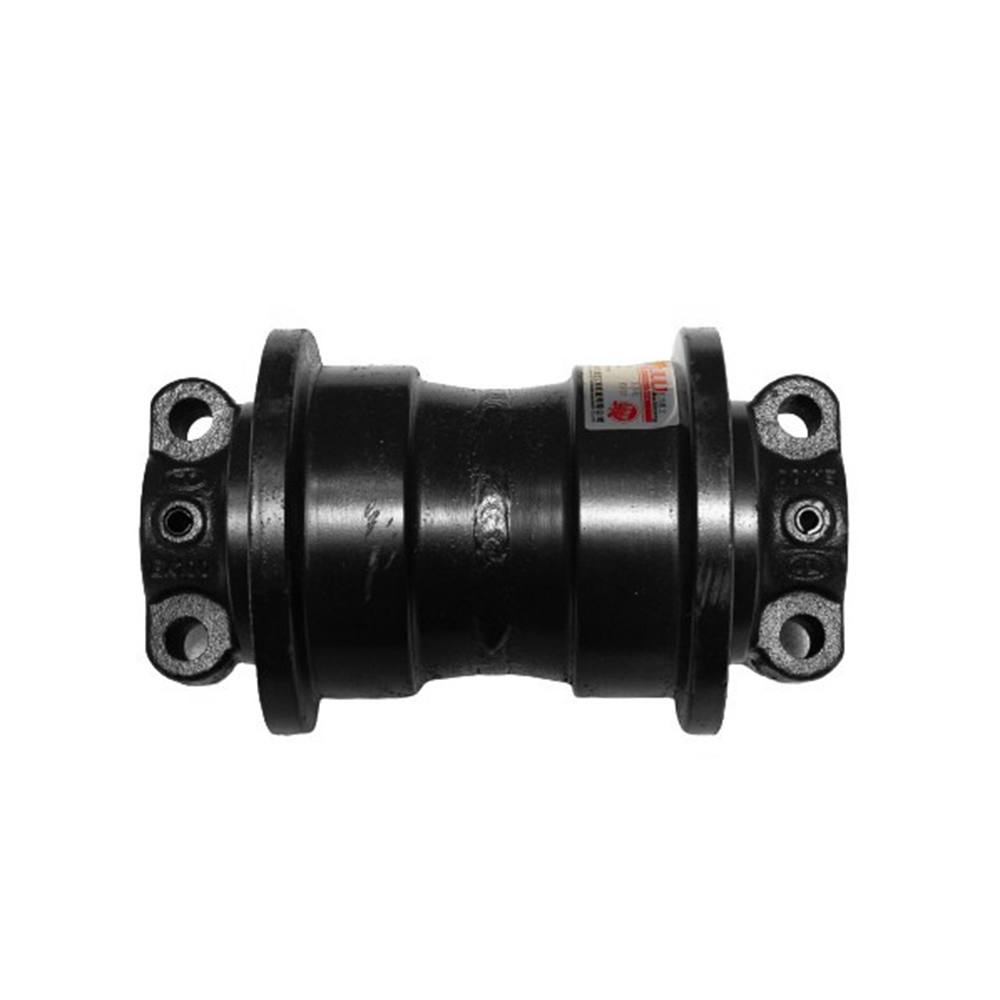
Trước khi chúng ta có thể đánh giá cao điệu nhảy phức tạp của một cánh tay robot phủ một lớp sơn hoàn hảo, đầu tiên chúng ta phải hiểu thế giới trong đó chủ thể của nó, con lăn theo dõi, sống và hoạt động. Đó là một thế giới đầy áp lực, mài mòn liên tục, và tiếp xúc không ngừng với các yếu tố ăn mòn. Máy ủi, Máy đào, và các máy móc bánh xích khác là thiết bị chính của xây dựng hiện đại, khai thác mỏ, và nông nghiệp (BigRentz, 2023). Khả năng di chuyển trên địa hình gồ ghề của chúng hoàn toàn phụ thuộc vào hệ thống gầm xe, một tổ hợp bánh xích phức tạp, người lười biếng, chuỗi, Và, tất nhiên rồi, con lăn theo dõi. Để hiểu được sự cần thiết của một quy trình hoàn thiện nâng cao, trước tiên bạn phải hiểu được thực tế tàn khốc mà các bộ phận này phải đối mặt hàng ngày..
The Brutal Reality of a Track Roller's Life
Hãy tưởng tượng một chiếc máy ủi có trọng lượng lên tới 70 tấn đang di chuyển qua một mỏ đá ở vùng hẻo lánh của Úc hoặc một công trường xây dựng đầy bùn ở Đông Nam Á. Toàn bộ trọng lượng của chiếc máy này được phân bổ qua một số điểm tiếp xúc trên xích xích, lần lượt được hỗ trợ bởi các con lăn theo dõi. Những con lăn này liên tục mài vào các liên kết đường ray thép, chịu đựng tải trọng tĩnh và động lớn. Họ bị đá ném bom, cát, và sỏi. Chúng chìm trong bùn, Nước, và thoát nước mỏ có tính axit. Môi trường hoạt động là một cơn bão hoàn hảo cho sự mài mòn cơ học và ăn mòn hóa học.
Một trục trặc ở một con lăn có thể khiến toàn bộ cỗ máy trị giá hàng triệu đô la rơi vào tình trạng ngừng hoạt động, gây ra thời gian ngừng hoạt động tốn kém và những cơn ác mộng về hậu cần. Tính toàn vẹn của con lăn theo dõi, Vì vậy, không phải là vấn đề cơ học đơn giản; đó là vấn đề khả năng kinh tế của dự án mà nó phục vụ. Phòng thủ chính chống lại sự tấn công dữ dội này, ngoài quá trình luyện kim và xử lý nhiệt ban đầu của thép, là lớp phủ bảo vệ. Một lớp sơn được sơn kém không chỉ là một khuyết điểm về mặt thẩm mỹ; đó là lời mời rỉ sét bắt đầu công việc quỷ quyệt của nó, làm tổn hại đến tính toàn vẹn cấu trúc của thành phần từ bên ngoài vào trong. Những yêu cầu đặt ra đối với những điều này các bộ phận khung gầm chắc chắn đòi hỏi một quy trình phủ bền và đáng tin cậy như chính bộ phận đó.
Từ phun thủ công đến phun chính xác bằng robot: Một bước nhảy vọt tiến hóa
Trong nhiều năm, phương pháp tiêu chuẩn để sơn các bộ phận máy móc hạng nặng là phun sơn thủ công. Người vận hành lành nghề, trang bị súng phun, sẽ áp dụng sơn với khả năng tốt nhất của họ. Mặc dù phương pháp này có thể tạo ra một sản phẩm hoàn thiện đẹp mắt dưới bàn tay của một nghệ nhân thực thụ., nó chứa đầy những mâu thuẫn cố hữu. Độ dày màng có thể thay đổi đáng kể từ phần này sang phần khác, hoặc thậm chí trên một phần duy nhất. Người vận hành có thể phủ một lớp sơn dày hơn người khác một chút. Mệt mỏi có thể xuất hiện, dẫn đến nhỏ giọt, chùng xuống, và những điểm bị bỏ lỡ. Hơn nữa, Hiệu suất chuyển giao—tỷ lệ sơn thực sự bám vào bộ phận so với bị mất do phun quá nhiều—thường khá thấp trong các quy trình thủ công, dẫn đến lãng phí vật liệu đáng kể và phát thải các hợp chất hữu cơ dễ bay hơi cao hơn (VOC).
Quá trình sơn tự động bằng con lăn thể hiện một sự thay đổi mô hình. Nó thay thế khả năng biến thiên của bàn tay con người bằng khả năng lặp lại chính xác của máy móc. Một hệ thống robot có thể đi theo cùng một con đường, với tốc độ chính xác như nhau, với cùng tốc độ dòng sơn, cho hàng ngàn bộ phận mà không bị sai lệch. Điều này dẫn đến độ dày màng đồng nhất được tối ưu hóa cho cả khả năng bảo vệ và chi phí. Đó là một sự tiến hóa từ thủ công đến khoa học, từ gần đúng đến chính xác.
Lập luận về kinh tế và chất lượng cho tự động hóa
Trường hợp kinh doanh về tự động hóa trong lĩnh vực này rất hấp dẫn. Mặc dù vốn đầu tư ban đầu cho dây chuyền sơn robot là rất lớn, lợi tức đầu tư được thực hiện thông qua một số con đường chính. Giảm tiêu thụ sơn do hiệu quả chuyển giao cao hơn, chi phí lao động thấp hơn, tăng thông lượng, và giảm đáng kể các yêu cầu làm lại và bảo hành, tất cả đều góp phần mang lại lợi nhuận tốt hơn. Bảng dưới đây cung cấp sự so sánh rõ ràng giữa hai phương pháp, minh họa những lợi ích có thể định lượng được của việc sử dụng quy trình sơn tự động bằng con lăn đường ray.
| Số liệu | Sơn phun thủ công | Tranh robot tự động |
|---|---|---|
| Độ dày màng nhất quán | Thấp đến trung bình (Sự phụ thuộc của người vận hành cao) | Rất cao (Độ lặp lại trong micron) |
| Hiệu quả chuyển giao | 30% – 50% (Súng phun thông thường) | 65% – 95% (Đầu phun tĩnh điện/HVLP) |
| Thông lượng (Phần mỗi giờ) | Biến, phụ thuộc vào kỹ năng của người vận hành | Cao và nhất quán |
| Yêu cầu lao động | Cao (Cần thợ sơn lành nghề cho từng gian hàng) | Thấp (Nhân viên giám sát và bảo trì) |
| Chất thải vật liệu (Sơn) | Cao | Thấp |
| Phát thải VOC | Cao | Thấp đến trung bình (tùy thuộc vào lớp sơn/sự mài mòn) |
| Tỷ lệ làm lại/lỗi | 5% – 15% (Thông thường) | < 1% (Với thiết lập thích hợp) |
| Sức khỏe người vận hành & Sự an toàn | Tiếp xúc cao hơn với dung môi và các hạt | Tiếp xúc trực tiếp tối thiểu |
Lập luận về chất lượng cũng mạnh mẽ như vậy. Một sự nhất quán, lớp phủ đồng nhất cung cấp khả năng chống ăn mòn đáng tin cậy và có thể dự đoán được. Không có điểm yếu nào mà rỉ sét có thể có được chỗ đứng. Sự hoàn thiện mang tính thẩm mỹ cao hơn, cái mà, trong khi thứ yếu đối với chức năng, phản ánh chất lượng tổng thể của bộ phận được sản xuất và của chính thương hiệu. Dành cho các nhà cung cấp phục vụ cho các thị trường quốc tế có yêu cầu cao, từ địa hình băng giá của Nga đến khí hậu ẩm ướt ở Trung Đông, cung cấp một sản phẩm có lớp phủ vượt trội có thể kiểm chứng được là một lợi thế cạnh tranh đáng kể.
Cân nhắc 1: Xử lý trước – Người hùng thầm lặng của độ bám dính sơn
Người ta có thể được tha thứ khi nghĩ rằng quá trình sơn bắt đầu bằng sơn. Trong thực tế, sự thành công hay thất bại của một lớp phủ được xác định từ rất lâu trước khi một giọt sơn được phun ra. Giai đoạn tiền xử lý là nền tảng vô hình để xây dựng toàn bộ hệ thống bảo vệ. Bạn có thể sử dụng hệ thống robot tiên tiến nhất và đắt nhất, sơn công nghệ hóa học, nhưng nếu bạn áp dụng nó trên bề mặt bị ô nhiễm hoặc được chuẩn bị không đúng cách, bạn đang đảm bảo một thất bại sớm. Mục tiêu của tiền xử lý là gấp đôi: để tạo ra một bề mặt sạch sẽ và sửa đổi bề mặt đó để tăng cường độ bám dính tối đa. Giai đoạn này là một thành phần quan trọng của bất kỳ quy trình sơn tự động lăn đường ray nghiêm túc nào.
Chuẩn bị bề mặt cơ học: Bắn nổ vs. nổ mìn
Bước đầu tiên trong việc xử lý việc rèn hoặc đúc thép thô cho con lăn đường ray là loại bỏ bất kỳ vảy máy nghiền nào, rỉ sét, thông lượng hàn, hoặc các chất gây ô nhiễm bề mặt khác. Không chỉ là làm sạch, mục tiêu là tạo ra một "hồ sơ" bề mặt" hoặc "mẫu neo"—một loạt các đỉnh và thung lũng cực nhỏ làm tăng đáng kể diện tích bề mặt và tạo cho lớp sơn một cấu trúc vật lý để bám vào. Các phương pháp phổ biến nhất để đạt được điều này là phun bi và phun cát.
Hãy tưởng tượng bạn đang cố gắng sơn một tấm kính đánh bóng lên một tấm gỗ đã được chà nhám. Lớp sơn sẽ nổi lên và dễ dàng bong ra khỏi kính, trong khi nó sẽ ngấm vào và bám chặt vào gỗ. Đây là nguyên tắc đằng sau việc tạo ra một biên dạng bề mặt.
- Bắn nổ: Quá trình này sử dụng một bánh xe ly tâm để đẩy các vật nhỏ, hạt kim loại hình cầu (bắn) at high velocity against the part's surface. Tác động của cú bắn tròn làm nổi bật bề mặt, tạo lúm đồng tiền, kết cấu đồng đều. Nó rất hiệu quả để loại bỏ cặn và nói chung là nhanh hơn, quá trình ít tích cực hơn so với phun cát. Nó thường được ưu tiên cho các bộ phận mới có mục tiêu chính là làm sạch và tạo hồ sơ nhất quán.
- nổ mìn: Phương pháp này sử dụng khí nén để đẩy góc, hạt sắc nhọn (sạn), chẳng hạn như hạt thép hoặc oxit nhôm, ở bề mặt. Các cạnh sắc của hạt cắt vào thép, tạo ra một mẫu neo góc cạnh hơn và thường sâu hơn. Phun cát mạnh hơn và rất tốt để loại bỏ rỉ sét nặng, lớp phủ dày, và để đạt được bề mặt rất sâu khi được yêu cầu bởi một hệ thống sơn cụ thể.
Sự lựa chọn giữa bắn và grit, và kích thước và độ cứng cụ thể của vật liệu được sử dụng, không phải là tùy ý. It is dictated by the part's initial condition, luyện kim của nó, và các thông số kỹ thuật của lớp sơn lót sẽ được áp dụng. Tiêu chuẩn về độ sạch bề mặt, thường được chỉ định là Sa 2.5 hoặc "Làm sạch bằng vụ nổ gần trắng" bởi ISO 8501-1, là mục tiêu chung. Tiêu chuẩn này quy định rằng bề mặt phải không có vết dầu nhìn thấy được., dầu mỡ, bụi bẩn, bụi, quy mô nhà máy, rỉ sét, và sơn, chỉ còn lại những vết bẩn hoặc vệt nhẹ.
Lớp phủ chuyển hóa và làm sạch bằng hóa chất: Liên kết phân tử
Sau khi nổ cơ học, bộ phận có thể trông sạch sẽ, nhưng dư lượng cực nhỏ có thể vẫn còn. Giai đoạn tiền xử lý tiếp theo chuyển từ lĩnh vực cơ học sang lĩnh vực hóa học. Bộ phận này thường được chạy qua máy giặt nhiều giai đoạn.
- Tẩy dầu mỡ bằng kiềm: Giai đoạn đầu tiên là rửa kiềm nóng để loại bỏ dầu còn sót lại, chất bôi trơn, hoặc mỡ từ quá trình sản xuất hoặc xử lý.
- Rửa sạch: Nhiều giai đoạn rửa tiếp theo để loại bỏ dung dịch kiềm và bất kỳ loại dầu xà phòng hóa nào, đảm bảo bề mặt không có bất kỳ dư lượng hóa chất nào có thể ảnh hưởng đến bước tiếp theo.
- Lớp phủ chuyển đổi: Đây có lẽ là bước phức tạp nhất trong quá trình tiền xử lý. Bộ phận được ngâm hoặc phun dung dịch hóa chất, phổ biến nhất là dung dịch sắt photphat hoặc kẽm photphat. Đây không chỉ là một bước làm sạch khác. Dung dịch phản ứng với bề mặt thép tạo thành một lớp mỏng, trơ, lớp tinh thể được liên kết hóa học với chất nền.
Hãy coi lớp phủ chuyển đổi như một cầu nối phân tử. Nó biến đổi bề mặt thép hoạt động thành ổn định, non-metallic surface that is not only more corrosion-resistant on its own but also has a crystalline structure that is exceptionally receptive to the paint's polymer chains. Lớp phủ sắt photphat là tốt, lựa chọn hiệu quả về chi phí, trong khi lớp phủ kẽm photphat mang lại hiệu suất vượt trội, tạo ra cấu trúc tinh thể chắc chắn hơn giúp tăng cường độ bám dính và khả năng chống ăn mòn dưới màng. Sự lựa chọn phụ thuộc vào đặc tính hiệu suất mong muốn và mục tiêu chi phí.
Vai trò của việc sấy khô và hút ẩm
Công đoạn cuối cùng trong quá trình tiền xử lý là sấy khô. Sau lần rửa cuối cùng, bộ phận phải được làm khô hoàn toàn và nhanh chóng để tránh hiện tượng rỉ sét nhanh chóng - sự hình thành tức thời của một lớp rỉ sét mỏng trên bề mặt thép mới được làm sạch và kích hoạt. Bất kỳ hơi ẩm nào còn sót lại trên bề mặt hoặc bị mắc kẹt trong các kẽ hở sẽ trở thành điểm hỏng khi sơn phủ lên.. Lò sấy sử dụng hệ thống sưởi, không khí tuần hoàn làm bay hơi toàn bộ nước. Nhiệt độ và thời gian trong lò được kiểm soát cẩn thận để đảm bảo sấy khô hoàn toàn mà không làm bộ phận quá nóng, có thể ảnh hưởng đến lớp phủ chuyển đổi mới được hình thành. Trong môi trường ẩm ướt, giống như những gì được tìm thấy ở các vùng của Châu Phi và Đông Nam Á, Kiểm soát độ ẩm xung quanh trong quá trình chuyển từ lò sấy sang buồng sơn cũng là yếu tố quan trọng cần cân nhắc để ngăn hơi ẩm tái ngưng tụ trên bề mặt thép nguội..
Cân nhắc 2: Lựa chọn và tích hợp hệ thống robot
Với một con lăn đường ray được chuẩn bị hoàn hảo hiện đã sẵn sàng cho lớp bảo vệ của nó, sự chú ý của chúng tôi chuyển sang trung tâm của hệ thống tự động: bản thân robot. Việc lựa chọn hệ thống robot không phải là một quyết định chung cho tất cả. Đó là sự tính toán cẩn thận dựa trên kích thước và độ phức tạp của chi tiết, thông lượng cần thiết, cách bố trí mặt bằng nhà xưởng, và loại sơn đang được áp dụng. Mục tiêu là chọn một hệ thống cung cấp phạm vi tiếp cận cần thiết, Uyển chuyển, và khả năng tải trọng để thực hiện nhiệm vụ sơn với hiệu quả và độ chính xác tối đa. Việc tích hợp robot này vào dây chuyền sản xuất lớn hơn là một nhiệm vụ phức tạp của cơ khí, điện, và kỹ thuật phần mềm.
Robot có khớp nối vs. Hệ Descartes: Một lựa chọn động học
Khi mọi người hình dung ra một "robot," họ thường hình dung ra một robot có khớp nối sáu trục, mô phỏng chặt chẽ tính linh hoạt của cánh tay con người với "vai," "khuỷu tay," và "cổ tay." Đây là, cho đến nay, sự lựa chọn phổ biến nhất cho các ứng dụng sơn phức tạp.
Robot khớp nối sáu trục: Những robot này mang lại sự linh hoạt cao nhất. Nhiều khớp xoay của chúng cho phép chúng tiếp cận các góc, sơn các bề mặt bên trong phức tạp, và luôn duy trì góc và khoảng cách tối ưu giữa súng phun và bộ phận. Đối với một bộ phận như con lăn đường ray, với bề mặt cong bên ngoài của nó, mặt bích, và lỗ khoan trung tâm, sự khéo léo của robot sáu trục là vô giá. Chúng có thể được lập trình để đi theo những con đường phức tạp mà con người hoặc máy móc đơn giản hơn không thể thực hiện được..
Robot Descartes: Những robot này, còn được gọi là giàn hoặc robot tuyến tính, di chuyển theo ba trục tuyến tính (X, Y, Z). Hãy nghĩ về chúng giống như một cần cẩu trên cao có gắn súng phun. Mặc dù chúng thiếu tính linh hoạt linh hoạt của cánh tay có khớp nối, họ xuất sắc trong việc vẽ tranh lớn, bề mặt tương đối phẳng. Chúng đơn giản hơn về mặt cơ học, thường rẻ hơn, và có thể dễ dàng lập trình hơn cho các hình học đơn giản. Đối với một dòng âm lượng lớn dành riêng cho một, phần đơn giản, một hệ thống Descartes có thể được xem xét, nhưng đối với hình dạng đa dạng và phức tạp của các bộ phận khung gầm, robot có khớp nối là sự lựa chọn ưu việt.
The selection also involves considering the robot's "work envelope" (không gian nó có thể chạm tới), khả năng tải trọng của nó (nó phải có khả năng mang theo súng phun, ống mềm, và bất kỳ dụng cụ nào khác), và phân loại của nó để sử dụng ở vị trí nguy hiểm (buồng sơn là môi trường dễ nổ).
Dụng cụ cuối cánh tay (EOAT): Atomizer ở vị trí hàng đầu
Robot chỉ là động lực; tác phẩm hội họa thực sự được thực hiện bởi End-of-Arm Tooling (EOAT), cụ thể là bình phun hoặc súng phun. Việc lựa chọn đầu phun sơn về cơ bản có liên quan đến loại sơn được sử dụng và chất lượng hoàn thiện mong muốn.. Mục tiêu của quá trình nguyên tử hóa là phá vỡ sơn lỏng thành dạng mịn, sương mù có thể kiểm soát.
- Âm lượng cao, Áp suất thấp (HVLP) Súng: Chúng sử dụng một lượng không khí lớn ở áp suất thấp để phun sơn. Họ cung cấp hiệu quả chuyển giao tốt và kiểm soát tốt, làm cho chúng phù hợp để hoàn thiện chất lượng cao.
- Súng không khí/có hỗ trợ không khí: Hệ thống không có không khí sử dụng áp suất thủy lực cao để ép sơn qua một lỗ nhỏ, khiến nó nguyên tử hóa. Chúng có thể cung cấp khối lượng sơn rất lớn một cách nhanh chóng nhưng khó kiểm soát hơn. Airless được hỗ trợ không khí bổ sung một lượng không khí nhỏ ở vòi phun để cải thiện hoa văn và giảm hiện tượng lốm đốm.
- Máy phun quay tĩnh điện (Chuông): Đây là kết thúc công nghệ cao của quang phổ. Sơn được đưa vào giữa cốc hoặc chuông quay nhanh (30,000-60,000 vòng/phút). Lực ly tâm làm văng sơn ra mép chuông, nơi nó hình thành các dây chằng cực kỳ mảnh vỡ thành một phần mềm, sương mù nhất quán. Đồng thời, một điện tích (lên đến 100,000 vôn) được áp dụng cho các hạt sơn. Vì con lăn đường ray được nối đất, các hạt sơn tích điện được hút tích cực vào bộ phận, thậm chí quấn quanh để phủ mặt sau. Sự “bao bọc” này" Hiệu ứng mang lại cho chuông tĩnh điện hiệu suất truyền tải cao nhất có thể, thường xuyên vượt quá 90%. Điều này có nghĩa là ít lãng phí sơn hơn, lượng khí thải VOC thấp hơn, và lớp phủ đồng đều hơn, làm cho nó trở thành sự lựa chọn hàng đầu cho quy trình sơn tự động bằng con lăn đường ray hiệu suất cao.
Tích hợp PLC và giao diện người-máy (HMI)
Robot không hoạt động trong chân không. Nó là trung tâm của một hệ thống lớn hơn bao gồm băng tải, cảm biến nhận dạng bộ phận, phòng trộn sơn, khóa liên động an toàn, và lò sấy. Người chỉ huy toàn bộ dàn nhạc này là Bộ điều khiển logic khả trình (PLC). PLC là một máy tính công nghiệp chắc chắn, nhận đầu vào từ các cảm biến (VÍ DỤ., "một phần đã vào vị trí"), xử lý logic ("nếu phần loại A có mặt, chạy chương trình A"), và gửi đầu ra đến bộ truyền động (VÍ DỤ., "bắt đầu băng tải," "bảo robot bắt đầu vẽ").
Giao tiếp giữa bộ điều khiển robot và PLC chính là rất quan trọng để vận hành liền mạch. Giao diện người-máy (HMI) là cửa sổ vào hệ thống này dành cho người giám sát con người. Nó thường là một bảng điều khiển màn hình cảm ứng hiển thị trạng thái của toàn bộ dòng, cho phép người vận hành chọn công thức nấu ăn, bắt đầu và dừng quá trình, và xem cảnh báo hoặc chẩn đoán. Một HMI được thiết kế tốt sẽ mang tính trực quan, cung cấp thông tin và kiểm soát rõ ràng mà không làm người dùng choáng ngợp. Nó cho phép người vận hành được đào tạo về robot ở mức tối thiểu để quản lý hiệu quả một hệ thống tự động có độ phức tạp cao.
Cân nhắc 3: Hóa chất sơn và kiểm soát độ nhớt
Chúng tôi đã chuẩn bị bề mặt và chọn họa sĩ robot của mình. Bây giờ chúng ta phải chuyển sự chú ý sang lớp sơn. Lớp phủ được áp dụng cho con lăn đường ray không chỉ đơn thuần là "sơn" theo nghĩa trang trí; nó là một hệ thống hóa học kỹ thuật cao được thiết kế để chịu được các điều kiện khắc nghiệt. Việc lựa chọn hệ thống này và kiểm soát chính xác các đặc tính vật lý của nó trong quá trình ứng dụng là điều tối quan trọng.. Một quy trình tự động chỉ có thể tốt khi vật liệu được áp dụng. Việc không hiểu và quản lý thành phần hóa học của sơn là nguyên nhân dẫn đến kết quả không nhất quán và thất bại trên thực tế.
chất rắn cao, Đường thủy, hoặc sơn tĩnh điện? Một phân tích so sánh
Lựa chọn công nghệ sơn là sự cân bằng về công năng, trị giá, và quy định về môi trường. Các ứng cử viên chính cho các ứng dụng thiết bị nặng là sơn gốc dung môi có hàm lượng chất rắn cao, sơn nước, và sơn bột.
| Loại lớp phủ | Đặc điểm chính | Ưu điểm cho con lăn theo dõi | Nhược điểm |
|---|---|---|---|
| Dung môi sinh ra chất rắn cao | Công nghệ truyền thống với tỷ lệ chất rắn cao (sắc tố/nhựa) và hàm lượng dung môi thấp hơn. | Độ bám dính tuyệt vời, độ bóng cao, chữa bệnh nhanh, hiệu suất mạnh mẽ và đã được chứng minh. | Lượng khí thải VOC cao hơn, dễ cháy, yêu cầu làm sạch dựa trên dung môi. |
| Đường thủy | Sử dụng nước làm chất mang chính thay vì dung môi hóa học. | VOC rất thấp, không cháy, dễ dàng làm sạch bằng nước. | Làm khô/đóng rắn chậm hơn, yêu cầu thiết bị bằng thép không gỉ, nhạy cảm với độ ẩm trong quá trình thi công. |
| sơn tĩnh điện | khô, bột chảy tự do được áp dụng tĩnh điện và sau đó được xử lý bằng nhiệt để tạo thành một "lớp da". | Cực kỳ bền, khả năng chống chip / mài mòn tuyệt vời, không có VOC, hiệu quả chuyển giao cao. | Cần có lò sấy, khó đạt được màng mỏng, chuyển đổi màu sắc có thể tốn thời gian. |
Trong nhiều năm, Epoxy và Polyurethane gốc dung môi có hàm lượng chất rắn cao là lựa chọn phù hợp cho các thiết bị nặng do độ bền chưa từng có và dễ dàng ứng dụng trong nhiều điều kiện. Tuy nhiên, tăng các quy định về môi trường liên quan đến VOC, đặc biệt là ở các khu vực như Châu Âu và một số khu vực ở Châu Á, đã thúc đẩy sự đổi mới đáng kể trong công nghệ sơn tĩnh điện và sơn nước. Sơn tĩnh điện, đặc biệt, cung cấp một trường hợp hấp dẫn cho con lăn theo dõi. Sự khó khăn, lớp màng dày mà nó tạo ra có khả năng chống sứt mẻ và mài mòn đặc biệt mà các bộ phận này thường xuyên phải đối mặt. Quá trình sơn tự động bằng con lăn phải được thiết kế theo các yêu cầu cụ thể của hệ thống sơn đã chọn. Một dòng thiết kế cho sơn lỏng không thể dễ dàng chuyển sang dạng bột, và ngược lại.
Khoa học về độ nhớt: Nhiệt độ, cắt, và tốc độ dòng chảy
Đối với sơn lỏng (cả dung môi và nước), the single most important physical property to control is viscosity—a measure of the fluid's resistance to flow. Hãy nghĩ về sự khác biệt giữa nước và mật ong. Nước có độ nhớt thấp, mật ong có độ nhớt cao. Độ nhớt của sơn quyết định khả năng nguyên tử hóa của nó tốt như thế nào, nó sẽ chảy ra trên bề mặt như thế nào, và xu hướng chảy xệ hoặc chạy trên bề mặt thẳng đứng.
Độ nhớt của sơn rất nhạy cảm với nhiệt độ. Khi sơn trở nên ấm hơn, độ nhớt của nó giảm; khi trời trở nên lạnh hơn, độ nhớt của nó tăng lên. Nhiệt độ sơn thay đổi 5°C có thể làm thay đổi độ nhớt 30-50%. Không có kiểm soát nhiệt độ, dây chuyền sơn trong một nhà máy không kiểm soát khí hậu ở Hàn Quốc có thể phun sơn mỏng, nước sơn chảy vào buổi chiều hè và dày đặc, sơn nguyên tử kém vào một buổi sáng mùa đông. Điều này dẫn tới sự mâu thuẫn lớn.
Một hệ thống tự động mạnh mẽ phải bao gồm hệ thống tuần hoàn sơn có khả năng kiểm soát nhiệt độ.. Sơn được luân chuyển liên tục từ phòng trộn trung tâm thông qua bộ trao đổi nhiệt để duy trì nhiệt độ chính xác. (VÍ DỤ., 25°C ± 1°C) all the way to the robot's atomizer. Điều này đảm bảo rằng độ nhớt tại thời điểm áp dụng luôn giống nhau, ngày hay đêm, mùa hè hay mùa đông, đó là nền tảng của một quá trình lặp lại.
Cơ chế bảo dưỡng: Từ lò nhiệt đến hồng ngoại và tia cực tím
Sau khi sơn được áp dụng, nó vẫn chỉ là một bộ phim ướt. Bước cuối cùng là chữa bệnh, quá trình hóa học biến chất lỏng thành chất cứng, bền bỉ, lớp phủ rắn. The curing method is dictated by the paint's chemistry.
- Lò đối lưu nhiệt: Đây là phương pháp phổ biến nhất. Phần sơn đi qua một lò dài nơi không khí nóng được lưu thông để đẩy nhanh quá trình bay hơi của dung môi (hoặc nước) và thúc đẩy các phản ứng hóa học liên kết ngang trong nhựa. Hồ sơ thời gian và nhiệt độ của lò (VÍ DỤ., 20 phút ở 80°C) được kiểm soát chính xác.
- Hồng ngoại (VÀ) Lò nướng: Lò hồng ngoại sử dụng bức xạ hồng ngoại để làm nóng trực tiếp bề mặt chi tiết được sơn. Đây là phương pháp làm nóng nhanh hơn nhiều so với đối lưu, vì nó không lãng phí năng lượng làm nóng không khí xung quanh. IR có thể giảm đáng kể thời gian xử lý và dấu chân vật lý của lò. Nó đặc biệt hiệu quả đối với các bộ phận phẳng hoặc đơn giản nhưng có thể gặp khó khăn khi làm nóng đồng đều các hình học phức tạp với các vùng bị bóng tối.
- tia cực tím (tia cực tím) chữa bệnh: Đây là một quy trình chuyên môn cao được sử dụng cho lớp phủ có thể chữa được bằng tia cực tím. Sơn có chứa chất xúc tác quang học, khi tiếp xúc với tia cực tím cường độ cao, ngay lập tức kích hoạt phản ứng trùng hợp, khô sơn trong vài giây. Phương pháp này cực kỳ nhanh và tiết kiệm năng lượng nhưng đòi hỏi phải có công thức đặc biệt (và thường đắt hơn) sơn và tầm nhìn rõ ràng từ đèn UV đến bề mặt sơn.
Đối với lớp phủ chắc chắn cần thiết cho con lăn đường ray, một cách tiếp cận kết hợp thường có hiệu quả. Ví dụ, một gel hóa IR ngắn" vùng có thể được sử dụng để nhanh chóng thiết lập bề mặt sơn để tránh bị chảy xệ, tiếp theo là lò đối lưu dài hơn để đảm bảo toàn bộ độ dày màng được xử lý hoàn toàn.
Cân nhắc 4: Nghệ thuật và khoa học của lập trình đường dẫn
Một robot hiện đại và lớp sơn được điều hòa hoàn hảo sẽ trở nên vô dụng nếu không có hướng dẫn đúng đắn. The programming of the robot's path is where the "intelligence" của hệ thống cư trú. This is the set of digital commands that dictates the robot's every move, chuyển các yêu cầu của quá trình vẽ tranh thành một vở ballet vật lý có độ chính xác cao. Mục đích là phủ một lớp sơn đồng nhất hoàn hảo lên toàn bộ bề mặt phức tạp của con lăn đường ray., lãng phí ít vật liệu nhất có thể và hoàn thành chu trình trong thời gian ngắn nhất. Đó là một nhiệm vụ kết hợp giữa khoa học thực nghiệm về động lực học chất lỏng với nghệ thuật thực tế của một họa sĩ bậc thầy..
Lập trình ngoại tuyến (PLO) vs. Dạy lập trình mặt dây chuyền
Có hai phương pháp chính để ra lệnh cho robot phải làm gì: dạy lập trình mặt dây chuyền và lập trình ngoại tuyến.
Dạy lập trình mặt dây chuyền: Đây là phương pháp truyền thống. Kỹ thuật viên lành nghề đưa robot vật lý vào buồng sơn và sử dụng bộ điều khiển cầm tay ("mặt dây chuyền dạy học") to manually move the robot's arm through the desired painting motions. Họ “dạy" robot bằng cách lưu một loạt các điểm tạo nên đường đi. Phương pháp này trực tiếp và trực quan nhưng có nhược điểm đáng kể. Nó yêu cầu tắt dây chuyền sản xuất để lập trình, có nghĩa là mất thời gian sản xuất. Nó còn phụ thuộc rất nhiều vào kỹ năng của người lập trình, và có thể khó tạo ra sự mượt mà hoàn hảo, đường dẫn được tối ưu hóa. Lập trình viên còn được tiếp xúc với môi trường buồng sơn.
Lập trình ngoại tuyến (PLO): Đây là hiện đại, cách tiếp cận dựa trên phần mềm. Lập trình viên làm việc trên máy tính trong văn phòng, xa dây chuyền sản xuất. Họ sử dụng mô hình CAD 3D của con lăn theo dõi và phần mềm mô phỏng có chứa bộ đôi kỹ thuật số của robot và buồng sơn. Trong môi trường ảo này, they can create and test the robot's paths. Họ có thể chỉ định các thông số như tốc độ, góc phun, và tốc độ dòng sơn cho từng đoạn của đường dẫn. Phần mềm có thể tự động tạo đường dẫn, kiểm tra va chạm, và thậm chí mô phỏng độ dày màng thu được. Sau khi chương trình được hoàn thiện trong thế giới ảo, nó được tải xuống robot thật. OLP tối đa hóa thời gian hoạt động sản xuất, cho phép các đường dẫn phức tạp và tối ưu hơn nhiều, và an toàn hơn cho người lập trình. Đối với khối lượng lớn, quy trình sơn tự động con lăn chất lượng cao, OLP là phương pháp ưu việt.
Tối ưu hóa khoảng cách giữa các bộ phận và sự chồng chéo
Hai trong số các biến số cơ bản nhất trong bất kỳ ứng dụng phun nào là khoảng cách từ bộ phận phun đến bộ phận và mức độ chồng chéo giữa các lần phun liên tiếp..
Khoảng cách giữa súng và bộ phận: Khoảng cách này ảnh hưởng trực tiếp đến kích thước của kiểu phun và hiệu suất truyền. Nếu súng quá gần, mô hình nhỏ, và lực của không khí có thể tạo ra sự bật ngược và nhiễu loạn, dẫn tới những khiếm khuyết. Nếu súng ở quá xa, mô hình trở nên quá rộng và lan tỏa, một lượng đáng kể sương sơn không đến được bộ phận, và hiệu suất truyền giảm mạnh. Đối với chuông tĩnh điện, khoảng cách tối ưu thường là khoảng 25-30 cm. The robot's program must maintain this optimal distance with high precision, ngay cả khi nó đi theo bề mặt cong của con lăn đường ray.
Chồng chéo: Để đạt được một bộ phim đồng nhất, mỗi lượt súng phun phải chồng lên lần trước. Mục tiêu điển hình là 50% chồng chéo. Điều này có nghĩa là tâm của mỗi kiểu phun mới nhắm vào cạnh của kiểu phun trước đó. Quá ít sự chồng chéo dẫn đến sọc sáng và sọc tối ("sọc"). Quá nhiều chồng chéo dẫn đến màng quá dày và có khả năng bị chảy xệ. The robot's path must be programmed to maintain this precise overlap consistently across the entire part.
Điều hướng hình học phức tạp: Mặt bích, Trung tâm, và con dấu
Con lăn không phải là một hình trụ đơn giản. Nó có mặt bích gắn, một lỗ khoan trung tâm nơi đặt vòng bi và vòng đệm, và các khu vực lõm. Những đặc điểm này đặt ra những thách thức cho việc vẽ tranh. Các khu vực mà con lăn tiếp xúc với xích xích cần một lớp phủ chắc chắn, nhưng bề mặt được gia công chính xác cho vòng đệm và vòng bi phải hoàn toàn không có sơn.
Đây là nơi độ chính xác của lập trình robot tỏa sáng. Robot có thể được lập trình để:
- Tránh mặt nạ: Theo dõi chính xác các cạnh của khu vực bị che khuất, Sơn đúng đường kẻ mà không cần phun quá nhiều lên bề mặt được bảo vệ. Điều này làm giảm hoặc loại bỏ nhu cầu chỉnh sửa thủ công hoặc loại bỏ sơn sau khi đóng rắn..
- Điều chỉnh góc: Robot có thể liên tục điều chỉnh "cổ tay" góc của bộ phun để giữ nó vuông góc với bề mặt, ngay cả khi sơn bán kính của mặt bích hoặc mặt trong của lỗ trung tâm. Điều này đảm bảo việc xây dựng phim đồng đều ở những khu vực mà họa sĩ con người khó tiếp cận một cách nhất quán..
- Kiểm soát kích hoạt: Chương trình có thể bật tắt súng phun với độ chính xác đến mili giây, một kỹ thuật được gọi là "kích hoạt." Điều này cho phép robot vẽ các phần cụ thể trong khi bỏ qua các phần khác, chẳng hạn như các lỗ trên mặt bích, giảm thiểu việc phun quá nhiều và lãng phí sơn.
Lập trình cho những hình học phức tạp này là một quá trình lặp đi lặp lại của mô phỏng ảo và thử nghiệm trong thế giới thực để đạt được một kết quả hoàn hảo., có hiệu quả, và lớp phủ hoàn chỉnh.
Cân nhắc 5: Kiểm soát môi trường và phòng chống ô nhiễm
Sự chuẩn bị phần hoàn hảo, robot lý tưởng, và chương trình hoàn hảo có thể trở nên vô giá trị chỉ vì một hạt bụi. Bản thân môi trường sơn là một biến số quan trọng trong phương trình chất lượng. Mục tiêu là tạo ra một môi trường vi mô khép kín được tối ưu hóa cho ứng dụng sơn và không có các chất gây ô nhiễm bên ngoài. Buồng sơn không chỉ là chiếc hộp đựng sơn thừa; nó là một phần phức tạp của kỹ thuật môi trường. Trong quy trình sơn tự động bằng con lăn đường ray đẳng cấp thế giới, sự kiểm soát của môi trường này là tuyệt đối.
Buồng sơn điều áp: Pháo đài chống lại khuyết điểm
Biện pháp bảo vệ chính chống lại ô nhiễm trong không khí là buồng sơn có áp suất thấp. Đây là cách nó hoạt động:
- Áp lực dương: The booth's air handling system brings in more filtered air than it exhausts. Điều này tạo ra một áp suất dương nhẹ bên trong gian hàng so với nhà máy xung quanh. Điều này có nghĩa là không khí luôn chảy ra từ bất kỳ khe hở nhỏ nào, vết nứt, hoặc khe băng tải, chủ động ngăn chặn bụi bẩn từ nhà máy bị hút vào.
- Luồng gió thổi xuống: sạch sẽ, Không khí đã lọc được đưa vào qua trần khuếch tán trên toàn bộ phần trên cùng của gian hàng và chảy thẳng xuống dưới, như một người dịu dàng, rèm đồng phục, trên phần được sơn. Dòng chảy đi xuống này sẽ giữ lại bất kỳ hạt phun tràn nào và đưa chúng xuống ống xả được lọc trên sàn. Điều này ngăn không cho sơn phun quá mức từ một bộ phận trôi sang bộ phận khác và giữ cho không khí xung quanh robot cũng như bộ phận đặc biệt sạch sẽ.
Điều này kiểm soát, luồng không khí tầng là điều cần thiết để đạt được "Loại A" hoàn thành, không có ngòi, bụi, và các khuyết tật khác trong không khí. Tốc độ không khí được cân bằng cẩn thận—đủ nhanh để loại bỏ hiệu quả vết sơn quá mức nhưng không quá nhanh đến mức làm gián đoạn mẫu sơn nguyên tử của robot.
Lọc không khí, Nhiệt độ, và quản lý độ ẩm
Không khí đi vào buồng sơn phải sạch hơn không khí trong phòng mổ bệnh viện. Điều này đạt được thông qua hệ thống lọc nhiều giai đoạn. Bộ lọc trước thu được các hạt lớn, trong khi bộ lọc cuối cùng hiệu quả cao, thường là loại HEPA, loại bỏ các hạt xuống mức micron phụ.
Cũng như nhiệt độ sơn là rất quan trọng, nhiệt độ và độ ẩm của không khí bên trong buồng cũng vậy.
- Kiểm soát nhiệt độ: Duy trì nhiệt độ không khí ổn định (VÍ DỤ., 22-24°C) helps to stabilize the evaporation rate of the paint's solvents or water. Tính nhất quán này góp phần dự đoán dòng chảy ra và xử lý.
- Kiểm soát độ ẩm: Điều này đặc biệt quan trọng đối với sơn gốc nước. Độ ẩm cao có thể làm chậm đáng kể quá trình bay hơi của nước từ màng sơn, dẫn đến chảy xệ, chạy, và thời gian bảo dưỡng kéo dài. Độ ẩm thấp có thể khiến sơn khô quá nhanh, dẫn đến khả năng thoát nước kém và có kết cấu "vỏ cam" vẻ bề ngoài. Một thiết bị xử lý không khí thích hợp sẽ bao gồm khả năng tạo ẩm hoặc hút ẩm để duy trì độ ẩm tương đối trong phạm vi hẹp. (VÍ DỤ., 50-65% RH). Dành cho các nhà sản xuất ở vùng khí hậu có nhiều biến đổi ở Châu Phi hoặc điều kiện ẩm ướt ở ven biển Australia, Kiểm soát độ ẩm không phải là một điều xa xỉ; đó là điều cần thiết cho chất lượng nhất quán.
Giảm VOC và tuân thủ môi trường
Không khí thoát ra từ buồng sơn mang theo khói dung môi (VOC) và sơn phun quá mức bị giữ lại bởi dòng chảy xuống. Quy định về môi trường trên toàn cầu, từ Nga đến Hàn Quốc, đặt ra những giới hạn nghiêm ngặt về lượng VOC có thể được thải vào khí quyển. Vì thế, Khí thải phải được xử lý.
Tuyến phòng thủ đầu tiên là một loạt các bộ lọc ngăn sơn trong ống xả để thu giữ các hạt rắn phun quá mức. Không khí chứa đầy dung môi sau đó đi vào hệ thống khử khí. Công nghệ phổ biến nhất cho việc này là Máy oxy hóa nhiệt tái sinh (RTO). RTO về cơ bản là một lò nung nhiệt độ rất cao (trên 800°C) sử dụng một lớp vật liệu gốm để làm nóng trước không khí chứa dung môi đi vào. Ở những nhiệt độ cao này, VOC bị oxy hóa (đốt cháy) và chuyển thành carbon dioxide và hơi nước vô hại. Việc “tái tạo" một phần của cái tên xuất phát từ thực tế là nóng, không khí sạch thoát ra khỏi buồng đốt được sử dụng để làm nóng một lớp gốm khác, sau đó sẽ được sử dụng để làm nóng trước chu kỳ tiếp theo của không khí bẩn đi vào. Quá trình này phục hồi lên đến 97% của năng lượng nhiệt, biến RTO thành một phương pháp hiệu quả cao và tiết kiệm năng lượng để tuân thủ môi trường.
Cân nhắc 6: Kiểm soát chất lượng và phân tích khuyết tật trong dây chuyền tự động
Lời hứa về tự động hóa là một phần hoàn hảo mọi lúc. Thực tế là ngay cả trong những hệ thống phức tạp nhất, sai lệch có thể xảy ra. Vòi phun có thể bị tắc một phần, bộ điều chỉnh áp suất có thể bị trôi, hoặc một lô sơn có thể hơi khác so với đặc điểm kỹ thuật. Vì thế, kiểm soát chất lượng toàn diện (Kiểm soát chất lượng) chiến lược không bị loại bỏ bởi tự động hóa; hơn là, nó tiến hóa. Trọng tâm chuyển từ việc kiểm tra mọi bộ phận để phát hiện lỗi của con người sang giám sát quy trình xem có bất kỳ sai lệch nào so với trạng thái tối ưu của nó không.. Mục tiêu là nắm bắt những sai lệch này ngay lập tức, ngăn chặn việc sản xuất một số lượng lớn các bộ phận bị lỗi.
Giám sát trong quá trình: Máy đo độ dày màng và màng ướt
Đợi đến khi một bộ phận được chữa khỏi hoàn toàn mới phát hiện ra vấn đề là không hiệu quả. QC hiện đại nhấn mạnh việc giám sát trong quá trình.
- Độ dày màng ướt (WFT): Ngay sau khi sơn, có thể đo được độ dày của màng sơn ướt. Việc này có thể được thực hiện thủ công bằng thước đo lược có khía đơn giản để kiểm tra tại chỗ. Các hệ thống tự động tiên tiến hơn có thể sử dụng cảm biến không tiếp xúc (chẳng hạn như hệ thống dựa trên siêu âm hoặc laser) được gắn trên một robot riêng biệt hoặc giàn cố định để tự động đo WFT tại một số điểm quan trọng trên con lăn. Nếu WFT nằm ngoài thông số kỹ thuật, nó báo hiệu có vấn đề với dòng sơn, tốc độ robot, hoặc khoảng cách súng có thể được điều chỉnh ngay lập tức. WFT là chỉ số trực tiếp hàng đầu về Độ dày màng khô cuối cùng (DFT).
- Giám sát thông số quy trình: PLC và HMI liên tục theo dõi hàng trăm biến số quy trình trong thời gian thực: áp suất sơn, tốc độ dòng sơn, tốc độ chuông, điện áp tĩnh điện, nhiệt độ lò, vận tốc dòng khí, và hơn thế nữa. Cảnh báo có thể được đặt để kích hoạt nếu bất kỳ tham số nào trôi ra ngoài cửa sổ chấp nhận được của nó, cảnh báo người giám sát về một vấn đề tiềm ẩn trước khi nó dẫn đến một phần xấu.
Kiểm tra sau chữa bệnh: Độ bám dính, độ cứng, và kiểm tra ăn mòn
Sau khi sơn đã khô, một loạt các thử nghiệm được thực hiện trên cơ sở thống kê để xác nhận chất lượng của sản phẩm cuối cùng và tính ổn định của quy trình. Các thử nghiệm này thường mang tính phá hủy và được thực hiện trên các bộ phận mẫu hoặc tấm thử nghiệm đi qua dây chuyền.
- Độ dày màng khô (DFT): Đây là kiểm tra QC cơ bản nhất. Một cái nhỏ, Máy đo điện tử không phá hủy sử dụng cảm ứng từ hoặc dòng điện xoáy dùng để đo độ dày của lớp sơn đã đóng rắn. Các phép đo được thực hiện tại nhiều điểm được chỉ định trên con lăn để đảm bảo toàn bộ bộ phận đáp ứng thông số kỹ thuật (VÍ DỤ., 80-120 micron).
- Kiểm tra độ bám dính (ASTM D3359): Đây là một thử nghiệm quan trọng để đảm bảo sơn được liên kết đúng cách với bề mặt. Phương pháp phổ biến nhất là kiểm tra chéo. Một con dao đặc biệt được sử dụng để cắt lưới 6×6 hoặc 11×11 hình vuông xuyên qua sơn xuống thép. Một loại băng dính đặc biệt được dán chắc chắn trên lưới và sau đó nhanh chóng được kéo ra. Lượng sơn được loại bỏ khỏi lưới sau đó được đánh giá theo thang điểm từ 5B (không loại bỏ sơn, độ bám dính hoàn hảo) đến 0B (nhiều hơn 65% LOẠI BỎ, thất bại hoàn toàn). Đối với một bộ phận như con lăn đường ray, thường phải xếp hạng 5B hoặc 4B.
- Kiểm tra độ cứng của bút chì (ASTM D3363): This test measures the coating's resistance to scratching. Một bộ bút chì đã được hiệu chỉnh có độ cứng khác nhau (từ 6B, rất mềm, đến 9H, rất khó khăn) được đẩy trên bề mặt ở một góc và áp suất nhất định. “Độ cứng của bút chì" được định nghĩa là loại bút chì cứng nhất không làm trầy xước hoặc khoét lớp phủ. Lớp phủ ngoài polyurethane bền có thể được chỉ định là có độ cứng từ 2H trở lên.
- Kiểm tra khả năng chống ăn mòn (ASTM B117): Để mô phỏng hiệu suất lâu dài trong môi trường ăn mòn, các bộ phận đã sơn được đặt trong tủ phun muối kín. Một cái nóng, dung dịch nguyên tử hóa 5% nước muối được phun liên tục vào bên trong buồng, tạo ra một môi trường ăn mòn cực kỳ tích cực. Các bộ phận được để trong buồng trong một thời gian nhất định (VÍ DỤ., 500 giờ hoặc 1000 giờ) và sau đó đánh giá các dấu hiệu phồng rộp, rỉ sét, hoặc rỉ sét từ vết vạch được tạo ra trên lớp phủ. Thử nghiệm tăng tốc này mang lại sự tin cậy về độ bền lâu dài của hệ thống lớp phủ. Kết quả của các thử nghiệm này cung cấp phản hồi quan trọng để đảm bảo tuổi thọ của con lăn theo dõi chất lượng cao.
Hệ thống thị giác được hỗ trợ bởi AI để phát hiện lỗi theo thời gian thực
Điểm vượt trội của QC trong sơn tự động là sự tích hợp Trí tuệ nhân tạo (trí tuệ nhân tạo) và thị giác máy. Camera có độ phân giải cao được đặt bên trong buồng sơn hoặc tại lối ra của lò bảo dưỡng. Những camera này ghi lại hình ảnh của từng bộ phận đi qua dây chuyền. Mô hình AI năm, đã được huấn luyện trên hàng nghìn hình ảnh về "tốt" các bộ phận và bộ phận có khuyết tật cụ thể (nhỏ giọt, chùng xuống, miệng núi lửa, bụi bẩn), phân tích những hình ảnh này trong thời gian thực.
Nếu AI phát hiện ra lỗi, nó có thể ngay lập tức gắn cờ phần đó để từ chối hoặc làm lại và, quan trọng hơn, có thể liên hệ lỗi với dữ liệu quá trình. Ví dụ, nếu nó bắt đầu phát hiện một loạt độ võng ở mặt bích dưới của con lăn, nó có thể liên quan đến điều này với sự giảm nhẹ độ nhớt của sơn xảy ra vài phút trước đó. Điều này cho phép hệ thống không chỉ phát hiện sự cố mà còn bắt đầu chẩn đoán nguyên nhân gốc rễ của chúng, chuyển từ kiểm soát chất lượng đơn giản sang kiểm soát quy trình thông minh.
Cân nhắc 7: BẢO TRÌ, Sự an toàn, và chứng minh tương lai
Dây chuyền sơn tự động là một hệ sinh thái cơ khí phức tạp, điện, và hệ thống hóa học. Bỏ qua nhu cầu chăm sóc thường xuyên là con đường trực tiếp dẫn đến thời gian ngừng hoạt động tốn kém, chất lượng giảm sút, và các nguy cơ mất an toàn tiềm ẩn. Một cách tiếp cận chủ động để bảo trì, một nền văn hóa an toàn đã ăn sâu, và chiến lược nâng cấp công nghệ hướng tới tương lai là những trụ cột cuối cùng hỗ trợ hoạt động thành công và bền vững. Đầu tư hệ thống không kết thúc vào ngày vận hành; đó là một cam kết liên tục.
Lịch bảo trì phòng ngừa cho hệ thống robot
Robot có thể không biết mệt, nhưng các thành phần của nó bị hao mòn. Bảo trì phòng ngừa (Thủ tướng) chương trình là một lịch trình kiểm tra có cấu trúc, dọn dẹp, chất bôi trơn, và thay thế các bộ phận được thiết kế để ngăn ngừa hư hỏng trước khi chúng xảy ra. Lịch trình PM điển hình cho robot vẽ tranh sẽ bao gồm:
- Kiểm tra hàng ngày: Kiểm tra trực quan độ mòn của ống, kiểm tra độ sạch của bộ phun, xác minh cảm biến an toàn có hoạt động không.
- Nhiệm vụ hàng tuần: Vệ sinh cánh tay và đế robot, kiểm tra mức chất lỏng trong hộp số, sao lưu chương trình robot.
- Nhiệm vụ hàng tháng/hàng quý: Bôi trơn khớp và vòng bi, thay bộ lọc trong đường sơn và đường dẫn khí, inspecting the robot's wrist assembly for wear.
- Dịch vụ hàng năm: Dịch vụ chuyên sâu hơn, often performed by the robot manufacturer's technicians, có thể bao gồm việc thay thế các bộ phận bị mòn như vòng đệm và miếng đệm, bôi trơn lại các ổ điều hòa, and recalibrating the robot's positional accuracy.
Tương tự, mọi thành phần khác trong dòng, from the conveyor chain to the oven burners to the RTO's ceramic media, phải có lịch PM riêng. Cách tiếp cận có kỷ luật này giúp giảm thiểu những sự cố không mong muốn và đảm bảo quá trình sơn tự động của con lăn chạy với độ tin cậy được thiết kế cho nó..
Giao thức an toàn: Khóa liên động, Điểm dừng điện tử, và chống cháy nổ
Buồng sơn vốn là một môi trường nguy hiểm. Sự kết hợp của dung môi dễ cháy, tĩnh điện cao thế, và mạnh mẽ, máy móc tốc độ cao tạo ra nguy cơ cháy nổ đáng kể, vụ nổ, và chấn thương. An toàn không thể là chuyện sau cùng; nó phải được thiết kế vào hệ thống từ đầu.
- Chống cháy nổ: Tất cả các bộ phận điện bên trong buồng sơn—đèn, động cơ, cảm biến, và bản thân robot—phải "an toàn về bản chất" hoặc "chống cháy nổ." Điều này có nghĩa là chúng được thiết kế theo cách không thể tạo ra tia lửa có khả năng đốt cháy khói dung môi.
- Khóa liên động: Cửa vào buồng sơn được trang bị khóa liên động an toàn. Nếu cửa được mở trong khi hệ thống đang ở chế độ tự động, robot sẽ ngay lập tức dừng lại, và điện áp cao sẽ bị tắt. Hệ thống không thể khởi động lại cho đến khi cửa đóng và trình tự đặt lại được bắt đầu.
- Dừng khẩn cấp (Điểm dừng điện tử): Màu đỏ, Nút E-Stop hình nấm được bố trí tại tất cả các trạm điều hành và tại các điểm trọng yếu xung quanh tuyến. Nhấn bất kỳ E-Stop nào sẽ ngay lập tức dừng mọi chuyển động nguy hiểm.
- Chữa cháy: Buồng sơn tự động được trang bị hệ thống báo cháy (Cảm biến tia cực tím/hồng ngoại) và một hệ thống chữa cháy tích hợp, có thể nhanh chóng làm ngập gian hàng bằng chất ức chế như CO2 trong trường hợp hỏa hoạn.
Việc đào tạo toàn diện cho tất cả nhân viên về các hệ thống an toàn và quy trình khẩn cấp này là không thể thương lượng được..
Con đường đến với ngành công nghiệp 4.0: Phân tích dữ liệu và bảo trì dự đoán
Tương lai của sản xuất tự động nằm ở việc sử dụng dữ liệu một cách thông minh. Dây chuyền sơn tự động hiện đại tạo ra lượng dữ liệu khổng lồ mỗi giây. Các nguyên tắc của ngành 4.0 liên quan đến việc khai thác dữ liệu này để tạo ra một hệ thống thông minh hơn, nhà máy tự tối ưu hóa.
- Phân tích dữ liệu: Thay vì chỉ cảnh báo khi một tham số vượt quá thông số kỹ thuật, nền tảng phân tích nâng cao có thể xác định các xu hướng và mối tương quan tinh vi theo thời gian. Ví dụ, the system might learn that a gradual increase in the robot's motor current on Axis 4, kết hợp với sự gia tăng nhẹ độ rung được phát hiện bởi cảm biến, là dấu hiệu hàng đầu cho thấy hộp số đang bắt đầu hỏng.
- Bảo trì dự đoán (PdM): Đây là sự phát triển của bảo trì phòng ngừa. Thay vì thay thế một bộ phận theo lịch trình cố định, PdM sử dụng phân tích dữ liệu để dự đoán khi nào một thành phần có khả năng bị lỗi và sau đó lên lịch bảo trì ngay trước khi điều đó xảy ra. Điều này tối đa hóa tuổi thọ của từng thành phần, giảm chi phí bảo trì, và ngăn chặn thời gian ngừng hoạt động đột xuất.
- Tích hợp song sinh kỹ thuật số: The OLP software's digital twin can be connected to the real-time data from the factory floor. Điều này cho phép các kỹ sư kiểm tra các thay đổi của quy trình hoặc khắc phục sự cố trong thế giới ảo bằng dữ liệu trực tiếp, trước khi triển khai chúng trên dây chuyền sản xuất thực tế.
Bằng cách nắm bắt những khái niệm này, các nhà sản xuất có thể chứng minh sự đầu tư của họ trong tương lai, chuyển đổi quy trình sơn tự động của con lăn đường ray từ một bộ hướng dẫn tĩnh thành động, hệ thống học tập liên tục cải thiện hiệu quả của chính nó, chất lượng, và độ tin cậy. Đây là mục tiêu cuối cùng của tự động hóa trong thế kỷ 21.
Câu hỏi thường gặp (Câu hỏi thường gặp)
Lợi tức đầu tư điển hình là gì (ROI) cho quy trình sơn tự động bằng con lăn đường ray?
ROI cho hệ thống sơn tự động thường dao động từ 18 ĐẾN 36 tháng. Điều này phụ thuộc nhiều vào các yếu tố như chi phí lao động địa phương, cách sử dụng sơn hiện nay, khối lượng sản xuất, và chi phí ban đầu của hệ thống. Động lực chính cho sự trở lại này là việc giảm đáng kể mức tiêu thụ sơn (do hiệu suất truyền tải cao hơn), chi phí lao động thấp hơn, tăng thông lượng, và giảm đáng kể các yêu cầu làm lại và bảo hành liên quan đến lỗi lớp phủ.
Lập trình robot cho mẫu xe lu mới khó như thế nào?
Với lập trình ngoại tuyến hiện đại (PLO) phần mềm, lập trình cho một bộ phận mới dễ dàng hơn và nhanh hơn đáng kể so với các phương pháp truyền thống. Nếu có sẵn mô hình CAD 3D của con lăn theo dõi mới, một lập trình viên có thể tạo và mô phỏng các đường vẽ trong môi trường ảo chỉ trong vài giờ, không bao giờ dừng dây chuyền sản xuất. Chương trình cuối cùng có thể yêu cầu chỉnh sửa nhỏ trên robot thật, nhưng phần lớn công việc được thực hiện ngoại tuyến, làm cho việc giới thiệu các bộ phận mới có hiệu quả cao.
Một dây chuyền tự động có thể xử lý các kích cỡ khác nhau của con lăn theo dõi không?
Đúng. Dây chuyền tự động được thiết kế linh hoạt. Hệ thống có thể sử dụng cảm biến (như hệ thống thị giác hoặc máy quét laze) để tự động xác định mô hình cụ thể của con lăn theo dõi vào gian hàng. PLC chính sau đó sẽ hướng dẫn robot chạy đường sơn được lập trình sẵn tương ứng cho mẫu cụ thể đó. Hệ thống có thể chuyển đổi nhanh chóng giữa các kích thước bộ phận và hình dạng khác nhau mà không cần bất kỳ sự can thiệp thủ công nào.
Các lỗi phổ biến nhất trong quy trình vẽ tự động là gì và chúng được khắc phục như thế nào?
Các khiếm khuyết phổ biến nhất thường liên quan đến sự trôi dạt của quá trình. “Vỏ cam" (một bề mặt có kết cấu) có thể do độ nhớt của sơn quá cao hoặc nguyên tử hóa không đúng cách. "Chảy xệ" hoặc "chạy" nguyên nhân là do sử dụng quá nhiều sơn hoặc có độ nhớt quá thấp. "Miệng núi lửa" hoặc "mắt cá" thường do ô nhiễm (thường là dầu hoặc silicone) trên bề mặt bộ phận hoặc trong nguồn cung cấp khí nén. Những điều này được khắc phục bằng cách kiểm soát chặt chẽ quá trình tiền xử lý, duy trì nhiệt độ và độ nhớt sơn chính xác, và đảm bảo sự sạch sẽ tỉ mỉ của gian hàng và nguồn cung cấp không khí.
Sơn tĩnh điện có luôn tốt hơn sơn lỏng cho con lăn đường ray không?
Không nhất thiết. Sơn tĩnh điện mang lại độ bền và khả năng chống mài mòn đặc biệt, đó là lý tưởng cho một con lăn theo dõi. Nó cũng không có VOC. Tuy nhiên, Quá trình này đòi hỏi đầu tư đáng kể vào lò xử lý và có thể kém hiệu quả hơn đối với các hình dạng phức tạp hoặc khi cần thay đổi màu sắc thường xuyên.. Lớp phủ chất lỏng hiệu suất cao, như polyurethan hai thành phần, có thể cung cấp khả năng chống ăn mòn tương đương và lớp hoàn thiện mịn hơn. The best choice depends on a manufacturer's specific priorities regarding durability, tuân thủ môi trường, linh hoạt hoạt động, và chi phí.
Phần kết luận
Hành trình của con lăn từ rèn thép thô đến thành phẩm, thành phần đàn hồi là minh chứng cho khả năng sản xuất hiện đại. Quá trình sơn tự động bằng con lăn đường ray đóng vai trò là giai đoạn then chốt trong hành trình này, một sự tổng hợp tinh vi của khoa học vật liệu, người máy, và kỹ thuật hóa học. Đó là một quá trình vượt xa việc chỉ sử dụng màu sắc., coi lớp phủ như một phần không thể thiếu, thành phần được thiết kế của sản phẩm cuối cùng. Bằng cách giải quyết một cách có hệ thống các cân nhắc cốt lõi—từ tầm quan trọng cơ bản của tiền xử lý đến tương lai thông minh của bảo trì dựa trên dữ liệu—các nhà sản xuất có thể nâng cao hoạt động sản xuất của họ từ nghệ thuật thủ công lên khoa học có thể lặp lại.
Triển khai một hệ thống như vậy là một công việc quan trọng, đòi hỏi vốn, chuyên môn, và cam kết kiểm soát quá trình. Chưa, phần thưởng đều có ý nghĩa như nhau. Tính nhất quán của một hệ thống tự động mang lại một sản phẩm có thể dự đoán được, tăng cường độ bền, giảm thất bại trong lĩnh vực và tăng cường uy tín thương hiệu trên thị trường toàn cầu cạnh tranh. Hiệu quả đạt được về vật chất và lao động, kết hợp với tuân thủ môi trường, tạo ra một trường hợp kinh tế và đạo đức hấp dẫn. Đối với bất kỳ nhà cung cấp phụ tùng máy móc hạng nặng nào muốn cạnh tranh và dẫn đầu trong 2025 và hơn thế nữa, nắm vững các nguyên tắc hoàn thiện tự động không chỉ là một lựa chọn để cải tiến; đó là một yêu cầu cơ bản cho sự xuất sắc. Sự hoàn mỹ, lớp phủ đồng nhất trên con lăn đường ray không chỉ là một lớp sơn; đó là dấu hiệu rõ ràng của một cam kết về chất lượng xuyên suốt quá trình sản xuất.
Tài liệu tham khảo
BigRentz. (2023, tháng mười 24). Các loại máy ủi, các bộ phận và công dụng của chúng: Hướng dẫn đầy đủ. BigRentz. https://www.bigrentz.com/blog/bulldozer-types
Những thứ kia, K., Nam tước, J. R., Hoyle, C., sở trường, D., & Nhà máy, P. (2004). Thuật ngữ polyme và quá trình trùng hợp trong hệ phân tán (Khuyến nghị của IUPAC 2004). Hóa học thuần túy và ứng dụng, 76(4), 889–906. https://doi.org/10.1351/pac200476040889
điều tốt nhất, R., & Mirabedini, S. M. (2014). Vai trò của hóa học bề mặt và hình thái học đối với khả năng bám dính và ăn mòn của lớp phủ polyester/melamine trên nền nhôm. Tạp chí Nghiên cứu và Công nghệ Lớp phủ, 11(6), 889–897. https://doi.org/10.1007/s11998-014-9596-7
Mishra, MỘT. K., & Ối, S. (2009). Sơn tĩnh điện để bảo vệ chống ăn mòn. ở S. K. Mittal (Ed.), Lớp phủ và độ bám dính (trang. 1-42). Nhà xuất bản Scrivener.
Müller, B., & nồi, bạn. (2011). Công thức sơn phủ: Sách giáo khoa quốc tế. Mạng Vincentz.
Công Ty TNHH Công Nghệ Mạng Quốc Tế Reanod. (2025, Bước đều 26). Các bộ phận cơ bản của máy ủi và chức năng của chúng. Máy ủi HBXG. https://www.hbxgdozer.com/news/essential-parts-of-a-bulldozer-and-their-functions.html
Schmid, S. R., & Kalpakjian, S. (2020). Kỹ thuật và công nghệ sản xuất (8thứ ed.). Pearson.
Máy ủi Shanbo. (2025, Tháng hai 19). Sự khác biệt chính giữa các loại máy ủi khác nhau và cách sử dụng của chúng. Máy ủi Shanbo. https://www.shanbodozer.com/key-differences-between-various-bulldozer-types-and-their-uses
Weismantel, G. E. (1981). Sổ tay sơn. Đồi McGraw.
Zorll, bạn. (Ed.). (2001). Lớp phủ trên thép. Mạng Vincentz.