
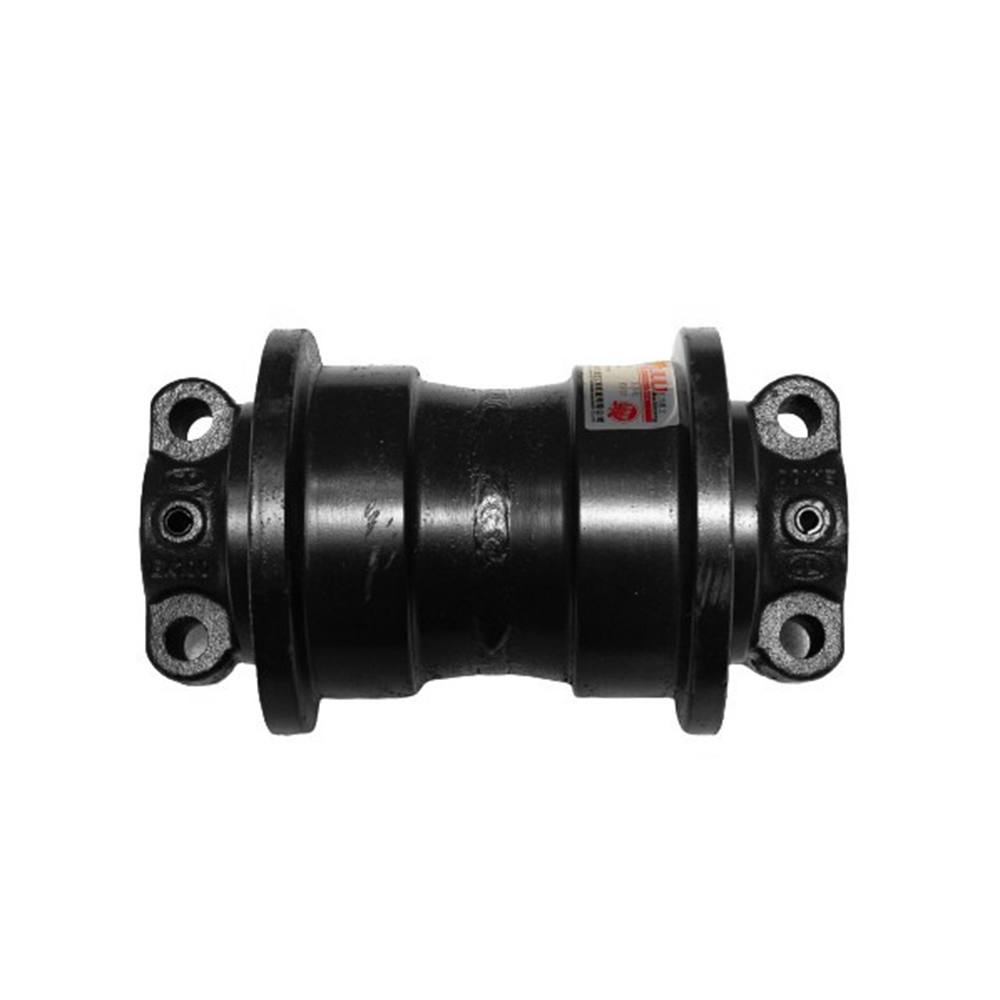
Sažetak
Proizvodnja dijelova teških strojeva, posebno dijelovi donjeg postroja poput kotača, zahtijeva površinski premaz koji pruža izuzetnu trajnost i otpornost na koroziju. Ovaj dokument ispituje zamršenost automatiziranog procesa bojanja tračnica, tehnološki pomak s ručnih metoda primjene prema robotskim sustavima koji nude vrhunsku dosljednost, učinkovitost, i kvaliteta. Analiza procesa otkriva višefaznu metodologiju koja uključuje minucioznu pripremu površine, sofisticirano robotsko programiranje, precizna kontrola kemije boje, i rigorozne protokole za osiguranje kvalitete. Istraživanje istražuje komparativne prednosti različitih automatiziranih tehnologija, uključujući zglobne robotske ruke i razne tehnike raspršivanja boje. Dalje secira kritično međudjelovanje između pripreme podloge, kao što su sačmarenje i premazi za kemijsku konverziju, te prianjanje i učinak konačne boje. Cilj je pružiti sveobuhvatan okvir za proizvođače i inženjere u regijama poput Rusije, Australija, i jugoistočnoj Aziji razumjeti, implementirati, i optimizirajte automatiziranu liniju za bojanje, čime se produljuje radni vijek valjaka za gusjenice u zahtjevnim okruženjima kao što su rudarstvo i građevinarstvo. Diskurs sintetizira principe iz znanosti o materijalima, robotika, kemija, i inženjerstvo kvalitete kako bi predstavili holistički pogled na ovaj napredni proizvodni proces.
Ključni poduhvat
- Pravilna priprema površine je temelj za prianjanje boje i dugotrajnu otpornost na koroziju.
- Odabir pravog robotskog sustava i raspršivača izravno utječe na učinkovitost prijenosa boje i kvalitetu završne obrade.
- Kontrola viskoznosti boje i kemije je ključna za dosljednu primjenu i učinak stvrdnjavanja.
- Implementirajte robustan automatizirani postupak bojanja tračnim valjkom kako biste postigli besprijekoran, ponovljivi premazi.
- O kontrolama okoline unutar kabine za bojanje ne može se pregovarati radi sprječavanja površinskih nedostataka.
- Sustavi vida pokretani umjetnom inteligencijom transformiraju kontrolu kvalitete omogućavajući otkrivanje nedostataka u stvarnom vremenu.
- Strukturirani plan preventivnog održavanja temeljan je za dugovječnost i pouzdanost automatiziranog sustava.
Sadržaj
- Temeljni imperativ: Zašto automatizirano bojanje gusjenica?
- Obzir 1: Prethodni tretman – neopjevani heroj prianjanja boje
- Obzir 2: Odabir i integracija robotskog sustava
- Obzir 3: Kemija boje i kontrola viskoznosti
- Obzir 4: Umjetnost i znanost programiranja staze
- Obzir 5: Kontrola okoliša i sprječavanje kontaminacije
- Obzir 6: Kontrola kvalitete i analiza nedostataka u automatiziranoj liniji
- Obzir 7: Održavanje, Sigurnost, i Provjera budućnosti
- Često postavljana pitanja (FAQ)
- Zaključak
- Reference
Temeljni imperativ: Zašto automatizirano bojanje gusjenica?
Prije nego što možemo cijeniti zamršeni ples robotske ruke koja nanosi besprijekoran sloj boje, prvo moramo razumjeti svijet u kojem njegov predmet, gusjenički valjak, živi i djeluje. To je svijet golemog pritiska, stalna abrazija, i nemilosrdno izlaganje korozivnim elementima. Buldožeri, bageri, i ostali strojevi na gusjenicama radni su konji moderne gradnje, rudarstvo, i poljoprivreda (BigRentz, 2023). Njihova sposobnost snalaženja po neravnom terenu u potpunosti ovisi o sustavu podvozja, složeni sklop lančanika, neradnici, lanci, i, naravno, gusjenice. Shvatiti potrebu za naprednim procesom završne obrade znači prvo shvatiti brutalnu stvarnost s kojom se ove komponente svakodnevno suočavaju.
The Brutal Reality of a Track Roller's Life
Zamislite buldožer težine više od 70 tona klešući svoj put kroz stjenoviti kamenolom u australskoj divljini ili blatnjavo gradilište u jugoistočnoj Aziji. Cijela težina ovog stroja raspoređena je kroz nekoliko kontaktnih točaka na lancu gusjenica, koje zauzvrat podupiru kotači gusjenica. Ovi valjci neprestano bruse čelične karike gusjenice, podnosi velika statička i dinamička opterećenja. Bombardirani su kamenom, pijesak, i šljunka. Uronjeni su u mulj, voda, i kiselu drenažu rudnika. Radno okruženje je savršena oluja za mehaničko trošenje i kemijsku koroziju.
Kvar na jednom valjku može zaustaviti čitav stroj vrijedan više milijuna dolara, uzrokujući skupe zastoje i logističke noćne more. Cjelovitost kotača, stoga, nije stvar jednostavne mehanike; to je pitanje ekonomske isplativosti projekta kojem služi. Primarna obrana od ovog napada, izvan početne metalurgije i toplinske obrade samog čelika, je zaštitni premaz. Loše nanesena boja više je od kozmetičkog nedostatka; to je poziv hrđi da započne svoj podmukli posao, ugrožavanje strukturalnog integriteta komponente izvana prema unutra. Zahtjevi koji se postavljaju pred ove robusne komponente podvozja zahtijevaju postupak premazivanja koji je čvrst i pouzdan kao i sam dio.
Od ručnog prskanja do robotske preciznosti: Evolucijski skok
Mnogo godina, standardna metoda za bojanje dijelova teških strojeva bilo je ručno prskanje. Vješt operater, naoružan pištoljem za prskanje, nanosili bi boju najbolje što znaju. Dok ova metoda može proizvesti pristojan završni sloj u rukama pravog majstora, prepun je inherentnih nedosljednosti. Debljina filma može dramatično varirati od jednog dijela do drugog, ili čak preko jednog dijela. Jedan operater može nanijeti malo deblji sloj od drugog. Može nastupiti umor, što dovodi do kapanja, sags, i propuštena mjesta. Nadalje, učinkovitost prijenosa—postotak boje koja stvarno padne na dio naspram gubitka kao raspršivanje—često je prilično niska u ručnim procesima, što dovodi do značajnog materijalnog otpada i većih emisija hlapivih organskih spojeva (HOS-evi).
Automatizirani proces lakiranja gusjeničkog valjka predstavlja promjenu paradigme. Zamjenjuje varijabilnost ljudske ruke nepogrešivom ponovljivošću stroja. Robotski sustav može slijediti isti put, točno istom brzinom, s točno istom brzinom protoka boje, za tisuće dijelova bez odstupanja. To rezultira ujednačenom debljinom filma koja je optimizirana za zaštitu i cijenu. To je evolucija od zanata do znanosti, od aproksimacije do preciznosti.
Ekonomski i kvalitetni argument za automatizaciju
Poslovni argumenti za automatizaciju u ovoj sferi su uvjerljivi. Dok je početno kapitalno ulaganje za robotsku liniju za bojanje značajno, povrat ulaganja ostvaruje se kroz nekoliko ključnih načina. Smanjena potrošnja boje zbog veće učinkovitosti prijenosa, manji troškovi rada, povećana propusnost, i značajno smanjenje zahtjeva za preradu i jamstvo doprinose zdravijoj krajnjoj liniji. Tablica u nastavku daje oštru usporedbu dviju metodologija, ilustriranje mjerljivih prednosti prihvaćanja automatiziranog procesa bojanja s gusjenim valjkom.
| Metrički | Ručno bojanje sprejem | Automatizirano robotsko slikanje |
|---|---|---|
| Konzistencija debljine filma | Niska do srednja (Visoka ovisnost o operateru) | Vrlo visoko (Ponovljivost unutar mikrona) |
| Učinkovitost prijenosa | 30% – 50% (Konvencionalni pištolji za prskanje) | 65% – 95% (Elektrostatički/HVLP raspršivači) |
| Propusnost (Dijelovi na sat) | Varijabilna, ovisno o vještini operatera | Visoko i dosljedno |
| Zahtjev za radnu snagu | visoko (Potrebni kvalificirani slikari za svaku kabinu) | Niska (Nadzornici i osoblje za održavanje) |
| Materijalni otpad (Boja) | visoko | Niska |
| HOS emisije | visoko | Niska do srednja (ovisno o boji/smanjenju) |
| Stopa prerade/defekta | 5% – 15% (Obično) | < 1% (Uz pravilno postavljanje) |
| Zdravlje operatera & Sigurnost | Veća izloženost otapalima i česticama | Minimalna izravna izloženost |
Argument kvalitete jednako je moćan. Dosljedan, jednoličan premaz pruža predvidljivu i pouzdanu zaštitu od korozije. Nema slabih točaka na kojima hrđa može steći uporište. Završna obrada je estetski vrhunska, koji, dok je sekundarna funkcija, odražava ukupnu kvalitetu proizvedenog dijela i samog brenda. Za dobavljače za zahtjevna međunarodna tržišta, od smrznutih terena Rusije do vlažne klime Bliskog istoka, isporuka proizvoda s provjereno vrhunskim premazom značajna je konkurentska prednost.
Obzir 1: Prethodni tretman – neopjevani heroj prianjanja boje
Nekome bi moglo biti oprošteno mišljenje da proces slikanja počinje bojom. U stvarnosti, uspjeh ili neuspjeh premaza utvrđuje se mnogo prije nego što se jedna kap boje rasprši. Faza predtretmana je nevidljivi temelj na kojem se gradi cijeli zaštitni sustav. Možete koristiti najnapredniji i najskuplji robotski sustav, kemijski proizvedena boja, ali ako ga nanesete na onečišćenu ili nepravilno pripremljenu površinu, jamčite preuranjeni neuspjeh. Cilj predtretmana je dvojak: stvoriti kirurški čistu površinu i modificirati tu površinu kako bi se pospješilo maksimalno prianjanje. Ova faza je kritična komponenta svakog ozbiljnog automatiziranog procesa bojanja tračnim valjkom.
Mehanička priprema površine: Sačmarenje vs. Pjeskarenje
Prvi korak u rješavanju sirovog čeličnog otkovka ili lijevanja za gusjeničarski valjak je uklanjanje kamenca, hrđati, prašak za zavarivanje, ili drugih površinskih kontaminanata. Više od samog čišćenja, cilj je stvoriti površinski "profil"." ili "uzorak sidra"—niz mikroskopskih vrhova i dolina koji dramatično povećavaju površinu i daju boji fizičku strukturu za hvatanje. Najčešće metode za postizanje toga su pjeskarenje sačmom i pjeskarenjem.
Zamislite da pokušavate obojiti list poliranog stakla naspram lista brušenog drva. Boja bi se nakupila i lako bi se oljuštila sa stakla, dok bi se upio i čvrsto zalijepio za drvo. Ovo je načelo iza stvaranja površinskog profila.
- Sačmarenje: Ovaj proces koristi centrifugalni kotač za pokretanje malih, sferne metalne čestice (pucao) at high velocity against the part's surface. Udarac okrugle sačme buši površinu, stvarajući rupicu, ujednačena tekstura. Vrlo je učinkovit za uklanjanje kamenca i općenito je brži, manje agresivan postupak od pjeskarenja. Često se preferira za nove dijelove gdje je primarni cilj čišćenje i stvaranje dosljednog profila.
- Pjeskarenje: Ova metoda koristi komprimirani zrak za pokretanje kutnog, oštre čestice (grit), kao što je čelična zrna ili aluminijev oksid, na površini. Oštri rubovi šmirgla zarezali su se u čelik, stvarajući uglatiji i obično dublji uzorak sidra. Pjeskarenje je agresivnije i izvrsno za uklanjanje jake hrđe, guste prevlake, i za postizanje vrlo dubokog profila kada to zahtijeva određeni sustav bojanja.
Izbor između sačme i grita, te specifične veličine i tvrdoće korištenog medija, nije proizvoljno. It is dictated by the part's initial condition, svoju metalurgiju, i specifikacije temeljnog premaza koji će se primijeniti. Standard za čistoću površine, često specificiran kao Sa 2.5 ili "Čišćenje gotovo bijelim pjeskarenjem" od strane ISO-a 8501-1, česta je meta. Ovaj standard nalaže da površina mora biti čista od svih vidljivih ulja, mast, prljavština, prah, mlinska vaga, hrđati, i boje, sa samo malim preostalim mrljama ili prugama.
Kemijsko čišćenje i pretvorbeni premazi: Molekularna veza
Nakon mehaničkog pjeskarenja, dio može izgledati čist, ali mogu ostati mikroskopski ostaci. Sljedeća faza predtretmana prelazi iz mehaničkog u kemijsko područje. Dio obično prolazi kroz višestupanjsko pranje.
- Alkalno odmašćivanje: Prva faza je vruće alkalno pranje kako bi se uklonila sva zaostala ulja, maziva, ili masti iz procesa proizvodnje ili rukovanja.
- Ispiranje: Slijede više faza ispiranja kako bi se uklonila alkalna otopina i sva saponificirana ulja, osiguravajući da na površini nema kemijskih ostataka koji bi mogli ometati sljedeći korak.
- Pretvorbeni premaz: Ovo je možda najsofisticiraniji korak u procesu predtretmana. Dio je uronjen ili poprskan kemijskom otopinom, najčešće otopina željeznog fosfata ili cink-fosfata. Ovo nije samo još jedan korak čišćenja. Otopina reagira s čeličnom površinom i stanji se, inertan, kristalni sloj koji je kemijski vezan za podlogu.
Zamislite konverzijski premaz kao molekularni most. Pretvara aktivnu čeličnu površinu u staju, non-metallic surface that is not only more corrosion-resistant on its own but also has a crystalline structure that is exceptionally receptive to the paint's polymer chains. Premaz od željeznog fosfata je dobar, isplativa opcija, dok premaz od cink fosfata pruža vrhunsku izvedbu, stvarajući robusniju kristalnu strukturu koja nudi poboljšanu adheziju i otpornost na koroziju ispod filma. Izbor ovisi o željenim karakteristikama izvedbe i ciljevima troškova.
Uloga sušenja i odvlaživanja
Završni čin u sagi o prethodnoj obradi je peć za sušenje. Nakon posljednjeg ispiranja, dio se mora potpuno i brzo osušiti kako bi se spriječilo brzo hrđanje—trenutačno stvaranje tankog sloja hrđe na svježe očišćenoj i aktiviranoj čeličnoj površini. Sva vlaga koja ostane na površini ili zarobljena u pukotinama postat će točka kvara kada se prekrije. Pećnica za sušenje koristi grijanu, kruženje zraka kako bi isparila sva voda. Temperatura i vrijeme u pećnici pažljivo se kontroliraju kako bi se osiguralo potpuno sušenje bez pregrijavanja dijela, što bi moglo utjecati na svježe formirani konverzijski premaz. U vlažnim sredinama, poput onih pronađenih u dijelovima Afrike i jugoistočne Azije, kontroliranje vlažnosti okoline na prijelazu iz peći za sušenje u komoru za farbanje također je važno za sprječavanje ponovne kondenzacije vlage na hladnoj čeličnoj površini.
Obzir 2: Odabir i integracija robotskog sustava
Sa savršeno pripremljenim tračnim valjkom sada je spreman za svoj zaštitni sloj, naša pozornost usmjerava se na srce automatiziranog sustava: samog robota. Odabir robotskog sustava nije odluka koja odgovara svima. To je pažljiv izračun na temelju veličine i složenosti dijela, potrebna propusnost, raspored tvorničkog prostora, i vrstu boje koja se nanosi. Cilj je odabrati sustav koji osigurava potreban doseg, fleksibilnost, i kapacitet nosivosti za obavljanje zadatka bojanja s maksimalnom učinkovitošću i preciznošću. Integracija ovog robota u veću proizvodnu liniju složen je mehanički zadatak, električni, i programsko inženjerstvo.
Zglobni roboti vs. Kartezijanski sustavi: Kinematički izbor
Kada ljudi zamisle "robota," oni obično prikazuju zglobnog robota sa šest osi, koja blisko oponaša svestranost ljudske ruke s "ramenom".," "lakat," i "zglob." Ovo je, daleko, najčešći izbor za složene aplikacije bojanja.
Šestoosni zglobni roboti: Ovi roboti nude najveću fleksibilnost. Njihovi višestruki rotirajući zglobovi omogućuju im da dosegnu oko kutova, obojite složene unutarnje površine, te cijelo vrijeme održavajte optimalni kut i udaljenost između pištolja za prskanje i dijela. Za komponentu poput kotača, sa svojim zakrivljenim vanjskim površinama, prirubnice, i središnji provrt, spretnost robota sa šest osi je neprocjenjiva. Mogu se programirati da slijede zamršene staze koje bi bile nemoguće za čovjeka ili jednostavniji stroj.
Kartezijanski roboti: Ovi roboti, također poznati kao portalni ili linearni roboti, pomicanje u tri linearne osi (X, Y, Z). Zamislite ih kao mostnu dizalicu s pričvršćenim pištoljem za prskanje. Iako im nedostaje fluidna fleksibilnost zglobne ruke, ističu se u slikanju velikih, relativno ravne površine. Mehanički su jednostavniji, često jeftinije, i može se lakše programirati za jednostavne geometrije. Za liniju velike količine posvećenu singlu, jednostavan dio, mogao bi se razmotriti kartezijanski sustav, već za raznolike i složene oblike komponenti podvozja, zglobni robot je superioran izbor.
The selection also involves considering the robot's "work envelope" (prostor koji može dosegnuti), njegovu nosivost (mora moći nositi pištolj za prskanje, crijeva, i bilo koji drugi alat), i njegovu klasifikaciju za uporabu na opasnom mjestu (kabine za farbanje su eksplozivna okruženja).
Alat za kraj ruke (EOAT): Raspršivač na čelu
Robot je samo pokretačka snaga; pravi posao slikanja obavlja End-of-Arm Tooling (EOAT), posebno raspršivač ili pištolj za prskanje. Izbor raspršivača u osnovi je povezan s vrstom boje koja se koristi i željenom kvalitetom završne obrade. Cilj atomizacije je razbiti tekuću boju u finu, kontrolirana magla.
- Velika glasnoća, Nizak tlak (HVLP) oružje: Oni koriste veliku količinu zraka pri niskom tlaku za raspršivanje boje. Nude dobru učinkovitost prijenosa i finu kontrolu, što ih čini prikladnima za visokokvalitetne završne radove.
- Airless/zračno potpomognuti bezračni pištolji: Sustavi bez zraka koriste visoki hidraulički tlak za probijanje boje kroz maleni otvor, uzrokujući njegovu atomizaciju. Mogu brzo isporučiti vrlo velike količine boje, ali ih je teže kontrolirati. Air-assisted airless dodaje malu količinu zraka u mlaznicu za poboljšanje uzorka i smanjenje mrlja.
- Elektrostatički rotirajući raspršivači (Zvona): Ovo je visokotehnološki kraj spektra. Boja se stavlja u središte šalice ili zvona koje se brzo okreće (30,000-60,000 RPM). Centrifugalna sila baca boju na rub zvona, gdje tvori izuzetno fine ligamente koji se raspadaju u meku, dosljedna magla. Istovremeno, elektrostatički naboj (do 100,000 volti) nanosi se na čestice boje. Pošto je gusjenica uzemljena, nabijene čestice boje aktivno se privlače prema dijelu, čak i omatanje da premaže stražnju stranu. Ovaj "omot"." učinak daje elektrostatičkim zvonima najveću moguću učinkovitost prijenosa, često prekoračujući 90%. To znači manje rasipanja boje, niže emisije HOS-a, i jednoličniji premaz, što ga čini vrhunskim izborom za visokoučinkoviti automatizirani proces lakiranja tračnim valjkom.
PLC integracija i sučelje čovjek-stroj (HMI)
Robot ne radi u vakuumu. To je središnji dio većeg sustava koji uključuje transportere, senzori za prepoznavanje dijelova, sobe za miješanje boja, sigurnosne blokade, i peći za sušenje. Dirigent cijelog ovog orkestra je programabilni logički kontroler (PLC). PLC je robusno industrijsko računalo koje prima ulazne podatke od senzora (Npr., "dio je na poziciji"), obrađuje logiku ("ako je dio tipa A prisutan, pokreni program A"), i šalje izlazne podatke aktuatorima (Npr., "startni transporter," "recite robotu da počne slikati").
Komunikacija između kontrolera robota i glavnog PLC-a ključna je za besprijekoran rad. Sučelje čovjek-stroj (HMI) je prozor u ovaj sustav za ljudskog nadzornika. To je tipično zaslon osjetljiv na dodir koji prikazuje status cijele linije, omogućuje operateru odabir recepata, pokrenuti i zaustaviti proces, i pregled alarma ili dijagnostike. Dobro dizajniran HMI je intuitivan, pružanje jasnih informacija i kontrole bez opterećivanja korisnika. Operateru s minimalnom robotičkom obukom omogućuje učinkovito upravljanje vrlo složenim automatiziranim sustavom.
Obzir 3: Kemija boje i kontrola viskoznosti
Pripremili smo površinu i odabrali našeg robotskog lakirača. Sada moramo obratiti pozornost na samu boju. Premaz nanesen na kotačić nije samo "boja"." u dekorativnom smislu; to je visoko razrađen kemijski sustav dizajniran da izdrži ekstremne uvjete. Odabir ovog sustava i precizna kontrola njegovih fizičkih svojstava tijekom primjene su najvažniji. Automatizirani proces može biti dobar onoliko koliko je dobar materijal koji primjenjuje. Neuspjeh u razumijevanju i upravljanju kemijom boje recept je za nedosljedne rezultate i greške na terenu.
Visok sadržaj čvrste tvari, Vodeni, ili premazi u prahu? Komparativna analiza
Izbor tehnologije bojanja je ravnoteža performansi, trošak, i ekološka regulativa. Glavni kandidati za primjenu na teškoj opremi su boje na bazi otapala s visokim udjelom krutine, vodene boje, i premazi u prahu.
| Vrsta premaza | Ključne karakteristike | Prednosti za gusjenice | Nedostaci |
|---|---|---|---|
| Visoki udio krutine na bazi otapala | Tradicionalna tehnologija s visokim postotkom krutih tvari (pigment/smola) i manji sadržaj otapala. | Izvrsno prianjanje, visoki sjaj, brzo stvrdnjavanje, robusne i dokazane performanse. | Veće emisije VOC, zapaljiv, zahtijeva čišćenje na bazi otapala. |
| Vodeni | Koristi vodu kao primarni nosač umjesto kemijskih otapala. | Vrlo nizak VOC, nezapaljiv, lako čišćenje vodom. | Sporije sušenje/stvrdnjavanje, zahtijeva opremu od nehrđajućeg čelika, osjetljiv na vlagu tijekom primjene. |
| Premazivanje prahom | Suha, slobodno protočni prah koji se nanosi elektrostatički i zatim otvrdnjava toplinom kako bi se formirala "koža". | Izuzetno izdržljiv, izvrsna otpornost na strugotine/abraziju, nula HOS-eva, visoka učinkovitost prijenosa. | Zahtijeva peć za sušenje, teško postići tanke filmove, promjena boje može biti dugotrajna. |
Mnogo godina, epoksidi i poliuretani na bazi otapala s visokim sadržajem krutine bili su glavni izbor za tešku opremu zbog svoje nenadmašne izdržljivosti i jednostavnosti primjene u širokom rasponu uvjeta. Međutim, povećanje ekoloških propisa u vezi s HOS-evima, posebno u regijama poput Europe i dijelova Azije, potaknule su značajne inovacije u tehnologijama premazivanja na bazi vode i praha. Bojanje u prahu, posebno, nudi uvjerljiv slučaj za gusjeničke valjke. Čvrsto, debeli film koji stvara iznimno je otporan na krhotine i abraziju s kojima se ovi dijelovi neprestano suočavaju. Automatizirani postupak lakiranja gusjeničkog valjka mora biti dizajniran prema specifičnim zahtjevima odabranog sustava bojanja. Linija dizajnirana za tekuću boju ne može se lako pretvoriti u praškastu, i obrnuto.
Znanost o viskoznosti: Temperatura, Smicanje, i Brzina protoka
Za tekuće boje (i na bazi otapala i na bazi vode), the single most important physical property to control is viscosity—a measure of the fluid's resistance to flow. Razmislite o razlici između vode i meda. Voda ima nisku viskoznost, med ima visoku viskoznost. Viskoznost boje određuje koliko će se dobro raspršiti, kako će istjecati na površinu, i njegova sklonost ka spuštanju ili trčanju po okomitim površinama.
Viskoznost boje je vrlo osjetljiva na temperaturu. Kako boja postaje toplija, njegova viskoznost pada; kako bude hladnije, povećava mu se viskoznost. Promjena temperature boje od 5°C može promijeniti viskoznost za čak 30-50%. Bez kontrole temperature, linija boje u tvornici bez nadzora klime u Koreji mogla bi biti rijetka, tekuća boja u ljetno poslijepodne i gusta, slabo raspršena boja u zimsko jutro. To dovodi do velike nedosljednosti.
Robusni automatizirani sustav mora uključivati sustav cirkulacije boje s kontrolom temperature. Boja neprestano cirkulira iz središnje prostorije za miješanje kroz izmjenjivač topline kako bi se održala na točno određenoj temperaturi (Npr., 25°C ± 1 °C) all the way to the robot's atomizer. Time se osigurava da je viskoznost na mjestu primjene uvijek ista, dan ili noć, ljeto ili zima, koji je kamen temeljac ponovljivog procesa.
Mehanizmi otvrdnjavanja: Od termalnih pećnica do infracrvenih i UV zraka
Nakon što je boja nanesena, to je još uvijek samo mokri film. Posljednji korak je stvrdnjavanje, kemijski proces koji tekućinu pretvara u tvrdu, izdržljiva, čvrsti premaz. The curing method is dictated by the paint's chemistry.
- Termalne konvekcijske pećnice: Ovo je najčešća metoda. Obojeni dio prolazi kroz dugu pećnicu u kojoj cirkulira vrući zrak kako bi se ubrzalo isparavanje otapala (ili vode) i pokreću kemijske reakcije umrežavanja u smoli. Vremenski i temperaturni profil pećnice (Npr., 20 minuta na 80°C) se precizno kontrolira.
- Infracrveni (I) Pećnice: IR pećnice koriste infracrveno zračenje za izravno zagrijavanje površine obojenog dijela. Ovo je puno brži način grijanja od konvekcije, jer ne troši energiju na zagrijavanje okolnog zraka. IR može značajno smanjiti vrijeme stvrdnjavanja i fizički otisak pećnice. Posebno je učinkovit za ravne ili jednostavne dijelove, ali može imati problema s ravnomjernim zagrijavanjem složenih geometrija sa zasjenjenim područjima.
- Ultraljubičasto (UV) Stvrdnjavanje: Ovo je visoko specijalizirani postupak koji se koristi za UV-stvrdnjavajuće premaze. Boja sadrži fotoinicijatore koji, kada su izloženi ultraljubičastom svjetlu visokog intenziteta, odmah pokreću reakciju polimerizacije, stvrdnjavanje boje u nekoliko sekundi. Ova metoda je iznimno brza i energetski učinkovita, ali zahtijeva posebno formulirane (a često i skuplje) boje i jasan vidokrug od UV lampi do obojene površine.
Za robusne premaze potrebne za gusjeničke valjke, kombinirani pristup često je učinkovit. Na primjer, kratko IR "geliranje"." Zona se može koristiti za brzo postavljanje površine boje kako bi se spriječilo opadanje, nakon čega slijedi duža konvekcijska pećnica kako bi se osiguralo da cijela debljina filma potpuno očvrsne.
Obzir 4: Umjetnost i znanost programiranja staze
Vrhunski robot i savršeno kondicionirana boja beskorisni su bez pravih uputa. The programming of the robot's path is where the "intelligence" sustava. This is the set of digital commands that dictates the robot's every move, prevođenje zahtjeva slikarskog procesa u fizički balet preciznosti. Cilj je nanijeti savršeno ujednačen sloj boje preko cijele složene površine kotača, trošenje što manje materijala i završetak ciklusa u najkraćem mogućem vremenu. To je zadatak koji spaja empirijsku znanost dinamike fluida s praktičnom umjetnošću majstora slikarstva.
Offline programiranje (PLO) u odnosu na. Podučite programiranje privjesaka
Postoje dvije primarne metode za govorenje robotu što treba učiniti: podučavati programiranje privjesaka i offline programiranje.
Podučite programiranje privjesaka: Ovo je tradicionalna metoda. Kvalificirani tehničar odvodi fizičkog robota u kabinu za farbanje i koristi ručni upravljač ("privjesak za podučavanje") to manually move the robot's arm through the desired painting motions. Oni "podučavaju" robot spremajući niz točaka koje čine stazu. Ova metoda je izravna i intuitivna, ali ima značajne nedostatke. Za programiranje je potrebno isključiti proizvodnu liniju, što znači izgubljeno vrijeme proizvodnje. Također uvelike ovisi o vještini programera, i može biti teško stvoriti savršeno glatku, optimizirane staze. Programer je također izložen okruženju kabine za bojanje.
Offline programiranje (PLO): Ovo je moderno, softverom vođen pristup. Programeri rade na računalu u uredu, daleko od proizvodne trake. Koriste 3D CAD model gusjeničkog valjka i softver za simulaciju koji sadrži digitalnog blizanca robota i kabine za bojanje. Unutar ovog virtualnog okruženja, they can create and test the robot's paths. Oni mogu odrediti parametre poput brzine, kut prskanja, i protok boje za svaki segment staze. Softver može automatski generirati staze, provjeri kolizije, pa čak i simulirati rezultirajuću debljinu filma. Nakon što se program usavrši u virtualnom svijetu, preuzima se na pravog robota. OLP maksimizira vrijeme neprekidnog rada proizvodnje, omogućuje daleko složenije i optimizirane staze, i sigurniji je za programere. Za veliki volumen, visokokvalitetni automatizirani proces lakiranja tračnica, OLP je superiorna metodologija.
Optimiziranje udaljenosti i preklapanja od pištolja do dijela
Dvije najosnovnije varijable u bilo kojoj primjeni spreja su udaljenost od raspršivača do dijela i količina preklapanja između uzastopnih prolaza prskanjem.
Udaljenost od pištolja do dijela: Ova udaljenost izravno utječe na veličinu uzorka prskanja i učinkovitost prijenosa. Ako je pištolj preblizu, uzorak je mali, a sila zraka može stvoriti povratni udar i turbulenciju, što dovodi do nedostataka. Ako je pištolj predaleko, uzorak postaje preširok i difuzan, značajna količina maglice boje ne uspijeva doprijeti do dijela, a učinkovitost prijenosa naglo pada. Za elektrostatičko zvono, optimalna udaljenost obično je oko 25-30 cm. The robot's program must maintain this optimal distance with high precision, čak i dok prati zakrivljene površine kotača.
Preklapanje: Za postizanje ujednačenog filma, svaki prolaz pištolja za prskanje mora se preklapati s prethodnim. Tipična meta je a 50% preklapanje. To znači da je središte svakog novog uzorka prskanja usmjereno prema rubu prethodnog. Premalo preklapanja rezultira svijetlim i tamnim prugama ("prugasti"). Previše preklapanja dovodi do pretjerano debelog filma i mogućnosti za ulegnuća i trzanja. The robot's path must be programmed to maintain this precise overlap consistently across the entire part.
Navigacija složenim geometrijama: Prirubnice, Čvorišta, I pečate
Tračni valjak nije jednostavan cilindar. Ima montažne prirubnice, središnji provrt gdje se nalaze ležajevi i brtve, i udubljena područja. Ove značajke predstavljaju izazov za slikanje. Područja na kojima valjak dolazi u dodir s lancem gusjenica trebaju čvrsti premaz, ali precizno obrađene površine za brtve i ležajeve moraju ostati potpuno bez boje.
Ovdje blista preciznost robotskog programiranja. Robot se može programirati na:
- Izbjegavanje maskiranja: Precizno ocrtajte rub maskiranog područja, nanošenje boje do crte bez prskanja prekomjerno na zaštićenu površinu. Ovo smanjuje ili eliminira potrebu za ručnim popravkom ili uklanjanjem boje nakon stvrdnjavanja.
- Podešavanje kuta: Robot može stalno podešavati "zglob" kut raspršivača kako bi bio okomit na površinu, čak i kada bojite polumjer prirubnice ili unutrašnjost središnjeg provrta. Ovo osigurava ravnomjernu izradu filma u područjima koja je teško dosljedno doseći ljudskom slikaru.
- Kontrola okidača: Program može uključiti i isključiti pištolj za prskanje s preciznošću do milisekunde, tehnika poznata kao "okidanje." To omogućuje robotu da slika određene dijelove dok druge preskače, kao što su otvori u prirubnicama, minimiziranje prekomjernog prskanja i rasipanja boje.
Programiranje za ove složene geometrije je iterativni proces virtualne simulacije i testiranja u stvarnom svijetu kako bi se postigla savršena, učinkovit, i kompletan premaz.
Obzir 5: Kontrola okoliša i sprječavanje kontaminacije
Savršena priprema dijela, idealan robot, a sav besprijekoran program može biti obezvrijeđen samo jednim zrnom prašine. Samo slikarsko okruženje kritična je varijabla u jednadžbi kvalitete. Cilj je stvoriti samostalnu mikro-okruženje koje je optimizirano za nanošenje boje i bez vanjskih kontaminanata. Kabina za farbanje nije samo kutija za sprej; to je sofisticirani dio ekološkog inženjeringa. U automatiziranom procesu lakiranja lančanih valjaka svjetske klase, kontrola ovog okruženja je apsolutna.
Kabina za lakiranje pod pritiskom: Tvrđava protiv nedostataka
Primarna obrana od kontaminacije iz zraka je komora za farbanje pod tlakom. Evo kako to radi:
- Pozitivan tlak: The booth's air handling system brings in more filtered air than it exhausts. To stvara lagani pozitivan tlak unutar kabine u odnosu na okolnu tvornicu. To znači da zrak uvijek izlazi iz malih otvora, pukotine, ili proreze za transportne trake, aktivno sprječava uvlačenje tvorničke prašine i prljavštine.
- Protok zraka prema dolje: Čista, filtrirani zrak se uvodi kroz difuzijski strop preko cijelog vrha kabine i struji okomito prema dolje, poput nježnog, jednolična zavjesa, preko dijela koji se boji. Ovaj silazni tok hvata sve čestice raspršenog sredstva i odnosi ih dolje u filtrirani ispušni plenum u podu. To sprječava prelivanje prskanja s jednog dijela na drugi i održava zrak oko robota i dijela iznimno čistim.
Ovo kontrolirano, laminarni protok zraka neophodan je za postizanje "klase A" završiti, bez vrhova, prah, i druge kvarove u zraku. Brzina zraka pažljivo je uravnotežena—dovoljno brzo da učinkovito ukloni višak spreja, ali ne tako brzo da poremeti raspršeni uzorak boje iz robota.
Filtriranje zraka, Temperatura, i upravljanje vlagom
Zrak koji ulazi u komoru za bojanje mora biti čišći od zraka u bolničkoj operacijskoj sali. To se postiže kroz višestupanjski sustav filtracije. Predfilteri hvataju velike čestice, dok završni filtri visoke učinkovitosti, često HEPA-grade, ukloniti čestice do submikronske razine.
Baš kao što je temperatura boje kritična, kao i temperatura i vlažnost zraka u kabini.
- Kontrola temperature: Održavanje stabilne temperature zraka (Npr., 22-24°C) helps to stabilize the evaporation rate of the paint's solvents or water. Ova konzistencija doprinosi predvidljivom istjecanju i stvrdnjavanju.
- Kontrola vlažnosti: Ovo je posebno važno za boje na bazi vode. Visoka vlažnost može dramatično usporiti isparavanje vode iz filma boje, što dovodi do propadanja, trči, i produljena vremena stvrdnjavanja. Niska vlažnost može uzrokovati prebrzo sušenje boje, što rezultira slabim istjecanjem i teksturom "narančine kore"." izgled. Ispravna jedinica za obradu zraka uključivat će mogućnosti ovlaživanja ili odvlaživanja za održavanje relativne vlažnosti unutar uskog pojasa (Npr., 50-65% RH). Za proizvođače u vrlo promjenjivoj klimi Afrike ili vlažnim uvjetima obalne Australije, kontrola vlažnosti nije luksuz; to je nužnost za dosljednu kvalitetu.
Smanjenje VOC i usklađenost s okolišem
Zrak koji se ispušta iz komore za farbanje sa sobom nosi pare otapala (HOS-evi) i raspršene boje koje su zahvaćene silaznim strujanjem. Propisi o zaštiti okoliša diljem svijeta, od Rusije do Koreje, postaviti stroga ograničenja na količinu HOS-eva koji se mogu ispustiti u atmosferu. Stoga, ispušni zrak se mora obraditi.
Prva linija obrane je niz filtara za zaustavljanje boje u ispušnom plenumu za hvatanje krutih čestica raspršenog materijala. Zrak pun otapala zatim odlazi u sustav za smanjenje emisija. Najčešća tehnologija za to je regenerativni toplinski oksidator (RTO). RTO je u biti vrlo visokotemperaturna peć (preko 800°C) koji koristi sloj keramičkog medija za predgrijavanje ulaznog zraka punog otapala. Na ovim visokim temperaturama, HOS-ovi se oksidiraju (spaljena) i pretvara u bezopasni ugljikov dioksid i vodenu paru. „Regenerativni" dio imena dolazi od činjenice da vruće, čisti zrak koji izlazi iz komore za izgaranje koristi se za zagrijavanje drugog keramičkog sloja, koji će se zatim koristiti za predgrijavanje sljedećeg ciklusa ulaznog prljavog zraka. Ovaj se proces oporavlja do 97% toplinske energije, čineći RTO vrlo učinkovitom i energetski učinkovitom metodom za usklađenost s okolišem.
Obzir 6: Kontrola kvalitete i analiza nedostataka u automatiziranoj liniji
Obećanje automatizacije svaki je put savršen dio. Stvarnost je da čak iu najsofisticiranijim sustavima, mogu se pojaviti odstupanja. Mlaznica se može djelomično začepiti, regulator tlaka može zalutati, ili serija boje može biti malo izvan specifikacije. Stoga, sveobuhvatnu kontrolu kvalitete (QC) strategija se ne eliminira automatizacijom; radije, razvija se. Fokus se pomiče s provjere svakog dijela radi ljudske pogreške na praćenje procesa radi bilo kakvog odstupanja od njegovog optimiziranog stanja. Cilj je odmah uhvatiti ta odstupanja, sprječavanje proizvodnje velikog broja neispravnih dijelova.
Praćenje unutar procesa: Mjerači debljine filma i vlažnog filma
Čekanje da se dio potpuno izliječi da bi se otkrio problem je neučinkovito. Moderni QC naglašava praćenje unutar procesa.
- Debljina vlažnog filma (WFT): Odmah nakon farbanja, može se izmjeriti debljina mokrog filma boje. To se može učiniti ručno pomoću jednostavnog nazubljenog češljastog mjerača za provjeru na licu mjesta. Napredniji automatizirani sustavi mogu koristiti beskontaktne senzore (kao što su ultrazvučni ili laserski sustavi) montiran na zasebnom robotu ili fiksnom portalu za automatsko mjerenje WFT-a na nekoliko kritičnih točaka na gusjeničkom valjku. Ako je WFT izvan specifikacije, to ukazuje na problem s protokom boje, brzina robota, ili udaljenost oružja koja se može odmah ispraviti. WFT je izravni vodeći pokazatelj konačne debljine suhog filma (DFT).
- Praćenje procesnih parametara: PLC i HMI neprestano prate stotine procesnih varijabli u stvarnom vremenu: pritisak boje, protok boje, brzina zvona, elektrostatički napon, temperature pećnice, brzine strujanja zraka, i više. Alarmi se mogu postaviti da se aktiviraju ako bilo koji parametar odluta izvan prihvatljivog okvira, upozoravanje nadređenog na potencijalni problem prije nego što rezultira lošim dijelom.
Inspekcija nakon stvrdnjavanja: Prianjanje, Tvrdoća, i ispitivanje korozije
Nakon što se boja stvrdne, niz testova provodi se na statističkoj osnovi kako bi se potvrdila kvaliteta konačnog proizvoda i stabilnost procesa. Ta su ispitivanja često destruktivna i izvode se na uzorcima dijelova ili ispitnim pločama koje prolaze kroz liniju.
- Debljina suhog filma (DFT): Ovo je najosnovnija provjera kvalitete. mali, nerazorni elektronički mjerač koji koristi magnetsku indukciju ili vrtložne struje koristi se za mjerenje debljine stvrdnute boje. Mjerenja se izvode na više određenih točaka na valjku kako bi se osiguralo da cijeli dio zadovoljava tehničke specifikacije (Npr., 80-120 mikrona).
- Ispitivanje prianjanja (ASTM D3359): Ovo je kritičan test kako bi se osiguralo da je boja ispravno vezana za podlogu. Najčešća metoda je test unakrsnog šrafiranja. Posebnim nožem reže se rešetka od 6×6 ili 11×11 kvadrati kroz boju do čelika. Posebna ljepljiva traka se čvrsto nalijepi na rešetku i zatim se brzo povuče. Količina boje uklonjene s rešetke tada se ocjenjuje na ljestvici od 5B (nije uklonjena boja, savršeno prianjanje) do 0B (više od 65% uklonjeni, potpuni neuspjeh). Za dio poput kotača, obično je potrebna ocjena 5B ili 4B.
- Ispitivanje tvrdoće olovke (ASTM D3363): This test measures the coating's resistance to scratching. Set kalibriranih olovaka različite tvrdoće (od 6B, vrlo mekan, do 9H, vrlo teško) guraju se preko površine pod određenim kutom i pritiskom. Tvrdoća olovke" je definirana kao najtvrđa olovka koja ne grebe i ne udubljuje premaz. Izdržljivi poliuretanski završni sloj može imati tvrdoću 2H ili veću.
- Ispitivanje otpornosti na koroziju (ASTM B117): Za simulaciju dugotrajne učinkovitosti u korozivnim okruženjima, obojeni dijelovi se stavljaju u zatvorenu komoru za raspršivanje soli. Vruće, atomizirana otopina 5% slana voda kontinuirano se raspršuje unutar komore, stvarajući izrazito agresivno korozivno okruženje. Dijelovi se ostavljaju u komori određeno vrijeme (Npr., 500 sati ili 1000 sati) a zatim se procjenjuju znakovi stvaranja mjehurića, hrđanje, ili puzanje hrđe od oznake urezane u premazu. Ovaj ubrzani test daje povjerenje u dugotrajnu trajnost sustava premaza. Rezultati ovih ispitivanja daju ključnu povratnu informaciju za osiguravanje dugovječnosti visokokvalitetne gusjenice.
Vision sustavi pokretani umjetnom inteligencijom za otkrivanje kvarova u stvarnom vremenu
Vrhunac QC-a u automatiziranom slikanju je integracija umjetne inteligencije (AI) i strojni vid. Kamere visoke razlučivosti postavljene su unutar kabine za bojanje ili na izlazu iz peći za sušenje. Ove kamere snimaju slike svakog pojedinog dijela koji prolazi kroz liniju. Godina AI model, koja je uvježbana na tisućama slika "dobrog" dijelovi i dijelovi sa specifičnim nedostacima (kaplje, sags, krateri, prljavština), analizira te slike u stvarnom vremenu.
Ako AI otkrije kvar, može odmah označiti dio za odbijanje ili preradu i, još važnije, može povezati kvar s procesnim podacima. Na primjer, ako počne detektirati niz progiba na donjoj ivici valjaka, to bi moglo dovesti u vezu s blagim padom viskoznosti boje koji se dogodio nekoliko minuta ranije. To omogućuje sustavu ne samo otkrivanje problema, već i početak dijagnosticiranja njihovih uzroka, prelazak s jednostavne kontrole kvalitete na inteligentnu kontrolu procesa.
Obzir 7: Održavanje, Sigurnost, i Provjera budućnosti
Automatizirana linija za bojanje složen je ekosustav mehaničkih, električni, i kemijskih sustava. Ignoriranje njegove potrebe za redovitom njegom izravan je put do skupog prekida rada, opadanje kvalitete, i potencijalne sigurnosne opasnosti. Proaktivan pristup održavanju, duboko ukorijenjenu kulturu sigurnosti, i napredna strategija za tehnološke nadogradnje posljednji su stupovi koji podržavaju uspješno i održivo poslovanje. Ulaganje u sustav ne prestaje danom puštanja u rad; to je stalna obveza.
Planovi preventivnog održavanja za robotske sustave
Robot se možda neće umoriti, ali se njegove komponente istroše. Preventivno održavanje (PM) program je strukturirani raspored provjera, čišćenja, sredstva za podmazivanje, i zamjene dijelova dizajnirane za sprječavanje kvarova prije nego što se dogode. Tipični raspored PM-a za robota za bojanje uključivao bi:
- Dnevne provjere: Vizualna provjera istrošenosti crijeva, provjeravajući čistoću raspršivača, provjera ispravnosti sigurnosnih senzora.
- Tjedni zadaci: Čišćenje robotske ruke i baze, provjera razine tekućine u mjenjačima, sigurnosno kopiranje programa robota.
- Mjesečni/tromjesečni zadaci: Podmazivanje zglobova i ležajeva, mijenjanje filtera u cjevovodima za boju i zrak, inspecting the robot's wrist assembly for wear.
- Godišnji servis: Detaljnija usluga, often performed by the robot manufacturer's technicians, što može uključivati zamjenu istrošenih predmeta poput brtvila i brtvila, ponovno podmazivanje harmoničnih pogona, and recalibrating the robot's positional accuracy.
Na sličan način, svaku drugu komponentu u liniji, from the conveyor chain to the oven burners to the RTO's ceramic media, mora imati vlastiti PM raspored. Ovaj disciplinirani pristup umanjuje neočekivane kvarove i osigurava da automatizirani proces lakiranja gusjeničkog valjka teče s pouzdanošću za koju je dizajniran.
Sigurnosni protokoli: Blokade, E-Stopovi, i zaštita od eksplozije
Kabina za farbanje sama je po sebi opasna okolina. Kombinacija zapaljivih otapala, elektrostatika visokog napona, i moćan, strojevi velike brzine stvaraju značajan rizik od požara, eksplozija, i ozljeda. Sigurnost ne može biti naknadna misao; mora biti projektiran u sustav od temelja.
- Zaštita od eksplozije: Sve električne komponente unutar kabine za farbanje—svjetla, motori, senzori, i sam robot—mora biti "intrinzično siguran"." ili "otporan na eksploziju." To znači da su dizajnirani na način da ne mogu stvoriti iskru koja može zapaliti pare otapala.
- Blokade: Pristupna vrata komore za farbanje opremljena su sigurnosnim bravama. Ako se vrata otvore dok je sustav u automatskom načinu rada, robot će odmah stati, i visoki napon će se isključiti. Sustav se ne može ponovno pokrenuti dok se vrata ne zatvore i ne pokrene slijed resetiranja.
- Zaustavljanje u nuždi (E-Stopovi): crveno, tipke E-Stop u obliku gljive nalaze se na svim stanicama operatera i na ključnim točkama oko linije. Pritiskom na bilo koji E-Stop odmah će se zaustaviti svi opasni pokreti.
- Suzbijanje požara: Automatizirane kabine za lakiranje opremljene su sustavima za detekciju požara (UV/IR senzori) i integrirani sustav za suzbijanje požara, koji može brzo preplaviti kabinu sredstvom za suzbijanje poput CO2 u slučaju požara.
O sveobuhvatnoj obuci za svo osoblje o ovim sigurnosnim sustavima i postupcima u slučaju nužde nema pregovora.
Put u industriju 4.0: Analiza podataka i prediktivno održavanje
Budućnost automatizirane proizvodnje leži u inteligentnoj upotrebi podataka. Moderna automatizirana linija za bojanje generira golemu količinu podataka svake sekunde. Načela industrije 4.0 uključuju korištenje ovih podataka za stvaranje pametnijeg, samooptimizirajuća tvornica.
- Analitika podataka: Umjesto samo alarmiranja kada parametar izađe iz specifikacije, napredne analitičke platforme mogu identificirati suptilne trendove i korelacije tijekom vremena. Na primjer, the system might learn that a gradual increase in the robot's motor current on Axis 4, u kombinaciji s blagim povećanjem vibracija koje detektira senzor, je vodeći pokazatelj da mjenjač počinje kvariti.
- Prediktivno održavanje (PdM): Ovo je evolucija preventivnog održavanja. Umjesto zamjene dijela prema fiksnom rasporedu, PdM koristi analitiku podataka kako bi predvidio kada je vjerojatno da će komponenta pokvariti, a zatim planira održavanje neposredno prije nego što se to dogodi. Ovo maksimizira vijek trajanja svake komponente, smanjuje troškove održavanja, i sprječava neplanirane zastoje.
- Integracija digitalnih blizanaca: The OLP software's digital twin can be connected to the real-time data from the factory floor. To inženjerima omogućuje testiranje promjena procesa ili rješavanje problema u virtualnom svijetu koristeći podatke uživo, prije nego što ih implementirate na stvarnu proizvodnu liniju.
Prihvaćanjem ovih pojmova, proizvođači mogu osigurati budućnost svojih ulaganja, transformirajući svoj automatizirani proces bojanja gusjeničkog valjka iz statičnog skupa uputa u dinamičan, sustav učenja koji kontinuirano poboljšava vlastitu učinkovitost, kvaliteta, i pouzdanost. To je krajnji cilj automatizacije u 21. stoljeću.
Često postavljana pitanja (FAQ)
Koliki je tipični povrat ulaganja (ROI) za automatizirani proces lakiranja gusjeničkog valjka?
ROI za automatizirani sustav bojanja obično se kreće od 18 do 36 mjeseca. To uvelike ovisi o čimbenicima kao što su lokalni troškovi rada, trenutna upotreba boje, obujam proizvodnje, i početni trošak sustava. Glavni pokretači povrata su značajna smanjenja potrošnje boje (zbog veće učinkovitosti prijenosa), manji troškovi rada, povećana propusnost, i dramatično smanjeni zahtjevi za preradu i jamstvo povezani s kvarovima premaza.
Koliko je teško programirati robota za novi model kotača?
S modernim offline programiranjem (PLO) softver, programiranje za novi dio znatno je lakše i brže od tradicionalnih metoda. Ako je dostupan 3D CAD model novog kotača, programer može generirati i simulirati staze slikanja u virtualnom okruženju za nekoliko sati, bez zaustavljanja proizvodne linije. Konačni program može zahtijevati manje popravke na pravom robotu, ali većina posla obavlja se izvan mreže, čineći uvođenje novih dijelova vrlo učinkovitim.
Može li jedna automatizirana linija obraditi različite veličine kotača?
Da. Automatizirane linije dizajnirane su za fleksibilnost. Sustav može koristiti senzore (poput sustava za vid ili laserskih skenera) za automatsku identifikaciju specifičnog modela kotača koji ulazi u kabinu. Glavni PLC tada daje upute robotu da pokrene odgovarajuću unaprijed programiranu putanju bojanja za taj određeni model. Sustav se može prebacivati između različitih veličina dijelova i geometrija u hodu bez ikakve ručne intervencije.
Koji su najčešći nedostaci u automatiziranom procesu bojanja i kako se popravljaju?
Najčešći nedostaci često su povezani s pomakom procesa. „Narančina kora" (teksturirana površina) može biti uzrokovano previsokim viskozitetom boje ili nepravilnom atomizacijom. "Sags" ili "trči" uzrokovane su nanošenjem previše boje ili preniskom viskoznošću. „Krateri" ili "riblje oči" obično su uzrokovane kontaminacijom (često ulje ili silikon) na površini dijela ili u dovodu komprimiranog zraka. Oni se popravljaju rigoroznom kontrolom procesa predtretmana, održavanje točne temperature i viskoznosti boje, i osiguravanje pedantne čistoće kabine i dovoda zraka.
Je li praškasti premaz uvijek bolji od tekuće boje za gusjeničke valjke?
Nije nužno. Premaz u prahu nudi iznimnu izdržljivost i otpornost na abraziju, što je idealno za gusjenicu. Također nema VOC-a. Međutim, proces zahtijeva znatna ulaganja u pećnice za sušenje i može biti manje učinkovit za složene oblike ili kada su potrebne česte promjene boje. Visokoučinkoviti tekući premazi, poput dvokomponentnih poliuretana, može ponuditi usporedivu zaštitu od korozije i glatkiju završnu obradu. The best choice depends on a manufacturer's specific priorities regarding durability, usklađenost s okolišem, operativna fleksibilnost, i trošak.
Zaključak
Putovanje gusjeničkog valjka od sirovog čeličnog otkova do gotovog, elastična komponenta dokaz je modernih proizvodnih mogućnosti. Automatizirani postupak lakiranja gusjeničkog valjka ključna je faza na ovom putu, sofisticirana sinteza znanosti o materijalima, robotika, i kemijskog inženjerstva. To je proces koji nadilazi puku primjenu boje, tretirajući premaz kao integralni, projektirana komponenta konačnog proizvoda. Sustavnim bavljenjem temeljnim razmatranjima - od temeljne važnosti predtretmana do inteligentne budućnosti održavanja temeljenog na podacima - proizvođači mogu podići svoju proizvodnju od zanatske umjetnosti do ponovljive znanosti.
Implementacija takvog sustava je značajan pothvat, zahtjevan kapital, stručnost, i predanost kontroli procesa. Još, nagrade su jednako značajne. Dosljednost automatiziranog sustava daje proizvod s predvidljivim, poboljšana trajnost, smanjenje kvarova na terenu i jačanje ugleda marke na konkurentnim globalnim tržištima. Dobitak učinkovitosti u materijalu i radu, zajedno s ekološkom usklađenošću, stvoriti uvjerljiv ekonomski i etički argument. Za sve dobavljače dijelova teških strojeva koji se žele natjecati i biti vodeći 2025 i šire, ovladavanje principima automatizirane dorade nije samo opcija za poboljšanje; to je temeljni zahtjev za izvrsnost. Besprijekoran, jednoličan premaz na valjku je više od običnog sloja boje; to je vidljiv potpis predanosti kvaliteti koja seže duboko u srce proizvodnog procesa.
Reference
BigRentz. (2023, listopad 24). Vrste buldožera, dijelovi i njihova upotreba: Potpuni vodič. BigRentz. https://www.bigrentz.com/blog/bulldozer-types
one, K., barun, J. R., Hoyle, C., Knaack, D., & Tvornica, P. (2004). Terminologija polimera i polimerizacijskih procesa u disperznim sustavima (Preporuke IUPAC-a 2004). Čista i primijenjena kemija, 76(4), 889–906. https://doi.org/10.1351/pac200476040889
Najbolji, R., & Mirabedini, S. M. (2014). Uloga površinske kemije i morfologije u adheziji i koroziji poliester/melaminske prevlake na aluminijskoj podlozi. Časopis za tehnologiju i istraživanje premaza, 11(6), 889–897. https://doi.org/10.1007/s11998-014-9596-7
Mishra, A. K., & Fuj, S. (2009). Premazi u prahu za zaštitu od korozije. U S. K. Mittal (ur.), Premazi i prianjanje (str. 1-42). Scrivener Publishing.
Müller, B., & Poth, U. (2011). Formulacija premaza: Međunarodni udžbenik. Vincentz mreža.
Reanod International Network Technology Co., Ltd. (2025, ožujak 26). Važni dijelovi buldožera i njihove funkcije. HBXG Buldožer. https://www.hbxgdozer.com/news/essential-parts-of-a-bulldozer-and-their-functions.html
Schmid, S. R., & Kalpakjian, S. (2020). Proizvodno inženjerstvo i tehnologija (8th ed.). Pearson.
Shanbo Dozer. (2025, veljača 19). Ključne razlike između različitih vrsta buldožera i njihove uporabe. Shanbo Dozer. https://www.shanbodozer.com/key-differences-between-various-bulldozer-types-and-their-uses
Weismantel, G. E. (1981). Priručnik za bojenje. McGraw-Hill.
Zorll, U. (ur.). (2001). Premazi na čeliku. Vincentz mreža.