
ບົດຄັດຫຍໍ້
ການຜະລິດອົງປະກອບຂອງເຄື່ອງຈັກຫນັກ, ໂດຍສະເພາະພາກສ່ວນ undercarriage ເຊັ່ນ rollers ຕິດຕາມ, ຈໍາເປັນຕ້ອງມີການເຄືອບດ້ານທີ່ສະຫນອງຄວາມທົນທານພິເສດແລະການຕໍ່ຕ້ານ corrosion. ເອກະສານນີ້ກວດກາເບິ່ງຄວາມຊັບຊ້ອນຂອງຂະບວນການສີອັດຕະໂນມັດຂອງ roller ຕິດຕາມ, ການປ່ຽນແປງທາງດ້ານເທກໂນໂລຍີຈາກວິທີການນໍາໃຊ້ຄູ່ມືໄປສູ່ລະບົບຫຸ່ນຍົນທີ່ສະຫນອງຄວາມສອດຄ່ອງທີ່ເຫນືອກວ່າ, ປະສິດທິພາບ, ແລະຄຸນນະພາບ. ການວິເຄາະຂະບວນການສະແດງໃຫ້ເຫັນວິທີການຫຼາຍຂັ້ນຕອນຂອງການກວມເອົາການກະກຽມຫນ້າດິນທີ່ພິເສດ, ໂປຣແກມຫຸ່ນຍົນທີ່ຊັບຊ້ອນ, ການຄວບຄຸມເຄມີສີທີ່ຊັດເຈນ, ແລະອະນຸສັນຍາການຮັບປະກັນຄຸນນະພາບທີ່ເຂັ້ມງວດ. ການສືບສວນຄົ້ນຫາຂໍ້ໄດ້ປຽບປຽບທຽບຂອງເຕັກໂນໂລຢີອັດຕະໂນມັດທີ່ແຕກຕ່າງກັນ, ລວມທັງແຂນຫຸ່ນຍົນທີ່ມີຂໍ້ຕໍ່ ແລະເຕັກນິກການປະລະມະນູສີຕ່າງໆ. ມັນເພີ່ມເຕີມ dissects interplay ທີ່ສໍາຄັນລະຫວ່າງການກະກຽມ substrate, ເຊັ່ນ: ການສັກຢາລະເບີດແລະການເຄືອບປ່ຽນສານເຄມີ, ແລະການຍຶດຕິດສີສຸດທ້າຍແລະການປະຕິບັດ. ຈຸດປະສົງແມ່ນເພື່ອສະຫນອງກອບທີ່ສົມບູນແບບສໍາລັບຜູ້ຜະລິດແລະວິສະວະກອນໃນພາກພື້ນເຊັ່ນລັດເຊຍ, ອອສເຕຣເລຍ, ແລະເອເຊຍຕາເວັນອອກສຽງໃຕ້ເພື່ອເຂົ້າໃຈ, ປະຕິບັດ, ແລະປັບປຸງເສັ້ນສີອັດຕະໂນມັດ, ດ້ວຍເຫດນີ້, ປັບປຸງອາຍຸການເຮັດວຽກຂອງ rollers ຕິດຕາມໃນສະພາບແວດລ້ອມທີ່ຕ້ອງການເຊັ່ນການຂຸດຄົ້ນບໍ່ແຮ່ແລະການກໍ່ສ້າງ. ການສົນທະນາສັງເຄາະຫຼັກການຈາກວິທະຍາສາດວັດສະດຸ, ຫຸ່ນຍົນ, ເຄມີສາດ, ແລະວິສະວະກໍາທີ່ມີຄຸນນະພາບເພື່ອນໍາສະເຫນີທັດສະນະລວມຂອງຂະບວນການຜະລິດທີ່ກ້າວຫນ້ານີ້.
Key Takeaways
- ການກະກຽມດ້ານທີ່ເຫມາະສົມແມ່ນພື້ນຖານສໍາລັບການຍຶດຕິດຂອງສີແລະການຕໍ່ຕ້ານ corrosion ໃນໄລຍະຍາວ.
- ການເລືອກລະບົບຫຸ່ນຍົນທີ່ເຫມາະສົມແລະເຄື່ອງປະລໍາມະນູໂດຍກົງມີຜົນກະທົບປະສິດທິພາບການໂອນສີແລະຄຸນນະພາບສໍາເລັດຮູບ.
- ການຄວບຄຸມຄວາມຫນືດຂອງສີແລະເຄມີແມ່ນສໍາຄັນສໍາລັບການນໍາໃຊ້ທີ່ສອດຄ່ອງແລະການປະຕິບັດການປິ່ນປົວ.
- ປະຕິບັດຂະບວນການການແຕ້ມຮູບອັດຕະໂນມັດ roller ຕິດຕາມທີ່ເຂັ້ມແຂງເພື່ອບັນລຸຂໍ້ບົກພ່ອງ, ການເຄືອບເຮັດຊ້ໍາໄດ້.
- ການຄວບຄຸມສິ່ງແວດລ້ອມພາຍໃນບູດທາສີແມ່ນບໍ່ສາມາດຕໍ່ລອງໄດ້ສໍາລັບການປ້ອງກັນຄວາມຜິດປົກກະຕິດ້ານ.
- ລະບົບວິໄສທັດທີ່ຂັບເຄື່ອນດ້ວຍ AI ກໍາລັງປ່ຽນແປງການຄວບຄຸມຄຸນນະພາບໂດຍການເຮັດໃຫ້ການກວດສອບຂໍ້ບົກພ່ອງໃນເວລາຈິງ.
- ແຜນບໍາລຸງຮັກສາການປ້ອງກັນທີ່ມີໂຄງສ້າງແມ່ນພື້ນຖານຕໍ່ອາຍຸຍືນແລະຄວາມຫນ້າເຊື່ອຖືຂອງລະບົບອັດຕະໂນມັດ.
ສາລະບານ
- ພື້ນຖານຄວາມຈໍາເປັນ: ເປັນຫຍັງການແຕ້ມຮູບອັດຕະໂນມັດສໍາລັບ Rollers ຕິດຕາມ?
- ການພິຈາລະນາ 1: ການປິ່ນປົວລ່ວງໜ້າ – ວິລະຊົນທີ່ບໍ່ມີການຍຶດໝັ້ນຂອງສີ
- ການພິຈາລະນາ 2: ການເລືອກລະບົບຫຸ່ນຍົນ ແລະການເຊື່ອມໂຍງ
- ການພິຈາລະນາ 3: ເຄມີສີ ແລະການຄວບຄຸມຄວາມໜຽວ
- ການພິຈາລະນາ 4: ສິລະປະ ແລະວິທະຍາສາດຂອງການຂຽນໂປຣແກຣມເສັ້ນທາງ
- ການພິຈາລະນາ 5: ການຄວບຄຸມສິ່ງແວດລ້ອມ ແລະການປ້ອງກັນການປົນເປື້ອນ
- ການພິຈາລະນາ 6: ການຄວບຄຸມຄຸນນະພາບແລະການວິເຄາະຂໍ້ບົກພ່ອງໃນສາຍອັດຕະໂນມັດ
- ການພິຈາລະນາ 7: ບໍາລຸງຮັກສາ, ຄວາມປອດໄພ, ແລະການພິສູດໃນອະນາຄົດ
- ຄໍາຖາມທີ່ຖາມເລື້ອຍໆ (FAQ)
- ສະຫຼຸບ
- ເອກະສານອ້າງອີງ
ພື້ນຖານຄວາມຈໍາເປັນ: ເປັນຫຍັງການແຕ້ມຮູບອັດຕະໂນມັດສໍາລັບ Rollers ຕິດຕາມ?
ກ່ອນທີ່ພວກເຮົາຈະສາມາດຊື່ນຊົມການເຕັ້ນລໍາທີ່ຊັບຊ້ອນຂອງແຂນຫຸ່ນຍົນທີ່ນໍາໃຊ້ສີເຄືອບທີ່ບໍ່ມີ flawless, ກ່ອນອື່ນ ໝົດ ພວກເຮົາຕ້ອງເຂົ້າໃຈໂລກທີ່ຫົວຂໍ້ຂອງມັນ, roller ຕິດຕາມ, ຊີວິດແລະການດໍາເນີນງານ. ມັນເປັນໂລກຂອງຄວາມກົດດັນອັນໃຫຍ່ຫຼວງ, ການຂັດຄົງທີ່, ແລະການສໍາຜັດຢ່າງບໍ່ຢຸດຢັ້ງຕໍ່ກັບອົງປະກອບທີ່ກັດກ່ອນ. ລົດຂຸດດິນ, ລົດຂຸດ, ແລະເຄື່ອງຈັກອື່ນໆທີ່ຕິດຕາມແມ່ນເຄື່ອງຈັກຂອງການກໍ່ສ້າງທີ່ທັນສະໄຫມ, ຂຸດຄົ້ນບໍ່ແຮ່, ແລະກະສິກໍາ (BigRentz, 2023). ຄວາມສາມາດຂອງເຂົາເຈົ້າໃນການນໍາທາງ terrain rough ແມ່ນຂຶ້ນກັບລະບົບ undercarriage ທັງຫມົດ, ການປະກອບສະລັບສັບຊ້ອນຂອງ sprockets, ຄົນຂີ້ຄ້ານ, ຕ່ອງໂສ້, ແລະ, ແນ່ນອນ, ຕິດຕາມ rollers. ເພື່ອເຂົ້າໃຈຄວາມຕ້ອງການຂອງຂະບວນການສໍາເລັດຮູບແບບພິເສດແມ່ນທໍາອິດເຂົ້າໃຈຄວາມເປັນຈິງທີ່ໂຫດຮ້າຍທີ່ອົງປະກອບເຫຼົ່ານີ້ປະເຊີນກັບປະຈໍາວັນ..
The Brutal Reality of a Track Roller's Life
ຈິນຕະນາການເຖິງລົດ bulldozer ທີ່ມີນໍ້າໜັກສູງກວ່າ 70 ໂຕນແກະສະຫຼັກທາງຂອງຕົນຜ່ານການຂຸດຄົ້ນຫີນໃນເຂດ Outback ຂອງອົດສະຕາລີຫຼືບ່ອນກໍ່ສ້າງຂີ້ຕົມໃນອາຊີຕາເວັນອອກສ່ຽງໃຕ້. ນ້ໍາຫນັກທັງຫມົດຂອງເຄື່ອງນີ້ແມ່ນແຈກຢາຍຜ່ານມືຂອງຈຸດຕິດຕໍ່ໃນລະບົບຕ່ອງໂສ້ຕິດຕາມ, ເຊິ່ງໄດ້ຮັບການສະຫນັບສະຫນູນໂດຍ rollers ຕິດຕາມ. rollers ເຫຼົ່ານີ້ແມ່ນ perpetually ຕໍ່ກັບການເຊື່ອມຕໍ່ຕິດຕາມເຫຼັກ, ທົນທານຕໍ່ການໂຫຼດສະຖິດ ແລະ ເຄື່ອນໄຫວຢ່າງມະຫາສານ. ພວກເຂົາຖືກລະເບີດດ້ວຍຫີນ, ຊາຍ, ແລະ gravel. ພວກມັນຈົມຢູ່ໃນຂີ້ຕົມ, ນ້ໍາ, ແລະການລະບາຍນ້ຳບໍ່ແຮ່ເປັນກົດ. ສະພາບແວດລ້ອມການດໍາເນີນງານແມ່ນພະຍຸທີ່ສົມບູນແບບສໍາລັບການສວມໃສ່ກົນຈັກແລະການກັດກ່ອນສານເຄມີ.
ຄວາມລົ້ມເຫຼວໃນ roller ຕິດຕາມດຽວສາມາດເຮັດໃຫ້ເຄື່ອງຈັກຫຼາຍລ້ານໂດລາທັງຫມົດຢຸດສະງັກ, ເຮັດໃຫ້ເກີດມີຄ່າໃຊ້ຈ່າຍຕໍ່ເວລາຢຸດເຮັດວຽກ ແລະຝັນຮ້າຍດ້ານການຂົນສົ່ງ. ຄວາມສົມບູນຂອງ roller ຕິດຕາມ, ດັ່ງນັ້ນ, ບໍ່ແມ່ນເລື່ອງຂອງກົນໄກງ່າຍດາຍ; ມັນເປັນເລື່ອງຂອງຄວາມເປັນໄປໄດ້ທາງດ້ານເສດຖະກິດສໍາລັບໂຄງການທີ່ມັນໃຫ້ບໍລິການ. ການປ້ອງກັນເບື້ອງຕົ້ນຕ້ານການໂຈມຕີນີ້, ນອກ ເໜືອ ຈາກໂລຫະ ທຳ ອິດແລະການປິ່ນປົວຄວາມຮ້ອນຂອງເຫຼັກກ້າຂອງມັນເອງ, ແມ່ນການເຄືອບປ້ອງກັນ. ວຽກທາສີທີ່ໃຊ້ບໍ່ດີແມ່ນຫຼາຍກວ່າຂໍ້ບົກພ່ອງຂອງເຄື່ອງສໍາອາງ; ມັນເປັນການເຊື້ອເຊີນສໍາລັບ rust ເພື່ອເລີ່ມຕົ້ນການເຮັດວຽກ insidious ຂອງຕົນ, ປະນີປະນອມຄວາມສົມບູນຂອງໂຄງສ້າງຂອງອົງປະກອບຈາກພາຍນອກໃນ. ຄວາມຮຽກຮ້ອງຕ້ອງການດັ່ງກ່າວ ອົງປະກອບ undercarriage ທີ່ເຂັ້ມແຂງ ຈໍາເປັນຕ້ອງມີຂະບວນການເຄືອບທີ່ມີຄວາມເຄັ່ງຄັດແລະເຊື່ອຖືໄດ້ຄືກັບສ່ວນຂອງມັນເອງ.
ຈາກການສີດດ້ວຍມືໄປສູ່ຄວາມຊັດເຈນຂອງຫຸ່ນຍົນ: ການກ້າວກະໂດດວິວັດທະນາການ
ເປັນເວລາຫຼາຍປີ, ວິທີການມາດຕະຖານສໍາລັບການທາສີພາກສ່ວນເຄື່ອງຈັກຫນັກແມ່ນການສີດຄູ່ມື. ຜູ້ປະກອບການທີ່ມີຄວາມຊໍານິຊໍານານ, ປະກອບອາວຸດດ້ວຍປືນສີດ, ຈະນໍາໃຊ້ສີໃຫ້ດີທີ່ສຸດຂອງຄວາມສາມາດຂອງເຂົາເຈົ້າ. ໃນຂະນະທີ່ວິທີການນີ້ສາມາດຜະລິດສໍາເລັດຮູບທີ່ເຫມາະສົມຢູ່ໃນມືຂອງຊ່າງຝີມືທີ່ແທ້ຈິງ, ມັນເຕັມໄປດ້ວຍຄວາມບໍ່ສອດຄ່ອງກັນ. ຄວາມຫນາຂອງຮູບເງົາສາມາດແຕກຕ່າງກັນຢ່າງຫຼວງຫຼາຍຈາກພາກສ່ວນຫນຶ່ງໄປຫາອີກ, ຫຼືແມ້ກະທັ້ງໃນທົ່ວພາກສ່ວນດຽວ. ຜູ້ປະຕິບັດການຫນຶ່ງອາດຈະໃຊ້ເປືອກຫຸ້ມນອກຫນາເລັກນ້ອຍກວ່າຄົນອື່ນ. ຄວາມເມື່ອຍລ້າສາມາດຕັ້ງຢູ່ໃນ, ນໍາໄປສູ່ການ drips, sags, ແລະຈຸດທີ່ພາດ. ນອກຈາກນັ້ນ, ປະສິດທິພາບການຖ່າຍໂອນ - ອັດຕາສ່ວນຂອງສີທີ່ຕົວຈິງແລ້ວລົງໃນສ່ວນທຽບກັບການສູນເສຍການສີດພົ່ນ - ມັກຈະຂ້ອນຂ້າງຕໍ່າໃນຂະບວນການຄູ່ມື., ນໍາໄປສູ່ສິ່ງເສດເຫຼືອທາງວັດຖຸທີ່ສໍາຄັນແລະການປ່ອຍອາຍພິດທີ່ສູງຂຶ້ນຂອງທາດປະສົມອິນຊີທີ່ລະເຫີຍ (VOCs).
ຂະບວນການແຕ້ມຮູບແບບອັດຕະໂນມັດຂອງ roller ສະແດງໃຫ້ເຫັນເຖິງການປ່ຽນແປງແບບແຜນ. ມັນປ່ຽນແທນຄວາມຜັນຜວນຂອງມືມະນຸດດ້ວຍການເຮັດເລື້ມຄືນທີ່ບໍ່ສາມາດເຮັດໄດ້ຂອງເຄື່ອງຈັກ. ລະບົບຫຸ່ນຍົນສາມາດປະຕິບັດຕາມເສັ້ນທາງດຽວກັນຄືກັນອ້ອຍຕ້ອຍ, ໃນຄວາມໄວດຽວກັນຄືກັນອ້ອຍຕ້ອຍ, ດ້ວຍອັດຕາການໄຫຼຂອງສີຄືກັນ, ສໍາລັບຫຼາຍພັນພາກສ່ວນໂດຍບໍ່ມີການ deviation. ນີ້ເຮັດໃຫ້ຄວາມຫນາຂອງຟິມເປັນເອກະພາບທີ່ເຫມາະສໍາລັບທັງການປົກປ້ອງແລະຄ່າໃຊ້ຈ່າຍ. ມັນເປັນວິວັດທະນາການຈາກຫັດຖະກໍາໄປສູ່ວິທະຍາສາດ, ຈາກປະມານຄວາມແມ່ນຍໍາ.
ການໂຕ້ຖຽງດ້ານເສດຖະກິດແລະຄຸນນະພາບສໍາລັບອັດຕະໂນມັດ
ກໍລະນີທຸລະກິດສໍາລັບອັດຕະໂນມັດໃນຂອບເຂດນີ້ແມ່ນຫນ້າສົນໃຈ. ໃນຂະນະທີ່ການລົງທຶນເບື້ອງຕົ້ນສໍາລັບສາຍຮູບແຕ້ມຫຸ່ນຍົນແມ່ນຢ່າງຫຼວງຫຼາຍ, ຜົນຕອບແທນຂອງການລົງທຶນແມ່ນບັນລຸໄດ້ໂດຍຜ່ານຫຼາຍວິທີທີ່ສໍາຄັນ. ການຫຼຸດຜ່ອນການບໍລິໂພກສີເນື່ອງຈາກປະສິດທິພາບການໂອນສູງຂຶ້ນ, ຄ່າໃຊ້ຈ່າຍແຮງງານຕ່ໍາ, ຜ່ານການເພີ່ມຂຶ້ນ, ແລະການຫຼຸດລົງຢ່າງຫຼວງຫຼາຍໃນການເຮັດວຽກຄືນໃຫມ່ແລະການຮັບປະກັນການຮຽກຮ້ອງທັງຫມົດປະກອບສ່ວນເຂົ້າໃນເສັ້ນທາງລຸ່ມທີ່ມີສຸຂະພາບດີ. ຕາຕະລາງຂ້າງລຸ່ມນີ້ສະຫນອງການປຽບທຽບ stark ລະຫວ່າງສອງວິທີການ, ສະແດງໃຫ້ເຫັນເຖິງຜົນປະໂຫຍດທາງດ້ານປະລິມານຂອງການ embracing ຂະບວນການສີອັດຕະໂນມັດ roller ຕິດຕາມ.
| ເມຕຣິກ | ສີດຄູ່ມື | ການແຕ້ມຮູບຫຸ່ນຍົນອັດຕະໂນມັດ |
|---|---|---|
| ຄວາມຫນາຂອງຮູບເງົາສອດຄ່ອງ | ຕ່ຳຫາປານກາງ (ການຂຶ້ນກັບຜູ້ປະຕິບັດງານສູງ) | ສູງຫຼາຍ (ການເຮັດຊ້ຳພາຍໃນໄມຄຣອນ) |
| ປະສິດທິພາບການໂອນ | 30% – 50% (ປືນສີດທຳມະດາ) | 65% – 95% (ເຄື່ອງປະລໍາມະນູ electrostatic/HVLP) |
| ຜ່ານ (ສ່ວນຕໍ່ຊົ່ວໂມງ) | ຕົວແປ, ຂຶ້ນກັບຄວາມສາມາດຂອງຜູ້ປະກອບການ | ສູງແລະສອດຄ່ອງ |
| ຄວາມຕ້ອງການແຮງງານ | ສູງ (ຊ່າງທາສີທີ່ມີຄວາມຊໍານິຊໍານານຕ້ອງການສໍາລັບແຕ່ລະບູດ) | ຕໍ່າ (ຜູ້ຄຸມງານແລະພະນັກງານບໍາລຸງຮັກສາ) |
| ສິ່ງເສດເຫຼືອ (ສີ) | ສູງ | ຕໍ່າ |
| ການປ່ອຍອາຍພິດ VOC | ສູງ | ຕ່ຳຫາປານກາງ (ຂຶ້ນກັບການທາສີ/ການທາສີ) |
| ອັດຕາການເຮັດວຽກຄືນ/ຂໍ້ບົກພ່ອງ | 5% – 15% (ທົ່ວໄປ) | < 1% (ດ້ວຍການຕັ້ງຄ່າທີ່ເຫມາະສົມ) |
| ສຸຂະພາບຂອງຜູ້ປະຕິບັດງານ & ຄວາມປອດໄພ | ການສໍາຜັດກັບສານລະລາຍ ແລະອະນຸພາກທີ່ສູງຂຶ້ນ | ການເປີດເຜີຍໂດຍກົງຫນ້ອຍທີ່ສຸດ |
ການໂຕ້ຖຽງທີ່ມີຄຸນນະພາບແມ່ນພຽງແຕ່ມີອໍານາດ. ສອດຄ່ອງ, ການເຄືອບເອກະພາບສະຫນອງການປ້ອງກັນ corrosion ຄາດຄະເນແລະເຊື່ອຖືໄດ້. ບໍ່ມີຈຸດອ່ອນທີ່ສາມາດເປັນ rust ໄດ້. ສໍາເລັດຮູບແມ່ນຄວາມງາມດີກວ່າ, ເຊິ່ງ, ໃນຂະນະທີ່ຮອງກັບການເຮັດວຽກ, ສະທ້ອນໃຫ້ເຫັນເຖິງຄຸນນະພາບໂດຍລວມຂອງພາກສ່ວນທີ່ຜະລິດແລະຍີ່ຫໍ້ຂອງຕົນເອງ. ສຳລັບຜູ້ສະໜອງທີ່ຕອບສະໜອງຄວາມຕ້ອງການຂອງຕະຫຼາດສາກົນ, ຈາກເຂດທີ່ໜາວເຢັນຂອງຣັດເຊຍໄປສູ່ສະພາບອາກາດຊຸ່ມຊື່ນຂອງຕາເວັນອອກກາງ, ການຈັດສົ່ງຜະລິດຕະພັນທີ່ມີການເຄືອບຊັ້ນສູງທີ່ຢັ້ງຢືນໄດ້ແມ່ນປະໂຫຍດດ້ານການແຂ່ງຂັນທີ່ສໍາຄັນ.
ການພິຈາລະນາ 1: ການປິ່ນປົວລ່ວງໜ້າ – ວິລະຊົນທີ່ບໍ່ມີການຍຶດໝັ້ນຂອງສີ
ຄົນເຮົາອາດຈະໄດ້ຮັບການໃຫ້ອະໄພທີ່ຄິດວ່າຂະບວນການແຕ້ມຮູບເລີ່ມຕົ້ນດ້ວຍສີ. ໃນຄວາມເປັນຈິງ, ຄວາມສໍາເລັດຫຼືຄວາມລົ້ມເຫຼວຂອງການເຄືອບແມ່ນຖືກກໍານົດດົນກ່ອນທີ່ສີຫນຶ່ງຫຼຸດລົງເປັນປະລໍາມະນູ. ຂັ້ນຕອນກ່ອນການປິ່ນປົວແມ່ນພື້ນຖານທີ່ເບິ່ງບໍ່ເຫັນເຊິ່ງລະບົບປ້ອງກັນທັງຫມົດຖືກສ້າງຂຶ້ນ. ທ່ານສາມາດນໍາໃຊ້ລະບົບຫຸ່ນຍົນທີ່ກ້າວຫນ້າທາງດ້ານຫຼາຍທີ່ສຸດແລະລາຄາແພງທີ່ສຸດ, ສີວິສະວະກໍາເຄມີ, ແຕ່ຖ້າທ່ານໃຊ້ມັນໃສ່ພື້ນຜິວທີ່ປົນເປື້ອນຫຼືການກະກຽມທີ່ບໍ່ຖືກຕ້ອງ, ທ່ານກໍາລັງຮັບປະກັນຄວາມລົ້ມເຫລວກ່ອນໄວອັນຄວນ. ເປົ້າຫມາຍຂອງການປິ່ນປົວກ່ອນການປິ່ນປົວແມ່ນສອງເທົ່າ: ເພື່ອສ້າງພື້ນຜິວທີ່ສະອາດຜ່າຕັດແລະດັດແປງຫນ້າດິນເພື່ອສົ່ງເສີມການຍຶດຫມັ້ນສູງສຸດ. ຂັ້ນຕອນນີ້ແມ່ນອົງປະກອບທີ່ສໍາຄັນຂອງຂະບວນການສີອັດຕະໂນມັດ roller ຕິດຕາມທີ່ຮ້າຍແຮງ.
ການກະກຽມດ້ານກົນຈັກ: ການຍິງລະເບີດ vs. ການລະເບີດຂອງ Grit
ຂັ້ນຕອນທໍາອິດໃນການຈັດການກັບເຫຼັກດິບຫຼືການຫລໍ່ສໍາລັບ roller ຕິດຕາມແມ່ນເພື່ອເອົາຂະຫນາດໂຮງງານໃດ, rust, flux ການເຊື່ອມ, ຫຼືສິ່ງປົນເປື້ອນພື້ນຜິວອື່ນໆ. ຫຼາຍກ່ວາພຽງແຕ່ທໍາຄວາມສະອາດ, ເປົ້າຫມາຍແມ່ນເພື່ອສ້າງຫນ້າດິນ "ໂປຣໄຟລ໌" ຫຼື "ຮູບແບບສະມໍ"—ຊຸດຂອງຍອດກ້ອງຈຸລະທັດແລະຮ່ອມພູທີ່ເພີ່ມພື້ນທີ່ຫນ້າດິນຢ່າງຫຼວງຫຼາຍແລະເຮັດໃຫ້ສີມີໂຄງສ້າງທາງກາຍະພາບໃນການຈັບ.. ວິທີການທົ່ວໄປທີ່ສຸດສໍາລັບການບັນລຸເປົ້າຫມາຍນີ້ແມ່ນການສັກຢາ blasting ແລະ grit blasting.
ຈິນຕະນາການວ່າພະຍາຍາມທາສີແຜ່ນແກ້ວຂັດກັບແຜ່ນໄມ້ sanded. ສີຈະເປັນລູກປັດຂຶ້ນແລະໄດ້ຢ່າງງ່າຍດາຍ flake ອອກຈາກແກ້ວ, ໃນຂະນະທີ່ມັນຈະແຊ່ນ້ໍາເຂົ້າໄປໃນແລະຍຶດຫມັ້ນກັບໄມ້. ນີ້ແມ່ນຫຼັກການທີ່ຢູ່ເບື້ອງຫລັງການສ້າງ profile ດ້ານຫນ້າ.
- ການຍິງລະເບີດ: ຂະບວນການນີ້ໃຊ້ລໍ້ centrifugal ເພື່ອຂັບເຄື່ອນຂະຫນາດນ້ອຍ, ອະນຸພາກໂລຫະ spherical (ແຊງ) at high velocity against the part's surface. ຜົນກະທົບຂອງການສັກຢາຮອບ penes ດ້ານ, ການສ້າງ dimpled, ໂຄງສ້າງເປັນເອກະພາບ. ມັນມີປະສິດທິພາບຫຼາຍສໍາລັບການຖອນຂະຫນາດແລະໂດຍທົ່ວໄປແມ່ນໄວກວ່າ, ຂະບວນການຮຸກຮານຫນ້ອຍກວ່າການລະເບີດຂອງ grit. ມັນມັກຈະເປັນທີ່ນິຍົມສໍາລັບພາກສ່ວນໃຫມ່ທີ່ເປົ້າຫມາຍຕົ້ນຕໍແມ່ນການທໍາຄວາມສະອາດແລະການສ້າງໂປຣໄຟລ໌ທີ່ສອດຄ່ອງ.
- ການລະເບີດຂອງ Grit: ວິທີການນີ້ໃຊ້ອາກາດບີບອັດເພື່ອເລື່ອນເປັນລ່ຽມ, ອະນຸພາກແຫຼມ (ແກມ), ເຊັ່ນ: grit ເຫຼັກຫຼືອາລູມິນຽມ oxide, ຢູ່ດ້ານ. ແຄມແຫຼມຂອງ grit ຕັດເຂົ້າໄປໃນເຫຼັກ, ການສ້າງຮູບແບບສະມໍທີ່ກວ້າງກວ່າ ແລະໂດຍທົ່ວໄປແລ້ວເລິກກວ່າ. ການລະເບີດຂອງ Grit ແມ່ນຮຸກຮານຫຼາຍແລະດີເລີດສໍາລັບການກໍາຈັດ rust ຫນັກ, ການເຄືອບຫນາ, ແລະສໍາລັບການບັນລຸ profile ເລິກຫຼາຍໃນເວລາທີ່ຕ້ອງການໂດຍລະບົບສີສະເພາະ.
ທາງເລືອກລະຫວ່າງການສັກຢາແລະ grit, ແລະຂະຫນາດສະເພາະແລະຄວາມແຂງຂອງສື່ທີ່ໃຊ້, ແມ່ນບໍ່ມັກ. It is dictated by the part's initial condition, ໂລຫະຂອງມັນ, ແລະຂໍ້ກໍາຫນົດຂອງ primer ທີ່ຈະນໍາໃຊ້. ມາດຕະຖານສໍາລັບຄວາມສະອາດຫນ້າດິນ, ມັກຈະລະບຸວ່າເປັນ Sa 2.5 ຫຼື "ການທໍາຄວາມສະອາດລະເບີດໃກ້ສີຂາວ" ໂດຍ ISO 8501-1, ແມ່ນເປົ້າຫມາຍທົ່ວໄປ. ມາດຕະຖານນີ້ກໍານົດວ່າພື້ນຜິວຕ້ອງບໍ່ມີນໍ້າມັນທີ່ເຫັນໄດ້ຊັດເຈນ, ນໍ້າມັນ, ຝຸ່ນ, ຂີ້ຝຸ່ນ, ຂະຫນາດໂຮງງານ, rust, ແລະທາສີ, ມີພຽງແຕ່ຮອຍດ່າງ ຫຼືຮອຍດ່າງເລັກນ້ອຍເທົ່ານັ້ນ.
ການເຮັດຄວາມສະອາດທາງເຄມີແລະການເຄືອບການແປງ: ພັນທະບັດໂມເລກຸນ
ຫຼັງຈາກລະເບີດກົນຈັກ, ພາກສ່ວນອາດຈະເບິ່ງສະອາດ, ແຕ່ການຕົກຄ້າງກ້ອງຈຸລະທັດສາມາດຍັງຄົງຢູ່. ໄລຍະຕໍ່ໄປຂອງການປິ່ນປົວທາງສ່ວນຫນ້າຂອງການເຄື່ອນຍ້າຍຈາກກົນຈັກໄປສູ່ພື້ນທີ່ເຄມີ. ປົກກະຕິແລ້ວສ່ວນດັ່ງກ່າວຈະແລ່ນຜ່ານເຄື່ອງຊັກຜ້າຫຼາຍຂັ້ນຕອນ.
- ການຫຼຸດໄຂມັນທີ່ເປັນດ່າງ: ຂັ້ນຕອນທໍາອິດແມ່ນການລ້າງເປັນດ່າງຮ້ອນເພື່ອເອົານໍ້າມັນທີ່ຕົກຄ້າງ, ນໍ້າມັນເຄື່ອງ, ຫຼືນໍ້າມັນຈາກຂະບວນການຜະລິດຫຼືການຈັດການ.
- ລ້າງ: ຂັ້ນຕອນການລ້າງຫຼາຍໆຄັ້ງປະຕິບັດຕາມເພື່ອເອົາການແກ້ໄຂທີ່ເປັນດ່າງ ແລະນໍ້າມັນທີ່ມີນໍ້າສະອາດອອກ, ຮັບປະກັນວ່າພື້ນຜິວແມ່ນບໍ່ມີສານເຄມີຕົກຄ້າງທີ່ອາດຈະແຊກແຊງຂັ້ນຕອນຕໍ່ໄປ.
- ການເຄືອບການແປງ: ນີ້ແມ່ນບາງທີຂັ້ນຕອນທີ່ຊັບຊ້ອນທີ່ສຸດໃນຂະບວນການກ່ອນການປິ່ນປົວ. ພາກສ່ວນແມ່ນ immersed ໃນຫຼື sprayed ດ້ວຍການແກ້ໄຂສານເຄມີ, ສ່ວນຫຼາຍມັກ, ທາດເຫຼັກ phosphate ຫຼື zinc phosphate solution. ນີ້ບໍ່ແມ່ນພຽງແຕ່ຂັ້ນຕອນການທໍາຄວາມສະອາດອື່ນ. ການແກ້ໄຂ reacts ກັບຫນ້າດິນເຫຼັກການຂະຫຍາຍຕົວບາງ, inert, ຊັ້ນ crystalline ທີ່ຜູກມັດທາງເຄມີກັບ substrate ໄດ້.
ຄິດວ່າການເຄືອບປ່ຽນເປັນຂົວໂມເລກຸນ. ມັນປ່ຽນຫນ້າດິນເຫຼັກທີ່ມີການເຄື່ອນໄຫວໄປສູ່ຄວາມຫມັ້ນຄົງ, non-metallic surface that is not only more corrosion-resistant on its own but also has a crystalline structure that is exceptionally receptive to the paint's polymer chains. ການເຄືອບທາດເຫຼັກ phosphate ແມ່ນດີ, ທາງເລືອກທີ່ຄຸ້ມຄ່າ, ໃນຂະນະທີ່ການເຄືອບສັງກະສີຟອສເຟດໃຫ້ປະສິດທິພາບທີ່ດີກວ່າ, ການສ້າງໂຄງສ້າງຜລຶກທີ່ແຂງແຮງກວ່າທີ່ສະຫນອງການຍືດຫມັ້ນແລະການຕໍ່ຕ້ານ corrosion ພາຍໃຕ້ຮູບເງົາ. ທາງເລືອກແມ່ນຂຶ້ນກັບຄຸນລັກສະນະການປະຕິບັດທີ່ຕ້ອງການແລະເປົ້າຫມາຍຄ່າໃຊ້ຈ່າຍ.
ບົດບາດຂອງການອົບແຫ້ງແລະການເຮັດໃຫ້ຊຸ່ມຊື່ນ
ການກະທໍາສຸດທ້າຍໃນ saga ກ່ອນການປິ່ນປົວແມ່ນເຕົາອົບແຫ້ງ. ຫຼັງຈາກລ້າງສຸດທ້າຍ, ພາກສ່ວນດັ່ງກ່າວຕ້ອງຕາກໃຫ້ແຫ້ງຢ່າງສົມບູນ ແລະໄວເພື່ອປ້ອງກັນການເກີດເປັນສະໝຸນທາງກະພິບ - ການສ້າງຊັ້ນບາງໆຂອງຂີ້ໝິມໃສ່ໜ້າເຫຼັກທີ່ທຳຄວາມສະອາດໃໝ່ໆ ແລະ ເປີດໃຊ້ງານແລ້ວ.. ຄວາມຊຸ່ມຊື່ນໃດໆທີ່ປະໄວ້ເທິງຫນ້າດິນຫຼືຕິດຢູ່ໃນຮອຍແຕກຈະກາຍເປັນຈຸດທີ່ລົ້ມເຫລວເມື່ອທາສີ. ເຕົາອົບແຫ້ງໃຊ້ຄວາມຮ້ອນ, ການໄຫຼວຽນຂອງອາກາດເພື່ອລະເຫີຍນ້ໍາທັງຫມົດ. ອຸນຫະພູມແລະເວລາໃນເຕົາອົບໄດ້ຖືກຄວບຄຸມຢ່າງລະມັດລະວັງເພື່ອຮັບປະກັນການແຫ້ງແລ້ງຢ່າງສົມບູນໂດຍບໍ່ມີການໃຫ້ຄວາມຮ້ອນເກີນຂອງສ່ວນ, ເຊິ່ງສາມາດສົ່ງຜົນກະທົບຕໍ່ການເຄືອບການແປງທີ່ສ້າງຂຶ້ນໃຫມ່. ໃນສະພາບແວດລ້ອມທີ່ຊຸ່ມຊື່ນ, ເຊັ່ນດຽວກັບທີ່ພົບເຫັນຢູ່ໃນພາກສ່ວນຂອງອາຟຣິກາແລະອາຊີຕາເວັນອອກສຽງໃຕ້, ການຄວບຄຸມຄວາມຊຸ່ມຊື່ນຂອງສະພາບແວດລ້ອມໃນການຫັນປ່ຽນຈາກເຕົາອົບແຫ້ງໄປຫາຫ້ອງສີແມ່ນຍັງເປັນການພິຈາລະນາທີ່ສໍາຄັນເພື່ອປ້ອງກັນບໍ່ໃຫ້ຄວາມຊຸ່ມຊື່ນຈາກການ condensing ເທິງຫນ້າເຫຼັກເຢັນ..
ການພິຈາລະນາ 2: ການເລືອກລະບົບຫຸ່ນຍົນ ແລະການເຊື່ອມໂຍງ
ດ້ວຍລູກກິ້ງຕິດຕາມທີ່ກຽມພ້ອມຢ່າງສົມບູນໃນປັດຈຸບັນກຽມພ້ອມສໍາລັບຊັ້ນປ້ອງກັນຂອງມັນ, ຄວາມສົນໃຈຂອງພວກເຮົາຫັນໄປສູ່ຫົວໃຈຂອງລະບົບອັດຕະໂນມັດ: ຫຸ່ນຍົນຕົວມັນເອງ. ການເລືອກລະບົບຫຸ່ນຍົນບໍ່ແມ່ນການຕັດສິນໃຈທີ່ມີຂະຫນາດດຽວ. ມັນເປັນການຄິດໄລ່ຢ່າງລະມັດລະວັງໂດຍອີງໃສ່ຂະຫນາດແລະຄວາມຊັບຊ້ອນຂອງສ່ວນ, ຜ່ານທີ່ຕ້ອງການ, ຮູບແບບຂອງຊັ້ນໂຮງງານ, ແລະປະເພດຂອງສີທີ່ຖືກນໍາໃຊ້. ເປົ້າຫມາຍແມ່ນເພື່ອເລືອກລະບົບທີ່ສະຫນອງການເຂົ້າເຖິງທີ່ຈໍາເປັນ, ຄວາມຍືດຫຍຸ່ນ, ແລະຄວາມອາດສາມາດຂອງ payload ເພື່ອປະຕິບັດວຽກງານສີທີ່ປະສິດທິພາບສູງສຸດແລະຄວາມແມ່ນຍໍາ. ການລວມຫຸ່ນຍົນນີ້ເຂົ້າໄປໃນສາຍການຜະລິດຂະຫນາດໃຫຍ່ແມ່ນວຽກງານທີ່ສັບສົນຂອງກົນຈັກ, ໄຟຟ້າ, ແລະວິສະວະກໍາຊອບແວ.
ຫຸ່ນຍົນປະທັບຕາ vs. ລະບົບ Cartesian: ທາງເລືອກ Kinematic
ໃນເວລາທີ່ປະຊາຊົນຈິນຕະນາການ "ຫຸ່ນຍົນ," ໂດຍທົ່ວໄປແລ້ວເຂົາເຈົ້າຈະສະແດງຮູບຫຸ່ນຍົນທີ່ມີເສັ້ນປະສາດຫົກແກນ, ເຊິ່ງ mimics ຢ່າງໃກ້ຊິດ versatility ຂອງແຂນຂອງມະນຸດທີ່ມີ "ບ່າ," "ສອກ," ແລະ "ຂໍ້ມື." ນີ້ແມ່ນ, ໂດຍໄກ, ທາງເລືອກທົ່ວໄປທີ່ສຸດສໍາລັບຄໍາຮ້ອງສະຫມັກການແຕ້ມຮູບທີ່ສະລັບສັບຊ້ອນ.
ຫຸ່ນຍົນ 6 ແກນ: ຫຸ່ນຍົນເຫຼົ່ານີ້ສະເຫນີຄວາມຍືດຫຍຸ່ນສູງສຸດ. ຂໍ້ຕໍ່ທີ່ໝູນວຽນຫຼາຍອັນຂອງພວກມັນເຮັດໃຫ້ພວກມັນສາມາດໄປເຖິງມຸມຕ່າງໆໄດ້, ທາສີພື້ນຜິວພາຍໃນທີ່ຊັບຊ້ອນ, ແລະຮັກສາມຸມທີ່ດີທີ່ສຸດແລະໄລຍະຫ່າງລະຫວ່າງປືນສີດແລະສ່ວນຕະຫຼອດເວລາ. ສໍາລັບອົງປະກອບເຊັ່ນ: roller ຕິດຕາມ, ກັບດ້ານນອກໂຄ້ງຂອງມັນ, ແປນ, ແລະຂຸມກາງ, ຄວາມຊໍານິຊໍານານຂອງຫຸ່ນຍົນຫົກແກນແມ່ນບໍ່ມີຄ່າ. ພວກເຂົາສາມາດຖືກຕັ້ງໂຄງການເພື່ອປະຕິບັດຕາມເສັ້ນທາງທີ່ສັບສົນທີ່ເປັນໄປບໍ່ໄດ້ສໍາລັບມະນຸດຫຼືເຄື່ອງຈັກທີ່ງ່າຍດາຍກວ່າ.
ຫຸ່ນຍົນ Cartesian: ຫຸ່ນຍົນເຫຼົ່ານີ້, ເປັນທີ່ຮູ້ກັນໃນນາມ gantry ຫຼື linear robots, ຍ້າຍໃນສາມແກນເສັ້ນ (X, ຍ, Z). ຄິດວ່າພວກເຂົາຄືກັບລົດເຄນຢູ່ເທິງຫົວທີ່ມີປືນສີດຕິດຢູ່. ໃນຂະນະທີ່ພວກເຂົາຂາດຄວາມຍືດຫຍຸ່ນຂອງນ້ໍາຂອງແຂນ articulated, ພວກເຂົາດີເລີດໃນການແຕ້ມຮູບຂະຫນາດໃຫຍ່, ດ້ານຂ້ອນຂ້າງຮາບພຽງ. ພວກເຂົາເຈົ້າແມ່ນງ່າຍດາຍກວ່າກົນຈັກ, ມັກຈະແພງຫນ້ອຍ, ແລະສາມາດສ້າງໂຄງການສໍາລັບເລຂາຄະນິດງ່າຍດາຍງ່າຍຂຶ້ນ. ສໍາລັບສາຍປະລິມານສູງອຸທິດຕົນເພື່ອດຽວ, ສ່ວນທີ່ງ່າຍດາຍ, ລະບົບ Cartesian ອາດຈະຖືກພິຈາລະນາ, ແຕ່ສໍາລັບຮູບຮ່າງທີ່ແຕກຕ່າງກັນແລະສະລັບສັບຊ້ອນຂອງອົງປະກອບ undercarriage, ຫຸ່ນຍົນທີ່ມີປະສາດແມ່ນທາງເລືອກທີ່ດີກວ່າ.
The selection also involves considering the robot's "work envelope" (ພື້ນທີ່ທີ່ມັນສາມາດບັນລຸໄດ້), ຄວາມອາດສາມາດ payload ຂອງຕົນ (ມັນຕ້ອງສາມາດເອົາປືນສີດໄດ້, ທໍ່, ແລະເຄື່ອງມືອື່ນໆ), ແລະການຈັດປະເພດຂອງມັນສໍາລັບການນໍາໃຊ້ໃນສະຖານທີ່ອັນຕະລາຍ (ຕູ້ສີແມ່ນສະພາບແວດລ້ອມທີ່ລະເບີດ).
End-of-Arm Tooling (EOAT): Atomizer ຢູ່ແຖວຫນ້າ
ຫຸ່ນຍົນແມ່ນພຽງແຕ່ແຮງຈູງໃຈ; ການເຮັດວຽກທີ່ແທ້ຈິງຂອງສີແມ່ນເຮັດໄດ້ໂດຍ End-of-Arm Tooling (EOAT), ໂດຍສະເພາະເຄື່ອງປະລໍາມະນູຫຼືປືນສີດ. ທາງເລືອກຂອງເຄື່ອງປະລໍາມະນູແມ່ນເຊື່ອມຕໍ່ໂດຍພື້ນຖານກັບປະເພດຂອງສີທີ່ຖືກນໍາໃຊ້ແລະຄຸນນະພາບສໍາເລັດຮູບທີ່ຕ້ອງການ. ເປົ້າຫມາຍຂອງການປະລໍາມະນູແມ່ນເພື່ອທໍາລາຍສີຂອງແຫຼວເປັນການປັບໄຫມ, ໝອກທີ່ຄວບຄຸມໄດ້.
- ປະລິມານສູງ, ຄວາມກົດດັນຕ່ໍາ (HVLP) ປືນ: ເຫຼົ່ານີ້ໃຊ້ປະລິມານສູງຂອງອາກາດໃນຄວາມກົດດັນຕ່ໍາເພື່ອປະລໍາມະນູສີ. ພວກເຂົາສະເຫນີປະສິດທິພາບການໂອນທີ່ດີແລະການຄວບຄຸມທີ່ດີ, ເຮັດໃຫ້ພວກມັນເຫມາະສົມສໍາລັບການສໍາເລັດຮູບທີ່ມີຄຸນນະພາບສູງ.
- ປືນບໍ່ມີອາກາດ/Air-Assisted Airless Guns: ລະບົບ Airless ໃຊ້ແຮງດັນໄຮໂດຼລິກສູງເພື່ອບັງຄັບໃຫ້ສີຜ່ານທາງນ້ອຍໆ, ເຮັດໃຫ້ມັນເປັນປະລໍາມະນູ. ພວກເຂົາສາມາດສົ່ງສີທີ່ມີປະລິມານສູງຫຼາຍຢ່າງໄວວາແຕ່ສາມາດຄວບຄຸມໄດ້ຍາກກວ່າ. Air-assisted airless ເພີ່ມປະລິມານອາກາດໜ້ອຍໜຶ່ງຢູ່ຫົວປ້ຳເພື່ອປັບປຸງຮູບແບບ ແລະຫຼຸດຜ່ອນການເໝັນ..
- ເຄື່ອງປະລໍາມະນູ rotary electrostatic (ລະຄັງ): ນີ້ແມ່ນການສິ້ນສຸດເຕັກໂນໂລຊີສູງຂອງ spectrum ໄດ້. ສີແມ່ນປ້ອນໃສ່ໃຈກາງຂອງຈອກ ຫຼືກະດິ່ງທີ່ໝູນວຽນໄວ (30,000-60,000 RPM). ຜົນບັງຄັບໃຊ້ centrifugal flings ສີໄປແຂບຂອງລະຄັງ, ບ່ອນທີ່ມັນປະກອບເປັນ ligaments ດີຫຼາຍທີ່ແຕກອອກເປັນອ່ອນ, ໝອກທີ່ສອດຄ່ອງ. ພ້ອມໆກັນ, ຄ່າໄຟຟ້າສະຖິດ (ເຖິງ 100,000 volts) ຖືກນໍາໃຊ້ກັບອະນຸພາກສີ. ນັບຕັ້ງແຕ່ roller ຕິດຕາມແມ່ນຮາກຖານ, ອະນຸພາກສີທີ່ຄິດຄ່າບໍລິການໄດ້ຖືກແຕ້ມຢ່າງຈິງຈັງກັບສ່ວນ, ແມ່ນແຕ່ຫໍ່ອ້ອມເພື່ອເຄືອບດ້ານຫຼັງ. ນີ້ "ຫໍ່" ຜົນກະທົບເຮັດໃຫ້ລະຄັງ electrostatic ປະສິດທິພາບການໂອນສູງສຸດທີ່ເປັນໄປໄດ້, ມັກເກີນ 90%. ນີ້ຫມາຍຄວາມວ່າສີທີ່ສູນເສຍຫນ້ອຍ, ການປ່ອຍອາຍພິດ VOC ຕ່ໍາ, ແລະການເຄືອບເປັນເອກະພາບຫຼາຍ, ເຮັດໃຫ້ມັນເປັນທາງເລືອກຊັ້ນນໍາສໍາລັບຂະບວນການສີອັດຕະໂນມັດ roller ຕິດຕາມປະສິດທິພາບສູງ.
ການເຊື່ອມໂຍງ PLC ແລະການໂຕ້ຕອບມະນຸດກັບເຄື່ອງຈັກ (HMI)
ຫຸ່ນຍົນບໍ່ເຮັດວຽກຢູ່ໃນສູນຍາກາດ. ມັນເປັນຈຸດສູນກາງຂອງລະບົບຂະຫນາດໃຫຍ່ທີ່ປະກອບມີລໍາລຽງ, ເຊັນເຊີການຮັບຮູ້ສ່ວນ, ຫ້ອງປະສົມສີ, interlocks ຄວາມປອດໄພ, ແລະເຕົາອົບ. conductor ຂອງວົງດົນຕີທັງຫມົດນີ້ແມ່ນ Programmable Logic Controller (PLC). PLC ເປັນຄອມພິວເຕີອຸດສາຫະກໍາທີ່ແຂງແຮງທີ່ໄດ້ຮັບວັດສະດຸປ້ອນຈາກເຊັນເຊີ (ຕົວຢ່າງ:, "ສ່ວນຫນຶ່ງແມ່ນຢູ່ໃນຕໍາແຫນ່ງ"), ປະມວນຜົນຕາມເຫດຜົນ ("ຖ້າປະເພດ A ມີຢູ່, ແລ່ນໂຄງການ A"), ແລະສົ່ງຜົນຜະລິດໄປຫາ actuators (ຕົວຢ່າງ:, "ເລີ່ມ conveyor," "ບອກຫຸ່ນຍົນເພື່ອເລີ່ມຕົ້ນການແຕ້ມຮູບ").
ການສື່ສານລະຫວ່າງຕົວຄວບຄຸມຫຸ່ນຍົນແລະແມ່ບົດ PLC ແມ່ນສໍາຄັນສໍາລັບການດໍາເນີນງານທີ່ບໍ່ມີຮອຍຕໍ່. ການໂຕ້ຕອບມະນຸດ-ເຄື່ອງຈັກ (HMI) ແມ່ນປ່ອງຢ້ຽມເຂົ້າໄປໃນລະບົບນີ້ສໍາລັບຜູ້ເບິ່ງແຍງຂອງມະນຸດ. ໂດຍປົກກະຕິແລ້ວມັນເປັນແຜງໜ້າຈໍສຳຜັດທີ່ສະແດງສະຖານະຂອງເສັ້ນທັງໝົດ, ອະນຸຍາດໃຫ້ຜູ້ປະກອບການເລືອກສູດອາຫານ, ເລີ່ມຕົ້ນແລະຢຸດຂະບວນການ, ແລະເບິ່ງສັນຍານເຕືອນຫຼືການວິນິດໄສ. HMI ທີ່ອອກແບບໄດ້ດີແມ່ນ intuitive, ການສະຫນອງຂໍ້ມູນຂ່າວສານທີ່ຊັດເຈນແລະການຄວບຄຸມໂດຍບໍ່ມີການ overwhelming ຜູ້ໃຊ້. ມັນອະນຸຍາດໃຫ້ຜູ້ປະຕິບັດງານທີ່ມີການຝຶກອົບຮົມຫຸ່ນຍົນຫນ້ອຍທີ່ສຸດເພື່ອຄຸ້ມຄອງລະບົບອັດຕະໂນມັດທີ່ສັບສົນສູງຢ່າງມີປະສິດທິພາບ.
ການພິຈາລະນາ 3: ເຄມີສີ ແລະການຄວບຄຸມຄວາມໜຽວ
ພວກເຮົາໄດ້ກະກຽມພື້ນຜິວແລະເລືອກນັກແຕ້ມຫຸ່ນຍົນຂອງພວກເຮົາ. ໃນປັດຈຸບັນພວກເຮົາຕ້ອງຫັນຄວາມສົນໃຈຂອງພວກເຮົາໃຫ້ກັບສີຕົວມັນເອງ. ການເຄືອບທີ່ນໍາໃຊ້ກັບ roller ຕິດຕາມບໍ່ແມ່ນພຽງແຕ່ "ສີ" ໃນຄວາມຮູ້ສຶກອອກແບບ; ມັນເປັນລະບົບເຄມີວິສະວະກໍາສູງອອກແບບເພື່ອທົນທານຕໍ່ສະພາບທີ່ຮ້າຍແຮງ. ການເລືອກລະບົບນີ້ແລະການຄວບຄຸມທີ່ຊັດເຈນຂອງຄຸນສົມບັດທາງກາຍະພາບຂອງມັນໃນລະຫວ່າງການສະຫມັກແມ່ນສໍາຄັນທີ່ສຸດ. ຂະບວນການອັດຕະໂນມັດພຽງແຕ່ສາມາດດີເທົ່າກັບອຸປະກອນການທີ່ມັນຖືກນໍາໃຊ້. ຄວາມລົ້ມເຫຼວທີ່ຈະເຂົ້າໃຈແລະຈັດການເຄມີຂອງສີແມ່ນສູດສໍາລັບຜົນໄດ້ຮັບທີ່ບໍ່ສອດຄ່ອງແລະຄວາມລົ້ມເຫລວໃນພາກສະຫນາມ.
ແຂງສູງ, ນ້ຳຕົກ, ຫຼື Powder Coatings? ການວິເຄາະປຽບທຽບ
ທາງເລືອກຂອງເທກໂນໂລຍີສີແມ່ນຄວາມສົມດຸນຂອງການປະຕິບັດ, ຄ່າໃຊ້ຈ່າຍ, ແລະລະບຽບການສິ່ງແວດລ້ອມ. ຄູ່ແຂ່ງຕົ້ນຕໍສໍາລັບການນໍາໃຊ້ອຸປະກອນຫນັກແມ່ນສີທີ່ມີສານລະລາຍສູງ, ສີນ້ຳ, ແລະການເຄືອບຝຸ່ນ.
| ປະເພດການເຄືອບ | ລັກສະນະທີ່ສໍາຄັນ | ຂໍ້ດີສໍາລັບ Rollers ຕິດຕາມ | ຂໍ້ເສຍ |
|---|---|---|---|
| ທາດ Solvent-Borne ສູງ | ເຕັກໂນໂລຊີພື້ນເມືອງທີ່ມີອັດຕາສ່ວນສູງຂອງແຂງ (ເມັດສີ/ຢາງ) ແລະເນື້ອໃນຂອງສານລະລາຍຕ່ໍາ. | ການຍຶດເກາະທີ່ດີເລີດ, ເງົາສູງ, ປິ່ນປົວໄວ, ປະສິດທິພາບແລະພິສູດ. | ການປ່ອຍອາຍພິດ VOC ສູງຂຶ້ນ, ໄວໄຟ, ຕ້ອງການການທໍາຄວາມສະອາດທີ່ອີງໃສ່ສານລະລາຍ. |
| ນ້ຳຕົກ | ໃຊ້ນ້ໍາເປັນຜູ້ໃຫ້ບໍລິການຕົ້ນຕໍແທນທີ່ຈະເປັນສານລະລາຍສານເຄມີ. | VOCs ຕໍ່າຫຼາຍ, ບໍ່ຕິດໄຟ, ທໍາຄວາມສະອາດງ່າຍດ້ວຍນ້ໍາ. | ການແຫ້ງ/ການບວມຊ້າລົງ, ຕ້ອງການອຸປະກອນສະແຕນເລດ, ຄວາມອ່ອນໄຫວຕໍ່ກັບຄວາມຊຸ່ມຊື່ນໃນລະຫວ່າງການໃຊ້. |
| ການເຄືອບຜົງ | ແຫ້ງ, ຜົງທີ່ໄຫຼອອກໂດຍບໍ່ເສຍຄ່າໃຊ້ electrostatically ແລະຫຼັງຈາກນັ້ນປິ່ນປົວດ້ວຍຄວາມຮ້ອນເພື່ອສ້າງ "ຜິວຫນັງ". | ທົນທານຫຼາຍ, chip ທີ່ດີເລີດ / ການຕໍ່ຕ້ານການຂັດ, ສູນ VOCs, ປະສິດທິພາບການໂອນສູງ. | ຕ້ອງການເຕົາອົບ, ຍາກທີ່ຈະບັນລຸຮູບເງົາບາງໆ, ການປ່ຽນສີສາມາດໃຊ້ເວລາຫຼາຍ. |
ເປັນເວລາຫຼາຍປີ, epoxies ທີ່ມີທາດລະລາຍສູງແລະ polyurethanes ເປັນທາງເລືອກທີ່ກ້າວໄປສູ່ອຸປະກອນຫນັກເນື່ອງຈາກຄວາມທົນທານທີ່ບໍ່ກົງກັນແລະຄວາມງ່າຍດາຍຂອງການນໍາໃຊ້ໃນເງື່ອນໄຂທີ່ກວ້າງຂວາງ.. ແນວໃດກໍ່ຕາມ, ເພີ່ມທະວີລະບຽບການດ້ານສິ່ງແວດລ້ອມກ່ຽວກັບ VOCs, ໂດຍສະເພາະແມ່ນຢູ່ໃນພາກພື້ນເຊັ່ນເອີຣົບແລະພາກສ່ວນຂອງອາຊີ, ໄດ້ຊຸກຍູ້ການປະດິດສ້າງທີ່ສໍາຄັນໃນເຕັກໂນໂລຊີການເຄືອບນ້ໍາແລະຝຸ່ນ. ການເຄືອບຜົງ, ໂດຍສະເພາະ, ສະເຫນີກໍລະນີທີ່ຫນ້າສົນໃຈສໍາລັບ rollers ຕິດຕາມ. ຍາກ, ຮູບເງົາຫນາທີ່ມັນສ້າງແມ່ນທົນທານຕໍ່ການແຕກຫັກແລະການຂັດຂີ້ເຫຍື້ອທີ່ພາກສ່ວນເຫຼົ່ານີ້ປະເຊີນຫນ້າຢູ່ສະເຫມີ. ຂະບວນການສີອັດຕະໂນມັດ roller ຕິດຕາມຕ້ອງໄດ້ຮັບການອອກແບບປະມານຄວາມຕ້ອງການສະເພາະຂອງລະບົບສີທີ່ເລືອກ. ເສັ້ນທີ່ຖືກອອກແບບສໍາລັບສີຂອງແຫຼວບໍ່ສາມາດປ່ຽນເປັນຝຸ່ນໄດ້ຢ່າງງ່າຍດາຍ, ແລະໃນທາງກັບກັນ.
ວິທະຍາສາດຂອງ viscosity: ອຸນຫະພູມ, ຕັດ, ແລະອັດຕາການໄຫຼ
ສໍາລັບສີນ້ໍາ (ທັງສານລະລາຍທີ່ເກີດມາຈາກນໍ້າ), the single most important physical property to control is viscosity—a measure of the fluid's resistance to flow. ຄິດເຖິງຄວາມແຕກຕ່າງລະຫວ່າງນໍ້າແລະນໍ້າເຜິ້ງ. ນ້ໍາມີຄວາມຫນືດຕ່ໍາ, ນໍ້າເຜິ້ງມີຄວາມຫນືດສູງ. ຄວາມຫນືດຂອງສີກໍານົດວິທີການທີ່ມັນຈະເປັນປະລໍາມະນູ, ເຮັດແນວໃດມັນຈະໄຫຼອອກຢູ່ດ້ານ, ແລະແນວໂນ້ມທີ່ຈະ sag ຫຼືແລ່ນໃນດ້ານຕັ້ງ.
ຄວາມຫນືດຂອງສີແມ່ນມີຄວາມອ່ອນໄຫວສູງຕໍ່ອຸນຫະພູມ. ເມື່ອສີໄດ້ອົບອຸ່ນຂຶ້ນ, ຄວາມຫນືດຂອງມັນຫຼຸດລົງ; ຍ້ອນວ່າມັນເຢັນລົງ, ຄວາມຫນືດຂອງມັນເພີ່ມຂຶ້ນ. ການປ່ຽນແປງອຸນຫະພູມສີ 5°C ສາມາດປ່ຽນແປງຄວາມຫນືດໄດ້ຫຼາຍເທົ່າທີ່ 30-50%. ໂດຍບໍ່ມີການຄວບຄຸມອຸນຫະພູມ, ເສັ້ນສີໃນໂຮງງານທີ່ບໍ່ຄວບຄຸມສະພາບອາກາດໃນເກົາຫລີສາມາດສີດບາງໆ, ສີນ້ໍາຕານໃນຕອນບ່າຍຮ້ອນແລະຫນາ, ສີທີ່ມີປະລໍາມະນູທີ່ບໍ່ດີໃນຕອນເຊົ້າລະດູຫນາວ. ນີ້ເຮັດໃຫ້ຄວາມບໍ່ສອດຄ່ອງອັນໃຫຍ່ຫຼວງ.
ລະບົບອັດຕະໂນມັດທີ່ເຂັ້ມແຂງຈະຕ້ອງປະກອບມີລະບົບການໄຫຼວຽນຂອງສີທີ່ມີການຄວບຄຸມອຸນຫະພູມ. ສີໄດ້ຖືກແຜ່ລາມຢ່າງຕໍ່ເນື່ອງຈາກຫ້ອງປະສົມກາງໂດຍຜ່ານເຄື່ອງແລກປ່ຽນຄວາມຮ້ອນເພື່ອຮັກສາມັນຢູ່ໃນອຸນຫະພູມທີ່ຊັດເຈນ (ຕົວຢ່າງ:, 25°C ± 1°C) all the way to the robot's atomizer. ນີ້ຮັບປະກັນວ່າຄວາມຫນືດໃນຈຸດຂອງຄໍາຮ້ອງສະຫມັກແມ່ນສະເຫມີຄືກັນ, ມື້ຫຼືກາງຄືນ, summer ຫຼືລະດູຫນາວ, ເຊິ່ງເປັນພື້ນຖານຂອງຂະບວນການທີ່ເຮັດຊ້ຳໄດ້.
ກົນໄກການປິ່ນປົວ: ຈາກເຕົາອົບຄວາມຮ້ອນເຖິງອິນຟາເລດ ແລະ UV
ເມື່ອທາສີແລ້ວ, ມັນຍັງເປັນພຽງແຕ່ຮູບເງົາປຽກ. ຂັ້ນຕອນສຸດທ້າຍແມ່ນການປິ່ນປົວ, ຂະບວນການທາງເຄມີທີ່ປ່ຽນຂອງແຫຼວເຂົ້າໄປໃນແຂງ, ທົນທານ, ການເຄືອບແຂງ. The curing method is dictated by the paint's chemistry.
- ເຕົາອົບລະບາຍຄວາມຮ້ອນ: ນີ້ແມ່ນວິທີການທົ່ວໄປທີ່ສຸດ. ພາກສ່ວນທີ່ຖືກທາສີຜ່ານເຕົາອົບຍາວບ່ອນທີ່ອາກາດຮ້ອນຖືກໄຫຼວຽນເພື່ອເລັ່ງການລະເຫີຍຂອງສານລະລາຍ (ຫຼືນ້ໍາ) ແລະຂັບປະຕິກິລິຍາທາງເຄມີເຊື່ອມຕໍ່ຂ້າມໃນຢາງ. ໂປຣໄຟລ໌ເວລາ ແລະອຸນຫະພູມຂອງເຕົາອົບ (ຕົວຢ່າງ:, 20 ນາທີທີ່ 80°C) ຖືກຄວບຄຸມຢ່າງແນ່ນອນ.
- ອິນຟາເຣດ (ແລະ) ເຕົາອົບ: ເຕົາອົບ IR ໃຊ້ລັງສີອິນຟາເຣດເພື່ອໃຫ້ຄວາມຮ້ອນໂດຍກົງກັບພື້ນຜິວຂອງສ່ວນທີ່ຖືກທາສີ. ນີ້ແມ່ນວິທີການໃຫ້ຄວາມຮ້ອນໄວກວ່າການລະບາຍຄວາມຮ້ອນ, ຍ້ອນວ່າມັນບໍ່ເສຍພະລັງງານເຮັດໃຫ້ອາກາດອ້ອມຂ້າງ. IR ສາມາດຫຼຸດຜ່ອນເວລາປິ່ນປົວ ແລະຮອຍຕີນກາຂອງເຕົາອົບໄດ້ຢ່າງຫຼວງຫຼາຍ. ມັນມີປະສິດທິພາບໂດຍສະເພາະສໍາລັບພາກສ່ວນຮາບພຽງຫຼືງ່າຍດາຍແຕ່ສາມາດມີບັນຫາໃນການໃຫ້ຄວາມຮ້ອນຂອງເລຂາຄະນິດສະລັບສັບຊ້ອນທີ່ມີພື້ນທີ່ເປັນເງົາ..
- Ultraviolet (UV) ບຳບັດ: ນີ້ແມ່ນຂະບວນການທີ່ມີຄວາມຊ່ຽວຊານສູງທີ່ໃຊ້ສໍາລັບການເຄືອບ UV-curable. ສີປະກອບດ້ວຍ photoinitiators ວ່າ, ເມື່ອສໍາຜັດກັບແສງ ultraviolet ຄວາມເຂັ້ມສູງ, ກະຕຸ້ນປະຕິກິລິຍາໂພລິເມີຊ໌ທັນທີ, curing ສີໃນວິນາທີ. ວິທີການນີ້ແມ່ນໄວທີ່ສຸດແລະປະຫຍັດພະລັງງານແຕ່ຮຽກຮ້ອງໃຫ້ມີການສ້າງແບບພິເສດ (ແລະມັກຈະແພງກວ່າ) ການທາສີແລະເສັ້ນທີ່ຊັດເຈນຂອງສາຍຕາຈາກໂຄມໄຟ UV ໄປຫາພື້ນຜິວທີ່ຖືກທາສີ.
ສໍາລັບການເຄືອບທີ່ເຂັ້ມແຂງທີ່ຕ້ອງການສໍາລັບ rollers ຕິດຕາມ, ວິທີການປະສົມປະສານມັກຈະມີປະສິດທິພາບ. ຕົວຢ່າງ, IR ສັ້ນ "gelation" zone ສາມາດຖືກນໍາໃຊ້ເພື່ອກໍານົດຫນ້າດິນຂອງສີຢ່າງໄວວາເພື່ອປ້ອງກັນບໍ່ໃຫ້ sagging, ປະຕິບັດຕາມດ້ວຍເຕົາອົບທີ່ຍາວກວ່າເພື່ອຮັບປະກັນຄວາມຫນາຂອງຮູບເງົາທັງຫມົດແມ່ນໄດ້ຮັບການຮັກສາຢ່າງສົມບູນ.
ການພິຈາລະນາ 4: ສິລະປະ ແລະວິທະຍາສາດຂອງການຂຽນໂປຣແກຣມເສັ້ນທາງ
ຫຸ່ນຍົນທີ່ທັນສະໄໝຂອງສິນລະປະແລະການທາສີຢ່າງສົມບູນແມ່ນບໍ່ມີປະໂຫຍດໂດຍບໍ່ມີຄໍາແນະນໍາທີ່ຖືກຕ້ອງ. The programming of the robot's path is where the "intelligence" ຂອງລະບົບທີ່ຢູ່. This is the set of digital commands that dictates the robot's every move, ການແປຄວາມຮຽກຮ້ອງຕ້ອງການຂອງຂະບວນການແຕ້ມຮູບເຂົ້າໄປໃນ ballet ທາງດ້ານຮ່າງກາຍຂອງຄວາມແມ່ນຍໍາ. ເປົ້າຫມາຍແມ່ນເພື່ອນໍາໃຊ້ຊັ້ນສີທີ່ເປັນເອກະພາບຢ່າງສົມບູນໃນທົ່ວພື້ນຜິວສະລັບສັບຊ້ອນທັງຫມົດຂອງ roller ຕິດຕາມ, ສິ້ນເປືອງວັດສະດຸໜ້ອຍທີ່ສຸດເທົ່າທີ່ຈະເປັນໄປໄດ້ ແລະເຮັດຮອບວຽນໃຫ້ສຳເລັດໃນເວລາອັນສັ້ນທີ່ສຸດ. ມັນເປັນວຽກງານທີ່ຜະສົມຜະສານວິທະຍາສາດປະຈັກພະຍາກອນຂອງນ້ໍາກັບສິລະປະປະຕິບັດຂອງຈິດຕະນາການ..
ການຂຽນໂປລແກລມອອບໄລນ໌ (PLO) ທຽບກັບ. ສອນການຂຽນໂປຼແກຼມ Pendant
ມີສອງວິທີຕົ້ນຕໍສໍາລັບການບອກຫຸ່ນຍົນສິ່ງທີ່ຕ້ອງເຮັດ: ສອນການຂຽນໂປລແກລມ pendant ແລະການຂຽນໂປຼແກຼມ offline.
ສອນການຂຽນໂປຼແກຼມ Pendant: ນີ້ແມ່ນວິທີການພື້ນເມືອງ. ນັກວິຊາການທີ່ມີຄວາມຊໍານິຊໍານານເອົາຫຸ່ນຍົນທາງດ້ານຮ່າງກາຍເຂົ້າໄປໃນຫ້ອງສີແລະໃຊ້ຕົວຄວບຄຸມດ້ວຍມື ("ສອນ pendant") to manually move the robot's arm through the desired painting motions. ພວກເຂົາ "ສອນ" ຫຸ່ນຍົນໂດຍການປະຫຍັດຊຸດຂອງຈຸດທີ່ເຮັດໃຫ້ເຖິງເສັ້ນທາງ. ວິທີການນີ້ແມ່ນໂດຍກົງແລະ intuitive ແຕ່ມີຈຸດອ່ອນທີ່ສໍາຄັນ. ມັນຮຽກຮ້ອງໃຫ້ມີການປິດສາຍການຜະລິດສໍາລັບການດໍາເນີນໂຄງການ, ຊຶ່ງຫມາຍຄວາມວ່າການສູນເສຍເວລາການຜະລິດ. ມັນຍັງຂຶ້ນກັບທັກສະຂອງຜູ້ຂຽນໂປລແກລມສູງ, ແລະມັນສາມາດເປັນການຍາກທີ່ຈະສ້າງກ້ຽງຢ່າງສົມບູນ, ເສັ້ນທາງທີ່ດີທີ່ສຸດ. ຜູ້ຂຽນໂປລແກລມຍັງສໍາຜັດກັບສະພາບແວດລ້ອມຂອງບູດສີ.
ການຂຽນໂປລແກລມອອບໄລນ໌ (PLO): ນີ້ແມ່ນຄວາມທັນສະໄຫມ, ວິທີການຂັບເຄື່ອນໂດຍຊອບແວ. ໂປລແກລມເຮັດວຽກຢູ່ໃນຄອມພິວເຕີຢູ່ໃນຫ້ອງການ, ໄກຈາກສາຍການຜະລິດ. ພວກເຂົາໃຊ້ຮູບແບບ 3D CAD ຂອງມ້ວນຕິດຕາມແລະຊອບແວຈໍາລອງທີ່ປະກອບດ້ວຍຄູ່ແຝດດິຈິຕອນຂອງຫຸ່ນຍົນແລະຫ້ອງສີ.. ພາຍໃນສະພາບແວດລ້ອມ virtual ນີ້, they can create and test the robot's paths. ພວກເຂົາສາມາດລະບຸຕົວກໍານົດການເຊັ່ນ: ຄວາມໄວ, ມຸມສີດ, ແລະອັດຕາການໄຫຼຂອງສີສໍາລັບທຸກໆສ່ວນຂອງເສັ້ນທາງ. ຊອບແວສາມາດສ້າງເສັ້ນທາງອັດຕະໂນມັດ, ກວດສອບການປະທະກັນ, ແລະແມ້ແຕ່ຈໍາລອງຄວາມຫນາຂອງຮູບເງົາຜົນໄດ້ຮັບ. ເມື່ອໂຄງການແມ່ນສົມບູນແບບໃນໂລກ virtual, ມັນໄດ້ຖືກດາວໂຫຼດກັບຫຸ່ນຍົນທີ່ແທ້ຈິງ. OLP ຂະຫຍາຍເວລາການຜະລິດໃຫ້ສູງສຸດ, ອະນຸຍາດໃຫ້ສໍາລັບເສັ້ນທາງທີ່ສະລັບສັບຊ້ອນຫຼາຍແລະເຫມາະສົມ, ແລະປອດໄພກວ່າສຳລັບນັກຂຽນໂປຣແກຣມ. ສໍາລັບປະລິມານສູງ, ຂະບວນການສີອັດຕະໂນມັດ roller ຕິດຕາມຄຸນນະພາບສູງ, OLP ແມ່ນວິທີການທີ່ດີກວ່າ.
ການເພີ່ມປະສິດທິພາບໄລຍະຫ່າງຂອງປືນຫາສ່ວນ ແລະ ການທັບຊ້ອນກັນ
ສອງຕົວແປພື້ນຖານທີ່ສຸດໃນການໃຊ້ສີດໃດໆແມ່ນໄລຍະຫ່າງຈາກເຄື່ອງປະລໍາມະນູໄປຫາສ່ວນແລະຈໍານວນການຊ້ອນກັນລະຫວ່າງການສີດພົ່ນຢ່າງຕໍ່ເນື່ອງ..
ໄລຍະຫ່າງຂອງປືນຫາສ່ວນ: ໄລຍະຫ່າງນີ້ມີຜົນກະທົບໂດຍກົງກັບຂະຫນາດຂອງຮູບແບບສີດແລະປະສິດທິພາບການໂອນ. ຖ້າປືນໃກ້ເກີນໄປ, ຮູບແບບແມ່ນຂະຫນາດນ້ອຍ, ແລະແຮງຂອງອາກາດສາມາດສ້າງ bounce ກັບຄືນໄປບ່ອນແລະ turbulence, ນໍາໄປສູ່ຄວາມບົກຜ່ອງ. ຖ້າປືນຢູ່ໄກເກີນໄປ, ຮູບແບບດັ່ງກ່າວກາຍເປັນກວ້າງເກີນໄປແລະແຜ່ກະຈາຍ, ຈໍານວນຫຼວງຫຼາຍຂອງຂີ້ຝຸ່ນສີບໍ່ສາມາດບັນລຸສ່ວນ, ແລະປະສິດທິພາບການໂອນຍ້າຍຫຼຸດລົງ. ສໍາລັບລະຄັງ electrostatic, ໄລຍະຫ່າງທີ່ດີທີ່ສຸດແມ່ນປົກກະຕິປະມານ 25-30 ຊຕມ. The robot's program must maintain this optimal distance with high precision, ເຖິງແມ່ນວ່າມັນປະຕິບັດຕາມດ້ານໂຄ້ງຂອງ roller ຕິດຕາມ.
ທັບຊ້ອນກັນ: ເພື່ອບັນລຸຮູບເງົາເປັນເອກະພາບ, ແຕ່ລະຄັ້ງຂອງປືນສີດຕ້ອງທັບຊ້ອນກັນກ່ອນໜ້າ. ເປົ້າໝາຍປົກກະຕິແມ່ນ ກ 50% ທັບຊ້ອນກັນ. ນີ້ຫມາຍຄວາມວ່າຈຸດສູນກາງຂອງແຕ່ລະຮູບແບບສີດໃຫມ່ແມ່ນແນໃສ່ຂອບຂອງຮູບແບບທີ່ຜ່ານມາ. ການທັບຊ້ອນກັນໜ້ອຍເກີນໄປ ສົ່ງຜົນໃຫ້ມີເສັ້ນດ່າງອ່ອນ ແລະ ມືດ ("ເສັ້ນດ່າງ"). ການທັບຊ້ອນກັນຫຼາຍເກີນໄປເຮັດໃຫ້ຮູບເງົາຫນາເກີນໄປແລະມີທ່າແຮງສໍາລັບການ sags ແລະແລ່ນ. The robot's path must be programmed to maintain this precise overlap consistently across the entire part.
ການນຳທາງເລຂາຄະນິດທີ່ຊັບຊ້ອນ: ແປນ, ສູນກາງ, ແລະປະທັບຕາ
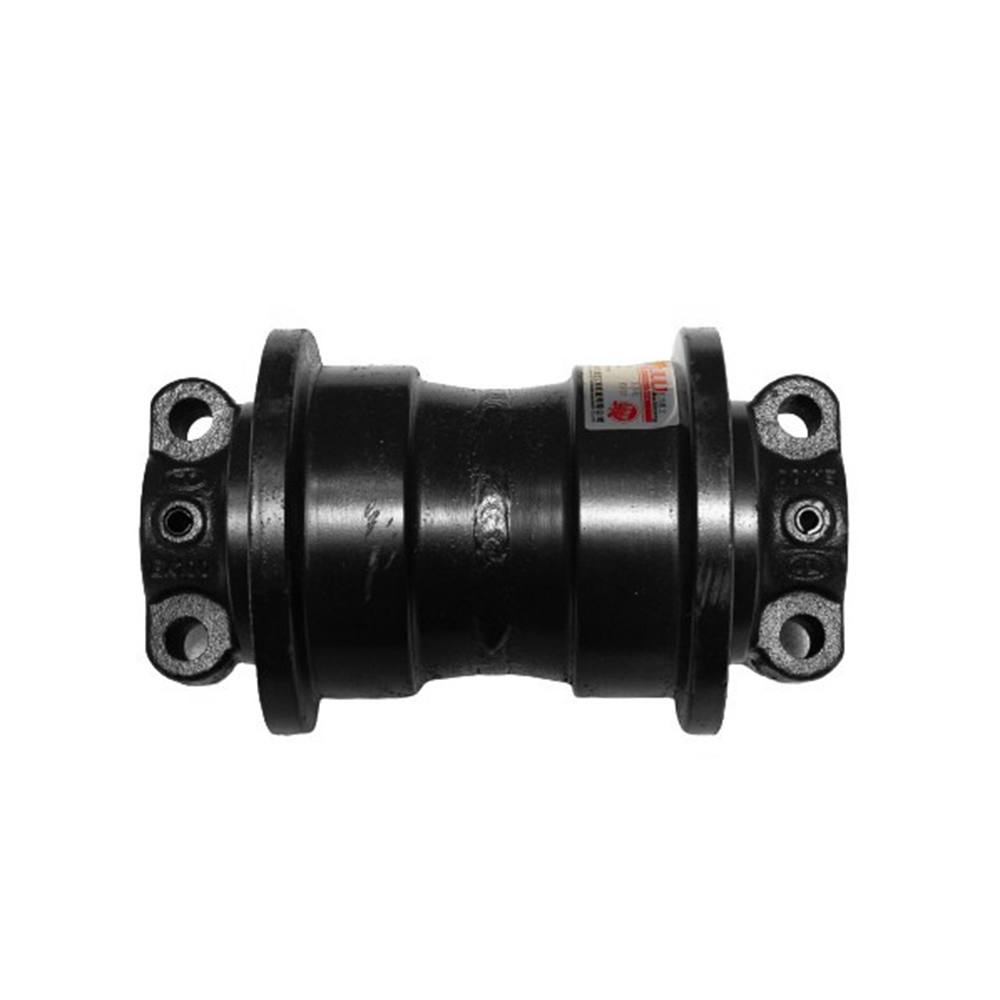
ມ້ວນຕິດຕາມບໍ່ແມ່ນກະບອກສູບທີ່ງ່າຍດາຍ. ມັນມີ flanges mounting, ເຈາະສູນກາງບ່ອນທີ່ bearings ແລະປະທັບຕາຢູ່, ແລະພື້ນທີ່ພັກຜ່ອນ. ລັກສະນະເຫຼົ່ານີ້ນໍາສະເຫນີສິ່ງທ້າທາຍສໍາລັບການແຕ້ມຮູບ. ພື້ນທີ່ທີ່ roller ຕິດຕໍ່ກັບລະບົບຕ່ອງໂສ້ຕິດຕາມຕ້ອງການການເຄືອບທີ່ເຂັ້ມແຂງ, ແຕ່ພື້ນຜິວທີ່ມີຄວາມແມ່ນຍໍາຂອງເຄື່ອງຈັກສໍາລັບການປະທັບຕາແລະລູກປືນຕ້ອງຍັງຄົງບໍ່ມີສີຫມົດ.
ນີ້ແມ່ນບ່ອນທີ່ຄວາມຊັດເຈນຂອງການຂຽນໂປລແກລມຫຸ່ນຍົນສ່ອງແສງ. ຫຸ່ນຍົນສາມາດໄດ້ຮັບການດໍາເນີນໂຄງການ:
- ການຫຼີກລ່ຽງການປິດບັງ: ຕິດຕາມຂອບຂອງພື້ນທີ່ປິດໜ້າກາກຢ່າງຊັດເຈນ, ການທາສີໃຫ້ຖືກຕ້ອງເຖິງເສັ້ນໂດຍບໍ່ຕ້ອງສີດໃສ່ພື້ນຜິວທີ່ຖືກປ້ອງກັນ. ນີ້ຫຼຸດຜ່ອນຫຼືລົບລ້າງຄວາມຕ້ອງການສໍາລັບການສໍາຜັດຄູ່ມືຫຼືການໂຍກຍ້າຍສີຫຼັງຈາກການປິ່ນປົວ.
- ການປັບມຸມ: ຫຸ່ນຍົນສາມາດປັບ "ຂໍ້ມື" ມຸມຂອງເຄື່ອງປະລໍາມະນູເພື່ອຮັກສາມັນຕັ້ງຂວາງກັບພື້ນຜິວ, ເຖິງ ແມ່ນ ວ່າ ໃນ ເວ ລາ ທີ່ ທາ ສີ radius ຂອງ flange ຫຼື ພາຍ ໃນ ຂອງ ເຈາະ ສູນ ກາງ. ນີ້ຮັບປະກັນການສ້າງຮູບເງົາຢູ່ໃນພື້ນທີ່ທີ່ມີຄວາມຫຍຸ້ງຍາກສໍາລັບນັກແຕ້ມມະນຸດທີ່ຈະສາມາດບັນລຸໄດ້ຢ່າງຕໍ່ເນື່ອງ.
- ການຄວບຄຸມຜົນກະທົບຕໍ່: ໂປຣແກຣມສາມາດເປີດ ແລະປິດປືນສີດໄດ້ດ້ວຍຄວາມແມ່ນຍໍາ millisecond, ເຕັກນິກທີ່ເອີ້ນວ່າ "ການກະຕຸ້ນ." ນີ້ອະນຸຍາດໃຫ້ຫຸ່ນຍົນສາມາດທາສີພາກສ່ວນສະເພາະໃນຂະນະທີ່ຂ້າມຄົນອື່ນ, ເຊັ່ນ: ການເປີດຢູ່ໃນ flanges ໄດ້, ຫຼຸດຜ່ອນການສີດຊ້ອນ ແລະສີເສຍ.
ການຂຽນໂປລແກລມສໍາລັບເລຂາຄະນິດທີ່ຊັບຊ້ອນເຫຼົ່ານີ້ແມ່ນຂະບວນການຊໍ້າກັນຂອງການຈໍາລອງ virtual ແລະການທົດສອບໂລກທີ່ແທ້ຈິງເພື່ອບັນລຸຄວາມສົມບູນແບບ., ປະສິດທິພາບ, ແລະການເຄືອບສໍາເລັດ.
ການພິຈາລະນາ 5: ການຄວບຄຸມສິ່ງແວດລ້ອມ ແລະການປ້ອງກັນການປົນເປື້ອນ
ການກະກຽມພາກສ່ວນທີ່ສົມບູນແບບ, ຫຸ່ນຍົນທີ່ເຫມາະສົມ, ແລະໂຄງການທີ່ບໍ່ມີຂໍ້ບົກພ່ອງທັງຫມົດສາມາດຖືກ rendered ບໍ່ມີຄ່າໂດຍຂີ້ຝຸ່ນຈຸດດຽວ. ສະພາບແວດລ້ອມຂອງສີຕົວມັນເອງແມ່ນຕົວແປທີ່ສໍາຄັນໃນສົມຜົນຂອງຄຸນນະພາບ. ເປົ້າໝາຍແມ່ນເພື່ອສ້າງສະພາບແວດລ້ອມຈຸນລະພາກທີ່ມີຕົວຕົນທີ່ເໝາະສົມສຳລັບການທາສີ ແລະ ປາສະຈາກສິ່ງປົນເປື້ອນພາຍນອກ.. ບູດທາສີບໍ່ພຽງແຕ່ເປັນກ່ອງເພື່ອບັນຈຸສີຊ້ອນ; ມັນເປັນການສິ້ນຊັບຊ້ອນຂອງວິສະວະກໍາສິ່ງແວດລ້ອມ. ໃນຂະບວນການແຕ້ມຮູບອັດຕະໂນມັດແບບ roller ລະດັບໂລກ, ການຄວບຄຸມສະພາບແວດລ້ອມນີ້ແມ່ນຢ່າງແທ້ຈິງ.
ບູດສີທີ່ມີຄວາມກົດດັນ: ເປັນປ້ອມຕ້ານການຜິດປົກກະຕິ
ການປ້ອງກັນຕົ້ນຕໍຕໍ່ກັບການປົນເປື້ອນທາງອາກາດແມ່ນ booth ສີ downdraft ຄວາມກົດດັນ. ນີ້ແມ່ນວິທີການເຮັດວຽກ:
- ຄວາມກົດດັນທາງບວກ: The booth's air handling system brings in more filtered air than it exhausts. ນີ້ສ້າງຄວາມກົດດັນທາງບວກເລັກນ້ອຍພາຍໃນບູດທີ່ກ່ຽວຂ້ອງກັບໂຮງງານອ້ອມຂ້າງ. ນີ້ຫມາຍຄວາມວ່າອາກາດແມ່ນສະເຫມີໄຫຼອອກຈາກຊ່ອງເປີດຂະຫນາດນ້ອຍ, ຮອຍແຕກ, ຫຼືຊ່ອງ conveyor, ປ້ອງກັນຂີ້ຝຸ່ນ ແລະ ຝຸ່ນຈາກໂຮງງານຢ່າງຫ້າວຫັນ.
- Downdraft Airflow: ສະອາດ, ອາກາດທີ່ກັ່ນຕອງຖືກນຳມາຜ່ານເພດານທີ່ແຜ່ກະຈາຍໄປທົ່ວສ່ວນເທິງຂອງບູດ ແລະ ໄຫຼຕາມແນວຕັ້ງລົງລຸ່ມ., ຄ້າຍຄືອ່ອນໂຍນ, ຜ້າມ່ານເອກະພາບ, ຫຼາຍກວ່າສ່ວນທີ່ຖືກທາສີ. ການໄຫຼລົງລຸ່ມນີ້ຈະຈັບເອົາອະນຸພາກທີ່ລົ້ນໄປມາ ແລະເອົາພວກມັນລົງໄປໃນບ່ອນເກັບມ້ຽນຂອງລະບາຍອາກາດທີ່ຖືກກັ່ນຕອງຢູ່ໃນພື້ນເຮືອນ.. ອັນນີ້ປ້ອງກັນການສີດຊ້ອນຈາກສ່ວນໜຶ່ງບໍ່ໃຫ້ລອຍໄປໃສ່ອີກສ່ວນໜຶ່ງ ແລະ ເຮັດໃຫ້ອາກາດຢູ່ອ້ອມແອ້ມຫຸ່ນຍົນ ແລະ ສ່ວນໜຶ່ງສະອາດເປັນພິເສດ..
ນີ້ຄວບຄຸມ, ກະແສລົມ laminar ເປັນສິ່ງຈໍາເປັນສໍາລັບການບັນລຸ "Class A" ສໍາເລັດ, ບໍ່ເສຍຄ່າຈາກ nibs, ຂີ້ຝຸ່ນ, ແລະຂໍ້ບົກພ່ອງທາງອາກາດອື່ນໆ. ຄວາມໄວຂອງອາກາດມີຄວາມສົມດູນກັນຢ່າງລະມັດລະວັງ—ໄວພໍທີ່ຈະເອົາສີດພົ່ນອອກໄດ້ຢ່າງມີປະສິດທິພາບ ແຕ່ບໍ່ໄວຫຼາຍຈົນທຳລາຍຮູບແບບການທາສີປະລໍາມະນູຈາກຫຸ່ນຍົນ..
ການກັ່ນຕອງອາກາດ, ອຸນຫະພູມ, ແລະການຄຸ້ມຄອງຄວາມຊຸ່ມຊື່ນ
ອາກາດທີ່ເຂົ້າໄປໃນຫ້ອງສີຕ້ອງສະອາດກວ່າອາກາດຢູ່ໃນຫ້ອງປະຕິບັດການຂອງໂຮງຫມໍ. ນີ້ແມ່ນບັນລຸໄດ້ໂດຍຜ່ານລະບົບການກັ່ນຕອງຫຼາຍຂັ້ນຕອນ. ການກັ່ນຕອງທາງສ່ວນຫນ້າຈະເກັບກໍາອະນຸພາກຂະຫນາດໃຫຍ່, ໃນຂະນະທີ່ຕົວກອງສຸດທ້າຍທີ່ມີປະສິດທິພາບສູງ, ເລື້ອຍໆ HEPA ເກຣດ, ເອົາອະນຸພາກລົງໃນລະດັບຍ່ອຍ micron.
ເຊັ່ນດຽວກັນກັບອຸນຫະພູມສີແມ່ນສໍາຄັນ, ດັ່ງນັ້ນອຸນຫະພູມແລະຄວາມຊຸ່ມຊື່ນຂອງອາກາດພາຍໃນບູດ.
- ການຄວບຄຸມອຸນຫະພູມ: ຮັກສາອຸນຫະພູມອາກາດທີ່ຫມັ້ນຄົງ (ຕົວຢ່າງ:, 22-24°C) helps to stabilize the evaporation rate of the paint's solvents or water. ຄວາມສອດຄ່ອງນີ້ປະກອບສ່ວນຕໍ່ການໄຫຼອອກແລະການປິ່ນປົວທີ່ຄາດເດົາໄດ້.
- ການຄວບຄຸມຄວາມຊຸ່ມຊື່ນ: ນີ້ເປັນສິ່ງສໍາຄັນໂດຍສະເພາະສໍາລັບສີນ້ໍາ. ຄວາມຊຸ່ມຊື່ນສູງສາມາດເຮັດໃຫ້ການລະເຫີຍຂອງນ້ໍາຊ້າລົງຢ່າງຫຼວງຫຼາຍຈາກຮູບເງົາສີ, ນໍາໄປສູ່ການ sags, ແລ່ນ, ແລະຂະຫຍາຍເວລາປິ່ນປົວ. ຄວາມຊຸ່ມຊື່ນຕໍ່າສາມາດເຮັດໃຫ້ສີແຫ້ງໄວເກີນໄປ, ສົ່ງຜົນໃຫ້ມີການໄຫຼອອກທີ່ບໍ່ດີແລະມີໂຄງສ້າງ "ປອກເປືອກສີສົ້ມ" ຮູບລັກສະນະ. ໜ່ວຍຄວບຄຸມອາກາດທີ່ເໝາະສົມຈະປະກອບມີຄວາມສາມາດໃນການລະບາຍຄວາມຊຸ່ມຊື່ນ ຫຼື ຄວາມຊຸ່ມຊື້ນ ເພື່ອຮັກສາຄວາມຊຸ່ມຊື່ນໃນແຖບແຄບ. (ຕົວຢ່າງ:, 50-65% RH). ສໍາລັບຜູ້ຜະລິດໃນສະພາບອາກາດທີ່ມີການປ່ຽນແປງສູງຂອງອາຟຣິກາຫຼືສະພາບອາກາດທີ່ຊຸ່ມຊື່ນຂອງຊາຍຝັ່ງອົດສະຕາລີ, ການຄວບຄຸມຄວາມຊຸ່ມຊື່ນບໍ່ແມ່ນຄວາມຫລູຫລາ; ມັນເປັນຄວາມຈໍາເປັນສໍາລັບຄຸນນະພາບທີ່ສອດຄ່ອງ.
ການຫຼຸດຜ່ອນ VOC ແລະການປະຕິບັດຕາມສິ່ງແວດລ້ອມ
ອາກາດທີ່ໝົດໄປຈາກຫ້ອງສີຈະພາເອົາຄວັນຂອງສານລະລາຍໄປນຳ (VOCs) ແລະທາສີ overspray ທີ່ຖືກຈັບໂດຍການໄຫຼລົງ. ລະບຽບການດ້ານສິ່ງແວດລ້ອມໃນທົ່ວໂລກ, ຈາກຣັດເຊຍໄປຍັງສ.ເກົາຫຼີ, ວາງຂອບເຂດຈໍາກັດຢ່າງເຂັ້ມງວດກ່ຽວກັບປະລິມານຂອງ VOCs ທີ່ສາມາດປ່ອຍອອກສູ່ບັນຍາກາດໄດ້. ເພາະສະນັ້ນ, ອາກາດສະຫາຍຕ້ອງໄດ້ຮັບການປິ່ນປົວ.
ການປ້ອງກັນເສັ້ນທໍາອິດແມ່ນຊຸດຂອງການກັ່ນຕອງຢຸດສີໃນຫ້ອງສະຫມຸດອາຍແກັສເພື່ອເກັບກໍາອະນຸພາກ overspray ແຂງ.. ຫຼັງຈາກນັ້ນ, ອາກາດທີ່ບັນຈຸສານລະລາຍເຂົ້າສູ່ລະບົບການຫຼຸດຜ່ອນ. ເຕັກໂນໂລຊີທົ່ວໄປທີ່ສຸດສໍາລັບການນີ້ແມ່ນ Regenerative Thermal Oxidizer (RTO). RTO ເປັນສິ່ງຈໍາເປັນເປັນເຕົາໄຟທີ່ມີອຸນຫະພູມສູງຫຼາຍ (ສູງກວ່າ 800°C) ທີ່ໃຊ້ຕຽງຂອງສື່ເຊລາມິກເພື່ອ preheat ອາກາດ solvent-laden ທີ່ເຂົ້າມາ. ຢູ່ໃນອຸນຫະພູມສູງເຫຼົ່ານີ້, VOCs ຖືກ oxidized (ຖືກໄຟໄຫມ້) ແລະປ່ຽນເປັນຄາບອນໄດອອກໄຊທີ່ບໍ່ເປັນອັນຕະລາຍ ແລະໄອນໍ້າ. "ການເກີດໃຫມ່" ສ່ວນຫນຶ່ງຂອງຊື່ແມ່ນມາຈາກຄວາມຈິງທີ່ວ່າຮ້ອນ, ອາກາດທີ່ສະອາດອອກຈາກຫ້ອງເຜົາໃຫມ້ແມ່ນໃຊ້ເພື່ອໃຫ້ຄວາມຮ້ອນຂອງຕຽງເຊລາມິກອື່ນ, ຊຶ່ງຫຼັງຈາກນັ້ນຈະຖືກນໍາໃຊ້ເພື່ອ preheat ວົງຈອນຕໍ່ໄປຂອງອາກາດເປື້ອນເຂົ້າມາ. ຂະບວນການນີ້ຟື້ນຕົວເຖິງ 97% ຂອງພະລັງງານຄວາມຮ້ອນ, ເຮັດໃຫ້ RTOs ເປັນວິທີການທີ່ມີປະສິດທິພາບສູງແລະມີປະສິດທິພາບດ້ານພະລັງງານສໍາລັບການປະຕິບັດຕາມສິ່ງແວດລ້ອມ.
ການພິຈາລະນາ 6: ການຄວບຄຸມຄຸນນະພາບແລະການວິເຄາະຂໍ້ບົກພ່ອງໃນສາຍອັດຕະໂນມັດ
ຄໍາສັນຍາຂອງອັດຕະໂນມັດແມ່ນພາກສ່ວນທີ່ສົມບູນແບບທຸກໆຄັ້ງ. ຄວາມຈິງແລ້ວແມ່ນວ່າເຖິງແມ່ນວ່າຢູ່ໃນລະບົບທີ່ຊັບຊ້ອນທີ່ສຸດ, deviations ສາມາດເກີດຂຶ້ນ. ທໍ່ຫົວສາມາດອຸດຕັນບາງສ່ວນ, ເຄື່ອງຄວບຄຸມຄວາມກົດດັນສາມາດລອຍໄດ້, ຫຼື batch ຂອງສີສາມາດອອກເລັກນ້ອຍຂອງສະເພາະ. ເພາະສະນັ້ນ, ການຄວບຄຸມຄຸນນະພາບທີ່ສົມບູນແບບ (QC) ຍຸດທະສາດບໍ່ໄດ້ຖືກລົບລ້າງໂດຍອັດຕະໂນມັດ; ແທນທີ່ຈະ, ມັນພັດທະນາ. ຈຸດສຸມປ່ຽນຈາກການກວດກາທຸກພາກສ່ວນສໍາລັບຄວາມຜິດພາດຂອງມະນຸດເພື່ອຕິດຕາມຂະບວນການສໍາລັບການ deviation ໃດໆຈາກລັດ optimized ຂອງຕົນ.. ເປົ້າຫມາຍແມ່ນເພື່ອຈັບ deviations ເຫຼົ່ານີ້ທັນທີ, ການປ້ອງກັນການຜະລິດຈໍານວນຫຼາຍຂອງພາກສ່ວນທີ່ບົກຜ່ອງ.
ການຕິດຕາມໃນຂະບວນການ: ຟິມຄວາມໜາ ແລະເຄື່ອງວັດແທກຟິມປຽກ
ການລໍຖ້າຈົນກ່ວາພາກສ່ວນໃດນຶ່ງໄດ້ຮັບການປິ່ນປົວຢ່າງສົມບູນເພື່ອຄົ້ນພົບບັນຫານັ້ນບໍ່ມີປະສິດທິພາບ. QC ທີ່ທັນສະໄຫມເນັ້ນຫນັກໃສ່ການຕິດຕາມໃນຂະບວນການ.
- ຄວາມຫນາຂອງຮູບເງົາປຽກ (WFT): ທັນທີຫຼັງຈາກສີ, ຄວາມຫນາຂອງຮູບເງົາສີປຽກສາມາດວັດແທກໄດ້. ອັນນີ້ສາມາດເຮັດໄດ້ດ້ວຍຕົນເອງດ້ວຍເຄື່ອງວັດ comb notched ງ່າຍດາຍສໍາລັບການກວດສອບຈຸດ. ລະບົບອັດຕະໂນມັດທີ່ກ້າວຫນ້າທາງດ້ານຫຼາຍສາມາດນໍາໃຊ້ເຊັນເຊີທີ່ບໍ່ມີການຕິດຕໍ່ (ເຊັ່ນ: ລະບົບ ultrasonic ຫຼື laser) ຕິດຕັ້ງຢູ່ໃນຫຸ່ນຍົນແຍກຕ່າງຫາກຫຼື gantry ຄົງທີ່ເພື່ອວັດແທກ WFT ອັດຕະໂນມັດໃນຈຸດສໍາຄັນຫຼາຍໃນ roller ຕິດຕາມ.. ຖ້າ WFT ບໍ່ສະເພາະ, ມັນຊີ້ໃຫ້ເຫັນບັນຫາກັບການໄຫຼຂອງສີ, ຄວາມໄວຫຸ່ນຍົນ, ຫຼືໄລຍະຫ່າງຂອງປືນທີ່ສາມາດແກ້ໄຂໄດ້ທັນທີ. WFT ແມ່ນຕົວຊີ້ວັດຊັ້ນນໍາໂດຍກົງຂອງຄວາມຫນາຂອງຮູບເງົາແຫ້ງສຸດທ້າຍ (DFT).
- ການຕິດຕາມພາລາມິເຕີຂະບວນການ: PLC ແລະ HMI ກໍາລັງຕິດຕາມຕົວແປຂະບວນການຫຼາຍຮ້ອຍຕົວຢ່າງຕໍ່ເນື່ອງໃນເວລາຈິງ: ຄວາມກົດດັນສີ, ອັດຕາການໄຫຼຂອງສີ, ຄວາມໄວກະດິ່ງ, ແຮງດັນໄຟຟ້າສະຖິດ, ອຸນຫະພູມເຕົາອົບ, ຄວາມໄວການໄຫຼຂອງອາກາດ, ແລະອື່ນໆອີກ. ສັນຍານເຕືອນສາມາດຖືກຕັ້ງໃຫ້ກະຕຸ້ນຖ້າພາລາມິເຕີໃດໆລອຍຢູ່ນອກປ່ອງຢ້ຽມທີ່ຍອມຮັບໄດ້, ແຈ້ງເຕືອນຜູ້ຄຸມງານກ່ຽວກັບບັນຫາທີ່ອາດຈະເກີດຂຶ້ນກ່ອນທີ່ມັນຈະສົ່ງຜົນທີ່ບໍ່ດີ.
ການກວດກາຫຼັງການປິ່ນປົວ: ການຍຶດຕິດ, ຄວາມແຂງ, ແລະການທົດສອບການກັດກ່ອນ
ເມື່ອສີຖືກປິ່ນປົວແລ້ວ, ແບດເຕີຣີຂອງການທົດສອບຖືກປະຕິບັດບົນພື້ນຖານທາງສະຖິຕິເພື່ອກວດສອບຄຸນນະພາບຂອງຜະລິດຕະພັນສຸດທ້າຍແລະຄວາມຫມັ້ນຄົງຂອງຂະບວນການ.. ການທົດສອບເຫຼົ່ານີ້ມັກຈະຖືກທໍາລາຍແລະຖືກປະຕິບັດຢູ່ໃນສ່ວນຕົວຢ່າງຫຼືກະດານທົດສອບທີ່ຜ່ານເສັ້ນ.
- ຄວາມຫນາຂອງຮູບເງົາແຫ້ງ (DFT): ນີ້ແມ່ນການກວດສອບ QC ພື້ນຖານທີ່ສຸດ. ຂະຫນາດນ້ອຍ, ເຄື່ອງວັດອີເລັກໂທຣນິກທີ່ບໍ່ ທຳ ລາຍໂດຍໃຊ້ແມ່ເຫຼັກ induction ຫຼືກະແສໄຟຟ້າຖືກ ນຳ ໃຊ້ເພື່ອວັດແທກຄວາມຫນາຂອງສີທີ່ຖືກຮັກສາ.. ການວັດແທກໄດ້ຖືກປະຕິບັດຢູ່ໃນຈຸດທີ່ກໍານົດໄວ້ຫຼາຍໃນ roller ເພື່ອຮັບປະກັນວ່າພາກສ່ວນທັງຫມົດຕອບສະຫນອງຂໍ້ກໍາຫນົດວິສະວະກໍາ (ຕົວຢ່າງ:, 80-120 ໄມຄຣອນ).
- ການທົດສອບການຍຶດຕິດ (ASTM D3359): ນີ້ແມ່ນການທົດສອບທີ່ສໍາຄັນເພື່ອຮັບປະກັນວ່າສີໄດ້ຖືກຜູກມັດຢ່າງຖືກຕ້ອງກັບຊັ້ນໃຕ້ດິນ. ວິທີການທົ່ວໄປທີ່ສຸດແມ່ນການທົດສອບຂ້າມ hatch. ມີດພິເສດໃຊ້ຕັດຕາຂ່າຍ 6×6 ຫຼື 11×11 ສີ່ຫລ່ຽມຜ່ານສີລົງໄປຫາເຫຼັກ. tape adhesive ພິເສດແມ່ນໄດ້ຖືກນໍາໃຊ້ຢ່າງຫນັກແຫນ້ນໃນຕາຂ່າຍໄຟຟ້າແລະຫຼັງຈາກນັ້ນດຶງອອກຢ່າງວ່ອງໄວ. ຈໍານວນສີທີ່ເອົາອອກຈາກຕາຂ່າຍໄຟຟ້າແມ່ນໄດ້ຖືກຈັດອັນດັບໃນລະດັບຈາກ 5B (ບໍ່ເອົາສີອອກ, adhesion ທີ່ສົມບູນແບບ) ເຖິງ 0B (ຫຼາຍກວ່າ 65% ເອົາອອກ, ຄວາມລົ້ມເຫຼວທີ່ສົມບູນ). ສໍາລັບພາກສ່ວນຄ້າຍຄື roller ຕິດຕາມ, ໂດຍທົ່ວໄປແລ້ວຈະຕ້ອງໃຫ້ຄະແນນ 5B ຫຼື 4B.
- ການທົດສອບຄວາມແຂງຂອງສໍ (ASTM D3363): This test measures the coating's resistance to scratching. ຊຸດຂອງດິນສໍທີ່ calibrated ຂອງຄວາມແຂງທີ່ແຕກຕ່າງກັນ (ຈາກ 6B, ອ່ອນຫຼາຍ, ເຖິງ 9H, ຍາກຫຼາຍ) ຖືກຍູ້ຂ້າມດ້ານໃນມຸມສະເພາະແລະຄວາມກົດດັນ. "ຄວາມແຂງຂອງ pencil" ຖືກກໍານົດວ່າເປັນດິນສໍທີ່ແຂງທີ່ສຸດທີ່ບໍ່ມີຮອຍຂີດຂ່ວນຫຼືລອກເອົາການເຄືອບ. ເປືອກຫຸ້ມນອກ polyurethane ທົນທານອາດຈະຖືກກໍານົດໃຫ້ມີຄວາມແຂງຂອງ 2H ຫຼືຫຼາຍກວ່ານັ້ນ.
- ການທົດສອບຄວາມຕ້ານທານຕໍ່ການກັດກ່ອນ (ASTM B117): ເພື່ອຈໍາລອງການປະຕິບັດໃນໄລຍະຍາວໃນສະພາບແວດລ້ອມທີ່ມີການກັດກ່ອນ, ຊິ້ນສ່ວນທີ່ຖືກທາສີຖືກວາງໄວ້ໃນຕູ້ສີດເກືອທີ່ຜະນຶກເຂົ້າກັນ. ຮ້ອນ, ການແກ້ໄຂປະລໍາມະນູຂອງ 5% ນ້ໍາເກືອໄດ້ຖືກສີດຢ່າງຕໍ່ເນື່ອງພາຍໃນຫ້ອງ, ສ້າງສະພາບແວດລ້ອມ corrosive ຮຸກຮານທີ່ສຸດ. ຊິ້ນສ່ວນຖືກປະໄວ້ຢູ່ໃນຫ້ອງສໍາລັບໄລຍະເວລາທີ່ກໍານົດໄວ້ (ຕົວຢ່າງ:, 500 ຊົ່ວໂມງຫຼື 1000 ຊົ່ວໂມງ) ແລະຫຼັງຈາກນັ້ນປະເມີນອາການຂອງ blistering, rusting, ຫຼື creepage ຂອງ rust ຈາກເຄື່ອງຫມາຍ scribe ເຮັດໃນການເຄືອບ. ການທົດສອບເລັ່ງນີ້ໃຫ້ຄວາມຫມັ້ນໃຈໃນຄວາມທົນທານໃນໄລຍະຍາວຂອງລະບົບການເຄືອບ. ຜົນໄດ້ຮັບຂອງການທົດສອບເຫຼົ່ານີ້ໃຫ້ຄໍາຄຶດຄໍາເຫັນທີ່ສໍາຄັນສໍາລັບການຮັບປະກັນການມີອາຍຸຍືນຂອງ rollers ຕິດຕາມຄຸນນະພາບສູງ.
AI-Powered Vision Systems ສໍາລັບການກວດຫາຂໍ້ບົກພ່ອງໃນເວລາຈິງ
ການຕັດແຂບຂອງ QC ໃນການແຕ້ມຮູບອັດຕະໂນມັດແມ່ນການເຊື່ອມໂຍງຂອງປັນຍາປະດິດ (AI) ແລະວິໄສທັດຂອງເຄື່ອງຈັກ. ກ້ອງຖ່າຍຮູບທີ່ມີຄວາມລະອຽດສູງແມ່ນຖືກຈັດໃສ່ຢູ່ໃນຫ້ອງສີຫຼືຢູ່ທາງອອກຂອງເຕົາອົບ. ກ້ອງຖ່າຍຮູບເຫຼົ່ານີ້ບັນທຶກຮູບພາບຂອງທຸກພາກສ່ວນທີ່ເຂົ້າມາໂດຍຜ່ານເສັ້ນ. ຮູບແບບ AI ປີ, ທີ່ໄດ້ຮັບການຝຶກອົບຮົມຫຼາຍພັນຮູບພາບຂອງ "ດີ" ຊິ້ນສ່ວນແລະສ່ວນທີ່ມີຂໍ້ບົກພ່ອງສະເພາະ (ນ້ຳຕົກ, sags, craters, ຝຸ່ນ), ວິເຄາະຮູບພາບເຫຼົ່ານີ້ໃນເວລາຈິງ.
ຖ້າ AI ກວດພົບຂໍ້ບົກພ່ອງ, ມັນທັນທີສາມາດທຸງພາກສ່ວນສໍາລັບການປະຕິເສດຫຼື rework ແລະ, ສໍາຄັນກວ່າ, ສາມາດເຊື່ອມໂຍງຂໍ້ບົກພ່ອງກັບຂໍ້ມູນຂະບວນການ. ຕົວຢ່າງ, ຖ້າມັນເລີ່ມກວດພົບຊຸດຂອງ sags ໃນ flange ຕ່ໍາຂອງ rollers ໄດ້, ມັນອາດຈະກ່ຽວຂ້ອງກັບເລື່ອງນີ້ກັບການຫຼຸດລົງເລັກນ້ອຍຂອງຄວາມຫນືດຂອງສີທີ່ເກີດຂຶ້ນນາທີກ່ອນຫນ້ານີ້. ນີ້ອະນຸຍາດໃຫ້ລະບົບບໍ່ພຽງແຕ່ກວດພົບບັນຫາແຕ່ເພື່ອເລີ່ມຕົ້ນການວິນິດໄສສາເຫດຮາກຂອງພວກເຂົາ, ການເຄື່ອນຍ້າຍຈາກການຄວບຄຸມຄຸນນະພາບງ່າຍດາຍໄປສູ່ການຄວບຄຸມຂະບວນການອັດສະລິຍະ.
ການພິຈາລະນາ 7: ບໍາລຸງຮັກສາ, ຄວາມປອດໄພ, ແລະການພິສູດໃນອະນາຄົດ
ສາຍສີອັດຕະໂນມັດແມ່ນລະບົບນິເວດທີ່ສັບສົນຂອງກົນຈັກ, ໄຟຟ້າ, ແລະລະບົບເຄມີ. ການບໍ່ສົນໃຈຄວາມຈໍາເປັນຂອງມັນສໍາລັບການດູແລປົກກະຕິແມ່ນເສັ້ນທາງໂດຍກົງຕໍ່ການຢຸດເຊົາຄ່າໃຊ້ຈ່າຍ, ຄຸນນະພາບຫຼຸດລົງ, ແລະອັນຕະລາຍດ້ານຄວາມປອດໄພທີ່ອາດຈະເກີດຂຶ້ນ. ວິທີການທີ່ຫ້າວຫັນໃນການບໍາລຸງຮັກສາ, ວັດທະນະທໍາຄວາມປອດໄພທີ່ຝັງເລິກ, ແລະຍຸດທະສາດທີ່ມີຄວາມຫວັງໃນການຍົກລະດັບເຕັກໂນໂລຊີເປັນເສົາຄ້ຳສຸດທ້າຍທີ່ສະໜັບສະໜູນການດຳເນີນງານທີ່ປະສົບຜົນສຳເລັດ ແລະ ຍືນຍົງ.. ການລົງທຶນໃນລະບົບບໍ່ສິ້ນສຸດໃນມື້ຂອງຄະນະກໍາມະການ; ມັນເປັນຄໍາຫມັ້ນສັນຍາຢ່າງຕໍ່ເນື່ອງ.
ຕາຕະລາງການບໍາລຸງຮັກສາປ້ອງກັນສໍາລັບລະບົບຫຸ່ນຍົນ
ຫຸ່ນຍົນອາດຈະບໍ່ເມື່ອຍ, ແຕ່ອົງປະກອບຂອງມັນອ່ອນເພຍ. ການຮັກສາປ້ອງກັນ (ນ) ໂຄງການແມ່ນຕາຕະລາງທີ່ມີໂຄງສ້າງຂອງການກວດສອບ, ອະນາໄມ, ນໍ້າມັນເຄື່ອງ, ແລະການທົດແທນຊິ້ນສ່ວນທີ່ຖືກອອກແບບເພື່ອປ້ອງກັນຄວາມລົ້ມເຫລວກ່ອນທີ່ມັນຈະເກີດຂຶ້ນ. ຕາຕະລາງ PM ປົກກະຕິສໍາລັບຫຸ່ນຍົນການແຕ້ມຮູບຈະປະກອບມີ:
- ກວດປະຈໍາວັນ: ການກວດກາສາຍຕາຂອງທໍ່ສວມໃສ່, ກວດເບິ່ງເຄື່ອງປະລໍາມະນູສໍາລັບຄວາມສະອາດ, ກວດສອບເຊັນເຊີຄວາມປອດໄພເຮັດວຽກໄດ້.
- ວຽກປະຈຳອາທິດ: ເຮັດຄວາມສະອາດແຂນຫຸ່ນຍົນແລະຖານ, ກວດເບິ່ງລະດັບນໍ້າໃນກ່ອງເກຍ, ສໍາຮອງຂໍ້ມູນໂຄງການຫຸ່ນຍົນ.
- ວຽກປະຈຳເດືອນ/ໄຕມາດ: lubricating joints ແລະ bearings, ການປ່ຽນແປງການກັ່ນຕອງໃນສາຍສີແລະອາກາດ, inspecting the robot's wrist assembly for wear.
- ການບໍລິການປະຈໍາປີ: ການບໍລິການທີ່ເລິກເຊິ່ງກວ່າ, often performed by the robot manufacturer's technicians, ເຊິ່ງອາດຮວມເຖິງການປ່ຽນເຄື່ອງສວມໃສ່ເຊັ່ນ: ປະທັບຕາ ແລະປະກາສ, re-greasing harmonic drives, and recalibrating the robot's positional accuracy.
ເຊັ່ນດຽວກັນ, ທຸກໆອົງປະກອບອື່ນໆໃນສາຍ, from the conveyor chain to the oven burners to the RTO's ceramic media, ຕ້ອງມີຕາຕະລາງ PM ຂອງຕົນເອງ. ວິທີການທີ່ມີວິໄນນີ້ຫຼຸດຜ່ອນການລະລາຍທີ່ບໍ່ຄາດຄິດແລະເຮັດໃຫ້ແນ່ໃຈວ່າຂະບວນການການແຕ້ມຮູບແບບອັດຕະໂນມັດ roller ແລ່ນກັບຄວາມເຊື່ອຖືໄດ້ຖືກອອກແບບສໍາລັບການ..
ອະນຸສັນຍາຄວາມປອດໄພ: Interlocks, E-Stops, ແລະການພິສູດການລະເບີດ
ບູດທາສີແມ່ນສະພາບແວດລ້ອມທີ່ເປັນອັນຕະລາຍໂດຍທໍາມະຊາດ. ການປະສົມປະສານຂອງສານລະລາຍໄວໄຟ, electrostatics ແຮງດັນສູງ, ແລະມີອໍານາດ, ເຄື່ອງຈັກຄວາມໄວສູງສ້າງຄວາມສ່ຽງຕໍ່ການເກີດໄຟໄຫມ້ຢ່າງຫຼວງຫຼາຍ, ການລະເບີດ, ແລະການບາດເຈັບ. ຄວາມປອດໄພບໍ່ສາມາດເປັນຄວາມຄິດຫຼັງ; ມັນຕ້ອງໄດ້ຮັບການອອກແບບເຂົ້າໄປໃນລະບົບຈາກພື້ນດິນຂຶ້ນ.
- ຫຼັກຖານສະແດງການລະເບີດ: ອົງປະກອບໄຟຟ້າທັງໝົດພາຍໃນຫ້ອງສີ—ໄຟ, ມໍເຕີ, ເຊັນເຊີ, ແລະຫຸ່ນຍົນຕົວມັນເອງ—ຕ້ອງ “ປອດໄພພາຍໃນ" ຫຼື "ການລະເບີດ." ນີ້ ໝາຍ ຄວາມວ່າພວກມັນຖືກອອກແບບໃນແບບທີ່ພວກມັນບໍ່ສາມາດສ້າງປະກາຍທີ່ສາມາດເຜົາຜານຄວັນຂອງສານລະລາຍໄດ້.
- Interlocks: ປະຕູເຂົ້າໃສ່ຕູ້ສີແມ່ນຕິດຕັ້ງດ້ວຍຕົວລັອກດ້ານຄວາມປອດໄພ. ຖ້າປະຕູຖືກເປີດໃນຂະນະທີ່ລະບົບຢູ່ໃນໂໝດອັດຕະໂນມັດ, ຫຸ່ນຍົນຈະຢຸດທັນທີ, ແລະແຮງດັນສູງຈະຖືກປິດ. ລະບົບບໍ່ສາມາດເລີ່ມຕົ້ນໃຫມ່ໄດ້ຈົນກ່ວາປະຕູປິດແລະລໍາດັບການເລີ່ມຕົ້ນໃຫມ່.
- ການຢຸດສຸກເສີນ (E-Stops): ສີແດງ, ປຸ່ມ E-Stop ຫົວເຫັດແມ່ນຕັ້ງຢູ່ໃນທຸກສະຖານີປະຕິບັດການ ແລະຢູ່ຈຸດສຳຄັນອ້ອມສາຍ. ການກົດ E-Stop ໃດໆກໍຕາມຈະຢຸດການເຄື່ອນໄຫວອັນຕະລາຍທັງໝົດໃນທັນທີ.
- ການສະກັດກັ້ນໄຟ: ຕູ້ສີອັດຕະໂນມັດມີລະບົບກວດຈັບໄຟ (ເຊັນເຊີ UV/IR) ແລະລະບົບສະກັດກັ້ນໄຟແບບປະສົມປະສານ, ເຊິ່ງສາມາດນໍ້າຖ້ວມ booth ຢ່າງໄວວາດ້ວຍສານສະກັດກັ້ນເຊັ່ນ CO2 ໃນກໍລະນີທີ່ເກີດໄຟໄຫມ້.
ການຝຶກອົບຮົມທີ່ສົມບູນແບບສໍາລັບບຸກຄະລາກອນທັງຫມົດກ່ຽວກັບລະບົບຄວາມປອດໄພເຫຼົ່ານີ້ແລະຂັ້ນຕອນການສຸກເສີນແມ່ນບໍ່ສາມາດຕໍ່ລອງໄດ້.
ເສັ້ນທາງໄປສູ່ອຸດສາຫະກໍາ 4.0: ການວິເຄາະຂໍ້ມູນແລະການຮັກສາການຄາດເດົາ
ອະນາຄົດຂອງການຜະລິດອັດຕະໂນມັດແມ່ນຢູ່ໃນການນໍາໃຊ້ຂໍ້ມູນອັດສະລິຍະ. ເສັ້ນສີອັດຕະໂນມັດທີ່ທັນສະໄຫມສ້າງຂໍ້ມູນຈໍານວນຫຼວງຫຼາຍໃນທຸກໆວິນາທີ. ຫຼັກການຂອງອຸດສາຫະກໍາ 4.0 ມີສ່ວນຮ່ວມໃນການນຳໃຊ້ຂໍ້ມູນນີ້ເພື່ອສ້າງສະຫຼາດຂຶ້ນ, ໂຮງງານຜະລິດການປັບແຕ່ງຕົນເອງ.
- ການວິເຄາະຂໍ້ມູນ: ແທນທີ່ຈະເປັນຕາຕົກໃຈເມື່ອພາຣາມິເຕີອອກຈາກສະເປັກ, ແພລະຕະຟອມການວິເຄາະແບບພິເສດສາມາດກໍານົດທ່າອ່ຽງແລະຄວາມສໍາພັນທີ່ອ່ອນໂຍນໃນໄລຍະເວລາ. ຕົວຢ່າງ, the system might learn that a gradual increase in the robot's motor current on Axis 4, ບວກກັບການເພີ່ມຂຶ້ນຂອງການສັ່ນສະເທືອນເລັກນ້ອຍທີ່ກວດພົບໂດຍເຊັນເຊີ, ແມ່ນຕົວຊີ້ວັດຊັ້ນນໍາທີ່ກ່ອງເກຍກໍາລັງເລີ່ມລົ້ມເຫລວ.
- ການຮັກສາການຄາດເດົາ (PdM): ນີ້ແມ່ນວິວັດການຂອງການບໍາລຸງຮັກສາປ້ອງກັນ. ແທນທີ່ຈະປ່ຽນແທນສ່ວນຫນຶ່ງໃນກໍານົດເວລາທີ່ກໍານົດໄວ້, PdM ໃຊ້ການວິເຄາະຂໍ້ມູນເພື່ອຄາດເດົາວ່າເມື່ອໃດທີ່ອົງປະກອບຈະລົ້ມເຫລວແລະຫຼັງຈາກນັ້ນກໍານົດເວລາການບໍາລຸງຮັກສາກ່ອນທີ່ມັນຈະເກີດຂຶ້ນ.. ນີ້ເຮັດໃຫ້ຊີວິດຂອງແຕ່ລະອົງປະກອບສູງສຸດ, ຫຼຸດຜ່ອນຄ່າໃຊ້ຈ່າຍໃນການບໍາລຸງຮັກສາ, ແລະປ້ອງກັນການຢຸດເຮັດວຽກທີ່ບໍ່ໄດ້ກຳນົດເວລາ.
- ການເຊື່ອມໂຍງຄູ່ແຝດດິຈິຕອນ: The OLP software's digital twin can be connected to the real-time data from the factory floor. ນີ້ອະນຸຍາດໃຫ້ວິສະວະກອນທົດສອບການປ່ຽນແປງຂະບວນການຫຼືແກ້ໄຂບັນຫາໃນໂລກ virtual ໂດຍໃຊ້ຂໍ້ມູນສົດ, ກ່ອນທີ່ຈະປະຕິບັດໃຫ້ເຂົາເຈົ້າໃນສາຍການຜະລິດທີ່ແທ້ຈິງ.
ໂດຍການຮັບເອົາແນວຄວາມຄິດເຫຼົ່ານີ້, ຜູ້ຜະລິດສາມາດພິສູດການລົງທຶນຂອງພວກເຂົາໃນອະນາຄົດ, ການຫັນປ່ຽນຂະບວນການສີອັດຕະໂນມັດ roller ຕິດຕາມຂອງເຂົາເຈົ້າຈາກຊຸດຄໍາແນະນໍາແບບຄົງທີ່ເຂົ້າໄປໃນແບບເຄື່ອນໄຫວ, ລະບົບການຮຽນຮູ້ທີ່ປັບປຸງປະສິດທິພາບຂອງຕົນເອງຢ່າງຕໍ່ເນື່ອງ, ຄຸນນະພາບ, ແລະຄວາມຫນ້າເຊື່ອຖື. ນີ້ແມ່ນເປົ້າຫມາຍສຸດທ້າຍຂອງອັດຕະໂນມັດໃນສະຕະວັດທີ 21.
ຄໍາຖາມທີ່ຖາມເລື້ອຍໆ (FAQ)
ຜົນຕອບແທນປົກກະຕິຂອງການລົງທຶນແມ່ນຫຍັງ (ROI) ສໍາລັບຂະບວນການສີອັດຕະໂນມັດ roller ຕິດຕາມ?
ROI ສໍາລັບລະບົບສີອັດຕະໂນມັດໂດຍປົກກະຕິແມ່ນຕັ້ງແຕ່ 18 ກັບ 36 ເດືອນ. ອັນນີ້ແມ່ນຂຶ້ນກັບປັດໃຈຕ່າງໆເຊັ່ນ: ຄ່າແຮງງານໃນທ້ອງຖິ່ນ, ການນໍາໃຊ້ສີໃນປັດຈຸບັນ, ປະລິມານການຜະລິດ, ແລະຄ່າໃຊ້ຈ່າຍເບື້ອງຕົ້ນຂອງລະບົບ. ຜູ້ຂັບຂີ່ຕົ້ນຕໍສໍາລັບການກັບຄືນແມ່ນການຫຼຸດຜ່ອນການບໍລິໂພກສີຢ່າງຫຼວງຫຼາຍ (ເນື່ອງຈາກປະສິດທິພາບການໂອນສູງ), ຄ່າໃຊ້ຈ່າຍແຮງງານຕ່ໍາ, ຜ່ານການເພີ່ມຂຶ້ນ, ແລະ ຫຼຸດ ລົງ ຢ່າງ ຫຼວງ ຫຼາຍ rework ແລະ ການ ຮຽກ ຮ້ອງ ການ ຮັບ ປະ ກັນ ທີ່ ກ່ຽວ ຂ້ອງ ກັບ ຄວາມ ລົ້ມ ເຫຼວ ຂອງ ການ ເຄືອບ.
ມັນມີຄວາມຫຍຸ້ງຍາກຫຼາຍປານໃດທີ່ຈະດໍາເນີນໂຄງການຫຸ່ນຍົນສໍາລັບຮູບແບບ roller ຕິດຕາມໃຫມ່?
ດ້ວຍໂປຣແກມ Offline ທີ່ທັນສະໄໝ (PLO) ຊອບແວ, ການຂຽນໂປລແກລມສໍາລັບພາກສ່ວນໃຫມ່ແມ່ນງ່າຍແລະໄວກວ່າວິທີການແບບດັ້ງເດີມຢ່າງຫຼວງຫຼາຍ. ຖ້າມີຮູບແບບ 3D CAD ຂອງ roller ຕິດຕາມໃຫມ່, ຜູ້ຂຽນໂປລແກລມສາມາດສ້າງແລະຈໍາລອງເສັ້ນທາງການແຕ້ມຮູບໃນສະພາບແວດລ້ອມ virtual ໃນສອງສາມຊົ່ວໂມງ, ໂດຍບໍ່ເຄີຍຢຸດສາຍການຜະລິດ. ໂຄງການສຸດທ້າຍອາດຈະຮຽກຮ້ອງໃຫ້ມີການສໍາພັດເລັກນ້ອຍກ່ຽວກັບຫຸ່ນຍົນທີ່ແທ້ຈິງ, ແຕ່ສ່ວນໃຫຍ່ຂອງວຽກແມ່ນເຮັດແບບອອບໄລນ໌, ເຮັດໃຫ້ການນໍາສະເຫນີພາກສ່ວນໃຫມ່ປະສິດທິພາບສູງ.
ສາຍອັດຕະໂນມັດສາມາດຈັດການຂະຫນາດທີ່ແຕກຕ່າງກັນຂອງ rollers ຕິດຕາມ?
ແມ່ນແລ້ວ. ສາຍອັດຕະໂນມັດຖືກອອກແບບມາເພື່ອຄວາມຍືດຫຍຸ່ນ. ລະບົບສາມາດໃຊ້ເຊັນເຊີໄດ້ (ເຊັ່ນ: ລະບົບວິໄສທັດ ຫຼືເຄື່ອງສະແກນເລເຊີ) ເພື່ອກໍານົດອັດຕະໂນມັດຮູບແບບສະເພາະຂອງ roller ຕິດຕາມທີ່ເຂົ້າມາໃນບູດ. ຈາກນັ້ນແມ່ບົດ PLC ຈະສັ່ງໃຫ້ຫຸ່ນຍົນແລ່ນເສັ້ນທາງສີທີ່ຕັ້ງໄວ້ກ່ອນໂຄງການທີ່ສອດຄ້ອງກັນສໍາລັບຮູບແບບສະເພາະນັ້ນ.. ລະບົບສາມາດປ່ຽນລະຫວ່າງຂະຫນາດສ່ວນທີ່ແຕກຕ່າງກັນແລະເລຂາຄະນິດໃນການບິນໂດຍບໍ່ມີການແຊກແຊງຄູ່ມືໃດໆ.
ແມ່ນຫຍັງທີ່ເປັນຂໍ້ບົກພ່ອງທົ່ວໄປທີ່ສຸດໃນຂະບວນການສີອັດຕະໂນມັດແລະວິທີການແກ້ໄຂ?
ຂໍ້ບົກພ່ອງທີ່ພົບເລື້ອຍທີ່ສຸດແມ່ນກ່ຽວຂ້ອງກັບການລອຍລົມຂອງຂະບວນການ. "ປອກເປືອກສີສົ້ມ" (ດ້ານໂຄງສ້າງ) ສາມາດເກີດຈາກຄວາມຫນືດຂອງສີສູງເກີນໄປຫຼືປະລໍາມະນູທີ່ບໍ່ເຫມາະສົມ. "ຊາກ" ຫຼື "ແລ່ນ" ແມ່ນເກີດມາຈາກການໃສ່ສີຫຼາຍເກີນໄປຫຼືມີຄວາມຫນືດຕ່ໍາເກີນໄປ. "ຂຸມຝັງສົບ" ຫຼື "fisheyes" ປົກກະຕິແລ້ວແມ່ນເກີດມາຈາກການປົນເປື້ອນ (ມັກຈະເປັນນ້ໍາມັນຫຼືຊິລິໂຄນ) ຢູ່ເທິງພື້ນຜິວສ່ວນຫຼືໃນການສະຫນອງອາກາດທີ່ຖືກບີບອັດ. ເຫຼົ່ານີ້ແມ່ນໄດ້ແກ້ໄຂໂດຍການຄວບຄຸມຢ່າງເຂັ້ມງວດຂະບວນການກ່ອນການປິ່ນປົວ, ຮັກສາອຸນຫະພູມສີທີ່ຊັດເຈນແລະຄວາມຫນືດ, ແລະຮັບປະກັນຄວາມສະອາດຢ່າງລະມັດລະວັງຂອງບູດແລະການສະຫນອງອາກາດ.
ແມ່ນການເຄືອບຝຸ່ນສະເຫມີດີກວ່າສີຂອງແຫຼວສໍາລັບມ້ວນຕິດຕາມ?
ບໍ່ຈໍາເປັນ. ການເຄືອບຜົງໃຫ້ຄວາມທົນທານພິເສດແລະການຕໍ່ຕ້ານການຂັດ, ເຊິ່ງແມ່ນເຫມາະສົມສໍາລັບ roller ຕິດຕາມ. ມັນຍັງມີສູນ VOCs. ແນວໃດກໍ່ຕາມ, ຂະບວນການດັ່ງກ່າວຮຽກຮ້ອງໃຫ້ມີການລົງທຶນຢ່າງຫຼວງຫຼາຍໃນເຕົາອົບແລະສາມາດມີປະສິດທິພາບຫນ້ອຍສໍາລັບຮູບຮ່າງທີ່ສັບສົນຫຼືເມື່ອຕ້ອງການປ່ຽນສີເລື້ອຍໆ.. ການເຄືອບຂອງແຫຼວປະສິດທິພາບສູງ, ເຊັ່ນ polyurethanes ສອງອົງປະກອບ, ສາມາດສະຫນອງການປົກປັກຮັກສາ corrosion ປຽບທຽບແລະການສໍາເລັດຮູບ smoother. The best choice depends on a manufacturer's specific priorities regarding durability, ການປະຕິບັດຕາມສິ່ງແວດລ້ອມ, ຄວາມຍືດຫຍຸ່ນໃນການດໍາເນີນງານ, ແລະຄ່າໃຊ້ຈ່າຍ.
ສະຫຼຸບ
ການເດີນທາງຂອງ roller ຕິດຕາມຈາກເຫຼັກດິບ forging ກັບສໍາເລັດຮູບ, ອົງປະກອບຄວາມຢືດຢຸ່ນແມ່ນຫຼັກຖານສະແດງເຖິງຄວາມສາມາດໃນການຜະລິດທີ່ທັນສະໄຫມ. ຂະບວນການແຕ້ມຮູບອັດຕະໂນມັດແບບມ້ວນມ້ວນແມ່ນເປັນຂັ້ນຕອນສໍາຄັນໃນການເດີນທາງນີ້, ການສັງເຄາະທີ່ຊັບຊ້ອນຂອງວິທະຍາສາດວັດສະດຸ, ຫຸ່ນຍົນ, ແລະວິສະວະກໍາເຄມີ. ມັນເປັນຂະບວນການທີ່ຍ້າຍນອກເຫນືອການນໍາໃຊ້ພຽງແຕ່ຂອງສີ, ການປິ່ນປົວການເຄືອບເປັນສ່ວນປະກອບ, ອົງປະກອບວິສະວະກໍາຂອງຜະລິດຕະພັນສຸດທ້າຍ. ໂດຍການແກ້ໄຂການພິຈາລະນາຫຼັກທີ່ເປັນລະບົບ - ຈາກຄວາມສໍາຄັນພື້ນຖານຂອງການປິ່ນປົວກ່ອນການປິ່ນປົວໄປສູ່ອະນາຄົດທີ່ສະຫຼາດຂອງການບໍາລຸງຮັກສາທີ່ອີງໃສ່ຂໍ້ມູນ - ຜູ້ຜະລິດສາມາດຍົກລະດັບການຜະລິດຂອງເຂົາເຈົ້າຈາກສິລະປະຫັດຖະກໍາໄປສູ່ວິທະຍາສາດທີ່ເຮັດຊ້ໍາໄດ້..
ການປະຕິບັດລະບົບດັ່ງກ່າວເປັນການປະຕິບັດທີ່ສໍາຄັນ, ທຶນທີ່ຕ້ອງການ, ຄວາມຊໍານານ, ແລະຄໍາຫມັ້ນສັນຍາໃນການຄວບຄຸມຂະບວນການ. ທັນ, ລາງວັນແມ່ນມີຄວາມສໍາຄັນເທົ່າທຽມກັນ. ຄວາມສອດຄ່ອງຂອງລະບົບອັດຕະໂນມັດເຮັດໃຫ້ຜະລິດຕະພັນທີ່ມີການຄາດເດົາ, ປັບປຸງຄວາມທົນທານ, ຫຼຸດຜ່ອນຄວາມລົ້ມເຫລວໃນພາກສະຫນາມແລະສ້າງຄວາມເຂັ້ມແຂງຊື່ສຽງຂອງຍີ່ຫໍ້ໃນຕະຫຼາດໂລກທີ່ມີການແຂ່ງຂັນ. ປະສິດທິພາບໄດ້ຮັບຜົນປະໂຫຍດທາງດ້ານວັດຖຸ ແລະແຮງງານ, ຄຽງຄູ່ກັບການປະຕິບັດຕາມສິ່ງແວດລ້ອມ, ສ້າງກໍລະນີທາງດ້ານເສດຖະກິດ ແລະຈັນຍາບັນ. ສໍາລັບຜູ້ສະຫນອງຊິ້ນສ່ວນເຄື່ອງຈັກຫນັກໃດໆທີ່ມີຈຸດປະສົງເພື່ອແຂ່ງຂັນແລະນໍາພາໃນ 2025 ແລະນອກເຫນືອການ, mastering ຫຼັກການຂອງການສໍາເລັດຮູບອັດຕະໂນມັດແມ່ນບໍ່ພຽງແຕ່ທາງເລືອກສໍາລັບການປັບປຸງ; ມັນເປັນຄວາມຕ້ອງການພື້ນຖານສໍາລັບຄວາມເປັນເລີດ. ບໍ່ມີຂໍ້ບົກພ່ອງ, ການເຄືອບເອກະພາບໃນມ້ວນຕິດຕາມແມ່ນຫຼາຍກ່ວາພຽງແຕ່ຊັ້ນຂອງສີ; ມັນເປັນລາຍເຊັນທີ່ເຫັນໄດ້ຊັດເຈນຂອງຄໍາຫມັ້ນສັນຍາກັບຄຸນນະພາບທີ່ແລ່ນເລິກເຂົ້າໄປໃນຫົວໃຈຂອງຂະບວນການຜະລິດ.
ເອກະສານອ້າງອີງ
BigRentz. (2023, ຕຸລາ 24). ປະເພດ Bulldozer, ພາກສ່ວນແລະການນໍາໃຊ້ຂອງເຂົາເຈົ້າ: ຄູ່ມືເຕັມ. BigRentz. https://www.bigrentz.com/blog/bulldozer-types
ເຫຼົ່ານັ້ນ, ຄ., ບາຣອນ, ຈ. ຣ., ຮຽວ, ຄ., Knaack, ງ., & ໂຮງງານ, ປ. (2004). ຄໍາສັບຂອງໂພລີເມີແລະຂະບວນການ polymerization ໃນລະບົບກະແຈກກະຈາຍ (ຄໍາແນະນໍາຂອງ IUPAC 2004). ເຄມີບໍລິສຸດແລະນໍາໃຊ້, 76(4), 889–906. https://doi.org/10.1351/pac200476040889
ດີທີ່ສຸດ, ຣ., & Mirabedini, ສ. ມ. (2014). ບົດບາດຂອງເຄມີພື້ນຜິວ ແລະ morphology ໃນການປະຕິບັດການຍຶດຕິດແລະການກັດກ່ອນຂອງການເຄືອບ polyester / melamine ເທິງອາລູມິນຽມ substrate. ວາລະສານຂອງເຕັກໂນໂລຊີການເຄືອບແລະການຄົ້ນຄວ້າ, 11(6), 889– 897. https://doi.org/10.1007/s11998-014-9596-7
ມິສຣາ, ກ. ຄ., & ຢິກ, ສ. (2009). ການເຄືອບຜົງສໍາລັບການປ້ອງກັນ corrosion. ໃນ S. ຄ. ມິດທາລ (Ed.), ການເຄືອບແລະການຍຶດຕິດ (pp. 1-42). Scrivener Publishing.
ມູລເລີ, ຂ., & ໂພທ, U. (2011). ສູດການເຄືອບ: ປຶ້ມແບບຮຽນສາກົນ. ເຄືອຂ່າຍ Vincentz.
Reanod International Network Technology Co., Ltd. (2025, ມີນາ 26). ພາກສ່ວນທີ່ສໍາຄັນຂອງ bulldozer ແລະຫນ້າທີ່ຂອງເຂົາເຈົ້າ. HBXG Dozer. https://www.hbxgdozer.com/news/essential-parts-of-a-bulldozer-and-their-functions.html
Schmid, ສ. ຣ., & ກາລະປາຈຽນ, ສ. (2020). ວິສະວະກໍາການຜະລິດແລະເຕັກໂນໂລຢີ (8ທີ ed.). Pearson.
Shanbo Dozer. (2025, ເດືອນກຸມພາ 19). ຄວາມແຕກຕ່າງທີ່ ສຳ ຄັນລະຫວ່າງປະເພດ bulldozer ຕ່າງໆແລະການ ນຳ ໃຊ້ຂອງມັນ. Shanbo Dozer. https://www.shanbodozer.com/key-differences-between-various-bulldozer-types-and-their-uses
Weismantel, ກ. E. (1981). ປື້ມຄູ່ມືການທາສີ. McGraw-Hill.
Zorll, U. (Ed.). (2001). ການເຄືອບເທິງເຫຼັກ. ເຄືອຂ່າຍ Vincentz.