
अमूर्त
भारी मशीनरी घटकों का विनिर्माण, विशेष रूप से ट्रैक रोलर्स जैसे हवाई जहाज़ के पहिये के हिस्से, एक सतह कोटिंग की आवश्यकता होती है जो असाधारण स्थायित्व और संक्षारण प्रतिरोध प्रदान करती है. यह दस्तावेज़ ट्रैक रोलर स्वचालित पेंटिंग प्रक्रिया की जटिलताओं की जांच करता है, मैन्युअल अनुप्रयोग विधियों से रोबोटिक सिस्टम की ओर एक तकनीकी बदलाव जो बेहतर स्थिरता प्रदान करता है, क्षमता, और गुणवत्ता. प्रक्रिया के विश्लेषण से एक बहु-चरणीय कार्यप्रणाली का पता चलता है जिसमें सावधानीपूर्वक सतह की तैयारी शामिल है, परिष्कृत रोबोटिक प्रोग्रामिंग, सटीक पेंट रसायन शास्त्र नियंत्रण, और कठोर गुणवत्ता आश्वासन प्रोटोकॉल. जांच विभिन्न स्वचालित प्रौद्योगिकियों के तुलनात्मक लाभों की पड़ताल करती है, जिसमें व्यक्त रोबोटिक हथियार और विभिन्न पेंट परमाणुकरण तकनीकें शामिल हैं. यह सब्सट्रेट तैयारी के बीच महत्वपूर्ण परस्पर क्रिया का और विश्लेषण करता है, जैसे शॉट ब्लास्टिंग और रासायनिक रूपांतरण कोटिंग्स, और अंतिम पेंट आसंजन और प्रदर्शन. इसका उद्देश्य रूस जैसे क्षेत्रों में निर्माताओं और इंजीनियरों के लिए एक व्यापक ढांचा प्रदान करना है, ऑस्ट्रेलिया, और दक्षिण पूर्व एशिया को समझने के लिए, अमल में लाना, और एक स्वचालित पेंटिंग लाइन को अनुकूलित करें, जिससे खनन और निर्माण जैसे मांग वाले वातावरण में ट्रैक रोलर्स के परिचालन जीवनकाल में वृद्धि होगी. प्रवचन सामग्री विज्ञान से सिद्धांतों का संश्लेषण करता है, रोबोटिक, रसायन विज्ञान, और गुणवत्तापूर्ण इंजीनियरिंग इस उन्नत विनिर्माण प्रक्रिया का समग्र दृष्टिकोण प्रस्तुत करती है.
चाबी छीनना
- उचित सतह की तैयारी पेंट के आसंजन और दीर्घकालिक संक्षारण प्रतिरोध की नींव है.
- सही रोबोटिक सिस्टम और एटमाइज़र का चयन सीधे पेंट ट्रांसफर दक्षता और फिनिश गुणवत्ता पर प्रभाव डालता है.
- पेंट की चिपचिपाहट और रसायन शास्त्र को नियंत्रित करना निरंतर अनुप्रयोग और इलाज के प्रदर्शन के लिए महत्वपूर्ण है.
- दोषरहितता प्राप्त करने के लिए एक मजबूत ट्रैक रोलर स्वचालित पेंटिंग प्रक्रिया लागू करें, दोहराने योग्य कोटिंग्स.
- सतह दोषों को रोकने के लिए पेंट बूथ के भीतर पर्यावरण नियंत्रण पर समझौता नहीं किया जा सकता है.
- एआई-संचालित विज़न सिस्टम वास्तविक समय में दोष का पता लगाने में सक्षम करके गुणवत्ता नियंत्रण में बदलाव ला रहे हैं.
- एक संरचित निवारक रखरखाव योजना स्वचालित प्रणाली की दीर्घायु और विश्वसनीयता के लिए मौलिक है.
विषयसूची
- मूलभूत अनिवार्यता: ट्रैक रोलर्स के लिए स्वचालित पेंटिंग क्यों?
- सोच-विचार 1: पूर्व-उपचार - पेंट आसंजन का गुमनाम नायक
- सोच-विचार 2: रोबोटिक सिस्टम चयन और एकीकरण
- सोच-विचार 3: पेंट रसायन विज्ञान और चिपचिपापन नियंत्रण
- सोच-विचार 4: पथ प्रोग्रामिंग की कला और विज्ञान
- सोच-विचार 5: पर्यावरण नियंत्रण एवं संदूषण निवारण
- सोच-विचार 6: एक स्वचालित लाइन में गुणवत्ता नियंत्रण और दोष विश्लेषण
- सोच-विचार 7: रखरखाव, सुरक्षा, और भविष्य-प्रूफ़िंग
- अक्सर पूछे जाने वाले प्रश्नों (उपवास)
- निष्कर्ष
- संदर्भ
मूलभूत अनिवार्यता: ट्रैक रोलर्स के लिए स्वचालित पेंटिंग क्यों?
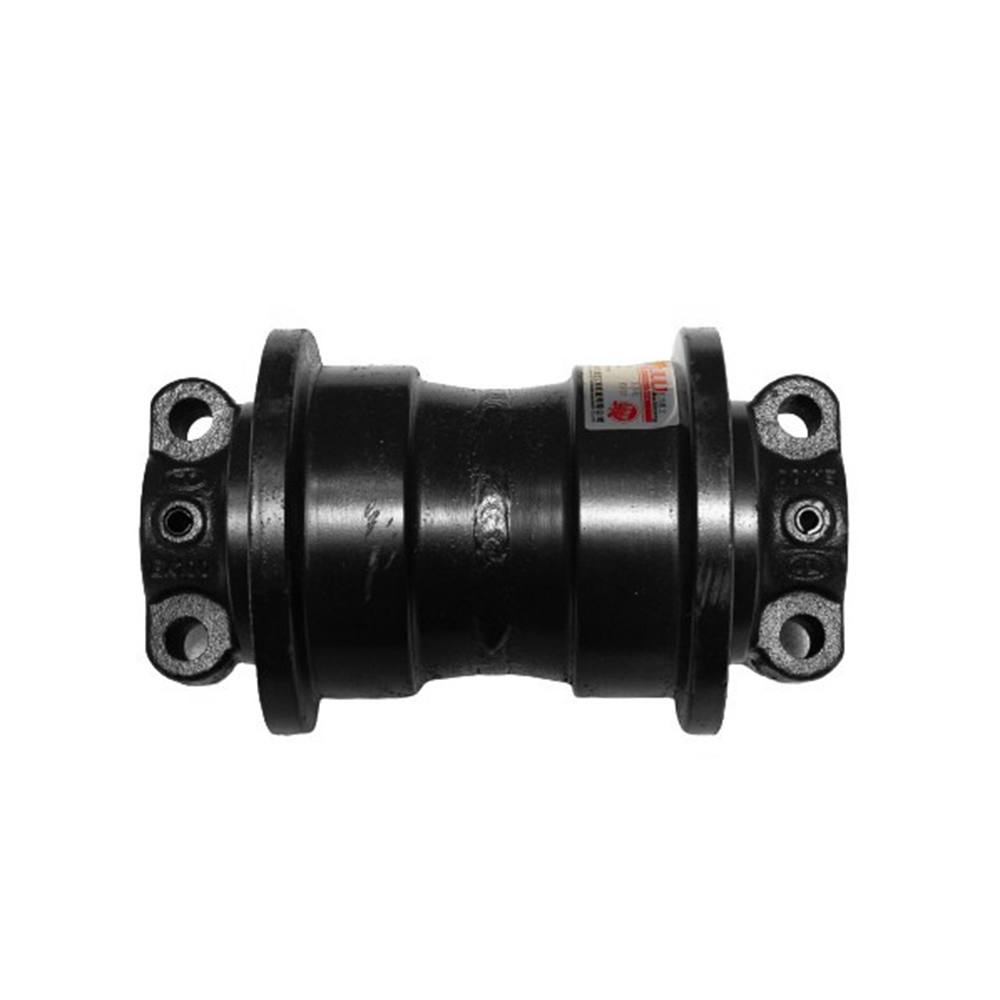
इससे पहले कि हम पेंट की निर्दोष परत लगाने वाले रोबोटिक हाथ के जटिल नृत्य की सराहना कर सकें, हमें सबसे पहले उस दुनिया को समझना होगा जिसमें इसका विषय है, ट्रैक रोलर, रहता है और संचालित होता है. यह अत्यधिक दबाव की दुनिया है, लगातार घर्षण, और संक्षारक तत्वों के लगातार संपर्क में रहना. बुलडोजर, उत्खनन, और अन्य ट्रैक की गई मशीनरी आधुनिक निर्माण के मुख्य स्रोत हैं, खुदाई, और कृषि (बिगरेंट्ज़, 2023). उबड़-खाबड़ इलाकों में नेविगेट करने की उनकी क्षमता पूरी तरह से हवाई जहाज़ के पहिये प्रणाली पर निर्भर है, स्प्रोकेट की एक जटिल असेंबली, आलसी, चेन, और, बिल्कुल, ट्रैक रोलर्स. एक उन्नत परिष्करण प्रक्रिया की आवश्यकता को समझने के लिए सबसे पहले उस क्रूर वास्तविकता को समझना है जिसका सामना ये घटक प्रतिदिन करते हैं.
The Brutal Reality of a Track Roller's Life
कल्पना करें कि एक बुलडोजर का वजन ऊपर की ओर है 70 ऑस्ट्रेलियाई आउटबैक में एक चट्टानी खदान या दक्षिण पूर्व एशिया में एक कीचड़ भरे निर्माण स्थल के माध्यम से अपना रास्ता बनाते हुए टन. इस मशीन का पूरा वजन ट्रैक श्रृंखला पर मुट्ठी भर संपर्क बिंदुओं के माध्यम से वितरित किया जाता है, जो बदले में ट्रैक रोलर्स द्वारा समर्थित होते हैं. ये रोलर्स लगातार स्टील ट्रैक लिंक के खिलाफ पीस रहे हैं, अत्यधिक स्थैतिक और गतिशील भार को सहन करना. उन पर चट्टान से बमबारी की जाती है, रेत, और बजरी. वे कीचड़ में डूबे हुए हैं, पानी, और अम्लीय खान जल निकासी. परिचालन वातावरण यांत्रिक घिसाव और रासायनिक संक्षारण के लिए एक आदर्श तूफान है.
एक ट्रैक रोलर में खराबी के कारण करोड़ों डॉलर की पूरी मशीन ठप हो सकती है, महंगा डाउनटाइम और लॉजिस्टिक दुःस्वप्न पैदा कर रहा है. ट्रैक रोलर की अखंडता, इसलिए, यह साधारण यांत्रिकी का मामला नहीं है; यह जिस परियोजना पर कार्य करता है उसके लिए आर्थिक व्यवहार्यता का मामला है. इस हमले के विरुद्ध प्राथमिक बचाव, स्टील के आरंभिक धातुकर्म और ताप उपचार से परे, सुरक्षात्मक कोटिंग है. खराब तरीके से किया गया पेंट कॉस्मेटिक दोष से कहीं अधिक है; यह जंग को अपना घातक कार्य शुरू करने का निमंत्रण है, बाहर से अंदर तक घटक की संरचनात्मक अखंडता से समझौता करना. इन पर रखी मांगें मजबूत हवाई जहाज़ के पहिये के घटक एक ऐसी कोटिंग प्रक्रिया की आवश्यकता होती है जो भाग के समान ही कठिन और विश्वसनीय हो.
मैन्युअल छिड़काव से लेकर रोबोटिक परिशुद्धता तक: एक विकासवादी छलांग
कई वर्षों के लिए, भारी मशीनरी भागों को पेंट करने की मानक विधि मैन्युअल छिड़काव थी. एक कुशल संचालक, एक स्प्रे बंदूक से लैस, अपनी सर्वोत्तम क्षमता से पेंट लगाएंगे. जबकि यह विधि एक सच्चे कारीगर के हाथों में एक अच्छी फिनिश प्रदान कर सकती है, यह अंतर्निहित विसंगतियों से भरा है. फिल्म की मोटाई एक भाग से दूसरे भाग तक नाटकीय रूप से भिन्न हो सकती है, या यहां तक कि एक ही हिस्से में भी. एक ऑपरेटर दूसरे की तुलना में थोड़ा मोटा कोट लगा सकता है. थकान हो सकती है, टपकने की ओर ले जाता है, शिथिलता, और छूटे हुए स्थान. आगे, स्थानांतरण दक्षता - पेंट का प्रतिशत जो वास्तव में भाग पर गिरता है बनाम ओवरस्प्रे के रूप में खो जाता है - अक्सर मैन्युअल प्रक्रियाओं में काफी कम होता है, जिससे महत्वपूर्ण भौतिक अपशिष्ट और वाष्पशील कार्बनिक यौगिकों का उच्च उत्सर्जन होता है (वीओसी).
ट्रैक रोलर स्वचालित पेंटिंग प्रक्रिया एक आदर्श बदलाव का प्रतिनिधित्व करती है. यह मानव हाथ की परिवर्तनशीलता को एक मशीन की अचूक पुनरावृत्ति से बदल देता है. एक रोबोटिक प्रणाली ठीक उसी पथ का अनुसरण कर सकती है, बिल्कुल उसी गति से, बिल्कुल समान पेंट प्रवाह दर के साथ, विचलन के बिना हजारों भागों के लिए. इसके परिणामस्वरूप एक समान फिल्म मोटाई प्राप्त होती है जो सुरक्षा और लागत दोनों के लिए अनुकूलित होती है. यह शिल्प से विज्ञान तक का विकास है, सन्निकटन से परिशुद्धता तक.
स्वचालन के लिए आर्थिक और गुणवत्ता तर्क
इस क्षेत्र में स्वचालन का व्यावसायिक मामला सम्मोहक है. जबकि रोबोटिक पेंटिंग लाइन के लिए प्रारंभिक पूंजी निवेश पर्याप्त है, निवेश पर रिटर्न कई प्रमुख मार्गों से प्राप्त होता है. उच्च स्थानांतरण दक्षता के कारण पेंट की खपत कम हो गई, कम श्रम लागत, थ्रूपुट में वृद्धि, और पुनर्कार्य तथा वारंटी दावों में उल्लेखनीय कमी, सभी एक स्वस्थ लाभ में योगदान करते हैं. नीचे दी गई तालिका दो पद्धतियों के बीच एक स्पष्ट तुलना प्रदान करती है, ट्रैक रोलर स्वचालित पेंटिंग प्रक्रिया को अपनाने के मात्रात्मक लाभों को दर्शाते हुए.
| मीट्रिक | मैनुअल स्प्रे पेंटिंग | स्वचालित रोबोटिक पेंटिंग |
|---|---|---|
| फिल्म की मोटाई संगति | निम्न से मध्यम (उच्च ऑपरेटर निर्भरता) | बहुत ऊँचा (माइक्रोन के भीतर पुनरावृत्ति) |
| स्थानांतरण दक्षता | 30% – 50% (पारंपरिक स्प्रे बंदूकें) | 65% – 95% (इलेक्ट्रोस्टैटिक/एचवीएलपी एटमाइज़र) |
| प्रवाह (प्रति घंटा भाग) | चर, ऑपरेटर कौशल पर निर्भर | उच्च और सुसंगत |
| श्रम की आवश्यकता | उच्च (प्रत्येक बूथ के लिए कुशल चित्रकारों की आवश्यकता है) | कम (पर्यवेक्षक और रखरखाव कर्मी) |
| सामग्री अपशिष्ट (रँगना) | उच्च | कम |
| वीओसी उत्सर्जन | उच्च | निम्न से मध्यम (पेंट/एबेटमेंट पर निर्भर करता है) |
| पुनः कार्य/दोष दर | 5% – 15% (आमतौर पर) | < 1% (उचित सेटअप के साथ) |
| संचालक स्वास्थ्य & सुरक्षा | सॉल्वैंट्स और पार्टिकुलेट के प्रति उच्च जोखिम | न्यूनतम प्रत्यक्ष प्रदर्शन |
गुणवत्ता तर्क उतना ही शक्तिशाली है. एक सुसंगत, एकसमान कोटिंग पूर्वानुमानित और विश्वसनीय संक्षारण सुरक्षा प्रदान करती है. ऐसे कोई कमज़ोर स्थान नहीं हैं जहाँ जंग पैर जमा सके. फिनिश सौंदर्य की दृष्टि से बेहतर है, कौन, जबकि कार्य के लिए गौण है, निर्मित हिस्से और ब्रांड की समग्र गुणवत्ता को दर्शाता है. अंतरराष्ट्रीय बाजारों की मांग को पूरा करने वाले आपूर्तिकर्ताओं के लिए, रूस के जमे हुए इलाकों से लेकर मध्य पूर्व की आर्द्र जलवायु तक, किसी उत्पाद को सत्यापित रूप से बेहतर कोटिंग के साथ वितरित करना एक महत्वपूर्ण प्रतिस्पर्धात्मक लाभ है.
सोच-विचार 1: पूर्व-उपचार - पेंट आसंजन का गुमनाम नायक
किसी को यह सोचने के लिए माफ़ किया जा सकता है कि पेंटिंग की प्रक्रिया पेंट से शुरू होती है. यथार्थ में, किसी कोटिंग की सफलता या विफलता पेंट की एक बूंद के छिड़काव से बहुत पहले निर्धारित की जाती है. पूर्व-उपचार चरण वह अदृश्य आधार है जिस पर संपूर्ण सुरक्षात्मक प्रणाली निर्मित होती है. आप सबसे उन्नत और सबसे महंगी रोबोटिक प्रणाली का उपयोग कर सकते हैं, रासायनिक रूप से इंजीनियर किया गया पेंट, लेकिन यदि आप इसे दूषित या अनुचित तरीके से तैयार की गई सतह पर लगाते हैं, आप समय से पहले विफलता की गारंटी दे रहे हैं. पूर्व-उपचार का लक्ष्य दोहरा है: शल्य चिकित्सा द्वारा साफ़ सतह बनाना और अधिकतम आसंजन को बढ़ावा देने के लिए उस सतह को संशोधित करना. यह चरण किसी भी गंभीर ट्रैक रोलर स्वचालित पेंटिंग प्रक्रिया का एक महत्वपूर्ण घटक है.
यांत्रिक सतह की तैयारी: शॉट ब्लास्टिंग बनाम. ग्रिट ब्लास्टिंग
ट्रैक रोलर के लिए कच्चे स्टील फोर्जिंग या कास्टिंग से निपटने में पहला कदम किसी भी मिल स्केल को हटाना है, जंग, वेल्डिंग फ्लक्स, या अन्य सतह संदूषक. केवल सफ़ाई से भी अधिक, लक्ष्य एक सतही "प्रोफ़ाइल" बनाना है" या "एंकर पैटर्न" - सूक्ष्म चोटियों और घाटियों की एक श्रृंखला जो नाटकीय रूप से सतह क्षेत्र को बढ़ाती है और पेंट को पकड़ने के लिए एक भौतिक संरचना देती है. इसे प्राप्त करने के लिए सबसे आम तरीके शॉट ब्लास्टिंग और ग्रिट ब्लास्टिंग हैं.
कल्पना कीजिए कि पॉलिश किए गए कांच की एक शीट बनाम रेतीली लकड़ी की एक शीट को पेंट करने की कोशिश की जा रही है. पेंट फट जाएगा और आसानी से कांच से अलग हो जाएगा, जबकि यह लकड़ी में भीग जाएगा और मजबूती से चिपक जाएगा. सतही प्रोफ़ाइल बनाने के पीछे यही सिद्धांत है.
- शॉट ब्लास्टिंग: यह प्रक्रिया छोटे को आगे बढ़ाने के लिए एक केन्द्रापसारक पहिये का उपयोग करती है, गोलाकार धात्विक कण (गोली मारना) at high velocity against the part's surface. गोल शॉट का प्रभाव सतह पर पड़ता है, डिंपल बनाना, एकसमान बनावट. यह स्केल हटाने के लिए बहुत प्रभावी है और आम तौर पर तेज़ होता है, ग्रिट ब्लास्टिंग की तुलना में कम आक्रामक प्रक्रिया. इसे अक्सर नए भागों के लिए प्राथमिकता दी जाती है जहां प्राथमिक लक्ष्य सफाई करना और एक सुसंगत प्रोफ़ाइल बनाना है.
- ग्रिट ब्लास्टिंग: यह विधि कोणीय को आगे बढ़ाने के लिए संपीड़ित हवा का उपयोग करती है, तेज़ कण (धैर्य), जैसे स्टील ग्रिट या एल्यूमीनियम ऑक्साइड, सतह पर. ग्रिट के नुकीले किनारे स्टील में कट जाते हैं, अधिक कोणीय और आम तौर पर गहरा एंकर पैटर्न बनाना. ग्रिट ब्लास्टिंग अधिक आक्रामक है और भारी जंग को हटाने के लिए उत्कृष्ट है, मोटी कोटिंग, और एक विशिष्ट पेंट सिस्टम द्वारा आवश्यक होने पर एक बहुत गहरी प्रोफ़ाइल प्राप्त करने के लिए.
शॉट और ग्रिट के बीच चयन, और प्रयुक्त मीडिया का विशिष्ट आकार और कठोरता, मनमाना नहीं है. It is dictated by the part's initial condition, इसकी धातुकर्म, और लगाए जाने वाले प्राइमर की विशिष्टताएँ. सतह की सफाई के लिए मानक, अक्सर सा के रूप में निर्दिष्ट किया जाता है 2.5 या "नियर-व्हाइट ब्लास्ट क्लीनिंग" आईएसओ द्वारा 8501-1, एक सामान्य लक्ष्य है. यह मानक निर्देश देता है कि सतह सभी दृश्यमान तेल से मुक्त होनी चाहिए, ग्रीज़, गंध, धूल, चक्की का पैमाना, जंग, और पेंट, केवल हल्के दाग या धारियाँ शेष हैं.
रासायनिक सफाई और रूपांतरण कोटिंग्स: आणविक बंधन
यांत्रिक ब्लास्टिंग के बाद, भाग साफ़ दिख सकता है, लेकिन सूक्ष्म अवशेष रह सकते हैं. पूर्व-उपचार का अगला चरण यांत्रिक से रासायनिक क्षेत्र की ओर बढ़ता है. यह हिस्सा आम तौर पर मल्टी-स्टेज वॉशर के माध्यम से चलाया जाता है.
- क्षारीय घटाव: पहला चरण किसी भी अवशिष्ट तेल को हटाने के लिए गर्म क्षारीय धुलाई है, स्नेहक, या विनिर्माण प्रक्रिया या हैंडलिंग से प्राप्त ग्रीस.
- rinsing: क्षारीय घोल और किसी भी सैपोनिफाइड तेल को हटाने के लिए कई कुल्ला चरणों का पालन किया जाता है, यह सुनिश्चित करना कि सतह किसी भी रासायनिक अवशेष से मुक्त है जो अगले चरण में हस्तक्षेप कर सकती है.
- रूपांतरण कोटिंग: पूर्व-उपचार प्रक्रिया में यह शायद सबसे परिष्कृत कदम है. भाग को रासायनिक घोल में डुबोया जाता है या उस पर छिड़काव किया जाता है, आमतौर पर आयरन फॉस्फेट या जिंक फॉस्फेट घोल. यह सिर्फ एक और सफाई कदम नहीं है. घोल स्टील की सतह के साथ प्रतिक्रिया करके पतला हो जाता है, अक्रिय, क्रिस्टलीय परत जो रासायनिक रूप से सब्सट्रेट से बंधी होती है.
रूपांतरण कोटिंग को आणविक पुल के रूप में सोचें. यह सक्रिय स्टील की सतह को स्थिर में बदल देता है, non-metallic surface that is not only more corrosion-resistant on its own but also has a crystalline structure that is exceptionally receptive to the paint's polymer chains. आयरन फॉस्फेट कोटिंग अच्छा है, लागत प्रभावी विकल्प, जबकि जिंक फॉस्फेट कोटिंग बेहतर प्रदर्शन प्रदान करती है, एक अधिक मजबूत क्रिस्टलीय संरचना बनाना जो बेहतर आसंजन और अंडर-फिल्म संक्षारण प्रतिरोध प्रदान करता है. चुनाव वांछित प्रदर्शन विशेषताओं और लागत लक्ष्यों पर निर्भर करता है.
सुखाने और निरार्द्रीकरण की भूमिका
पूर्व-उपचार गाथा में अंतिम कार्य सुखाने वाला ओवन है. अंतिम कुल्ला के बाद, अचानक जंग लगने से बचाने के लिए भाग को पूरी तरह और जल्दी से सुखाना चाहिए - ताजा साफ और सक्रिय स्टील की सतह पर जंग की एक पतली परत का तत्काल गठन. सतह पर बची हुई या दरारों में फंसी कोई भी नमी पेंट करने पर विफलता का कारण बन जाएगी. सुखाने वाला ओवन गर्म का उपयोग करता है, सारे पानी को वाष्पित करने के लिए हवा प्रसारित करना. ओवन में तापमान और समय को सावधानीपूर्वक नियंत्रित किया जाता है ताकि भाग को ज़्यादा गर्म किए बिना पूरी तरह से सूखना सुनिश्चित किया जा सके, जो ताज़ा बनी रूपांतरण कोटिंग को प्रभावित कर सकता है. आर्द्र वातावरण में, जैसे कि अफ़्रीका और दक्षिण पूर्व एशिया के कुछ हिस्सों में पाए जाते हैं, ड्राई-ऑफ ओवन से पेंट बूथ तक संक्रमण के दौरान परिवेश की आर्द्रता को नियंत्रित करना भी स्टील की ठंडी सतह पर नमी को फिर से संघनित होने से रोकने के लिए एक प्रमुख विचार है।.
सोच-विचार 2: रोबोटिक सिस्टम चयन और एकीकरण
पूरी तरह से तैयार ट्रैक रोलर के साथ अब अपनी सुरक्षात्मक परत के लिए तैयार है, हमारा ध्यान स्वचालित प्रणाली के केंद्र की ओर जाता है: रोबोट ही. रोबोटिक प्रणाली का चयन सभी के लिए एक जैसा निर्णय नहीं है. यह भाग के आकार और जटिलता के आधार पर सावधानीपूर्वक गणना है, आवश्यक थ्रूपुट, फ़ैक्टरी फ़्लोर का लेआउट, और जिस प्रकार का पेंट लगाया जा रहा है. लक्ष्य एक ऐसी प्रणाली चुनना है जो आवश्यक पहुंच प्रदान करे, FLEXIBILITY, और पेंटिंग कार्य को अधिकतम दक्षता और सटीकता के साथ करने के लिए पेलोड क्षमता. इस रोबोट को बड़ी उत्पादन लाइन में एकीकृत करना मैकेनिकल का एक जटिल कार्य है, विद्युतीय, और सॉफ्टवेयर इंजीनियरिंग.
आर्टिकुलेटेड रोबोट बनाम. कार्टेशियन सिस्टम: एक गतिज विकल्प
जब लोग "रोबोट" की कल्पना करते हैं," वे आम तौर पर छह-अक्ष वाले आर्टिकुलेटेड रोबोट का चित्रण करते हैं, जो "कंधे" वाले मानव हाथ की बहुमुखी प्रतिभा की बारीकी से नकल करता है," "कोहनी," और "कलाई." यह है, से दूर, जटिल पेंटिंग अनुप्रयोगों के लिए सबसे आम विकल्प.
सिक्स-एक्सिस आर्टिकुलेटेड रोबोट: ये रोबोट सबसे अधिक लचीलापन प्रदान करते हैं. उनके कई घूमने वाले जोड़ उन्हें कोनों के आसपास पहुंचने की अनुमति देते हैं, जटिल आंतरिक सतहों को पेंट करें, और हर समय स्प्रे गन और भाग के बीच इष्टतम कोण और दूरी बनाए रखें. ट्रैक रोलर जैसे घटक के लिए, इसकी घुमावदार बाहरी सतहों के साथ, निकला हुआ किनारा, और केंद्रीय बोर, छह-अक्ष वाले रोबोट की निपुणता अमूल्य है. उन्हें जटिल पथों का अनुसरण करने के लिए प्रोग्राम किया जा सकता है जो किसी मानव या सरल मशीन के लिए असंभव होगा.
कार्टेशियन रोबोट: ये रोबोट, गैन्ट्री या रैखिक रोबोट के रूप में भी जाना जाता है, तीन रैखिक अक्षों में घूमें (एक्स, वाई, जेड). इन्हें एक ओवरहेड क्रेन की तरह समझें जिसमें एक स्प्रे गन लगी हुई है. जबकि उनमें व्यक्त भुजा के तरल लचीलेपन का अभाव होता है, वे बड़ी पेंटिंग बनाने में माहिर हैं, अपेक्षाकृत सपाट सतह. वे यांत्रिक रूप से सरल हैं, अक्सर कम खर्चीला, और सरल ज्यामिति के लिए प्रोग्राम करना आसान हो सकता है. एकल को समर्पित एक उच्च-मात्रा वाली पंक्ति के लिए, सरल भाग, कार्टेशियन प्रणाली पर विचार किया जा सकता है, लेकिन हवाई जहाज़ के पहिये के घटकों के विविध और जटिल आकार के लिए, आर्टिकुलेटेड रोबोट बेहतर विकल्प है.
The selection also involves considering the robot's "work envelope" (वह स्थान जहाँ वह पहुँच सकता है), इसकी पेलोड क्षमता (यह स्प्रे गन ले जाने में सक्षम होना चाहिए, पाइप, और कोई अन्य टूलींग), और खतरनाक स्थान पर उपयोग के लिए इसका वर्गीकरण (पेंट बूथ विस्फोटक वातावरण हैं).
एंड-ऑफ़-आर्म टूलींग (ईओएटी): सबसे आगे एटमाइज़र
रोबोट केवल प्रेरक शक्ति है; पेंटिंग का असली काम एंड-ऑफ-आर्म टूलिंग द्वारा किया जाता है (ईओएटी), विशेष रूप से एटमाइज़र या स्प्रे गन. एटमाइज़र का चुनाव मूल रूप से उपयोग किए जा रहे पेंट के प्रकार और वांछित फिनिश गुणवत्ता से जुड़ा हुआ है. परमाणुकरण का लक्ष्य तरल पेंट को बारीक टुकड़ों में तोड़ना है, नियंत्रणीय धुंध.
- उच्च परिमाण, कम दबाव (एचवीएलपी) बंदूकें: ये पेंट को परमाणुकृत करने के लिए कम दबाव पर उच्च मात्रा में हवा का उपयोग करते हैं. वे अच्छी स्थानांतरण दक्षता और बढ़िया नियंत्रण प्रदान करते हैं, उन्हें उच्च गुणवत्ता वाली फिनिश के लिए उपयुक्त बनाना.
- वायुहीन/वायु-सहायक वायुहीन बंदूकें: वायुहीन सिस्टम एक छोटे छिद्र के माध्यम से पेंट को मजबूर करने के लिए उच्च हाइड्रोलिक दबाव का उपयोग करते हैं, जिससे यह परमाणुकृत हो जाता है. वे बहुत अधिक मात्रा में पेंट तुरंत वितरित कर सकते हैं लेकिन उन्हें नियंत्रित करना कठिन हो सकता है. एयर-असिस्टेड एयरलेस पैटर्न को बेहतर बनाने और धब्बे को कम करने के लिए नोजल में थोड़ी मात्रा में हवा जोड़ता है.
- इलेक्ट्रोस्टैटिक रोटरी एटमाइज़र (घंटी): यह स्पेक्ट्रम का हाई-टेक अंत है. पेंट को तेजी से घूमने वाले कप या घंटी के केंद्र में डाला जाता है (30,000-60,000 आरपीएम). केन्द्रापसारक बल पेंट को घंटी के किनारे तक उड़ा देता है, जहां यह अत्यंत महीन स्नायुबंधन बनाता है जो टूटकर नरम हो जाते हैं, लगातार धुंध. इसके साथ ही, एक इलेक्ट्रोस्टैटिक चार्ज (तक 100,000 वोल्ट) पेंट कणों पर लगाया जाता है. चूंकि ट्रैक रोलर ग्राउंडेड है, आवेशित पेंट कण सक्रिय रूप से भाग की ओर खींचे जाते हैं, यहां तक कि पीछे की तरफ कोट करने के लिए चारों ओर लपेटना भी. यह "आवरण" प्रभाव इलेक्ट्रोस्टैटिक घंटियों को उच्चतम संभव स्थानांतरण दक्षता देता है, अक्सर अधिक 90%. इसका मतलब है कि पेंट कम बर्बाद होगा, कम वीओसी उत्सर्जन, और एक अधिक समान कोटिंग, यह इसे उच्च-प्रदर्शन वाले ट्रैक रोलर स्वचालित पेंटिंग प्रक्रिया के लिए एक प्रमुख विकल्प बनाता है.
पीएलसी एकीकरण और मानव-मशीन इंटरफ़ेस (एचएमआई)
रोबोट निर्वात में काम नहीं करता है. यह एक बड़ी प्रणाली का केंद्रबिंदु है जिसमें कन्वेयर शामिल हैं, भाग पहचान सेंसर, पेंट मिश्रण कक्ष, सुरक्षा इंटरलॉक, और ओवन का इलाज करना. इस पूरे ऑर्केस्ट्रा का संचालक प्रोग्रामेबल लॉजिक कंट्रोलर है (पीएलसी). पीएलसी एक मजबूत औद्योगिक कंप्यूटर है जो सेंसर से इनपुट प्राप्त करता है (उदा।, "एक हिस्सा स्थिति में है"), तर्क को संसाधित करता है ("यदि भाग प्रकार ए मौजूद है, प्रोग्राम ए चलाएँ"), और एक्चुएटर्स को आउटपुट भेजता है (उदा।, "कन्वेयर प्रारंभ करें," "रोबोट से पेंटिंग शुरू करने को कहें").
निर्बाध संचालन के लिए रोबोट नियंत्रक और मास्टर पीएलसी के बीच संचार महत्वपूर्ण है. मानव-मशीन इंटरफ़ेस (एचएमआई) मानव पर्यवेक्षक के लिए इस प्रणाली में खिड़की है. यह आम तौर पर एक टचस्क्रीन पैनल होता है जो पूरी लाइन की स्थिति प्रदर्शित करता है, ऑपरेटर को व्यंजनों का चयन करने की अनुमति देता है, प्रक्रिया प्रारंभ करें और रोकें, और अलार्म या डायग्नोस्टिक्स देखें. एक अच्छी तरह से डिज़ाइन किया गया एचएमआई सहज ज्ञान युक्त है, उपयोगकर्ता पर दबाव डाले बिना स्पष्ट जानकारी और नियंत्रण प्रदान करना. यह न्यूनतम रोबोटिक्स प्रशिक्षण वाले ऑपरेटर को अत्यधिक जटिल स्वचालित प्रणाली को प्रभावी ढंग से प्रबंधित करने की अनुमति देता है.
सोच-विचार 3: पेंट रसायन विज्ञान और चिपचिपापन नियंत्रण
हमने सतह तैयार कर ली है और अपना रोबोटिक पेंटर चुन लिया है. अब हमें अपना ध्यान पेंट की ओर लगाना चाहिए. ट्रैक रोलर पर लगाई गई कोटिंग केवल "पेंट" नहीं है" सजावटी अर्थ में; यह एक उच्च इंजीनियर रासायनिक प्रणाली है जिसे चरम स्थितियों का सामना करने के लिए डिज़ाइन किया गया है. इस प्रणाली का चयन और अनुप्रयोग के दौरान इसके भौतिक गुणों का सटीक नियंत्रण सर्वोपरि है. एक स्वचालित प्रक्रिया केवल उतनी ही अच्छी हो सकती है जितनी अच्छी वह सामग्री लागू कर रही है. पेंट रसायन विज्ञान को समझने और प्रबंधित करने में विफलता असंगत परिणामों और क्षेत्र विफलताओं का एक नुस्खा है.
ज़्यादा-ठोस, जलजनित, या पाउडर कोटिंग्स? एक तुलनात्मक विश्लेषण
पेंट तकनीक का चुनाव प्रदर्शन का संतुलन है, लागत, और पर्यावरण विनियमन. भारी उपकरण अनुप्रयोगों के लिए मुख्य दावेदार उच्च-ठोस विलायक-जनित पेंट हैं, जलजनित पेंट, और पाउडर कोटिंग.
| कोटिंग का प्रकार | प्रमुख विशेषताएँ | ट्रैक रोलर्स के लिए लाभ | नुकसान |
|---|---|---|---|
| उच्च-ठोस विलायक-जनित | ठोस पदार्थों के उच्च प्रतिशत के साथ पारंपरिक तकनीक (रंगद्रव्य/राल) और कम विलायक सामग्री. | उत्कृष्ट आसंजन, उच्च स्तर की चमक, तेजी से इलाज, मजबूत और सिद्ध प्रदर्शन. | उच्च वीओसी उत्सर्जन, ज्वलनशील, विलायक-आधारित सफाई की आवश्यकता है. |
| जलजनित | रासायनिक विलायकों के बजाय प्राथमिक वाहक के रूप में पानी का उपयोग करता है. | बहुत कम वीओसी, गैर ज्वलनशील, पानी से आसान सफाई. | धीमी गति से सूखना/ठीक होना, स्टेनलेस स्टील उपकरण की आवश्यकता है, आवेदन के दौरान नमी के प्रति संवेदनशील. |
| पाउडर कोटिंग | एक सूखा, फ्री-फ्लोइंग पाउडर को इलेक्ट्रोस्टैटिक रूप से लगाया जाता है और फिर गर्मी से ठीक करके "त्वचा" बनाई जाती है. | अत्यंत टिकाऊ, उत्कृष्ट चिप/घर्षण प्रतिरोध, शून्य वीओसी, उच्च स्थानांतरण दक्षता. | एक इलाज ओवन की आवश्यकता है, पतली फिल्में हासिल करना मुश्किल है, रंग बदलने में समय लग सकता है. |
कई वर्षों के लिए, उच्च-ठोस विलायक-जनित एपॉक्सी और पॉलीयुरेथेन अपने बेजोड़ स्थायित्व और विभिन्न स्थितियों में उपयोग में आसानी के कारण भारी उपकरणों के लिए पसंदीदा विकल्प रहे हैं।. तथापि, वीओसी के संबंध में पर्यावरण नियमों में वृद्धि, विशेष रूप से यूरोप और एशिया के कुछ हिस्सों में, जलजनित और पाउडर कोटिंग प्रौद्योगिकियों में महत्वपूर्ण नवाचार को प्रेरित किया है. पाउडर कोटिंग, विशेष रूप से, ट्रैक रोलर्स के लिए एक आकर्षक मामला पेश करता है. कठिन, इसके द्वारा बनाई गई मोटी फिल्म उन छिलने और घर्षण के प्रति असाधारण रूप से प्रतिरोधी होती है जिनका इन हिस्सों को लगातार सामना करना पड़ता है. ट्रैक रोलर स्वचालित पेंटिंग प्रक्रिया को चुने हुए पेंट सिस्टम की विशिष्ट आवश्यकताओं के अनुसार डिज़ाइन किया जाना चाहिए. लिक्विड पेंट के लिए डिज़ाइन की गई लाइन को आसानी से पाउडर में नहीं बदला जा सकता है, और इसके विपरीत.
श्यानता का विज्ञान: तापमान, कतरनी, और प्रवाह दर
तरल पेंट के लिए (विलायक-जनित और जलजनित दोनों), the single most important physical property to control is viscosity—a measure of the fluid's resistance to flow. पानी और शहद के बीच अंतर के बारे में सोचें. पानी की चिपचिपाहट कम होती है, शहद में उच्च चिपचिपापन होता है. पेंट की चिपचिपाहट यह निर्धारित करती है कि यह कितनी अच्छी तरह परमाणुकृत होगा, यह सतह पर कैसे बहेगा, और इसकी ऊर्ध्वाधर सतहों पर शिथिल पड़ने या चलने की प्रवृत्ति होती है.
पेंट की चिपचिपाहट तापमान के प्रति अत्यधिक संवेदनशील होती है. जैसे-जैसे पेंट गर्म होता जाता है, इसकी चिपचिपाहट कम हो जाती है; जैसे-जैसे यह ठंडा होता जाता है, इसकी चिपचिपाहट बढ़ जाती है. पेंट के तापमान में 5°C परिवर्तन से चिपचिपाहट में इतना परिवर्तन हो सकता है 30-50%. तापमान नियंत्रण के बिना, कोरिया में एक गैर-जलवायु-नियंत्रित कारखाने में पेंट की लाइन पतली हो सकती है, गर्मी की दोपहर में पेंट बहता हुआ और गाढ़ा हो जाता है, सर्दियों की सुबह खराब परमाणुकृत पेंट. इससे बड़े पैमाने पर विसंगति पैदा होती है.
एक मजबूत स्वचालित प्रणाली में तापमान नियंत्रण के साथ एक पेंट परिसंचरण प्रणाली शामिल होनी चाहिए. एक सटीक तापमान बनाए रखने के लिए पेंट को केंद्रीय मिश्रण कक्ष से हीट एक्सचेंजर के माध्यम से लगातार प्रसारित किया जाता है (उदा।, 25°C ± 1°C) all the way to the robot's atomizer. यह सुनिश्चित करता है कि आवेदन के बिंदु पर चिपचिपाहट हमेशा समान होती है, दिन हो या रात, गर्मी हो या सर्दी, जो दोहराने योग्य प्रक्रिया की आधारशिला है.
इलाज तंत्र: थर्मल ओवन से लेकर इन्फ्रारेड और यूवी तक
एक बार पेंट लग जाए, यह अभी भी एक गीली फिल्म है. अंतिम चरण इलाज है, वह रासायनिक प्रक्रिया जो तरल को कठोर में बदल देती है, टिकाऊ, ठोस लेप. The curing method is dictated by the paint's chemistry.
- थर्मल संवहन ओवन: यह सबसे आम तरीका है. चित्रित भाग एक लंबे ओवन से होकर गुजरता है जहां सॉल्वैंट्स के वाष्पीकरण को तेज करने के लिए गर्म हवा प्रसारित की जाती है (या पानी) और राल में क्रॉस-लिंकिंग रासायनिक प्रतिक्रियाओं को संचालित करें. ओवन का समय और तापमान प्रोफ़ाइल (उदा।, 20 80°C पर मिनट) बिल्कुल नियंत्रित है.
- अवरक्त (और) ओवन: आईआर ओवन पेंट किए गए भाग की सतह को सीधे गर्म करने के लिए अवरक्त विकिरण का उपयोग करते हैं. यह संवहन की तुलना में तापन की बहुत तेज़ विधि है, क्योंकि यह आसपास की हवा को गर्म करने में ऊर्जा बर्बाद नहीं करता है. आईआर इलाज के समय और ओवन के भौतिक पदचिह्न को काफी कम कर सकता है. यह सपाट या साधारण भागों के लिए विशेष रूप से प्रभावी है, लेकिन छायादार क्षेत्रों के साथ जटिल ज्यामिति को समान रूप से गर्म करने में परेशानी हो सकती है.
- पराबैंगनी (यूवी) इलाज: यह यूवी-इलाज योग्य कोटिंग्स के लिए उपयोग की जाने वाली एक अत्यधिक विशिष्ट प्रक्रिया है. पेंट में फोटोइनिशिएटर्स शामिल हैं, उच्च तीव्रता वाले पराबैंगनी प्रकाश के संपर्क में आने पर, तुरंत पोलीमराइज़ेशन प्रतिक्रिया को ट्रिगर करें, पेंट को सेकंडों में ठीक करना. यह विधि बेहद तेज़ और ऊर्जा-कुशल है लेकिन इसके लिए विशेष रूप से तैयार करने की आवश्यकता होती है (और अक्सर अधिक महंगा) पेंट और यूवी लैंप से पेंट की गई सतह तक स्पष्ट दृष्टि रेखा.
ट्रैक रोलर्स के लिए आवश्यक मजबूत कोटिंग्स के लिए, एक संयोजन दृष्टिकोण अक्सर प्रभावी होता है. उदाहरण के लिए, एक छोटा आईआर "जेलेशन" सैगिंग को रोकने के लिए पेंट की सतह को जल्दी से सेट करने के लिए ज़ोन का उपयोग किया जा सकता है, यह सुनिश्चित करने के लिए कि पूरी फिल्म की मोटाई पूरी तरह से ठीक हो गई है, एक लंबे संवहन ओवन का उपयोग किया जाता है.
सोच-विचार 4: पथ प्रोग्रामिंग की कला और विज्ञान
एक अत्याधुनिक रोबोट और पूरी तरह से वातानुकूलित पेंट सही निर्देशों के बिना बेकार हैं. The programming of the robot's path is where the "intelligence" सिस्टम का रहता है. This is the set of digital commands that dictates the robot's every move, पेंटिंग प्रक्रिया की आवश्यकताओं को सटीकता के भौतिक बैले में अनुवाद करना. लक्ष्य ट्रैक रोलर की संपूर्ण जटिल सतह पर पेंट की एक बिल्कुल समान परत लगाना है, यथासंभव कम सामग्री बर्बाद करना और चक्र को कम से कम समय में पूरा करना. यह एक ऐसा कार्य है जो एक मास्टर चित्रकार की व्यावहारिक कला के साथ तरल गतिकी के अनुभवजन्य विज्ञान को मिश्रित करता है.
ऑफ़लाइन प्रोग्रामिंग (पीएलओ) बनाम. पेंडेंट प्रोग्रामिंग सिखाएं
रोबोट को यह बताने की दो प्राथमिक विधियाँ हैं कि क्या करना है: पेंडेंट प्रोग्रामिंग और ऑफ़लाइन प्रोग्रामिंग सिखाएं.
पेंडेंट प्रोग्रामिंग सिखाएं: यह पारंपरिक तरीका है. एक कुशल तकनीशियन भौतिक रोबोट को पेंट बूथ में ले जाता है और एक हैंडहेल्ड नियंत्रक का उपयोग करता है ("सिखाओ पेंडेंट") to manually move the robot's arm through the desired painting motions. वे सिखाते हैं" पथ बनाने वाले बिंदुओं की एक श्रृंखला को सहेजकर रोबोट. यह विधि प्रत्यक्ष और सहज है लेकिन इसमें महत्वपूर्ण कमियां हैं. प्रोग्रामिंग के लिए उत्पादन लाइन को बंद करना आवश्यक है, जिसका अर्थ है उत्पादन समय का नष्ट होना. यह प्रोग्रामर के कौशल पर भी अत्यधिक निर्भर है, और इसे पूरी तरह से चिकना बनाना कठिन हो सकता है, अनुकूलित पथ. प्रोग्रामर को पेंट बूथ वातावरण से भी अवगत कराया जाता है.
ऑफ़लाइन प्रोग्रामिंग (पीएलओ): यह आधुनिक है, सॉफ्टवेयर-संचालित दृष्टिकोण. प्रोग्रामर किसी कार्यालय में कंप्यूटर पर काम करते हैं, उत्पादन लाइन से बहुत दूर. वे ट्रैक रोलर के 3डी सीएडी मॉडल और एक सिमुलेशन सॉफ्टवेयर का उपयोग करते हैं जिसमें रोबोट और पेंट बूथ का डिजिटल ट्विन होता है. इस आभासी वातावरण में, they can create and test the robot's paths. वे गति जैसे पैरामीटर निर्दिष्ट कर सकते हैं, स्प्रे कोण, और पथ के प्रत्येक खंड के लिए पेंट प्रवाह दर. सॉफ़्टवेयर स्वचालित रूप से पथ उत्पन्न कर सकता है, टकरावों की जाँच करें, और यहां तक कि परिणामी फिल्म की मोटाई का अनुकरण भी कर सकते हैं. एक बार कार्यक्रम आभासी दुनिया में परिपूर्ण हो जाता है, इसे वास्तविक रोबोट में डाउनलोड किया जाता है. ओएलपी उत्पादन अपटाइम को अधिकतम करता है, कहीं अधिक जटिल और अनुकूलित पथों की अनुमति देता है, और प्रोग्रामर के लिए अधिक सुरक्षित है. उच्च मात्रा के लिए, उच्च गुणवत्ता वाले ट्रैक रोलर स्वचालित पेंटिंग प्रक्रिया, ओएलपी सर्वोत्तम पद्धति है.
गन-टू-पार्ट दूरी और ओवरलैप का अनुकूलन
किसी भी स्प्रे अनुप्रयोग में दो सबसे बुनियादी चर हैं, एटमाइज़र से भाग तक की दूरी और क्रमिक स्प्रे पास के बीच ओवरलैप की मात्रा।.
गन-टू-पार्ट दूरी: यह दूरी सीधे स्प्रे पैटर्न के आकार और स्थानांतरण दक्षता को प्रभावित करती है. अगर बंदूक बहुत करीब है, पैटर्न छोटा है, और हवा का बल उछाल-वापसी और अशांति पैदा कर सकता है, दोषों की ओर ले जाता है. अगर बंदूक बहुत दूर है, पैटर्न बहुत चौड़ा और फैला हुआ हो जाता है, पेंट धुंध की एक महत्वपूर्ण मात्रा भाग तक पहुंचने में विफल रहती है, और स्थानांतरण दक्षता घट जाती है. इलेक्ट्रोस्टैटिक घंटी के लिए, इष्टतम दूरी आम तौर पर आसपास होती है 25-30 सेमी. The robot's program must maintain this optimal distance with high precision, यहां तक कि यह ट्रैक रोलर की घुमावदार सतहों का अनुसरण करता है.
ओवरलैप: एक समान फिल्म प्राप्त करने के लिए, स्प्रे गन का प्रत्येक पास पिछले वाले को ओवरलैप करना चाहिए. एक विशिष्ट लक्ष्य है a 50% ओवरलैप. इसका मतलब है कि प्रत्येक नए स्प्रे पैटर्न का केंद्र पिछले वाले के किनारे पर केंद्रित है. बहुत कम ओवरलैप के परिणामस्वरूप हल्की और गहरी धारियाँ बनती हैं ("धारीदार"). बहुत अधिक ओवरलैप के कारण फिल्म अत्यधिक मोटी हो जाती है और उसमें ढीलापन आने की संभावना होती है. The robot's path must be programmed to maintain this precise overlap consistently across the entire part.
जटिल ज्यामिति को नेविगेट करना: निकला हुआ किनारा, केन्द्रों, और सील
ट्रैक रोलर कोई साधारण सिलेंडर नहीं है. इसमें माउंटिंग फ्लैंज हैं, एक केंद्रीय बोर जहां बीयरिंग और सील रहते हैं, और रिक्त क्षेत्र. ये विशेषताएँ पेंटिंग के लिए चुनौतियाँ पेश करती हैं. वे क्षेत्र जहां रोलर ट्रैक श्रृंखला से संपर्क करता है, वहां एक मजबूत कोटिंग की आवश्यकता होती है, लेकिन सील और बियरिंग के लिए सटीक-मशीनीकृत सतहों को पूरी तरह से पेंट से मुक्त रहना चाहिए.
यहीं पर रोबोटिक प्रोग्रामिंग की सटीकता चमकती है. रोबोट को प्रोग्राम किया जा सकता है:
- मास्किंग से बचाव: नकाबपोश क्षेत्र के किनारे का सटीक रूप से पता लगाएं, संरक्षित सतह पर अधिक छिड़काव किए बिना सीधे लाइन तक पेंट लगाना. यह इलाज के बाद मैन्युअल टच-अप या पेंट हटाने की आवश्यकता को कम या समाप्त कर देता है.
- कोण समायोजन: रोबोट लगातार "कलाई" को समायोजित कर सकता है" सतह पर लंबवत रखने के लिए एटमाइज़र का कोण, यहां तक कि फ़्लैंज की त्रिज्या या केंद्रीय बोर के अंदर पेंटिंग करते समय भी. यह उन क्षेत्रों में एक समान फिल्म निर्माण सुनिश्चित करता है जहां एक मानव चित्रकार के लिए लगातार पहुंचना मुश्किल होता है.
- ट्रिगर नियंत्रण: प्रोग्राम स्प्रे गन को मिलीसेकंड परिशुद्धता के साथ चालू और बंद कर सकता है, एक तकनीक जिसे "ट्रिगरिंग" के नाम से जाना जाता है।" यह रोबोट को दूसरों को छोड़ते हुए विशिष्ट अनुभागों को पेंट करने की अनुमति देता है, जैसे कि फ्लैंज में खुले स्थान, ओवरस्प्रे और बर्बाद पेंट को कम करना.
इन जटिल ज्यामितियों के लिए प्रोग्रामिंग एक पूर्णता प्राप्त करने के लिए आभासी सिमुलेशन और वास्तविक दुनिया परीक्षण की एक पुनरावृत्तीय प्रक्रिया है, कुशल, और पूर्ण कोटिंग.
सोच-विचार 5: पर्यावरण नियंत्रण एवं संदूषण निवारण
उत्तम भाग तैयारी, आदर्श रोबोट, और त्रुटिहीन कार्यक्रम को धूल के एक कण द्वारा बेकार बना दिया जा सकता है. पेंटिंग का माहौल अपने आप में गुणवत्ता के समीकरण में एक महत्वपूर्ण चर है. लक्ष्य एक स्व-निहित सूक्ष्म-पर्यावरण बनाना है जो पेंट अनुप्रयोग के लिए अनुकूलित हो और बाहरी संदूषकों से मुक्त हो।. पेंट बूथ केवल ओवरस्प्रे रखने वाला एक बॉक्स नहीं है; यह पर्यावरण इंजीनियरिंग का एक परिष्कृत नमूना है. विश्व स्तरीय ट्रैक रोलर स्वचालित पेंटिंग प्रक्रिया में, इस वातावरण का नियंत्रण पूर्ण है.
दबावयुक्त पेंट बूथ: दोषों के विरुद्ध एक किला
हवाई संदूषण के खिलाफ प्राथमिक बचाव दबावयुक्त डाउनड्राफ्ट पेंट बूथ है. यह ऐसे काम करता है:
- सकारात्मक दबाव: The booth's air handling system brings in more filtered air than it exhausts. इससे आस-पास की फ़ैक्टरी के सापेक्ष बूथ के अंदर थोड़ा सा सकारात्मक दबाव बनता है. इसका मतलब यह है कि किसी भी छोटे छिद्र से हवा हमेशा बाहर बहती रहती है, दरारें, या कन्वेयर स्लॉट, फ़ैक्टरी से धूल और गंदगी को सक्रिय रूप से अंदर आने से रोकना.
- डाउनड्राफ्ट एयरफ्लो: स्वच्छ, फ़िल्टर की गई हवा को बूथ के पूरे शीर्ष पर एक प्रसार छत के माध्यम से पेश किया जाता है और लंबवत नीचे की ओर बहती है, एक सौम्य की तरह, एकसमान पर्दा, चित्रित किये जा रहे भाग के ऊपर. यह नीचे की ओर प्रवाह किसी भी ओवरस्प्रे कणों को पकड़ लेता है और उन्हें फर्श में फ़िल्टर किए गए निकास प्लेनम में ले जाता है. यह ओवरस्प्रे को एक हिस्से से दूसरे हिस्से में जाने से रोकता है और रोबोट और हिस्से के आसपास की हवा को असाधारण रूप से साफ रखता है.
इससे नियंत्रित हुआ, "क्लास ए" प्राप्त करने के लिए लैमिनर वायुप्रवाह आवश्यक है" खत्म करना, निब से मुक्त, धूल, और अन्य हवाई दोष. वायु वेग को सावधानीपूर्वक संतुलित किया जाता है - ओवरस्प्रे को प्रभावी ढंग से हटाने के लिए पर्याप्त तेज़ लेकिन इतना तेज़ नहीं कि यह रोबोट से परमाणुकृत पेंट पैटर्न को बाधित कर दे.
वायु निस्पंदन, तापमान, और आर्द्रता प्रबंधन
पेंट बूथ में प्रवेश करने वाली हवा अस्पताल के ऑपरेटिंग कमरे की हवा से अधिक स्वच्छ होनी चाहिए. यह मल्टी-स्टेज निस्पंदन सिस्टम के माध्यम से हासिल किया जाता है. प्री-फिल्टर बड़े कणों को पकड़ लेते हैं, जबकि उच्च दक्षता वाले अंतिम फ़िल्टर, अक्सर HEPA-ग्रेड, उप-माइक्रोन स्तर तक के कणों को हटा दें.
जैसे पेंट का तापमान महत्वपूर्ण है, बूथ के अंदर हवा का तापमान और आर्द्रता भी उतनी ही है.
- तापमान नियंत्रण: स्थिर वायु तापमान बनाए रखना (उदा।, 22-24डिग्री सेल्सियस) helps to stabilize the evaporation rate of the paint's solvents or water. यह स्थिरता पूर्वानुमानित प्रवाह-आउट और इलाज में योगदान देती है.
- आर्द्रता नियंत्रण: यह जलजनित पेंट के लिए विशेष रूप से महत्वपूर्ण है. उच्च आर्द्रता पेंट फिल्म से पानी के वाष्पीकरण को नाटकीय रूप से धीमा कर सकती है, शिथिलता की ओर ले जाता है, चलता है, और इलाज का समय बढ़ाया गया. कम नमी के कारण पेंट बहुत जल्दी सूख सकता है, जिसके परिणामस्वरूप खराब प्रवाह और बनावट वाला "संतरे का छिलका" होता है" उपस्थिति. एक उचित वायु प्रबंधन इकाई में एक संकीर्ण बैंड के भीतर सापेक्ष आर्द्रता बनाए रखने के लिए आर्द्रीकरण या निरार्द्रीकरण क्षमताएं शामिल होंगी (उदा।, 50-65% आरएच). अफ़्रीका की अत्यधिक परिवर्तनशील जलवायु या तटीय ऑस्ट्रेलिया की आर्द्र परिस्थितियों में निर्माताओं के लिए, आर्द्रता नियंत्रण कोई विलासिता नहीं है; यह सतत गुणवत्ता के लिए एक आवश्यकता है.
वीओसी उपशमन और पर्यावरण अनुपालन
पेंट बूथ से निकलने वाली हवा अपने साथ विलायक के धुएं को ले जाती है (वीओसी) और पेंट ओवरस्प्रे जो डाउनड्राफ्ट प्रवाह द्वारा कैप्चर किए गए थे. दुनिया भर में पर्यावरण नियम, रूस से कोरिया तक, वायुमंडल में छोड़ी जा सकने वाली वीओसी की मात्रा पर सख्त सीमाएं लगाएं. इसलिए, निकास हवा का उपचार किया जाना चाहिए.
रक्षा की पहली पंक्ति ठोस ओवरस्प्रे कणों को पकड़ने के लिए एग्जॉस्ट प्लेनम में पेंट-स्टॉप फिल्टर की एक श्रृंखला है. विलायक से भरी हवा फिर एक उपशमन प्रणाली की ओर बढ़ती है. इसके लिए सबसे आम तकनीक रीजेनरेटिव थर्मल ऑक्सीडाइज़र है (आरटीओ). आरटीओ मूलतः एक बहुत उच्च तापमान वाली भट्टी है (800°C से अधिक) जो आने वाली विलायक युक्त हवा को पहले से गरम करने के लिए सिरेमिक मीडिया के एक बिस्तर का उपयोग करता है. इतने ऊंचे तापमान पर, वीओसी ऑक्सीकृत हो जाते हैं (जला) और हानिरहित कार्बन डाइऑक्साइड और जलवाष्प में परिवर्तित हो जाता है. "पुनर्योजी" नाम का एक हिस्सा इस तथ्य से आता है कि गर्म, दहन कक्ष से निकलने वाली स्वच्छ हवा का उपयोग दूसरे सिरेमिक बिस्तर को गर्म करने के लिए किया जाता है, जिसका उपयोग आने वाली गंदी हवा के अगले चक्र को पहले से गर्म करने के लिए किया जाएगा. यह प्रक्रिया तक ठीक हो जाती है 97% तापीय ऊर्जा का, पर्यावरण अनुपालन के लिए आरटीओ को अत्यधिक प्रभावी और ऊर्जा-कुशल तरीका बनाना.
सोच-विचार 6: एक स्वचालित लाइन में गुणवत्ता नियंत्रण और दोष विश्लेषण
स्वचालन का वादा हर बार एक आदर्श हिस्सा है. वास्तविकता यह है कि सबसे परिष्कृत प्रणालियों में भी, विचलन हो सकता है. नोजल आंशिक रूप से अवरुद्ध हो सकता है, एक दबाव नियामक बह सकता है, या पेंट का एक बैच विनिर्देश से थोड़ा बाहर हो सकता है. इसलिए, एक व्यापक गुणवत्ता नियंत्रण (क्यूसी) स्वचालन द्वारा रणनीति समाप्त नहीं होती है; की अपेक्षा, यह विकसित होता है. फोकस मानवीय त्रुटि के लिए हर हिस्से का निरीक्षण करने से हटकर उसकी अनुकूलित स्थिति से किसी भी विचलन के लिए प्रक्रिया की निगरानी करने पर केंद्रित हो जाता है. लक्ष्य इन विचलनों को तुरंत पकड़ना है, बड़ी संख्या में दोषपूर्ण भागों के उत्पादन को रोकना.
प्रक्रियाधीन निगरानी: फिल्म की मोटाई और गीली फिल्म गेज
किसी समस्या का पता लगाने के लिए किसी हिस्से के पूरी तरह ठीक होने तक प्रतीक्षा करना अप्रभावी है. आधुनिक QC इन-प्रोसेस मॉनिटरिंग पर जोर देता है.
- गीली फिल्म की मोटाई (डब्ल्यूएफटी): पेंटिंग के तुरंत बाद, गीली पेंट फिल्म की मोटाई मापी जा सकती है. स्पॉट जांच के लिए इसे एक साधारण नोकदार कंघी गेज के साथ मैन्युअल रूप से किया जा सकता है. अधिक उन्नत स्वचालित सिस्टम गैर-संपर्क सेंसर का उपयोग कर सकते हैं (जैसे अल्ट्रासोनिक या लेजर-आधारित सिस्टम) ट्रैक रोलर पर कई महत्वपूर्ण बिंदुओं पर डब्लूएफटी को स्वचालित रूप से मापने के लिए एक अलग रोबोट या फिक्स्ड गैन्ट्री पर लगाया गया है. यदि डब्लूएफटी विनिर्देश से बाहर है, यह पेंट प्रवाह की समस्या का संकेत देता है, रोबोट की गति, या बंदूक की दूरी जिसे तुरंत ठीक किया जा सकता है. डब्लूएफटी अंतिम सूखी फिल्म की मोटाई का प्रत्यक्ष अग्रणी संकेतक है (एफ टी).
- प्रक्रिया पैरामीटर निगरानी: पीएलसी और एचएमआई वास्तविक समय में सैकड़ों प्रक्रिया चर की लगातार निगरानी कर रहे हैं: पेंट का दबाव, पेंट प्रवाह दर, घंटी की गति, इलेक्ट्रोस्टैटिक वोल्टेज, ओवन का तापमान, वायु-प्रवाह वेग, और अधिक. यदि कोई पैरामीटर इसकी स्वीकार्य विंडो से बाहर चला जाता है तो अलार्म को ट्रिगर करने के लिए सेट किया जा सकता है, किसी संभावित समस्या का परिणाम खराब होने से पहले पर्यवेक्षक को सचेत करना.
इलाज के बाद का निरीक्षण: आसंजन, कठोरता, और संक्षारण परीक्षण
एक बार पेंट ठीक हो जाए, अंतिम उत्पाद की गुणवत्ता और प्रक्रिया की स्थिरता को मान्य करने के लिए सांख्यिकीय आधार पर परीक्षणों की एक श्रृंखला की जाती है. ये परीक्षण अक्सर विनाशकारी होते हैं और लाइन से गुजरने वाले नमूना भागों या परीक्षण पैनलों पर किए जाते हैं.
- सूखी फिल्म की मोटाई (एफ टी): यह सबसे बुनियादी QC जाँच है. एक छोटा सा, चुंबकीय प्रेरण या एड़ी धाराओं का उपयोग करने वाले गैर-विनाशकारी इलेक्ट्रॉनिक गेज का उपयोग ठीक किए गए पेंट की मोटाई को मापने के लिए किया जाता है. यह सुनिश्चित करने के लिए कि पूरा भाग इंजीनियरिंग विनिर्देशों को पूरा करता है, रोलर पर कई निर्दिष्ट बिंदुओं पर माप लिया जाता है (उदा।, 80-120 माइक्रोन).
- आसंजन परीक्षण (एएसटीएम डी3359): यह सुनिश्चित करने के लिए एक महत्वपूर्ण परीक्षण है कि पेंट सब्सट्रेट से ठीक से जुड़ा हुआ है. सबसे आम तरीका क्रॉस-हैच परीक्षण है. 6 की ग्रिड को काटने के लिए एक विशेष चाकू का उपयोग किया जाता है×6 या 11×11 पेंट के माध्यम से स्टील तक वर्ग. एक विशेष चिपकने वाला टेप ग्रिड पर मजबूती से लगाया जाता है और फिर तेजी से खींच लिया जाता है. फिर ग्रिड से निकाले गए पेंट की मात्रा को 5B के पैमाने पर रेट किया जाता है (कोई पेंट नहीं हटाया गया, उत्तम आसंजन) से 0बी (इससे अधिक 65% निकाला गया, पुर्ण खराबी). ट्रैक रोलर जैसे भाग के लिए, आमतौर पर 5बी या 4बी रेटिंग की आवश्यकता होती है.
- पेंसिल कठोरता परीक्षण (एएसटीएम डी3363): This test measures the coating's resistance to scratching. विभिन्न कठोरता की अंशांकित पेंसिलों का एक सेट (6बी से, बेहद नरम, 9H तक, बहुत कठिन) एक विशिष्ट कोण और दबाव पर सतह पर धकेले जाते हैं. "पेंसिल कठोरता" इसे सबसे कठोर पेंसिल के रूप में परिभाषित किया गया है जो कोटिंग को खरोंचती या खरोंचती नहीं है. एक टिकाऊ पॉलीयुरेथेन टॉपकोट को 2H या इससे अधिक की कठोरता के लिए निर्दिष्ट किया जा सकता है.
- संक्षारण प्रतिरोध परीक्षण (एएसटीएम बी117): संक्षारक वातावरण में दीर्घकालिक प्रदर्शन का अनुकरण करना, चित्रित भागों को सीलबंद नमक स्प्रे कैबिनेट में रखा जाता है. गर्म, का परमाणुकृत समाधान 5% चैम्बर के अंदर लगातार खारे पानी का छिड़काव किया जाता है, एक अत्यंत आक्रामक संक्षारक वातावरण बनाना. भागों को एक निर्दिष्ट अवधि के लिए कक्ष में छोड़ दिया जाता है (उदा।, 500 घंटे या 1000 घंटे) और फिर छाले के लक्षणों के लिए मूल्यांकन किया गया, जंग लगने, या कोटिंग में बने स्क्राइब मार्क से जंग का रेंगना. यह त्वरित परीक्षण कोटिंग प्रणाली के दीर्घकालिक स्थायित्व में विश्वास प्रदान करता है. इन परीक्षणों के परिणाम दीर्घायु सुनिश्चित करने के लिए महत्वपूर्ण प्रतिक्रिया प्रदान करते हैं उच्च गुणवत्ता वाले ट्रैक रोलर्स.
वास्तविक समय में दोष का पता लगाने के लिए एआई-पावर्ड विज़न सिस्टम
स्वचालित पेंटिंग में क्यूसी की अत्याधुनिक बढ़त आर्टिफिशियल इंटेलिजेंस का एकीकरण है (ऐ) और मशीन दृष्टि. उच्च-रिज़ॉल्यूशन वाले कैमरे पेंट बूथ के अंदर या क्योरिंग ओवन के बाहर लगाए जाते हैं. ये कैमरे लाइन के माध्यम से आने वाले हर एक हिस्से की तस्वीरें खींचते हैं. वर्ष एआई मॉडल, जिसे "अच्छे" की हजारों छवियों पर प्रशिक्षित किया गया है" विशिष्ट दोष वाले हिस्से और हिस्से (टपकता, शिथिलता, खड्ड, गंध), वास्तविक समय में इन छवियों का विश्लेषण करता है.
यदि AI किसी दोष का पता लगाता है, यह तुरंत अस्वीकृति या पुनः कार्य के लिए भाग को चिह्नित कर सकता है, अधिक महत्वपूर्ण बात, प्रक्रिया डेटा के साथ दोष को सहसंबंधित कर सकता है. उदाहरण के लिए, यदि यह रोलर्स के निचले फ़्लैंज पर शिथिलता की एक श्रृंखला का पता लगाना शुरू कर देता है, इसका संबंध पेंट की चिपचिपाहट में कुछ मिनट पहले हुई मामूली गिरावट से हो सकता है. यह सिस्टम को न केवल समस्याओं का पता लगाने बल्कि उनके मूल कारणों का निदान शुरू करने की अनुमति देता है, सरल गुणवत्ता नियंत्रण से बुद्धिमान प्रक्रिया नियंत्रण की ओर बढ़ना.
सोच-विचार 7: रखरखाव, सुरक्षा, और भविष्य-प्रूफ़िंग
एक स्वचालित पेंटिंग लाइन यांत्रिक का एक जटिल पारिस्थितिकी तंत्र है, विद्युतीय, और रासायनिक प्रणाली. इसकी नियमित देखभाल की आवश्यकता को नज़रअंदाज करना महँगे डाउनटाइम का सीधा रास्ता है, घटती गुणवत्ता, और संभावित सुरक्षा खतरे. रखरखाव के लिए एक सक्रिय दृष्टिकोण, सुरक्षा की एक गहरी जड़ें जमाने वाली संस्कृति, और तकनीकी उन्नयन के लिए दूरंदेशी रणनीति एक सफल और टिकाऊ संचालन का समर्थन करने वाले अंतिम स्तंभ हैं. सिस्टम में निवेश चालू होने के दिन समाप्त नहीं होता है; यह एक सतत प्रतिबद्धता है.
रोबोटिक सिस्टम के लिए निवारक रखरखाव अनुसूचियां
एक रोबोट थक नहीं सकता, लेकिन इसके घटक ख़राब हो जाते हैं. एक निवारक रखरखाव (बजे) कार्यक्रम जाँच का एक संरचित कार्यक्रम है, सफ़ाई, स्नेहन, और पुर्ज़ों के प्रतिस्थापन को विफलताओं को घटित होने से पहले ही रोकने के लिए डिज़ाइन किया गया है. पेंटिंग रोबोट के लिए एक विशिष्ट पीएम शेड्यूल में शामिल होगा:
- दैनिक जांच: घिसाव के लिए होसेस का दृश्य निरीक्षण, सफाई के लिए एटमाइज़र की जाँच करना, यह सत्यापित करना कि सुरक्षा सेंसर कार्यशील हैं.
- साप्ताहिक कार्य: रोबोट की भुजा और आधार की सफ़ाई करना, गियरबॉक्स में द्रव स्तर की जाँच करना, रोबोट प्रोग्राम का बैकअप लेना.
- मासिक/त्रैमासिक कार्य: जोड़ों और बीयरिंगों को चिकनाई देना, पेंट और एयर लाइनों में फिल्टर बदलना, inspecting the robot's wrist assembly for wear.
- वार्षिक सेवा: एक अधिक गहन सेवा, often performed by the robot manufacturer's technicians, जिसमें सील और गास्केट जैसी घिसी हुई वस्तुओं को बदलना शामिल हो सकता है, हार्मोनिक ड्राइव को फिर से चिकना करना, and recalibrating the robot's positional accuracy.
उसी प्रकार, पंक्ति में प्रत्येक अन्य घटक, from the conveyor chain to the oven burners to the RTO's ceramic media, अपना स्वयं का पीएम शेड्यूल होना चाहिए. यह अनुशासित दृष्टिकोण अप्रत्याशित ब्रेकडाउन को कम करता है और यह सुनिश्चित करता है कि ट्रैक रोलर स्वचालित पेंटिंग प्रक्रिया उस विश्वसनीयता के साथ चलती है जिसके लिए इसे डिज़ाइन किया गया था.
सुरक्षा प्रोटोकॉल: इंटरलॉक, ई-बंद हो जाता है, और विस्फोट-रोधी
पेंट बूथ स्वाभाविक रूप से खतरनाक वातावरण है. ज्वलनशील विलायकों का संयोजन, उच्च वोल्टेज इलेक्ट्रोस्टैटिक्स, और शक्तिशाली, तेज़ गति वाली मशीनरी आग लगने का बड़ा ख़तरा पैदा करती है, विस्फोट, और चोट. सुरक्षा पर बाद में विचार नहीं किया जा सकता; इसे शुरू से ही सिस्टम में डिज़ाइन किया जाना चाहिए.
- विस्फोटरोधी: पेंट बूथ के अंदर सभी विद्युत घटक-रोशनी, मोटर्स, सेंसर, और रोबोट स्वयं- "आंतरिक रूप से सुरक्षित होना चाहिए" या "विस्फोट-रोधी।"" इसका मतलब है कि उन्हें इस तरह से डिज़ाइन किया गया है कि वे विलायक धुएं को प्रज्वलित करने में सक्षम चिंगारी पैदा नहीं कर सकते हैं.
- इंटरलॉक: पेंट बूथ के प्रवेश द्वार सुरक्षा इंटरलॉक से सुसज्जित हैं. यदि सिस्टम स्वचालित मोड में होने पर कोई दरवाज़ा खोला जाता है, रोबोट तुरंत बंद हो जाएगा, और हाई वोल्टेज बंद हो जाएगा. सिस्टम को तब तक पुनः प्रारंभ नहीं किया जा सकता जब तक कि दरवाज़ा बंद न हो जाए और रीसेट क्रम शुरू न हो जाए.
- आपातकालीन रोक (ई-बंद हो जाता है): लाल, मशरूम-हेड ई-स्टॉप बटन सभी ऑपरेटर स्टेशनों और लाइन के चारों ओर प्रमुख बिंदुओं पर स्थित हैं. किसी भी ई-स्टॉप को दबाने से सभी खतरनाक गतिविधियां तुरंत रुक जाएंगी.
- आग दमन: स्वचालित पेंट बूथ आग का पता लगाने वाली प्रणालियों से सुसज्जित हैं (यूवी/आईआर सेंसर) और एक एकीकृत अग्नि शमन प्रणाली, जो आग लगने की स्थिति में बूथ को तेजी से CO2 जैसे दमनकारी एजेंट से भर सकता है.
इन सुरक्षा प्रणालियों और आपातकालीन प्रक्रियाओं पर सभी कर्मियों के लिए व्यापक प्रशिक्षण पर समझौता नहीं किया जा सकता है.
उद्योग का मार्ग 4.0: डेटा एनालिटिक्स और पूर्वानुमानित रखरखाव
स्वचालित विनिर्माण का भविष्य डेटा के बुद्धिमानीपूर्ण उपयोग में निहित है. एक आधुनिक स्वचालित पेंटिंग लाइन हर सेकंड बड़ी मात्रा में डेटा उत्पन्न करती है. उद्योग के सिद्धांत 4.0 अधिक स्मार्ट बनाने के लिए इस डेटा का उपयोग करना शामिल है, स्व-अनुकूलन कारखाना.
- डेटा विश्लेषण: जब कोई पैरामीटर मानक से बाहर हो जाता है तो घबराने की बजाय, उन्नत एनालिटिक्स प्लेटफ़ॉर्म समय के साथ सूक्ष्म रुझानों और सहसंबंधों की पहचान कर सकते हैं. उदाहरण के लिए, the system might learn that a gradual increase in the robot's motor current on Axis 4, सेंसर द्वारा पता लगाए गए कंपन में मामूली वृद्धि के साथ संयुक्त, यह एक प्रमुख संकेतक है कि गियरबॉक्स विफल होने लगा है.
- पूर्वानुमानित रखरखाव (पीडीएम): यह निवारक रखरखाव का विकास है. किसी पुर्जे को निश्चित समय पर बदलने के बजाय, पीडीएम डेटा एनालिटिक्स का उपयोग यह अनुमान लगाने के लिए करता है कि किसी घटक के विफल होने की संभावना कब है और फिर ऐसा होने से ठीक पहले रखरखाव का समय निर्धारित करता है. यह प्रत्येक घटक के जीवन को अधिकतम करता है, रखरखाव की लागत कम कर देता है, और अनिर्धारित डाउनटाइम को रोकता है.
- डिजिटल ट्विन एकीकरण: The OLP software's digital twin can be connected to the real-time data from the factory floor. यह इंजीनियरों को लाइव डेटा का उपयोग करके आभासी दुनिया में प्रक्रिया परिवर्तनों का परीक्षण करने या समस्याओं का निवारण करने की अनुमति देता है, उन्हें वास्तविक उत्पादन लाइन पर लागू करने से पहले.
इन अवधारणाओं को अपनाकर, निर्माता अपने निवेश को भविष्य में सुरक्षित कर सकते हैं, अपने ट्रैक रोलर स्वचालित पेंटिंग प्रक्रिया को निर्देशों के एक स्थिर सेट से गतिशील में बदलना, सीखने की प्रणाली जो लगातार अपनी दक्षता में सुधार करती है, गुणवत्ता, और विश्वसनीयता. यह 21वीं सदी में स्वचालन का अंतिम लक्ष्य है.
अक्सर पूछे जाने वाले प्रश्नों (उपवास)
निवेश पर सामान्य रिटर्न क्या है (लागत पर लाभ) ट्रैक रोलर स्वचालित पेंटिंग प्रक्रिया के लिए?
एक स्वचालित पेंटिंग प्रणाली के लिए आरओआई आम तौर पर होती है 18 को 36 महीने. यह काफी हद तक स्थानीय श्रम लागत जैसे कारकों पर निर्भर करता है, वर्तमान पेंट उपयोग, उत्पादन की मात्रा, और सिस्टम की प्रारंभिक लागत. वापसी का मुख्य कारण पेंट की खपत में उल्लेखनीय कमी है (उच्च स्थानांतरण दक्षता के कारण), कम श्रम लागत, थ्रूपुट में वृद्धि, और कोटिंग विफलताओं से जुड़े पुनर्कार्य और वारंटी दावों में नाटकीय रूप से कमी आई है.
नए ट्रैक रोलर मॉडल के लिए रोबोट को प्रोग्राम करना कितना मुश्किल है?
आधुनिक ऑफ़लाइन प्रोग्रामिंग के साथ (पीएलओ) सॉफ़्टवेयर, किसी नए हिस्से के लिए प्रोग्रामिंग पारंपरिक तरीकों की तुलना में काफी आसान और तेज़ है. यदि नए ट्रैक रोलर का 3D CAD मॉडल उपलब्ध है, एक प्रोग्रामर कुछ ही घंटों में आभासी वातावरण में पेंटिंग पथ उत्पन्न और अनुकरण कर सकता है, उत्पादन लाइन को कभी भी रोके बिना. अंतिम कार्यक्रम के लिए वास्तविक रोबोट पर मामूली टच-अप की आवश्यकता हो सकती है, लेकिन अधिकांश कार्य ऑफ़लाइन किया जाता है, नए भागों के परिचय को अत्यधिक कुशल बनाना.
क्या एक स्वचालित लाइन विभिन्न आकार के ट्रैक रोलर्स को संभाल सकती है??
हाँ. स्वचालित लाइनें लचीलेपन के लिए डिज़ाइन की गई हैं. सिस्टम सेंसर का उपयोग कर सकता है (जैसे विज़न सिस्टम या लेज़र स्कैनर) बूथ में प्रवेश करने वाले ट्रैक रोलर के विशिष्ट मॉडल को स्वचालित रूप से पहचानने के लिए. मास्टर पीएलसी तब रोबोट को उस विशिष्ट मॉडल के लिए संबंधित पूर्व-प्रोग्राम किए गए पेंट पथ को चलाने का निर्देश देता है. सिस्टम बिना किसी मानवीय हस्तक्षेप के तुरंत विभिन्न भागों के आकार और ज्यामिति के बीच स्विच कर सकता है.
स्वचालित पेंटिंग प्रक्रिया में सबसे आम दोष क्या हैं और उन्हें कैसे ठीक किया जाता है?
सबसे आम दोष अक्सर प्रक्रिया बहाव से संबंधित होते हैं. "संतरे का छिलका" (एक बनावट वाली सतह) पेंट की चिपचिपाहट बहुत अधिक होने या अनुचित परमाणुकरण के कारण हो सकता है. "सैग" या "चलता है" बहुत अधिक पेंट लगाने या बहुत कम चिपचिपाहट होने के कारण होते हैं. "गड्ढे" या "मछलीआँखें"।" आमतौर पर संदूषण के कारण होते हैं (अक्सर तेल या सिलिकॉन) भाग की सतह पर या संपीड़ित वायु आपूर्ति में. इन्हें पूर्व-उपचार प्रक्रिया को सख्ती से नियंत्रित करके ठीक किया जाता है, सटीक पेंट तापमान और चिपचिपाहट बनाए रखना, और बूथ और वायु आपूर्ति की सावधानीपूर्वक सफाई सुनिश्चित करना.
क्या ट्रैक रोलर्स के लिए पाउडर कोटिंग हमेशा लिक्विड पेंट से बेहतर होती है??
आवश्यक रूप से नहीं. पाउडर कोटिंग असाधारण स्थायित्व और घर्षण प्रतिरोध प्रदान करती है, जो ट्रैक रोलर के लिए आदर्श है. इसमें शून्य वीओसी भी है. तथापि, इस प्रक्रिया में ओवन को ठीक करने के लिए पर्याप्त निवेश की आवश्यकता होती है और जटिल आकृतियों के लिए या जब बार-बार रंग बदलने की आवश्यकता होती है तो यह कम कुशल हो सकती है. उच्च प्रदर्शन तरल कोटिंग्स, दो-घटक पॉलीयुरेथेन की तरह, तुलनीय संक्षारण सुरक्षा और एक चिकनी फिनिश प्रदान कर सकता है. The best choice depends on a manufacturer's specific priorities regarding durability, पर्यावरण अनुपालन, परिचालन लचीलापन, और लागत.
निष्कर्ष
कच्चे स्टील फोर्जिंग से तैयार ट्रैक रोलर की यात्रा, लचीला घटक आधुनिक विनिर्माण क्षमताओं का प्रमाण है. ट्रैक रोलर स्वचालित पेंटिंग प्रक्रिया इस यात्रा में एक महत्वपूर्ण चरण के रूप में खड़ी है, पदार्थ विज्ञान का एक परिष्कृत संश्लेषण, रोबोटिक, और केमिकल इंजीनियरिंग. यह एक ऐसी प्रक्रिया है जो केवल रंग लगाने से आगे बढ़ती है, कोटिंग को एक अभिन्न अंग के रूप में मानना, अंतिम उत्पाद का इंजीनियर्ड घटक. मूल विचारों को व्यवस्थित रूप से संबोधित करके - पूर्व-उपचार के मूलभूत महत्व से लेकर डेटा-संचालित रखरखाव के बुद्धिमान भविष्य तक - निर्माता अपने उत्पादन को शिल्प-आधारित कला से दोहराए जाने वाले विज्ञान तक बढ़ा सकते हैं।.
ऐसी प्रणाली को लागू करना एक महत्वपूर्ण उपक्रम है, पूंजी की मांग, विशेषज्ञता, और प्रक्रिया नियंत्रण के प्रति प्रतिबद्धता. अभी तक, पुरस्कार भी उतने ही महत्वपूर्ण हैं. एक स्वचालित प्रणाली की स्थिरता पूर्वानुमानित उत्पाद उत्पन्न करती है, बढ़ाया स्थायित्व, क्षेत्र की विफलताओं को कम करना और प्रतिस्पर्धी वैश्विक बाजारों में ब्रांड प्रतिष्ठा को मजबूत करना. सामग्री एवं श्रम में दक्षता बढ़ती है, पर्यावरण अनुपालन के साथ युग्मित, एक सम्मोहक आर्थिक और नैतिक मामला बनाएं. प्रतिस्पर्धा करने और नेतृत्व करने का लक्ष्य रखने वाले भारी मशीनरी भागों के किसी भी आपूर्तिकर्ता के लिए 2025 और इसके बाद में, स्वचालित फिनिशिंग के सिद्धांतों में महारत हासिल करना केवल सुधार का एक विकल्प नहीं है; यह उत्कृष्टता के लिए एक मूलभूत आवश्यकता है. दोषरहित, ट्रैक रोलर पर एकसमान कोटिंग सिर्फ पेंट की एक परत से कहीं अधिक है; यह गुणवत्ता के प्रति प्रतिबद्धता का स्पष्ट हस्ताक्षर है जो विनिर्माण प्रक्रिया के मूल में गहराई तक व्याप्त है.
संदर्भ
बिगरेंट्ज़. (2023, अक्टूबर 24). बुलडोजर के प्रकार, भाग और उनके उपयोग: पूरी गाइड. बिगरेंट्ज़. https://www.bigrentz.com/blog/bulldozer-types
वे, के., बरोन, जे. आर।, हॉयल, सी।, नैक, डी।, & कारखाना, पी. (2004). बिखरी हुई प्रणालियों में पॉलिमर और पोलीमराइज़ेशन प्रक्रियाओं की शब्दावली (आईयूपीएसी सिफ़ारिशें 2004). शुद्ध एवं अनुप्रयुक्त रसायन विज्ञान, 76(4), 889-906. https://doi.org/10.1351/pac200476040889
सर्वश्रेष्ठ, आर।, & मीराबेदिनी, एस. एम. (2014). एल्यूमीनियम सब्सट्रेट पर पॉलिएस्टर/मेलामाइन कोटिंग के आसंजन और संक्षारण प्रदर्शन में सतह रसायन विज्ञान और आकृति विज्ञान की भूमिका. कोटिंग्स प्रौद्योगिकी और अनुसंधान जर्नल, 11(6), 889-897. https://doi.org/10.1007/s11998-014-9596-7
मिश्रा, ए. के., & यिक, एस. (2009). संक्षारण संरक्षण के लिए पाउडर कोटिंग. एस में. के. मित्तल (एड.), कोटिंग्स और आसंजन (पीपी. 1-42). स्क्रिप्वेनर प्रकाशन.
मुलर, बी।, & पोथ, यू. (2011). कोटिंग्स निर्माण: एक अंतरराष्ट्रीय पाठ्यपुस्तक. विंसेंट्ज़ नेटवर्क.
रीनोड इंटरनेशनल नेटवर्क टेक्नोलॉजी कं, लिमिटेड. (2025, मार्च 26). बुलडोजर के आवश्यक भाग और उनके कार्य. एचबीएक्सजी डोजर. https://www.hbxgdozer.com/news/essential-parts-of-a-bulldozer-and-their-functions.html
श्मिड, एस. आर।, & कल्पकजियन, एस. (2020). विनिर्माण इंजीनियरिंग और प्रौद्योगिकी (8वें संस्करण.). पियर्सन.
शांबो डोजर. (2025, फ़रवरी 19). विभिन्न बुलडोजर प्रकारों और उनके उपयोगों के बीच मुख्य अंतर. शांबो डोजर. https://www.shanbodozer.com/key-differences-between-various-bulldozer-types-and-their-uses
Weismantel, जी. इ. (1981). पेंट हैंडबुक. मैकग्रा-हिल.
ज़ोर्ल, यू. (एड.). (2001). स्टील पर कोटिंग. विंसेंट्ज़ नेटवर्क.