
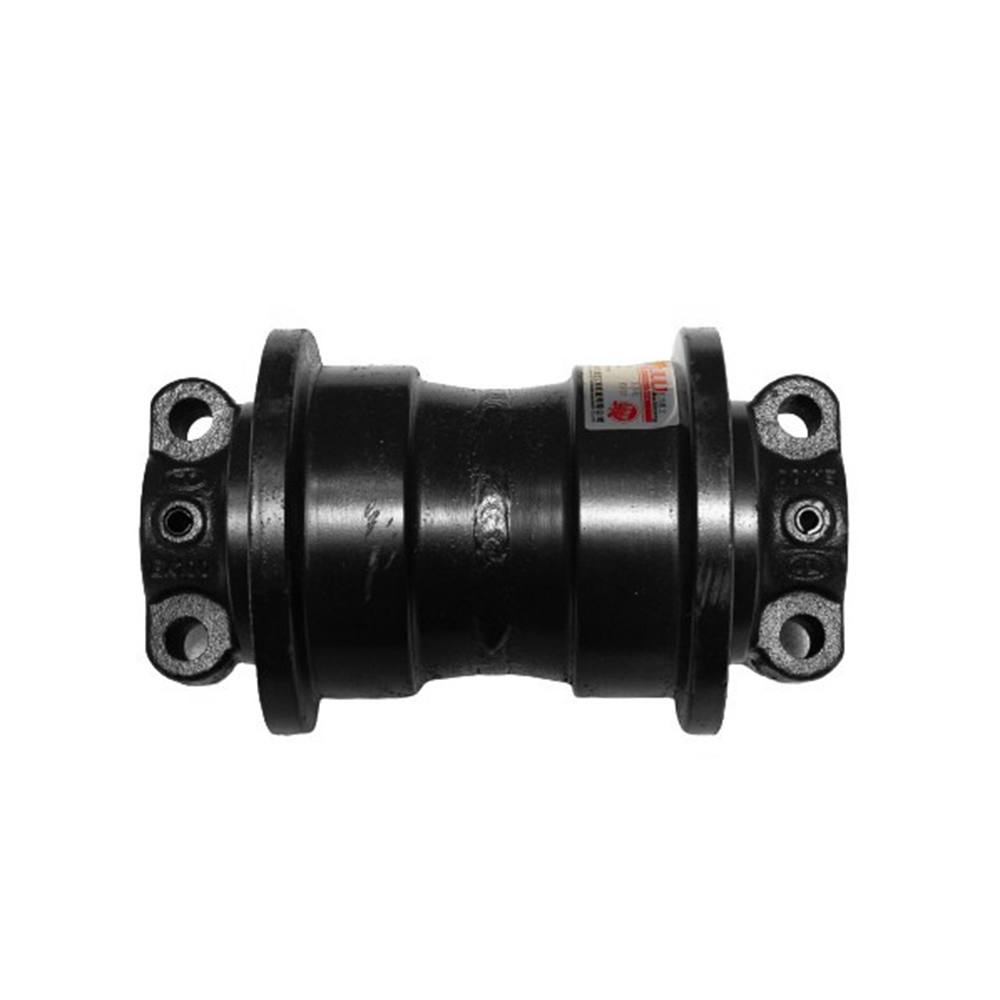
Абстрактный
Производство комплектующих для тяжелого машиностроения, особенно детали ходовой части, такие как опорные катки, требует нанесения поверхностного покрытия, обеспечивающего исключительную долговечность и устойчивость к коррозии.. В этом документе рассматриваются тонкости процесса автоматизированной покраски опорных катков., технологический переход от ручных методов нанесения к роботизированным системам, обеспечивающим превосходную последовательность, эффективность, и качество. Анализ процесса показывает многоэтапную методологию, включающую тщательную подготовку поверхности., сложное роботизированное программирование, точный контроль химического состава краски, и строгие протоколы обеспечения качества. В исследовании изучаются сравнительные преимущества различных автоматизированных технологий., включая шарнирные роботизированные руки и различные методы распыления краски.. Далее рассматривается критическое взаимодействие между подготовкой субстрата, такие как дробеструйная обработка и химические конверсионные покрытия, и окончательная адгезия и эксплуатационные характеристики краски.. Цель состоит в том, чтобы предоставить комплексную основу для производителей и инженеров в таких регионах, как Россия., Австралия, и Юго-Восточной Азии, чтобы понять, осуществлять, и оптимизировать автоматизированную покрасочную линию, тем самым увеличивая срок службы опорных катков в сложных условиях, таких как горнодобывающая промышленность и строительство.. В дискурсе синтезируются принципы материаловедения., робототехника, химия, и качество проектирования, чтобы представить целостное представление об этом передовом производственном процессе..
Ключевые выводы
- Правильная подготовка поверхности является основой адгезии краски и долгосрочной устойчивости к коррозии..
- Выбор правильной роботизированной системы и распылителя напрямую влияет на эффективность переноса краски и качество отделки..
- Контроль вязкости и химического состава краски жизненно важен для стабильного нанесения и эффективности отверждения..
- Внедрите надежный автоматизированный процесс покраски опорных катков, чтобы добиться безупречного результата., повторяемые покрытия.
- Экологический контроль в покрасочной камере не подлежит обсуждению для предотвращения дефектов поверхности..
- Системы технического зрения на базе искусственного интеллекта меняют контроль качества, позволяя обнаруживать дефекты в режиме реального времени..
- Структурированный план профилактического обслуживания имеет основополагающее значение для долговечности и надежности автоматизированной системы..
Оглавление
- Основополагающий императив: Зачем нужна автоматическая покраска опорных катков?
- Рассмотрение 1: Предварительная обработка – невоспетый герой адгезии краски
- Рассмотрение 2: Выбор и интеграция роботизированной системы
- Рассмотрение 3: Химический состав краски и контроль вязкости
- Рассмотрение 4: Искусство и наука программирования путей
- Рассмотрение 5: Экологический контроль и предотвращение загрязнения
- Рассмотрение 6: Контроль качества и анализ дефектов на автоматизированной линии
- Рассмотрение 7: Обслуживание, Безопасность, и перспективность
- Часто задаваемые вопросы (Часто задаваемые вопросы)
- Заключение
- Ссылки
Основополагающий императив: Зачем нужна автоматическая покраска опорных катков?
Прежде чем мы сможем оценить замысловатый танец роботизированной руки, наносящей безупречный слой краски., мы должны сначала понять мир, в котором его предмет, опорный каток, живет и действует. Это мир огромного давления, постоянное истирание, и постоянное воздействие агрессивных элементов. Бульдозеры, экскаваторы, и другая гусеничная техника – рабочие лошадки современного строительства, добыча, и сельское хозяйство (БигРентц, 2023). Их способность перемещаться по пересеченной местности полностью зависит от системы ходовой части., сложная сборка звездочек, бездельники, цепочки, и, конечно, опорные катки. Чтобы понять необходимость усовершенствованного процесса отделки, необходимо сначала осознать жестокую реальность, с которой эти компоненты сталкиваются ежедневно..
The Brutal Reality of a Track Roller's Life
Представьте себе бульдозер весом более 70 тонн пробиваются через каменистый карьер в австралийской глубинке или грязную строительную площадку в Юго-Восточной Азии.. Весь вес этой машины распределяется через несколько точек контакта гусеничной цепи., которые, в свою очередь, поддерживаются опорными катками. Эти катки постоянно трутся о стальные звенья гусеницы., выдерживать огромные статические и динамические нагрузки. Их забрасывают камнями, песок, и гравий. Они погружены в грязь, вода, и кислые шахтные дренажи. Эксплуатационная среда представляет собой идеальный шторм для механического износа и химической коррозии..
Выход из строя одного опорного катка может привести к остановке всей многомиллионной машины., вызывая дорогостоящие простои и логистические кошмары. Целостность опорного катка, поэтому, дело не в простой механике; это вопрос экономической жизнеспособности проекта, который он обслуживает. Основная защита от этого нападения, помимо первоначальной металлургии и термической обработки самой стали, это защитное покрытие. Плохо нанесенная покраска – это больше, чем косметический недостаток.; это приглашение ржавчины начать свою коварную работу, нарушение структурной целостности компонента снаружи в. Требования, предъявляемые к этим прочные компоненты ходовой части требуют такого же прочного и надежного процесса нанесения покрытия, как и сама деталь..
От ручного распыления к роботизированной точности: Эволюционный скачок
В течение многих лет, стандартным методом окраски деталей тяжелой техники было ручное распыление.. Квалифицированный оператор, вооружен краскопультом, наносил бы краску в меру своих возможностей. Хотя этот метод может дать достойную отделку в руках настоящего мастера., это чревато внутренними противоречиями. Толщина пленки может существенно различаться от одной детали к другой., или даже в одной части. Один оператор может нанести слой немного толще, чем другой.. Усталость может наступить, приводит к капельницам, провисает, и пропущенные места. Более того, эффективность переноса — процент краски, которая фактически попадает на деталь, а не теряется в результате избыточного распыления — часто довольно низка при ручных процессах, что приводит к значительным отходам материалов и более высоким выбросам летучих органических соединений. (ЛОС).
Автоматизированный процесс покраски опорных катков представляет собой сдвиг парадигмы. Он заменяет изменчивость человеческой руки безошибочной повторяемостью машины.. Роботизированная система может следовать по тому же пути., с той же скоростью, с точно таким же расходом краски, для тысяч деталей без отклонений. В результате получается равномерная толщина пленки, которая оптимизирована как с точки зрения защиты, так и с точки зрения стоимости.. Это эволюция от ремесла к науке., от приближения к точности.
Экономический и качественный аргумент в пользу автоматизации
Экономическое обоснование автоматизации в этой сфере является убедительным.. Хотя первоначальные капиталовложения в роботизированную окрасочную линию значительны, возврат инвестиций осуществляется по нескольким ключевым направлениям. Снижение расхода краски за счет более высокой эффективности переноса, более низкие затраты на рабочую силу, увеличенная пропускная способность, а также значительное сокращение доработок и гарантийных претензий - все это способствует более здоровой прибыли.. В таблице ниже представлено резкое сравнение двух методологий., иллюстрирующая количественные преимущества внедрения автоматизированного процесса окраски опорных катков.
| Метрика | Ручная окраска распылением | Автоматизированная роботизированная покраска |
|---|---|---|
| Постоянство толщины пленки | От низкого до среднего (Высокая зависимость от оператора) | Очень высоко (Повторяемость в пределах микронов) |
| Эффективность передачи | 30% – 50% (Обычные краскопульты) | 65% – 95% (Электростатические/HVLP распылители) |
| Пропускная способность (Деталей в час) | Переменная, зависит от навыков оператора | Высокий и последовательный |
| Требование к рабочей силе | Высокий (На каждый стенд требуются квалифицированные маляры.) | Низкий (Руководители и обслуживающий персонал) |
| Материальные отходы (Краска) | Высокий | Низкий |
| Выбросы ЛОС | Высокий | От низкого до среднего (в зависимости от краски/уменьшения) |
| Доработка/процент дефектов | 5% – 15% (Обычно) | < 1% (При правильной настройке) |
| Здоровье оператора & Безопасность | Повышенное воздействие растворителей и твердых частиц | Минимальное прямое воздействие |
Аргумент качества столь же силен. последовательный, равномерное покрытие обеспечивает предсказуемую и надежную защиту от коррозии. Нет слабых мест, куда может закрепиться ржавчина. Отделка эстетически превосходна, который, в то время как вторичен по отношению к функции, отражает общее качество изготовленной детали и самого бренда. Для поставщиков, обслуживающих требовательные международные рынки, от замерзших территорий России до влажного климата Ближнего Востока, поставка продукта с подтверждаемым превосходным покрытием является значительным конкурентным преимуществом..
Рассмотрение 1: Предварительная обработка – невоспетый герой адгезии краски
Можно было бы подумать, что процесс рисования начинается с краски.. На самом деле, Успех или неудача покрытия определяется задолго до того, как распылится хотя бы одна капля краски.. Этап предварительной обработки является невидимым фундаментом, на котором строится вся защитная система.. Вы можете использовать самую совершенную роботизированную систему и самую дорогую, химически модифицированная краска, но если нанести его на загрязненную или неправильно подготовленную поверхность, вы гарантируете преждевременный выход из строя. Цель предварительной обработки двоякая.: создать хирургически чистую поверхность и модифицировать эту поверхность для обеспечения максимальной адгезии. Этот этап является важнейшим компонентом любого серьезного автоматизированного процесса покраски гусеничных катков..
Механическая подготовка поверхности: Дробеструйная очистка против. Пескоструйная очистка
Первым шагом при работе с ковкой или отливкой из необработанной стали для опорного катка является удаление прокатной окалины., ржавчина, сварочный флюс, или другие поверхностные загрязнения. Больше, чем просто уборка, цель состоит в том, чтобы создать поверхностный «профиль»" или «якорный рисунок» — серия микроскопических выступов и впадин, которые значительно увеличивают площадь поверхности и придают краске физическую структуру, позволяющую удерживаться на ней.. Наиболее распространенными методами для достижения этой цели являются дробеструйная и пескоструйная очистка..
Представьте себе, что вы пытаетесь нарисовать лист полированного стекла вместо листа отшлифованного дерева.. Краска будет скатываться и легко отслаиваться от стекла., в то время как он впитается и прочно приклеится к дереву. Это принцип создания профиля поверхности..
- Дробеструйная очистка: В этом процессе используется центробежное колесо для приведения в движение небольших, сферические металлические частицы (выстрелил) at high velocity against the part's surface. Удар выстрела пробивает поверхность, создание ямочки, однородная текстура. Он очень эффективен для удаления накипи и, как правило, быстрее., менее агрессивный процесс, чем пескоструйная очистка. Его часто предпочитают для новых деталей, основной целью которых является очистка и создание единообразного профиля..
- Пескоструйная очистка: В этом методе для придания углового движения используется сжатый воздух., острые частицы (стойкость), например, стальная крошка или оксид алюминия, на поверхности. Острые края песка врезаются в сталь., создание более угловатого и, как правило, более глубокого рисунка привязки. Пескоструйная очистка более агрессивна и отлично подходит для удаления сильной ржавчины., толстые покрытия, и для достижения очень глубокого профиля, когда этого требует определенная система окраски..
Выбор между дробью и дробью, а также конкретный размер и твердость используемого носителя, не является произвольным. It is dictated by the part's initial condition, его металлургия, и характеристики грунтовки, которая будет наноситься. Стандарт чистоты поверхности, часто указывается как Sa 2.5 или «Почти белая струйная очистка»." по ИСО 8501-1, это общая цель. Этот стандарт предписывает, что поверхность должна быть очищена от видимого масла., жир, грязь, пыль, мельница окалина, ржавчина, и рисовать, остались лишь небольшие пятна или полосы.
Химическая очистка и конверсионные покрытия: Молекулярная связь
После механоструйной обработки, деталь может выглядеть чистой, но микроскопические остатки могут оставаться. Следующий этап предварительной обработки переходит от механической к химической сфере.. Деталь обычно пропускают через многоступенчатую мойку..
- Щелочное обезжиривание: Первый этап — промывка горячей щелочью для удаления остатков масел., смазочные материалы, или смазки, образующиеся в процессе производства или обращения с.
- Полоскание: Далее следует несколько этапов промывки для удаления щелочного раствора и омыленных масел., обеспечение отсутствия на поверхности каких-либо химических остатков, которые могут помешать следующему шагу..
- Конверсионное покрытие: Это, пожалуй, самый сложный этап процесса предварительной обработки.. Деталь погружается в химический раствор или опрыскивается им., чаще всего раствор фосфата железа или фосфата цинка.. Это не просто еще один этап очистки. Раствор вступает в реакцию со стальной поверхностью, образуя тонкую, инертный, кристаллический слой, химически связанный с подложкой.
Думайте о конверсионном покрытии как о молекулярном мостике.. Превращает активную стальную поверхность в стабильную, non-metallic surface that is not only more corrosion-resistant on its own but also has a crystalline structure that is exceptionally receptive to the paint's polymer chains. Покрытие из фосфата железа является хорошим, экономически выгодный вариант, в то время как покрытие из фосфата цинка обеспечивает превосходную производительность, создание более прочной кристаллической структуры, которая обеспечивает улучшенную адгезию и устойчивость к коррозии под пленкой.. Выбор зависит от желаемых эксплуатационных характеристик и целевых затрат..
Роль сушки и осушения
Заключительный акт саги о предварительной обработке — сушильная печь.. После последнего полоскания, деталь должна быть полностью и быстро высушена, чтобы предотвратить быстрое ржавление — мгновенное образование тонкого слоя ржавчины на только что очищенной и активированной стальной поверхности.. Любая влага, оставшаяся на поверхности или попавшая в щели, станет причиной отказа при покраске.. В сушильной печи используется нагрев, циркулирующий воздух для испарения всей воды. Температура и время нахождения в печи тщательно контролируются, чтобы обеспечить полное высыхание без перегрева детали., которые могут повлиять на свежесформированное конверсионное покрытие. Во влажной среде, подобные тем, что встречаются в некоторых частях Африки и Юго-Восточной Азии., контроль влажности окружающей среды при переходе от сушильной печи к покрасочной камере также является важным фактором для предотвращения повторной конденсации влаги на холодной стальной поверхности..
Рассмотрение 2: Выбор и интеграция роботизированной системы
С идеально подготовленным опорным катком, готовым к нанесению защитного слоя, наше внимание обращается к сердцу автоматизированной системы: сам робот. Выбор роботизированной системы не является универсальным решением.. Это тщательный расчет, основанный на размере и сложности детали., требуемая пропускная способность, планировка цеха завода, и тип наносимой краски. Цель – выбрать систему, обеспечивающую необходимый охват, Гибкость, и грузоподъемность для выполнения покрасочных работ с максимальной эффективностью и точностью.. Интеграция этого робота в более крупную производственную линию является сложной задачей механиков., электрический, и разработка программного обеспечения.
Шарнирно-сочлененные роботы против. Декартовы системы: Кинематический выбор
Когда люди представляют себе «робота," они обычно представляют шестиосного шарнирно-сочлененного робота, который точно имитирует универсальность человеческой руки с «плечом».," "локоть," и «запястье." Это, безусловно, наиболее распространенный выбор для сложных задач окраски.
Шестиосные шарнирно-сочлененные роботы: Эти роботы предлагают максимальную гибкость. Их многочисленные вращающиеся соединения позволяют им обходить углы., покраска сложных внутренних поверхностей, и всегда поддерживать оптимальный угол и расстояние между распылителем и деталью.. Для такого компонента, как опорный каток, с изогнутыми внешними поверхностями, фланцы, и центральное отверстие, ловкость шестиосного робота неоценима. Их можно запрограммировать так, чтобы они следовали сложными путями, которые были бы невозможны для человека или более простой машины..
Декартовы роботы: Эти роботы, также известные как портальные или линейные роботы, двигаться по трем линейным осям (Х, Да, З). Думайте о них как о мостовом кране с прикрепленным к нему распылителем.. Хотя им не хватает плавной гибкости шарнирной руки., они преуспевают в рисовании больших размеров, относительно ровные поверхности. Они проще механически, часто дешевле, и его легче программировать для простой геометрии.. Для крупносерийной линии, предназначенной для одного, простая часть, можно рассмотреть декартову систему, но для разнообразных и сложных форм элементов ходовой части, шарнирно-сочлененный робот — лучший выбор.
The selection also involves considering the robot's "work envelope" (пространство, которого он может достичь), его грузоподъемность (он должен иметь возможность носить с собой пистолет-распылитель, шланги, и любой другой инструмент), и его классификация для использования в опасных зонах (покрасочные камеры являются взрывоопасной средой).
Концевая оснастка (ЕОАТ): Атомайзер на переднем крае
Робот — всего лишь движущая сила; настоящая работа по покраске выполняется с помощью инструментов на конце руки. (ЕОАТ), особенно распылитель или распылитель. Выбор распылителя в основном зависит от типа используемой краски и желаемого качества отделки.. Цель распыления — разбить жидкую краску на мелкие частицы., контролируемый туман.
- Большой объем, Низкое давление (ХВЛП) Оружие: Они используют большой объем воздуха при низком давлении для распыления краски.. Они обеспечивают хорошую эффективность передачи и точный контроль., что делает их пригодными для высококачественной отделки.
- Безвоздушные/пневматические безвоздушные пистолеты: Безвоздушные системы используют высокое гидравлическое давление для подачи краски через крошечное отверстие., заставляя его распыляться. Они могут быстро подавать очень большие объемы краски, но их труднее контролировать.. Безвоздушный метод с подачей воздуха обеспечивает подачу небольшого количества воздуха в сопло для улучшения рисунка и уменьшения пятнистости..
- Электростатические ротационные распылители (Колокола): Это край высоких технологий. Краска подается в центр быстро вращающейся чашки или колокольчика. (30,000-60,000 об/мин). Центробежная сила отбрасывает краску на край колокола., где он образует чрезвычайно тонкие связки, которые распадаются на мягкую, постоянный туман. Одновременно, электростатический заряд (вплоть до 100,000 вольты) наносится на частицы краски. Поскольку опорный каток заземлен, заряженные частицы краски активно притягиваются к детали, даже оборачивая, чтобы покрыть обратную сторону. Этот «обход" эффект дает электростатическим колоколам максимально возможную эффективность передачи, часто превышающий 90%. Это означает меньше траты краски., более низкие выбросы ЛОС, и более равномерное покрытие, что делает его лучшим выбором для высокопроизводительного автоматизированного процесса окраски опорных катков..
Интеграция ПЛК и человеко-машинный интерфейс (ЧМИ)
Робот не работает в вакууме. Это центральный элемент более крупной системы, включающей конвейеры., датчики распознавания деталей, комнаты для смешивания красок, предохранительные блокировки, и печи для затвердевания. Дирижером всего этого оркестра является Программируемый Логический Контроллер. (ПЛК). ПЛК — это промышленный компьютер повышенной прочности, который получает входные данные от датчиков. (НАПРИМЕР., «деталь на месте»), обрабатывает логику ("если присутствует тип детали A, запустить программу А"), и отправляет выходные данные на исполнительные механизмы (НАПРИМЕР., "запустить конвейер," «сказать роботу, чтобы он начал рисовать»).
Связь между контроллером робота и главным ПЛК жизненно важна для бесперебойной работы.. Человеко-машинный интерфейс (ЧМИ) является окном в эту систему для человека-руководителя. Обычно это сенсорная панель, на которой отображается состояние всей линии., позволяет оператору выбирать рецепты, запустить и остановить процесс, и просматривать сигналы тревоги или диагностику. Хорошо спроектированный HMI интуитивно понятен., предоставление четкой информации и контроля, не перегружая пользователя. Это позволяет оператору с минимальной подготовкой в области робототехники эффективно управлять очень сложной автоматизированной системой..
Рассмотрение 3: Химический состав краски и контроль вязкости
Мы подготовили поверхность и выбрали робота-маляра.. Теперь надо обратить внимание на саму краску.. Покрытие, нанесенное на опорный каток, — это не просто «краска»." в декоративном смысле; это высокотехнологичная химическая система, разработанная для того, чтобы выдерживать экстремальные условия.. Выбор этой системы и точный контроль ее физических свойств во время применения имеют первостепенное значение.. Автоматизированный процесс может быть настолько хорош, насколько хорош материал, который он применяет.. Неспособность понять и управлять химическим составом краски — это верный путь к непостоянным результатам и неудачам на местах..
с высоким содержанием твердых веществ, водный, или порошковые покрытия? Сравнительный анализ
Выбор технологии окраски – это баланс производительности, расходы, и экологическое регулирование. Основными претендентами на применение в тяжелом оборудовании являются краски на основе растворителей с высоким содержанием сухих веществ., водные краски, и порошковые покрытия.
| Тип покрытия | Ключевые характеристики | Преимущества опорных катков | Недостатки |
|---|---|---|---|
| На основе растворителей | Традиционная технология с высоким содержанием твердых веществ (пигмент/смола) и более низкое содержание растворителя. | Отличная адгезия, высокий глянец, быстрое отверждение, надежная и проверенная эффективность. | Более высокие выбросы ЛОС, легковоспламеняющийся, требуется очистка растворителем. |
| водный | В качестве основного носителя вместо химических растворителей используется вода.. | Очень низкий уровень ЛОС, негорючий, легкая очистка водой. | Медленное высыхание/отверждение, требуется оборудование из нержавеющей стали, чувствителен к влажности во время нанесения. |
| Порошковое покрытие | Сухой, сыпучий порошок, нанесенный электростатически, а затем отвержденный при нагревании с образованием «кожи».. | Чрезвычайно прочный, отличная стойкость к сколам/истиранию, ноль ЛОС, высокая эффективность передачи. | Требуется печь для затвердевания, трудно получить тонкие пленки, смена цвета может занять много времени. |
В течение многих лет, Эпоксидные смолы и полиуретаны с высоким содержанием нелетучих компонентов на основе растворителей были предпочтительным выбором для тяжелого оборудования из-за их непревзойденной долговечности и простоты применения в широком диапазоне условий.. Однако, Ужесточение экологических норм в отношении ЛОС, особенно в таких регионах, как Европа и некоторые части Азии, привели к значительным инновациям в технологиях нанесения покрытий на водной основе и порошковых покрытий.. Порошковая покраска, в частности, предлагает убедительные аргументы в пользу опорных катков. Жесткий, толстая пленка, которую он создает, исключительно устойчива к сколам и истиранию, с которыми постоянно сталкиваются эти детали.. Автоматизированный процесс окраски опорных катков должен быть разработан с учетом конкретных требований выбранной системы окраски.. Линию, предназначенную для жидкой краски, нелегко переоборудовать в порошковую., и наоборот.
Наука вязкости: Температура, сдвиг, и скорость потока
Для жидких красок (как на основе растворителей, так и на водной основе), the single most important physical property to control is viscosity—a measure of the fluid's resistance to flow. Подумайте о разнице между водой и медом.. Вода имеет низкую вязкость, мед имеет высокую вязкость. Вязкость краски определяет, насколько хорошо она распыляется., как оно будет вытекать на поверхность, и его склонность к провисанию или скатыванию на вертикальных поверхностях..
Вязкость краски очень чувствительна к температуре.. Поскольку краска становится теплее, его вязкость падает; как становится холоднее, его вязкость увеличивается. Изменение температуры краски на 5°C может изменить вязкость настолько, насколько это возможно. 30-50%. Без контроля температуры, покрасочная линия на заводе без климат-контроля в Корее может разбрызгиваться, жидкая краска летним днем и густая, плохо распыленная краска зимним утром. Это приводит к массовым противоречиям.
Надежная автоматизированная система должна включать систему циркуляции краски с контролем температуры.. Краска постоянно циркулирует из центральной комнаты для смешивания через теплообменник для поддержания точной температуры. (НАПРИМЕР., 25°С ± 1°С) all the way to the robot's atomizer. Это гарантирует, что вязкость в точке нанесения всегда одинакова., день или ночь, лето или зима, что является краеугольным камнем повторяемого процесса.
Механизмы отверждения: От термических печей к инфракрасному и УФ-излучению
После нанесения краски, это все еще просто мокрый фильм. Последний шаг – лечение, химический процесс, превращающий жидкость в твердое вещество, прочный, твердое покрытие. The curing method is dictated by the paint's chemistry.
- Тепловые конвекционные печи: Это самый распространенный метод. Окрашенная деталь проходит через длинную печь, в которой циркулирует горячий воздух для ускорения испарения растворителей. (или вода) и управлять химическими реакциями сшивки в смоле. Временной и температурный профиль духовки (НАПРИМЕР., 20 минут при 80°C) точно контролируется.
- Инфракрасный (И) Духовки: ИК-печи используют инфракрасное излучение для непосредственного нагрева поверхности окрашенной детали.. Это гораздо более быстрый метод нагрева, чем конвекция., так как он не тратит энергию на нагрев окружающего воздуха. ИК может значительно сократить время отверждения и физическое воздействие печи.. Он особенно эффективен для плоских или простых деталей, но может возникнуть проблема с равномерным нагревом сложной геометрии с затененными областями..
- Ультрафиолетовый (УФ) Лечение: Это узкоспециализированный процесс, используемый для нанесения покрытий, отверждаемых УФ-излучением.. Краска содержит фотоинициаторы, которые, при воздействии ультрафиолета высокой интенсивности, мгновенно вызвать реакцию полимеризации, высыхание краски за секунды. Этот метод чрезвычайно быстрый и энергоэффективный, но требует специально разработанного метода. (и часто дороже) краски и прямая видимость УФ-ламп на окрашиваемую поверхность..
Для прочных покрытий, необходимых для опорных катков, комбинированный подход часто бывает эффективным. Например, короткое ИК-гелеобразование" зону можно использовать для быстрого схватывания поверхности краски во избежание провисания, с последующей более длинной конвекционной печью, чтобы гарантировать полное отверждение всей толщины пленки.
Рассмотрение 4: Искусство и наука программирования путей
Современный робот и идеально кондиционированная краска бесполезны без правильных инструкций.. The programming of the robot's path is where the "intelligence" системы находится. This is the set of digital commands that dictates the robot's every move, перевод требований процесса рисования в физический балет точности. Цель – нанести идеально равномерный слой краски на всю сложную поверхность опорного катка., тратя как можно меньше материала и завершая цикл в кратчайшие сроки. Это задача, сочетающая эмпирическую науку о гидродинамике с практическим искусством мастера-художника..
Автономное программирование (ООП) против. Обучение программированию подвесного пульта
Существует два основных способа сообщить роботу, что делать.: обучать подвесному программированию и автономному программированию.
Обучение программированию подвесного пульта: Это традиционный метод. Квалифицированный техник доставляет физического робота в покрасочную камеру и использует портативный контроллер. ("обучающий кулон") to manually move the robot's arm through the desired painting motions. Они «учат" робот, сохраняя ряд точек, составляющих путь. Этот метод является прямым и интуитивно понятным, но имеет существенные недостатки.. Требуется остановка производственной линии для программирования., что означает потерю производственного времени. Это также сильно зависит от навыков программиста., и может быть сложно создать идеально гладкую, оптимизированные пути. Программист также работает в покрасочной камере..
Автономное программирование (ООП): Это современный, программный подход. Программисты работают на компьютере в офисе, далеко от производственной линии. Они используют 3D-модель опорного катка CAD и программное обеспечение для моделирования, содержащее цифрового двойника робота и покрасочной камеры.. В этой виртуальной среде, they can create and test the robot's paths. Они могут указывать такие параметры, как скорость, угол распыления, и расход краски для каждого сегмента пути. Программное обеспечение может автоматически генерировать пути., проверить наличие столкновений, и даже смоделировать полученную толщину пленки. Как только программа будет усовершенствована в виртуальном мире, он загружается в настоящего робота. OLP максимизирует время безотказной работы производства, позволяет использовать гораздо более сложные и оптимизированные пути, и безопаснее для программистов. Для большого объема, высококачественный автоматизированный процесс покраски опорных катков, OLP — лучшая методология.
Оптимизация расстояния и перекрытия между пистолетом и деталью
Двумя наиболее фундаментальными переменными при любом распылении являются расстояние от распылителя до детали и степень перекрытия между последовательными проходами распыления..
Расстояние от пистолета до детали: Это расстояние напрямую влияет на размер распыла и эффективность переноса.. Если пистолет находится слишком близко, узор маленький, и сила воздуха может создать отскок и турбулентность, приводящие к дефектам. Если пистолет находится слишком далеко, узор становится слишком широким и размытым, значительное количество красочного тумана не достигает детали, и эффективность передачи падает. Для электростатического звонка, оптимальное расстояние обычно составляет около 25-30 см. The robot's program must maintain this optimal distance with high precision, даже когда он повторяет изогнутые поверхности опорного катка.
Перекрывать: Чтобы добиться однородности пленки, каждый проход краскопульта должен перекрывать предыдущий. Типичная цель – это 50% перекрывать. Это означает, что центр каждого нового распыления направлен на край предыдущего.. Слишком малое перекрытие приводит к появлению светлых и темных полос. ("полосатый"). Слишком большое перекрытие приводит к чрезмерно толстой пленке и возможным провисаниям и потекам.. The robot's path must be programmed to maintain this precise overlap consistently across the entire part.
Навигация по сложной геометрии: Фланцы, Хабы, и уплотнения
Опорный каток – это не простой цилиндр. Имеет монтажные фланцы, центральное отверстие, в котором находятся подшипники и уплотнения, и углубленные зоны. Эти особенности создают проблемы при покраске.. Места контакта ролика с гусеничной цепью требуют прочного покрытия., однако прецизионно обработанные поверхности уплотнений и подшипников должны оставаться полностью очищенными от краски..
Вот где проявляется точность роботизированного программирования.. Робот может быть запрограммирован на:
- Избегание маскировки: Точно проследите край замаскированной области, нанесение краски до линии без перерасхода на защищаемую поверхность. Это уменьшает или устраняет необходимость ручной подкраски или удаления краски после отверждения..
- Регулировка угла: Робот может постоянно регулировать «запястье»." угол распылителя, чтобы держать его перпендикулярно поверхности, даже при покраске радиуса фланца или внутренней части центрального отверстия. Это обеспечивает равномерное нанесение пленки в местах, до которых человеку-маляру трудно постоянно добраться..
- Триггерное управление: Программа может включать и выключать краскопульт с точностью до миллисекунды., метод, известный как «триггер»." Это позволяет роботу рисовать определенные разделы, пропуская другие., например, отверстия во фланцах, минимизация перерасхода и потерь краски.
Программирование таких сложных геометрических форм представляет собой итеративный процесс виртуального моделирования и реальных испытаний для достижения идеального результата., эффективный, и полное покрытие.
Рассмотрение 5: Экологический контроль и предотвращение загрязнения
Идеальная подготовка детали, идеальный робот, и безупречную программу можно сделать бесполезной из-за одной пылинки.. Сама среда рисования является важной переменной в уравнении качества.. Цель состоит в том, чтобы создать автономную микросреду, оптимизированную для нанесения краски и свободную от внешних загрязнений.. Покрасочная камера — это не просто ящик для хранения избыточного распыления.; это сложный образец экологической инженерии. В автоматизированном процессе покраски опорных катков мирового класса., контроль над этой средой абсолютен.
Покрасочная камера под давлением: Крепость против дефектов
Основной защитой от загрязнения, передающегося по воздуху, является покрасочная камера с нисходящей тягой под давлением.. Вот как это работает:
- Положительное давление: The booth's air handling system brings in more filtered air than it exhausts. Это создает небольшое положительное давление внутри кабины относительно окружающей фабрики.. Это означает, что воздух всегда выходит из любых небольших отверстий., трещины, или слоты конвейера, активно предотвращает попадание пыли и грязи с завода.
- Нисходящий поток воздуха: Чистый, фильтрованный воздух подается через диффузионный потолок через всю верхнюю часть кабины и течет вертикально вниз., как нежный, равномерный занавес, над окрашиваемой частью. Этот нисходящий поток улавливает любые частицы избыточного распыления и переносит их в отфильтрованную выхлопную камеру в полу.. Это предотвращает попадание избыточного распыления с одной детали на другую и сохраняет воздух вокруг робота и детали исключительно чистым..
Это контролируемое, ламинарный поток воздуха необходим для достижения класса А" заканчивать, свободный от перьев, пыль, и другие дефекты, передающиеся по воздуху. Скорость воздуха тщательно сбалансирована — достаточно быстро, чтобы эффективно удалить избыточное распыление, но не настолько быстро, чтобы нарушить рисунок распыления краски на роботе..
Фильтрация воздуха, Температура, и управление влажностью
Воздух, поступающий в покрасочную камеру, должен быть чище, чем воздух в операционной больницы.. Это достигается за счет многоступенчатой системы фильтрации.. Предварительные фильтры улавливают крупные частицы, а высокоэффективные фильтры тонкой очистки, часто HEPA-класса, удалять частицы до субмикронного уровня.
Точно так же, как температура краски имеет решающее значение, так же как и температура и влажность воздуха внутри кабины..
- Контроль температуры: Поддержание стабильной температуры воздуха (НАПРИМЕР., 22-24°С) helps to stabilize the evaporation rate of the paint's solvents or water. Такая консистенция способствует предсказуемому вытеканию и отверждению..
- Контроль влажности: Это особенно важно для красок на водной основе.. Высокая влажность может резко замедлить испарение воды из лакокрасочной пленки., приводящие к проседаниям, бежит, и увеличенное время отверждения. Низкая влажность может привести к слишком быстрому высыханию краски., что приводит к плохому оттоку и текстурированной «апельсиновой корке»." появление. Правильная установка кондиционирования воздуха будет включать функции увлажнения или осушения для поддержания относительной влажности в узком диапазоне. (НАПРИМЕР., 50-65% относительной влажности). Для производителей в сильно изменчивом климате Африки или во влажных условиях прибрежной Австралии., контроль влажности – не роскошь; это необходимость для стабильного качества.
Сокращение выбросов ЛОС и соблюдение экологических требований
Воздух, выходящий из покрасочной камеры, несет в себе пары растворителя. (ЛОС) и брызги краски, уловленные нисходящим потоком. Экологические нормы по всему миру, из России в Корею, установить строгие ограничения на количество ЛОС, которые могут быть выброшены в атмосферу.. Следовательно, отработанный воздух должен быть очищен.
Первая линия защиты — это ряд фильтров, задерживающих краску, в выхлопной камере, улавливающих твердые частицы избыточного распыления.. Воздух, насыщенный растворителями, затем поступает в систему очистки.. Наиболее распространенной технологией для этого является регенеративный термический окислитель. (РТО). RTO - это, по сути, очень высокотемпературная печь. (более 800°С) в котором используется слой керамического материала для предварительного нагрева поступающего воздуха, насыщенного растворителями.. При таких высоких температурах, ЛОС окисляются (сожженный) и преобразуются в безвредный углекислый газ и водяной пар.. «Регенеративный" часть названия происходит от того, что горячий, чистый воздух, выходящий из камеры сгорания, используется для нагрева следующего керамического слоя, который затем будет использоваться для предварительного нагрева следующего цикла поступающего грязного воздуха. Этот процесс восстанавливается до 97% тепловой энергии, превращение RTO в высокоэффективный и энергоэффективный метод обеспечения соблюдения экологических требований.
Рассмотрение 6: Контроль качества и анализ дефектов на автоматизированной линии
Обещание автоматизации всегда является идеальной частью. Реальность такова, что даже в самых сложных системах, могут возникнуть отклонения. Сопло может частично засориться., регулятор давления может дрейфовать, или партия краски может немного не соответствовать спецификации. Следовательно, комплексный контроль качества (КК) стратегия не устраняется автоматизацией; скорее, оно развивается. Фокус смещается от проверки каждой детали на предмет человеческих ошибок к мониторингу процесса на предмет любого отклонения от оптимизированного состояния.. Цель — мгновенно уловить эти отклонения., предотвращение производства большого количества бракованных деталей.
Текущий мониторинг: Толщина пленки и датчики влажной пленки
Ждать, пока деталь полностью затвердеет, чтобы обнаружить проблему, неэффективно.. Современный контроль качества делает упор на мониторинг в процессе.
- Толщина влажной пленки (ВФТ): Сразу после покраски, можно измерить толщину влажной пленки краски. Это можно сделать вручную с помощью простого гребенчатого калибра с зубцами для выборочных проверок.. Более продвинутые автоматизированные системы могут использовать бесконтактные датчики. (такие как ультразвуковые или лазерные системы) устанавливается на отдельном роботе или стационарном портале для автоматического измерения WFT в нескольких критических точках опорного катка. Если WFT не соответствует спецификации, это указывает на проблему с потоком краски, скорость робота, или расстояние до пистолета, которое можно немедленно исправить. WFT является прямым опережающим индикатором конечной толщины сухой пленки. (ДПФ).
- Мониторинг параметров процесса: ПЛК и ЧМИ постоянно контролируют сотни переменных процесса в режиме реального времени.: давление краски, расход краски, скорость звонка, электростатическое напряжение, температура духовки, скорости воздушного потока, и более. Можно настроить срабатывание сигналов тревоги, если какой-либо параметр выйдет за пределы допустимого диапазона., предупреждение руководителя о потенциальной проблеме до того, как она приведет к неисправности детали.
Проверка после отверждения: Адгезия, Твердость, и испытания на коррозию
Как только краска затвердеет, на статистической основе проводится ряд испытаний для подтверждения качества конечного продукта и стабильности процесса.. Эти испытания часто являются разрушительными и проводятся на образцах деталей или испытательных панелях, проходящих через линию..
- Толщина сухой пленки (ДПФ): Это самая базовая проверка качества.. Маленький, неразрушающий электронный датчик, использующий магнитную индукцию или вихревые токи, используется для измерения толщины затвердевшей краски.. Измерения проводятся в нескольких заданных точках ролика, чтобы обеспечить соответствие всей детали техническим спецификациям. (НАПРИМЕР., 80-120 микроны).
- Тестирование на адгезию (АСТМ Д3359): Это критический тест, позволяющий убедиться в правильности сцепления краски с основой.. Наиболее распространенным методом является тест перекрестной штриховки.. Специальным ножом разрезают сетку из 6×6 или 11×11 квадраты сквозь краску до стали. Специальная клейкая лента плотно приклеивается к сетке, а затем быстро снимается.. Затем количество краски, удаленной с сетки, оценивается по шкале от 5В. (краска не удалена, идеальная адгезия) до 0В (больше, чем 65% удаленный, полный провал). Для такой детали, как опорный каток, обычно требуется рейтинг 5B или 4B.
- Тест на твердость карандаша (АСТМ Д3363): This test measures the coating's resistance to scratching. Набор калиброванных карандашей разной твердости. (от 6Б, очень мягкий, до 9 часов, очень тяжело) толкаются по поверхности под определенным углом и давлением. «Твердость карандаша»" определяется как самый твердый карандаш, который не царапает и не выдавливает покрытие. Прочное полиуретановое верхнее покрытие может иметь твердость 2H или выше..
- Испытание на коррозионную стойкость (АСТМ Б117): Для моделирования долгосрочной работы в агрессивных средах., окрашенные детали помещаются в герметичный шкаф соляного тумана.. Горячий, распыленный раствор 5% соленая вода постоянно распыляется внутри камеры, создание чрезвычайно агрессивной коррозионной среды. Детали остаются в камере на определенное время. (НАПРИМЕР., 500 часов или 1000 часы) а затем оценивается на наличие признаков образования волдырей, ржавеет, или растекание ржавчины по разметке, нанесенной на покрытие. Это ускоренное испытание обеспечивает уверенность в долгосрочной долговечности системы покрытия.. Результаты этих испытаний обеспечивают важную обратную связь для обеспечения долговечности высококачественные опорные катки.
Системы технического зрения на базе искусственного интеллекта для обнаружения дефектов в реальном времени
Передовым достижением контроля качества в автоматизированной покраске является интеграция искусственного интеллекта. (ИИ) и машинное зрение. Камеры высокого разрешения размещаются внутри покрасочной камеры или на выходе из печи полимеризации.. Эти камеры фиксируют изображения каждой детали, проходящей через линию.. Модель ИИ года, который был обучен на тысячах изображений «хорошего" детали и детали со специфическими дефектами (капает, провисает, кратеры, грязь), анализирует эти изображения в режиме реального времени.
Если ИИ обнаруживает дефект, он может мгновенно пометить деталь как бракованную или переработанную и, что еще более важно, может соотнести дефект с данными процесса. Например, если он начнет обнаруживать серию провисаний на нижнем фланце роликов, это может коррелировать с небольшим падением вязкости краски, которое произошло несколькими минутами ранее.. Это позволяет системе не просто обнаруживать проблемы, но и начинать диагностику их коренных причин., переход от простого контроля качества к интеллектуальному управлению процессами.
Рассмотрение 7: Обслуживание, Безопасность, и перспективность
Автоматизированная покрасочная линия представляет собой сложную экосистему механического оборудования., электрический, и химические системы. Игнорирование необходимости регулярного ухода — прямой путь к дорогостоящему простою., снижение качества, и потенциальные угрозы безопасности. Проактивный подход к техническому обслуживанию, глубоко укоренившаяся культура безопасности, и перспективная стратегия технологической модернизации являются последними столпами, поддерживающими успешную и устойчивую деятельность.. Инвестиции в систему не заканчиваются в день ввода в эксплуатацию; это постоянное обязательство.
Графики профилактического обслуживания роботизированных систем
Робот может не уставать, но его компоненты изнашиваются. Профилактическое обслуживание (ПМ) программа представляет собой структурированный график проверок, уборка, смазки, и замена деталей, предназначенная для предотвращения сбоев до того, как они произойдут.. Типичный график рабочего дня для малярного робота включает в себя::
- Ежедневные проверки: Визуальный осмотр шлангов на предмет износа, проверка атомайзера на чистоту, проверка работоспособности датчиков безопасности.
- Еженедельные задания: Очистка манипулятора и основания робота, проверка уровня жидкости в коробке передач, резервное копирование программы робота.
- Ежемесячные/ежеквартальные задачи: Смазка шарниров и подшипников, замена фильтров в краскопроводах и воздуховодах, inspecting the robot's wrist assembly for wear.
- Ежегодное обслуживание: Более углубленный сервис, often performed by the robot manufacturer's technicians, что может включать замену изнашиваемых элементов, таких как уплотнения и прокладки., смазка гармонических приводов, and recalibrating the robot's positional accuracy.
Сходным образом, любой другой компонент в строке, from the conveyor chain to the oven burners to the RTO's ceramic media, должен иметь свой собственный график ПМ. Такой дисциплинированный подход сводит к минимуму непредвиденные поломки и обеспечивает автоматизированный процесс покраски опорных катков с той надежностью, для которой он был разработан..
Протоколы безопасности: Блокировки, аварийные остановки, и взрывозащита
Покрасочная камера – это по своей сути опасная среда.. Комбинация легковоспламеняющихся растворителей, высоковольтная электростатика, и мощный, высокоскоростное оборудование создает значительный риск возгорания, взрыв, и травмы. Безопасность не может быть второстепенной мыслью; он должен быть заложен в систему с нуля.
- Взрывозащищенный: Все электрические компоненты внутри покрасочной камеры — освещение., моторы, датчики, и сам робот — должен быть «искробезопасен»." или «взрывозащищенный»." Это означает, что они сконструированы таким образом, что не могут создать искру, способную воспламенить пары растворителя..
- Блокировки: Двери доступа в покрасочную камеру оснащены защитными блокировками.. Если дверь открыта, когда система находится в автоматическом режиме, робот немедленно остановится, и высокое напряжение будет отключено. Систему нельзя перезапустить до тех пор, пока дверь не будет закрыта и не будет инициирована последовательность сброса..
- Аварийные остановки (аварийные остановки): Красный, Кнопки аварийной остановки с грибовидной головкой расположены на всех постах оператора и в ключевых точках линии.. Нажатие любого аварийного останова немедленно остановит все опасные движения..
- Пожаротушение: Автоматизированные покрасочные камеры оснащены системами обнаружения пожара. (УФ/ИК датчики) и комплексная система пожаротушения, который может быстро залить кабину подавляющим агентом, таким как CO2, в случае пожара.
Комплексное обучение всего персонала этим системам безопасности и аварийным процедурам не подлежит обсуждению..
Путь в промышленность 4.0: Аналитика данных и прогнозное обслуживание
Будущее автоматизированного производства – за разумным использованием данных.. Современная автоматизированная покрасочная линия каждую секунду генерирует огромное количество данных.. Принципы промышленности 4.0 включать использование этих данных для создания более разумного, самооптимизирующаяся фабрика.
- Аналитика данных: Вместо того, чтобы просто тревожить, когда параметр выходит за пределы спецификации, Платформы расширенной аналитики могут выявлять тонкие тенденции и корреляции с течением времени.. Например, the system might learn that a gradual increase in the robot's motor current on Axis 4, в сочетании с небольшим увеличением вибрации, обнаруженной датчиком, является основным индикатором того, что коробка передач начинает выходить из строя.
- Прогнозируемое обслуживание (ПДМ): Это эволюция профилактического обслуживания. Вместо замены детали по фиксированному графику, PdM использует анализ данных, чтобы предсказать, когда компонент может выйти из строя, а затем планирует техническое обслуживание непосредственно перед тем, как это произойдет.. Это максимально увеличивает срок службы каждого компонента., снижает затраты на техническое обслуживание, и предотвращает внеплановые простои.
- Интеграция цифрового двойника: The OLP software's digital twin can be connected to the real-time data from the factory floor. Это позволяет инженерам тестировать изменения процесса или устранять проблемы в виртуальном мире, используя живые данные., перед внедрением их на реальной производственной линии.
Приняв эти концепции, производители могут оправдать свои инвестиции в будущем, превратив процесс автоматизированной покраски опорных катков из статического набора инструкций в динамический, система обучения, которая постоянно повышает свою эффективность, качество, и надежность. Это конечная цель автоматизации в XXI веке..
Часто задаваемые вопросы (Часто задаваемые вопросы)
Какова типичная рентабельность инвестиций (рентабельность инвестиций) для автоматизированного процесса окраски опорных катков?
Окупаемость инвестиций в автоматизированную систему окраски обычно варьируется от 18 к 36 месяцы. Это во многом зависит от таких факторов, как местные затраты на рабочую силу., текущий расход краски, объем производства, и первоначальная стоимость системы. Основными факторами возврата являются значительное сокращение расхода краски. (за счет более высокой эффективности передачи), более низкие затраты на рабочую силу, увеличенная пропускная способность, и значительно сократилось количество доработок и гарантийных претензий, связанных с дефектами покрытия..
Насколько сложно запрограммировать робота под новую модель опорного катка?
С современным автономным программированием (ООП) программное обеспечение, программирование новой детали значительно проще и быстрее, чем традиционные методы. Если доступна 3D-модель нового опорного катка CAD., программист может сгенерировать и смоделировать траектории рисования в виртуальной среде за считанные часы, даже не останавливая производственную линию. Окончательная программа может потребовать незначительных доработок настоящего робота., но большая часть работы выполняется офлайн, делает внедрение новых деталей высокоэффективным.
Может ли одна автоматизированная линия обрабатывать опорные катки разных размеров??
Да. Автоматизированные линии созданы для гибкости. Система может использовать датчики (например, системы технического зрения или лазерные сканеры) для автоматического определения конкретной модели опорного катка, поступающего на стенд. Затем главный ПЛК дает роботу команду выполнить соответствующий заранее запрограммированный путь рисования для этой конкретной модели.. Система может переключаться между различными размерами и геометриями деталей на лету без какого-либо ручного вмешательства..
Каковы наиболее распространенные дефекты в автоматизированном процессе покраски и как они устраняются?
Наиболее распространенные дефекты часто связаны с отклонениями процесса.. «Апельсиновая корка" (текстурированная поверхность) может быть вызвано слишком высокой вязкостью краски или неправильным распылением.. «Проседает" или «бежит" вызваны нанесением слишком большого количества краски или слишком низкой вязкостью. "кратеры" или «рыбий глаз»" обычно вызваны загрязнением (часто масло или силикон) на поверхности детали или в системе подачи сжатого воздуха. Эти проблемы устраняются путем строгого контроля процесса предварительной обработки., поддержание точной температуры и вязкости краски, и обеспечение тщательной чистоты стенда и подачи воздуха.
Всегда ли порошковая покраска опорных катков лучше жидкой краски??
Не обязательно. Порошковое покрытие обеспечивает исключительную долговечность и стойкость к истиранию., который идеально подходит для опорного катка. Он также не содержит летучих органических соединений.. Однако, этот процесс требует значительных инвестиций в печи для отверждения и может быть менее эффективным для сложных форм или когда необходима частая смена цвета.. Высокоэффективные жидкие покрытия, как двухкомпонентные полиуретаны, может предложить сопоставимую защиту от коррозии и более гладкую поверхность.. The best choice depends on a manufacturer's specific priorities regarding durability, соблюдение экологических требований, операционная гибкость, и стоимость.
Заключение
Путь опорного катка от необработанной стальной поковки до готового изделия, упругий компонент является свидетельством современных производственных возможностей. Автоматизированный процесс покраски опорных катков является ключевым этапом на этом пути., сложный синтез материаловедения, робототехника, и химическая инженерия. Это процесс, выходящий за рамки простого применения цвета., рассматривая покрытие как единое целое, инженерный компонент конечного продукта. Систематически рассматривая основные вопросы — от основополагающей важности предварительной обработки до интеллектуального будущего технического обслуживания на основе данных — производители могут поднять свое производство из ремесленного искусства в воспроизводимую науку..
Внедрение такой системы – серьезная задача., требовательный капитал, экспертиза, и приверженность контролю процесса. Еще, награды одинаково значительны. Последовательность автоматизированной системы дает продукт с предсказуемым результатом., повышенная долговечность, сокращение сбоев на местах и укрепление репутации бренда на конкурентных мировых рынках. Повышение эффективности использования материалов и труда., в сочетании с соблюдением экологических требований, создать убедительное экономическое и этическое обоснование. Для любого поставщика запчастей для тяжелой техники, стремящегося конкурировать и лидировать в 2025 и за его пределами, освоение принципов автоматизированной отделки – это не просто вариант совершенствования; это основное требование к совершенству. Безупречный, равномерное покрытие опорного катка – это больше, чем просто слой краски; это видимый знак приверженности качеству, которая лежит в основе производственного процесса..
Ссылки
БигРентц. (2023, Октябрь 24). Типы бульдозеров, части и их использование: Полное руководство. БигРентц. https://www.bigrentz.com/blog/bulldozer-types
Те, К., барон, Дж. Р., Хойл, С., Кнаак, Д., & Фабрика, П. (2004). Терминология полимеров и процессов полимеризации в дисперсных системах. (Рекомендации ИЮПАК 2004). Чистая и прикладная химия, 76(4), 889–906. https://doi.org/10.1351/pac200476040889
Лучшее, Р., & Мирабедини, С. М. (2014). Роль химии и морфологии поверхности в адгезии и коррозионных характеристиках полиэфирного/меламинового покрытия на алюминиевой подложке.. Журнал технологий и исследований покрытий, 11(6), 889–897. https://doi.org/10.1007/s11998-014-9596-7
Мишра, А. К., & Йик, С. (2009). Порошковые покрытия для защиты от коррозии. В С. К. Миттал (Эд.), Покрытия и адгезия (пп. 1-42). Скривенер Паблишинг.
Мюллер, Б., & Пот, ты. (2011). Состав покрытий: Международный учебник. Винцентц Сеть.
Реанод Международная Сетевая Технологическая Компания, ООО. (2025, Маршировать 26). Основные части бульдозера и их функции. Бульдозер HBXG. https://www.hbxgdozer.com/news/essential-parts-of-a-bulldozer-and-their-functions.html
Шмид, С. Р., & Калпакчян, С. (2020). Производственная техника и технологии (8изд.). Пирсон.
Шанбо Дозер. (2025, февраль 19). Ключевые различия между различными типами бульдозеров и их использованием. Шанбо Дозер. https://www.shanbodozer.com/key-differences-between-various-bulldozer-types-and-their-uses
Вейсмантель, г. Эн. (1981). Справочник по краскам. МакГроу-Хилл.
Зорлль, ты. (Эд.). (2001). Покрытия на стали. Винцентц Сеть.