
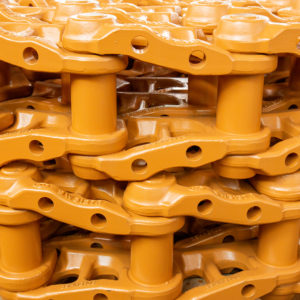
خلاصة
يمثل اختيار سلسلة الجنزير وأجزاء حذاء الجنزير المناسبة تحديدًا للنتيجة العميقة لطول العمر التشغيلي والكفاءة الاقتصادية لآلات البناء الثقيلة. يفحص هذا التحليل العملية متعددة الأوجه لشراء مكونات الهيكل السفلي المهمة هذه, الانتقال إلى ما هو أبعد من التقييمات السطحية القائمة على الأسعار إلى تقييم أكثر دقة لعلوم المواد, سلامة التصنيع, والتصميم الخاص بالتطبيق. ويفترض أن النهج المميز, ترتكز على فهم الخصائص المعدنية, دقة الأبعاد, وتقنيات الختم, لا غنى عنه للتخفيف من التآكل المبكر والفشل الكارثي. يمتد التحقيق إلى الحقائق الاقتصادية للملكية, الدعوة إلى مقياس التكلفة لكل ساعة كأساس أكثر عقلانية للاستثمار من تكلفة الاستحواذ الأولية. بالإضافة إلى, يتم استكشاف دور المورد, ليس فقط كبائع, ولكن كشريك حاسم يتمتع بخبرته, بروتوكولات ضمان الجودة, and logistical support contribute substantively to the end-user's success. تم تصميم هذا الخطاب لأصحاب المصلحة في البيئات الصعبة, مثل تلك الموجودة في جميع أنحاء روسيا, أستراليا, الشرق الأوسط, وجنوب شرق آسيا, حيث تفرض التضاريس والمناخ ضغوطًا شديدة على الآلات, مما يجعل الاختيار المستنير للمكونات مسألة بقاء تشغيلي.
الوجبات الرئيسية
- فحص سبائك الفولاذ وعملية المعالجة الحرارية لتحقيق أقصى قدر من المتانة.
- التحقق من دقة الأبعاد, وخاصة المسار الملعب, لمنع تآكل النظام.
- تطابق تصميم حذاء المسار (نوع أكبر) لظروف الأرض المحددة الخاصة بك.
- قم بتقييم سلسلة الجنزير وأجزاء حذاء الجنزير' نظام الختم لإطالة العمر الداخلي.
- قم بتحليل التكلفة الإجمالية للملكية بدلاً من سعر الشراء الأولي فقط.
- اختر موردًا يتمتع بمراقبة جودة مثبتة ودعم إقليمي قوي.
جدول المحتويات
- 1. التدقيق في تكوين المواد وعمليات التصنيع
- 2. التحقق من توافق المكونات ودقة الأبعاد
- 3. تقييم تصميم أحذية الجنزير لتطبيقك المحدد
- 4. تقييم نظام الختم وتكنولوجيا التشحيم
- 5. التحقق من مراقبة الجودة وبروتوكولات الاختبار الخاصة بالمورد
- 6. تحليل تكلفة الملكية على المدى الطويل, ليس فقط السعر المقدم
- 7. ضع في اعتبارك سمعة المورد وخبرته الإقليمية
- الأسئلة المتداولة (التعليمات)
- خاتمة
- مراجع
1. التدقيق في تكوين المواد وعمليات التصنيع
When we begin to consider the underpinnings of a tracked machine's mobility, نحن نقود دائمًا إلى تجميع المسار نفسه. It is the machine's direct interface with the earth, نظام من الفولاذ المفصلي الذي يتحمل الوزن الكامل للمعدات ويترجم قوة المحرك إلى حركة. إن التفكير في سلسلة الجنزير وأجزاء حذاء الجنزير باعتبارها مجرد سلع هو إساءة فهم دورها بشكل أساسي. هم, بمعنى حقيقي جدا, the bones and sinews of the machine's lower body. الفشل هنا ليس إزعاجًا بسيطًا; إنه حدث معوق يجلب عدة أطنان, الأصول بملايين الدولارات إلى توقف تام. لذلك, يجب أن يكون فحصنا الأول والأكثر تأسيسًا هو التحقيق في جوهر هذه المكونات ذاتها: حمضهم النووي المادي وقصة خلقهم.
قلب المتانة: سبائك الصلب والصلابة
لنبدأ بالفولاذ. من السهل القول أن رابط المسار "مصنوع من الفولاذ".," ولكن هذا يشبه القول بأن الكتاب "مصنوع من الورق"." دون النظر إلى نوعية النثر. The specific alloy of steel used is the primary determinant of a track component's ability to resist the dual threats of abrasive wear and high-impact shock. لروابط المسار, دبابيس, والبطانات, غالبًا ما يلجأ المصنعون إلى سبائك الصلب المتخصصة التي تحتوي على عناصر مثل المنغنيز, الكروم, والبورون.
تخيل أنك تخبز كعكة. المكونات الأساسية - الدقيق, سكر, البيض – ضروري. ولكن هذا هو إضافة الكاكاو, الفانيليا, أو التوابل التي تحدد شخصيتها. في صناعة الصلب, الحديد والكربون هي المكونات الأساسية. يعمل المنغنيز كعامل حيوي لإزالة الأكسدة ويحسن أيضًا من الصلابة والمتانة. الكروم يعزز مقاومة التآكل و, والأهم من ذلك لأغراضنا, يزيد من العمق الذي يمكن أن يصل إليه الفولاذ. البورون, حتى بكميات ضئيلة, له تأثير قوي على الصلابة, مما يسمح بتحقيق صلابة عميقة وموحدة من خلال المعالجة الحرارية دون جعل الفولاذ هشًا للغاية (كيليك, 2021). تعتبر وصلة المسار المصنوعة من سبيكة فولاذ البورون عالية الجودة أكثر قدرة في جوهرها على تحمل قسوة أرضية المحجر من تلك المصنوعة من الفولاذ الكربوني الأبسط.
وهذا يقودنا إلى مفهوم الصلابة, يتم قياسه عادة على مقياس روكويل سي (HRC). Hardness is the measure of a material's resistance to localized plastic deformation, مثل الخدش أو المسافة البادئة. تريد الأسطح الخارجية لدبابيس المسار الخاصة بك, البطانات, وسيكون من الصعب للغاية مقاومة سطح السكة الحديدية لوصلات المسار الخاصة بك ضد الطحن المستمر للرمال, صخر, والأوساخ. لكن, تحتاج أيضًا إلى أن يكون قلب المكون أكثر ليونة وصلابة, قادرة على امتصاص الصدمات الناتجة عن سقوط الآلة على صخرة أو ترنحها على أرض غير مستوية. إذا تم تصلب المكون بأكمله إلى الحد الأقصى, سيكون هشًا مثل الزجاج, تتحطم تحت أول تأثير كبير. هذه الازدواجية هي التحدي الرئيسي لتعدين الهيكل السفلي. قد يكون لوصلة المسار المُصنعة جيدًا صلابة سطحية قدرها 52-58 HRC ولكن صلابة أساسية حولها 30-35 HRC. هذا الفارق ليس من قبيل الصدفة; إنها النتيجة المتعمدة للتصنيع المتطور.
تزوير مقابل. صب: ماذا يعني للأداء
إن الطريقة التي يأخذ بها المكون شكله لها نفس المعنى مثل المادة التي صنع منها. الطريقتان السائدتان لتشكيل روابط المسار هما التزوير والصب. دعونا ننظر في الفرق من خلال القياس. فكر في الحبوب الموجودة في قطعة من الخشب. إذا قمت بنحت شكل من كتلة من الخشب, تمر الحبوب مباشرة من خلاله, خلق خطوط الضعف المحتملة. وهذا مشابه للصب, حيث يتم صب المعدن المنصهر في القالب. في حين أن تقنيات الصب الحديثة متقدمة للغاية, المنتج الناتج لديه عشوائي, بنية الحبوب متساوية.
الآن, تخيل أنك تأخذ نفس قطعة الخشب و, باستخدام البخار والضغط, ثنيها في الشكل المطلوب. ستتبع حبة الخشب المنحنى, مما يجعلها أقوى بطبيعتها. هذا هو المبدأ الكامن وراء تزوير. في تزوير, يتم تسخين قطعة صلبة من الفولاذ ثم قصفها أو ضغطها لتشكيلها بواسطة قوى ميكانيكية أو هيدروليكية هائلة. تعمل هذه العملية على تغيير بنية الحبوب الداخلية للفولاذ, محاذاته مع ملامح الجزء. يؤدي تدفق الحبوب المتسق إلى التخلص من الفراغات الداخلية التي يمكن أن تحدث في عملية الصب وينتج مكونًا عالي الكثافة, قوة الشد, ومقاومة التعب. لجزء مثل رابط المسار, التي تتعرض لقوى سحب هائلة ومستمرة, تعد السلامة الهيكلية التي توفرها عملية التزوير ميزة كبيرة. في حين أن الصب يمكن أن يكون طريقة فعالة وفعالة من حيث التكلفة لمكونات معينة, للتطبيقات الأكثر تطلبا, تعتبر روابط المسار المزورة بشكل عام الخيار الأفضل.
الدور الحاسم للمعالجة الحرارية
إذا كان تزوير يعطي المكون عظامه القوية, المعالجة الحرارية تمنحها جلدها المتصلب وقلبها القاسي. ربما تكون هذه هي المرحلة الأكثر أهمية ودقة في عملية تصنيع سلسلة الجنزير وأجزاء حذاء الجنزير. إنه شكل من أشكال "الكيمياء الفولاذية"." where controlled heating and cooling cycles are used to manipulate the material's crystalline structure, قفل الخصائص المطلوبة للصلابة والمتانة.
الطريقة الأكثر شيوعا هي تصلب الحث. تخيل سطح السكك الحديدية لرابط المسار, الجزء الذي يتصل بالبكرات. لفائف التعريفي, مدعوم من تيار متردد عالي التردد, يتم تمريرها على هذا السطح. هذا يولد مكثفة, الحرارة الموضعية بسرعة كبيرة, تسخين الطبقة السطحية فقط إلى درجة حرارة التحول الحرجة. مباشرة بعد الملف يتم رش سائل التبريد (في كثير من الأحيان الماء أو محلول البوليمر), الذي يبرد السطح بمعدل دقيق. "يتجمد هذا التسخين والتبريد السريع" التركيب البلوري في حالة صلبة جدًا تُعرف باسم مارتنسيت. المفتاح هو أن الحرارة ليس لديها الوقت لاختراق عمق الجزء, لذلك يبقى جوهر دون أن يتأثر, الحفاظ على ليونة, خصائص أكثر ليونة.
ينطبق نفس المبدأ على دبابيس المسار والبطانات. يجب أن يكون دبوس المسار قادرًا على الدوران داخل الجلبة تحت ضغط هائل, لذلك يجب أن يكون كلا السطحين مقاومين للتآكل بشكل لا يصدق. وعادةً ما يتم تصليدها أو تصلبها إلى عمق كبير لتوفير عمر تآكل طويل. يمكن أن تكون المعالجة الحرارية التي يتم تنفيذها بشكل غير صحيح كارثية. عمق ضحل جدًا, وسوف يبلى الجزء بسرعة. عميق جدًا, أو معدل إخماد غير صحيح, ويمكن أن يصبح الجزء هشًا أو يصاب بضغوط داخلية تؤدي إلى التشقق. عند تقييم المورد المحتمل, أنت لا تشتري فقط قطعة من الفولاذ; أنت تشتري خبرتهم في علم المعادن وإتقانهم لعملية المعالجة الحرارية.
2. التحقق من توافق المكونات ودقة الأبعاد
بعد أن أثبت الأهمية التأسيسية للمواد والتصنيع, يجب علينا الآن أن نحول انتباهنا إلى هندسة المكونات. في الرقصة المعقدة لنظام الهيكل السفلي, الدقة هي كل شيء. سلسلة المسار ليست مكونًا معزولًا; إنه عضو في مجموعة الممثلين التي تتضمن محرك الأقراص المسنن, العاطلين الأمامي والخلفي, والبكرات العلوية والسفلية. لكي يعمل النظام بانسجام وكفاءة, يجب أن يكون كل مكون متزامنًا تمامًا. عدم تطابق الأبعاد, حتى تلك التي تبدو بسيطة, يمكن أن يقدم سلسلة من القوى التدميرية التي تعمل على تسريع التآكل بشكل كبير عبر الهيكل السفلي بأكمله, تحويل استثمار كبير إلى كومة من الخردة المبكرة.
درجة الكمال: لماذا يعتبر قياس درجة المسار غير قابل للتفاوض
البعد الوحيد الأكثر أهمية في سلسلة المسار هو درجة الصوت. لذا, ما هو الملعب المسار? تخيل سلسلة دراجة بسيطة. الملعب هو المسافة من مركز أحد الدبوس إلى مركز الدبوس التالي. It is the fundamental unit of the chain's length. في سلسلة مسار المعدات الثقيلة, المفهوم متطابق, لقد تم توسيع نطاقها بشكل كبير. يجب أن تتوافق هذه الخطوة تمامًا مع المسافة بين أسنان العجلة المسننة والأسطح التوجيهية على البكرات ووحدات التباطؤ.
دعونا نفكر فيما يحدث عندما تكون درجة الصوت غير صحيحة. ضع في اعتبارك سلسلة مسار جديدة مثبتة على ضرس متآكل. The sprocket's teeth have been ground down, وزادت المسافة بينهما بشكل فعال. عندما تشغل السلسلة العجلة المسننة, لن يجلس الدبوس بشكل مثالي في الوادي بين الأسنان. بدلاً من, سوف يركب على وجه السن. تحت عزم الدوران الهائل لمحرك القيادة, سوف تطحن سن العجلة المسننة على جلبة المسار, في محاولة لإجبارها على وضعها في مكانها. This creates a point of high-pressure contact that rapidly wears both the bushing's outer surface and the sprocket's tooth profile. يحدث نفس عدم التطابق المدمر إذا قمت بتثبيت سلسلة جديدة بميل غير صحيح على ضرس جديد.
تُعرف هذه الظاهرة باسم "عدم تطابق درجة الصوت".," وهو المحرك الأساسي للتآكل المتسارع للهيكل السفلي. متأخر , بعد فوات الوقت, كما تعمل سلسلة المسار, دبابيسها وبطاناتها تتآكل داخليًا بشكل طبيعي. يؤدي هذا إلى "تمدد" السلسلة," مما يعني زيادة درجة فعاليته. هذا جزء طبيعي من عملية التآكل. لكن, يعد البدء بخطوة غير صحيحة من اليوم الأول بسبب ضعف تفاوتات التصنيع خطأً سهلاً. قبل شراء أي سلسلة مسار وأجزاء حذاء المسار, من الضروري الحصول على ورقة مواصفات من المورد توضح بوضوح أبعاد الملعب والتسامح المسموح به. لجرافة كبيرة, التسامح +/- 0.5 مم قد يكون مقبولا, ولكن أي شيء أكثر من ذلك ينبغي أن يكون سببا كبيرا للقلق.
| سيناريو عدم تطابق المكونات | موقع الارتداء الأساسي | التأثير الثانوي | عاقبة |
|---|---|---|---|
| سلسلة جديدة على العجلة المسننة البالية | أسنان ضرس, البطانات المسار | زيادة الضوضاء التشغيلية | التدمير السريع للبطانات الجديدة |
| سلسلة بالية على ضرس جديد | أسنان ضرس | سلسلة "القفز" تحت الحمل | احتمالية كسر أسنان العجلة المسننة |
| سلسلة الملعب غير صحيحة (جديد) | البطانات, ضرس, العاطلون | الضغط العالي على جميع المكونات | كارثية, التآكل السريع على مستوى النظام |
| ارتفاع الارتباط غير متطابق | بكرات المسار, ربط القضبان | توزيع الحمل غير المتكافئ | تسارع الأسطوانة وارتداء الارتباط |
التفاعل مع أسنان العجلة, بكرات, والعاطلون
الملعب هو نجم العرض, لكن الأبعاد الأخرى تلعب أدوارًا داعمة حاسمة. ارتفاع السكك الحديدية رابط المسار, السطح الذي يمتد فوق البكرات, يجب أن تكون متسقة. إذا كانت بعض الروابط أطول من غيرها, those links will bear a disproportionate amount of the machine's weight as they pass over the rollers, مما يؤدي إلى تآكل موضعي على كل من الوصلة والبكرات.
تعد أبعاد جلبة الجنزير – قطرها الخارجي وطولها – أمرًا حيويًا أيضًا. البطانة هي الجزء الذي يتلامس مع سن العجلة المسننة. Its diameter must match the sprocket's design profile to ensure a smooth transfer of power. قطر دبوس المسار وملاءمته داخل الرابط لهما نفس القدر من الأهمية. هذه هي النقطة المحورية للمفصل بأكمله. النوبة الفضفاضة ستؤدي إلى "التبول"." وتشوه تجويف الدبوس في الوصلة, في حين أن الملاءمة الضيقة جدًا يمكن أن تتسبب في تشنج المفصل, خاصة في درجات الحرارة القصوى.
فكر في الأمر على أنه تجميع محرك عالي الأداء. لن تستخدم أبدًا مكابس ذات حجم خاطئ قليلًا بالنسبة للأسطوانات أو عمود مرفقي به مجلات أرضية غير مناسبة. يتم قياس التفاوتات بأجزاء من الألف من البوصة لأن القوى هائلة, وسرعات التشغيل عالية. يجب تطبيق نفس العقلية على الهيكل السفلي. إنها سرعة منخفضة, نظام عزم الدوران العالي, لكن مبادئ الدقة الميكانيكية متطابقة. سيتمكن المورد ذو السمعة الطيبة من تقديم رسومات ميكانيكية تفصيلية بجميع الأبعاد الحرجة وتفاوتات التصنيع المرتبطة بها. لا تتردد في طلب منهم.
فهم التفاوتات في المناخات العالمية
تضيف بيئة التشغيل طبقة أخرى من التعقيد إلى اعتبارات الأبعاد. يتمدد المعدن عند تسخينه وينكمش عند تبريده. في حين أن هذه التغييرات قد تبدو ضئيلة, يمكن أن يكون لها تأثير حقيقي على أداء الآلات الثقيلة, وخاصة في المناخات القاسية حيث تعمل العديد من هذه الآلات.
فكر في الجرار الذي يعمل في شتاء سيبيريا, حيث يمكن أن تنخفض درجات الحرارة إلى -50 درجة مئوية. في درجات الحرارة هذه, سوف يتقلص الفولاذ الموجود في الهيكل السفلي. سوف يصبح زيت التشحيم الموجود داخل مفاصل الجنزير لزجًا بشكل لا يصدق, صلبة تقريبًا. الخلوصات والتفاوتات بين الدبوس, جلبة, ويجب تصميم الأختام لاستيعاب ذلك. إذا كانت التفاوتات ضيقة جدًا, قد يؤدي انكماش المعدن إلى تشنج المفصل, وضع ضغط هائل على نظام القيادة أو حتى التسبب في كسر الارتباط.
الآن, على النقيض من ذلك مع آلة تعمل في منجم في منطقة بيلبارا في غرب أستراليا أو في موقع بناء في الشرق الأوسط, حيث يمكن أن تتجاوز درجات الحرارة المحيطة 50 درجة مئوية. سوف يتوسع الفولاذ. سيؤدي الاحتكاك والضغط المستمر إلى توليد المزيد من الحرارة. إذا كانت التفاوتات غير كافية للسماح بهذا التمدد الحراري, يمكن أن يتراكم الضغط الداخلي داخل المفصل المحكم, من المحتمل أن يتسبب ذلك في فشل الأختام أو ربط المكونات. This is why understanding a supplier's expertise is so important. قد لا تتمتع الشركة المصنعة التي تخدم السوق المعتدلة في المقام الأول بالخبرة الهندسية اللازمة لتصميم سلسلة الجنزير وأجزاء حذاء الجنزير بتفاوتات مناسبة للبرد الشديد في روسيا أو الحرارة الشديدة في أفريقيا. عند المصادر أجزاء الهيكل السفلي, من الحكمة الدخول في شراكة مع مورد يمكنه إثبات خبرته في مواجهة التحديات المناخية الإقليمية المحددة لديك.
3. تقييم تصميم أحذية الجنزير لتطبيقك المحدد
إذا كانت سلسلة المسار هي الهيكل العظمي للهيكل السفلي, أحذية الجنزير هي أقدامها. هم نقطة الاتصال النهائية مع الأرض, المسؤولة عن توفير الجر, التعويم, والحماية اللازمة للآلة للقيام بعملها. تمامًا كما لا ترتدي أحذية رسمية للتنزه في الجبال, لا يمكنك أن تتوقع أن يؤدي نوع واحد من أحذية الجنزير الأداء الأمثل في جميع الظروف. يعد اختيار التصميم الصحيح لمداس الجنزير قرارًا حاسمًا يؤثر بشكل مباشر على أداء الماكينة, استهلاك الوقود, وعمر التآكل لنظام الهيكل السفلي بأكمله. يتطلب اتخاذ القرار الصحيح إجراء تقييم مدروس لبيئة العمل النموذجية لديك.
أعزب, مزدوج, أو الثلاثي جروزر: مطابقة المداس للتضاريس
الميزة الأكثر وضوحًا في حذاء الجنزير هي قضبان الحواف، وهي أضلاع فولاذية بارزة تلتصق بالأرض. The number and shape of these grousers define the shoe's primary characteristics. الأنواع الثلاثة الأكثر شيوعًا هي مفردة, مزدوج, وأحذية ثلاثية الحواف.
أحذية جروزر واحدة: Imagine the cleat on a soccer player's boot. وهي مصممة لشيء واحد: أقصى قدر من الاختراق والقبضة على سطح ناعم. يعمل الحذاء المفرد على نفس المبدأ. مع واحد طويل القامة, شريط أكبر عدواني, فهو يوفر أعلى مستوى من الجر واختراق الأرض. وهذا يجعلها الخيار الأمثل للعمل في التربة الناعمة, الطين الثقيل, وعلى المنحدرات الشديدة حيث يكون منع الانزلاق أمرًا بالغ الأهمية. لكن, يأتي هذا التصميم العدواني مع المقايضات. The tall grouser concentrates the machine's weight onto a smaller surface area, زيادة الضغط الأرضي. على الصعب, الأسطح الصخرية, يمكن أن يؤدي ذلك إلى ثني الحواف أو كسرها. بالإضافة إلى, يتسبب الاختراق العميق وإجراءات الدوران العدوانية في حدوث اضطراب كبير في الأرض ويضعان ضغوط دوران عالية جدًا على الهيكل السفلي بأكمله, تسريع تآكل الدبابيس, البطانات, وبكرات. أحذية الطيهوج المفردة متخصصة, يُفضل استخدامه عندما يكون الحد الأقصى للجر هو الأولوية بلا منازع.
أحذية تريبل جروزر: الآن, فكر في المداس الموجود على إطار قياسي لجميع التضاريس لشاحنة. لقد تم تصميمه ليكون جيدًا من جميع النواحي. هذا هو دور الحذاء الثلاثي. مع ثلاثة أقصر, حشود أقل عدوانية, it distributes the machine's weight over a much larger contact area. هذا يقلل من الضغط الأرضي, مما يجعلها مناسبة لمجموعة واسعة من ظروف الأرض من التربة إلى الحصى وحتى بعض الصخور. ارتفاع الحافة السفلي يعني اختراقًا أقل للأرض, مما يؤدي إلى انخفاض مقاومة الدوران بشكل ملحوظ. هذه نقطة حاسمة. يمكن للآلة ذات الأحذية الثلاثية أن تدور وتدور بسهولة أكبر بكثير من الآلة ذات الأحذية المفردة, مما يقلل بشكل كبير من قوى الالتواء التي تمارس على سلسلة الجنزير ومكوناتها الداخلية. وهذا يترجم إلى عمر أطول لنظام الهيكل السفلي بأكمله. للبناء العام, التنقيب, وتحريك التربة, يعد حذاء grouser الثلاثي هو الخيار القياسي والأكثر تنوعًا.
أحذية مزدوجة: يمثل الحذاء المزدوج حلاً وسطًا بين الطرفين. إنه يوفر قوة جر واختراق أفضل من الحواف الثلاثية ولكن مع مقاومة أقل للدوران وعمر تآكل أطول من الحواف الفردية. غالبًا ما يتم العثور عليه في اللوادر الأمامية والآلات الأخرى التي تتطلب توازنًا بين الجر الجيد والقدرة العالية على المناورة. إنه خيار جيد لظروف الأرض المختلطة التي تشمل التربة الناعمة والصعبة, المزيد من الأسطح الكاشطة.
| نوع حذاء المسار | التضاريس المثالية | الجر | تحول المقاومة | يمكن ارتداؤها على الأسطح الصلبة |
|---|---|---|---|---|
| جروجر واحد | التربة الناعمة, الطين, المنحدرات الحادة | الأعلى | الأعلى | عالي |
| بقال مزدوج | التربة المختلطة, الحصى, الأوساخ | عالي | واسطة | واسطة |
| المزارعون الثلاثيون | متنوعة, الغرض العام | واسطة | أدنى | قليل |
| مستنقع (الضغط الأرضي المنخفض) | التربة المشبعة, مارش, التندرا | قليل | أدنى | عالية جدًا |
أحذية متخصصة: منصات المستنقع, منصات مطاطية, وأحذية الخدمة القصوى
ما وراء الأنواع الشائعة, يوجد عالم من أحذية الجنزير المتخصصة للتطبيقات الفريدة.
أحذية المستنقع (أو أحذية الضغط الأرضي المنخفض): هذه أحذية واسعة جدًا, في كثير من الأحيان مع ملف تعريف مسطح أو منخفض جدًا. والغرض منها هو التعويم. من خلال زيادة مساحة سطح المسار بشكل كبير, they reduce the machine's ground pressure, السماح لها بالعمل على لينة للغاية, أرض مشبعة مثل المستنقعات, أهوار, أو التندرا دون أن تغرق. فكر فيهم كأحذية الثلوج في عالم المعدات الثقيلة.
منصات مطاطية: للآلات التي يجب أن تعمل على الأسطح الجاهزة مثل الأسفلت أو الخرسانة, لا تعد المطاحن الفولاذية خيارًا لأنها ستدمر السطح. هنا, يتم استخدام منصات مطاطية. يمكن أن تكون هذه وسادات مثبتة بمسامير متصلة بحذاء ثلاثي قياسي أو "مشبك"." النمط الذي يعلق على السلسلة نفسها. هناك أيضًا "مطاطي"." الأحذية حيث يتم ربط المطاط بشكل دائم بلوحة الأحذية الفولاذية. هذه ضرورية للبناء الحضري, عمل الطريق, وأي تطبيق حيث يكون الضرر السطحي مصدر قلق.
الخدمة المتطرفة (إس) أحذية: في البيئات الأكثر كشطًا وعالية التأثير, مثل المحاجر, مواقع الهدم, وعمليات التعدين, الأحذية القياسية قد لا تكون كافية. تم تصميم أحذية الخدمة القصوى بمواد أكثر وتصميم أكثر قوة. عادةً ما يكون لديهم سماكة صفيحة أكبر وأطول, أقوى grousers مصنوعة من أصعب, سبائك الصلب أكثر مقاومة للاهتراء. في حين أنها تمثل استثمارا أوليا أعلى, يمكن أن يؤدي عمر التآكل الممتد في الظروف القاسية إلى انخفاض التكلفة الإجمالية للملكية. When you are looking at a supplier's offerings, استكشاف كتالوج كامل من أجزاء الهيكل السفلي يمكن أن تكشف عن حلول متخصصة ربما لم تفكر فيها.
أهمية الارتفاع والعرض
القاعدة الأساسية النهائية في اختيار الحذاء هي استخدام أضيق حذاء ممكن دائمًا والذي لا يزال يوفر تعويمًا مناسبًا لجهازك. لماذا? لأن الحذاء الأوسع يعمل كرافعة أطول. بينما تتحرك الآلة على أرض غير مستوية, ستؤدي الصخور أو العوائق الموجودة أسفل حافة الحذاء العريض إلى إحداث قوة التواء أكبر بكثير على مسمار الجنزير ومفصل الجلبة مقارنةً بالحذاء الأضيق. يعد هذا الضغط الالتوائي مساهمًا كبيرًا في تآكل المسامير والجلبة الداخلية ويمكن أن يؤدي أيضًا إلى فشل الختم. تعمل الأحذية الأوسع أيضًا على زيادة الضغط على جميع مكونات الهيكل السفلي أثناء الدوران. بينما تحتاج إلى عرض كافٍ لمنع الماكينة من الغرق, باستخدام حذاء واسع جدًا "فقط في حالة" هو خطأ شائع ومكلف يؤدي دون داع إلى تقصير عمر سلسلة الجنزير وأجزاء حذاء الجنزير.
4. تقييم نظام الختم وتكنولوجيا التشحيم
لقد بحثنا في الدرع الخارجي للهيكل السفلي، أي صلابة الفولاذ وتصميم الأحذية. الآن, يجب علينا المغامرة في الداخل, في العالم الخفي للمسار المشترك. تتكون سلسلة المسار من عشرات المفاصل المفصلية, يتكون كل منها من دبوس يدور داخل جلبة. هذا هو المكان الذي تدور فيه المعركة الحقيقية ضد التآكل. الداخلية, الاحتكاك المعدني على المعدن داخل هذه المفاصل هو ما يتسبب في "تمدد" السلسلة" وتصل في النهاية إلى نهاية عمرها. العامل الوحيد الأكثر أهمية في إطالة عمر سلسلة الجنزير هو فعالية نظام الختم الخاص بها ومواد التشحيم التي تحتوي عليها. المسار المشترك هو, في جوهره, محمل مختوم مدى الحياة, ويعتمد طول عمره بشكل كامل على إبقاء مادة التشحيم في الداخل والملوثات الكاشطة خارجًا.
مشحم مقابل الشحوم. سلاسل مشحمة بالزيت: الغوص العميق
تاريخيا, كانت سلاسل الجنزير "جافة".," مما يعني أنه ليس لديهم أي تشحيم داخلي. المسامير والبطانات ببساطة تتلامس مع بعضها البعض, مما يؤدي إلى عمر خدمة قصير جدًا. كان أول ابتكار رئيسي هو تطوير المسار المحكم والمشحم (ملح). كانت هذه الإصدارات المبكرة عادةً مشحمة بالشحم.
سلاسل مشحمة بالشحوم: في هذا التصميم, يتم تعبئة المساحة بين الدبوس والجلبة بشحم شديد التحمل أثناء التجميع. تم تصميم الأختام الموجودة على طرفي الجلبة لاحتواء هذا الشحم. يتميز الشحوم بكونه سميكًا ومبتذلًا, لذلك يميل إلى البقاء في مكانه. إنها توفر طبقة تشحيم جيدة تقلل بشكل كبير من معدل التآكل الداخلي مقارنة بالسلسلة الجافة. للعديد من الأجهزة الصغيرة أو تلك الموجودة في التطبيقات الأقل تطلبًا, توفر السلسلة المشحمة المصممة جيدًا توازنًا جيدًا جدًا بين الأداء والتكلفة. لكن, الشحوم لها حدودها. لا يتدفق بسهولة, لذلك قد لا يتم إعادة طلاء الأسطح المتآكلة بالكامل بعد إزاحتها بالضغط العالي. متأخر , بعد فوات الوقت, ويمكن أيضًا أن يجف أو يصبح ملوثًا.
سلاسل مشحمة بالزيت: للآلات الأكبر حجمًا والتطبيقات الأكثر تطلبًا, تمثل السلاسل المشحمة بالزيت الخطوة التالية في الأداء. في هذا التصميم, يعمل كل مفصل مسار بمثابة خزان زيت مغلق خاص به. يتم حفر قناة من خلال مركز دبوس المسار, وهذا الخزان مملوء بزيت ناقل الحركة المتخصص. كما يعرب المفصل, الزيت قادر على التدفق والتداول, تجديد طبقة التشحيم باستمرار بين الدبوس والجلبة. يعد الزيت مادة تشحيم أفضل من الشحوم في هذا التطبيق لأنه يوفر تبريدًا أفضل ويمكنه التخلص بشكل أكثر فعالية من أي جزيئات تآكل مجهرية. يؤدي هذا إلى انخفاض معدل التآكل الداخلي بشكل ملحوظ ويمكن أن يطيل عمر سلسلة الجنزير 50% أو أكثر مقارنة بتصميم مشحم تحت نفس الظروف (يرقة, 2018). وتتمثل المقايضة في أن الأنظمة المشحمة بالزيت أكثر تعقيدًا وتفرض طلبًا أعلى بكثير على نظام الختم. يعد فشل الختم في سلسلة مشحمة بالزيت أكثر خطورة, لأن الزيت منخفض اللزوجة سوف يتسرب بسرعة نسبيًا, ترك المفصل دون حماية.
عند اتخاذ اختيارك, ضع في اعتبارك حجم جهازك وكثافة عملك. لجرافة كبيرة في 24/7 عملية التعدين, إن العمر الممتد لسلسلة مشحمة بالزيت يستحق الاستثمار دائمًا. للحفارة الصغيرة التي تقوم بأعمال المرافق المتقطعة, قد تكون السلسلة المشحمة هي الخيار الأكثر اقتصادية والملاءمة تمامًا.
تشريح الختم: أختام البولي يوريثين ووظيفتها
ختم المسار صغير, عنصر يتم تجاهله في كثير من الأحيان, لكن نظام التشحيم بأكمله يعتمد على سلامته. إنه حارس بوابة المسار المشترك. تعد أختام المسار الحديثة من عجائب علوم المواد والهندسة الدقيقة. وهي تتكون عادة من جزأين رئيسيين: حلقة تحميل وحلقة ختم.
ال حلقة التحميل هو قوي, حلقة مطاطية ذات مقطع مربع توفر القوة الساكنة. يتم ضغطه أثناء التجميع ويعمل مثل الزنبرك, دفع حلقة الختم باستمرار على الأسطح المعدنية المصقولة للجلبة والوصلة. وهذا يوفر الطاقة التي تحافظ على واجهة الختم مغلقة بإحكام.
ال خاتم الختم هو العنصر الديناميكي. إنها حلقة ذات شكل دقيق, غالبًا ما تكون مصنوعة من مركب البولي يوريثين عالي التحمل. هذا هو الجزء الذي يقوم بالختم الفعلي. إنه ذو وجهين مصقولين بدقة يركبان مقابل نهاية الجلبة المصقولة بشكل متساوٍ وداخل رابط المسار. والواجهة بين هذين الوجهين المصقولين هي ما يحتوي على مادة التشحيم ويطرد الأوساخ. شكل حلقة الختم أمر بالغ الأهمية. غالبًا ما يتم تصميمه بمخروط طفيف" الشكل لإنشاء توزيع ضغط محدد عبر وجه الختم, ضمان إحكام الغلق دون توليد احتكاك أو حرارة مفرطة.
تعتبر جودة مادة البولي يوريثين المستخدمة في حلقة الختم أمرًا بالغ الأهمية. يجب أن تكون قادرة على مقاومة التآكل الناتج عن أي حصى ناعم يقترب من الختم. يجب أن تكون مقاومة للتحلل الكيميائي من مواد التشحيم من الداخل وأي ملوثات من الخارج. الأهم من ذلك, يجب أن يحتفظ بشكله ومرونته عبر نطاق كبير من درجات الحرارة, من تجميد الشتاء الروسي إلى الحرارة الشديدة في منجم أفريقي. سوف يتصلب الختم منخفض الجودة بسرعة, كسر, أو تشوه, مما يؤدي إلى فقدان مواد التشحيم ودخول الأوساخ, مما ينذر بالموت السريع لمفصل المسار. عند سؤال أحد الموردين عن سلسلة الجنزير وأجزاء حذاء الجنزير الخاص به, اسأل على وجه التحديد عن المواد وتصميم الأختام الخاصة بهم. سيكون المورد الواثق فخورًا بتفصيل مركبات البولي يوريثين المتقدمة والهندسة الدقيقة التي تدخل في أنظمة الختم الخاصة به.
منع التآكل الداخلي: البطل المجهول في مسار الحياة
الغرض الكامل من نظام التشحيم والختم هو إدارة التآكل الداخلي. هذا هو التآكل الذي يحدث على القطر الخارجي للمسمار والقطر الداخلي للجلبة عندما يدوران ضد بعضهما البعض. هذا التآكل غير مرئي من الخارج, ولكنه هو ما يجعل السلسلة تطول أو "تمتد"."
كما يرتدي الدبوس والجلبة, تتم إزالة المادة, وتزداد المسافة من مركز أحد الدبوس إلى مركز الدبوس التالي. هذا هو التغيير في الملعب الذي ناقشناه سابقًا. يمكن للفني قياس هذا التغيير لتحديد نسبة التآكل الداخلي الذي تعرضت له السلسلة. على سبيل المثال, يمكن النظر في سلسلة المسار 100% يتم ارتداؤها داخليًا وتحتاج إلى "دوران الدبوس والجلبة" عندما زادت درجة الصوت بنسبة 3 مم.
"دوران الدبوس والجلبة" هو إجراء صيانة حيث يتم تفكيك المسار, ويتم تدوير المسامير والبطانات 180 درجات. وهذا يقدم جديدا, سطح غير ملبوس إلى مناطق الاتصال العالية, إعادة ضبط الساعة بشكل فعال على التآكل الداخلي وإطالة عمر السلسلة. لكن, لا يكون هذا الإجراء ممكنًا إلا إذا لم يكن التآكل الخارجي للجلبة شديدًا للغاية. إن نظام الختم الفعال الذي يحافظ على مادة التشحيم الداخلية هو ما يجعل الدبوس والجلبة خيارًا اقتصاديًا وقابلاً للتطبيق. فهو يمنع التآكل الداخلي السريع الذي قد يجعل السلسلة غير قابلة للاستخدام لفترة طويلة قبل أن تتآكل المكونات الخارجية. لذلك, إن الاستثمار في سلسلة ذات نظام إغلاق متفوق لا يقتصر فقط على إطالة العمر الأول للسلسلة; يتعلق الأمر بتمكين حياة ثانية وحتى ثالثة من خلال الصيانة الفعالة, خفض التكلفة الإجمالية للملكية بشكل كبير.
5. التحقق من مراقبة الجودة وبروتوكولات الاختبار الخاصة بالمورد
لقد قمت الآن بفحص الجوانب النظرية لما يجعل مكون المسار عالي الجودة - المواد المناسبة, الأبعاد الصحيحة, التصميم الصحيح. ولكن كيف يمكنك أن تكون واثقًا من أن سلسلة المسار المحددة التي أنت على وشك شرائها تلبي هذه المعايير بالفعل? The answer lies in the supplier's commitment to quality control (مراقبة الجودة) واختبار صارم. ورقة المواصفات هي وعد; إن برنامج مراقبة الجودة القوي هو الدليل على الوفاء بالوعد. للمشتري الموجود في أستراليا أو أفريقيا, بعيدا عن منشأة التصنيع, وهذا الدليل ليس مطمئنًا فحسب; إنه مطلب أساسي للاستثمار الآمن. لا يمكنك تحمل فشل أحد المكونات في موقع بعيد بسبب عيب في التصنيع كان ينبغي اكتشافه في المصنع.
ما وراء ورقة المواصفات: طلب تقارير مراقبة الجودة
سيكون لدى كل مصنع حسن السمعة لأجزاء سلسلة الجنزير وأحذية الجنزير نظام لإدارة الجودة, غالبًا ما يتم اعتمادها وفقًا لمعايير دولية مثل ISO 9001. وينص هذا النظام على إجراء الفحوصات والقياسات في مراحل مختلفة من عملية الإنتاج. كمشتري المميز, لديك الحق في رؤية الدليل على هذه العملية.
لا تتردد في أن تطلب من المورد المحتمل نسخًا من تقارير مراقبة الجودة النموذجية الخاصة به لمجموعة الإنتاج. ما الذي يجب أن تبحث عنه في هذه التقارير?
- شهادة المواد: يجب أن تبدأ العملية بشهادة من مصنع الصلب, التحقق من التركيب الكيميائي للصلب الخام. هل يؤكد وجود السبائك المحددة مثل البورون والمنجنيز؟?
- الشيكات الأبعاد: يجب أن يوضح التقرير القياسات التي تم إجراؤها بعد الحدادة أو الصب وبعد المعالجة النهائية. الأبعاد الرئيسية مثل الملعب, ارتفاع الارتباط, and bore diameters should be recorded and compared against the engineering drawing's specified tolerances.
- اختبار الصلابة: هذا هو واحد من أهم الشيكات. يجب أن يُظهر التقرير نتائج اختبارات صلابة Rockwell التي تم إجراؤها على عينات متعددة من الدفعة. يجب أن يحدد ليس فقط صلابة السطح ولكن أيضًا عمق العلبة (سمك الطبقة المتصلبة) والصلابة الأساسية. هل هذه القيم متسقة وضمن النطاق المحدد?
- التفتيش النهائي: يجب أن يؤكد تقرير الفحص البصري والأبعاد النهائي أن الأجزاء خالية من الشقوق, نتوءات, أو عيوب بصرية أخرى وأن جميع الأبعاد النهائية صحيحة.
إن المورد الذي يتسم بالشفافية ويقدم هذه الوثائق بسهولة يُظهر الثقة في عملياته. المورد المتردد أو الذي يدعي أن هذه التقارير "داخلية فقط"." يجب أن ينظر إليها بحذر. قد يشير ترددهم إلى عدم الثقة في اتساقهم أو في عملية لا تخضع لرقابة صارمة كما يزعمون. هذه الوثائق هي نافذتك إلى أرضية المصنع, وهي أداة حاسمة للعناية الواجبة.
اختبار غير مدمر (NDT) طُرق: ما الذي تبحث عنه
في حين أن فحوصات الأبعاد والصلابة أمر حيوي, بعض من أخطر العيوب غير مرئية للعين المجردة. يمكن أن تؤدي الشقوق الداخلية الناتجة عن عملية الحدادة أو العيوب تحت السطح الناتجة عن المعالجة الحرارية إلى حدوث مفاجئ, فشل كارثي تحت الحمل. للعثور على هذه العيوب الخفية, يستخدم المصنعون مجموعة من الاختبارات غير المدمرة (NDT) طُرق. كمشتري, إن معرفة ماهية هذه الاختبارات والسؤال عما إذا تم إجراؤها يمكن أن يوفر طبقة إضافية من الضمان.
فحص الجسيمات المغناطيسية (MPI): هذه طريقة شائعة لاكتشاف الشقوق السطحية والقريبة من السطح في المواد المغناطيسية مثل الفولاذ. الجزء ممغنط, ومسحوق الحديد الناعم (إما جافة أو معلقة في سائل) يتم تطبيقه على السطح. إذا كان هناك صدع أو عيب, سوف يعطل المجال المغناطيسي, مما يتسبب في تجمع جزيئات الحديد في مكان الخلل, مما يجعلها مرئية للمفتش. إن السؤال عما إذا كانت روابط المسار تخضع لـ MPI بعد التزوير والمعالجة الحرارية هو سؤال وثيق الصلة بالموضوع.
اختبار الموجات فوق الصوتية (يوتا): تستخدم هذه الطريقة موجات صوتية عالية التردد للكشف عن العيوب الداخلية. يرسل محول الطاقة نبضة صوتية إلى الجزء. ينتقل الصوت عبر المادة وينعكس على الجدار الخلفي. ويتم قياس الوقت الذي يستغرقه عودة الصدى. إذا كان هناك خلل داخلي مثل الشرخ, يتجنب, أو الإدراج, it will create an additional reflection that appears on the technician's screen, revealing the flaw's location and approximate size. يعد UT طريقة ممتازة لضمان السلامة الداخلية للمكونات المهمة مثل دبابيس الجنزير.
فحص الاختراق السائل (LPI): يمكن استخدام هذا على المواد غير المغناطيسية وهو فعال جدًا في العثور على الشقوق التي تكسر السطح. صبغة سائلة ذات ألوان زاهية (المخترق) يتم تطبيقه على السطح. بعد مدة معينة من الإقامة, يتم تنظيف المخترق الزائد. ثم, يتم تطبيق المطور, الذي يعمل مثل النشاف, إخراج المادة المخترقة من أي شقوق وجعلها مرئية بوضوح.
تُظهِر الشركة المصنعة التي تستثمر في أساليب الاختبار غير التدميرية هذه وتستخدمها بانتظام التزامًا جادًا بمنع الأجزاء المعيبة من مغادرة منشأتها على الإطلاق. هذه هي السمة المميزة لمورد من الدرجة الأولى لمكونات الهيكل السفلي والمرفقات مثل الدلاء والكسارات.
تتبع سلسلة التوريد: من المواد الخام إلى المنتج النهائي
الجانب الأخير من ضمان الجودة هو التتبع. في حالة الفشل, من الضروري أن تكون قادرًا على تتبع الجزء مرة أخرى خلال عملية التصنيع لتحديد السبب الجذري. يضمن نظام التتبع القوي أن كل مكون فردي أو, أكثر شيوعا, كل دفعة إنتاج, لديه رقم تعريف فريد.
يجب أن يسمح هذا الرقم للمورد بالتتبع:
- الدفعة المحددة من الفولاذ الخام التي تم تصنيعها منها.
- التاريخ والتحول الذي تم تزويره أو إلقاءه.
- دفعة المعالجة الحرارية التي كانت جزءًا منها, جنبًا إلى جنب مع مخططات الفرن المقابلة ونتائج اختبار الصلابة.
- التقارير النهائية للتصنيع والتفتيش.
هذا المستوى من التتبع لا يقتصر فقط على تحليل ما بعد الفشل. إنها أيضًا أداة داخلية قوية للشركة المصنعة للحفاظ على التحكم في العملية. إذا كان اختبار الصلابة على دفعة واحدة خارج المواصفات قليلاً, يمكنهم عزل تلك الدفعة بأكملها على الفور وضبط عملية المعالجة الحرارية الخاصة بهم للدفعة التالية. لك, المشتري, إنها علامة على عملية ناضجة ومهنية. عندما تتلقى سلسلة المسار الخاصة بك وأجزاء حذاء المسار, ابحث عن أرقام الدُفعات أو الأرقام التسلسلية المحفورة أو المختومة على المكونات. إن وجودهم هو شهادة هادئة على نظام الجودة الذي يقف وراء المنتج.
6. تحليل تكلفة الملكية على المدى الطويل, ليس فقط السعر المقدم
في عالم المعدات الثقيلة, بعض الإغراءات مغرية مثل السعر المنخفض المقدم. عند تقديم سلسلتين مسار متطابقتين على ما يبدو, تكلفة واحدة 20-30% أقل من الآخر, الدافع لاختيار الخيار الأرخص قوي. لكن, وهذا غالبًا ما يكون اقتصادًا زائفًا. التكلفة الحقيقية لمكون الهيكل السفلي ليست السعر الموجود في الفاتورة; it is the total cost incurred over the component's entire service life, مقسوما على عدد ساعات العمل. هذا المفهوم, المعروفة باسم التكلفة الإجمالية للملكية (TCO) أو التكلفة لكل ساعة, هو المقياس العقلاني الوحيد لتقييم قيمة سلسلة الجنزير وأجزاء حذاء الجنزير. إن القرار المبني على سعر الشراء وحده هو مقامرة نادرًا ما تؤتي ثمارها.
التكاليف الخفية للتآكل المبكر ووقت التوقف عن العمل
دعونا نبني السيناريو. أنت تدير أسطولًا من الحفارات في مشروع كبير للبنية التحتية في جنوب شرق آسيا. تحتاج إلى استبدال مجموعات المسارات على أحد أجهزتك. يقدم المورد "أ" مجموعة مسارات كاملة لـ $15,000. المورد ب, مزود متميز, يقدم مجموعة متطابقة على ما يبدو لـ $20,000. ال $5,000 الادخار أمر مغري. اخترت المورد أ.
تم تثبيت مجموعة المسار الأرخص, وللمئات من الساعات الأولى, كل شيء يبدو على ما يرام. لكن, تم تصنيع هذه السلسلة من سبيكة فولاذية منخفضة الجودة ومعالجة حرارية أقل دقة. أختامها الداخلية مصنوعة من بوليمر رديء. حول علامة 2500 ساعة, قبل وقت طويل من توقع ذلك, تُظهر السلسلة علامات امتداد كبير في درجة الصوت. لقد فشل الختم, لقد جف المفصل, وقد تسارع التآكل الداخلي بشكل كبير. الآلة "متوقفة."
الآن, تبدأ التكاليف الخفية في التراكم. أولاً, هناك تكلفة التوقف نفسه. يمكن للحفارة الكبيرة أن تدر إيرادات بآلاف الدولارات يوميًا. كل ساعة يجلس فيها خاملاً هي ربح ضائع. قد يتأثر الجدول الزمني للمشروع, يحتمل أن تترتب عليها عقوبات. ثانية, هناك تكلفة العمالة. يتعين عليك أن تدفع لفريق من الميكانيكيين لإزالة المسار الفاشل وتركيب مسار جديد. قد يتضمن ذلك إحضار شاحنة خدمة متنقلة, إضافة إلى حساب. ثالث, هناك تكلفة الجزء البديل نفسه. عليك شراء مجموعة مسارات أخرى, وهذه المرة, فمن غير المرجح أن ترتكب نفس الخطأ. يمكنك شراء قسط واحد ل $20,000.
في هذا السيناريو, سعيك ل $5,000 وقد أدى الادخار مقدما إلى الآلاف, أو حتى عشرات الآلاف, من الدولارات في خسائر التوقف, تكاليف العمالة الإضافية, والحاجة إلى شراء قطعة بديلة ثانية في وقت أبكر بكثير مما هو مخطط له. "أرخص" أصبح الخيار أكثر تكلفة بشكل كبير.
حساب التكلفة لكل ساعة: مقياس أفضل للقيمة
النهج الأكثر استنارة هو تحويل التركيز من السعر إلى القيمة, يتم حسابها على أنها التكلفة لكل ساعة. دعونا نعيد النظر في السيناريو الخاص بنا بهذا المنظور الجديد.
تتبع المجموعة أ (خيار أرخص):
- التكلفة الأولية: $15,000
- خدمة الحياة المحققة: 2,500 ساعات
- التكلفة لكل ساعة: $15,000 / 2,500 ساعات = $6.00 كل ساعة
مسار المجموعة ب (خيار مميز):
- التكلفة الأولية: $20,000
- عمر الخدمة المتوقع (بناءً على بيانات الشركة المصنعة ودراسات الحالة): 5,000 ساعات
- التكلفة لكل ساعة: $20,000 / 5,000 ساعات = $4.00 كل ساعة
ينظر إليها من خلال هذه العدسة, يصبح القرار واضحا. مجموعة المسار التي كانت 33% أكثر تكلفة مقدما هو في الواقع 33% أرخص للعمل على أساس كل ساعة. ولا يشمل هذا الحساب حتى التكاليف الهائلة لوقت التوقف غير المجدول المرتبط بالفشل المبكر للخيار الأرخص. مكون عالي الجودة, ولدت من المعادن والتصنيع متفوقة, يوفر المزيد من ساعات الخدمة الإنتاجية, وهو الهدف النهائي. عندما تتعامل مع مورد محتمل, اطلب منهم بيانات الأداء. هل يمكنهم تقديم دراسات حالة أو بيانات حول عمر التآكل من الأجهزة التي تعمل في ظروف مشابهة لظروفك? A supplier confident in their product's longevity will have this information and be eager to share it, لأنه يبرر سعرها ويوضح القيمة الفائقة التي تقدمها.
الضمان ودعم ما بعد البيع كمضاعف للقيمة
المكونات النهائية لمعادلة التكلفة الإجمالية للملكية هي الضمان ودعم ما بعد البيع الذي يقدمه المورد. الضمان هو أكثر من مجرد وعد باستبدال الجزء المعيب; it is a statement of the manufacturer's confidence in its own product quality and durability.
يوفر الضمان الشامل الذي يغطي عددًا معقولاً من الساعات أو السنوات شبكة أمان مهمة. إنه يحمي استثمارك من احتمالية حدوث عيب تصنيع نادر. قارن شروط الضمان المقدمة من الموردين المختلفين بعناية. يعد الضمان الأطول والأكثر شمولاً أحد الأصول الملموسة التي تضيف قيمة إلى عملية الشراء.
نفس القدر من الأهمية هو دعم ما بعد البيع. ماذا يحدث إذا كان لديك سؤال فني أثناء التثبيت? ماذا لو كنت بحاجة إلى مساعدة في تشخيص نمط التآكل? سيكون لدى المورد الذي يعمل كشريك موظفين فنيين ذوي خبرة لمساعدتك. قد يقدمون خدمات مثل فحص الهيكل السفلي وتحليل التآكل لمساعدتك في إدارة أسطولك بشكل أكثر فعالية. هذا المستوى من الدعم يمكن أن يكون لا يقدر بثمن, مما يساعدك على إطالة عمر جميع مكونات الهيكل السفلي لديك, بما في ذلك ليس فقط سلسلة الجنزير وأجزاء حذاء الجنزير, ولكن أيضا بكرات, العاطلون, والعجلات. يحول هذا الدعم المورد من بائع بسيط إلى شريك طويل الأمد في نجاحك التشغيلي, a trait often found by understanding a supplier's المهمة والتاريخ.
7. ضع في اعتبارك سمعة المورد وخبرته الإقليمية
يتجاوز فحصنا النهائي الكائن المادي لسلسلة المسار ويتعمق في شخصية وقدرات المنظمة التي تزودها. في السوق العالمية, يمكنك الحصول على المكونات من أي مكان في العالم. لكن, أفضل الموردين هم أكثر من مجرد بائعي المعاملات; إنهم شركاء يجلبون معهم ثروة من الخبرة, التزام واضح بالجودة, وفهم عميق للتحديات المحددة التي تواجهها في منطقتك. اختيار المورد المناسب لا يقل أهمية عن اختيار الجزء المناسب, حيث أن خبرتهم ودعمهم يمكن أن يشكل الفرق بين الاستثمار الناجح والمحنة المحبطة.
مصادر النجاح: قيمة المورد المتخصص
سوق قطع غيار المعدات الثقيلة واسع. وهي تتراوح من الموردين العموميين الذين يبيعون كل شيء بدءًا من المرشحات وحتى محركات الأقراص النهائية, للشركات المتخصصة للغاية التي تركز حصريًا على مجموعة ضيقة من المنتجات. عندما يتعلق الأمر بالارتداء العالي, المكونات الهامة مثل سلسلة المسار, هناك قيمة هائلة في الشراكة مع أحد المتخصصين.
إن المورد المتخصص لأجزاء الهيكل السفلي يعيش ويتنفس هذه التكنولوجيا. أعمالهم بأكملها مبنية على معرفة وثيقة بعلم المعادن, ديناميات التآكل, وهندسة التطبيقات. إن موظفيهم الفنيين ليسوا مجرد مندوبي مبيعات; إنهم خبراء يمكنهم تشخيص مشكلة التآكل المعقدة أو التوصية بحذاء الجنزير المثالي لظروف التربة الصعبة. من المحتمل أنهم واجهوا وحلوا نفس المشكلات التي واجهتها عدة مرات من قبل. هذا العمق من المعرفة هو مورد لا يقدر بثمن.
بالإضافة إلى, a specialized supplier's reputation is built entirely on the performance of their chosen product line. لا يمكنهم إخفاء سلسلة مسار رديئة الجودة خلف كتالوج واسع من الأجزاء الأخرى. ويرتبط نجاحهم بشكل مباشر بمتانة وموثوقية مكونات الهيكل السفلي التي يبيعونها. وهذا يخلق حافزًا قويًا للحصول على منتجات عالية الجودة فقط والحفاظ على معايير صارمة لضمان الجودة. إنهم يعلقون أسمائهم على أداء سلسلة المسار تلك, الذي يعطيك, المشتري, درجة كبيرة من الثقة. عندما تتعامل مع أ مورد قطع غيار الآلات الثقيلة المتخصصة, أنت لا تشتري منتجًا فحسب; أنت تشتري إمكانية الوصول إلى مجموعة من الخبرات المركزة.
دراسات حالة وشهادات من منطقتك
الأداء النظري واختبار المصنع شيء واحد; يعد الأداء الواقعي في بيئتك المحددة أمرًا آخر. الكاشطة, الرمال الغنية بالسيليكا في المناطق النائية الأسترالية, الرطوبة المسببة للتآكل في غابة جنوب شرق آسيا, التربة الصقيعية في منجم سيبيريا, والتضاريس الصخرية لمحجر أفريقي تمثل جميعها تحديات فريدة وشديدة للهيكل السفلي.
سيتمكن المورد العالمي ذو الخبرة حقًا من إثبات نجاحه في هذه البيئات الصعبة. اطلب دراسات الحالة أو بيانات الأداء من العملاء العاملين في بلدك أو منطقة ذات ظروف مماثلة. دراسة حالة توضح بالتفصيل كيفية تحقيق سلسلة مسار محددة 6,000 ساعات من عمر الخدمة للجرافة في منجم خام الحديد في غرب أستراليا تعد أكثر إقناعًا بكثير من الكتيب العام.
Testimonials from other equipment owners and fleet managers in your region are also powerful indicators of a supplier's quality and reliability. في المجتمع المترابط لمشغلي المعدات الثقيلة, يتم اكتساب السمعة بالطريقة الصعبة. من المحتمل أن يكون المورد الذي ينصح به الآخرون باستمرار في منطقتك قد أثبت قدرته على تقديم منتجات متينة وخدمة سريعة الاستجابة. ويشكل هذا التحقق الإقليمي جزءًا بالغ الأهمية من اللغز, providing assurance that the supplier's products are not just good in theory, ولكن ثبت في الممارسة العملية حيث يهمك أكثر.
التنقل في الخدمات اللوجستية والدعم في المواقع النائية
الاعتبار الأخير هو الواقع العملي المتمثل في توصيل الأجزاء إلى جهازك وتلقي الدعم عند الحاجة إليه. للمشغلين في المناطق النائية من روسيا, أستراليا, أو أفريقيا, اللوجستية تشكل تحديا كبيرا. يمكن لمجموعة الجنزير للجرافة الكبيرة أن تزن عدة أطنان. يعد شحن مثل هذا العنصر في جميع أنحاء العالم مهمة معقدة ومكلفة.
سيكون لدى المورد الذي يتمتع بالخبرة في خدمة منطقتك قنوات لوجستية راسخة وموثوقة. سوف يفهمون تعقيدات التخليص الجمركي في بلدك وسيكونون قادرين على توفير أوقات وتكاليف شحن دقيقة. قد يكون لديهم مراكز توزيع إقليمية يمكنها تقليل أوقات التسليم والتكاليف بشكل كبير مقارنة بالشحن المباشر من مصنع مركزي في منتصف الطريق حول العالم.
ويمتد هذا الحضور الإقليمي أيضًا إلى دعم ما بعد البيع. إذا كان لديك مطالبة بالضمان أو مشكلة فنية, هل يمكنك التحدث إلى شخص ما في منطقة زمنية قريبة بشكل معقول؟? هل لديهم الممثلين الفنيين الذين يستطيعون, إذا لزم الأمر, زيارة موقعك? يُظهر المورد الذي يتمتع بشبكة إقليمية قوية التزامًا طويل الأمد بالسوق. إنهم ليسوا مهتمين فقط بإجراء عملية بيع واحدة; لقد استثمروا في دعم عملياتك على المدى الطويل. هذه البنية التحتية اللوجستية والدعم هي النهائية, عنصر حاسم يحول عملية الشراء البسيطة إلى شراكة حقيقية وآمنة, long-term investment in your machine's productivity. إنه يضمن أن تكون سلسلة الجنزير وأجزاء حذاء الجنزير عالية الجودة التي اخترتها بعناية مدعومة بنظام دعم يتسم بنفس القوة والموثوقية.
الأسئلة المتداولة (التعليمات)
1. ما هو الفرق بين تصنيع المعدات الأصلية, أصيل, وأجزاء المسار ما بعد البيع?
تصنيع المعدات الأصلية (الشركة المصنعة للمعدات الأصلية) الأجزاء هي مكونات تصنعها الشركة المصنعة للآلة أو المورد المعين لها. الأجزاء الأصلية هي تلك التي تحمل علامة تجارية من قبل الشركة المصنعة للآلة (على سبيل المثال, يرقة, كوماتسو) ولكن قد يتم تصنيعها بواسطة مورد خارجي وفقًا لمواصفاته الدقيقة. يتم إنتاج أجزاء ما بعد البيع من قبل شركات مستقلة. يمكن لموردي خدمات ما بعد البيع ذوي الجودة العالية تقديم قطع غيار تلبي مواصفات OEM أو حتى تتجاوزها من حيث المواد والأداء, في كثير من الأحيان عند نقطة سعر أكثر تنافسية. المفتاح هو فحص مورد خدمات ما بعد البيع بدقة باستخدام الفحوصات الموضحة في هذا الدليل.
2. كم مرة يجب أن أقوم بفحص سلسلة الجنزير وأجزاء حذاء الجنزير؟?
عمليات التفتيش المنتظمة أمر حيوي. جولة يومية للتأكد من عدم وجود مسامير مفككة, الشقوق المرئية, أو الضرر الكبير هو ممارسة جيدة. عمليات فحص أكثر شمولاً للهيكل السفلي, بما في ذلك قياس مكونات التآكل, يجب أن يتم إجراؤها بشكل دوري بواسطة فني مدرب. The frequency depends on the application's severity, ولكن الفاصل الزمني المشترك هو كل 500 ساعات الخدمة. يتيح لك ذلك تتبع معدلات التآكل والتخطيط للصيانة أو الاستبدال بشكل استباقي.
3. هل يمكنني مزج المكونات من ماركات مختلفة ومطابقتها في الهيكل السفلي الخاص بي؟?
بينما لا يمكن تجنبه في بعض الأحيان, لا يُنصح عمومًا بخلط المكونات الرئيسية مثل سلاسل الجنزير والعجلات المسننة من شركات مصنعة مختلفة. كما نوقش, التوافق الأبعاد أمر بالغ الأهمية. حتى الاختلافات الطفيفة في درجة الصوت أو شكل الأسنان بين العلامات التجارية يمكن أن تؤدي إلى تآكل سريع. من الأكثر أمانًا استبدال المكونات المتفاعلة, مثل السلسلة والعجلة المسننة, كمجموعة متطابقة من واحدة, مورد موثوق به.
4. ما هو "دوران الدبوس والجلبة".," ومتى يجب القيام بذلك?
إن دوران الدبوس والجلبة هو إجراء صيانة لسلاسل الجنزير المختومة والمشحمة. عندما يصل التآكل الداخلي للمسامير والبطانات إلى حد معين (تقاس عادة على أنها سلسلة "امتداد"), تم تفكيك السلسلة, ويتم تدوير المسامير والبطانات 180 درجات لتقديم جديد, سطح غير ملبوس. يمكن أن يؤدي ذلك إلى مضاعفة عمر مجموعة وصلة المسار بشكل فعال. It should be done when internal wear reaches the manufacturer's recommended limit, عادة حولها 100%, ولكن قبل أن يصبح تآكل الجلبة الخارجية مفرطًا.
5. تعمل آلتي في كل من التربة الناعمة والصخور الصلبة. ما هو أفضل حذاء المسار للاستخدام?
وهذه معضلة كلاسيكية. للظروف المختلطة, دائمًا ما يكون الحذاء الثلاثي هو الحل الأفضل. إنه يوفر أداءً مناسبًا في معظم المواقف بأقل مقاومة دوران, مما يحافظ على عمر الهيكل السفلي بأكمله. إذا كنت تنفق أكثر من 75% من وقتك في الصخور المتطرفة, خدمة متطرفة (إس) الحذاء قد يكون له ما يبرره. إذا كنت تقضي معظم وقتك في الوحل العميق, قد يكون من الضروري استخدام grouser واحد, ولكن يجب عليك قبول التآكل المتسارع الذي سيحدث عند العمل على أسطح أكثر صلابة.
6. لماذا يوصى باستخدام أضيق حذاء مسار ممكن؟?
يعمل حذاء الجنزير الأوسع كرافعة أطول, زيادة قوى الالتواء (الإجهاد الالتوائي) على المسامير والبطانات على المسار عندما تتحرك الماكينة على أرض غير مستوية أو تنعطف. يؤدي هذا الضغط إلى تسريع التآكل الداخلي ويزيد من خطر فشل الختم. بينما تحتاج إلى حذاء واسع بما يكفي لتوفير الطفو المناسب لظروف الأرض الخاصة بك, استخدام حذاء واسع دون داع يضيف الضغط والوزن, تقليل عمر سلسلة الجنزير وأجزاء حذاء الجنزير.
7. ماذا يعني "HRC" يعني عند مناقشة صلابة الفولاذ?
يعنيHRC مقياس روكويل للصلابة, الجزء ج. إنها طريقة قياسية لقياس صلابة الفولاذ والمعادن الأخرى. يتضمن الاختبار ضغط مخروط ذو رأس ماسي على المادة بقوة محددة وقياس عمق المسافة البادئة. يشير رقم HRC الأعلى إلى مادة أكثر صلابة وأكثر مقاومة للتآكل. لمكونات المسار, صلابة سطحية عالية (على سبيل المثال, 52-58 HRC) هو المطلوب لمقاومة التآكل, في حين انخفاض صلابة الأساسية (على سبيل المثال, 30-35 HRC) هناك حاجة إلى المتانة ومقاومة التأثير.
خاتمة
تكشف الرحلة عبر العالم المعقد لسلسلة الجنزير وأجزاء أحذية الجنزير عن حقيقة أساسية: إن الاجتهاد في الاختيار ليس بمثابة تكلفة، بل هو استثمار في الجهوزية التشغيلية والربحية. إن النظر إلى هذه المكونات كسلع فولاذية بسيطة يعني تجاهل التفاعل المعقد بين علم المعادن, الدقة الهندسية, والتصميم الخاص بالتطبيق الذي يحدد أدائها. السعر الأولي, بينما يظهر على الفور, هو مؤشر ضعيف ومضلل في كثير من الأحيان للقيمة الحقيقية. فهم أكثر عمقا, متجذرة في تحليل تكوين المواد, المعالجة الحرارية, دقة الأبعاد, وتكنولوجيا الختم, تمكن المشتري من النظر إلى ما هو أبعد من السطح.
من خلال اعتماد عقلية التكلفة لكل ساعة, ويتحول التركيز من المدخرات قصيرة الأجل إلى الكفاءة طويلة الأجل. ويعترف هذا المنظور بالتكاليف الخفية الهائلة للفشل المبكر وفترات التوقف غير المجدولة, إعادة صياغة التكلفة الأولية المرتفعة للمكون المتميز كاستثمار سليم في الموثوقية. توفر الضوابط السبعة الموضحة هنا إطارًا منظمًا لهذا النهج المميز. إنهم يشجعون الحوار مع الموردين الذي يتجاوز السعر إلى مناقشة موضوعية لمراقبة الجودة, بروتوكولات الاختبار, والأداء المثبت. أخيرًا, إن اختيار هذه المكونات الأساسية هو الاختيار بين صفقة قصيرة الأجل وشراكة طويلة الأجل - وهي شراكة مع مورد تتمتع خبرته ودعمه بقدر دائم مثل الفولاذ الذي يقدمه, ضمان بقاء أجهزتك منتجة ومربحة في البيئات الأكثر تطلبًا على وجه الأرض.
مراجع
يرقة. (2018). دليل الهيكل السفلي لشركة كاتربيلر (3الطبعة الثالثة.). Caterpillar Inc.
كيليك, م. (2021). تأثير البورون على صلابة الفولاذ. مجلة أبحاث المواد والتكنولوجيا, 15, 2235-2244.