
Sažetak
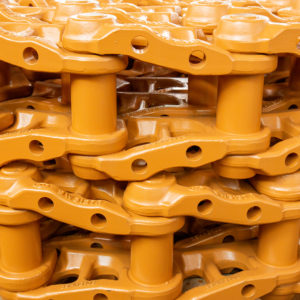
Odabir odgovarajućeg lanca gusjenice i dijelova papuče gusjenice predstavlja određivanje dubokih posljedica za radnu dugovječnost i ekonomsku učinkovitost teških građevinskih strojeva. Ova analiza ispituje višestruki proces nabave ovih kritičnih komponenti podvozja, prelazak s površnih procjena temeljenih na cijeni na nijansiraniju procjenu znanosti o materijalima, cjelovitost proizvodnje, i dizajn specifičan za primjenu. Pretpostavlja se da je pronicljiv pristup, utemeljena na razumijevanju metalurških svojstava, dimenzionalna preciznost, i tehnologije brtvljenja, neophodan je za ublažavanje preranog trošenja i katastrofalnog kvara. Istraživanje se proteže na ekonomsku stvarnost vlasništva, zagovaranje metrike cijene po satu kao racionalnije osnove za ulaganje od početnog troška akvizicije. Nadalje, istražuje se uloga dobavljača, ne samo kao prodavač, već kao krucijalni partner čija stručnost, protokoli osiguranja kvalitete, and logistical support contribute substantively to the end-user's success. Ovaj je diskurs prilagođen dionicima u zahtjevnim okruženjima, poput onih pronađenih diljem Rusije, Australija, srednji Istok, i jugoistočnoj Aziji, gdje teren i klima nameću ekstremna opterećenja strojevima, čineći informirani odabir komponenti pitanjem operativnog opstanka.
Ključni poduhvat
- Proučite leguru čelika i proces toplinske obrade za maksimalnu izdržljivost.
- Provjerite točnost dimenzija, posebno nagib staze, kako bi se spriječilo trošenje sustava.
- Uskladite dizajn tenisica (veći tip) Vašim specifičnim uvjetima tla.
- Procijenite lanac gusjenice i dijelove papuče gusjenice' sustav brtvi za produljenje unutarnjeg vijeka.
- Analizirajte ukupne troškove vlasništva, a ne samo početnu kupovnu cijenu.
- Odaberite dobavljača s dokazanom kontrolom kvalitete i snažnom regionalnom podrškom.
Sadržaj
- 1. Proučite sastav materijala i proizvodne procese
- 2. Provjerite kompatibilnost komponenti i točnost dimenzija
- 3. Procijenite dizajn tenisica za svoju specifičnu primjenu
- 4. Ocijenite sustav brtvljenja i tehnologiju podmazivanja
- 5. Istražite Dobavljačevu kontrolu kvalitete i protokole testiranja
- 6. Analizirajte dugoročne troškove vlasništva, Ne samo početna cijena
- 7. Uzmite u obzir ugled i regionalnu stručnost dobavljača
- Često postavljana pitanja (FAQ)
- Zaključak
- Reference
1. Proučite sastav materijala i proizvodne procese
When we begin to consider the underpinnings of a tracked machine's mobility, uvijek smo dovedeni do samog sklopa staze. It is the machine's direct interface with the earth, sustav zglobnog čelika koji nosi svu težinu opreme i pretvara snagu motora u pokret. Razmišljati o lancu gusjenice i dijelovima papuče za gusjenicu kao o običnoj robi znači u osnovi pogrešno razumjeti njihovu ulogu. Oni su, u vrlo stvarnom smislu, the bones and sinews of the machine's lower body. Kvar ovdje nije mala neugodnost; to je osakaćujući događaj koji donosi više tona, imovina vrijedna više milijuna dolara do zastoja. Stoga, naša prva i najosnovnija provjera mora biti ispitivanje same suštine ovih komponenti: njihovu materijalnu DNK i priču o njihovom stvaranju.
Srce izdržljivosti: Čelične legure i tvrdoća
Počnimo s čelikom. Lako je reći da je karika gusjenice "napravljena od čelika".," ali to je slično kao da je knjiga "napravljena od papira"." bez obzira na kvalitetu proze. The specific alloy of steel used is the primary determinant of a track component's ability to resist the dual threats of abrasive wear and high-impact shock. Za poveznice pjesama, igle, i čahure, proizvođači se često okreću specijaliziranim legurama čelika koje sadrže elemente poput mangana, krom, i bor.
Zamislite da pečete kolač. Osnovni sastojci - brašno, šećer, jaja — neophodna su. Ali to je dodatak kakaovca, vanilija, ili začine koji definiraju njegov karakter. U proizvodnji čelika, željezo i ugljik su osnovni sastojci. Mangan djeluje kao vitalno sredstvo za deoksidaciju i također poboljšava otvrdljivost i žilavost. Krom povećava otpornost na koroziju i, što je još važnije za naše potrebe, povećava dubinu do koje se čelik može očvrsnuti. Bor, čak i u neznatnim količinama, ima snažan učinak na očvrsljivost, omogućujući postizanje duboke i ujednačene tvrdoće toplinskom obradom bez pretjerane krhkosti čelika (Kilički, 2021). Karika gusjenice iskovana od visokokvalitetne legure bora čelika suštinski je sposobnija izdržati surovost dna kamenoloma od one izrađene od jednostavnijeg ugljičnog čelika.
Ovo nas dovodi do pojma tvrdoće, obično se mjeri na Rockwellovoj C skali (HRC). Hardness is the measure of a material's resistance to localized plastic deformation, kao što su grebanje ili udubljenje. Želite vanjske površine svojih igala, čahure, a površina tračnica vaših karika tračnica izuzetno je teška za borbu protiv stalnog mljevenja pijeska, stijena, i prljavštine. Međutim, također trebate da jezgra komponente bude mekša i čvršća, sposoban apsorbirati udar stroja koji pada na stijenu ili tetura po neravnom tlu. Kad bi se cijela komponenta maksimalno očvrsnula, bio bi krt kao staklo, razbivši se pri prvom značajnijem udaru. Ova dvojnost je središnji izazov metalurgije podvozja. Dobro proizvedena karika gusjenice može imati površinsku tvrdoću od 52-58 HRC, ali tvrdoća jezgre od oko 30-35 HRC. Ovaj diferencijal nije nesreća; to je namjerni rezultat sofisticirane proizvodnje.
Kovanje vs. Lijevanje: Što to znači za izvedbu
Način na koji komponenta poprima svoj oblik jednako je značajan kao i materijal od kojeg je napravljena. Dvije prevladavajuće metode za oblikovanje karika tračnica su kovanje i lijevanje. Razmotrimo razliku kroz analogiju. Zamislite zrno u komadu drveta. Ako izrezujete oblik iz drvenog bloka, zrno prolazi ravno kroz njega, stvaranje potencijalnih linija slabosti. Ovo je slično lijevanju, gdje se rastaljeni metal ulijeva u kalup. Dok su moderne tehnike lijevanja vrlo napredne, dobiveni proizvod ima slučajni, jednakoosna struktura zrna.
Sada, zamislite da uzmete taj isti komad drveta i, pomoću pare i pritiska, savijajući ga u željeni oblik. Zrno drveta slijedilo bi krivulju, čineći ga inherentno jačim. Ovo je princip iza kovanja. U kovanju, čvrsta čelična gredica se zagrijava i zatim udara ili preša u oblik golemim mehaničkim ili hidrauličkim silama. Ovaj proces fizički mijenja unutarnju strukturu zrna čelika, poravnavajući ga s konturama dijela. Ovaj poravnati protok zrna eliminira unutarnje šupljine koje se mogu pojaviti u lijevanju i proizvodi komponentu superiorne gustoće, zatečna čvrstoća, i otpornost na zamor. Za dio poput veze staze, koja je izložena ogromnim i kontinuiranim silama vučenja, strukturalni integritet koji se daje kovanjem je značajna prednost. Dok lijevanje može biti održiva i isplativa metoda za određene komponente, za najzahtjevnije primjene, kovane karike gusjenice općenito se smatraju najboljim izborom.
Kritična uloga toplinske obrade
Ako kovanje komponenti daje njene čvrste kosti, toplinska obrada daje mu otvrdnu kožu i žilavo srce. Ovo je možda najkritičnija i najnijansiranija faza proizvodnog procesa lanaca gusjenica i dijelova papuča gusjenica. To je oblik "alkemije čelika"." where controlled heating and cooling cycles are used to manipulate the material's crystalline structure, zaključavanje željenih svojstava tvrdoće i žilavosti.
Najčešća metoda je indukcijsko kaljenje. Zamislite tračničku površinu karike pruge, dio koji je u kontaktu s valjcima. Indukcijski svitak, napaja visokofrekventnom izmjeničnom strujom, prelazi preko ove površine. Ovo stvara intenzivan, vrlo brzo lokalizira toplinu, zagrijavanje samo površinskog sloja do kritične temperature transformacije. Neposredno nakon zavojnice nalazi se sprej tekućine za gašenje (često vodu ili otopinu polimera), koji hladi površinu točno određenom brzinom. Ovo brzo zagrijavanje i hlađenje „smrzava" kristalna struktura u vrlo tvrdom stanju poznata kao martenzit. Ključ je u tome da toplina nema vremena prodrijeti duboko u dio, tako da jezgra ostaje nepromijenjena, zadržavajući svoju mekšu, duktilnija svojstva.
Isti princip vrijedi za klinove i čahure gusjenice. Zatik gusjenice mora se moći okretati unutar čahure pod ogromnim pritiskom, tako da obje površine moraju biti nevjerojatno otporne na habanje. Obično su otvrdnute ili otvrdnute na značajnu dubinu kako bi se osigurao dug vijek trajanja. Nepropisno izvedena toplinska obrada može biti katastrofalna. Preplitka otvrdnuta dubina, a dio će se brzo istrošiti. Preduboko, ili netočna brzina gašenja, a dio može postati krt ili razviti unutarnja naprezanja koja dovode do pucanja. Kada procjenjujete potencijalnog dobavljača, ne kupujete samo komad čelika; kupujete njihovu stručnost u metalurgiji i njihovo ovladavanje procesom toplinske obrade.
2. Provjerite kompatibilnost komponenti i točnost dimenzija
Utvrdivši temeljnu važnost materijala i proizvodnje, sada moramo obratiti pozornost na geometriju komponenti. U zamršenom plesu sustava podvozja, preciznost je sve. Lanac gusjenica nije izolirana komponenta; član je ansambla koji uključuje pogonski lančanik, prednji i stražnji klizač, te gornji i donji valjak. Da bi sustav funkcionirao skladno i učinkovito, svaka komponenta mora biti savršeno usklađena. Neusklađenost dimenzija, čak i onaj koji se čini sporednim, može uvesti kaskadu destruktivnih sila koje dramatično ubrzavaju trošenje cijelog podvozja, pretvarajući značajnu investiciju u preuranjenu hrpu starog otpada.
Pitch Perfect: Zašto se o mjerenju nagiba staze ne može pregovarati
Najvažnija dimenzija lanca gusjenica je njegov nagib. Tako, što je nagib staze? Zamislite jednostavan lanac bicikla. Korak je udaljenost od središta jednog čunja do središta sljedećeg čunja. It is the fundamental unit of the chain's length. U lancu gusjenica teške opreme, koncept je identičan, upravo se neizmjerno povećao. Ovaj korak mora točno odgovarati udaljenosti između zuba na pogonskom zupčaniku i vodećih površina na valjcima i kliznim točkovima.
Razmislimo što se događa kada je teren netočan. Razmotrite novi lanac gusjenica postavljen na istrošeni lančanik. The sprocket's teeth have been ground down, a udaljenost između njih se efektivno povećala. Kako lanac zahvaća lančanik, klin neće savršeno sjedati u udolinu između zuba. Umjesto toga, popeti će se na površinu zuba. Pod ogromnim momentom pogonskog motora, zub lančanika će brusiti o čahuru gusjenice, pokušavajući ga natjerati na svoje mjesto. This creates a point of high-pressure contact that rapidly wears both the bushing's outer surface and the sprocket's tooth profile. Ista destruktivna neusklađenost događa se ako instalirate novi lanac s netočnim korakom na novi lančanik.
Ovaj fenomen je poznat kao "nesklapanje visine tona".," i to je primarni pokretač ubrzanog trošenja podvozja. Tijekom vremena, kao što radi lanac gusjenica, njegovi se klinovi i čahure prirodno troše iznutra. To uzrokuje "istezanje" lanca," što znači da se njegov efektivni ton povećava. Ovo je normalan dio procesa trošenja. Međutim, započeti s netočnim korakom od prvog dana zbog loših proizvodnih tolerancija je neiznuđena pogreška. Prije kupnje bilo kojeg lanca gusjenice i dijelova papuče gusjenice, obavezno je od dobavljača dobiti specifikacijski list u kojem je jasno navedena dimenzija koraka i dopuštena tolerancija. Za veliki dozer, tolerancija na +/- 0.5 mm može biti prihvatljivo, ali sve više bi trebalo biti značajan razlog za zabrinutost.
| Scenarij neusklađenosti komponenti | Primarno mjesto trošenja | Sekundarni učinak | Posljedica |
|---|---|---|---|
| Novi lanac na istrošenom lančaniku | Zupci lančanika, Gusjenice | Povećana radna buka | Brzo uništavanje novih čahura |
| Istrošen lanac na novom lančaniku | Zupci lančanika | Lanac "skakanje" pod opterećenjem | Mogućnost loma zuba lančanika |
| Netočan lanac koraka (Novi) | Čahure, Lančanik, besposličari | Visoko opterećenje svih komponenti | Katastrofalno, brzo trošenje cijelog sustava |
| Neusklađena visina veze | Tračni valjci, Link Rails | Neravnomjerna raspodjela opterećenja | Ubrzano trošenje valjaka i karika |
Sučelje sa zupčanicima, Valjci, i besposličara
Teren je zvijezda showa, ali druge dimenzije igraju ključnu pomoćnu ulogu. Visina spojne tračnice, površina koja prelazi preko valjaka, mora biti dosljedan. Ako su neke karike više od drugih, those links will bear a disproportionate amount of the machine's weight as they pass over the rollers, što dovodi do lokalnog trošenja karika i valjaka.
Dimenzije čahure gusjenice - njezin vanjski promjer i duljina - također su od vitalnog značaja. Čahura je komponenta koja dolazi u kontakt sa zubom lančanika. Its diameter must match the sprocket's design profile to ensure a smooth transfer of power. Promjer klina gusjenice i njegovo uklapanje u kariku jednako su važni. Ovo je središnja točka za cijeli zglob. Labavo prianjanje dovest će do "puknuća"." i deformacija provrta klina u karici, dok prečvrsto prianjanje može uzrokovati zapinjanje zgloba, posebno pri ekstremnim temperaturama.
Zamislite to kao sastavljanje motora visokih performansi. Nikada ne biste koristili klipove koji su malo pogrešne veličine za cilindre ili radilicu s nepravilno brušenim rukavcima. Tolerancije se mjere u tisućinkama inča jer su sile ogromne, a radne brzine su velike. Isti način razmišljanja mora se primijeniti na podvozje. To je spora brzina, sustav visokog momenta, ali su principi mehaničke preciznosti identični. Renomirani dobavljač moći će pružiti detaljne mehaničke nacrte sa svim kritičnim dimenzijama i njihovim povezanim proizvodnim tolerancijama. Nemojte se ustručavati zatražiti ih.
Razumijevanje tolerancija za globalnu klimu
Radno okruženje dodaje još jedan sloj složenosti dimenzionalnim razmatranjima. Metal se širi kada se zagrijava i skuplja kada se hladi. Iako se ove promjene mogu činiti neznatnim, mogu imati stvaran utjecaj na performanse teških strojeva, posebno u ekstremnim klimatskim uvjetima gdje mnogi od ovih strojeva rade.
Zamislite dozer koji radi u sibirskoj zimi, gdje temperature mogu pasti i do -50°C. Na ovim temperaturama, čelik u podvozju će se skupiti. Mazivo unutar spojeva gusjenice postat će nevjerojatno viskozno, gotovo čvrsta. Zazori i tolerancije između zatika, čahura, a brtve moraju biti dizajnirane da to prihvate. Ako su tolerancije preuske, kontrakcija metala mogla bi uzrokovati zapinjanje spoja, stavljajući ogroman pritisak na pogonski sustav ili čak uzrokujući lom.
Sada, u suprotnosti sa strojem koji radi u rudniku u regiji Pilbara u zapadnoj Australiji ili na gradilištu na Bliskom istoku, gdje temperatura okoline može premašiti 50°C. Čelik će se proširiti. Konstantno trenje i pritisak stvarat će još više topline. Ako tolerancije nisu dovoljne da dopuste ovo toplinsko širenje, može se povećati unutarnji tlak unutar zabrtvljenog spoja, potencijalno uzrokujući kvar brtvi ili vezivanje komponenti. This is why understanding a supplier's expertise is so important. Proizvođač koji primarno opslužuje umjereno tržište možda nema inženjersko iskustvo za dizajn lanaca gusjenica i dijelova papuča gusjenica s tolerancijama prikladnim za ekstremnu hladnoću u Rusiji ili intenzivnu vrućinu u Africi. Prilikom nabave izvora Dijelovi podvozja, mudro je surađivati s dobavljačem koji može pokazati iskustvo s vašim specifičnim regionalnim klimatskim izazovima.
3. Procijenite dizajn tenisica za svoju specifičnu primjenu
Ako je lanac gusjenica kostur podvozja, tenisice su njegova stopala. Oni su krajnja točka kontakta s tlom, odgovoran za osiguranje vuče, flotacija, i zaštitu potrebnu da stroj radi svoj posao. Baš kao što ne biste nosili svečane cipele za planinarenje, ne možete očekivati da će jedna vrsta patike za stazu raditi optimalno u svim uvjetima. Odabir ispravnog dizajna papuče gusjenice ključna je odluka koja izravno utječe na performanse stroja, potrošnja goriva, i vijek trajanja cijelog sustava podvozja. Za pravi izbor potrebna je pažljiva procjena vašeg tipičnog radnog okruženja.
Singl, Dvostruko, ili Triple Grouser: Usklađivanje profila s terenom
Najvidljivija značajka papuče za gusjenicu su njezine uporne šipke—izbočena čelična rebra koja se zadiru u tlo. The number and shape of these grousers define the shoe's primary characteristics. Tri najčešća tipa su pojedinačni, dvostruko, i cipele s trostrukim utorima.
Cipele s jednim utorom: Imagine the cleat on a soccer player's boot. Dizajniran je za jednu stvar: maksimalna penetracija i prianjanje na mekanu podlogu. Cipela s jednim utorom radi na istom principu. S jednim visokim, agresivni veći bar, nudi najvišu razinu vuče i prodiranja u tlo. To ga čini idealnim izborom za rad u mekim tlima, teško blato, i na strmim padinama gdje je sprječavanje klizanja najvažnije. Međutim, ovaj agresivni dizajn dolazi s kompromisima. The tall grouser concentrates the machine's weight onto a smaller surface area, povećanje pritiska na tlo. Na tvrdo, stjenovite površine, to može dovesti do savijanja ili lomljenja utora. Nadalje, duboko prodiranje i agresivno okretanje uzrokuju značajne poremećaje tla i postavljaju vrlo velika naprezanja pri okretanju na cijelo podvozje, ubrzavanje trošenja klinova, čahure, i valjci. Cipele s jednim utorom su specijalisti, najbolje koristiti kada je maksimalna trakcija neosporan prioritet.
Triple Grouser Cipele: Sada, zamislite gazni sloj na standardnoj gumi za sve terene za kamion. Dizajniran je da bude dobar svestrani uređaj. Ovo je uloga trostruke patike. S tri kraće, manje agresivni grouseri, it distributes the machine's weight over a much larger contact area. Time se smanjuje pritisak na tlo, što ga čini prikladnim za široku paletu uvjeta tla od tla do šljunka, pa čak i nekih stijena. Niža visina utora znači manje prodiranje u tlo, što rezultira znatno manjim otporom okretanja. Ovo je ključna točka. Stroj s papučama s trostrukim utorima može se okretati i okretati mnogo lakše nego onaj s jednim utorima, što drastično smanjuje sile uvijanja koje djeluju na lanac gusjenica i njegove unutarnje komponente. To znači duži vijek trajanja cijelog sustava podvozja. Za opću konstrukciju, iskopavanje, i zemljani radovi, cipela s tri utora standardni je i najsvestraniji izbor.
Cipele s duplim utorima: Cipela s duplim utorima predstavlja kompromis između dvije krajnosti. Nudi bolju trakciju i prodiranje od trostrukog utora, ali s manjim otporom na okretanje i duljim vijekom trajanja od jednog utora. Često se nalazi na prednjim utovarivačima i drugim strojevima koji zahtijevaju ravnotežu između dobre vuče i visoke sposobnosti manevriranja. To je dobra opcija za mješovite uvjete tla koji uključuju i meko i tvrđe tlo, više abrazivnih površina.
| Vrsta gusjenice | Idealan teren | Vuča | Otpor na okretanje | Nošenje na tvrdim površinama |
|---|---|---|---|---|
| Jednostruki Grouser | Meko tlo, Blato, Strme padine | Najviša | Najviša | visoko |
| Dupli trgovac mješovitom robom | Mješovito tlo, Šljunak, Prljavština | visoko | srednje | srednje |
| Trostruki uzgajivači | Raznolik, Opća namjena | srednje | Najniža | Niska |
| Močvara (Nizak tlak tla) | Zasićeno tlo, Marsh, Tundra | Niska | Najniža | Vrlo visoko |
Specijalne cipele: Močvarni jastučići, Gumeni jastučići, i Extreme Service Shoes
Osim uobičajenih tipova grousera, postoji svijet specijaliziranih patika za trke za jedinstvene primjene.
Močvarne cipele (ili cipele s niskim pritiskom na tlo): Ovo su ekstra široke cipele, često s ravnim ili vrlo niskim profilom utora. Namjena im je flotacija. Dramatičnim povećanjem površine staze, they reduce the machine's ground pressure, što mu omogućuje rad na iznimno mekom, zasićeno tlo poput močvara, močvare, ili tundra bez potonuća. Zamislite ih kao krplje za snijeg u svijetu teške opreme.
Gumeni jastučići: Za strojeve koji moraju raditi na gotovim površinama poput asfalta ili betona, čelični utori nisu opcija jer bi uništili površinu. Ovdje, koriste se gumeni jastučići. To mogu biti jastučići pričvršćeni vijcima pričvršćeni na standardnu papučicu s trostrukim utorom ili "kopča" stil koji se pričvršćuje na sam lanac. Postoje i "gumirani" cipele gdje je guma trajno spojena na čeličnu ploču cipele. Oni su neophodni za urbanu izgradnju, radovi na cesti, i svaka primjena gdje je oštećenje površine problem.
Ekstremna usluga (ES) Cipele: U najabrazivnijim okruženjima s visokim utjecajem, kao što su kamenolomi, mjesta rušenja, i rudarskih radova, standardne cipele možda neće biti dovoljne. Cipele za ekstremne usluge izrađene su od više materijala i imaju robusniji dizajn. Obično imaju veću debljinu ploča i više, jače utore napravljene od tvrđeg, čelična legura otpornija na habanje. Dok predstavljaju veću početnu investiciju, njihov produženi vijek trajanja u teškim uvjetima može dovesti do nižih ukupnih troškova vlasništva. When you are looking at a supplier's offerings, istražujući cijeli katalog Dijelovi podvozja može otkriti specijalizirana rješenja koja možda niste razmatrali.
Važnost visine i širine utora
Posljednje pravilo pri odabiru papuče je uvijek koristiti najužu moguću papučicu koja još uvijek osigurava odgovarajuću plutanje za vaš stroj. Zašto? Jer šira cipela djeluje kao duža poluga. Dok se stroj kreće po neravnom terenu, stijena ili prepreka ispod ruba široke papuče djelovat će puno većom silom uvijanja na klin gusjenice i spoj čahure nego što bi to bilo na užoj papučici. Ovo torzijsko naprezanje značajno pridonosi unutarnjem trošenju zatika i čahure i može čak dovesti do kvara brtve. Šire cipele također povećavaju opterećenje svih komponenti podvozja tijekom skretanja. Dok vam je potrebna dovoljna širina da stroj ne potone, koristeći preširoku cipelu "za svaki slučaj" je uobičajena i skupa pogreška koja bespotrebno skraćuje vijek trajanja vašeg lanca gusjenice i dijelova papuče gusjenice.
4. Ocijenite sustav brtvljenja i tehnologiju podmazivanja
Zadubili smo se u vanjski oklop podvozja—tvrdoću čelika i dizajn papuča. Sada, moramo ući unutra, u skriveni svijet spojnice pruge. Lanac gusjenica sastoji se od desetaka zglobnih zglobova, svaki se sastoji od zatika koji se okreće unutar čahure. Ovdje se vodi prava bitka protiv trošenja. Unutarnji, trenje metala o metal unutar ovih spojeva je ono što uzrokuje "istezanje" lanca" i na kraju doći do kraja života. Najvažniji čimbenik u produljenju životnog vijeka lanca gusjenica je učinkovitost njegovog sustava brtvljenja i maziva koji sadrži. Kolosiječni spoj je, u biti, doživotno zapečaćen ležaj, a njegova dugovječnost u potpunosti ovisi o zadržavanju maziva unutra i abrazivnih onečišćenja izvana.
Podmazan mašću vs. Lanci podmazani uljem: Duboko zaranjanje
Povijesno gledano, lanci gusjenica bili su "suhi".," što znači da nisu imali unutarnje podmazivanje. Klinovi i čahure jednostavno se bruše jedna o drugu, što dovodi do vrlo kratkog radnog vijeka. Prva velika inovacija bio je razvoj zabrtvljene i podmazane gusjenice (SOL). Ove rane verzije obično su bile podmazane mašću.
Lanci podmazani mašću: U ovom dizajnu, prostor između osovinice i čahure je pun maziva za teške uvjete rada tijekom sastavljanja. Brtve na oba kraja čahure dizajnirane su za zadržavanje ove masti. Prednost masti je što je gusta i ljepljiva, pa nastoji ostati na mjestu. Pruža dobar podmazujući film koji dramatično smanjuje stopu unutarnjeg trošenja u usporedbi sa suhim lancem. Za mnoge manje strojeve ili one u manje zahtjevnim aplikacijama, dobro dizajniran lanac podmazan mašću nudi vrlo dobru ravnotežu performansi i cijene. Međutim, mast ima svoja ograničenja. Ne teče lako, tako da možda neće u potpunosti prekriti habajuće površine nakon pomicanja pod visokim pritiskom. Tijekom vremena, također se može osušiti ili kontaminirati.
Lanci podmazani uljem: Za veće strojeve i zahtjevnije primjene, lanci podmazani uljem predstavljaju sljedeći korak u performansama. U ovom dizajnu, svaki spoj gusjenice djeluje kao vlastiti zatvoreni spremnik ulja. Kroz središte zatika tračnice izbušen je kanal, a ovaj je spremnik napunjen posebnim uljem za mjenjače. Kako zglob artikulira, ulje može teći i cirkulirati, neprestano nadopunjujući film za podmazivanje između osovinice i čahure. Ulje je superiorno mazivo u odnosu na mast u ovoj primjeni jer pruža bolje hlađenje i može učinkovitije isprati sve mikroskopske čestice trošenja. To rezultira znatno nižom stopom unutarnjeg trošenja i može produljiti vijek trajanja lanca gusjenica za 50% ili više u usporedbi s dizajnom podmazanim mašću pod istim uvjetima (Gusjenica, 2018). Kompromis je u tome što su sustavi podmazani uljem složeniji i postavljaju mnogo veće zahtjeve za sustav brtvljenja. Kvar brtve u lancu podmazanom uljem je kritičniji, jer će ulje niske viskoznosti relativno brzo iscuriti, ostavljajući zglob nezaštićenim.
Prilikom odabira, uzmite u obzir veličinu vašeg stroja i intenzitet vašeg rada. Za veliki dozer u a 24/7 rudarska operacija, produženi vijek trajanja lanca podmazanog uljem gotovo je uvijek vrijedan ulaganja. Za mini-bager koji obavlja povremene komunalne poslove, lanac podmazan mašću mogao bi biti ekonomičniji i savršeno odgovarajući izbor.
Anatomija tuljana: Poliuretanske brtve i njihova funkcija
Brtva staze je mala, često zanemarena komponenta, ali cijeli sustav podmazivanja ovisi o njegovoj cjelovitosti. To je vratar kolosiječnog spoja. Moderne brtve tračnica su čuda znanosti o materijalima i preciznog inženjerstva. Obično se sastoje od dva glavna dijela: teretni prsten i brtveni prsten.
The teretni prsten je robustan, kvadratni gumeni prsten koji daje statičku silu. Sabija se tijekom sastavljanja i ponaša se poput opruge, neprestano gurajući brtveni prsten na uglačana metalna lica čahure i karike. To osigurava energiju koja čvrsto zatvara sučelje brtve.
The brtveni prsten je dinamička komponenta. To je precizno oblikovan prsten, često izrađeni od vrlo izdržljivog poliuretanskog spoja. Ovo je dio koji vrši stvarno brtvljenje. Ima dva fino polirana lica koja se naslanjaju na jednako polirani kraj čahure i unutarnju stranu karike gusjenice. Sučelje između ova dva polirana lica je ono što sadrži mazivo i isključuje prljavštinu. Oblik brtvenog prstena je kritičan. Često je dizajniran s blagim "konusom"." oblik za stvaranje specifične raspodjele pritiska preko brtvene površine, osiguravajući čvrsto brtvljenje bez stvaranja prekomjernog trenja ili topline.
Kvaliteta poliuretana koji se koristi u brtvenom prstenu je najvažnija. Mora biti u stanju odoljeti abraziji od bilo kakvog sitnog zrna koje se približi brtvi. Mora biti otporan na kemijsko raspadanje maziva iznutra i bilo kakve zagađivače izvana. što je najvažnije, mora zadržati svoj oblik i elastičnost u velikom rasponu temperatura, od dubokog smrzavanja ruske zime do vrućine afričkog rudnika. Brtva niske kvalitete brzo će se stvrdnuti, pukotina, ili deformirati, što dovodi do gubitka maziva i ulaska prljavštine, što znači brzu smrt za tračnicu. Prilikom ispitivanja dobavljača o lancu gusjenice i dijelovima papuče gusjenice, pitajte konkretno o materijalu i dizajnu njihovih pečata. Samopouzdani dobavljač s ponosom će opisati napredne poliuretanske spojeve i precizno inženjerstvo koji ulaze u njihove sustave brtvljenja.
Sprječavanje unutarnjeg trošenja: Neopjevani heroj života na stazi
Cjelokupna svrha sustava za podmazivanje i brtvljenje je upravljanje unutarnjim trošenjem. Ovo je trošenje koje se događa na vanjskom promjeru klina i unutarnjem promjeru čahure dok se okreću jedan prema drugom. Ova istrošenost nije vidljiva izvana, ali to je ono što uzrokuje izduživanje ili "istezanje" lanca."
Kako se klin i čahura troše, materijal se uklanja, a udaljenost od središta jedne igle do središta sljedeće raste. Ovo je promjena visine tona o kojoj smo ranije govorili. Tehničar može izmjeriti ovu promjenu kako bi odredio postotak unutarnjeg trošenja lanca. Na primjer, mogao bi se razmotriti lanac gusjenica 100% istrošen iznutra i potrebno mu je "okretanje zatika i čahure" kada se njegov ton poveća za 3 mm.
Okret zatika i čahure" je postupak održavanja gdje se kolosijek rastavlja, a klinovi i čahure se okreću 180 stupnjeva. Ovo predstavlja novu, neistrošenu površinu na područja visokog kontakta, učinkovito resetiranje sata na unutarnje trošenje i produljenje životnog vijeka lanca. Međutim, ovaj postupak je moguć samo ako vanjsko trošenje čahure nije bilo preveliko. Učinkovit sustav brtvljenja koji čuva unutarnje mazivo ono je što osovinu i čahuru čini održivom i ekonomičnom opcijom. Sprječava brzo unutarnje trošenje koje bi inače učinilo lanac neupotrebljivim mnogo prije nego što se vanjske komponente istroše. Stoga, ulaganje u lanac s vrhunskim sustavom brtvljenja nije samo produljenje prvog životnog vijeka lanca; radi se o omogućavanju drugog pa čak i trećeg života kroz učinkovito održavanje, dramatično smanjujući ukupne troškove vlasništva.
5. Istražite Dobavljačevu kontrolu kvalitete i protokole testiranja
Sada ste ispitali teoretske aspekte onoga što čini visokokvalitetnu komponentu gusjenice - pravi materijali, prave dimenzije, pravi dizajn. Ali kako možete biti sigurni da određeni lanac gusjenica koji namjeravate kupiti zaista zadovoljava te standarde? The answer lies in the supplier's commitment to quality control (QC) i rigorozno testiranje. List sa specifikacijama je obećanje; robustan QC program je dokaz da se obećanje ispunjava. Za kupca koji se nalazi u Australiji ili Africi, daleko od proizvodnog pogona, ovaj dokaz nije samo umirujući; to je temeljni uvjet za sigurno ulaganje. Ne možete si priuštiti kvar komponente na udaljenom mjestu zbog greške u proizvodnji koja je trebala biti uhvaćena u tvornici.
Izvan Specifikacije: Traženje QC izvješća
Svaki renomirani proizvođač lanaca gusjenica i dijelova papuča gusjenica imat će uspostavljen sustav upravljanja kvalitetom, često certificirani prema međunarodnom standardu kao što je ISO 9001. Ovaj sustav nalaže da se provjere i mjerenja provode u različitim fazama proizvodnog procesa. Kao zahtjevan kupac, imate pravo vidjeti dokaze ovog procesa.
Nemojte se ustručavati zatražiti od potencijalnog dobavljača kopije njihovih tipičnih izvješća o kontroli kvalitete za proizvodnu seriju. Što biste trebali tražiti u ovim izvješćima?
- Certifikacija materijala: Proces bi trebao započeti potvrdom čeličane, provjera kemijskog sastava sirove čelične gredice. Potvrđuje li prisutnost navedenih legura poput bora i mangana?
- Provjere dimenzija: Izvješće treba prikazati mjerenja nakon kovanja ili lijevanja i nakon završne strojne obrade. Ključne dimenzije poput nagiba, visina veze, and bore diameters should be recorded and compared against the engineering drawing's specified tolerances.
- Ispitivanje tvrdoće: Ovo je jedna od najvažnijih provjera. Izvješće treba prikazati rezultate Rockwellovih ispitivanja tvrdoće provedenih na više uzoraka iz serije. Treba odrediti ne samo površinsku tvrdoću, već i dubinu kućišta (debljina otvrdnutog sloja) i tvrdoću jezgre. Jesu li ove vrijednosti dosljedne i unutar navedenog raspona?
- Završna inspekcija: Završno izvješće o vizualnoj i dimenzijskoj inspekciji treba potvrditi da dijelovi nemaju pukotine, neravnine, ili druge vizualne nedostatke i da su sve konačne dimenzije točne.
Dobavljač koji je transparentan i spremno dostavlja ovu dokumentaciju pokazuje povjerenje u svoje procese. Dobavljač koji oklijeva ili tvrdi da su takva izvješća "samo interna"." treba promatrati s oprezom. Njihova nevoljkost može sugerirati nedostatak povjerenja u vlastitu dosljednost ili proces koji nije tako strogo kontroliran kao što tvrde. Ova dokumentacija je vaš prozor u tvornički prostor, i ključan je alat za due diligence.
Ispitivanje bez razaranja (NDT) Metode: Što tražiti
Dok su provjere dimenzija i tvrdoće vitalne, neki od najopasnijih nedostataka nevidljivi su golim okom. Unutarnje pukotine nastale tijekom procesa kovanja ili nedostatci ispod površine toplinske obrade mogu dovesti do iznenadnog, katastrofalni kvar pod opterećenjem. Da biste pronašli te skrivene nedostatke, proizvođači koriste niz ispitivanja bez razaranja (NDT) metode. Kao kupac, saznati koji su ti testovi i pitati jesu li obavljeni može pružiti dodatnu sigurnost.
Inspekcija magnetskim česticama (MPI): Ovo je uobičajena metoda za otkrivanje površinskih i pripovršinskih pukotina u feromagnetskim materijalima poput čelika. Dio je magnetiziran, i fini željezni prah (bilo suho ili suspendirano u tekućini) nanosi se na površinu. Ako postoji pukotina ili nedostatak, poremetit će magnetsko polje, uzrokujući nakupljanje čestica željeza na mjestu pukotine, čineći ga vidljivim inspektoru. Pitanje jesu li karike gusjenice podvrgnute MPI-ju nakon kovanja i toplinske obrade vrlo je važno pitanje.
Ultrazvučno ispitivanje (UT): Ova metoda koristi visokofrekventne zvučne valove za otkrivanje unutarnjih nedostataka. Pretvornik šalje puls zvuka u dio. Zvuk putuje kroz materijal i odbija se od stražnjeg zida. Mjeri se vrijeme potrebno da se jeka vrati. Ako postoji unutarnja greška poput pukotine, praznina, ili uključivanje, it will create an additional reflection that appears on the technician's screen, revealing the flaw's location and approximate size. UT je izvrsna metoda za osiguranje internog integriteta kritičnih komponenti kao što su klinovi tračnice.
Inspekcija penetrantima tekućine (LPI): Ovo se može koristiti na neferomagnetskim materijalima i vrlo je učinkovito u pronalaženju površinskih pukotina. Jarko obojena tekuća boja (penetrant) nanosi se na površinu. Nakon određenog vremena zadržavanja, višak penetranta se čisti. Zatim, primjenjuje se razvijač, koji djeluje poput upijača, izvlačeći penetrant iz svih pukotina i čineći ih jasno vidljivima.
Proizvođač koji ulaže i redovito koristi ove NDT metode pokazuje ozbiljnu predanost sprječavanju da neispravni dijelovi ikada napuste njihov pogon. Ovo je zaštitni znak vrhunskog dobavljača komponenti donjeg stroja i priključaka poput žlica i ripera.
Praćenje lanca opskrbe: Od sirovine do konačnog proizvoda
Posljednji aspekt osiguranja kvalitete je sljedivost. U slučaju kvara, bitno je moći pratiti dio unazad kroz proces proizvodnje kako bi se identificirao glavni uzrok. Robusni sustav sljedivosti osigurava da svaka pojedinačna komponenta ili, češće, svake proizvodne serije, ima jedinstven identifikacijski broj.
Ovaj bi broj trebao omogućiti dobavljaču praćenje:
- Specifična serija sirovog čelika od koje je napravljena.
- Datum i pomak je kovan ili lijevan.
- Serija toplinske obrade čiji je dio bio, zajedno s odgovarajućim dijagramima peći i rezultatima ispitivanja tvrdoće.
- Završna strojna obrada i izvješća o inspekciji.
Ova razina sljedivosti nije samo za analizu nakon kvara. To je također snažan interni alat za proizvođača za održavanje kontrole procesa. Ako se ispitivanje tvrdoće na jednoj seriji vrati malo izvan specifikacije, mogu odmah staviti u karantenu cijelu tu seriju i prilagoditi svoj proces toplinske obrade za sljedeću. Za vas, kupac, to je znak zrelog i profesionalnog rada. Kada primite lanac gusjenice i dijelove cipele za gusjenicu, potražite ove brojeve serija ili serijske brojeve ugravirane ili utisnute na komponente. Njihova prisutnost tihi je dokaz sustava kvalitete koji stoji iza proizvoda.
6. Analizirajte dugoročne troškove vlasništva, Ne samo početna cijena
U svijetu teške opreme, malo je iskušenja tako primamljivo kao niska početna cijena. Kada se pojavi s dva naizgled identična lanca, jedan trošak 20-30% manje od drugog, impuls za odabirom jeftinije opcije je snažan. Međutim, ovo je često lažna ekonomija. Pravi trošak komponente podvozja nije cijena na računu; it is the total cost incurred over the component's entire service life, podijeljeno s brojem sati rada. Ovaj koncept, poznat kao ukupni trošak vlasništva (Tco) ili cijenu po satu, je jedina racionalna metrika za procjenu vrijednosti lanca gusjenice i dijelova papuče gusjenice. Odluka koja se temelji samo na nabavnoj cijeni kocka je koja se rijetko isplati.
Skriveni troškovi preranog trošenja i zastoja
Konstruirajmo scenarij. Upravljate flotom bagera na velikom infrastrukturnom projektu u jugoistočnoj Aziji. Morate zamijeniti grupe staza na jednom od vaših strojeva. Dobavljač A nudi kompletnu grupu staza za $15,000. Dobavljač B, vrhunski pružatelj usluga, nudi naizgled identičnu grupu za $20,000. The $5,000 štednja je primamljiva. Odlučili ste se za dobavljača A.
Ugrađena je jeftinija grupa gusjenica, i za prvih nekoliko stotina sati, sve se čini u redu. Međutim, ovaj lanac izrađen je od legure čelika nižeg stupnja i manje precizne toplinske obrade. Njegove unutarnje brtve izrađene su od lošijeg polimera. Oko oznake od 2500 sati, mnogo prije nego što biste to očekivali, lanac pokazuje znakove značajnog produljenja koraka. Brtva nije uspjela, spoj se osušio, a unutarnje trošenje dramatično se ubrzalo. Stroj je "spušten."
Sada, skriveni troškovi počinju se gomilati. Prvi, postoji trošak samog zastoja. Veliki bager može generirati tisuće dolara prihoda dnevno. Svaki sat kada ne radi je izgubljena dobit. To može utjecati na raspored projekta, potencijalno izaziva kazne. Drugi, postoji cijena rada. Morate platiti tim mehaničara da ukloni pokvarenu stazu i postavi novu. To može uključivati dovođenje mobilnog servisnog kamiona, dodajući na trošak. Treći, postoji trošak samog zamjenskog dijela. Morate kupiti drugu grupu staza, i ovaj put, malo je vjerojatno da ćete napraviti istu grešku. Kupujete premium za $20,000.
U ovom scenariju, tvoja potraga za a $5,000 ušteda unaprijed rezultirala je tisućama, ili čak desetke tisuća, dolara u gubicima zastoja, dodatni troškovi rada, i potrebu kupnje drugog zamjenskog dijela mnogo ranije nego što je planirano. Što je "jeftinije" opcija je postala monumentalno skuplja.
Izračunavanje cijene po satu: Bolja metrika za vrijednost
Razumniji pristup je prebacivanje fokusa s cijene na vrijednost, izračunato kao cijena po satu. Ponovno razmotrimo naš scenarij s ovom novom perspektivom.
Grupa kolosijeka A (Jeftinija opcija):
- Početni trošak: $15,000
- Postignut radni vijek: 2,500 sati
- Cijena po satu: $15,000 / 2,500 sati = $6.00 na sat
Grupa kolosijeka B (Premium opcija):
- Početni trošak: $20,000
- Očekivani vijek trajanja (na temelju podataka proizvođača i studija slučaja): 5,000 sati
- Cijena po satu: $20,000 / 5,000 sati = $4.00 na sat
Gledano kroz ovaj objektiv, odluka postaje jasna. Grupa pjesama koja je bila 33% zapravo skuplji unaprijed 33% jeftiniji za rad na satnici. Ova kalkulacija čak ne uključuje ogromne troškove neplaniranog prekida rada povezane s preranim kvarom jeftinije opcije. Visokokvalitetna komponenta, rođen iz vrhunske metalurgije i proizvodnje, pruža više sati produktivne usluge, što je krajnji cilj. Kada surađujete s potencijalnim dobavljačem, zatražite od njih podatke o izvedbi. Mogu li pružiti studije slučaja ili podatke o životnom vijeku strojeva koji rade u uvjetima sličnim vašima? A supplier confident in their product's longevity will have this information and be eager to share it, jer opravdava njihovu cijenu i pokazuje vrhunsku vrijednost koju nude.
Jamstvo i podrška nakon prodaje kao množitelj vrijednosti
Završne komponente jednadžbe TCO-a su jamstvo i podrška nakon prodaje koju nudi dobavljač. Jamstvo je više od običnog obećanja zamjene neispravnog dijela; it is a statement of the manufacturer's confidence in its own product quality and durability.
Sveobuhvatno jamstvo koje pokriva razuman broj sati ili godina pruža ključnu sigurnosnu mrežu. Štiti vaše ulaganje od mogućnosti rijetkog tvorničkog kvara. Pažljivo usporedite uvjete jamstva koje nude različiti dobavljači. Dulje i opsežnije jamstvo je materijalna prednost koja dodaje vrijednost kupnji.
Jednako je važna i podrška nakon prodaje. Što se događa ako imate tehničko pitanje tijekom instalacije? Što ako trebate pomoć u dijagnosticiranju uzorka istrošenosti? Dobavljač koji djeluje kao partner imat će na raspolaganju stručno tehničko osoblje koje će vam pomoći. Mogu ponuditi usluge kao što su pregledi podvozja i analiza istrošenosti kako bi vam pomogli da učinkovitije upravljate svojim voznim parkom. Ova razina podrške može biti neprocjenjiva, pomaže vam da povećate vijek trajanja svih vaših komponenti podvozja, uključujući ne samo lanac gusjenice i dijelove papuče gusjenice, ali i valjci, neradnici, i lančanici. Ova podrška pretvara dobavljača iz jednostavnog dobavljača u dugoročnog partnera u vašem operativnom uspjehu, a trait often found by understanding a supplier's misija i povijest.
7. Uzmite u obzir ugled i regionalnu stručnost dobavljača
Naša konačna provjera nadilazi fizički objekt lanca gusjenica i zadire u karakter i mogućnosti organizacije koja ga isporučuje. Na globalnom tržištu, komponente možete nabaviti s bilo kojeg mjesta u svijetu. Međutim, najbolji dobavljači su više od samo transakcijskih dobavljača; oni su partneri koji donose bogato iskustvo, dokaziva predanost kvaliteti, i duboko razumijevanje specifičnih izazova s kojima se suočavate u svojoj regiji. Odabir pravog dobavljača jednako je važan kao i odabir pravog dijela, jer njihova stručnost i podrška mogu biti razlika između uspješnog ulaganja i frustrirajućeg iskušenja.
Izvori za uspjeh: Vrijednost specijaliziranog dobavljača
Tržište dijelova teške opreme je ogromno. U rasponu je od općenitih dobavljača koji prodaju sve, od filtera do završnih pogona, visoko specijaliziranim tvrtkama koje se fokusiraju isključivo na uzak asortiman proizvoda. Kada je riječ o visokom trošenju, kritične komponente poput lanca gusjenica, postoji golema vrijednost u partnerstvu sa stručnjakom.
Specijalizirani dobavljač dijelova podvozja živi i diše ovu tehnologiju. Cijeli njihov posao izgrađen je na intimnom poznavanju metalurgije, dinamika trošenja, i aplikativno inženjerstvo. Njihovo tehničko osoblje nisu samo prodavači; oni su stručnjaci koji mogu dijagnosticirati složeni problem trošenja ili preporučiti savršenu cipelu za stazu za zahtjevne uvjete tla. Vjerojatno su se već mnogo puta susreli s problemima s kojima se vi suočavate i riješili ih. Ova dubina znanja je neprocjenjiv resurs.
Nadalje, a specialized supplier's reputation is built entirely on the performance of their chosen product line. Oni ne mogu sakriti nekvalitetan lanac gusjenica iza širokog kataloga drugih dijelova. Njihov uspjeh izravno je vezan uz izdržljivost i pouzdanost dijelova podvozja koje prodaju. To stvara snažan poticaj za nabavu samo visokokvalitetnih proizvoda i održavanje rigoroznih standarda osiguranja kvalitete. Stavljaju svoje ime na performanse tog lanca, koja vam daje, kupac, značajan stupanj povjerenja. Kada stupite u kontakt s a specijalizirani dobavljač dijelova za teške strojeve, ne kupujete samo proizvod; kupujete pristup skupu usmjerene stručnosti.
Studije slučaja i svjedočanstva iz vaše regije
Teorijska izvedba i tvorničko testiranje jedno su; izvedba u stvarnom svijetu u vašem specifičnom okruženju je drugo. Abrazivno sredstvo, pijesak bogat silicijevim dioksidom australske divljine, korozivna vlaga jugoistočne azijske džungle, permafrost sibirskog rudnika, i stjenoviti teren afričkog kamenoloma predstavljaju jedinstvene i ozbiljne izazove za podvozje.
Zaista globalni i iskusni dobavljač moći će pokazati svoj uspjeh u ovim izazovnim okruženjima. Zatražite studije slučaja ili podatke o izvedbi od kupaca koji posluju u vašoj zemlji ili regiji sa sličnim uvjetima. Studija slučaja koja detaljno opisuje kako je određeni lanac gusjenica postigao rezultate 6,000 radni vijek na dozeru u zapadnoaustralskom rudniku željezne rude daleko je uvjerljiviji od generičke brošure.
Testimonials from other equipment owners and fleet managers in your region are also powerful indicators of a supplier's quality and reliability. U bliskoj zajednici operatera teške opreme, ugled se stječe na teži način. Dobavljač kojeg dosljedno preporučuju drugi u vašem području vjerojatno je dokazao svoju sposobnost isporuke trajnih proizvoda i usluge koja odgovara. Ova regionalna validacija ključni je dio slagalice, providing assurance that the supplier's products are not just good in theory, ali dokazano u praksi tamo gdje vam je najvažnije.
Navigacija Logistika i podrška na udaljenim lokacijama
Posljednje razmatranje je praktična stvarnost dopremanja dijelova do vašeg stroja i primanja podrške kada vam je potrebna. Za operatere u udaljenim dijelovima Rusije, Australija, ili Africi, logistika je veliki izazov. Grupa gusjenica za veliki dozer može težiti nekoliko tona. Slanje takvog predmeta diljem svijeta složen je i skup pothvat.
Dobavljač s iskustvom u pružanju usluga vašoj regiji imat će uspostavljene i pouzdane logističke kanale. Oni će razumjeti zamršenost carinjenja u vašoj zemlji i moći će vam dati točna vremena i troškove dostave. Mogu imati regionalne distribucijske centre koji mogu značajno smanjiti vrijeme i troškove isporuke u usporedbi s izravnom dostavom iz središnje tvornice na pola svijeta.
Ova regionalna prisutnost također se proteže na podršku nakon prodaje. Ako imate jamstveni zahtjev ili tehnički problem, možete li razgovarati s nekim u razumno bliskoj vremenskoj zoni? Imaju li tehničke predstavnike koji mogu, ako je potrebno, posjetiti vašu stranicu? Dobavljač s jakom regionalnom mrežom pokazuje dugoročnu predanost tržištu. Oni nisu zainteresirani samo za jednu prodaju; oni su uloženi u podršku vašim operacijama na duge staze. Ova logistička i potporna infrastruktura je konačna, ključni element koji jednostavnu kupnju pretvara u pravo partnerstvo i siguran, long-term investment in your machine's productivity. Osigurava da su visokokvalitetni lanci gusjenice i dijelovi papuče gusjenice koje ste tako pažljivo odabrali podržani sustavom potpore koji je jednako robustan i pouzdan.
Često postavljana pitanja (FAQ)
1. Koja je razlika između OEM, pravi, i rezervni dijelovi gusjenica?
OEM (Proizvođač originalne opreme) dijelovi su komponente koje je izradila tvrtka koja je proizvela stroj ili njezin ovlašteni dobavljač. Originalni dijelovi su oni koje je označio proizvođač stroja (Npr., Gusjenica, Komatsu) ali ih može izraditi dobavljač treće strane prema njihovim točnim specifikacijama. Rezervne dijelove proizvode neovisne tvrtke. Visokokvalitetni dobavljači rezervnih dijelova mogu ponuditi dijelove koji zadovoljavaju ili čak premašuju OEM specifikacije u pogledu materijala i performansi, često po konkurentnijoj cijeni. Ključno je temeljito provjeriti dobavljača naknadnog tržišta koristeći provjere navedene u ovom vodiču.
2. Koliko često trebam pregledavati lanac gusjenice i dijelove papuče gusjenice?
Redoviti pregledi su vitalni. Svakodnevna šetnja okolo kako bi se provjerilo ima li labavih vijaka, vidljive pukotine, ili značajna šteta je dobra praksa. Detaljniji pregledi podvozja, uključujući komponente za mjerenje trošenja, treba povremeno provoditi obučeni tehničar. The frequency depends on the application's severity, ali zajednički interval je svaki 500 radni sati. To vam omogućuje da pratite stope trošenja i proaktivno planirate održavanje ili zamjenu.
3. Mogu li miješati i spajati komponente različitih marki u svom podvozju?
Iako ponekad neizbježna, općenito se ne preporučuje miješanje glavnih komponenti poput lanaca gusjenica i lančanika različitih proizvođača. Kao što se raspravljalo, dimenzionalna kompatibilnost je kritična. Čak i male razlike u usponu ili profilu zubaca između marki mogu dovesti do ubrzanog trošenja. Najsigurnije je zamijeniti komponente koje međusobno djeluju, kao što su lanac i lančanik, kao usklađen skup iz jednog, dobavljač od povjerenja.
4. Što je "okret zatika i čahure," i kada to treba učiniti?
Okretanje klina i čahure je postupak održavanja zabrtvljenih i podmazanih lanaca gusjenica. Kada unutarnje trošenje klinova i čahura dosegne određenu granicu (obično se mjeri kao "istezanje" lanca), lanac je rastavljen, a klinovi i čahure se okreću 180 stupnja predstaviti novi, neistrošena površina. To može efektivno udvostručiti vijek trajanja sklopa lančanika. It should be done when internal wear reaches the manufacturer's recommended limit, tipično oko 100%, ali prije nego što vanjsko trošenje čahure postane prekomjerno.
5. Moj stroj radi i na mekom tlu i na tvrdom kamenu. Koja je najbolja tenisica za stazu?
Ovo je klasična dilema. Za mješovite uvjete, cipela s tri utora gotovo je uvijek najbolji kompromis. Pruža odgovarajuću izvedbu u većini situacija uz najmanji otpor okretanja, čime se čuva vijek cijelog podvozja. Ako potrošite više od 75% vašeg vremena u ekstremnom rocku, Ekstremna usluga (ES) cipela bi moglo biti opravdano. Ako većinu vremena provodite u dubokom blatu, možda će biti potreban jedan utor, ali morate prihvatiti ubrzano trošenje do kojeg će doći kada radite na tvrđim površinama.
6. Zašto se preporučuje korištenje najuže moguće patike za stazu?
Šira papuča djeluje kao duža poluga, povećanje sila uvijanja (torzijsko naprezanje) na klinovima i čahurama gusjenice kada se stroj kreće preko neravnog tla ili skreće. Ovo naprezanje ubrzava unutarnje trošenje i povećava rizik od kvara brtve. Dok vam je potrebna dovoljno široka cipela da osigura odgovarajuću flotaciju za vaše uvjete tla, korištenje nepotrebno široke cipele povećava napor i težinu, smanjujući životni vijek vašeg lanca gusjenice i dijelova papuče gusjenice.
7. Što znači "HRC" znači kada se govori o tvrdoći čelika?
HRC je kratica za Rockwellovu ljestvicu tvrdoće, Dio C. To je standardna metoda za mjerenje tvrdoće čelika i drugih metala. Ispitivanje uključuje pritiskanje konusa s dijamantnim vrhom u materijal određenom silom i mjerenje dubine udubljenja. Veći HRC broj ukazuje na tvrđi materijal koji je otporniji na trošenje. Za komponente staze, visoka površinska tvrdoća (Npr., 52-58 HRC) je poželjan za otpornost na habanje, dok niža tvrdoća jezgre (Npr., 30-35 HRC) potreban je za žilavost i otpornost na udarce.
Zaključak
Putovanje kroz zamršeni svijet lanaca gusjenica i dijelova papuča gusjenica otkriva temeljnu istinu: marljivost u odabiru nije trošak već ulaganje u operativno vrijeme i profitabilnost. Gledati na te komponente kao na jednostavnu čeličnu robu znači zanemariti složenu međuigru metalurgije, precizno inženjerstvo, i dizajn specifičan za aplikaciju koji definira njihovu izvedbu. Početna cijena, dok je odmah vidljivo, je loš i često pogrešan pokazatelj prave vrijednosti. Dublje razumijevanje, ukorijenjen u analizi sastava materijala, toplotna obrada, dimenzijska točnost, i tehnologiju brtvljenja, omogućuje kupcu da pogleda izvan površine.
Usvajanjem mentaliteta cijene po satu, fokus se pomiče s kratkoročne štednje na dugoročnu učinkovitost. Ova perspektiva priznaje goleme skrivene troškove preranog kvara i neplaniranih zastoja, preoblikovanje viših početnih troškova vrhunske komponente kao dobrog ulaganja u pouzdanost. Sedam provjera navedenih ovdje pružaju strukturirani okvir za ovaj pronicljivi pristup. Oni potiču dijalog s dobavljačima koji ide od cijene do suštinske rasprave o kontroli kvalitete, protokoli testiranja, i dokazane performanse. U konačnici, izbor ovih temeljnih komponenti je izbor između kratkoročne transakcije i dugoročnog partnerstva—partnerstvo s dobavljačem čija su stručnost i podrška jednako izdržljivi kao i čelik koji pružaju, osiguravajući da vaši strojevi ostanu produktivni i profitabilni u najzahtjevnijim okruženjima na svijetu.
Reference
Gusjenica. (2018). Caterpillar vodilica donjeg stroja (3rd ed.). Caterpillar Inc.
Kilički, M. (2021). Utjecaj bora na prokaljivost čelika. Časopis za istraživanje i tehnologiju materijala, 15, 2235-2244.