
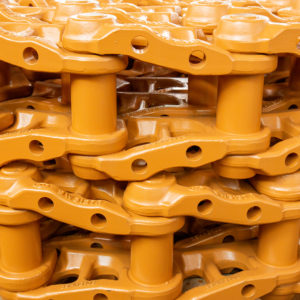
सार
उपयुक्त ट्र्याक चेन र ट्र्याक जुत्ता भागहरूको चयनले भारी निर्माण मेसिनरीको परिचालन दीर्घायु र आर्थिक दक्षताको लागि गहिरो नतिजाको निर्धारणलाई प्रतिनिधित्व गर्दछ।. यो विश्लेषणले यी महत्वपूर्ण अन्डरक्यारेज कम्पोनेन्टहरू खरिद गर्ने बहुआयामिक प्रक्रियाको जाँच गर्दछ।, सतही मूल्यमा आधारित मूल्याङ्कनभन्दा बाहिर भौतिक विज्ञानको थप सूक्ष्म मूल्याङ्कनमा सर्दै, निर्माण अखंडता, र अनुप्रयोग-विशेष डिजाइन. यो एक विवेकी दृष्टिकोण राख्छ, मेटलर्जिकल गुणहरूको बुझाइमा आधारित, आयामी परिशुद्धता, र सील टेक्नोलोजीहरू, समयपूर्व पहिरन र विनाशकारी विफलता कम गर्न अपरिहार्य छ. अनुसन्धान स्वामित्वको आर्थिक वास्तविकताहरूमा फैलिएको छ, प्रारम्भिक अधिग्रहण लागत भन्दा लगानीको लागि अधिक तर्कसंगत आधारको रूपमा लागत-प्रति-घण्टा मेट्रिकको लागि वकालत गर्दै. यसबाहेक, आपूर्तिकर्ताको भूमिका अन्वेषण गरिएको छ, विक्रेताको रूपमा मात्र होइन, तर एक महत्त्वपूर्ण साझेदारको रूपमा जसको विशेषज्ञता, गुणस्तर आश्वासन प्रोटोकलहरू, and logistical support contribute substantively to the end-user's success. यो प्रवचन माग वातावरणमा सरोकारवालाहरूको लागि अनुकूल छ, जस्तै रूस भर मा पाइन्छ, अस्ट्रेलिया, मध्य पूर्व, र दक्षिणपूर्वी एशिया, जहाँ भू-भाग र जलवायुले मेसिनरीमा चरम तनाव दिन्छ, सूचित घटक चयनलाई परिचालन अस्तित्वको कुरा प्रदान गर्दै.
कुञ्जी टेकअवेज
- अधिकतम स्थायित्वको लागि इस्पात मिश्र धातु र गर्मी उपचार प्रक्रिया छानबिन गर्नुहोस्.
- आयामी शुद्धता प्रमाणित गर्नुहोस्, विशेष गरी ट्र्याक पिच, प्रणाली पहिरन रोक्न.
- मिलान ट्र्याक जुत्ता डिजाइन (ठूलो प्रकार) तपाईंको विशिष्ट जमीन अवस्थाहरूमा.
- ट्र्याक चेन र ट्र्याक जुत्ता भागहरू मूल्याङ्कन गर्नुहोस्' आन्तरिक जीवन विस्तार गर्न सील प्रणाली.
- प्रारम्भिक खरिद मूल्यको सट्टा स्वामित्वको कुल लागतको विश्लेषण गर्नुहोस्.
- प्रमाणित गुणस्तर नियन्त्रण र बलियो क्षेत्रीय समर्थन संग एक आपूर्तिकर्ता छनोट गर्नुहोस्.
सामग्रीको तालिका
- 1. सामग्री संरचना र निर्माण प्रक्रियाहरू छानबिन गर्नुहोस्
- 2. कम्पोनेन्ट अनुकूलता र आयामी शुद्धता प्रमाणित गर्नुहोस्
- 3. तपाईंको विशिष्ट अनुप्रयोगको लागि ट्र्याक जुत्ताको डिजाइन मूल्याङ्कन गर्नुहोस्
- 4. सील प्रणाली र स्नेहन प्रविधिको मूल्याङ्कन गर्नुहोस्
- 5. आपूर्तिकर्ताको गुणस्तर नियन्त्रण र परीक्षण प्रोटोकलहरू जाँच गर्नुहोस्
- 6. स्वामित्वको दीर्घकालीन लागतको विश्लेषण गर्नुहोस्, अग्रिम मूल्य मात्र होइन
- 7. आपूर्तिकर्ताको प्रतिष्ठा र क्षेत्रीय विशेषज्ञतालाई विचार गर्नुहोस्
- बारम्बार सोधिने प्रश्नहरू (FAQ)
- निष्कर्ष
- सन्दर्भहरू
1. सामग्री संरचना र निर्माण प्रक्रियाहरू छानबिन गर्नुहोस्
When we begin to consider the underpinnings of a tracked machine's mobility, हामी सँधै ट्र्याक एसेम्बलीमा लैजान्छौं. It is the machine's direct interface with the earth, अभिव्यक्त स्टीलको प्रणाली जसले उपकरणको पूर्ण तौल वहन गर्दछ र इन्जिनको शक्तिलाई गतिमा अनुवाद गर्दछ. ट्र्याक चेन र ट्र्याक जुत्ताका भागहरूलाई मात्र वस्तुको रूपमा सोच्नु भनेको तिनीहरूको भूमिकालाई मौलिक रूपमा गलत बुझ्नु हो।. तिनीहरू हुन्, धेरै वास्तविक अर्थमा, the bones and sinews of the machine's lower body. यहाँ असफलता एक सानो असुविधा होइन; यो एक अपंग घटना हो जसले बहु-टन ल्याउँछ, करोडौं डलरको सम्पत्ति एक पीस रोक्नको लागि. त्यसैले, हाम्रो पहिलो र सबैभन्दा आधारभूत जाँच यी कम्पोनेन्टहरूको धेरै पदार्थको बारेमा सोधपुछ हुनुपर्छ: तिनीहरूको भौतिक डीएनए र तिनीहरूको सिर्जनाको कथा.
स्थायित्व को हृदय: इस्पात मिश्र र कठोरता
हामी इस्पात संग सुरु गरौं. ट्र्याक लिङ्क "स्टिलले बनेको छ भन्न सजिलो छ," तर यो पुस्तक "कागजबाट बनेको" भन्नु जस्तै हो" गद्यको गुणस्तरलाई विचार नगरी. The specific alloy of steel used is the primary determinant of a track component's ability to resist the dual threats of abrasive wear and high-impact shock. ट्र्याक लिङ्कहरूको लागि, पिन, र झाडीहरू, निर्माताहरू प्रायः म्यागनीज जस्ता तत्वहरू समावेश गर्ने विशेष इस्पात मिश्रहरूमा फर्कन्छन्, क्रोमियम, र बोरोन.
कल्पना गर्नुहोस् कि तपाईं केक पकाउँदै हुनुहुन्छ. आधार सामग्री - पीठो, चिनी, अण्डा - आवश्यक छ. तर यो कोको को थप हो, भेनिला, वा मसला जसले यसको चरित्र परिभाषित गर्दछ. इस्पात निर्माण मा, फलाम र कार्बन आधारभूत सामग्री हुन्. म्यांगनीजले अत्यावश्यक डिअक्सिडाइजिङ एजेन्टको रूपमा कार्य गर्दछ र कठोरता र कठोरतालाई पनि सुधार गर्दछ. क्रोमियमले जंग प्रतिरोध बढाउँछ र, हाम्रो उद्देश्यका लागि अझ महत्त्वपूर्ण, गहिराई बढाउँछ जसमा इस्पात कडा गर्न सकिन्छ. बोरोन, थोरै मात्रामा पनि, कठोरता मा एक शक्तिशाली प्रभाव छ, गहिरो र एकसमान कठोरताको लागि अनुमति दिँदै तातो उपचारको माध्यमबाट स्टीललाई अत्याधिक भंगुर नबनाई प्राप्त गर्न (किलिक, 2021). उच्च गुणस्तरको बोरोन स्टिल मिश्रबाट बनेको ट्र्याक लिङ्क सरल कार्बन स्टिलबाट बनेको भन्दा एक क्वारी फ्लोरको कठोरतालाई सामना गर्न आन्तरिक रूपमा बढी सक्षम छ।.
यसले हामीलाई कठोरताको अवधारणामा ल्याउँछ, सामान्यतया रकवेल सी मापन मा मापन (HRC). Hardness is the measure of a material's resistance to localized plastic deformation, जस्तै स्क्र्याचिङ वा इन्डेन्टेशन. तपाईं आफ्नो ट्र्याक पिन को बाहिरी सतहहरु चाहनुहुन्छ, झाडीहरू, र तपाईंको ट्र्याक लिङ्कको रेल सतह बालुवाको निरन्तर पीस विरुद्ध लड्न असाधारण रूपमा गाह्रो हुन सक्छ, चट्टान, र फोहोर. यद्यपि, तपाईलाई कम्पोनेन्टको कोर पनि नरम र कडा हुन आवश्यक छ, चट्टानमा खस्ने वा असमान जमिनमा झर्ने मेसिनको झटका अवशोषित गर्न सक्षम. यदि सम्पूर्ण कम्पोनेन्ट अधिकतममा कडा बनाइएको थियो, यो गिलास जस्तै भंगुर हुनेछ, पहिलो महत्त्वपूर्ण प्रभाव अन्तर्गत चकनाचूर. यो द्वैध अण्डरक्यारेज धातु विज्ञानको केन्द्रीय चुनौती हो. राम्रोसँग निर्मित ट्र्याक लिङ्कको सतह कठोरता हुन सक्छ 52-58 HRC तर वरपरको कोर कठोरता 30-35 HRC. यो भिन्नता कुनै दुर्घटना होइन; यो परिष्कृत उत्पादन को जानाजानी परिणाम हो.
फोर्जिङ वि. कास्टिङ: प्रदर्शनको लागि यसको अर्थ के हो
कम्पोनेन्टले कसरी आफ्नो आकार लिन्छ त्यो सामग्री जसबाट बनाइएको हो त्यति नै अर्थपूर्ण हुन्छ. ट्र्याक लिङ्कहरू बनाउनका लागि दुई प्रमुख विधिहरू फोर्जिङ र कास्टिङ हुन्. एक समानता मार्फत फरक विचार गरौं. काठको टुक्रामा अनाजको बारेमा सोच्नुहोस्. यदि तपाइँ काठको ब्लकबाट आकार नक्काशी गर्नुहुन्छ, अनाज यसको माध्यमबाट सीधा बग्छ, कमजोरीको सम्भावित रेखाहरू सिर्जना गर्दै. यो कास्टिङ जस्तै छ, जहाँ पग्लिएको धातु मोल्डमा खन्याइन्छ. जबकि आधुनिक कास्टिङ प्रविधिहरू अत्यधिक उन्नत छन्, नतिजा उत्पादन एक अनियमित छ, समतल अनाज संरचना.
अब, काठको त्यही टुक्रा लिने कल्पना गर्नुहोस् र, भाप र दबाब प्रयोग गर्दै, यसलाई इच्छित आकारमा घुमाउँदै. काठको दानाले घुमाउरो पछ्याउनेछ, यसलाई स्वाभाविक रूपमा बलियो बनाउन. यो फोर्जिंग पछाडिको सिद्धान्त हो. फोर्जिङ मा, स्टिलको ठोस बिलेट तताइन्छ र त्यसपछि ठूलो मेकानिकल वा हाइड्रोलिक बलहरूद्वारा आकारमा थिचिन्छ।. यस प्रक्रियाले भौतिक रूपमा इस्पातको आन्तरिक अन्न संरचनालाई परिवर्तन गर्दछ, यसलाई भाग को रूपरेखा संग पङ्क्तिबद्ध. यो पङ्क्तिबद्ध अनाज प्रवाहले कास्टिङमा हुन सक्ने आन्तरिक शून्यहरू हटाउँछ र उच्च घनत्वको एक घटक उत्पादन गर्दछ।, तन्य शक्ति, र थकान प्रतिरोध. ट्र्याक लिङ्क जस्तै एक भाग को लागी, जुन अथाह र निरन्तर तान्ने शक्तिहरूको अधीनमा छ, फोर्जिंग द्वारा प्रदान गरिएको संरचनात्मक अखण्डता एक महत्वपूर्ण लाभ हो. जबकि कास्टिङ केही कम्पोनेन्टहरूको लागि व्यवहार्य र लागत-प्रभावी विधि हुन सक्छ, सबैभन्दा बढी माग गरिएका अनुप्रयोगहरूको लागि, जाली ट्र्याक लिङ्कहरू सामान्यतया उच्च विकल्प मानिन्छ.
गर्मी उपचार को महत्वपूर्ण भूमिका
यदि फोर्जिङले कम्पोनेन्टलाई यसको बलियो हड्डी दिन्छ, गर्मी उपचारले यसको कडा छाला र कडा हृदय दिन्छ. यो ट्र्याक चेन र ट्र्याक जुत्ता भागहरु को लागी निर्माण प्रक्रिया को सबै भन्दा महत्वपूर्ण र सूक्ष्म चरण हो।. यो "स्टील कीमिया" को एक रूप हो" where controlled heating and cooling cycles are used to manipulate the material's crystalline structure, कठोरता र कठोरता को इच्छित गुण मा लक.
सबैभन्दा सामान्य विधि प्रेरण कडा हो. ट्र्याक लिङ्कको रेल सतहको कल्पना गर्नुहोस्, रोलरहरूसँग सम्पर्क गर्ने भाग. एक प्रेरण कुंडल, उच्च आवृत्ति वैकल्पिक वर्तमान द्वारा संचालित, यो सतह माथि पारित छ. यसले तीव्रता उत्पन्न गर्छ, स्थानीयकृत गर्मी धेरै छिटो, केवल सतह तहलाई महत्त्वपूर्ण रूपान्तरण तापक्रममा तताउने. तुरुन्तै कुण्डलीलाई पछ्याउनु भनेको शमन गर्ने तरल पदार्थको स्प्रे हो (अक्सर पानी वा एक बहुलक समाधान), जसले सतहलाई सटीक दरमा चिसो बनाउँछ. यो द्रुत तताउने र शीतलन "फ्रिज हुन्छ" क्रिस्टलीय संरचना मार्टेन्साइट भनेर चिनिने धेरै कडा राज्यमा. मुख्य कुरा यो हो कि गर्मीको भागमा गहिरो प्रवेश गर्न समय छैन, त्यसैले कोर अप्रभावित रहन्छ, यसको नरम कायम राख्दै, थप नरम गुणहरू.
एउटै सिद्धान्त ट्र्याक पिन र bushings मा लागू हुन्छ. ट्र्याक पिन अत्यधिक दबाबमा बुशिंग भित्र पिभोट गर्न सक्षम हुनुपर्छ, त्यसैले दुबै सतहहरू अविश्वसनीय रूपमा पहिरन-प्रतिरोधी हुनु आवश्यक छ. तिनीहरू सामान्यतया मार्फत-कठोर वा केस-कठोर एक लामो पहिरन जीवन प्रदान गर्न को लागी एक महत्वपूर्ण गहिराई मा कडा हुन्छन्।. एक अनुचित निष्पादित गर्मी उपचार विनाशकारी हुन सक्छ. धेरै उथले कडा गहिराइ, र भाग चाँडै बाहिर जान्छ. धेरै गहिरो, वा गलत बुझाउने दर, र भाग भंगुर हुन सक्छ वा आन्तरिक तनावहरू विकास गर्न सक्छ जसले क्र्याक हुन सक्छ. जब तपाइँ सम्भावित आपूर्तिकर्ताको मूल्याङ्कन गर्नुहुन्छ, तपाईं इस्पातको टुक्रा मात्र किन्नुहुन्न; तपाईले धातु विज्ञानमा उनीहरूको विशेषज्ञता र गर्मी उपचार प्रक्रियामा उनीहरूको महारत खरीद गर्दै हुनुहुन्छ.
2. कम्पोनेन्ट अनुकूलता र आयामी शुद्धता प्रमाणित गर्नुहोस्
सामग्री र निर्माणको आधारभूत महत्त्व स्थापित गर्दै, अब हामीले घटकहरूको ज्यामितिमा हाम्रो ध्यान केन्द्रित गर्नुपर्छ. अन्डरक्यारेज प्रणालीको जटिल नृत्यमा, परिशुद्धता सबै कुरा हो. ट्र्याक चेन एक अलग कम्पोनेन्ट होइन; यो ड्राइभ स्प्रोकेट समावेश गर्ने ensemble कास्टको सदस्य हो, अगाडि र पछाडि आइडलरहरू, र शीर्ष र तल रोलरहरू. प्रणाली सामंजस्यपूर्ण र कुशलतापूर्वक काम गर्नको लागि, प्रत्येक कम्पोनेन्ट पूर्ण रूपमा सिङ्कमा हुनुपर्छ. एक आयामी बेमेल, सानो देखिने एउटा पनि, विनाशकारी शक्तिहरूको क्यास्केड परिचय गर्न सक्छ जसले नाटकीय रूपमा सम्पूर्ण अन्डरक्यारेजमा पहिरनलाई गति दिन्छ।, महत्त्वपूर्ण लगानीलाई समयभन्दा पहिले स्क्र्यापको थुप्रोमा परिणत गर्दै.
पिच परफेक्ट: किन ट्र्याक पिच मापन गैर-वार्ता योग्य छ
ट्र्याक चेनमा एकल सबैभन्दा महत्त्वपूर्ण आयाम यसको पिच हो. त्यसैले, ट्र्याक पिच के हो? साधारण साइकल चेन कल्पना गर्नुहोस्. पिच भनेको एउटा पिनको केन्द्रबाट अर्को पिनको केन्द्रसम्मको दूरी हो. It is the fundamental unit of the chain's length. भारी उपकरण ट्र्याक श्रृंखला मा, अवधारणा समान छ, भर्खर मापन गरियो. यो पिच ड्राइभ स्प्रोकेटको दाँत र रोलर र आइडलर्समा गाईडिङ सतहहरू बीचको दूरीसँग ठ्याक्कै मिल्दोजुल्दो हुनुपर्छ।.
पिच गलत हुँदा के हुन्छ भनेर सोचौं. नयाँ ट्र्याक चेनलाई पहिरिएको स्प्रोकेटमा स्थापना गरिएको विचार गर्नुहोस्. The sprocket's teeth have been ground down, र तिनीहरू बीचको दूरी प्रभावकारी रूपमा बढेको छ. जसरी चेनले स्प्रोकेटलाई संलग्न गर्दछ, पिन दाँतको बीचमा उपत्यकामा पूर्ण रूपमा बस्ने छैन. बरु, यो दाँत अनुहार मा सवारी हुनेछ. ड्राइभ मोटरको विशाल टोक़ अन्तर्गत, स्प्रोकेट दाँत ट्र्याक बुशिंग विरुद्ध पीस हुनेछ, जबरजस्ती ठाउँमा ल्याउने प्रयास. This creates a point of high-pressure contact that rapidly wears both the bushing's outer surface and the sprocket's tooth profile. यदि तपाईंले नयाँ स्प्रोकेटमा गलत पिचको साथ नयाँ चेन स्थापना गर्नुभयो भने उही विनाशकारी बेमेल हुन्छ।.
यो घटना "पिच बेमेल" को रूपमा चिनिन्छ," र यो द्रुत अन्डरक्यारेज पहिरनको प्राथमिक चालक हो. समयसँगै, जसरी ट्र्याक चेन सञ्चालन हुन्छ, यसको पिन र बुशिंगहरू स्वाभाविक रूपमा आन्तरिक रूपमा लगाउँछन्. यसले चेनलाई "तान्नुहोस्।"," यसको अर्थ प्रभावकारी पिच बढ्छ. यो पहिरन प्रक्रिया को एक सामान्य भाग हो. यद्यपि, खराब उत्पादन सहिष्णुताको कारण पहिलो दिनबाट गलत पिचको साथ सुरू गर्नु एक असुरक्षित त्रुटि हो. कुनै पनि ट्र्याक चेन र ट्र्याक जुत्ता भागहरू खरिद गर्नु अघि, यो आपूर्तिकर्ताबाट स्पेसिफिकेशन पाना प्राप्त गर्न आवश्यक छ जसले स्पष्ट रूपमा पिच आयाम र स्वीकार्य सहनशीलता बताउँछ।. ठूलो डोजरको लागि, को एक सहिष्णुता +/- 0.5 mm स्वीकार्य हुन सक्छ, तर थप केहि चिन्ताको लागि महत्त्वपूर्ण कारण हुनुपर्छ.
| कम्पोनेन्ट बेमेल परिदृश्य | प्राथमिक पहिरन स्थान | माध्यमिक प्रभाव | नतिजा |
|---|---|---|---|
| लगाइएको स्प्रोकेटमा नयाँ चेन | स्प्रोकेट दाँत, बुशिङहरू ट्र्याक गर्नुहोस् | बढेको परिचालन शोर | नयाँ झाडीहरूको द्रुत विनाश |
| नयाँ Sprocket मा लगाइएको चेन | स्प्रोकेट दाँत | चेन "जम्पिङ" लोड अन्तर्गत | स्प्रोकेट दाँत भाँच्ने सम्भावना |
| गलत पिच चेन (नयाँ) | बुशिङ, स्प्रोकेट, अल्छीहरू | सबै घटकहरूमा उच्च तनाव | विनाशकारी, द्रुत प्रणाली-व्यापी पहिरन |
| बेमेल लिङ्क उचाइ | ट्र्याक रोलरहरू, लिङ्क रेलहरू | असमान लोड वितरण | द्रुत रोलर र लिङ्क पहिरन |
Sprockets संग इन्टरफेस गर्दै, रोलरहरू, र आलस्यहरू
पिच शो को तारा हो, तर अन्य आयामहरूले महत्त्वपूर्ण समर्थन भूमिका खेल्छन्. ट्र्याक लिङ्क रेलको उचाइ, रोलरहरू माथि चल्ने सतह, एकरूप हुनुपर्छ. यदि केहि लिङ्कहरू अरू भन्दा अग्लो छन्, those links will bear a disproportionate amount of the machine's weight as they pass over the rollers, दुबै लिङ्क र रोलरहरूमा स्थानीयकृत पहिरनमा अग्रणी.
ट्र्याक बुशिङको आयामहरू - यसको बाहिरी व्यास र लम्बाइ पनि महत्त्वपूर्ण छन्. बुशिंग एक घटक हो जसले स्प्रोकेट दाँतसँग सम्पर्क गर्दछ. Its diameter must match the sprocket's design profile to ensure a smooth transfer of power. ट्र्याक पिन व्यास र लिङ्क भित्र यसको फिट समान रूपमा महत्त्वपूर्ण छ. यो सम्पूर्ण संयुक्त लागि पिभोट बिन्दु हो. एक ढीला फिट "पिनिंग" को नेतृत्व गर्नेछ" र लिङ्कमा पिन बोरको विकृति, धेरै तंग भएको फिटले जोर्नीलाई कब्जा गर्न सक्छ, विशेष गरी चरम तापमान मा.
यसलाई उच्च प्रदर्शन इन्जिन संयोजनको रूपमा सोच्नुहोस्. तपाईले कहिल्यै पिस्टन प्रयोग गर्नुहुने छैन जुन सिलिन्डरको लागि थोरै गलत साइजको छ वा अनुचित ग्राउन्ड जर्नलहरू भएको क्र्याङ्कशाफ्ट।. सहिष्णुता एक इन्चको हजारौं मा मापन गरिन्छ किनभने बलहरू अपार छन्, र परिचालन गति उच्च छ. यस्तै मानसिकता अन्डरक्यारेजमा पनि लागू गर्नुपर्छ. यो एक कम गति हो, उच्च टोक़ प्रणाली, तर मेकानिकल परिशुद्धताका सिद्धान्तहरू समान छन्. एक सम्मानित आपूर्तिकर्ताले सबै महत्वपूर्ण आयामहरू र तिनीहरूसँग सम्बन्धित निर्माण सहिष्णुताहरूको साथ विस्तृत मेकानिकल रेखाचित्रहरू प्रदान गर्न सक्षम हुनेछ।. तिनीहरूलाई सोध्न नहिचकिचाउनुहोस्.
विश्वव्यापी जलवायुको लागि सहिष्णुता बुझ्दै
परिचालन वातावरणले आयामी विचारहरूमा जटिलताको अर्को तह थप्छ. तातो हुँदा धातु विस्तार हुन्छ र चिसो हुँदा संकुचित हुन्छ. जबकि यी परिवर्तनहरू माइनस्युल लाग्न सक्छ, तिनीहरूले भारी मेसिनरी को प्रदर्शन मा एक वास्तविक प्रभाव हुन सक्छ, विशेष गरी चरम मौसममा जहाँ यी धेरै मेसिनहरू सञ्चालन हुन्छन्.
साइबेरियन जाडोमा सञ्चालन हुने डोजरलाई विचार गर्नुहोस्, जहाँ तापमान -50 डिग्री सेल्सियस सम्म झर्छ. यी तापक्रमहरूमा, अन्डरक्यारेजमा रहेको स्टील संकुचित हुनेछ. ट्र्याक जोडहरू भित्रको स्नेहक अविश्वसनीय रूपमा चिपचिपा हुनेछ, लगभग ठोस. पिन बीचको क्लियरेन्स र सहिष्णुता, झाडी, र सिलहरू यसलाई समायोजन गर्न डिजाइन गरिएको हुनुपर्छ. यदि सहिष्णुता धेरै तंग छ, धातुको संकुचनले संयुक्त कब्जा गर्न सक्छ, ड्राइभ प्रणालीमा ठूलो तनाव राख्ने वा फ्र्याक्चरको लागि लिङ्क निम्त्याउने.
अब, पश्चिमी अस्ट्रेलियाको पिलबारा क्षेत्रको खानीमा काम गर्ने मेसिन वा मध्य पूर्वको निर्माण स्थलमा काम गर्ने मेसिनसँग, जहाँ परिवेशको तापमान ५० डिग्री सेल्सियस भन्दा बढी हुन सक्छ. इस्पात विस्तार हुनेछ. निरन्तर घर्षण र दबाबले अझ बढी गर्मी उत्पन्न गर्नेछ. यदि सहिष्णुताहरू यस थर्मल विस्तारको लागि अनुमति दिन पर्याप्त छैनन्, सिल गरिएको संयुक्त भित्र आन्तरिक दबाव निर्माण गर्न सक्छ, सम्भावित रूपमा सिलहरू असफल हुन वा कम्पोनेन्टहरू बाँध्न. This is why understanding a supplier's expertise is so important. मुख्य रूपमा समशीतोष्ण बजारमा सेवा दिने निर्मातासँग रुसको चरम चिसो वा अफ्रिकाको तीव्र गर्मीको लागि उपयुक्त सहिष्णुतासहित ट्र्याक चेन र जुत्ताका भागहरू ट्र्याक गर्ने इन्जिनियरिङ अनुभव नहुन सक्छ।. सोर्सिङ गर्दा अन्डरक्यारिज भागहरू, तपाइँको विशेष क्षेत्रीय जलवायु चुनौतिहरु संग अनुभव प्रदर्शन गर्न सक्ने आपूर्तिकर्ता संग साझेदारी गर्न बुद्धिमानी छ।.
3. तपाईंको विशिष्ट अनुप्रयोगको लागि ट्र्याक जुत्ताको डिजाइन मूल्याङ्कन गर्नुहोस्
यदि ट्र्याक चेन अन्डरक्यारेजको कंकाल हो, ट्र्याक जुत्ता यसको खुट्टा हो. तिनीहरू जमिनसँग सम्पर्कको अन्तिम बिन्दु हुन्, कर्षण प्रदान गर्न जिम्मेवार, तैरने, र मेसिनलाई यसको काम गर्नको लागि आवश्यक सुरक्षा. जसरी हिमाल आरोहणका लागि जुत्ता लगाउनु हुन्न, तपाईं एक प्रकारको ट्र्याक जुत्ताले सबै अवस्थाहरूमा इष्टतम प्रदर्शन गर्ने आशा गर्न सक्नुहुन्न. सही ट्र्याक जुत्ता डिजाइनको छनोट एउटा महत्वपूर्ण निर्णय हो जसले मेसिनको कार्यसम्पादनमा प्रत्यक्ष प्रभाव पार्छ, इन्धन खपत, र सम्पूर्ण अन्डरक्यारेज प्रणालीको पहिरन जीवन. सही छनोट गर्नको लागि तपाईंको सामान्य काम गर्ने वातावरणको विचारशील मूल्याङ्कन चाहिन्छ.
एकल, दोहोरो, वा ट्रिपल ग्राउजर: टेरेनमा ट्रेड मिल्दो
ट्र्याक जुत्ताको सबैभन्दा देखिने विशेषता भनेको यसको ग्राउजर बारहरू हुन् - जमिनमा टोक्ने स्टिलको फैलिएको रिबहरू. The number and shape of these grousers define the shoe's primary characteristics. तीन सबैभन्दा सामान्य प्रकार एकल छन्, दोब्बर, र ट्रिपल ग्रुजर जुत्ता.
एकल ग्राउजर जुत्ता: Imagine the cleat on a soccer player's boot. यो एउटा कुराको लागि डिजाइन गरिएको हो: नरम सतहमा अधिकतम प्रवेश र पकड. एकल ग्राउजर जुत्ता एउटै सिद्धान्तमा काम गर्दछ. एक अग्लो संग, आक्रामक ठूलो पट्टी, यसले कर्षण र जमिन प्रवेशको उच्चतम स्तर प्रदान गर्दछ. यसले यसलाई नरम माटोमा कामको लागि आदर्श विकल्प बनाउँछ, भारी माटो, र ठाडो ढलानहरूमा जहाँ स्लिपेज रोक्न सर्वोपरि छ. यद्यपि, यो आक्रामक डिजाइन ट्रेड-अफ संग आउँछ. The tall grouser concentrates the machine's weight onto a smaller surface area, जमिनको दबाव बढ्दै. कडा मा, चट्टानी सतहहरू, यसले ग्रुजर झुकाउन वा भाँच्न सक्छ. यसबाहेक, गहिरो प्रवेश र आक्रामक टर्निङ कार्यले महत्त्वपूर्ण भूमिगत अशान्ति निम्त्याउँछ र सम्पूर्ण अण्डरक्यारेजमा धेरै उच्च घुमाउरो तनाव दिन्छ।, पिनहरूमा लगाउने गति बढाउँदै, झाडीहरू, र रोलरहरू. एकल ग्रुजर जुत्ता विशेषज्ञहरू हुन्, सबैभन्दा राम्रो प्रयोग गरिन्छ जब अधिकतम कर्षण निर्विवाद प्राथमिकता हो.
ट्रिपल ग्राउजर जुत्ता: अब, ट्रकको लागि मानक सबै भू-भाग टायरमा चल्ने बारे सोच्नुहोस्. यो राम्रो अलराउन्डर हुन डिजाइन गरिएको हो. यो ट्रिपल ग्रुजर जुत्ताको भूमिका हो. तीन छोटो संग, कम आक्रामक grousers, it distributes the machine's weight over a much larger contact area. यसले जमिनको दबाब कम गर्छ, यसलाई माटोदेखि बजरी र केही ढुङ्गासम्मका विभिन्न प्रकारका जमिनको अवस्थाका लागि उपयुक्त बनाउँदै. तल्लो ग्राउजर उचाइ भनेको कम जमिन प्रवेश हो, जसले महत्त्वपूर्ण रूपमा कम टर्निङ प्रतिरोधमा परिणाम दिन्छ. यो एक निर्णायक बिन्दु हो. ट्रिपल ग्रुजर जुत्ता भएको मेसिनले एकल ग्राउजरको तुलनामा धेरै सजिलै पिभोट गर्न र घुमाउन सक्छ, जसले ट्र्याक चेन र यसका आन्तरिक कम्पोनेन्टहरूमा लगाइएका घुमाउरो बलहरूलाई एकदमै कम गर्छ. यसले सम्पूर्ण अन्डरक्यारेज प्रणालीको लागि लामो जीवनमा अनुवाद गर्दछ. सामान्य निर्माणको लागि, उत्खनन, र माटो हल्ने, ट्रिपल ग्रुजर जुत्ता मानक र सबैभन्दा बहुमुखी छनोट हो.
डबल ग्रुजर जुत्ता: डबल ग्रुजर जुत्ताले दुई चरम सीमाहरू बीचको सम्झौतालाई प्रतिनिधित्व गर्दछ. यसले ट्रिपल ग्रुसर भन्दा राम्रो कर्षण र प्रवेश प्रदान गर्दछ तर कम घुमाउने प्रतिरोध र एकल ग्रुसर भन्दा लामो पहिरन जीवन।. यो प्राय: फ्रन्ट-एन्ड लोडरहरू र अन्य मेसिनहरूमा पाइन्छ जसलाई राम्रो कर्षण र उच्च गतिशीलताको सन्तुलन चाहिन्छ।. यो मिश्रित जमीन अवस्थाहरूको लागि राम्रो विकल्प हो जुन नरम माटो र कडा दुवै समावेश गर्दछ, थप घर्षण सतहहरू.
| ट्र्याक जुत्ता प्रकार | आदर्श भूभाग | कर्षण | टर्निङ प्रतिरोध | कडा सतहहरूमा लगाउनुहोस् |
|---|---|---|---|---|
| एकल ग्रुजर | नरम माटो, माटो, ठाडो ढलानहरू | उच्चतम | उच्चतम | उच्च |
| डबल किराना | मिश्रित माटो, बजरी, फोहोर | उच्च | मध्यम | मध्यम |
| ट्रिपल उत्पादकहरू | विविध, सामान्य उद्देश्य | मध्यम | सबैभन्दा कम | कम |
| दलदल (कम भू-चाप) | संतृप्त माटो, मार्स, टुन्ड्रा | कम | सबैभन्दा कम | अति उच्च |
विशेषता जुत्ता: दलदल प्याड, रबर प्याड, र चरम सेवा जुत्ता
सामान्य ग्राउजर प्रकारहरू परे, अद्वितीय अनुप्रयोगहरूको लागि विशेष ट्र्याक जुत्ताहरूको संसार अवस्थित छ.
दलदल जुत्ता (वा कम ग्राउन्ड प्रेसर जुत्ता): यी अतिरिक्त चौडा जुत्ताहरू हुन्, प्रायः फ्ल्याट वा धेरै कम ग्रुजर प्रोफाइलको साथ. तिनीहरूको उद्देश्य फ्लोटेशन हो. ट्र्याकको सतह क्षेत्र नाटकीय रूपमा बढाएर, they reduce the machine's ground pressure, यसलाई अत्यन्त नरम मा काम गर्न अनुमति दिदै, दलदल जस्तै संतृप्त जमीन, दलदल, वा टुन्ड्रा बिना डुब्न. तिनीहरूलाई भारी उपकरण संसारको स्नोशूजको रूपमा सोच्नुहोस्.
रबर प्याड: डामर वा कंक्रीट जस्ता समाप्त सतहहरूमा काम गर्ने मेसिनहरूको लागि, स्टिल ग्रुजरहरू विकल्प होइनन् किनकि तिनीहरूले सतहलाई नष्ट गर्नेछन्. यहाँ, रबर प्याड प्रयोग गरिन्छ. यी बोल्ट-अन प्याडहरू मानक ट्रिपल ग्राउजर जुत्ता वा "क्लिप-अन" मा संलग्न हुन सक्छन्" शैली जुन चेनमा नै संलग्न हुन्छ. त्यहाँ "रबर-बन्डेड" पनि छन्" जुत्ता जहाँ रबर स्थायी रूपमा स्टिल जुत्ता प्लेटमा बाँधिएको हुन्छ. यी शहरी निर्माणका लागि आवश्यक छन्, सडक काम, र कुनै पनि अनुप्रयोग जहाँ सतह क्षति चिन्ताको विषय हो.
चरम सेवा (ES) जुत्ता: सबैभन्दा घर्षण र उच्च प्रभाव वातावरणमा, जस्तै खदानहरू, ध्वस्त साइटहरू, र खानी सञ्चालन, मानक जुत्ता पर्याप्त नहुन सक्छ. चरम सेवा जुत्ताहरू थप सामग्री र थप बलियो डिजाइनको साथ बनाइन्छ. तिनीहरूसँग सामान्यतया ठूलो प्लेट मोटाई र अग्लो हुन्छ, कडा बाट बनेको बलियो grousers, अधिक पहिरन प्रतिरोधी इस्पात मिश्र धातु. जबकि तिनीहरू उच्च प्रारम्भिक लगानी प्रतिनिधित्व गर्छन्, गम्भीर अवस्थाहरूमा तिनीहरूको विस्तारित पहिरन जीवनले स्वामित्वको कम समग्र लागत निम्त्याउन सक्छ. When you are looking at a supplier's offerings, को पूर्ण क्याटलग अन्वेषण गर्दै अन्डरक्यारिज भागहरू तपाईंले विचार नगरेको हुनसक्ने विशेष समाधानहरू प्रकट गर्न सक्छ.
Grouser उचाइ र चौडाई को महत्व
जुत्ता छनोटमा औंठाको अन्तिम नियम भनेको सधैं सम्भव भएसम्म साँघुरो जुत्ता प्रयोग गर्नु हो जसले अझै पनि तपाईंको मेसिनको लागि पर्याप्त फ्लोटेशन प्रदान गर्दछ।. किन? किनभने फराकिलो जुत्ताले लामो लिभरको रूपमा काम गर्छ. जसरी मेसिनले असमान जमिनमा यात्रा गर्छ, फराकिलो जुत्ताको छेउमा रहेको चट्टान वा अवरोधले ट्र्याक पिन र बुशिङ जोइन्टमा साँघुरो जुत्ताको तुलनामा धेरै घुमाउरो बल प्रयोग गर्नेछ।. यो टोर्सनल तनाव आन्तरिक पिन र बुशिंग पहिरनमा महत्त्वपूर्ण योगदानकर्ता हो र यसले सील विफलता पनि निम्त्याउन सक्छ।. फराकिलो जुत्ताले घुमाउने क्रममा सबै अन्डरक्यारेज कम्पोनेन्टहरूमा पनि तनाव बढाउँछ. मेसिनलाई डुब्नबाट जोगाउनको लागि तपाईंलाई पर्याप्त चौडाइ चाहिन्छ, अत्यधिक चौडा जुत्ता प्रयोग गरेर "केसमा मात्र" एक सामान्य र महँगो गल्ती हो जसले अनावश्यक रूपमा तपाईंको ट्र्याक चेन र ट्र्याक जुत्ता भागहरूको जीवन छोटो बनाउँछ.
4. सील प्रणाली र स्नेहन प्रविधिको मूल्याङ्कन गर्नुहोस्
हामीले अन्डरक्यारेजको बाह्य कवचको बारेमा अध्ययन गरेका छौं - स्टिलको कठोरता र जुत्ताको डिजाइन. अब, हामीले भित्र पहल गर्नुपर्छ, ट्र्याक संयुक्त को लुकेको संसारमा. ट्र्याक चेन दर्जनौं अभिव्यक्त जोडहरू मिलेर बनेको हुन्छ, प्रत्येक बुशिङ भित्र पिभोट गर्ने पिन समावेश गर्दछ. लुगा विरुद्धको वास्तविक लडाई यहीँ हो. आन्तरिक, यी जोडहरू भित्र धातु-मा-धातु घर्षणले चेनलाई "तान्नुहोस्" को कारण बनाउँछ" र अन्ततः आफ्नो जीवनको अन्त्यमा पुग्छ. ट्र्याक चेनको आयु लम्ब्याउने एकल सबैभन्दा महत्त्वपूर्ण कारक यसको सील प्रणाली र यसमा समावेश लुब्रिकेन्टको प्रभावकारिता हो।. एक ट्र्याक संयुक्त छ, सार मा, जीवनको लागि सील गरिएको असर, र यसको दीर्घायु पूर्णतया लुब्रिकेन्ट भित्र र घर्षण दूषित पदार्थ बाहिर राख्न मा निर्भर गर्दछ।.
ग्रीस-लुब्रिकेट बनाम. तेल-लुब्रिकेटेड चेनहरू: एक गहिरो डुबकी
ऐतिहासिक रूपमा, ट्र्याक चेन "सुक्खा थियो," यसको मतलब तिनीहरूसँग कुनै आन्तरिक स्नेहन थिएन. पिन र बुशिंगहरू एकअर्काको बिरूद्ध बस्छन्, धेरै छोटो सेवा जीवन को नेतृत्व. पहिलो प्रमुख नवाचार सील र लुब्रिकेट ट्रयाक को विकास थियो (साल्ट). यी प्रारम्भिक संस्करणहरू सामान्यतया ग्रीस-लुब्रिकेटेड थिए.
ग्रीस-लुब्रिकेटेड चेनहरू: यस डिजाइनमा, पिन र बुशिंग बीचको ठाउँ एसेम्बलीको समयमा भारी शुल्क ग्रीसले भरिएको हुन्छ. बुशिङको दुबै छेउमा रहेको सिलहरू यो ग्रीसलाई भित्र राख्नको लागि डिजाइन गरिएको हो. ग्रीस बाक्लो र टाँसिएको हुनुको फाइदा छ, त्यसैले यो राखिएको छ. यसले राम्रो स्नेहन फिल्म प्रदान गर्दछ जसले ड्राई चेनको तुलनामा आन्तरिक पहिरनको दर नाटकीय रूपमा घटाउँछ।. धेरै साना मेशिनहरू वा कम माग भएका अनुप्रयोगहरूका लागि, राम्रोसँग डिजाइन गरिएको ग्रीस-लुब्रिकेटेड चेनले प्रदर्शन र लागतको धेरै राम्रो सन्तुलन प्रदान गर्दछ. यद्यपि, ग्रीसको आफ्नै सीमा छ. यो सजिलै संग बग्दैन, त्यसैले यसले उच्च चापबाट विस्थापित भएपछि पहिरनका सतहहरूलाई पूर्णतया रिकोट गर्न सक्दैन. समयसँगै, यो पनि सुकाउन वा दूषित हुन सक्छ.
तेल-लुब्रिकेटेड चेनहरू: ठूला मेसिनहरू र थप माग गरिएका अनुप्रयोगहरूको लागि, तेल-लुब्रिकेटेड चेनहरूले प्रदर्शनको अर्को चरण प्रतिनिधित्व गर्दछ. यस डिजाइनमा, प्रत्येक ट्र्याक संयुक्तले आफ्नै सील गरिएको तेल भण्डारको रूपमा कार्य गर्दछ. एउटा च्यानल ट्र्याक पिनको बीचमा ड्रिल गरिएको छ, र यो जलाशय एक विशेष गियर तेल भरिएको छ. जसरी संयुक्त अभिव्यक्ति हुन्छ, तेल प्रवाह र परिसंचरण गर्न सक्षम छ, पिन र बुशिंग बीचको स्नेहन फिल्मलाई निरन्तर भर्दै. तेल यस अनुप्रयोगमा ग्रीसको लागि एक उच्च स्नेहक हो किनभने यसले राम्रो शीतलन प्रदान गर्दछ र कुनै पनि माइक्रोस्कोपिक पहिरन कणहरूलाई अझ प्रभावकारी रूपमा फ्लश गर्न सक्छ।. यसले आन्तरिक पहिरनको उल्लेखनीय रूपमा कम दरमा परिणाम दिन्छ र ट्र्याक चेनको जीवन विस्तार गर्न सक्छ 50% वा उही अवस्थाहरूमा ग्रीस-लुब्रिकेटेड डिजाइनको तुलनामा (क्याटरपिलर, 2018). ट्रेड-अफ भनेको तेल-लुब्रिकेटेड प्रणालीहरू अधिक जटिल छन् र सील प्रणालीमा धेरै उच्च माग राख्छन्।. तेल-लुब्रिकेटेड चेनमा सील विफलता अधिक महत्वपूर्ण छ, कम चिपचिपापनको तेल अपेक्षाकृत चाँडै बाहिर निस्कन्छ, संयुक्त असुरक्षित छोडेर.
आफ्नो छनौट गर्दा, तपाईको मेसिनको साइज र तपाईको कामको तीव्रतालाई विचार गर्नुहोस्. एउटा ठूलो डोजरको लागि ए 24/7 खानी सञ्चालन, तेल-लुब्रिकेटेड चेनको विस्तारित जीवन लगभग सधैं लगानीको लायक हुन्छ. एक मिनी-उत्खननका लागि रुकावट उपयोगिता कार्य गर्दै, ग्रीस-लुब्रिकेटेड चेन अधिक किफायती र पूर्ण रूपमा पर्याप्त विकल्प हुन सक्छ.
सील को शरीर रचना: Polyurethane सील र तिनीहरूको प्रकार्य
ट्र्याक सील सानो छ, अक्सर बेवास्ता गरिएको घटक, तर सम्पूर्ण स्नेहन प्रणाली यसको अखण्डतामा निर्भर गर्दछ. यो ट्र्याक संयुक्त को द्वारपाल हो. आधुनिक ट्र्याक सिलहरू भौतिक विज्ञान र सटीक इन्जिनियरिङका चमत्कारहरू हुन्. तिनीहरू सामान्यतया दुई मुख्य भागहरू मिलेर बनेका छन्: एक लोड औंठी र एक सील औंठी.
द लोड रिंग एक बलियो छ, वर्ग-खण्डित रबर रिंग जसले स्थिर बल प्रदान गर्दछ. यो विधानसभा को समयमा संकुचित छ र एक वसन्त जस्तै कार्य गर्दछ, बुशिङ र लिङ्कको पालिश गरिएको धातु अनुहारहरू विरुद्ध सीलको औंठीलाई निरन्तर धकेल्दै. यसले ऊर्जा प्रदान गर्दछ जसले सील इन्टरफेसलाई कडा रूपमा बन्द राख्छ.
द छापको औंठी गतिशील घटक हो. यो एक सटीक आकारको औंठी हो, प्रायः अत्यधिक टिकाऊ पोलियुरेथेन यौगिकबाट बनाइन्छ. यो भाग हो जसले वास्तविक सील गर्दछ. यसमा दुईवटा राम्ररी पालिश गरिएका अनुहारहरू छन् जुन बुशिङको समान रूपमा पालिश गरिएको छेउमा र ट्र्याक लिङ्कको भित्री भागमा घुम्छन्।. यी दुई पालिश गरिएको अनुहारहरू बीचको इन्टरफेस भनेको लुब्रिकेन्ट समावेश गर्दछ र फोहोरलाई बाहिर राख्छ।. सील रिंग को आकार महत्वपूर्ण छ. यो अक्सर एक सानो "शंकु संग डिजाइन गरिएको छ" सील अनुहार भर एक विशिष्ट दबाव वितरण सिर्जना गर्न आकार, अत्यधिक घर्षण वा तातो उत्पन्न नगरी कडा सील सुनिश्चित गर्दै.
सिल रिंगमा प्रयोग गरिएको पोलियुरेथेनको गुणस्तर सर्वोपरि छ. यो सीलको नजिक पुग्ने कुनै पनि राम्रो ग्रिटबाट घर्षण प्रतिरोध गर्न सक्षम हुनुपर्दछ. यो भित्र लुब्रिकेन्ट र बाहिरबाट कुनै पनि प्रदूषकबाट रासायनिक ब्रेकडाउन प्रतिरोधी हुनुपर्छ. सबैभन्दा महत्त्वपूर्ण कुरा, यसले तापमानको विशाल दायरामा यसको आकार र लोच कायम राख्नुपर्छ, रुसी जाडोको गहिरो फ्रिजदेखि अफ्रिकी खानीको पकाउने गर्मीसम्म. कम गुणस्तरको छाप चाँडै कडा हुनेछ, दरार, वा विकृत, स्नेहक हानि र फोहोर को प्रवेश को नेतृत्व, जसले ट्र्याक जोइन्टको लागि द्रुत मृत्युको हिज्जे गर्दछ. एक आपूर्तिकर्तालाई उनीहरूको ट्र्याक चेन र ट्र्याक जुत्ता भागहरूको बारेमा प्रश्न गर्दा, विशेष गरी तिनीहरूको छापको सामग्री र डिजाइनको बारेमा सोध्नुहोस्. एक विश्वस्त आपूर्तिकर्ताले उन्नत पोलियुरेथेन यौगिकहरू र सटीक इन्जिनियरिङको विवरणमा गर्व गर्नेछ जुन तिनीहरूको सील प्रणालीमा जान्छ।.
आन्तरिक पहिरन रोक्न: ट्र्याक लाइफको अनसंग हिरो
लुब्रिकेशन र सील प्रणालीको सम्पूर्ण उद्देश्य आन्तरिक पहिरन व्यवस्थापन गर्न हो. यो पहिरन हो जुन पिनको बाहिरी व्यास र बुशिंगको भित्री व्यासमा देखा पर्दछ जब तिनीहरू एक अर्काको बिरूद्ध पिभोट हुन्छन्।. यो पहिरन बाहिरबाट देखिँदैन, तर यसले चेनलाई लम्ब्याउने वा "तान्नु" को कारण बनाउँछ।"
पिन र बुशिंग लगाउने रूपमा, सामग्री हटाइन्छ, र एउटा पिनको केन्द्रबाट अर्कोको केन्द्रसम्मको दूरी बढ्छ. यो पिचको परिवर्तन हो जुन हामीले पहिले छलफल गरेका छौं. चेनले अनुभव गरेको आन्तरिक पहिरनको प्रतिशत निर्धारण गर्न प्राविधिकले यो परिवर्तन मापन गर्न सक्छ. उदाहरणका लागि, ट्र्याक चेन मान्न सकिन्छ 100% आन्तरिक रूपमा लगाइन्छ र "पिन र बुशिंग टर्न" को आवश्यकतामा" जब यसको पिच बढेको छ 3 mm.
एक "पिन र बुशिंग पालो" एक मर्मत प्रक्रिया हो जहाँ ट्र्याक अलग गरिएको छ, र पिन र बुशिङ घुमाइन्छ 180 डिग्री. यो नयाँ प्रस्तुत गर्दछ, उच्च-सम्पर्क क्षेत्रहरूमा अनावश्यक सतह, प्रभावकारी रूपमा आन्तरिक पहिरनमा घडी रिसेट गर्दै र चेनको जीवन विस्तार गर्दै. यद्यपि, यो प्रक्रिया मात्र सम्भव छ यदि बुशिंग मा बाह्य पहिरन धेरै गम्भीर छैन. एक प्रभावकारी सील प्रणाली जसले आन्तरिक स्नेहकलाई सुरक्षित गर्दछ जसले पिन र बुशिङलाई व्यवहार्य र आर्थिक विकल्प बनाउँछ।. यसले छिटो आन्तरिक पहिरनलाई रोक्छ जसले अन्यथा बाहिरी कम्पोनेन्टहरू ढिलो हुनुभन्दा अगाडि नै चेनलाई प्रयोग गर्न नसक्ने बनाउँछ।. त्यसैले, उच्च सील प्रणालीको साथ चेनमा लगानी गर्नु भनेको चेनको पहिलो जीवन विस्तार गर्नु मात्र होइन; यो प्रभावकारी मर्मतसम्भार मार्फत दोस्रो र तेस्रो जीवन सक्षम पार्ने बारे हो, नाटकीय रूपमा स्वामित्वको कुल लागत कम गर्दै.
5. आपूर्तिकर्ताको गुणस्तर नियन्त्रण र परीक्षण प्रोटोकलहरू जाँच गर्नुहोस्
तपाईंले अब उच्च-गुणस्तरको ट्र्याक कम्पोनेन्ट-सही सामग्री बनाउँछ भन्ने सैद्धान्तिक पक्षहरूको जाँच गर्नुभयो।, सही आयामहरू, सही डिजाइन. तर तपाइँ कसरी निश्चित ट्र्याक चेन किन्न लाग्दै हुनुहुन्छ भनेर विश्वस्त हुन सक्नुहुन्छ वास्तवमा यी मापदण्डहरू पूरा गर्दछ? The answer lies in the supplier's commitment to quality control (QC) र कडा परीक्षण. एक विशिष्टता पाना एक प्रतिज्ञा हो; एक बलियो QC कार्यक्रम प्रतिज्ञा राखिएको प्रमाण हो. अष्ट्रेलिया वा अफ्रिकामा अवस्थित खरिदकर्ताको लागि, उत्पादन सुविधाबाट टाढा, यो प्रमाण आश्वस्त मात्र होइन; यो सुरक्षित लगानीको लागि आधारभूत आवश्यकता हो. तपाईले टाढाको साइटमा कम्पोनेन्ट फेल गर्न सक्नुहुन्न किनभने कारखानामा समातिएको हुनुपर्दछ।.
विशिष्ट पाना बाहिर: QC रिपोर्टहरू अनुरोध गर्दै
ट्र्याक चेन र ट्र्याक जुत्ता पार्ट्सको प्रत्येक सम्मानित निर्मातासँग गुणस्तर व्यवस्थापन प्रणाली हुनेछ, प्रायः अन्तर्राष्ट्रिय मानक जस्तै आईएसओ प्रमाणित 9001. यस प्रणालीले उत्पादन प्रक्रियाको विभिन्न चरणहरूमा जाँच र मापनहरू प्रदर्शन गरिन्छ भनेर निर्देशन दिन्छ. विवेकी खरीददारको रूपमा, तपाईंसँग यस प्रक्रियाको प्रमाण हेर्ने अधिकार छ.
उत्पादन ब्याचको लागि तिनीहरूको विशिष्ट गुणस्तर नियन्त्रण रिपोर्टहरूको प्रतिलिपिहरूको लागि सम्भावित आपूर्तिकर्तालाई सोध्न नहिचकिचाउनुहोस्।. तपाईंले यी रिपोर्टहरूमा के खोज्नुपर्छ?
- सामाग्री प्रमाणीकरण: स्टिल मिलबाट प्रमाणपत्र लिएर प्रक्रिया सुरु गर्नुपर्छ, कच्चा इस्पात बिलेटको रासायनिक संरचना प्रमाणित गर्दै. के यसले बोरोन र म्यांगनीज जस्ता निर्दिष्ट मिश्रहरूको उपस्थिति पुष्टि गर्दछ?
- आयामी जाँचहरू: प्रतिवेदनले फोर्जिङ वा कास्टिङ र अन्तिम मेसिनिङ पछि लिइएको मापन देखाउनु पर्छ. पिच जस्ता प्रमुख आयामहरू, लिङ्क उचाइ, and bore diameters should be recorded and compared against the engineering drawing's specified tolerances.
- कठोरता परीक्षण: यो सबैभन्दा महत्त्वपूर्ण जाँचहरू मध्ये एक हो. प्रतिवेदनले ब्याचबाट धेरै नमूनाहरूमा प्रदर्शन गरिएको रकवेल कठोरता परीक्षणहरूको नतिजा देखाउनु पर्छ. यसले सतहको कठोरता मात्र होइन केसको गहिराइ पनि निर्दिष्ट गर्नुपर्छ (कडा तहको मोटाई) र कोर कठोरता. के यी मानहरू एकरूप र निर्दिष्ट दायरा भित्र छन्?
- अन्तिम निरीक्षण: अन्तिम दृश्य र आयामी निरीक्षण रिपोर्टले भागहरू दरारहरूबाट मुक्त छन् भनेर पुष्टि गर्नुपर्छ, burrs, वा अन्य दृश्य दोषहरू र सबै अन्तिम आयामहरू सही छन्.
एक आपूर्तिकर्ता जो पारदर्शी छ र सजिलैसँग यो कागजात प्रदान गर्दछ तिनीहरूको प्रक्रियाहरूमा विश्वास प्रदर्शन गर्दैछ।. एक आपूर्तिकर्ता जो हिचकिचाउछ वा त्यस्ता रिपोर्टहरू "आन्तरिक मात्र हो" दाबी गर्दछ" सावधानीपूर्वक हेर्नुपर्छ. तिनीहरूको अनिच्छाले तिनीहरूको आफ्नै स्थिरतामा विश्वासको कमी वा तिनीहरूले दाबी गरे जस्तै कडा नियन्त्रण नभएको प्रक्रियालाई सुझाव दिन सक्छ।. यो कागजात फ्याक्ट्री फ्लोरमा तपाईंको विन्डो हो, र यो उचित लगनशीलता को लागी एक महत्वपूर्ण उपकरण हो.
गैर-विनाशकारी परीक्षण (NDT) विधिहरू: के खोज्ने
जबकि आयामी र कठोरता जाँचहरू महत्त्वपूर्ण छन्, केही सबैभन्दा खतरनाक दोषहरू नाङ्गो आँखामा अदृश्य छन्. फोर्जिंग प्रक्रियाबाट आन्तरिक दरारहरू वा ताप उपचारबाट सतहको त्रुटिहरू अचानक हुन सक्छ, लोड अन्तर्गत विनाशकारी विफलता. यी लुकेका दोषहरू फेला पार्न, निर्माताहरूले गैर-विनाशकारी परीक्षणको दायरा प्रयोग गर्छन् (NDT) विधिहरू. खरिदकर्ताको रूपमा, यी परीक्षणहरू के हुन् भन्ने कुरा थाहा पाउँदा र तिनीहरू प्रदर्शन गरिएमा भनेर सोध्दा आश्वासनको अतिरिक्त तह प्रदान गर्न सक्छ.
चुम्बकीय कण निरीक्षण (MPI): यो इस्पात जस्ता लौह चुम्बकीय सामग्रीहरूमा सतह र नजिक-सतह दरारहरू पत्ता लगाउने एक सामान्य विधि हो।. भाग चुम्बकीय छ, र राम्रो फलाम पाउडर (या त सुक्खा वा तरल मा निलम्बित) सतहमा लागू हुन्छ. यदि त्यहाँ दरार वा त्रुटि छ, यसले चुम्बकीय क्षेत्रलाई बाधा पुर्याउँछ, फलामका कणहरूलाई दोषको स्थानमा जम्मा गर्नको लागि, यसलाई निरीक्षकले देख्न सक्ने बनाउँदै. ट्र्याक लिङ्कहरू फोर्जिङ र तातो उपचार पछि MPI को अधीनमा छन् भने सोध्नु एक धेरै सान्दर्भिक प्रश्न हो.
अल्ट्रासोनिक परीक्षण (UT): यस विधिले आन्तरिक त्रुटिहरू पत्ता लगाउन उच्च-फ्रिक्वेन्सी ध्वनि तरंगहरू प्रयोग गर्दछ. एक ट्रान्सड्यूसरले भागमा ध्वनिको पल्स पठाउँछ. ध्वनि सामग्रीको माध्यमबाट यात्रा गर्दछ र पछाडिको पर्खालबाट प्रतिबिम्बित हुन्छ. प्रतिध्वनि फिर्ता हुन लाग्ने समय मापन गरिन्छ. दरार जस्तै आन्तरिक त्रुटि छ भने, एक शून्य, वा समावेशीकरण, it will create an additional reflection that appears on the technician's screen, revealing the flaw's location and approximate size. ट्र्याक पिन जस्ता महत्वपूर्ण कम्पोनेन्टहरूको आन्तरिक अखण्डता सुनिश्चित गर्न UT उत्कृष्ट विधि हो.
तरल प्रवेशद्वार निरीक्षण (LPI): यो गैर-फेरोम्याग्नेटिक सामग्रीहरूमा प्रयोग गर्न सकिन्छ र सतह-विच्छेदन दरारहरू फेला पार्न धेरै प्रभावकारी छ. चम्किलो रंगको तरल रंग (प्रवेश गर्ने) सतहमा लागू हुन्छ. एक निश्चित समय पछि, अतिरिक्त प्रवेशद्वार सफा गरिएको छ. त्यसपछि, एक विकासकर्ता लागू गरिएको छ, जसले ब्लटर जस्तै काम गर्दछ, कुनै पनि दरारबाट पेनिट्रन्ट चित्रण गर्दै र तिनीहरूलाई स्पष्ट रूपमा देखिने बनाउन.
यी एनडीटी विधिहरूमा लगानी गर्ने र नियमित रूपमा प्रयोग गर्ने निर्माताले दोषपूर्ण भागहरूलाई उनीहरूको सुविधा छोड्नबाट रोक्नको लागि गम्भीर प्रतिबद्धता देखाउँदै छ।. यो अण्डरक्यारेज कम्पोनेन्टहरू र बाल्टिन र रिपरहरू जस्ता एट्याचमेन्टहरूको शीर्ष-स्तरीय आपूर्तिकर्ताको पहिचान हो।.
आपूर्ति श्रृंखला ट्रेस गर्दै: कच्चा माल देखि अन्तिम उत्पादन सम्म
गुणस्तर आश्वासनको अन्तिम पक्ष ट्रेसेबिलिटी हो. असफलताको अवस्थामा, मूल कारण पहिचान गर्न निर्माण प्रक्रिया मार्फत भागलाई फिर्ता पत्ता लगाउन सक्षम हुनु आवश्यक छ. एक बलियो ट्रेसेबिलिटी प्रणाली सुनिश्चित गर्दछ कि प्रत्येक व्यक्तिगत घटक वा, अधिक सामान्य रूपमा, प्रत्येक उत्पादन ब्याच, एक अद्वितीय पहिचान नम्बर छ.
यो नम्बरले आपूर्तिकर्तालाई ट्र्याक गर्न अनुमति दिनुपर्छ:
- यो कच्चा इस्पात को विशिष्ट ब्याच बाट बनाइएको थियो.
- मिति र सिफ्ट यो नक्कली वा कास्ट थियो.
- गर्मी उपचार ब्याच यो भाग थियो, संगत भट्टी चार्ट र कठोरता परीक्षण परिणामहरु संग.
- अन्तिम मेसिनिंग र निरीक्षण रिपोर्टहरू.
ट्रेसिबिलिटीको यो स्तर पोस्ट-फेलियर विश्लेषणको लागि मात्र होइन. यो प्रक्रिया नियन्त्रण कायम राख्न निर्माताको लागि एक शक्तिशाली आन्तरिक उपकरण पनि हो. यदि एक ब्याचमा कठोरता परीक्षण स्पेसबाट अलि बाहिर आउँछ, तिनीहरूले तुरुन्तै त्यो सम्पूर्ण ब्याचलाई क्वारेन्टाइन गर्न सक्छन् र अर्कोको लागि तिनीहरूको ताप उपचार प्रक्रिया समायोजन गर्न सक्छन्. तिम्रो लागि, खरिदकर्ता, यो एक परिपक्व र व्यावसायिक सञ्चालन को संकेत हो. जब तपाइँ तपाइँको ट्र्याक चेन र ट्र्याक जुत्ता भागहरू प्राप्त गर्नुहुन्छ, यी ब्याच नम्बरहरू वा सिरियल नम्बरहरू खोज्नुहोस् वा कम्पोनेन्टहरूमा छापिएको छ. तिनीहरूको उपस्थिति उत्पादनको पछाडि खडा भएको गुणस्तर प्रणालीको लागि शान्त प्रमाण हो.
6. स्वामित्वको दीर्घकालीन लागतको विश्लेषण गर्नुहोस्, अग्रिम मूल्य मात्र होइन
भारी उपकरणको संसारमा, केही प्रलोभनहरू कम अग्रिम मूल्य जत्तिकै आकर्षक छन्. जब दुई उस्तै समान ट्र्याक चेनहरु संग प्रस्तुत, एक लागत 20-30% अन्य भन्दा कम, सस्तो विकल्प छनौट गर्ने आवेग शक्तिशाली छ. यद्यपि, यो अक्सर एक गलत अर्थव्यवस्था हो. अन्डरक्यारेज कम्पोनेन्टको वास्तविक लागत इनभ्वाइसमा रहेको मूल्य होइन; it is the total cost incurred over the component's entire service life, यसले सञ्चालन गर्ने घण्टाको सङ्ख्याद्वारा विभाजित. यो अवधारणा, स्वामित्वको कुल लागत भनेर चिनिन्छ (TCO) वा लागत-प्रति-घण्टा, ट्र्याक चेन र ट्र्याक जुत्ता भागहरूको मूल्य मूल्याङ्कन गर्नको लागि मात्र तर्कसंगत मेट्रिक हो. खरीद मूल्यमा आधारित निर्णय मात्र एक जुवा हो जुन विरलै भुक्तान हुन्छ.
समयपूर्व पहिरन र डाउनटाइमको लुकेको लागत
एक परिदृश्य निर्माण गरौं. तपाईं दक्षिणपूर्व एशियाको प्रमुख पूर्वाधार परियोजनामा उत्खनन गर्नेहरूको फ्लीट व्यवस्थापन गर्नुहुन्छ. तपाईंले आफ्नो मेसिनहरू मध्ये एउटामा ट्र्याक समूहहरू प्रतिस्थापन गर्न आवश्यक छ. आपूर्तिकर्ता A को लागि पूर्ण ट्र्याक समूह प्रदान गर्दछ $15,000. आपूर्तिकर्ता बि, एक प्रिमियम प्रदायक, को लागी एक समान समूह प्रदान गर्दछ $20,000. द $5,000 बचत आकर्षक छ. तपाईले आपूर्तिकर्ता ए को लागी रोज्नुहुन्छ.
सस्तो ट्र्याक समूह स्थापना गरिएको छ, र पहिलो केही सय घण्टाको लागि, सबै ठीक देखिन्छ. यद्यपि, यो चेन तल्लो स्तरको स्टिल मिश्र धातु र कम सटीक गर्मी उपचार संग बनाइएको थियो. यसको आन्तरिक सिलहरू एक निम्न पोलिमरबाट बनेका छन्. लगभग 2,500-घण्टा चिन्ह, तपाईंले यो अपेक्षा गर्नु अघि लामो समय, चेनले महत्त्वपूर्ण पिच विस्तारको संकेत देखाउँछ. एउटा छाप असफल भएको छ, जोड सुख्खा भएको छ, र आन्तरिक पहिरन नाटकीय रूपमा बढेको छ. मेसिन "डाउन" छ।"
अब, लुकेको लागत जम्मा हुन थाल्छ. पहिले, त्यहाँ डाउनटाइमको लागत आफैमा छ. ठूलो उत्खननले प्रति दिन हजारौं डलर राजस्व उत्पन्न गर्न सक्छ. हरेक घण्टा यो निष्क्रिय बस्छ नाफा गुमाइन्छ. परियोजना तालिका प्रभावित हुन सक्छ, सम्भावित दण्डहरू. दोस्रो, त्यहाँ श्रम लागत छ. तपाईंले असफल ट्र्याक हटाउन र नयाँ स्थापना गर्न मेकानिकहरूको टोली तिर्नु पर्छ. यसमा मोबाइल सेवा ट्रक ल्याउनु समावेश हुन सक्छ, खर्च थप्दै. तेस्रो, त्यहाँ प्रतिस्थापन भाग को लागत छ. तपाईंले अर्को ट्र्याक समूह किन्नु पर्छ, र यस पटक, तपाईं एउटै गल्ती गर्न सम्भव छैन. तपाईंले प्रिमियम एक को लागी किन्नुहुन्छ $20,000.
यस परिदृश्यमा, तपाईको खोज ए $5,000 अग्रिम बचत हजारौंमा परिणाम भएको छ, वा हजारौं पनि, डाउनटाइम घाटा मा डलर को, अतिरिक्त श्रम लागत, र योजना भन्दा धेरै पहिले दोस्रो प्रतिस्थापन भाग खरिद गर्न आवश्यक छ. "सस्तो" विकल्प धेरै महँगो भएको छ.
लागत-प्रति-घण्टा गणना गर्दै: मूल्यको लागि राम्रो मेट्रिक
थप प्रबुद्ध दृष्टिकोण भनेको मूल्यबाट मूल्यमा ध्यान केन्द्रित गर्नु हो, लागत-प्रति-घण्टा रूपमा गणना. यस नयाँ परिप्रेक्ष्यमा हाम्रो परिदृश्यलाई पुन: अवलोकन गरौं.
ट्र्याक समूह ए (सस्तो विकल्प):
- प्रारम्भिक लागत: $15,000
- प्राप्त सेवा जीवन: 2,500 घण्टा
- लागत-प्रति-घण्टा: $15,000 / 2,500 घण्टा = $6.00 प्रति घण्टा
ट्र्याक समूह बी (प्रिमियम विकल्प):
- प्रारम्भिक लागत: $20,000
- अपेक्षित सेवा जीवन (निर्माता डाटा र केस स्टडीमा आधारित): 5,000 घण्टा
- लागत-प्रति-घण्टा: $20,000 / 5,000 घण्टा = $4.00 प्रति घण्टा
यो लेन्स मार्फत हेरिएको, निर्णय स्पष्ट हुन्छ. ट्रयाक समूह थियो 33% वास्तवमा अगाडि बढि महँगो छ 33% एक घण्टाको आधारमा सञ्चालन गर्न सस्तो. यो गणनाले सस्तो विकल्पको समयपूर्व असफलतासँग सम्बन्धित अनियोजित डाउनटाइमको ठूलो लागतहरू पनि समावेश गर्दैन।. एक उच्च गुणस्तर घटक, उत्कृष्ट धातु विज्ञान र निर्माणबाट जन्मिएको, उत्पादक सेवाको अधिक घण्टा प्रदान गर्दछ, जुन अन्तिम लक्ष्य हो. जब तपाईं सम्भावित आपूर्तिकर्तासँग संलग्न हुनुहुन्छ, तिनीहरूलाई प्रदर्शन डेटाको लागि सोध्नुहोस्. के तिनीहरूले केस स्टडीहरू प्रदान गर्न सक्छन् वा तपाईंको जस्तै परिस्थितिहरूमा काम गर्ने मेसिनहरूबाट जीवन-जीवन डेटा प्रदान गर्न सक्छन्? A supplier confident in their product's longevity will have this information and be eager to share it, किनकि यसले तिनीहरूको मूल्य बिन्दुलाई औचित्य दिन्छ र तिनीहरूले प्रस्ताव गरेको उच्च मूल्य प्रदर्शन गर्दछ.
वारेन्टी र एक मूल्य गुणक रूपमा बिक्री पछि समर्थन
TCO समीकरणको अन्तिम कम्पोनेन्टहरू आपूर्तिकर्ताले प्रस्ताव गरेको वारेन्टी र बिक्री पछिको समर्थन हुन्।. एक वारेन्टी केवल एक दोषपूर्ण भाग प्रतिस्थापन गर्न को लागी एक प्रतिज्ञा भन्दा बढी छ; it is a statement of the manufacturer's confidence in its own product quality and durability.
एक व्यापक वारेन्टी जसले उचित संख्यामा घण्टा वा वर्षहरू कभर गर्दछ एक महत्त्वपूर्ण सुरक्षा जाल प्रदान गर्दछ।. यसले तपाइँको लगानीलाई दुर्लभ निर्माण दोषको सम्भावनाबाट जोगाउँछ. विभिन्न आपूर्तिकर्ताहरू द्वारा प्रस्ताव गरिएको वारेन्टी सर्तहरू सावधानीपूर्वक तुलना गर्नुहोस्. लामो र अधिक व्यापक वारेन्टी एक ठोस सम्पत्ति हो जसले खरिदमा मूल्य थप्छ.
समान रूपमा महत्त्वपूर्ण बिक्री पछि समर्थन छ. यदि तपाइँसँग स्थापनाको क्रममा प्राविधिक प्रश्न छ भने के हुन्छ? यदि तपाईंलाई पहिरनको ढाँचा निदान गर्न मद्दत चाहिन्छ भने के हुन्छ? साझेदारको रूपमा काम गर्ने आपूर्तिकर्तासँग तपाईंलाई सहयोग गर्न जानकार प्राविधिक कर्मचारीहरू उपलब्ध हुनेछन्. तिनीहरूले तपाईंलाई आफ्नो फ्लीटलाई अझ प्रभावकारी रूपमा व्यवस्थापन गर्न मद्दत गर्न अन्डरक्यारेज निरीक्षण र पहिरन विश्लेषण जस्ता सेवाहरू प्रस्ताव गर्न सक्छन्।. समर्थन को यो स्तर अमूल्य हुन सक्छ, तपाईंको सबै अन्डरक्यारेज कम्पोनेन्टहरूको जीवनलाई अधिकतम बनाउन मद्दत गर्दै, ट्र्याक चेन र ट्र्याक जुत्ता भागहरू मात्र समावेश गर्दैन, तर रोलरहरू पनि, अल्छीहरू, र sprockets. यो समर्थनले सप्लायरलाई साधारण विक्रेताबाट तपाईंको परिचालन सफलतामा दीर्घकालीन साझेदारमा रूपान्तरण गर्छ।, a trait often found by understanding a supplier's मिशन र इतिहास.
7. आपूर्तिकर्ताको प्रतिष्ठा र क्षेत्रीय विशेषज्ञतालाई विचार गर्नुहोस्
हाम्रो अन्तिम जाँचले ट्र्याक चेनको भौतिक वस्तुलाई पार गर्दछ र यसलाई आपूर्ति गर्ने संस्थाको चरित्र र क्षमताहरूमा जान्छन्।. विश्वव्यापी बजारमा, तपाईं संसारको कुनै पनि ठाउँबाट कम्पोनेन्टहरू स्रोत गर्न सक्नुहुन्छ. यद्यपि, उत्तम आपूर्तिकर्ताहरू केवल लेनदेन विक्रेताहरू भन्दा बढी हुन्; तिनीहरू साझेदार हुन् जसले अनुभवको धन ल्याउँछन्, गुणस्तर प्रति एक प्रदर्शन प्रतिबद्धता, र तपाईंले आफ्नो क्षेत्रमा सामना गर्नुहुने विशिष्ट चुनौतिहरूको गहिरो बुझाइ. सही आपूर्तिकर्ता छनोट सही भाग छनोट जत्तिकै महत्त्वपूर्ण छ, तिनीहरूको विशेषज्ञता र समर्थन सफल लगानी र निराशाजनक परीक्षा बीचको भिन्नता हुन सक्छ.
सफलताको लागि सोर्सिङ: एक विशेष आपूर्तिकर्ता को मूल्य
भारी उपकरण पार्ट्स को लागि बजार विशाल छ. यो फिल्टर देखि अन्तिम ड्राइभ सम्म सबै बेच्ने सामान्यवादी आपूर्तिकर्ता देखि दायरा, उत्पादनहरूको एक साँघुरो दायरामा विशेष रूपमा ध्यान केन्द्रित गर्ने उच्च विशिष्ट कम्पनीहरूलाई. जब यो उच्च पहिरन को लागी आउँछ, ट्र्याक चेन जस्तै महत्वपूर्ण घटक, एक विशेषज्ञ संग साझेदारी मा ठूलो मूल्य छ.
अन्डरक्यारेज पार्ट्सको एक विशेष आपूर्तिकर्ताले यस प्रविधिलाई जीवित र सास फेर्ने गर्दछ. तिनीहरूको सम्पूर्ण व्यवसाय धातु विज्ञानको घनिष्ठ ज्ञानमा आधारित छ, गतिशीलता लगाउनुहोस्, र अनुप्रयोग ईन्जिनियरिङ्. तिनीहरूका प्राविधिक कर्मचारीहरू बिक्रीकर्ता मात्र होइनन्; तिनीहरू विशेषज्ञहरू हुन् जसले जटिल पहिरन समस्याको निदान गर्न सक्छन् वा चुनौतीपूर्ण माटोको अवस्थाको लागि उत्तम ट्र्याक जुत्ता सिफारिस गर्न सक्छन्।. तपाईंले पहिले धेरै पटक सामना गरिरहनुभएको समस्याहरू तिनीहरूले सम्भवतः सामना गरेका छन् र समाधान गरेका छन्. ज्ञानको यो गहिराई एक अमूल्य स्रोत हो.
यसबाहेक, a specialized supplier's reputation is built entirely on the performance of their chosen product line. तिनीहरूले अन्य भागहरूको फराकिलो सूची पछाडि खराब-गुणस्तरको ट्र्याक चेन लुकाउन सक्दैनन्. तिनीहरूको सफलता प्रत्यक्ष रूपमा तिनीहरूले बेच्ने अन्डरक्यारेज कम्पोनेन्टहरूको स्थायित्व र विश्वसनीयतासँग जोडिएको छ. यसले उच्च गुणस्तरका उत्पादनहरू मात्र स्रोत बनाउन र कठोर गुणस्तर आश्वासन मापदण्डहरू कायम राख्न शक्तिशाली प्रोत्साहन सिर्जना गर्दछ।. उनीहरूले त्यो ट्र्याक चेनको प्रदर्शनमा आफ्नो नाम राखिरहेका छन्, जसले तपाईंलाई दिन्छ, खरिदकर्ता, आत्मविश्वास को एक महत्वपूर्ण डिग्री. जब तपाइँ ए संग संलग्न हुनुहुन्छ विशेष भारी मेसिनरी पार्ट्स आपूर्तिकर्ता, तपाईले उत्पादन मात्र किन्नु भएको छैन; तपाईं केन्द्रित विशेषज्ञताको पूलमा पहुँच खरीद गर्दै हुनुहुन्छ.
तपाईंको क्षेत्रबाट केस स्टडीहरू र प्रशंसापत्रहरू
सैद्धान्तिक प्रदर्शन र कारखाना परीक्षण एक चीज हो; तपाईंको विशिष्ट वातावरणमा वास्तविक-विश्व प्रदर्शन अर्को हो. घर्षण गर्ने, अष्ट्रेलियन आउटब्याकको सिलिका युक्त बालुवा, दक्षिणपूर्व एशियाई जंगलको संक्षारक आर्द्रता, साइबेरियन खानीको पर्माफ्रोस्ट, र अफ्रिकी खदानको चट्टानी इलाकामा सबै अनौठो र गम्भीर चुनौतीहरू छन्।.
एक साँच्चै विश्वव्यापी र अनुभवी आपूर्तिकर्ता यी चुनौतीपूर्ण वातावरणमा आफ्नो सफलता प्रदर्शन गर्न सक्षम हुनेछ. तपाईंको देश वा समान अवस्था भएको क्षेत्रमा सञ्चालन गर्ने ग्राहकहरूबाट केस स्टडी वा कार्यसम्पादन डेटाको लागि सोध्नुहोस्. एउटा विशिष्ट ट्र्याक चेन कसरी हासिल भयो भन्ने विवरण दिने केस स्टडी 6,000 पश्चिमी अष्ट्रेलियाको फलाम खानीमा डोजरमा सेवा जीवनको घण्टा सामान्य ब्रोशर भन्दा धेरै बाध्यकारी छ.
Testimonials from other equipment owners and fleet managers in your region are also powerful indicators of a supplier's quality and reliability. भारी उपकरण अपरेटरहरूको नजिकको समुदायमा, प्रतिष्ठा कठिन तरिकाले कमाइन्छ. तपाईंको क्षेत्रमा अरूहरूद्वारा लगातार सिफारिस गरिएको एक आपूर्तिकर्ताले सम्भवतः टिकाऊ उत्पादनहरू र उत्तरदायी सेवाहरू प्रदान गर्ने क्षमता प्रमाणित गरेको छ।. यो क्षेत्रीय मान्यता पजल को एक महत्वपूर्ण टुक्रा हो, providing assurance that the supplier's products are not just good in theory, तर व्यवहारमा प्रमाणित भएको छ जहाँ यो तपाइँको लागि सबैभन्दा महत्त्वपूर्ण छ.
रिमोट स्थानहरूमा रसद र समर्थन नेभिगेट गर्दै
अन्तिम विचार भनेको तपाईंको मेसिनमा पार्ट्सहरू प्राप्त गर्ने र तपाईंलाई आवश्यक पर्दा समर्थन प्राप्त गर्ने व्यावहारिक वास्तविकता हो।. रूसको दुर्गम भागहरूमा अपरेटरहरूको लागि, अस्ट्रेलिया, वा अफ्रिका, रसद एक प्रमुख चुनौती हो. ठूलो डोजरको लागि ट्र्याक समूह धेरै टन तौल गर्न सक्छ. विश्वभर यस्तो वस्तु ढुवानी एक जटिल र महँगो उपक्रम हो.
तपाइँको क्षेत्र सेवा गर्ने अनुभव संग एक आपूर्तिकर्ता स्थापित र भरपर्दो रसद च्यानल हुनेछ. तिनीहरूले तपाईंको देशमा भन्सार क्लियरेन्सको जटिलताहरू बुझ्नेछन् र सही ढुवानी समय र लागतहरू प्रदान गर्न सक्षम हुनेछन्।. तिनीहरूसँग क्षेत्रीय वितरण केन्द्रहरू हुन सक्छन् जसले विश्वभरि आधा बाटोमा केन्द्रीय कारखानाबाट सिधै ढुवानीको तुलनामा डेलिभरी समय र लागत घटाउन सक्छ।.
यो क्षेत्रीय उपस्थिति बिक्री पछिको समर्थनमा पनि विस्तार हुन्छ. यदि तपाइँसँग वारेन्टी दावी वा प्राविधिक समस्या छ भने, के तपाईं उचित रूपमा नजिकको समय क्षेत्रमा कसैसँग कुरा गर्न सक्नुहुन्छ? के तिनीहरूसँग गर्न सक्ने प्राविधिक प्रतिनिधिहरू छन्, यदि आवश्यक हो, आफ्नो साइट भ्रमण गर्नुहोस्? एक बलियो क्षेत्रीय नेटवर्क संग एक आपूर्तिकर्ता बजार को एक दीर्घकालिक प्रतिबद्धता को प्रदर्शन गर्दछ. तिनीहरू एकल बिक्री गर्न मात्र रुचि राख्दैनन्; तिनीहरू लामो दूरीको लागि तपाईंको अपरेशनहरूलाई समर्थन गर्न लगानी गरिन्छ. यो लजिस्टिक र समर्थन पूर्वाधार अन्तिम हो, महत्त्वपूर्ण तत्व जसले साधारण खरिदलाई साँचो साझेदारी र सुरक्षितमा रूपान्तरण गर्छ, long-term investment in your machine's productivity. यसले सुनिश्चित गर्दछ कि उच्च-गुणस्तरको ट्र्याक चेन र ट्र्याक जुत्ताका भागहरू तपाईले सावधानीपूर्वक चयन गर्नुभएको समर्थन प्रणाली द्वारा समर्थित छ जुन उस्तै बलियो र भरपर्दो छ।.
बारम्बार सोधिने प्रश्नहरू (FAQ)
1. OEM बीच के भिन्नता छ, वास्तविक, र aftermarket ट्र्याक भागहरू?
OEM (मूल उपकरण निर्माता) भागहरू मेसिन निर्माण गर्ने कम्पनी वा यसको तोकिएको आपूर्तिकर्ताद्वारा बनाइएका कम्पोनेन्टहरू हुन्. वास्तविक पार्टपुर्जाहरू मेसिन निर्माताद्वारा ब्रान्ड गरिएका हुन् (जस्तै, क्याटरपिलर, कोमात्सु) तर तेस्रो-पक्ष आपूर्तिकर्ता द्वारा तिनीहरूको सटीक निर्दिष्टीकरणहरू बनाइएको हुन सक्छ. Aftermarket भागहरु स्वतन्त्र कम्पनीहरु द्वारा उत्पादन गरिन्छ. उच्च-गुणस्तरको आफ्टरमार्केट आपूर्तिकर्ताहरूले सामग्री र कार्यसम्पादनको सन्दर्भमा OEM विनिर्देशहरू पूरा गर्ने वा पार गर्ने भागहरू प्रस्ताव गर्न सक्छन्।, प्राय: अधिक प्रतिस्पर्धी मूल्य बिन्दुमा. कुञ्जी भनेको यस गाइडमा उल्लिखित चेकहरू प्रयोग गरेर आफ्टरमार्केट आपूर्तिकर्तालाई राम्ररी जाँच्नु हो।.
2. मैले मेरो ट्र्याक चेन र ट्र्याक जुत्ताका भागहरू कति पटक निरीक्षण गर्नुपर्छ?
नियमित निरीक्षणहरू महत्त्वपूर्ण छन्. खुल्ला बोल्टहरू जाँच गर्नको लागि दैनिक हिंड्ने, देखिने दरारहरू, वा महत्त्वपूर्ण क्षति राम्रो अभ्यास हो. थप गहन अन्डरक्यारेज निरीक्षण, पहिरनको लागि मापन घटकहरू सहित, प्रशिक्षित प्राविधिक द्वारा आवधिक रूपमा सञ्चालन गर्नुपर्छ. The frequency depends on the application's severity, तर एक साझा अन्तराल हरेक छ 500 सेवा घण्टा. यसले तपाईंलाई पहिरन दरहरू ट्र्याक गर्न र मर्मत वा प्रतिस्थापनको लागि सक्रिय रूपमा योजना गर्न अनुमति दिन्छ.
3. के म मेरो अन्डरक्यारेजमा विभिन्न ब्रान्डका कम्पोनेन्टहरू मिलाउन र मिलाउन सक्छु??
कहिलेकाहीं अपरिहार्य हुँदा, विभिन्न निर्माताहरूबाट ट्र्याक चेनहरू र स्प्रोकेटहरू जस्ता प्रमुख कम्पोनेन्टहरू मिलाउन सामान्यतया सिफारिस गरिँदैन. छलफल गरे अनुसार, आयामी अनुकूलता महत्वपूर्ण छ. ब्रान्डहरू बीचको पिच वा दाँत प्रोफाइलमा थोरै भिन्नताले पनि द्रुत पहिरन निम्त्याउन सक्छ. यो अन्तरक्रियात्मक घटकहरू प्रतिस्थापन गर्न सुरक्षित छ, जस्तै चेन र स्प्रोकेट, एकलबाट मिल्दो सेटको रूपमा, विश्वसनीय आपूर्तिकर्ता.
4. के हो "पिन र बुशिंग पालो," र कहिले गर्नु पर्छ?
एक पिन र बुशिंग पालो सिल गरिएको र लुब्रिकेट गरिएको ट्र्याक चेनहरूको लागि मर्मत प्रक्रिया हो. जब पिन र बुशिंग मा आन्तरिक पहिरन एक निश्चित सीमा पुग्छ (सामान्यतया चेन "स्ट्रेच" को रूपमा मापन गरिन्छ), चेन डिसेम्बल गरिएको छ, र पिन र बुशिङ घुमाइन्छ 180 नयाँ प्रस्तुत गर्न डिग्री, नचाहिने सतह. यसले ट्र्याक लिङ्क विधानसभाको जीवनलाई प्रभावकारी रूपमा दोब्बर बनाउन सक्छ. It should be done when internal wear reaches the manufacturer's recommended limit, सामान्यतया वरपर 100%, तर बाहिरी बुशिङ पहिरन अत्याधिक हुनु अघि.
5. मेरो मेसिनले नरम माटो र कडा चट्टान दुवैमा काम गर्छ. प्रयोग गर्न को लागी सबै भन्दा राम्रो ट्र्याक जुत्ता के हो?
यो एक क्लासिक दुविधा हो. मिश्रित अवस्थाहरूको लागि, एक ट्रिपल ग्रुजर जुत्ता लगभग सधैं सबै भन्दा राम्रो सम्झौता हो. यसले सबैभन्दा कम मोड्ने प्रतिरोधको साथ धेरै परिस्थितिहरूमा पर्याप्त प्रदर्शन प्रदान गर्दछ, जसले सम्पूर्ण अन्डरक्यारेजको जीवन बचाउँछ. भन्दा बढी खर्च गरेमा 75% चरम चट्टान मा आफ्नो समय को, एक चरम सेवा (ES) जुत्ता जायज हुन सक्छ. यदि तपाईं गहिरो माटोमा आफ्नो अधिकांश समय बिताउनुहुन्छ, एकल ग्रुजर आवश्यक हुन सक्छ, तर तपाईंले कडा सतहहरूमा काम गर्दा देखा पर्ने द्रुत पहिरन स्वीकार गर्नुपर्छ.
6. किन सबैभन्दा साँघुरो सम्भावित ट्र्याक जुत्ता प्रयोग गर्न सिफारिस गरिएको छ?
फराकिलो ट्र्याक जुत्ताले लामो लिभरको रूपमा कार्य गर्दछ, घुमाउने बलहरू बढाउँदै (torsional तनाव) ट्र्याक पिन र बुशिङहरूमा जब मेसिन असमान जमिन वा मोडमा यात्रा गर्दछ. यो तनावले आन्तरिक पहिरनलाई गति दिन्छ र सील विफलताको जोखिम बढाउँछ. जब तपाइँ तपाइँको जमीन अवस्था को लागी पर्याप्त फ्लोटेशन प्रदान गर्न को लागी पर्याप्त चौडा जुत्ता चाहिन्छ, अनावश्यक रूपमा चौडा जुत्ता प्रयोग गर्दा तनाव र वजन थपिन्छ, तपाईंको ट्र्याक चेन र ट्र्याक जुत्ता भागहरूको जीवन घटाउँदै.
7. के गर्छ "HRC" इस्पात कठोरता छलफल गर्दा मतलब?
HRC भनेको रकवेल हार्डनेस स्केल हो, भाग C. यो स्टिल र अन्य धातुहरूको कठोरता मापनको लागि एक मानक विधि हो. परीक्षणमा एक विशेष बलको साथ सामग्रीमा हीरा-टिप गरिएको कोन थिच्नु र इन्डेन्टेसनको गहिराइ नाप्नु समावेश छ।. उच्च HRC नम्बरले कडा सामग्रीलाई सङ्केत गर्छ जुन लगाउनको लागि बढी प्रतिरोधी हुन्छ. ट्र्याक अवयवहरूको लागि, उच्च सतह कठोरता (जस्तै, 52-58 HRC) लगाउने प्रतिरोधको लागि चाहिन्छ, जबकि एक तल्लो कोर कठोरता (जस्तै, 30-35 HRC) कठोरता र प्रभाव प्रतिरोध को लागी आवश्यक छ.
निष्कर्ष
ट्र्याक चेन र ट्र्याक जुत्ता भागहरूको जटिल संसारको यात्राले मौलिक सत्यलाई प्रकट गर्दछ: चयनमा लगनशीलता खर्च होइन तर परिचालन अपटाइम र नाफामा लगानी हो. यी कम्पोनेन्टहरूलाई साधारण स्टिल कमोडिटीको रूपमा हेर्नु भनेको धातु विज्ञानको जटिल अन्तरक्रियालाई बेवास्ता गर्नु हो।, सटीक ईन्जिनियरिङ्, र अनुप्रयोग-विशिष्ट डिजाइन जसले तिनीहरूको कार्यसम्पादन परिभाषित गर्दछ. प्रारम्भिक मूल्य ट्याग, तुरुन्तै स्पष्ट हुँदा, साँचो मूल्यको खराब र अक्सर भ्रामक सूचक हो. अझ गहिरो समझ, भौतिक संरचना को विश्लेषण मा निहित, गर्मी उपचार, आयामी शुद्धता, र सील टेक्नोलोजी, खरिदकर्तालाई सतहभन्दा बाहिर हेर्नको लागि शक्ति दिन्छ.
लागत-प्रति-घण्टा मानसिकता अपनाएर, फोकस अल्पकालीन बचतबाट दीर्घकालीन दक्षतामा सर्छ. यो परिप्रेक्ष्यले समयपूर्व असफलता र अनिश्चित डाउनटाइमको विशाल लुकेका लागतहरूलाई स्वीकार गर्दछ।, विश्वसनीयता मा एक राम्रो लगानी को रूप मा एक प्रीमियम घटक को उच्च अग्रिम लागत reframing. यहाँ उल्लिखित सात जाँचहरूले यस विवेकी दृष्टिकोणको लागि एक संरचित रूपरेखा प्रदान गर्दछ. तिनीहरू आपूर्तिकर्ताहरूसँग वार्तालापलाई प्रोत्साहन दिन्छन् जुन मूल्यभन्दा बाहिर गुणस्तर नियन्त्रणको ठोस छलफलमा जान्छ।, परीक्षण प्रोटोकलहरू, र प्रमाणित प्रदर्शन. अन्ततः, यी आधारभूत कम्पोनेन्टहरूको छनोट छोटो अवधिको लेनदेन र दीर्घकालीन साझेदारी बीचको छनौट हो—एक आपूर्तिकर्तासँगको साझेदारी जसको विशेषज्ञता र समर्थन उनीहरूले प्रदान गर्ने स्टिल जत्तिकै टिकाउ छन्।, पृथ्वीमा सबैभन्दा बढी माग गर्ने वातावरणमा तपाईंको मेसिनरी उत्पादनशील र लाभदायक रहने सुनिश्चित गर्दै.
सन्दर्भहरू
क्याटरपिलर. (2018). क्याटरपिलर अन्डरक्यारिज गाइड (3तेस्रो संस्करण।). क्याटरपिलर इंक.
किलिक, M. (2021). स्टील्स को कठोरता मा बोरोन को प्रभाव. सामग्री अनुसन्धान र प्रविधिको जर्नल, 15, 2235-2244.