
ບົດຄັດຫຍໍ້
ການຄັດເລືອກຂອງລະບົບຕ່ອງໂສ້ຕິດຕາມທີ່ເຫມາະສົມແລະພາກສ່ວນເກີບຕິດຕາມສະແດງໃຫ້ເຫັນເຖິງການກໍານົດຜົນສະທ້ອນອັນເລິກຊຶ້ງຕໍ່ອາຍຸການເຮັດວຽກແລະປະສິດທິພາບທາງດ້ານເສດຖະກິດຂອງເຄື່ອງຈັກກໍ່ສ້າງຫນັກ.. ການວິເຄາະນີ້ກວດເບິ່ງຂະບວນການຫຼາຍດ້ານຂອງການຈັດຊື້ອົງປະກອບ undercarriage ທີ່ສໍາຄັນເຫຼົ່ານີ້, ຍ້າຍອອກໄປນອກເໜືອຈາກການປະເມີນລາຄາແບບພິເສດ ໄປສູ່ການປະເມີນທີ່ລະອຽດອ່ອນກວ່າຂອງວິທະຍາສາດວັດສະດຸ, ຄວາມຊື່ສັດໃນການຜະລິດ, ແລະການອອກແບບສະເພາະຂອງແອັບພລິເຄຊັນ. ມັນ posits ວ່າວິທີການທີ່ສະຫລາດ, ພື້ນຖານໃນຄວາມເຂົ້າໃຈກ່ຽວກັບຄຸນສົມບັດໂລຫະ, ຄວາມແມ່ນຍໍາມິຕິ, ແລະເຕັກໂນໂລຍີການຜະນຶກ, ເປັນສິ່ງທີ່ຂາດບໍ່ໄດ້ສໍາລັບການຫຼຸດຜ່ອນການສວມໃສ່ກ່ອນໄວອັນຄວນແລະຄວາມລົ້ມເຫຼວຂອງໄພພິບັດ. ການສືບສວນຂະຫຍາຍໄປສູ່ຄວາມເປັນຈິງທາງດ້ານເສດຖະກິດຂອງການເປັນເຈົ້າຂອງ, ການສົ່ງເສີມການວັດແທກຄ່າໃຊ້ຈ່າຍຕໍ່ຊົ່ວໂມງເປັນພື້ນຖານທີ່ສົມເຫດສົມຜົນສໍາລັບການລົງທຶນຫຼາຍກວ່າຄ່າໃຊ້ຈ່າຍໃນການຊື້ເບື້ອງຕົ້ນ. ນອກຈາກນັ້ນ, ພາລະບົດບາດຂອງຜູ້ສະຫນອງໄດ້ຖືກຂຸດຄົ້ນ, ບໍ່ພຽງແຕ່ເປັນຜູ້ຂາຍ, ແຕ່ເປັນຄູ່ຮ່ວມງານທີ່ສໍາຄັນທີ່ມີຄວາມຊໍານານ, ອະນຸສັນຍາການຮັບປະກັນຄຸນນະພາບ, and logistical support contribute substantively to the end-user's success. ການສົນທະນານີ້ຖືກປັບແຕ່ງສໍາລັບຜູ້ມີສ່ວນຮ່ວມໃນສະພາບແວດລ້ອມທີ່ມີຄວາມຕ້ອງການ, ເຊັ່ນທີ່ພົບເຫັນໃນທົ່ວປະເທດຣັດເຊຍ, ອອສເຕຣເລຍ, ຕາເວັນອອກກາງ, ແລະອາຊີຕາເວັນອອກສຽງໃຕ້, ບ່ອນທີ່ພູມສັນຖານແລະສະພາບອາກາດໄດ້ສ້າງຄວາມກົດດັນທີ່ສຸດຂອງເຄື່ອງຈັກ, ການສະແດງການຄັດເລືອກອົງປະກອບທີ່ມີຂໍ້ມູນເປັນເລື່ອງຂອງການຢູ່ລອດຂອງການດໍາເນີນງານ.
Key Takeaways
- ກວດສອບໂລຫະປະສົມເຫຼັກແລະຂະບວນການປິ່ນປົວຄວາມຮ້ອນເພື່ອຄວາມທົນທານສູງສຸດ.
- ກວດສອບຄວາມຖືກຕ້ອງຂອງມິຕິລະດັບ, ໂດຍສະເພາະການຕິດຕາມ pitch, ເພື່ອປ້ອງກັນການສວມໃສ່ຂອງລະບົບ.
- ການອອກແບບເກີບຕິດຕາມ (ປະເພດໃຫຍ່ກວ່າ) ຕໍ່ກັບສະພາບດິນສະເພາະຂອງເຈົ້າ.
- ປະເມີນລະບົບຕ່ອງໂສ້ຕິດຕາມແລະຕິດຕາມຊິ້ນສ່ວນເກີບ' ລະບົບປະທັບຕາເພື່ອຂະຫຍາຍຊີວິດພາຍໃນ.
- ວິເຄາະຄ່າໃຊ້ຈ່າຍທັງໝົດຂອງການເປັນເຈົ້າຂອງຫຼາຍກວ່າລາຄາຊື້ເບື້ອງຕົ້ນເທົ່ານັ້ນ.
- ເລືອກຜູ້ສະຫນອງທີ່ມີການຄວບຄຸມຄຸນນະພາບທີ່ພິສູດແລ້ວແລະການສະຫນັບສະຫນູນພາກພື້ນທີ່ເຂັ້ມແຂງ.
ສາລະບານ
- 1. ກວດສອບອົງປະກອບວັດສະດຸ ແລະຂະບວນການຜະລິດ
- 2. ກວດສອບຄວາມເຂົ້າກັນໄດ້ຂອງອົງປະກອບ ແລະຄວາມຖືກຕ້ອງຂອງຂະໜາດ
- 3. ປະເມີນການອອກແບບຂອງເກີບຕິດຕາມສໍາລັບຄໍາຮ້ອງສະຫມັກສະເພາະຂອງທ່ານ
- 4. ປະເມີນຜົນລະບົບການຜະນຶກແລະເຕັກໂນໂລຊີການຫລໍ່ລື່ນ
- 5. ສືບສວນຂັ້ນຕອນການຄວບຄຸມຄຸນນະພາບ ແລະການທົດສອບຂອງຜູ້ສະໜອງ
- 6. ວິເຄາະຄ່າໃຊ້ຈ່າຍໃນໄລຍະຍາວຂອງການເປັນເຈົ້າຂອງ, ບໍ່ພຽງແຕ່ລາຄາລ່ວງຫນ້າ
- 7. ພິຈາລະນາຊື່ສຽງຂອງຜູ້ສະຫນອງແລະຄວາມຊໍານານໃນພາກພື້ນ
- ຄໍາຖາມທີ່ຖາມເລື້ອຍໆ (FAQ)
- ສະຫຼຸບ
- ເອກະສານອ້າງອີງ
1. ກວດສອບອົງປະກອບວັດສະດຸ ແລະຂະບວນການຜະລິດ
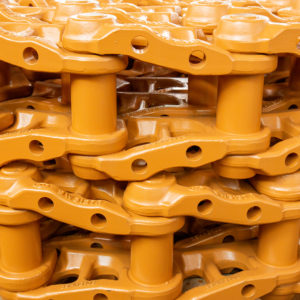
When we begin to consider the underpinnings of a tracked machine's mobility, ພວກ ເຮົາ ໄດ້ ຖືກ ນໍາ ໄປ ສູ່ ການ ສະ ພາ ແຫ່ງ ການ ຕິດ ຕາມ ຕົວ ມັນ ເອງ invariably. It is the machine's direct interface with the earth, ລະບົບຂອງເຫຼັກ articulated ທີ່ຮັບຜິດຊອບນ້ໍາຫນັກເຕັມຂອງອຸປະກອນແລະແປພະລັງງານເຄື່ອງຈັກເຂົ້າໄປໃນການເຄື່ອນໄຫວ. ການຄິດວ່າລະບົບຕ່ອງໂສ້ຕິດຕາມແລະຕິດຕາມຊິ້ນສ່ວນເກີບເປັນພຽງແຕ່ສິນຄ້າແມ່ນການເຂົ້າໃຈຜິດໂດຍພື້ນຖານກ່ຽວກັບບົດບາດຂອງພວກເຂົາ.. ພວກເຂົາເຈົ້າແມ່ນ, ໃນຄວາມຮູ້ສຶກທີ່ແທ້ຈິງຫຼາຍ, the bones and sinews of the machine's lower body. ຄວາມລົ້ມເຫຼວຢູ່ທີ່ນີ້ບໍ່ແມ່ນຄວາມບໍ່ສະດວກເລັກນ້ອຍ; ມັນເປັນເຫດການທີ່ຂາດແຄນທີ່ນໍາເອົາຫຼາຍໂຕນ, ຊັບສິນຫຼາຍລ້ານໂດລາເພື່ອຢຸດການອຸດຕັນ. ເພາະສະນັ້ນ, ການກວດສອບຄັ້ງທໍາອິດແລະພື້ນຖານທີ່ສຸດຂອງພວກເຮົາຕ້ອງເປັນການສອບຖາມກ່ຽວກັບສ່ວນປະກອບຂອງອົງປະກອບເຫຼົ່ານີ້: DNA ວັດສະດຸຂອງພວກເຂົາແລະເລື່ອງຂອງການສ້າງຂອງພວກເຂົາ.
ຫົວໃຈຂອງຄວາມທົນທານ: ໂລຫະປະສົມເຫຼັກກ້າແລະຄວາມແຂງ
ໃຫ້ພວກເຮົາເລີ່ມຕົ້ນດ້ວຍເຫຼັກກ້າ. ມັນງ່າຍທີ່ຈະເວົ້າວ່າການເຊື່ອມຕໍ່ຕິດຕາມແມ່ນ "ເຮັດດ້ວຍເຫຼັກກ້າ," ແຕ່ນີ້ຄ້າຍຄືກັບການເວົ້າວ່າປື້ມແມ່ນ "ເຮັດດ້ວຍເຈ້ຍ" ໂດຍບໍ່ມີການພິຈາລະນາຄຸນນະພາບຂອງ prose ໄດ້. The specific alloy of steel used is the primary determinant of a track component's ability to resist the dual threats of abrasive wear and high-impact shock. ສໍາລັບການເຊື່ອມຕໍ່ຕິດຕາມ, ເຂັມ, ແລະພຸ່ມໄມ້, ຜູ້ຜະລິດມັກຈະຫັນໄປຫາໂລຫະປະສົມເຫຼັກພິເສດທີ່ມີອົງປະກອບເຊັ່ນ manganese, ໂຄຣຽມ, ແລະ boron.
ຈິນຕະນາການວ່າທ່ານກໍາລັງອົບເຄ້ກ. ສ່ວນປະກອບພື້ນຖານ - ແປ້ງ, ້ໍາຕານ, ໄຂ່ - ເປັນສິ່ງຈໍາເປັນ. ແຕ່ມັນເປັນການເພີ່ມຂອງໂກໂກ້, vanilla, ຫຼືເຄື່ອງເທດທີ່ກໍານົດລັກສະນະຂອງມັນ. ໃນການຜະລິດເຫຼັກກ້າ, ທາດເຫຼັກແລະກາກບອນແມ່ນສ່ວນປະກອບພື້ນຖານ. Manganese ເຮັດຫນ້າທີ່ເປັນຕົວແທນ deoxidizing ທີ່ສໍາຄັນແລະຍັງປັບປຸງການແຂງແລະ toughness. Chromium ເສີມຂະຫຍາຍການຕໍ່ຕ້ານ corrosion ແລະ, ສໍາຄັນກວ່າສໍາລັບຈຸດປະສົງຂອງພວກເຮົາ, ເພີ່ມຄວາມເລິກທີ່ເຫຼັກສາມາດແຂງໄດ້. ໂບຣອນ, ເຖິງແມ່ນວ່າຢູ່ໃນປະລິມານຫນ້ອຍ, ມີຜົນກະທົບທີ່ເຂັ້ມແຂງກ່ຽວກັບການແຂງ, ອະນຸຍາດໃຫ້ມີຄວາມແຂງເລິກແລະເປັນເອກະພາບໂດຍຜ່ານການປິ່ນປົວຄວາມຮ້ອນໂດຍບໍ່ມີການເຮັດໃຫ້ເຫຼັກກ້າເກີນ (ກິໂລ, 2021). ເສັ້ນທາງເຊື່ອມຕໍ່ທີ່ຖືກປອມແປງຈາກໂລຫະປະສົມເຫຼັກກ້າ boron ທີ່ມີຄຸນນະພາບສູງແມ່ນສາມາດທົນທານຕໍ່ຄວາມເຄັ່ງຄັດຂອງຊັ້ນຫີນໄດ້ຫຼາຍກ່ວາຫນຶ່ງທີ່ເຮັດຈາກເຫຼັກກາກບອນທີ່ງ່າຍດາຍກວ່າ..
ນີ້ນໍາພວກເຮົາໄປສູ່ແນວຄວາມຄິດຂອງຄວາມແຂງ, ໂດຍປົກກະຕິການວັດແທກຢູ່ໃນຂະຫນາດ Rockwell C (HRC). Hardness is the measure of a material's resistance to localized plastic deformation, ເຊັ່ນ: ການຂູດຫຼືຫຍໍ້ຫນ້າ. ທ່ານຕ້ອງການດ້ານນອກຂອງ pins ຕິດຕາມຂອງທ່ານ, ພຸ່ມໄມ້, ແລະພື້ນຜິວທາງລົດໄຟຂອງການເຊື່ອມຕໍ່ຕິດຕາມຂອງທ່ານເປັນການຍາກທີ່ຈະຕໍ່ສູ້ກັບດິນຊາຍຢ່າງຕໍ່ເນື່ອງ, ຫີນ, ແລະຝຸ່ນ. ແນວໃດກໍ່ຕາມ, ທ່ານຍັງຕ້ອງການຫຼັກຂອງອົງປະກອບທີ່ຈະ softer ແລະ tougher, ສາມາດດູດຊຶມແຮງສັ່ນສະເທືອນຂອງເຄື່ອງທີ່ຕົກລົງໃສ່ກ້ອນຫີນ ຫຼືລອຍຢູ່ເທິງພື້ນດິນທີ່ບໍ່ສະໝ່ຳສະເໝີ. ຖ້າຫາກວ່າອົງປະກອບທັງຫມົດໄດ້ຖືກ hardened ສູງສຸດ, ມັນຈະເປັນ brittle ເປັນແກ້ວ, shattering ພາຍໃຕ້ຜົນກະທົບທີ່ສໍາຄັນຄັ້ງທໍາອິດ. duality ນີ້ແມ່ນສິ່ງທ້າທາຍໃຈກາງຂອງໂລຫະ undercarriage. ການເຊື່ອມຕໍ່ຕິດຕາມທີ່ຜະລິດດີອາດຈະມີຄວາມແຂງຂອງຫນ້າດິນ 52-58 HRC ແຕ່ຄວາມແຂງຂອງແກນປະມານ 30-35 HRC. ຄວາມແຕກຕ່າງນີ້ບໍ່ແມ່ນອຸປະຕິເຫດ; ມັນແມ່ນຜົນທີ່ຕັ້ງໃຈຂອງການຜະລິດທີ່ຊັບຊ້ອນ.
Forging vs. ການສົ່ງສັນຍານ: ມັນຫມາຍຄວາມວ່າແນວໃດສໍາລັບການປະຕິບັດ
ວິທີການປະກອບຮູບຮ່າງຂອງມັນມີຄວາມ ໝາຍ ເທົ່າກັບວັດສະດຸທີ່ມັນຖືກສ້າງຂື້ນ. ສອງວິທີການທີ່ເດັ່ນຊັດສໍາລັບການສ້າງການເຊື່ອມຕໍ່ຕິດຕາມແມ່ນ forging ແລະ casting. ໃຫ້ພວກເຮົາພິຈາລະນາຄວາມແຕກຕ່າງໂດຍຜ່ານການປຽບທຽບ. ຄິດເຖິງເມັດພືດໃນສິ້ນຂອງໄມ້. ຖ້າເຈົ້າແກະຮູບຈາກໄມ້ທ່ອນ, ເມັດພືດແລ່ນກົງຜ່ານມັນ, ການສ້າງເສັ້ນທ່າແຮງຂອງຄວາມອ່ອນແອ. ນີ້ແມ່ນຄ້າຍຄືກັນກັບການຫລໍ່, ບ່ອນທີ່ໂລຫະ molten ແມ່ນ poured ເຂົ້າໄປໃນ mold ໄດ້. ໃນຂະນະທີ່ເຕັກນິກການຫລໍ່ທີ່ທັນສະໄຫມແມ່ນມີຄວາມກ້າວຫນ້າສູງ, ຜະລິດຕະພັນຜົນໄດ້ຮັບມີການສຸ່ມ, ໂຄງປະກອບການເມັດພືດ equiaxed.
ດຽວນີ້, ຈິນຕະນາການເອົາຊິ້ນສ່ວນດຽວກັນຂອງໄມ້ແລະ, ການນໍາໃຊ້ອາຍແລະຄວາມກົດດັນ, ງໍມັນເຂົ້າໄປໃນຮູບຮ່າງທີ່ຕ້ອງການ. ເມັດໄມ້ຈະໄປຕາມເສັ້ນໂຄ້ງ, ເຮັດໃຫ້ມັນເຂັ້ມແຂງຂຶ້ນ. ນີ້ແມ່ນຫຼັກການທີ່ຢູ່ເບື້ອງຫລັງ forging. ໃນ forging, ເຫຼັກກ້າທີ່ແຂງແມ່ນໃຫ້ຄວາມຮ້ອນ ແລະຫຼັງຈາກນັ້ນ ຕຳ ຫຼືກົດໃຫ້ເປັນຮູບຮ່າງດ້ວຍແຮງກົນຈັກ ຫຼື ໄຮໂດຼລິກອັນມະຫາສານ.. ຂະບວນການນີ້ປ່ຽນແປງໂຄງສ້າງເມັດພາຍໃນຂອງເຫຼັກກ້າ, ສອດຄ່ອງມັນກັບ contours ຂອງພາກສ່ວນ. ການໄຫຼເຂົ້າຂອງເມັດພືດທີ່ສອດຄ່ອງນີ້ ກຳ ຈັດຊ່ອງຫວ່າງພາຍໃນທີ່ສາມາດເກີດຂື້ນໃນການຫລໍ່ແລະຜະລິດສ່ວນປະກອບຂອງຄວາມຫນາແຫນ້ນທີ່ສູງກວ່າ., ຄວາມແຮງ tensile, ແລະການຕໍ່ຕ້ານຄວາມເມື່ອຍລ້າ. ສໍາລັບພາກສ່ວນເຊັ່ນ: ການເຊື່ອມຕໍ່ຕິດຕາມ, ຊຶ່ງແມ່ນຂຶ້ນກັບກໍາລັງດຶງອັນໃຫຍ່ຫຼວງແລະຕໍ່ເນື່ອງ, ຄວາມສົມບູນຂອງໂຄງສ້າງທີ່ໄດ້ມາຈາກ forging ແມ່ນເປັນປະໂຫຍດທີ່ສໍາຄັນ. ໃນຂະນະທີ່ການຫລໍ່ສາມາດເປັນວິທີການທີ່ມີປະສິດທິພາບແລະປະຫຍັດຄ່າໃຊ້ຈ່າຍສໍາລັບອົງປະກອບທີ່ແນ່ນອນ, ສໍາລັບຄໍາຮ້ອງສະຫມັກທີ່ຕ້ອງການຫຼາຍທີ່ສຸດ, ການເຊື່ອມຕໍ່ຕິດຕາມ forged ໂດຍທົ່ວໄປແລ້ວຖືວ່າເປັນທາງເລືອກທີ່ດີກວ່າ.
ບົດບາດສໍາຄັນຂອງການປິ່ນປົວຄວາມຮ້ອນ
ຖ້າ forging ໃຫ້ອົງປະກອບຂອງກະດູກແຂງແຮງ, ການປິ່ນປົວຄວາມຮ້ອນເຮັດໃຫ້ຜິວຫນັງແຂງແລະຫົວໃຈແຂງ. ນີ້ແມ່ນບາງທີອາດເປັນຂັ້ນຕອນທີ່ສໍາຄັນແລະ nuanced ທີ່ສຸດຂອງຂະບວນການຜະລິດສໍາລັບລະບົບຕ່ອງໂສ້ຕິດຕາມແລະຕິດຕາມພາກສ່ວນເກີບ. ມັນແມ່ນຮູບແບບຂອງ "ການຜັນແປເຫຼັກ" where controlled heating and cooling cycles are used to manipulate the material's crystalline structure, locking ໃນຄຸນສົມບັດທີ່ຕ້ອງການຂອງ hardness ແລະ toughness.
ວິທີການທົ່ວໄປທີ່ສຸດແມ່ນ induction hardening. ຈິນຕະນາການພື້ນຜິວທາງລົດໄຟຂອງເສັ້ນທາງເຊື່ອມຕໍ່, ພາກສ່ວນທີ່ຕິດຕໍ່ກັບ rollers ໄດ້. ທໍ່ induction, ຂັບເຄື່ອນໂດຍກະແສໄຟຟ້າສະຫຼັບຄວາມຖີ່ສູງ, ຖືກຂ້າມຜ່ານພື້ນຜິວນີ້. ນີ້ສ້າງຄວາມເຂັ້ມຂົ້ນ, ຄວາມຮ້ອນທ້ອງຖິ່ນຢ່າງໄວວາ, ໃຫ້ຄວາມຮ້ອນພຽງແຕ່ຊັ້ນພື້ນຜິວເປັນອຸນຫະພູມການປ່ຽນແປງທີ່ສໍາຄັນ. ທັນທີທີ່ປະຕິບັດຕາມທໍ່ແມ່ນສີດຂອງນ້ໍາ quenching (ເລື້ອຍໆນ້ໍາຫຼືການແກ້ໄຂໂພລີເມີ), ເຊິ່ງເຮັດໃຫ້ພື້ນຜິວເຢັນໃນອັດຕາທີ່ຊັດເຈນ. ຄວາມຮ້ອນແລະຄວາມເຢັນຢ່າງໄວວານີ້ "freezes" ໂຄງສ້າງຂອງຜລຶກຢູ່ໃນສະພາບແຂງຫຼາຍທີ່ເອີ້ນວ່າ martensite. ທີ່ສໍາຄັນແມ່ນວ່າຄວາມຮ້ອນບໍ່ມີເວລາທີ່ຈະເຈາະເລິກເຂົ້າໄປໃນສ່ວນ, ດັ່ງນັ້ນຫຼັກຍັງບໍ່ໄດ້ຮັບຜົນກະທົບ, ຮັກສາຄວາມອ່ອນໂຍນຂອງຕົນ, ຄຸນສົມບັດ ductile ຫຼາຍ.
ຫຼັກການດຽວກັນໃຊ້ໄດ້ກັບການຕິດຕາມ pins ແລະ bushings. pin ຕິດຕາມຕ້ອງສາມາດ pivot ພາຍໃນພຸ່ມໄມ້ພາຍໃຕ້ຄວາມກົດດັນອັນໃຫຍ່ຫຼວງ, ດັ່ງນັ້ນທັງສອງດ້ານຈໍາເປັນຕ້ອງມີຄວາມທົນທານຕໍ່ການສວມໃສ່ຢ່າງບໍ່ຫນ້າເຊື່ອ. ໂດຍທົ່ວໄປແລ້ວພວກມັນຈະແຂງຜ່ານ ຫຼື ໜາແໜ້ນເຖິງຄວາມເລິກທີ່ສຳຄັນເພື່ອໃຫ້ມີຊີວິດການສວມໃສ່ທີ່ຍາວນານ. ການປິ່ນປົວຄວາມຮ້ອນທີ່ບໍ່ເຫມາະສົມສາມາດເປັນອັນຕະລາຍໄດ້. ເລິກຕື້ນເກີນໄປ, ແລະສ່ວນນັ້ນຈະໝົດໄວ. ເລິກເກີນໄປ, ຫຼືອັດຕາການດັບໄຟທີ່ບໍ່ຖືກຕ້ອງ, ແລະພາກສ່ວນສາມາດກາຍເປັນ brittle ຫຼືພັດທະນາຄວາມກົດດັນພາຍໃນທີ່ນໍາໄປສູ່ການ cracking. ເມື່ອທ່ານປະເມີນຜູ້ສະຫນອງທີ່ມີທ່າແຮງ, ເຈົ້າບໍ່ພຽງແຕ່ຊື້ເຫຼັກກ້າ; ທ່ານກໍາລັງຊື້ຄວາມຊໍານານຂອງພວກເຂົາໃນໂລຫະໂລຫະແລະຄວາມຊໍານິຊໍານານຂອງພວກເຂົາໃນຂະບວນການປິ່ນປົວຄວາມຮ້ອນ.
2. ກວດສອບຄວາມເຂົ້າກັນໄດ້ຂອງອົງປະກອບ ແລະຄວາມຖືກຕ້ອງຂອງຂະໜາດ
ໂດຍໄດ້ສ້າງຕັ້ງຄວາມສໍາຄັນພື້ນຖານຂອງວັດສະດຸແລະການຜະລິດ, ໃນປັດຈຸບັນພວກເຮົາຕ້ອງຫັນຄວາມສົນໃຈຂອງພວກເຮົາໄປຫາເລຂາຄະນິດຂອງອົງປະກອບ. ໃນການເຕັ້ນລໍາ intricate ຂອງລະບົບ undercarriage, ຄວາມແມ່ນຍໍາແມ່ນທຸກສິ່ງທຸກຢ່າງ. ລະບົບຕ່ອງໂສ້ຕິດຕາມບໍ່ແມ່ນອົງປະກອບທີ່ໂດດດ່ຽວ; ມັນ ເປັນ ສະ ມາ ຊິກ ຂອງ ສຽງ ໂຫວດ ທັງ ຫມົດ ທີ່ ປະ ກອບ ມີ sprocket ຂັບ ໄດ້, idlers ດ້ານຫນ້າແລະຫລັງ, ແລະ rollers ເທິງແລະລຸ່ມ. ເພື່ອໃຫ້ລະບົບເຮັດວຽກຢ່າງກົມກຽວ ແລະ ມີປະສິດທິພາບ, ທຸກໆອົງປະກອບຕ້ອງສອດຄ່ອງກັນຢ່າງສົມບູນ. ມິຕິມິຕິທີ່ບໍ່ກົງກັນ, ເຖິງແມ່ນວ່າຫນຶ່ງທີ່ເບິ່ງຄືວ່າເປັນການຄ້າຫນ້ອຍ, ສາມາດແນະນຳການທຳລາຍຂອງກຳລັງທຳລາຍທີ່ເລັ່ງການສວມໃສ່ໃນຊັ້ນລຸ່ມທັງໝົດ, ຫັນການລົງທຶນທີ່ສໍາຄັນເຂົ້າໄປໃນຂີ້ເຫຍື້ອກ່ອນໄວອັນຄວນ.
Pitch Perfect: ເປັນຫຍັງການຕິດຕາມການວັດແທກ Pitch ແມ່ນບໍ່ສາມາດຕໍ່ລອງໄດ້
ມິຕິດຽວທີ່ສໍາຄັນທີ່ສຸດໃນລະບົບຕ່ອງໂສ້ຕິດຕາມແມ່ນ pitch ຂອງມັນ. ດັ່ງນັ້ນ, ການຕິດຕາມ pitch ແມ່ນຫຍັງ? ຈິນຕະນາການລະບົບຕ່ອງໂສ້ລົດຖີບງ່າຍດາຍ. pitch ແມ່ນໄລຍະຫ່າງຈາກສູນກາງຂອງ pin ຫນຶ່ງໄປຫາສູນກາງຂອງ pin ຕໍ່ໄປ. It is the fundamental unit of the chain's length. ໃນລະບົບຕ່ອງໂສ້ຕິດຕາມອຸປະກອນຫນັກ, ແນວຄວາມຄິດແມ່ນຄືກັນ, ພຽງແຕ່ຂະຫຍາຍຕົວຢ່າງຫຼວງຫຼາຍ. pitch ນີ້ຕ້ອງກົງກັນກັບໄລຍະຫ່າງລະຫວ່າງແຂ້ວໃນ sprocket ໄດແລະຫນ້າທິດທາງໃນ rollers ແລະ idlers..
ໃຫ້ພວກເຮົາຄິດກ່ຽວກັບສິ່ງທີ່ເກີດຂື້ນໃນເວລາທີ່ pitch ບໍ່ຖືກຕ້ອງ. ພິຈາລະນາການຕິດຕັ້ງລະບົບຕ່ອງໂສ້ຕິດຕັ້ງໃຫມ່ກ່ຽວກັບ sprocket worn. The sprocket's teeth have been ground down, ແລະໄລຍະຫ່າງລະຫວ່າງເຂົາເຈົ້າໄດ້ເພີ່ມຂຶ້ນຢ່າງມີປະສິດທິຜົນ. ໃນຖານະເປັນລະບົບຕ່ອງໂສ້ engages sprocket ໄດ້, pin ຈະບໍ່ນັ່ງຢ່າງສົມບູນຢູ່ໃນຮ່ອມພູລະຫວ່າງແຂ້ວ. ແທນ, ມັນຈະຂຶ້ນເທິງໃບຫນ້າແຂ້ວ. ພາຍໃຕ້ແຮງບິດໃຫຍ່ຂອງມໍເຕີຂັບ, ແຂ້ວ sprocket ຈະ grind ກັບພຸ່ມໄມ້ຕິດຕາມ, ຄວາມພະຍາຍາມທີ່ຈະບັງຄັບມັນເຂົ້າໄປໃນສະຖານທີ່. This creates a point of high-pressure contact that rapidly wears both the bushing's outer surface and the sprocket's tooth profile. ຄວາມບໍ່ສອດຄ່ອງຂອງການທໍາລາຍດຽວກັນເກີດຂຶ້ນຖ້າຫາກວ່າທ່ານຕິດຕັ້ງຕ່ອງໂສ້ໃຫມ່ທີ່ມີ pitch ທີ່ບໍ່ຖືກຕ້ອງໃສ່ sprocket ໃຫມ່..
ປະກົດການນີ້ເອີ້ນວ່າ "pitch mismatch," ແລະມັນເປັນຕົວຂັບເຄື່ອນຫຼັກຂອງການສວມໃສ່ undercarriage ເລັ່ງ. ເມື່ອເວລາຜ່ານໄປ, ເປັນລະບົບຕ່ອງໂສ້ຕິດຕາມດໍາເນີນການ, pins ແລະພຸ່ມໄມ້ຂອງຕົນຕາມທໍາມະຊາດໃສ່ພາຍໃນ. ນີ້ເຮັດໃຫ້ລະບົບຕ່ອງໂສ້ " stretch," ຊຶ່ງຫມາຍຄວາມວ່າການເພີ່ມປະສິດທິພາບຂອງມັນເພີ່ມຂຶ້ນ. ນີ້ແມ່ນສ່ວນປົກກະຕິຂອງຂະບວນການສວມໃສ່. ແນວໃດກໍ່ຕາມ, ການເລີ່ມຕົ້ນດ້ວຍການສະແດງທີ່ບໍ່ຖືກຕ້ອງຕັ້ງແຕ່ມື້ຫນຶ່ງເນື່ອງຈາກຄວາມທົນທານຂອງການຜະລິດທີ່ບໍ່ດີແມ່ນຄວາມຜິດພາດທີ່ບໍ່ໄດ້ບັງຄັບ.. ກ່ອນທີ່ຈະຊື້ລະບົບຕ່ອງໂສ້ຕິດຕາມໃດຫນຶ່ງແລະຕິດຕາມສ່ວນເກີບ, ມັນເປັນສິ່ງ ຈຳ ເປັນທີ່ຈະຕ້ອງໄດ້ຮັບເອກະສານສະເພາະຈາກຜູ້ສະ ໜອງ ທີ່ບອກຢ່າງຈະແຈ້ງຂະ ໜາດ pitch ແລະຄວາມທົນທານທີ່ອະນຸຍາດ.. ສໍາລັບ dozer ຂະຫນາດໃຫຍ່, ຄວາມທົນທານຂອງ +/- 0.5 mm ອາດຈະຍອມຮັບໄດ້, ແຕ່ສິ່ງອື່ນໃດອີກອັນໜຶ່ງຄວນເປັນສາເຫດທີ່ສຳຄັນສຳລັບຄວາມກັງວົນ.
| ສະຖານະການບໍ່ກົງກັນຂອງອົງປະກອບ | ສະຖານທີ່ສວມໃສ່ຕົ້ນຕໍ | ຜົນກະທົບຂັ້ນສອງ | ຜົນສະທ້ອນ |
|---|---|---|---|
| ລະບົບຕ່ອງໂສ້ໃຫມ່ກ່ຽວກັບ Sprocket Worn | ແຂ້ວແມງ, ຕິດຕາມ Bushings | ເພີ່ມສຽງລົບກວນການດໍາເນີນງານ | ການທໍາລາຍຢ່າງໄວວາຂອງພຸ່ມໄມ້ໃຫມ່ |
| ໂສ້ງໃສ່ໃນ Sprocket ໃໝ່ | ແຂ້ວແມງ | ລະບົບຕ່ອງໂສ້ "ໂດດ" ພາຍໃຕ້ການໂຫຼດ | ທ່າແຮງສໍາລັບການທໍາລາຍແຂ້ວ sprocket |
| Pitch Chain ບໍ່ຖືກຕ້ອງ (ໃໝ່) | ພຸ່ມໄມ້, Sprocket, ຄົນຫວ່າງງານ | ຄວາມກົດດັນສູງກ່ຽວກັບອົງປະກອບທັງຫມົດ | ໄພພິບັດ, ການສວມໃສ່ໃນລະບົບຢ່າງໄວວາ |
| ຄວາມສູງຂອງການເຊື່ອມຕໍ່ບໍ່ກົງກັນ | ຕິດຕາມ Rollers, Link Rails | ການແຜ່ກະຈາຍການໂຫຼດບໍ່ເທົ່າທຽມກັນ | ເລັ່ງ roller ແລະການເຊື່ອມຕໍ່ສວມໃສ່ |
Interfacing ກັບ Sprockets, ມ້ວນ, ແລະ Idlers
pitch ແມ່ນດາວຂອງການສະແດງ, ແຕ່ຂະຫນາດອື່ນໆມີບົດບາດສະຫນັບສະຫນູນທີ່ສໍາຄັນ. ຄວາມສູງຂອງເສັ້ນທາງລົດໄຟເຊື່ອມຕໍ່, ດ້ານທີ່ແລ່ນຜ່ານ rollers ໄດ້, ຕ້ອງສອດຄ່ອງ. ຖ້າບາງເຊື່ອມຕໍ່ສູງກວ່າຄົນອື່ນ, those links will bear a disproportionate amount of the machine's weight as they pass over the rollers, ນໍາໄປສູ່ການສວມໃສ່ທ້ອງຖິ່ນກ່ຽວກັບການເຊື່ອມຕໍ່ແລະ rollers.
ຂະຫນາດຂອງພຸ່ມໄມ້ຕິດຕາມ - ເສັ້ນຜ່າກາງແລະຄວາມຍາວນອກຂອງມັນ - ຍັງມີຄວາມສໍາຄັນ. ພຸ່ມໄມ້ແມ່ນອົງປະກອບທີ່ເຮັດໃຫ້ການຕິດຕໍ່ກັບແຂ້ວ sprocket. Its diameter must match the sprocket's design profile to ensure a smooth transfer of power. ເສັ້ນຜ່າສູນກາງຂອງ pin ຕິດຕາມແລະຄວາມສອດຄ່ອງຂອງມັນພາຍໃນການເຊື່ອມຕໍ່ແມ່ນມີຄວາມສໍາຄັນເທົ່າທຽມກັນ. ນີ້ແມ່ນຈຸດ pivot ສໍາລັບຮ່ວມກັນທັງຫມົດ. A ວ່າງຈະນໍາໄປສູ່ "peening" ແລະການຜິດປົກກະຕິຂອງ pin bore ໃນການເຊື່ອມຕໍ່, ໃນຂະນະທີ່ຄວາມເຫມາະທີ່ເຄັ່ງຄັດເກີນໄປສາມາດເຮັດໃຫ້ການຍຶດຮ່ວມ, ໂດຍສະເພາະໃນອຸນຫະພູມທີ່ຮ້າຍກາດ.
ຄິດວ່າມັນເປັນການປະກອບເຄື່ອງຈັກທີ່ມີປະສິດຕິພາບສູງ. ເຈົ້າຈະບໍ່ໃຊ້ລູກສູບທີ່ມີຂະຫນາດທີ່ບໍ່ຖືກຕ້ອງເລັກນ້ອຍສໍາລັບກະບອກສູບຫຼື crankshaft ທີ່ມີວາລະສານພື້ນດິນທີ່ບໍ່ຖືກຕ້ອງ.. ຄວາມທົນທານໄດ້ຖືກວັດແທກເປັນພັນໆນິ້ວເພາະວ່າກໍາລັງແມ່ນມະຫາສານ, ແລະຄວາມໄວໃນການດໍາເນີນງານແມ່ນສູງ. ແນວຄວາມຄິດອັນດຽວກັນຈະຕ້ອງຖືກນຳໃຊ້ກັບ undercarriage. ມັນເປັນຄວາມໄວຕ່ໍາ, ລະບົບແຮງບິດສູງ, ແຕ່ຫຼັກການຂອງຄວາມແມ່ນຍໍາກົນຈັກແມ່ນຄືກັນ. ຜູ້ສະຫນອງທີ່ມີຊື່ສຽງຈະສາມາດສະຫນອງການແຕ້ມຮູບກົນຈັກລາຍລະອຽດທີ່ມີຂະຫນາດທີ່ສໍາຄັນແລະຄວາມທົນທານໃນການຜະລິດທີ່ກ່ຽວຂ້ອງຂອງພວກເຂົາ.. ຢ່າລັງເລທີ່ຈະຂໍໃຫ້ພວກເຂົາ.
ຄວາມເຂົ້າໃຈຄວາມທົນທານຕໍ່ສະພາບອາກາດທົ່ວໂລກ
ສະພາບແວດລ້ອມການດໍາເນີນງານເພີ່ມຄວາມຊັບຊ້ອນອີກຊັ້ນຫນຶ່ງໃຫ້ກັບການພິຈາລະນາມິຕິລະດັບ. ໂລຫະຂະຫຍາຍອອກເມື່ອໄດ້ຮັບຄວາມຮ້ອນ ແລະເຮັດສັນຍາເມື່ອເຢັນ. ໃນຂະນະທີ່ການປ່ຽນແປງເຫຼົ່ານີ້ອາດຈະເບິ່ງຄືວ່າເລັກນ້ອຍ, ພວກເຂົາສາມາດມີຜົນກະທົບຢ່າງແທ້ຈິງຕໍ່ການປະຕິບັດຂອງເຄື່ອງຈັກຫນັກ, ໂດຍສະເພາະແມ່ນໃນສະພາບອາກາດທີ່ຮ້າຍແຮງທີ່ຈໍານວນຫຼາຍຂອງເຄື່ອງຈັກເຫຼົ່ານີ້ດໍາເນີນການ.
ພິຈາລະນາ dozer ປະຕິບັດການໃນລະດູຫນາວ Siberian, ບ່ອນທີ່ອຸນຫະພູມສາມາດຫຼຸດລົງເຖິງ -50 ° C. ໃນອຸນຫະພູມເຫຼົ່ານີ້, ເຫຼັກຢູ່ໃນ undercarriage ຈະເຮັດສັນຍາ. ທາດແຫຼວທີ່ລະບາຍອອກພາຍໃນຂໍ້ຕໍ່ຈະມີຄວາມໜຽວຢ່າງບໍ່ໜ້າເຊື່ອ, ເກືອບແຂງ. ການເກັບກູ້ແລະຄວາມທົນທານລະຫວ່າງ pin, ພຸ່ມໄມ້, ແລະປະທັບຕາຕ້ອງໄດ້ຮັບການອອກແບບເພື່ອຮອງຮັບນີ້. ຖ້າຄວາມທົນທານແມ່ນເຄັ່ງຄັດເກີນໄປ, ການຫົດຕົວຂອງໂລຫະສາມາດເຮັດໃຫ້ຂໍ້ຕໍ່ຍຶດໄດ້, ການວາງຄວາມເຄັ່ງຕຶງອັນໃຫຍ່ຫຼວງຢູ່ໃນລະບົບຂັບຫຼືແມ້ກະທັ້ງເຮັດໃຫ້ເກີດການເຊື່ອມຕໍ່ກັບການກະດູກຫັກ.
ດຽວນີ້, ກົງກັນຂ້າມກັບເຄື່ອງຈັກທີ່ເຮັດວຽກຢູ່ໃນບໍ່ແຮ່ໃນເຂດ Pilbara ຂອງຕາເວັນຕົກອົດສະຕາລີຫຼືສະຖານທີ່ກໍ່ສ້າງໃນຕາເວັນອອກກາງ., ບ່ອນທີ່ອຸນຫະພູມສະພາບແວດລ້ອມສາມາດເກີນ 50 ° C. ເຫຼັກຈະຂະຫຍາຍອອກ. friction ແລະຄວາມກົດດັນຄົງທີ່ຈະເຮັດໃຫ້ຄວາມຮ້ອນຫຼາຍ. ຖ້າຄວາມທົນທານບໍ່ພຽງພໍເພື່ອອະນຸຍາດໃຫ້ມີການຂະຫຍາຍຄວາມຮ້ອນນີ້, ຄວາມກົດດັນພາຍໃນພາຍໃນການຜະນຶກເຂົ້າກັນສາມາດສ້າງຂື້ນ, ອາດຈະເຮັດໃຫ້ປະທັບຕາລົ້ມເຫລວຫຼືອົງປະກອບທີ່ຈະຜູກມັດ. This is why understanding a supplier's expertise is so important. ຜູ້ຜະລິດທີ່ໃຫ້ບໍລິການຕະຫຼາດອຸນຫະພູມຕົ້ນຕໍອາດຈະບໍ່ມີປະສົບການດ້ານວິສະວະກໍາໃນການອອກແບບຕ່ອງໂສ້ຕິດຕາມແລະຊິ້ນສ່ວນເກີບທີ່ມີຄວາມທົນທານທີ່ເຫມາະສົມກັບຄວາມເຢັນທີ່ຮຸນແຮງຂອງລັດເຊຍຫຼືຄວາມຮ້ອນທີ່ຮຸນແຮງຂອງອາຟຣິກາ.. ໃນເວລາທີ່ການສະຫນອງ ພາກສ່ວນ undercarriage, ມັນເປັນການສະຫລາດທີ່ຈະຮ່ວມມືກັບຜູ້ສະຫນອງທີ່ສາມາດສະແດງໃຫ້ເຫັນປະສົບການກັບສິ່ງທ້າທາຍສະເພາະຂອງສະພາບອາກາດໃນພາກພື້ນຂອງທ່ານ.
3. ປະເມີນການອອກແບບຂອງເກີບຕິດຕາມສໍາລັບຄໍາຮ້ອງສະຫມັກສະເພາະຂອງທ່ານ
ຖ້າລະບົບຕ່ອງໂສ້ຕິດຕາມແມ່ນໂຄງກະດູກຂອງ undercarriage ໄດ້, ເກີບຕິດຕາມແມ່ນຕີນຂອງມັນ. ພວກເຂົາເປັນຈຸດສຸດທ້າຍຂອງການຕິດຕໍ່ກັບຫນ້າດິນ, ຮັບຜິດຊອບສໍາລັບການສະຫນອງການດຶງດູດ, flotation, ແລະການປົກປ້ອງທີ່ຈໍາເປັນສໍາລັບເຄື່ອງເພື່ອເຮັດວຽກຂອງມັນ. ເຊັ່ນດຽວກັບທີ່ເຈົ້າຈະບໍ່ໃສ່ເກີບນຸ່ງສຳລັບຍ່າງປ່າ, ທ່ານບໍ່ສາມາດຄາດຫວັງວ່າປະເພດຫນຶ່ງຂອງເກີບຕິດຕາມທີ່ຈະປະຕິບັດທີ່ດີທີ່ສຸດໃນທຸກເງື່ອນໄຂ. ການເລືອກການອອກແບບເກີບຕິດຕາມທີ່ຖືກຕ້ອງແມ່ນການຕັດສິນໃຈທີ່ສໍາຄັນທີ່ມີຜົນກະທົບໂດຍກົງຕໍ່ການປະຕິບັດຂອງເຄື່ອງຈັກ, ການບໍລິໂພກນໍ້າມັນເຊື້ອໄຟ, ແລະອາຍຸການສວມໃສ່ຂອງລະບົບ undercarriage ທັງຫມົດ. ການເລືອກທີ່ຖືກຕ້ອງຮຽກຮ້ອງໃຫ້ມີການປະເມີນຄວາມຄິດກ່ຽວກັບສະພາບແວດລ້ອມການເຮັດວຽກປົກກະຕິຂອງທ່ານ.
ໂສດ, ສອງເທົ່າ, ຫຼື Triple Grouser: ການຈັບຄູ່ Tread ກັບ Terrain
ລັກສະນະທີ່ເຫັນໄດ້ຫຼາຍທີ່ສຸດຂອງເກີບແລ່ນແມ່ນ ແຖບແກມສ້ຽນ - ກະດູກຂ້າງຂອງເຫຼັກກ້າທີ່ກັດລົງພື້ນ.. The number and shape of these grousers define the shoe's primary characteristics. ສາມປະເພດທົ່ວໄປທີ່ສຸດແມ່ນດ່ຽວ, ສອງເທົ່າ, ແລະເກີບ grouser triple.
ເກີບ Grouser ດຽວ: Imagine the cleat on a soccer player's boot. ມັນໄດ້ຖືກອອກແບບສໍາລັບສິ່ງຫນຶ່ງ: ການເຈາະສູງສຸດແລະການຈັບແຫນ້ນຢູ່ໃນພື້ນຜິວທີ່ອ່ອນໂຍນ. ເກີບ grouser ດຽວດໍາເນີນການໃນຫຼັກການດຽວກັນ. ກັບຫນຶ່ງສູງ, ແຖບຂະຫນາດໃຫຍ່ທີ່ຮຸກຮານ, ມັນສະຫນອງລະດັບສູງສຸດຂອງ traction ແລະ penetration ດິນ. ນີ້ເຮັດໃຫ້ມັນເປັນທາງເລືອກທີ່ເຫມາະສົມສໍາລັບການເຮັດວຽກໃນດິນອ່ອນ, ຂີ້ຕົມ, ແລະຢູ່ເທິງເນີນສູງທີ່ການປ້ອງກັນການ slippage ແມ່ນສໍາຄັນທີ່ສຸດ. ແນວໃດກໍ່ຕາມ, ການອອກແບບທີ່ຮຸກຮານນີ້ມາພ້ອມກັບການຄ້າຂາຍ. The tall grouser concentrates the machine's weight onto a smaller surface area, ເພີ່ມຂຶ້ນຄວາມກົດດັນຂອງດິນ. ສຸດຍາກ, ດ້ານຫີນ, ນີ້ສາມາດນໍາໄປສູ່ການ grouser ງໍຫຼື breaking. ນອກຈາກນັ້ນ, ການເຈາະເລິກແລະການຫັນປ່ຽນທີ່ຮຸກຮານເຮັດໃຫ້ເກີດການລົບກວນພື້ນທີ່ທີ່ສໍາຄັນແລະວາງຄວາມກົດດັນການລ້ຽວທີ່ສູງຫຼາຍຕໍ່ undercarriage ທັງຫມົດ., ເລັ່ງໃສ່ pins, ພຸ່ມໄມ້, ແລະ rollers. ເກີບ grouser ດຽວແມ່ນຜູ້ຊ່ຽວຊານ, ການນໍາໃຊ້ທີ່ດີທີ່ສຸດໃນເວລາທີ່ traction ສູງສຸດແມ່ນບູລິມະສິດທີ່ບໍ່ມີການໂຕ້ຖຽງ.
ເກີບ Triple Grouser: ດຽວນີ້, ຄິດເຖິງການຢຽບຢາງລົດບັນທຸກມາດຕະຖານສຳລັບລົດບັນທຸກ. ມັນໄດ້ຖືກອອກແບບໃຫ້ເປັນທີ່ດີທັງຫມົດ rounder. ນີ້ແມ່ນບົດບາດຂອງເກີບ triple Grouser. ມີສາມສັ້ນ, grousers ຮຸກຮານຫນ້ອຍ, it distributes the machine's weight over a much larger contact area. ນີ້ຊ່ວຍຫຼຸດຜ່ອນຄວາມກົດດັນຂອງດິນ, ເຮັດໃຫ້ມັນເຫມາະສົມສໍາລັບຄວາມຫລາກຫລາຍຂອງສະພາບດິນຈາກດິນໄປຫາຫີນກ້ອນຫີນແລະແມ້ກະທັ້ງຫີນບາງ. ຄວາມສູງຂອງ grouser ຕ່ໍາຫມາຍຄວາມວ່າການເຈາະດິນຫນ້ອຍລົງ, ເຊິ່ງສົ່ງຜົນໃຫ້ຄວາມຕ້ານທານການຫັນປ່ຽນຕໍ່າລົງຢ່າງຫຼວງຫຼາຍ. ນີ້ແມ່ນຈຸດສໍາຄັນ. ເຄື່ອງຈັກທີ່ມີເກີບ grouser triple ສາມາດ pivot ແລະຫັນໄດ້ຢ່າງງ່າຍດາຍຫຼາຍກ່ວາຫນຶ່ງທີ່ມີ grousers ດຽວ, ເຊິ່ງຫຼຸດລົງຢ່າງຫຼວງຫຼາຍຂອງກໍາລັງບິດທີ່ອອກແຮງໃສ່ລະບົບຕ່ອງໂສ້ຕິດຕາມແລະອົງປະກອບພາຍໃນຂອງມັນ. ນີ້ແປວ່າມີຊີວິດທີ່ຍາວກວ່າສໍາລັບລະບົບ undercarriage ທັງຫມົດ. ສໍາລັບການກໍ່ສ້າງທົ່ວໄປ, ການຂຸດຄົ້ນ, ແລະການເຄື່ອນຍ້າຍດິນ, ເກີບ grouser triple ແມ່ນມາດຕະຖານແລະທາງເລືອກທີ່ຫຼາກຫຼາຍທີ່ສຸດ.
ເກີບ Double Grouser: ເກີບໃສ່ເກີບຄູ່ສະແດງເຖິງການປະນີປະນອມລະຫວ່າງສອງຈຸດສູງສຸດ. ມັນສະຫນອງການດຶງແລະການເຈາະໄດ້ດີກວ່າ grouser triple ແຕ່ມີຄວາມຕ້ານທານການຫັນຫນ້ອຍລົງແລະອາຍຸການສວມໃສ່ໄດ້ດົນກວ່າ grouser ດຽວ.. ມັນມັກຈະພົບເຫັນຢູ່ໃນລົດຍົກດ້ານຫນ້າແລະເຄື່ອງຈັກອື່ນໆທີ່ຕ້ອງການຄວາມສົມດຸນຂອງ traction ທີ່ດີແລະ maneuverability ສູງ.. ມັນເປັນທາງເລືອກທີ່ດີສໍາລັບສະພາບດິນປະສົມທີ່ມີທັງດິນອ່ອນແລະແຂງ, ພື້ນຜິວຂັດຫຼາຍ.
| ຕິດຕາມປະເພດເກີບ | ພູມສັນຖານທີ່ເຫມາະສົມ | ດຶງ | ການຕໍ່ຕ້ານການຫັນ | ໃສ່ເທິງພື້ນຜິວແຂງ |
|---|---|---|---|---|
| ດຽວ Grouser | ດິນອ່ອນ, ຂີ້ຕົມ, ຄ້ອຍຊັນ | ສູງສຸດ | ສູງສຸດ | ສູງ |
| ຮ້ານຂາຍເຄື່ອງຍ່ອຍ | ດິນປະສົມ, ຫີນກາວ, ຝຸ່ນ | ສູງ | ຂະຫນາດກາງ | ຂະຫນາດກາງ |
| ຜູ້ປູກສາມຄົນ | ຫຼາກຫຼາຍ, ຈຸດປະສົງທົ່ວໄປ | ຂະຫນາດກາງ | ຕໍ່າສຸດ | ຕໍ່າ |
| ໜອງ (ຄວາມກົດດັນໃຕ້ດິນ) | ດິນອີ່ມຕົວ, ບຶງ, ຕຸນດຣາ | ຕໍ່າ | ຕໍ່າສຸດ | ສູງຫຼາຍ |
ເກີບພິເສດ: Swamp Pads, ແຜ່ນຢາງ, ແລະເກີບບໍລິການທີ່ສຸດ
ນອກ ເໜືອ ຈາກປະເພດ grouser ທົ່ວໄປ, ໂລກຂອງເກີບຕິດຕາມພິເສດມີຢູ່ສໍາລັບຄໍາຮ້ອງສະຫມັກທີ່ເປັນເອກະລັກ.
ເກີບ Swamp (ຫຼືເກີບຄວາມກົດດັນພື້ນດິນຕ່ໍາ): ເຫຼົ່ານີ້ແມ່ນເກີບທີ່ກວ້າງພິເສດ, ມັກຈະມີໂປຣໄຟລ໌ grouser ຮາບພຽງ ຫຼືຕໍ່າຫຼາຍ. ຈຸດປະສົງຂອງພວກເຂົາແມ່ນ flotation. ໂດຍການເພີ່ມຂຶ້ນຢ່າງຫຼວງຫຼາຍພື້ນທີ່ຫນ້າດິນຂອງການຕິດຕາມ, they reduce the machine's ground pressure, ອະນຸຍາດໃຫ້ມັນເຮັດວຽກກ່ຽວກັບການອ່ອນທີ່ສຸດ, ພື້ນທີ່ອີ່ມຕົວຄື swamps, ບຶງ, ຫຼື tundra ໂດຍບໍ່ມີການຈົມລົງ. ຄິດວ່າພວກເຂົາເປັນເກີບຫິມະຂອງໂລກອຸປະກອນຫນັກ.
ແຜ່ນຢາງ: ສໍາລັບເຄື່ອງຈັກທີ່ຕ້ອງປະຕິບັດຫນ້າສໍາເລັດຮູບເຊັ່ນ asphalt ຫຼືຄອນກີດ, grousers ເຫຼັກບໍ່ແມ່ນທາງເລືອກທີ່ພວກເຂົາເຈົ້າຈະທໍາລາຍຫນ້າດິນ. ທີ່ນີ້, ແຜ່ນຢາງຖືກໃຊ້. ເຫຼົ່ານີ້ສາມາດເປັນ bolt-on pads ຕິດກັບເກີບ triple grouser ມາດຕະຖານຫຼື "clip-on." ແບບທີ່ຕິດກັບຕ່ອງໂສ້ຕົວມັນເອງ. ນອກຈາກນີ້ຍັງມີ "ຢາງພາລາ" ເກີບທີ່ຢາງໄດ້ຖືກຜູກມັດຢ່າງຖາວອນກັບແຜ່ນເກີບເຫຼັກ. ເຫຼົ່ານີ້ແມ່ນມີຄວາມຈໍາເປັນສໍາລັບການກໍ່ສ້າງຕົວເມືອງ, ວຽກງານຖະຫນົນຫົນທາງ, ແລະຄໍາຮ້ອງສະຫມັກໃດໆທີ່ຄວາມເສຍຫາຍດ້ານຫນ້າແມ່ນເປັນຫ່ວງ.
ການບໍລິການທີ່ສຸດ (ES) ເກີບ: ໃນສະພາບແວດລ້ອມທີ່ຂັດທີ່ສຸດແລະມີຜົນກະທົບສູງ, ເຊັ່ນ: quarries, ສະຖານທີ່ການຮື້ຖອນ, ແລະການດໍາເນີນການຂຸດຄົ້ນບໍ່ແຮ່, ເກີບມາດຕະຖານອາດຈະບໍ່ພຽງພໍ. ເກີບບໍລິການທີ່ສຸດແມ່ນສ້າງຂຶ້ນດ້ວຍວັດສະດຸແລະການອອກແບບທີ່ເຂັ້ມແຂງກວ່າ. ໂດຍທົ່ວໄປແລ້ວພວກມັນມີຄວາມໜາຂອງແຜ່ນໃຫຍ່ກວ່າ ແລະສູງກວ່າ, grousers ທີ່ເຂັ້ມແຂງທີ່ເຮັດຈາກ harder, ໂລຫະປະສົມເຫຼັກທົນທານຕໍ່ການສວມໃສ່ຫຼາຍ. ໃນຂະນະທີ່ພວກເຂົາເປັນຕົວແທນຂອງການລົງທຶນເບື້ອງຕົ້ນທີ່ສູງຂຶ້ນ, ອາຍຸການສວມໃສ່ຂອງພວກເຂົາທີ່ຂະຫຍາຍອອກໄປໃນສະພາບທີ່ຮຸນແຮງສາມາດນໍາໄປສູ່ຄ່າໃຊ້ຈ່າຍໃນການເປັນເຈົ້າຂອງທັງຫມົດຕ່ໍາ. When you are looking at a supplier's offerings, ສຳຫຼວດລາຍການອັນເຕັມທີ່ຂອງ ພາກສ່ວນ undercarriage ສາມາດເປີດເຜີຍວິທີແກ້ໄຂສະເພາະທີ່ເຈົ້າອາດຈະບໍ່ໄດ້ພິຈາລະນາ.
ຄວາມສໍາຄັນຂອງ Grouser ຄວາມສູງແລະຄວາມກວ້າງ
ກົດລະບຽບສຸດທ້າຍຂອງໂປ້ມືໃນການເລືອກເກີບແມ່ນໃຊ້ເກີບແຄບທີ່ສຸດເທົ່າທີ່ເປັນໄປໄດ້ທີ່ຍັງສະຫນອງການເລື່ອນທີ່ພຽງພໍສໍາລັບເຄື່ອງຂອງທ່ານ.. ເປັນຫຍັງ? ເນື່ອງຈາກວ່າເກີບທີ່ກວ້າງກວ່າເຮັດຫນ້າທີ່ເປັນ lever ຍາວ. ໃນຂະນະທີ່ເຄື່ອງເຄື່ອນທີ່ຢູ່ເທິງພື້ນດິນທີ່ບໍ່ສະ ເໝີ ພາບ, ກ້ອນຫີນ ຫຼື ສິ່ງກີດຂວາງພາຍໃຕ້ຂອບຂອງເກີບກວ້າງຈະອອກແຮງບິດໃສ່ຂາຕິດຕາມ ແລະ ພຸ່ມໄມ້ທີ່ຕິດຢູ່ກັບເກີບທີ່ແຄບກວ່າ.. ຄວາມກົດດັນທີ່ບິດເບືອນນີ້ແມ່ນການປະກອບສ່ວນທີ່ສໍາຄັນຕໍ່ຂາພາຍໃນແລະການສວມໃສ່ພຸ່ມໄມ້ແລະແມ້ກະທັ້ງສາມາດນໍາໄປສູ່ຄວາມລົ້ມເຫຼວຂອງການປະທັບຕາ. ເກີບທີ່ກວ້າງກວ່າຍັງເພີ່ມຄວາມເຄັ່ງຕຶງໃນອົງປະກອບຂອງ undercarriage ທັງຫມົດໃນລະຫວ່າງການຫັນ. ໃນຂະນະທີ່ທ່ານຕ້ອງການຄວາມກວ້າງພຽງພໍເພື່ອຮັກສາເຄື່ອງຈັກຈາກການຈົມລົງ, ການນໍາໃຊ້ເກີບກວ້າງເກີນໄປ "ພຽງແຕ່ໃນກໍລະນີ" ເປັນຄວາມຜິດພາດທີ່ພົບເລື້ອຍ ແລະ ຄ່າໃຊ້ຈ່າຍຫຼາຍທີ່ເຮັດໃຫ້ຊີວິດຂອງຕ່ອງໂສ້ຕິດຕາມ ແລະ ຊິ້ນສ່ວນເກີບສັ້ນລົງໂດຍບໍ່ຈໍາເປັນຕ້ອງມີ.
4. ປະເມີນຜົນລະບົບການຜະນຶກແລະເຕັກໂນໂລຊີການຫລໍ່ລື່ນ
ພວກເຮົາໄດ້ເຈາະເລິກເຂົ້າໄປໃນເກາະພາຍນອກຂອງ undercarriage - ຄວາມແຂງຂອງເຫຼັກແລະການອອກແບບຂອງເກີບ.. ດຽວນີ້, ພວກເຮົາຕ້ອງ venture ພາຍໃນ, ເຂົ້າໄປໃນໂລກທີ່ເຊື່ອງໄວ້ຂອງການຮ່ວມຕິດຕາມ. ລະບົບຕ່ອງໂສ້ຕິດຕາມແມ່ນປະກອບດ້ວຍຂໍ້ຕໍ່ຫຼາຍສິບຂໍ້, ແຕ່ລະອັນປະກອບດ້ວຍ pin ທີ່ pivots ພາຍໃນພຸ່ມໄມ້. ນີ້ແມ່ນບ່ອນທີ່ການສູ້ຮົບທີ່ແທ້ຈິງຕ້ານການສວມໃສ່ແມ່ນຕໍ່ສູ້. ພາຍໃນ, friction metal-on-metal ພາຍໃນຂໍ້ຕໍ່ເຫຼົ່ານີ້ເປັນສິ່ງທີ່ເຮັດໃຫ້ຕ່ອງໂສ້ " stretch" ແລະໃນທີ່ສຸດໄປເຖິງຕອນທ້າຍຂອງຊີວິດຂອງຕົນ. ປັດໄຈທີ່ສໍາຄັນທີ່ສຸດອັນດຽວໃນການຍືດອາຍຸຂອງລະບົບຕ່ອງໂສ້ຕິດຕາມແມ່ນປະສິດທິພາບຂອງລະບົບການຜະນຶກຂອງມັນແລະນໍ້າມັນທີ່ບັນຈຸມັນ.. ການຮ່ວມຕິດຕາມແມ່ນ, ໂດຍເນື້ອແທ້ແລ້ວ, ການຜະນຶກເຂົ້າກັນຕະຫຼອດຊີວິດ, ແລະຄວາມຍືນຍາວຂອງມັນແມ່ນຂື້ນກັບການຮັກສານໍ້າມັນເຊື້ອໄຟຢູ່ໃນແລະສິ່ງປົນເປື້ອນທີ່ຂັດອອກ..
Grease-Lubricated vs. ລະບົບຕ່ອງໂສ້ທີ່ມີນໍ້າມັນ: ການດໍານ້ໍາເລິກ
ປະຫວັດສາດ, ລະບົບຕ່ອງໂສ້ຕິດຕາມແມ່ນ "ແຫ້ງ," ຊຶ່ງຫມາຍຄວາມວ່າພວກເຂົາບໍ່ມີການຫລໍ່ລື່ນພາຍໃນ. ປັກເຂັມແລະພຸ່ມໄມ້ພຽງແຕ່ດິນຕໍ່ກັນແລະກັນ, ນໍາໄປສູ່ຊີວິດການບໍລິການສັ້ນຫຼາຍ. ການປະດິດສ້າງທີ່ສໍາຄັນຄັ້ງທໍາອິດແມ່ນການພັດທະນາຂອງການຕິດຕາມທີ່ຜະນຶກເຂົ້າກັນແລະ lubricated (ເກືອ). ລຸ້ນຕົ້ນໆເຫຼົ່ານີ້ ໂດຍທົ່ວໄປແລ້ວແມ່ນເປັນນໍ້າມັນທີ່ຫລໍ່ລື່ນ.
ລະບົບຕ່ອງໂສ້ທີ່ມີສີຂີ້ເຖົ່າ: ໃນການອອກແບບນີ້, ຊ່ອງຫວ່າງລະຫວ່າງ pin ແລະ bushing ແມ່ນບັນຈຸ grease ຫນັກຫນ່ວງໃນລະຫວ່າງການປະກອບ. ປະທັບຕາຢູ່ປາຍທັງສອງດ້ານຂອງພຸ່ມໄມ້ໄດ້ຖືກອອກແບບເພື່ອໃຫ້ມີໄຂມັນນີ້ເຂົ້າໄປໃນ. ນ້ຳມັນມີປະໂຍດຄື ໜາ ແລະ ໜາ, ສະນັ້ນມັນມັກຈະຢູ່. ມັນສະຫນອງຮູບເງົາ lubricating ທີ່ດີທີ່ຫຼຸດລົງຢ່າງຫຼວງຫຼາຍອັດຕາການສວມພາຍໃນເມື່ອທຽບກັບລະບົບຕ່ອງໂສ້ແຫ້ງ. ສໍາລັບເຄື່ອງຂະຫນາດນ້ອຍຫຼາຍຫຼືຜູ້ທີ່ຢູ່ໃນຄໍາຮ້ອງສະຫມັກທີ່ມີຄວາມຕ້ອງການຫນ້ອຍ, ລະບົບຕ່ອງໂສ້ການລະບາຍນໍ້າມັນທີ່ອອກແບບມາຢ່າງດີໃຫ້ຄວາມສົມດຸນຂອງປະສິດທິພາບ ແລະຄ່າໃຊ້ຈ່າຍທີ່ດີຫຼາຍ. ແນວໃດກໍ່ຕາມ, grease ມີຂໍ້ຈໍາກັດຂອງມັນ. ມັນບໍ່ໄຫຼໄດ້ງ່າຍ, ສະນັ້ນມັນອາດຈະບໍ່ recoat ຢ່າງເຕັມສ່ວນດ້ານສວມໃສ່ຫຼັງຈາກຖືກຍ້າຍອອກໂດຍຄວາມກົດດັນສູງ. ເມື່ອເວລາຜ່ານໄປ, ມັນຍັງສາມາດແຫ້ງອອກຫຼືກາຍເປັນການປົນເປື້ອນ.
ລະບົບຕ່ອງໂສ້ທີ່ມີນໍ້າມັນ: ສໍາລັບເຄື່ອງຈັກຂະຫນາດໃຫຍ່ແລະຄໍາຮ້ອງສະຫມັກທີ່ຕ້ອງການຫຼາຍ, ຕ່ອງໂສ້ທີ່ມີນ້ໍາມັນຫລໍ່ລື່ນເປັນຕົວແທນຂອງຂັ້ນຕອນຕໍ່ໄປໃນການປະຕິບັດ. ໃນການອອກແບບນີ້, ແຕ່ລະເສັ້ນທາງຮ່ວມກັນເຮັດຫນ້າທີ່ເປັນອ່າງເກັບນ້ໍາທີ່ຜະນຶກເຂົ້າກັນຂອງຕົນເອງ. ຊ່ອງໄດ້ຖືກເຈາະຜ່ານສູນກາງຂອງ pin ຕິດຕາມ, ແລະອ່າງເກັບນ້ໍານີ້ແມ່ນເຕັມໄປດ້ວຍນ້ໍາມັນເກຍພິເສດ. ດັ່ງທີ່ການຮ່ວມກັນເວົ້າວ່າ, ນ້ໍາມັນສາມາດໄຫຼແລະໄຫຼວຽນໄດ້, ການເຕີມເຕັມຮູບເງົາ lubricating ຢ່າງຕໍ່ເນື່ອງລະຫວ່າງ pin ແລະພຸ່ມໄມ້. ນໍ້າມັນເປັນນໍ້າມັນທີ່ເໜືອກວ່ານໍ້າມັນໃນໃບສະໝັກນີ້ ເພາະມັນໃຫ້ຄວາມເຢັນທີ່ດີຂຶ້ນ ແລະສາມາດຂັບໄລ່ອະນຸພາກທີ່ສວມໃສ່ກ້ອງຈຸລະທັດໄດ້ຢ່າງມີປະສິດທິພາບຫຼາຍຂຶ້ນ.. ນີ້ສົ່ງຜົນໃຫ້ອັດຕາການສວມໃສ່ພາຍໃນຕ່ໍາຢ່າງຫຼວງຫຼາຍແລະສາມາດຍືດອາຍຸຂອງລະບົບຕ່ອງໂສ້ຕິດຕາມໂດຍ 50% ຫຼືຫຼາຍກວ່ານັ້ນເມື່ອປຽບທຽບກັບການອອກແບບທີ່ມີນໍ້າມັນທີ່ມີນໍ້າມັນພາຍໃຕ້ເງື່ອນໄຂດຽວກັນ (ແມງໄມ້, 2018). ການຄ້າແມ່ນວ່າລະບົບນ້ໍາມັນຫລໍ່ລື່ນມີຄວາມຊັບຊ້ອນແລະຄວາມຕ້ອງການທີ່ສູງຂຶ້ນຫຼາຍໃນລະບົບປະທັບຕາ. ຄວາມລົ້ມເຫຼວຂອງການປະທັບຕາຢູ່ໃນລະບົບຕ່ອງໂສ້ທີ່ມີນ້ໍາມັນຫລໍ່ລື່ນແມ່ນສໍາຄັນກວ່າ, ເນື່ອງຈາກນ້ຳມັນທີ່ມີຄວາມໜຽວຕ່ຳຈະຮົ່ວອອກໄວ, ເຮັດ ໃຫ້ ການ ຮ່ວມ ມື ບໍ່ ມີ ການ ປ້ອງ ກັນ.
ໃນເວລາທີ່ການເລືອກຂອງທ່ານ, ພິຈາລະນາຂະຫນາດຂອງເຄື່ອງຂອງທ່ານແລະຄວາມເຂັ້ມຂົ້ນຂອງວຽກງານຂອງທ່ານ. ສໍາລັບ dozer ຂະຫນາດໃຫຍ່ໃນ a 24/7 ການດໍາເນີນງານການຂຸດຄົ້ນບໍ່ແຮ່, ການຍືດອາຍຸຂອງລະບົບຕ່ອງໂສ້ທີ່ມີນ້ໍາມັນຫລໍ່ລື່ນແມ່ນເກືອບສະເຫມີມີມູນຄ່າການລົງທຶນ. ສໍາລັບລົດຂຸດຂະໜາດນ້ອຍທີ່ເຮັດວຽກດ້ານຜົນປະໂຫຍດເປັນໄລຍະໆ, ລະບົບຕ່ອງໂສ້ທີ່ມີນໍ້າມັນທີ່ມີນໍ້າມັນອາດຈະເປັນທາງເລືອກທີ່ປະຫຍັດແລະພຽງພໍຢ່າງສົມບູນ.
ການວິພາກວິພາກຂອງປະທັບຕາ: Polyurethane Seals ແລະຫນ້າທີ່ຂອງເຂົາເຈົ້າ
ປະທັບຕາຕິດຕາມແມ່ນຂະຫນາດນ້ອຍ, ສ່ວນປະກອບທີ່ເບິ່ງຂ້າມມັກຈະ, ແຕ່ລະບົບການຫລໍ່ລື່ນທັງຫມົດແມ່ນຂຶ້ນກັບຄວາມສົມບູນຂອງມັນ. ມັນແມ່ນຜູ້ຮັກສາປະຕູຂອງການຮ່ວມຕິດຕາມ. ປະທັບຕາຕິດຕາມທີ່ທັນສະໄຫມແມ່ນມະຫັດສະຈັນຂອງວິທະຍາສາດວັດສະດຸແລະວິສະວະກໍາຄວາມແມ່ນຍໍາ. ປົກກະຕິແລ້ວພວກມັນປະກອບດ້ວຍສອງສ່ວນຕົ້ນຕໍ: ວົງການໂຫຼດ ແລະແຫວນປະທັບຕາ.
ໄດ້ ວົງການໂຫຼດ ເປັນທີ່ເຂັ້ມແຂງ, ແຫວນຢາງສີ່ຫຼ່ຽມທີ່ໃຫ້ແຮງສະຖິດ. ມັນຖືກບີບອັດໃນລະຫວ່າງການປະກອບແລະເຮັດຫນ້າທີ່ຄ້າຍຄືພາກຮຽນ spring, ຍູ້ແຫວນປະທັບຕາຢ່າງຕໍ່ເນື່ອງຕໍ່ກັບໃບຫນ້າໂລຫະຂັດຂອງພຸ່ມໄມ້ແລະການເຊື່ອມຕໍ່. ນີ້ສະຫນອງພະລັງງານທີ່ເຮັດໃຫ້ການໂຕ້ຕອບປະທັບຕາປິດແຫນ້ນ.
ໄດ້ ແຫວນປະທັບຕາ ແມ່ນອົງປະກອບແບບເຄື່ອນໄຫວ. ມັນເປັນແຫວນທີ່ມີຮູບຮ່າງທີ່ຊັດເຈນ, ມັກຈະເຮັດຈາກສານປະກອບ polyurethane ທົນທານສູງ. ນີ້ແມ່ນພາກສ່ວນທີ່ເຮັດການຜະນຶກຕົວຈິງ. ມັນມີສອງໃບຫນ້າທີ່ຂັດລະອຽດທີ່ຂັບເຄື່ອນກັບປາຍທີ່ຂັດເທົ່າທຽມກັນຂອງພຸ່ມໄມ້ແລະດ້ານໃນຂອງການເຊື່ອມຕໍ່ການຕິດຕາມ. ການໂຕ້ຕອບລະຫວ່າງສອງໃບຫນ້າທີ່ຂັດແມ່ນສິ່ງທີ່ມີນ້ໍາຫລໍ່ລື່ນແລະບໍ່ລວມເອົາຝຸ່ນ. ຮູບຮ່າງຂອງວົງປະທັບຕາແມ່ນສໍາຄັນ. ມັນມັກຈະຖືກອອກແບບດ້ວຍ "ໂກນ" ເລັກນ້ອຍ" ຮູບຮ່າງເພື່ອສ້າງການແຜ່ກະຈາຍຄວາມກົດດັນສະເພາະໃນທົ່ວໃບຫນ້າປະທັບຕາ, ຮັບປະກັນການປະທັບຕາທີ່ແຫນ້ນຫນາໂດຍບໍ່ມີການສ້າງ friction ຫຼືຄວາມຮ້ອນຫຼາຍເກີນໄປ.
ຄຸນນະພາບຂອງ polyurethane ທີ່ໃຊ້ໃນວົງປະທັບຕາແມ່ນສໍາຄັນທີ່ສຸດ. ມັນຕ້ອງສາມາດຕ້ານທານກັບຮອຍຂີດຂ່ວນຈາກ grit ໃດໆທີ່ຢູ່ໃກ້ກັບປະທັບຕາ. ມັນຕ້ອງທົນທານຕໍ່ການແຕກແຍກຂອງສານເຄມີຈາກສານຫລໍ່ລື່ນພາຍໃນແລະສິ່ງປົນເປື້ອນຈາກພາຍນອກ. ສໍາຄັນທີ່ສຸດ, ມັນຕ້ອງຮັກສາຮູບຮ່າງແລະຄວາມຍືດຫຍຸ່ນຂອງມັນໃນທົ່ວອຸນຫະພູມຂະຫນາດໃຫຍ່, ຈາກຄວາມໜາວເຢັນຂອງລະດູໜາວຣັດເຊຍເຖິງຄວາມຮ້ອນອົບອຸ່ນຂອງບໍ່ແຮ່ອາຟຣິກາ. ປະທັບຕາທີ່ມີຄຸນນະພາບຕ່ໍາຈະແຂງຕົວຢ່າງໄວວາ, ຮອຍແຕກ, ຫຼືຜິດປົກກະຕິ, ນໍາໄປສູ່ການສູນເສຍນ້ໍາຫລໍ່ລື່ນແລະ ingress ຂອງຝຸ່ນ, ເຊິ່ງສະກົດການເສຍຊີວິດຢ່າງໄວວາສໍາລັບການຮ່ວມຕິດຕາມ. ໃນເວລາສອບຖາມຜູ້ສະຫນອງກ່ຽວກັບລະບົບຕ່ອງໂສ້ຕິດຕາມຂອງພວກເຂົາແລະຕິດຕາມຊິ້ນສ່ວນເກີບ, ຖາມໂດຍສະເພາະກ່ຽວກັບວັດສະດຸແລະການອອກແບບຂອງປະທັບຕາຂອງເຂົາເຈົ້າ. ຜູ້ສະຫນອງທີ່ມີຄວາມຫມັ້ນໃຈຈະມີຄວາມພູມໃຈໃນລາຍລະອຽດຂອງທາດປະສົມ polyurethane ກ້າວຫນ້າແລະວິສະວະກໍາຄວາມແມ່ນຍໍາທີ່ເຂົ້າໄປໃນລະບົບການຜະນຶກຂອງພວກເຂົາ..
ປ້ອງກັນການສວມໃສ່ພາຍໃນ: The Unsung Hero of Track Life
ຈຸດປະສົງທັງຫມົດຂອງລະບົບການຫລໍ່ລື່ນແລະການຜະນຶກແມ່ນການຄຸ້ມຄອງການສວມໃສ່ພາຍໃນ. ນີ້ແມ່ນການສວມໃສ່ທີ່ເກີດຂື້ນໃນເສັ້ນຜ່າກາງນອກຂອງ pin ແລະເສັ້ນຜ່າກາງພາຍໃນຂອງພຸ່ມໄມ້ຍ້ອນວ່າພວກເຂົາ pivot ກັບກັນແລະກັນ.. ການສວມໃສ່ນີ້ບໍ່ສາມາດເຫັນໄດ້ຈາກພາຍນອກ, ແຕ່ມັນເປັນສິ່ງທີ່ເຮັດໃຫ້ລະບົບຕ່ອງໂສ້ຍາວອອກຫຼື " stretch."
ເປັນ pin ແລະ bushing ໃສ່, ອຸປະກອນການໄດ້ຖືກໂຍກຍ້າຍ, ແລະໄລຍະຫ່າງຈາກສູນກາງຂອງຫນຶ່ງ pin ກັບສູນກາງຂອງການເພີ່ມຂຶ້ນຕໍ່ໄປ. ນີ້ແມ່ນການປ່ຽນແປງໃນ pitch ທີ່ພວກເຮົາສົນທະນາກ່ອນຫນ້ານີ້. ນັກວິຊາການສາມາດວັດແທກການປ່ຽນແປງນີ້ເພື່ອກໍານົດອັດຕາສ່ວນຂອງການສວມໃສ່ພາຍໃນທີ່ລະບົບຕ່ອງໂສ້ໄດ້ປະສົບ. ຕົວຢ່າງ, ລະບົບຕ່ອງໂສ້ຕິດຕາມອາດຈະຖືກພິຈາລະນາ 100% worn ພາຍໃນແລະຕ້ອງການຂອງ "pin ແລະ bushing turn" ໃນເວລາທີ່ pitch ຂອງຕົນໄດ້ເພີ່ມຂຶ້ນໂດຍ 3 ມມ.
A "pin ແລະ bushing turn" ແມ່ນຂັ້ນຕອນການບໍາລຸງຮັກສາທີ່ຕິດຕາມໄດ້ຖືກ disassembled, ແລະ pins ແລະພຸ່ມໄມ້ແມ່ນ rotated 180 ອົງສາ. ນີ້ສະເຫນີໃຫມ່, ຜິວເນື້ອສີຂາ unworn ກັບພື້ນທີ່ຕິດຕໍ່ສູງ, ຣີເຊັດໂມງຢ່າງມີປະສິດທິພາບໃນການສວມໃສ່ພາຍໃນ ແລະຍືດອາຍຸຂອງຕ່ອງໂສ້. ແນວໃດກໍ່ຕາມ, ຂັ້ນຕອນນີ້ແມ່ນເປັນໄປໄດ້ພຽງແຕ່ຖ້າການສວມໃສ່ພາຍນອກຢູ່ໃນພຸ່ມໄມ້ບໍ່ຮຸນແຮງເກີນໄປ. ລະບົບການປະທັບຕາທີ່ມີປະສິດທິພາບທີ່ຮັກສານ້ໍາມັນຫລໍ່ລື່ນພາຍໃນແມ່ນສິ່ງທີ່ເຮັດໃຫ້ pin ແລະ bushing ກາຍເປັນທາງເລືອກທີ່ມີປະສິດທິພາບແລະປະຫຍັດ.. ມັນປ້ອງກັນການສວມໃສ່ພາຍໃນຢ່າງໄວວາທີ່ບໍ່ດັ່ງນັ້ນຈະເຮັດໃຫ້ລະບົບຕ່ອງໂສ້ບໍ່ສາມາດໃຊ້ງານໄດ້ດົນກ່ອນທີ່ອົງປະກອບພາຍນອກຈະຫມົດໄປ. ເພາະສະນັ້ນ, ການລົງທຶນໃນລະບົບຕ່ອງໂສ້ທີ່ມີລະບົບການຜະນຶກທີ່ເຫນືອກວ່າແມ່ນບໍ່ພຽງແຕ່ກ່ຽວກັບການຂະຫຍາຍຊີວິດທໍາອິດຂອງລະບົບຕ່ອງໂສ້; ມັນແມ່ນກ່ຽວກັບການເຮັດໃຫ້ຊີວິດທີສອງແລະແມ້ກະທັ້ງທີສາມໂດຍຜ່ານການບໍາລຸງຮັກສາປະສິດທິພາບ, ຫຼຸດລົງຢ່າງຫຼວງຫຼາຍຄ່າໃຊ້ຈ່າຍຂອງການເປັນເຈົ້າຂອງທັງຫມົດ.
5. ສືບສວນຂັ້ນຕອນການຄວບຄຸມຄຸນນະພາບ ແລະການທົດສອບຂອງຜູ້ສະໜອງ
ຕອນນີ້ທ່ານໄດ້ກວດກາດ້ານທິດສະດີຂອງສິ່ງທີ່ເຮັດໃຫ້ອົງປະກອບຕິດຕາມຄຸນນະພາບສູງ - ວັດສະດຸທີ່ຖືກຕ້ອງ, ຂະຫນາດທີ່ຖືກຕ້ອງ, ການອອກແບບທີ່ຖືກຕ້ອງ. ແຕ່ເຈົ້າໝັ້ນໃຈໄດ້ແນວໃດວ່າລະບົບຕ່ອງໂສ້ການຕິດຕາມສະເພາະທີ່ເຈົ້າກຳລັງຈະຊື້ນັ້ນກົງກັບມາດຕະຖານເຫຼົ່ານີ້? The answer lies in the supplier's commitment to quality control (QC) ແລະການທົດສອບຢ່າງເຂັ້ມງວດ. ເອກະສານສະເພາະແມ່ນສັນຍາ; ໂຄງການ QC ທີ່ເຂັ້ມແຂງແມ່ນຫຼັກຖານທີ່ສັນຍາວ່າຈະຖືກຮັກສາໄວ້. ສໍາລັບຜູ້ຊື້ທີ່ຕັ້ງຢູ່ໃນອົດສະຕາລີຫຼືອາຟຣິກາ, ໄກຈາກໂຮງງານຜະລິດ, ຫຼັກຖານສະແດງນີ້ບໍ່ແມ່ນພຽງແຕ່ການຮັບປະກັນ; ມັນເປັນຄວາມຕ້ອງການພື້ນຖານສໍາລັບການລົງທຶນທີ່ປອດໄພ. ທ່ານບໍ່ສາມາດມີສ່ວນປະກອບທີ່ລົ້ມເຫລວຢູ່ໃນສະຖານທີ່ຫ່າງໄກສອກຫຼີກຍ້ອນຄວາມບົກຜ່ອງດ້ານການຜະລິດທີ່ຄວນຈະຖືກຈັບຢູ່ໃນໂຮງງານ..
ນອກເຫນືອຈາກ Spec Sheet: ຮ້ອງຂໍລາຍງານ QC
ຜູ້ຜະລິດທີ່ມີຊື່ສຽງຂອງລະບົບຕ່ອງໂສ້ຕິດຕາມແລະຊິ້ນສ່ວນເກີບຕິດຕາມຈະມີລະບົບການຄຸ້ມຄອງຄຸນນະພາບຢູ່ໃນສະຖານທີ່, ມັກຈະໄດ້ຮັບການຮັບຮອງມາດຕະຖານສາກົນເຊັ່ນ ISO 9001. ລະບົບນີ້ກໍານົດວ່າການກວດສອບແລະການວັດແທກແມ່ນດໍາເນີນຢູ່ໃນຂັ້ນຕອນຕ່າງໆຂອງຂະບວນການຜະລິດ. ເປັນຜູ້ຊື້ທີ່ສະຫລາດ, ທ່ານມີສິດທີ່ຈະເຫັນຫຼັກຖານຂອງຂະບວນການນີ້.
ຢ່າລັງເລທີ່ຈະຂໍໃຫ້ຜູ້ສະຫນອງທີ່ມີທ່າແຮງສໍາລັບສໍາເນົາບົດລາຍງານການຄວບຄຸມຄຸນນະພາບປົກກະຕິຂອງພວກເຂົາສໍາລັບຊຸດການຜະລິດ.. ສິ່ງທີ່ທ່ານຄວນຊອກຫາຢູ່ໃນບົດລາຍງານເຫຼົ່ານີ້?
- ການຢັ້ງຢືນວັດສະດຸ: ຂະບວນການຄວນຈະເລີ່ມຕົ້ນດ້ວຍໃບຢັ້ງຢືນຈາກໂຮງງານເຫຼັກ, ການກວດສອບອົງປະກອບທາງເຄມີຂອງ billet ເຫຼັກດິບ. ມັນຢືນຢັນການປະກົດຕົວຂອງໂລຫະປະສົມທີ່ລະບຸໄວ້ເຊັ່ນ boron ແລະ manganese?
- ການກວດສອບມິຕິ: ບົດລາຍງານຄວນສະແດງໃຫ້ເຫັນການວັດແທກທີ່ປະຕິບັດຫຼັງຈາກການຫລໍ່ຫລອມຫຼືຫລໍ່ແລະຫຼັງຈາກເຄື່ອງຈັກສຸດທ້າຍ. ຂະຫນາດທີ່ສໍາຄັນເຊັ່ນ pitch, ຄວາມສູງຂອງການເຊື່ອມຕໍ່, and bore diameters should be recorded and compared against the engineering drawing's specified tolerances.
- ການທົດສອບຄວາມແຂງ: ນີ້ແມ່ນຫນຶ່ງໃນການກວດສອບທີ່ສໍາຄັນທີ່ສຸດ. ບົດລາຍງານຄວນຈະສະແດງໃຫ້ເຫັນຜົນໄດ້ຮັບຂອງການທົດສອບຄວາມແຂງຂອງ Rockwell ປະຕິບັດໃນຫຼາຍຕົວຢ່າງຈາກ batch. ມັນຄວນຈະລະບຸບໍ່ພຽງແຕ່ຄວາມແຂງຂອງຫນ້າດິນ, ແຕ່ຍັງຄວາມເລິກຂອງກໍລະນີ (ຄວາມຫນາຂອງຊັ້ນແຂງ) ແລະຄວາມແຂງຂອງຫຼັກ. ຄ່າເຫຼົ່ານີ້ສອດຄ່ອງ ແລະຢູ່ພາຍໃນຂອບເຂດທີ່ລະບຸ?
- ການກວດກາຄັ້ງສຸດທ້າຍ: ບົດລາຍງານການກວດກາຮູບພາບແລະມິຕິລະດັບສຸດທ້າຍຄວນຈະຢືນຢັນວ່າພາກສ່ວນແມ່ນບໍ່ມີຮອຍແຕກ, burrs, ຫຼືຂໍ້ບົກພ່ອງທາງສາຍຕາອື່ນໆແລະວ່າຂະຫນາດສຸດທ້າຍທັງຫມົດແມ່ນຖືກຕ້ອງ.
ຜູ້ສະຫນອງທີ່ມີຄວາມໂປ່ງໃສແລະພ້ອມທີ່ຈະສະຫນອງເອກະສານນີ້ແມ່ນສະແດງໃຫ້ເຫັນຄວາມຫມັ້ນໃຈໃນຂະບວນການຂອງພວກເຂົາ. ຜູ້ສະໜອງທີ່ລັງເລໃຈ ຫຼືອ້າງເອົາບົດລາຍງານດັ່ງກ່າວເປັນ "ພາຍໃນເທົ່ານັ້ນ" ຄວນເບິ່ງດ້ວຍຄວາມລະມັດລະວັງ. ຄວາມບໍ່ເຕັມໃຈຂອງເຂົາເຈົ້າອາດຈະຊີ້ໃຫ້ເຫັນເຖິງການຂາດຄວາມຫມັ້ນໃຈໃນຄວາມສອດຄ່ອງຂອງຕົນເອງຫຼືຂະບວນການທີ່ບໍ່ໄດ້ຮັບການຄວບຄຸມຢ່າງເຂັ້ມງວດທີ່ພວກເຂົາອ້າງ.. ເອກະສານນີ້ແມ່ນປ່ອງຢ້ຽມຂອງເຈົ້າເຂົ້າໄປໃນຊັ້ນໂຮງງານ, ແລະມັນເປັນເຄື່ອງມືທີ່ ສຳ ຄັນ ສຳ ລັບຄວາມພາກພຽນ.
ການທົດສອບທີ່ບໍ່ມີການທໍາລາຍ (NDT) ວິທີການ: ສິ່ງທີ່ຕ້ອງຊອກຫາ
ໃນຂະນະທີ່ການກວດສອບຂະຫນາດແລະຄວາມແຂງແມ່ນສໍາຄັນ, ບາງຂໍ້ບົກພ່ອງທີ່ເປັນອັນຕະລາຍທີ່ສຸດແມ່ນເບິ່ງບໍ່ເຫັນດ້ວຍຕາເປົ່າ. ຮອຍແຕກພາຍໃນຈາກຂະບວນການ forging ຫຼືຂໍ້ບົກພ່ອງ subsurface ຈາກການປິ່ນປົວຄວາມຮ້ອນສາມາດນໍາໄປສູ່ການກະທັນຫັນ, ຄວາມລົ້ມເຫຼວຂອງໄພພິບັດພາຍໃຕ້ການໂຫຼດ. ເພື່ອຊອກຫາຂໍ້ບົກພ່ອງທີ່ເຊື່ອງໄວ້ເຫຼົ່ານີ້, ຜູ້ຜະລິດໃຊ້ການທົດສອບທີ່ບໍ່ທໍາລາຍຫຼາຍຊະນິດ (NDT) ວິທີການ. ເປັນຜູ້ຊື້, ຮູ້ວ່າການທົດສອບເຫຼົ່ານີ້ແມ່ນຫຍັງ ແລະຖາມວ່າພວກມັນຖືກປະຕິບັດແມ່ນສາມາດສະຫນອງການຮັບປະກັນເພີ່ມເຕີມໄດ້.
ການກວດສອບອະນຸພາກແມ່ເຫຼັກ (MPI): ນີ້ແມ່ນວິທີການທົ່ວໄປສໍາລັບການກວດພົບຮອຍແຕກຂອງຫນ້າດິນແລະໃກ້ກັບຫນ້າດິນໃນວັດສະດຸ ferromagnetic ເຊັ່ນເຫຼັກ. ສ່ວນແມ່ນແມ່ເຫຼັກ, ແລະຝຸ່ນທາດເຫຼັກອັນດີ (ແຫ້ງຫຼືຖືກໂຈະຢູ່ໃນຂອງແຫຼວ) ຖືກນໍາໃຊ້ກັບພື້ນຜິວ. ຖ້າມີຮອຍແຕກຫຼືຂໍ້ບົກພ່ອງ, ມັນຈະລົບກວນພາກສະຫນາມແມ່ເຫຼັກ, ເຮັດໃຫ້ເກີດອະນຸພາກທາດເຫຼັກທີ່ຈະລວບລວມຢູ່ໃນສະຖານທີ່ຂອງຂໍ້ບົກພ່ອງ, ເຮັດໃຫ້ມັນເຫັນໄດ້ໂດຍຜູ້ກວດກາ. ການຖາມວ່າການເຊື່ອມຕໍ່ຕິດຕາມແມ່ນຂຶ້ນກັບ MPI ຫຼັງຈາກ forging ແລະການປິ່ນປົວຄວາມຮ້ອນແມ່ນຄໍາຖາມທີ່ກ່ຽວຂ້ອງຫຼາຍ.
ການທົດສອບ ultrasonic (UT): ວິທີນີ້ໃຊ້ຄື້ນສຽງຄວາມຖີ່ສູງເພື່ອກວດຫາຂໍ້ບົກພ່ອງພາຍໃນ. transducer ສົ່ງກໍາມະຈອນຂອງສຽງເຂົ້າໄປໃນພາກສ່ວນ. ສຽງເຄື່ອນທີ່ຜ່ານວັດສະດຸ ແລະສະທ້ອນອອກຈາກຝາດ້ານຫຼັງ. ເວລາທີ່ມັນໃຊ້ສໍາລັບສຽງສະທ້ອນຄືນແມ່ນວັດແທກ. ຖ້າມີຂໍ້ບົກພ່ອງພາຍໃນຄ້າຍຄືຮອຍແຕກ, ຫວ່າງເປົ່າ, ຫຼືລວມ, it will create an additional reflection that appears on the technician's screen, revealing the flaw's location and approximate size. UT ເປັນວິທີການທີ່ດີເລີດສໍາລັບການຮັບປະກັນຄວາມສົມບູນພາຍໃນຂອງອົງປະກອບທີ່ສໍາຄັນເຊັ່ນ pins ຕິດຕາມ.
ການກວດກາຂອງແຫຼວ Penetrant (LPI): ນີ້ສາມາດຖືກນໍາໃຊ້ໃນວັດສະດຸທີ່ບໍ່ແມ່ນ ferromagnetic ແລະມີປະສິດທິພາບຫຼາຍໃນການຊອກຫາຮອຍແຕກຂອງຫນ້າດິນ. ສີຍ້ອມສີສົດໃສ (penetrant ໄດ້) ຖືກນໍາໃຊ້ກັບພື້ນຜິວ. ຫຼັງຈາກເວລາທີ່ຢູ່ອາໄສທີ່ແນ່ນອນ, penetrant ເກີນແມ່ນອະນາໄມອອກ. ຈາກນັ້ນ, ນັກພັດທະນາຖືກ ນຳ ໃຊ້, ເຊິ່ງເຮັດຄືກັບເຄື່ອງເປົ່າ, ແຕ້ມ penetrant ອອກຈາກຮອຍແຕກໃດໆແລະເຮັດໃຫ້ພວກເຂົາເຫັນໄດ້ຊັດເຈນ.
ຜູ້ຜະລິດທີ່ລົງທຶນໃນແລະນໍາໃຊ້ວິທີການ NDT ເຫຼົ່ານີ້ເປັນປະຈໍາແມ່ນສະແດງໃຫ້ເຫັນຄວາມມຸ່ງຫມັ້ນທີ່ຈິງຈັງເພື່ອປ້ອງກັນບໍ່ໃຫ້ພາກສ່ວນທີ່ບົກພ່ອງອອກຈາກສະຖານທີ່ຂອງພວກເຂົາ.. ນີ້ແມ່ນຈຸດເດັ່ນຂອງຜູ້ຜະລິດຊັ້ນນໍາຂອງອົງປະກອບ undercarriage ແລະໄຟລ໌ແນບເຊັ່ນ: ຄຸ ແລະ rippers.
ການຕິດຕາມລະບົບຕ່ອງໂສ້ການສະຫນອງ: ຈາກວັດຖຸດິບໄປຫາຜະລິດຕະພັນສຸດທ້າຍ
ລັກສະນະສຸດທ້າຍຂອງການຮັບປະກັນຄຸນນະພາບແມ່ນ traceability. ໃນກໍລະນີຂອງຄວາມລົ້ມເຫຼວ, ມັນເປັນສິ່ງຈໍາເປັນທີ່ຈະສາມາດຕິດຕາມສ່ວນດັ່ງກ່າວຄືນຜ່ານຂະບວນການຜະລິດເພື່ອກໍານົດສາເຫດຂອງຮາກ. ລະບົບ traceability ທີ່ເຂັ້ມແຂງຮັບປະກັນວ່າແຕ່ລະອົງປະກອບສ່ວນບຸກຄົນຫຼື, ເລື້ອຍໆ, ແຕ່ລະຊຸດການຜະລິດ, ມີຕົວເລກທີ່ເປັນເອກະລັກສະເພາະ.
ຕົວເລກນີ້ຄວນອະນຸຍາດໃຫ້ຜູ້ສະຫນອງຕິດຕາມ:
- batch ສະເພາະຂອງເຫລໍກດິບທີ່ມັນຖືກຜະລິດຈາກ.
- ວັນທີ ແລະປ່ຽນມັນຖືກປອມ ຫຼືໂຍນ.
- batch ການປິ່ນປົວຄວາມຮ້ອນມັນແມ່ນສ່ວນຫນຶ່ງຂອງ, ພ້ອມກັບຕາຕະລາງ furnace ທີ່ສອດຄ້ອງກັນແລະຜົນການທົດສອບຄວາມແຂງ.
- ບົດລາຍງານການເຄື່ອງຈັກແລະການກວດກາສຸດທ້າຍ.
ລະດັບຂອງ traceability ນີ້ແມ່ນບໍ່ພຽງແຕ່ສໍາລັບການວິເຄາະຫຼັງຄວາມລົ້ມເຫຼວ. ມັນຍັງເປັນເຄື່ອງມືພາຍໃນທີ່ມີປະສິດທິພາບສໍາລັບຜູ້ຜະລິດເພື່ອຮັກສາການຄວບຄຸມຂະບວນການ. ຖ້າການທົດສອບຄວາມແຂງໃນຫນຶ່ງຊຸດຈະກັບຄືນມາເລັກນ້ອຍຈາກ spec, ພວກເຂົາເຈົ້າສາມາດກັກກັນໄດ້ທັນທີທັນໃດ batch ທັງຫມົດແລະປັບຂະບວນການການປິ່ນປົວຄວາມຮ້ອນຂອງເຂົາເຈົ້າສໍາລັບການຕໍ່ໄປ. ສໍາລັບທ່ານ, ຜູ້ຊື້, ມັນເປັນສັນຍານຂອງການດໍາເນີນງານທີ່ແກ່ແລະເປັນມືອາຊີບ. ເມື່ອທ່ານໄດ້ຮັບລະບົບຕ່ອງໂສ້ຕິດຕາມຂອງທ່ານແລະຕິດຕາມຊິ້ນສ່ວນເກີບ, ຊອກຫາຕົວເລກ batch ເຫຼົ່ານີ້ຫຼືຈໍານວນ serial etched ຫຼື stamped ໃສ່ອົງປະກອບ. ການປະກົດຕົວຂອງພວກເຂົາແມ່ນເປັນພະຍານທີ່ງຽບສະຫງົບຕໍ່ລະບົບຄຸນນະພາບທີ່ຢືນຢູ່ຫລັງຜະລິດຕະພັນ.
6. ວິເຄາະຄ່າໃຊ້ຈ່າຍໃນໄລຍະຍາວຂອງການເປັນເຈົ້າຂອງ, ບໍ່ພຽງແຕ່ລາຄາລ່ວງຫນ້າ
ໃນໂລກຂອງອຸປະກອນຫນັກ, ການລໍ້ລວງຈໍານວນຫນ້ອຍແມ່ນດຶງດູດໃຈຄືກັບລາຄາທີ່ຕໍ່າລົງ. ເມື່ອນໍາສະເຫນີດ້ວຍສອງຕ່ອງໂສ້ຕິດຕາມທີ່ເບິ່ງຄືວ່າຄືກັນ, ຫນຶ່ງຄ່າໃຊ້ຈ່າຍ 20-30% ຫນ້ອຍກວ່າອື່ນໆ, ແຮງກະຕຸ້ນທີ່ຈະເລືອກເອົາທາງເລືອກທີ່ລາຄາຖືກກວ່າແມ່ນມີອໍານາດ. ແນວໃດກໍ່ຕາມ, ນີ້ມັກຈະເປັນເສດຖະກິດທີ່ບໍ່ຖືກຕ້ອງ. ຄ່າໃຊ້ຈ່າຍທີ່ແທ້ຈິງຂອງອົງປະກອບ undercarriage ບໍ່ແມ່ນລາຄາໃນໃບແຈ້ງຫນີ້; it is the total cost incurred over the component's entire service life, ແບ່ງດ້ວຍຈໍານວນຊົ່ວໂມງທີ່ມັນດໍາເນີນການ. ແນວຄວາມຄິດນີ້, ເປັນທີ່ຮູ້ກັນໃນນາມຄ່າໃຊ້ຈ່າຍທັງໝົດຂອງການເປັນເຈົ້າຂອງ (TCO) ຫຼືຄ່າໃຊ້ຈ່າຍຕໍ່ຊົ່ວໂມງ, ແມ່ນຕົວຊີ້ວັດທີ່ສົມເຫດສົມຜົນເທົ່ານັ້ນສໍາລັບການປະເມີນມູນຄ່າຂອງຕ່ອງໂສ້ຕິດຕາມແລະຊິ້ນສ່ວນເກີບຕິດຕາມ. ການຕັດສິນໃຈໂດຍອີງໃສ່ລາຄາຊື້ຢ່າງດຽວແມ່ນການພະນັນທີ່ບໍ່ຄ່ອຍຈະຈ່າຍອອກ.
ຄ່າໃຊ້ຈ່າຍທີ່ເຊື່ອງໄວ້ຂອງການສວມໃສ່ກ່ອນໄວອັນຄວນແລະເວລາຢຸດ
ໃຫ້ພວກເຮົາສ້າງສະຖານະການ. ທ່ານຄຸ້ມຄອງເຮືອຂຸດເຈາະໃນໂຄງການພື້ນຖານໂຄງລ່າງທີ່ສໍາຄັນໃນອາຊີຕາເວັນອອກສຽງໃຕ້. ທ່ານຈໍາເປັນຕ້ອງປ່ຽນກຸ່ມຕິດຕາມຢູ່ໃນເຄື່ອງຫນຶ່ງຂອງທ່ານ. ຜູ້ສະຫນອງ A ສະເຫນີກຸ່ມຕິດຕາມທີ່ສົມບູນສໍາລັບ $15,000. ຜູ້ສະໜອງ B, ຜູ້ໃຫ້ບໍລິການທີ່ນິຍົມ, ສະເຫນີກຸ່ມທີ່ເບິ່ງຄືວ່າຄ້າຍຄືກັນສໍາລັບ $20,000. ໄດ້ $5,000 ການປະຫຍັດແມ່ນລໍ້ລວງ. ທ່ານເລືອກສໍາລັບ Supplier A.
ການຕິດຕັ້ງກຸ່ມຕິດຕາມລາຄາຖືກກວ່າ, ແລະສໍາລັບສອງສາມຮ້ອຍຊົ່ວໂມງທໍາອິດ, ທຸກຢ່າງເບິ່ງຄືວ່າດີ. ແນວໃດກໍ່ຕາມ, ລະບົບຕ່ອງໂສ້ນີ້ແມ່ນເຮັດດ້ວຍໂລຫະປະສົມເຫຼັກຊັ້ນຕ່ໍາແລະການປິ່ນປົວຄວາມຮ້ອນທີ່ຊັດເຈນຫນ້ອຍ. ປະທັບຕາພາຍໃນຂອງມັນແມ່ນຜະລິດຈາກໂພລີເມີທີ່ຕໍ່າກວ່າ. ປະມານ 2,500 ຊົ່ວໂມງ, ດົນນານກ່ອນທີ່ທ່ານຈະຄາດຫວັງວ່າມັນ, ລະບົບຕ່ອງໂສ້ສະແດງໃຫ້ເຫັນອາການຂອງການຂະຫຍາຍ pitch ທີ່ສໍາຄັນ. ການປະທັບຕາລົ້ມເຫລວ, ຮ່ວມກັນໄດ້ແຫ້ງແລ້ງ, ແລະການສວມໃສ່ພາຍໃນໄດ້ເລັ່ງຢ່າງໄວວາ. ເຄື່ອງແມ່ນ "ລົງ."
ດຽວນີ້, ຄ່າໃຊ້ຈ່າຍທີ່ເຊື່ອງໄວ້ເລີ່ມສະສົມ. ທໍາອິດ, ມີຄ່າໃຊ້ຈ່າຍຂອງ downtime ຕົວຂອງມັນເອງ. ການຂຸດຂຸມຂະຫນາດໃຫຍ່ສາມາດສ້າງລາຍໄດ້ຫຼາຍພັນໂດລາຕໍ່ມື້. ທຸກໆຊົ່ວໂມງທີ່ມັນນັ່ງຢູ່ບໍ່ໄດ້ແມ່ນສູນເສຍກໍາໄລ. ຕາຕະລາງໂຄງການອາດຈະໄດ້ຮັບຜົນກະທົບ, ອາດຈະເກີດການລົງໂທດ. ທີສອງ, ມີຄ່າໃຊ້ຈ່າຍແຮງງານ. ທ່ານຕ້ອງຈ່າຍເງິນໃຫ້ທີມງານກົນຈັກເພື່ອເອົາການຕິດຕາມທີ່ລົ້ມເຫລວແລະຕິດຕັ້ງໃຫມ່. ນີ້ອາດຈະກ່ຽວຂ້ອງກັບການນໍາເອົາລົດບໍລິການມືຖື, ເພີ່ມຄ່າໃຊ້ຈ່າຍ. ທີສາມ, ມີຄ່າໃຊ້ຈ່າຍຂອງພາກສ່ວນທົດແທນຕົວມັນເອງ. ທ່ານຕ້ອງຊື້ກຸ່ມຕິດຕາມອື່ນ, ແລະເວລານີ້, ເຈົ້າຄົງຈະບໍ່ເຮັດຜິດຄືກັນ. ທ່ານຊື້ທີ່ນິຍົມສໍາລັບການ $20,000.
ໃນສະຖານະການນີ້, ການສະແຫວງຫາຂອງທ່ານ a $5,000 ການປະຢັດລ່ວງໜ້າໄດ້ສົ່ງຜົນໃຫ້ຫຼາຍພັນຄົນ, ຫຼືແມ້ກະທັ້ງຫຼາຍສິບພັນຄົນ, ເງິນໂດລາໃນການສູນເສຍເວລາຢຸດເຮັດວຽກ, ຄ່າແຮງງານເພີ່ມເຕີມ, ແລະຄວາມຕ້ອງການທີ່ຈະຊື້ຊິ້ນສ່ວນທົດແທນທີສອງໄວກວ່າແຜນການ. "ລາຄາຖືກກວ່າ" ທາງເລືອກໄດ້ກາຍເປັນລາຄາແພງຫຼາຍ.
ການຄິດໄລ່ຄ່າໃຊ້ຈ່າຍຕໍ່ຊົ່ວໂມງ: Metric ທີ່ດີກວ່າສໍາລັບມູນຄ່າ
ວິທີການທີ່ມີຄວາມສະຫວ່າງກວ່າແມ່ນການປ່ຽນຈຸດສຸມຈາກລາຄາໄປສູ່ມູນຄ່າ, ຄິດໄລ່ເປັນຄ່າໃຊ້ຈ່າຍຕໍ່ຊົ່ວໂມງ. ໃຫ້ພວກເຮົາທົບທວນສະຖານະການຂອງພວກເຮົາກັບທັດສະນະໃຫມ່ນີ້.
ຕິດຕາມກຸ່ມ A (ທາງເລືອກທີ່ລາຄາຖືກກວ່າ):
- ຄ່າໃຊ້ຈ່າຍເບື້ອງຕົ້ນ: $15,000
- ຊີວິດການບໍລິການທີ່ບັນລຸໄດ້: 2,500 ຊົ່ວໂມງ
- ຄ່າໃຊ້ຈ່າຍຕໍ່ຊົ່ວໂມງ: $15,000 / 2,500 ຊົ່ວໂມງ = $6.00 ຕໍ່ຊົ່ວໂມງ
ຕິດຕາມກຸ່ມ B (ຕົວເລືອກພຣີມຽມ):
- ຄ່າໃຊ້ຈ່າຍເບື້ອງຕົ້ນ: $20,000
- ຊີວິດການບໍລິການທີ່ຄາດຫວັງ (ອີງໃສ່ຂໍ້ມູນຜູ້ຜະລິດ ແລະກໍລະນີສຶກສາ): 5,000 ຊົ່ວໂມງ
- ຄ່າໃຊ້ຈ່າຍຕໍ່ຊົ່ວໂມງ: $20,000 / 5,000 ຊົ່ວໂມງ = $4.00 ຕໍ່ຊົ່ວໂມງ
ເບິ່ງຜ່ານເລນນີ້, ການຕັດສິນໃຈຈະກາຍເປັນທີ່ຈະແຈ້ງ. ກຸ່ມຕິດຕາມນັ້ນແມ່ນ 33% ລາຄາແພງກວ່າລ່ວງຫນ້າແມ່ນຕົວຈິງແລ້ວ 33% ລາຄາຖືກກວ່າເພື່ອດໍາເນີນການຕໍ່ຊົ່ວໂມງ. ການຄິດໄລ່ນີ້ບໍ່ໄດ້ລວມເຖິງຄ່າໃຊ້ຈ່າຍອັນໃຫຍ່ຫຼວງຂອງເວລາຢຸດເຮັດວຽກທີ່ບໍ່ໄດ້ກໍານົດໄວ້ທີ່ກ່ຽວຂ້ອງກັບຄວາມລົ້ມເຫຼວກ່ອນໄວອັນຄວນຂອງທາງເລືອກທີ່ມີລາຄາຖືກກວ່າ.. ອົງປະກອບທີ່ມີຄຸນນະພາບສູງ, ເກີດມາຈາກໂລຫະໂລຫະແລະການຜະລິດຊັ້ນສູງ, ໃຫ້ບໍລິການຫຼາຍຊົ່ວໂມງຂອງການຜະລິດ, ຊຶ່ງເປັນເປົ້າໝາຍສູງສຸດ. ເມື່ອທ່ານພົວພັນກັບຜູ້ສະຫນອງທີ່ມີທ່າແຮງ, ຂໍໃຫ້ພວກເຂົາສໍາລັບຂໍ້ມູນການປະຕິບັດ. ເຂົາເຈົ້າສາມາດສະໜອງກໍລະນີສຶກສາ ຫຼືຂໍ້ມູນການສວມໃສ່ຈາກເຄື່ອງຈັກທີ່ເຮັດວຽກຢູ່ໃນສະພາບທີ່ຄ້າຍຄືກັນກັບເຈົ້າໄດ້ບໍ? A supplier confident in their product's longevity will have this information and be eager to share it, ເນື່ອງຈາກວ່າມັນ justifies ຈຸດລາຄາຂອງເຂົາເຈົ້າແລະສະແດງໃຫ້ເຫັນມູນຄ່າທີ່ດີກວ່າທີ່ເຂົາເຈົ້າສະເຫນີ.
ການຮັບປະກັນແລະການສະຫນັບສະຫນູນຫລັງການຂາຍເປັນຕົວຄູນມູນຄ່າ
ອົງປະກອບສຸດທ້າຍຂອງສົມຜົນ TCO ແມ່ນການຮັບປະກັນແລະການສະຫນັບສະຫນູນຫລັງການຂາຍທີ່ສະເຫນີໂດຍຜູ້ສະຫນອງ.. ການຮັບປະກັນແມ່ນຫຼາຍກ່ວາພຽງແຕ່ສັນຍາທີ່ຈະທົດແທນສ່ວນທີ່ຜິດປົກກະຕິ; it is a statement of the manufacturer's confidence in its own product quality and durability.
ການຮັບປະກັນທີ່ສົມບູນແບບທີ່ກວມເອົາຈໍານວນຊົ່ວໂມງຫຼືຫຼາຍປີທີ່ສົມເຫດສົມຜົນສະຫນອງຕາຫນ່າງຄວາມປອດໄພທີ່ສໍາຄັນ. ມັນປົກປ້ອງການລົງທຶນຂອງທ່ານຕໍ່ກັບຄວາມເປັນໄປໄດ້ຂອງຄວາມບົກຜ່ອງດ້ານການຜະລິດທີ່ຫາຍາກ. ປຽບທຽບເງື່ອນໄຂການຮັບປະກັນທີ່ສະຫນອງໂດຍຜູ້ສະຫນອງທີ່ແຕກຕ່າງກັນຢ່າງລະມັດລະວັງ. ການຮັບປະກັນທີ່ຍາວກວ່າ ແລະຄົບຖ້ວນກວ່າແມ່ນຊັບສິນທີ່ເຫັນໄດ້ຊັດເຈນທີ່ເພີ່ມມູນຄ່າໃຫ້ກັບການຊື້.
ສິ່ງສໍາຄັນເທົ່າທຽມກັນແມ່ນການສະຫນັບສະຫນູນຫລັງການຂາຍ. ຈະເກີດຫຍັງຂຶ້ນຖ້າທ່ານມີຄໍາຖາມດ້ານວິຊາການໃນລະຫວ່າງການຕິດຕັ້ງ? ຈະເປັນແນວໃດຖ້າທ່ານຕ້ອງການຄວາມຊ່ວຍເຫຼືອໃນການວິນິດໄສຮູບແບບການສວມໃສ່? ຜູ້ສະຫນອງທີ່ເຮັດຫນ້າທີ່ເປັນຄູ່ຮ່ວມງານຈະມີພະນັກງານວິຊາການທີ່ມີຄວາມຮູ້ຄວາມສາມາດທີ່ຈະຊ່ວຍທ່ານ. ພວກເຂົາເຈົ້າອາດຈະໃຫ້ບໍລິການເຊັ່ນ: ການກວດສອບ undercarriage ແລະການວິເຄາະການສວມໃສ່ເພື່ອຊ່ວຍໃຫ້ທ່ານຄຸ້ມຄອງເຮືອຂອງທ່ານປະສິດທິພາບຫຼາຍ. ລະດັບການສະຫນັບສະຫນູນນີ້ສາມາດບໍ່ມີຄ່າ, ຊ່ວຍໃຫ້ທ່ານສາມາດເພີ່ມຊີວິດຂອງອົງປະກອບ undercarriage ທັງຫມົດຂອງທ່ານ, ລວມທັງບໍ່ພຽງແຕ່ລະບົບຕ່ອງໂສ້ຕິດຕາມແລະຕິດຕາມພາກສ່ວນເກີບ, ແຕ່ຍັງ rollers ໄດ້, ຄົນຂີ້ຄ້ານ, ແລະ sprockets. ການສະຫນັບສະຫນູນນີ້ປ່ຽນຜູ້ສະຫນອງຈາກຜູ້ຂາຍທີ່ງ່າຍດາຍໄປສູ່ຄູ່ຮ່ວມງານໄລຍະຍາວໃນຄວາມສໍາເລັດໃນການດໍາເນີນງານຂອງທ່ານ, a trait often found by understanding a supplier's ພາລະກິດແລະປະຫວັດສາດ.
7. ພິຈາລະນາຊື່ສຽງຂອງຜູ້ສະຫນອງແລະຄວາມຊໍານານໃນພາກພື້ນ
ການກວດສອບຄັ້ງສຸດທ້າຍຂອງພວກເຮົາໄດ້ຜ່ານຈຸດປະສົງທາງກາຍະພາບຂອງລະບົບຕ່ອງໂສ້ຕິດຕາມແລະ delves ເຂົ້າໄປໃນລັກສະນະແລະຄວາມສາມາດຂອງອົງການຈັດຕັ້ງທີ່ສະຫນອງມັນ.. ໃນຕະຫຼາດທົ່ວໂລກ, ທ່ານສາມາດແຫຼ່ງອົງປະກອບຈາກທຸກບ່ອນໃນໂລກ. ແນວໃດກໍ່ຕາມ, ຜູ້ສະຫນອງທີ່ດີທີ່ສຸດແມ່ນຫຼາຍກ່ວາພຽງແຕ່ຜູ້ຂາຍທຸລະກໍາ; ພວກເຂົາເປັນຄູ່ຮ່ວມງານທີ່ນໍາເອົາປະສົບການທີ່ອຸດົມສົມບູນ, ຄວາມມຸ່ງຫມັ້ນທີ່ສະແດງໃຫ້ເຫັນເຖິງຄຸນນະພາບ, ແລະຄວາມເຂົ້າໃຈຢ່າງເລິກເຊິ່ງກ່ຽວກັບສິ່ງທ້າທາຍສະເພາະທີ່ທ່ານປະເຊີນຢູ່ໃນພາກພື້ນຂອງທ່ານ. ການເລືອກຜູ້ສະຫນອງທີ່ເຫມາະສົມແມ່ນສໍາຄັນເທົ່າກັບການເລືອກສ່ວນທີ່ເຫມາະສົມ, ເນື່ອງຈາກວ່າຄວາມຊໍານານແລະການສະຫນັບສະຫນູນຂອງພວກເຂົາສາມາດເປັນຄວາມແຕກຕ່າງລະຫວ່າງການລົງທຶນທີ່ປະສົບຜົນສໍາເລັດແລະຄວາມຫຍຸ້ງຍາກທີ່ຫນ້າເສົ້າໃຈ.
ແຫຼ່ງທີ່ມາເພື່ອຄວາມສຳເລັດ: ມູນຄ່າຂອງຜູ້ສະຫນອງສະເພາະ
ຕະຫຼາດສໍາລັບພາກສ່ວນອຸປະກອນຫນັກແມ່ນກວ້າງຂວາງ. ມັນຕັ້ງແຕ່ຜູ້ສະຫນອງທົ່ວໄປທີ່ຂາຍທຸກຢ່າງຕັ້ງແຕ່ຕົວກອງໄປຫາໄດສຸດທ້າຍ, ໃຫ້ແກ່ບໍລິສັດທີ່ມີຄວາມຊ່ຽວຊານສູງທີ່ສຸມໃສ່ສະເພາະຜະລິດຕະພັນໃນຂອບເຂດແຄບ. ໃນເວລາທີ່ມັນມາກັບພັຍສູງ, ອົງປະກອບທີ່ສໍາຄັນເຊັ່ນ: ລະບົບຕ່ອງໂສ້ຕິດຕາມ, ມີມູນຄ່າມະຫາສານໃນການຮ່ວມມືກັບຜູ້ຊ່ຽວຊານ.
ຜູ້ສະຫນອງສະເພາະຂອງພາກສ່ວນ undercarriage ດໍາລົງຊີວິດແລະຫາຍໃຈເຕັກໂນໂລຊີນີ້. ທຸລະກິດທັງຫມົດຂອງພວກເຂົາແມ່ນສ້າງຂຶ້ນດ້ວຍຄວາມຮູ້ທີ່ໃກ້ຊິດກ່ຽວກັບໂລຫະ, ໃສ່ນະໂຍບາຍດ້ານ, ແລະວິສະວະກໍາຄໍາຮ້ອງສະຫມັກ. ພະນັກງານວິຊາການຂອງເຂົາເຈົ້າບໍ່ພຽງແຕ່ເປັນພະນັກງານຂາຍ; ພວກເຂົາເປັນຜູ້ຊ່ຽວຊານທີ່ສາມາດວິນິດໄສບັນຫາການສວມໃສ່ທີ່ສັບສົນຫຼືແນະນໍາໃຫ້ເກີບຕິດຕາມທີ່ສົມບູນແບບສໍາລັບສະພາບດິນທີ່ທ້າທາຍ.. ເຂົາເຈົ້າອາດຈະພົບ ແລະແກ້ໄຂບັນຫາທີ່ເຈົ້າກໍາລັງປະເຊີນຫຼາຍຄັ້ງກ່ອນ. ຄວາມເລິກຂອງຄວາມຮູ້ນີ້ແມ່ນຊັບພະຍາກອນອັນລ້ໍາຄ່າ.
ນອກຈາກນັ້ນ, a specialized supplier's reputation is built entirely on the performance of their chosen product line. ເຂົາເຈົ້າບໍ່ສາມາດຊ່ອນຕ່ອງໂສ້ການຕິດຕາມທີ່ມີຄຸນນະພາບທີ່ບໍ່ດີຢູ່ເບື້ອງຫຼັງລາຍການກວ້າງຂອງພາກສ່ວນອື່ນໆ. ຄວາມສໍາເລັດຂອງພວກເຂົາແມ່ນຜູກມັດໂດຍກົງກັບຄວາມທົນທານແລະຄວາມຫນ້າເຊື່ອຖືຂອງອົງປະກອບ undercarriage ທີ່ພວກເຂົາຂາຍ. ອັນນີ້ສ້າງແຮງຈູງໃຈອັນມີພະລັງໃຫ້ແກ່ແຫຼ່ງທີ່ມາແຕ່ຜະລິດຕະພັນທີ່ມີຄຸນນະພາບສູງ ແລະ ຮັກສາມາດຕະຖານການຮັບປະກັນຄຸນນະພາບທີ່ເຂັ້ມງວດ.. ພວກເຂົາເຈົ້າກໍາລັງຕັ້ງຊື່ຂອງເຂົາເຈົ້າກ່ຽວກັບການປະຕິບັດຂອງລະບົບຕ່ອງໂສ້ຕິດຕາມນັ້ນ, ເຊິ່ງເຮັດໃຫ້ທ່ານ, ຜູ້ຊື້, ລະດັບຄວາມຫມັ້ນໃຈທີ່ສໍາຄັນ. ໃນເວລາທີ່ທ່ານເຂົ້າຮ່ວມກັບ a ຜູ້ຜະລິດເຄື່ອງກົນຈັກໜັກພິເສດສະເພາະ, ເຈົ້າບໍ່ພຽງແຕ່ຊື້ສິນຄ້າ; ທ່ານກໍາລັງຊື້ການເຂົ້າເຖິງສະນຸກເກີຂອງຄວາມຊ່ຽວຊານສຸມໃສ່ການ.
ກໍລະນີສຶກສາ ແລະປະຈັກພະຍານຈາກພາກພື້ນຂອງເຈົ້າ
ການປະຕິບັດທິດສະດີແລະການທົດສອບໂຮງງານແມ່ນສິ່ງຫນຶ່ງ; ການປະຕິບັດຕົວຈິງໃນໂລກໃນສະພາບແວດລ້ອມສະເພາະຂອງທ່ານແມ່ນອີກອັນຫນຶ່ງ. ເຄື່ອງຂັດ, ດິນຊາຍທີ່ອຸດົມດ້ວຍຊິລິກາຂອງເຂດນອກອົດສະຕາລີ, ຄວາມຊຸ່ມຊື່ນ corrosive ຂອງປ່າອາຊີຕາເວັນອອກສຽງໃຕ້, permafrost ຂອງລະເບີດຝັງດິນ Siberian ໄດ້, ແລະພື້ນທີ່ໂງ່ນຫີນຂອງບ່ອນຂຸດຄົ້ນບໍ່ແຮ່ໃນອາຟຣິກາ ລ້ວນແຕ່ເປັນສິ່ງທ້າທາຍທີ່ເປັນເອກະລັກ ແລະຮ້າຍແຮງຕໍ່ກັບລົດບັນທຸກ..
ຜູ້ສະຫນອງທົ່ວໂລກແລະມີປະສົບການຢ່າງແທ້ຈິງຈະສາມາດສະແດງໃຫ້ເຫັນຜົນສໍາເລັດຂອງພວກເຂົາໃນສະພາບແວດລ້ອມທີ່ທ້າທາຍເຫຼົ່ານີ້. ຖາມກໍລະນີສຶກສາ ຫຼືຂໍ້ມູນປະສິດທິພາບຈາກລູກຄ້າທີ່ເຮັດວຽກຢູ່ໃນປະເທດ ຫຼືພາກພື້ນທີ່ມີເງື່ອນໄຂຄ້າຍຄືກັນ. ການສຶກສາກໍລະນີທີ່ລາຍລະອຽດວິທີການຕ່ອງໂສ້ການຕິດຕາມສະເພາະໃດຫນຶ່ງບັນລຸໄດ້ 6,000 ອາຍຸການຮັບໃຊ້ຫຼາຍຊົ່ວໂມງໃນຕູ້ໃສ່ໝໍ້ໃນບໍ່ແຮ່ເຫຼັກຂອງອົດສະຕຣາລີຕາເວັນຕົກ ເປັນສິ່ງທີ່ໜ້າສົນໃຈຫຼາຍກວ່າແຜ່ນພັບທົ່ວໄປ..
Testimonials from other equipment owners and fleet managers in your region are also powerful indicators of a supplier's quality and reliability. ໃນຊຸມຊົນທີ່ໃກ້ຊິດຂອງຜູ້ປະຕິບັດງານອຸປະກອນຫນັກ, ຊື່ສຽງແມ່ນໄດ້ຮັບວິທີທີ່ຍາກ. ຜູ້ສະຫນອງທີ່ແນະນໍາຢ່າງຕໍ່ເນື່ອງໂດຍຜູ້ອື່ນໃນພື້ນທີ່ຂອງເຈົ້າມີແນວໂນ້ມທີ່ຈະພິສູດຄວາມສາມາດໃນການຈັດສົ່ງຜະລິດຕະພັນທີ່ທົນທານແລະການບໍລິການທີ່ຕອບສະຫນອງ.. ການກວດສອບລະດັບພາກພື້ນນີ້ເປັນສ່ວນສໍາຄັນຂອງປິດສະໜາ, providing assurance that the supplier's products are not just good in theory, ແຕ່ໄດ້ຮັບການພິສູດໃນພາກປະຕິບັດທີ່ມັນສໍາຄັນທີ່ສຸດສໍາລັບທ່ານ.
ການນໍາທາງ Logistics ແລະສະຫນັບສະຫນູນໃນສະຖານທີ່ຫ່າງໄກສອກຫຼີກ
ການພິຈາລະນາສຸດທ້າຍແມ່ນການປະຕິບັດຕົວຈິງຂອງການໄດ້ຮັບຊິ້ນສ່ວນກັບເຄື່ອງຂອງທ່ານແລະໄດ້ຮັບການສະຫນັບສະຫນູນໃນເວລາທີ່ທ່ານຕ້ອງການ. ສໍາລັບຜູ້ປະກອບການຢູ່ໃນເຂດຫ່າງໄກສອກຫຼີກຂອງລັດເຊຍ, ອອສເຕຣເລຍ, ຫຼືອາຟຣິກາ, ການຂົນສົ່ງແມ່ນສິ່ງທ້າທາຍໃຫຍ່. ກຸ່ມຕິດຕາມສໍາລັບ dozer ຂະຫນາດໃຫຍ່ສາມາດນ້ໍາຫນັກຫຼາຍໂຕນ. ການຂົນສົ່ງສິນຄ້າດັ່ງກ່າວໄປທົ່ວໂລກແມ່ນເປັນວຽກທີ່ຊັບຊ້ອນ ແລະລາຄາແພງ.
ຜູ້ສະໜອງທີ່ມີປະສົບການຮັບໃຊ້ພາກພື້ນຂອງເຈົ້າຈະມີຊ່ອງທາງການຂົນສົ່ງທີ່ໜ້າເຊື່ອຖື ແລະ ໝັ້ນຄົງ. ພວກເຂົາເຈົ້າຈະເຂົ້າໃຈ intricacies ຂອງການເກັບພາສີໃນປະເທດຂອງທ່ານແລະສາມາດສະຫນອງເວລາການຂົນສົ່ງທີ່ຖືກຕ້ອງແລະຄ່າໃຊ້ຈ່າຍ. ພວກເຂົາເຈົ້າອາດຈະມີສູນກະຈາຍພາກພື້ນທີ່ສາມາດຫຼຸດຜ່ອນເວລາການຈັດສົ່ງແລະຄ່າໃຊ້ຈ່າຍຢ່າງຫຼວງຫຼາຍເມື່ອທຽບກັບການຂົນສົ່ງໂດຍກົງຈາກໂຮງງານສູນກາງເຄິ່ງຫນຶ່ງໃນທົ່ວໂລກ..
ການປະກົດຕົວໃນພາກພື້ນນີ້ຍັງຂະຫຍາຍໄປເຖິງການສະຫນັບສະຫນູນຫລັງການຂາຍ. ຖ້າຫາກທ່ານມີການຮຽກຮ້ອງການຮັບປະກັນຫຼືບັນຫາດ້ານວິຊາການ, ເຈົ້າສາມາດເວົ້າກັບຜູ້ໃດຜູ້ນຶ່ງຢູ່ໃນເຂດເວລາໃກ້ຊິດທີ່ສົມເຫດສົມຜົນ? ພວກເຂົາເຈົ້າມີຜູ້ຕາງຫນ້າດ້ານວິຊາການຜູ້ທີ່ສາມາດເຮັດໄດ້, ຖ້າຈໍາເປັນ, ໄປຢ້ຽມຢາມເວັບໄຊຂອງທ່ານ? ຜູ້ສະຫນອງທີ່ມີເຄືອຂ່າຍພາກພື້ນທີ່ເຂັ້ມແຂງສະແດງໃຫ້ເຫັນເຖິງຄວາມມຸ່ງຫມັ້ນໃນໄລຍະຍາວຕໍ່ຕະຫຼາດ. ພວກເຂົາບໍ່ພຽງແຕ່ມີຄວາມສົນໃຈໃນການຂາຍດຽວເທົ່ານັ້ນ; ພວກເຂົາເຈົ້າໄດ້ຖືກລົງທຶນໃນການສະຫນັບສະຫນູນການດໍາເນີນງານຂອງທ່ານສໍາລັບໄລຍະຍາວ. ພື້ນຖານໂຄງລ່າງດ້ານການຂົນສົ່ງແລະການສະຫນັບສະຫນູນນີ້ແມ່ນສຸດທ້າຍ, ອົງປະກອບທີ່ສໍາຄັນທີ່ປ່ຽນການຊື້ແບບງ່າຍດາຍໄປສູ່ຄວາມຮ່ວມມືທີ່ແທ້ຈິງແລະຄວາມປອດໄພ, long-term investment in your machine's productivity. ມັນຮັບປະກັນວ່າລະບົບຕ່ອງໂສ້ຕິດຕາມຄຸນນະພາບສູງແລະຊິ້ນສ່ວນເກີບຕິດຕາມທີ່ທ່ານເລືອກຢ່າງລະມັດລະວັງແມ່ນໄດ້ຮັບການສະຫນັບສະຫນູນໂດຍລະບົບການສະຫນັບສະຫນູນທີ່ແຂງແຮງແລະເຊື່ອຖືໄດ້..
ຄໍາຖາມທີ່ຖາມເລື້ອຍໆ (FAQ)
1. ຄວາມແຕກຕ່າງລະຫວ່າງ OEM ແມ່ນຫຍັງ, ແທ້, ແລະພາກສ່ວນຕິດຕາມຫຼັງການຂາຍ?
OEM (ຜູ້ຜະລິດອຸປະກອນຕົ້ນສະບັບ) ຊິ້ນສ່ວນແມ່ນສ່ວນປະກອບທີ່ຜະລິດໂດຍບໍລິສັດທີ່ຜະລິດເຄື່ອງຈັກຫຼືໂດຍຜູ້ສະຫນອງທີ່ກໍານົດ. ຊິ້ນສ່ວນຂອງແທ້ແມ່ນຍີ່ຫໍ້ທີ່ຜະລິດໂດຍຜູ້ຜະລິດເຄື່ອງຈັກ (ຕົວຢ່າງ:, ແມງໄມ້, Komatsu) ແຕ່ອາດຈະຖືກສ້າງຂື້ນໂດຍຜູ້ສະຫນອງພາກສ່ວນທີສາມເພື່ອສະເພາະທີ່ແນ່ນອນຂອງພວກເຂົາ. ພາກສ່ວນຫຼັງການຂາຍແມ່ນຜະລິດໂດຍບໍລິສັດເອກະລາດ. ຜູ້ຜະລິດຫລັງການຂາຍທີ່ມີຄຸນນະພາບສູງສາມາດສະເຫນີຊິ້ນສ່ວນທີ່ຕອບສະຫນອງຫຼືເກີນຂໍ້ກໍານົດ OEM ໃນດ້ານວັດສະດຸແລະການປະຕິບັດ, ມັກຈະຢູ່ໃນຈຸດລາຄາທີ່ແຂ່ງຂັນຫຼາຍ. ສິ່ງທີ່ ສຳ ຄັນແມ່ນການກວດກາຜູ້ສະ ໜອງ ຫລັງການຂາຍຢ່າງລະອຽດໂດຍໃຊ້ການກວດສອບທີ່ລະບຸໄວ້ໃນຄູ່ມືນີ້.
2. ຂ້ອຍຄວນກວດກາຕ່ອງໂສ້ຕິດຕາມ ແລະ ຕິດຕາມຊິ້ນສ່ວນເກີບຂອງຂ້ອຍເລື້ອຍໆສໍ່າໃດ?
ການກວດກາເປັນປົກກະຕິແມ່ນສໍາຄັນ. ຍ່າງໄປມາທຸກວັນເພື່ອກວດກາເບິ່ງ bolts ວ່າງ, ຮອຍແຕກທີ່ເຫັນໄດ້, ຫຼືຄວາມເສຍຫາຍທີ່ສໍາຄັນແມ່ນການປະຕິບັດທີ່ດີ. ການກວດກາ undercarriage ຢ່າງລະອຽດເພີ່ມເຕີມ, ລວມທັງອົງປະກອບການວັດແທກສໍາລັບການສວມໃສ່, ຄວນດໍາເນີນການເປັນແຕ່ລະໄລຍະໂດຍນັກວິຊາການທີ່ໄດ້ຮັບການຝຶກອົບຮົມ. The frequency depends on the application's severity, ແຕ່ໄລຍະຫ່າງທົ່ວໄປແມ່ນທຸກໆ 500 ຊົ່ວໂມງການບໍລິການ. ນີ້ຊ່ວຍໃຫ້ທ່ານສາມາດຕິດຕາມອັດຕາການສວມໃສ່ແລະວາງແຜນການບໍາລຸງຮັກສາຫຼືການທົດແທນຢ່າງຕັ້ງຫນ້າ.
3. ຂ້ອຍສາມາດປະສົມແລະຈັບຄູ່ສ່ວນປະກອບຈາກຍີ່ຫໍ້ຕ່າງໆໃນລົດຂອງຂ້ອຍໄດ້?
ໃນຂະນະທີ່ບາງຄັ້ງບໍ່ສາມາດຫຼີກເວັ້ນໄດ້, ໂດຍທົ່ວໄປແລ້ວມັນບໍ່ໄດ້ຖືກແນະນໍາໃຫ້ປະສົມອົງປະກອບທີ່ສໍາຄັນເຊັ່ນ: ລະບົບຕ່ອງໂສ້ຕິດຕາມແລະ sprockets ຈາກຜູ້ຜະລິດທີ່ແຕກຕ່າງກັນ. ດັ່ງທີ່ໄດ້ສົນທະນາກັນ, ຄວາມເຂົ້າກັນໄດ້ຂອງມິຕິລະດັບແມ່ນສໍາຄັນ. ເຖິງແມ່ນວ່າຄວາມແຕກຕ່າງເລັກນ້ອຍໃນ pitch ຫຼືແຂ້ວ profile ລະຫວ່າງຍີ່ຫໍ້ສາມາດນໍາໄປສູ່ການເລັ່ງການສວມໃສ່. ມັນປອດໄພທີ່ສຸດທີ່ຈະທົດແທນອົງປະກອບການໂຕ້ຕອບ, ເຊັ່ນ: ລະບົບຕ່ອງໂສ້ແລະ sprocket, ເປັນຊຸດທີ່ກົງກັນຈາກອັນດຽວ, ຜູ້ສະຫນອງທີ່ເຊື່ອຖືໄດ້.
4. ແມ່ນຫຍັງຄື "ເຂັມຂັດແລະພຸ່ມໄມ້," ແລະມັນຄວນຈະເຮັດເມື່ອໃດ?
ການຫັນ pin ແລະ bushing ເປັນຂັ້ນຕອນການບໍາລຸງຮັກສາສໍາລັບຕ່ອງໂສ້ຕິດຕາມການຜະນຶກເຂົ້າກັນແລະ lubricated. ເມື່ອການສວມໃສ່ພາຍໃນຂອງ pins ແລະພຸ່ມໄມ້ບັນລຸຂອບເຂດຈໍາກັດທີ່ແນ່ນອນ (ໂດຍປົກກະຕິວັດແທກເປັນຕ່ອງໂສ້ "stretch"), ລະບົບຕ່ອງໂສ້ໄດ້ຖືກ disassembled, ແລະ pins ແລະພຸ່ມໄມ້ແມ່ນ rotated 180 ລະດັບການນໍາສະເຫນີໃຫມ່, ດ້ານ unworn. ນີ້ສາມາດມີປະສິດຕິຜົນສອງເທົ່າຂອງຊີວິດຂອງການເຊື່ອມໂຍງການຕິດຕາມ. It should be done when internal wear reaches the manufacturer's recommended limit, ປົກກະຕິປະມານ 100%, ແຕ່ກ່ອນທີ່ຈະພຸ່ມໄມ້ພາຍນອກພັຍກາຍເປັນຫຼາຍເກີນໄປ.
5. ເຄື່ອງຂອງຂ້ອຍເຮັດວຽກຢູ່ໃນດິນອ່ອນແລະຫີນແຂງ. ເກີບຕິດຕາມທີ່ດີທີ່ສຸດທີ່ຈະໃຊ້ແມ່ນຫຍັງ?
ນີ້ແມ່ນ dilemma ຄລາສສິກ. ສໍາລັບເງື່ອນໄຂປະສົມ, ເກີບ grouser triple ແມ່ນເກືອບສະເຫມີການປະນີປະນອມທີ່ດີທີ່ສຸດ. ມັນສະຫນອງການປະຕິບັດທີ່ພຽງພໍໃນສະຖານະການສ່ວນໃຫຍ່ທີ່ມີການຕໍ່ຕ້ານການຫມຸນຕ່ໍາສຸດ, ເຊິ່ງຮັກສາຊີວິດຂອງ undercarriage ທັງຫມົດ. ຖ້າທ່ານໃຊ້ຈ່າຍຫຼາຍກ່ວາ 75% ຂອງທີ່ໃຊ້ເວລາຂອງທ່ານໃນ Rock ທີ່ສຸດ, ການບໍລິການທີ່ສຸດ (ES) ເກີບອາດຈະເປັນເຫດຜົນ. ຖ້າທ່ານໃຊ້ເວລາສ່ວນໃຫຍ່ຂອງທ່ານໃນຂີ້ຕົມ, ຈານດຽວອາດຈະມີຄວາມຈໍາເປັນ, ແຕ່ທ່ານຕ້ອງຍອມຮັບການສວມໃສ່ເລັ່ງທີ່ຈະເກີດຂຶ້ນໃນເວລາທີ່ທ່ານປະຕິບັດຫນ້າດິນທີ່ແຂງກວ່າ.
6. ເປັນຫຍັງການໃຊ້ເກີບຕິດຕາມທີ່ແຄບທີ່ສຸດແມ່ນແນະນໍາ?
ເກີບແຕະທີ່ກວ້າງກວ່າເຮັດໜ້າທີ່ເປັນສາຍແອວທີ່ຍາວກວ່າ, ເພີ່ມທະວີການກໍາລັງບິດ (ຄວາມກົດດັນ torsional) ຢູ່ເທິງເຂັມຂັດ ແລະພຸ່ມໄມ້ ເມື່ອເຄື່ອງເຄື່ອນທີ່ເທິງພື້ນດິນທີ່ບໍ່ສະໝ່ຳສະເໝີ ຫຼື ຫັນ. ຄວາມກົດດັນນີ້ເລັ່ງການສວມໃສ່ພາຍໃນແລະເພີ່ມຄວາມສ່ຽງຕໍ່ການລົ້ມເຫຼວຂອງປະທັບຕາ. ໃນຂະນະທີ່ທ່ານຕ້ອງການເກີບກວ້າງພໍທີ່ຈະສະຫນອງການເລື່ອນທີ່ພຽງພໍສໍາລັບສະພາບຫນ້າດິນຂອງທ່ານ, ການນໍາໃຊ້ເກີບກວ້າງທີ່ບໍ່ຈໍາເປັນຈະເພີ່ມຄວາມເມື່ອຍລ້າແລະນ້ໍາຫນັກ, ການຫຼຸດຜ່ອນຊີວິດຂອງລະບົບຕ່ອງໂສ້ຕິດຕາມຂອງທ່ານແລະຕິດຕາມພາກສ່ວນເກີບ.
7. "HRC" ໝາຍ ຄວາມວ່າເມື່ອເວົ້າເຖິງຄວາມແຂງຂອງເຫຼັກກ້າ?
HRC ຫຍໍ້ມາຈາກ Rockwell Hardness Scale, ສ່ວນ C. ມັນເປັນວິທີການມາດຕະຖານສໍາລັບການວັດແທກຄວາມແຂງຂອງເຫຼັກກ້າແລະໂລຫະອື່ນໆ. ການທົດສອບກ່ຽວກັບການກົດໂກນເພັດປາຍແຫຼມເຂົ້າໄປໃນອຸປະກອນການທີ່ມີຜົນບັງຄັບໃຊ້ສະເພາະໃດຫນຶ່ງແລະການວັດແທກຄວາມເລິກຂອງ indentation ໄດ້.. ຕົວເລກ HRC ສູງກວ່າສະແດງເຖິງວັດສະດຸທີ່ແຂງກວ່າທີ່ທົນທານຕໍ່ການສວມໃສ່. ສໍາລັບອົງປະກອບຕິດຕາມ, ຄວາມແຂງຂອງພື້ນຜິວສູງ (ຕົວຢ່າງ:, 52-58 HRC) ຕ້ອງການສໍາລັບການຕໍ່ຕ້ານການສວມໃສ່, ໃນຂະນະທີ່ຄວາມແຂງຂອງແກນຕ່ໍາ (ຕົວຢ່າງ:, 30-35 HRC) ແມ່ນຈໍາເປັນສໍາລັບຄວາມທົນທານແລະຄວາມທົນທານຕໍ່ຜົນກະທົບ.
ສະຫຼຸບ
ການເດີນທາງຜ່ານໂລກທີ່ສັບສົນຂອງລະບົບຕ່ອງໂສ້ຕິດຕາມແລະຊິ້ນສ່ວນເກີບຕິດຕາມໄດ້ເປີດເຜີຍຄວາມຈິງພື້ນຖານ: ຄວາມພາກພຽນໃນການຄັດເລືອກບໍ່ແມ່ນຄ່າໃຊ້ຈ່າຍແຕ່ເປັນການລົງທຶນໃນການດໍາເນີນງານແລະກໍາໄລ. ເພື່ອເບິ່ງອົງປະກອບເຫຼົ່ານີ້ເປັນສິນຄ້າເຫລໍກທີ່ງ່າຍດາຍແມ່ນການບໍ່ສົນໃຈການໂຕ້ຕອບທີ່ສັບສົນຂອງໂລຫະ, ວິສະວະກໍາຄວາມແມ່ນຍໍາ, ແລະການອອກແບບສະເພາະຂອງແອັບພລິເຄຊັນທີ່ກໍານົດການປະຕິບັດຂອງພວກເຂົາ. ປ້າຍລາຄາເບື້ອງຕົ້ນ, ໃນຂະນະທີ່ປາກົດຂື້ນໃນທັນທີ, ເປັນຕົວຊີ້ບອກທີ່ບໍ່ດີ ແລະມັກຈະເຮັດໃຫ້ເຂົ້າໃຈຜິດກ່ຽວກັບຄຸນຄ່າທີ່ແທ້ຈິງ. ຄວາມເຂົ້າໃຈທີ່ເລິກເຊິ່ງກວ່າ, ຮາກຖານໃນການວິເຄາະອົງປະກອບຂອງວັດສະດຸ, ການປິ່ນປົວຄວາມຮ້ອນ, ຄວາມຖືກຕ້ອງຂອງມິຕິລະດັບ, ແລະເຕັກໂນໂລຍີການຜະນຶກ, ອະນຸຍາດໃຫ້ຜູ້ຊື້ເບິ່ງນອກເຫນືອຫນ້າດິນ.
ໂດຍການຮັບຮອງເອົາຈິດໃຈຄ່າໃຊ້ຈ່າຍຕໍ່ຊົ່ວໂມງ, ຈຸດສຸມປ່ຽນຈາກການປະຫຍັດໄລຍະສັ້ນໄປສູ່ປະສິດທິພາບໃນໄລຍະຍາວ. ທັດສະນະນີ້ຮັບຮູ້ເຖິງຄ່າໃຊ້ຈ່າຍທີ່ເຊື່ອງໄວ້ອັນໃຫຍ່ຫຼວງຂອງຄວາມລົ້ມເຫລວກ່ອນໄວອັນຄວນແລະເວລາຢຸດທີ່ບໍ່ໄດ້ກໍານົດໄວ້., reframing ຄ່າໃຊ້ຈ່າຍລ່ວງຫນ້າທີ່ສູງຂຶ້ນຂອງອົງປະກອບທີ່ນິຍົມເປັນການລົງທຶນທີ່ດີໃນຄວາມຫນ້າເຊື່ອຖື. ການກວດສອບເຈັດສະບັບທີ່ໄດ້ກ່າວມານີ້ໃຫ້ໂຄງຮ່າງການທີ່ມີໂຄງສ້າງສໍາລັບວິທີການທີ່ສະຫລາດນີ້. ພວກເຂົາເຈົ້າຊຸກຍູ້ໃຫ້ມີການປຶກສາຫາລືກັບຜູ້ສະຫນອງທີ່ຍ້າຍອອກໄປເກີນລາຄາໄປສູ່ການສົນທະນາທີ່ສໍາຄັນກ່ຽວກັບການຄວບຄຸມຄຸນນະພາບ, ໂປໂຕຄອນການທົດສອບ, ແລະການປະຕິບັດການພິສູດ. ໃນທີ່ສຸດ, ການຄັດເລືອກອົງປະກອບພື້ນຖານເຫຼົ່ານີ້ແມ່ນທາງເລືອກລະຫວ່າງການເຮັດທຸລະກໍາໄລຍະສັ້ນແລະການຮ່ວມມືໃນໄລຍະຍາວ - ຄູ່ຮ່ວມງານກັບຜູ້ສະຫນອງທີ່ມີຄວາມຊໍານານແລະການສະຫນັບສະຫນູນແມ່ນທົນທານເທົ່າກັບເຫຼັກກ້າທີ່ເຂົາເຈົ້າສະຫນອງ., ການຮັບປະກັນເຄື່ອງຈັກຂອງທ່ານຍັງຄົງມີຜົນຜະລິດແລະມີກໍາໄລໃນສະພາບແວດລ້ອມທີ່ຕ້ອງການທີ່ສຸດໃນໂລກ.
ເອກະສານອ້າງອີງ
ແມງໄມ້. (2018). ຄູ່ມືການໃຕ້ລົດຂອງ Caterpillar (3rd ed.). Caterpillar Inc.
ກິໂລ, ມ. (2021). ຜົນກະທົບຂອງ boron ຕໍ່ການແຂງຕົວຂອງເຫຼັກກ້າ. ວາລະສານຂອງການຄົ້ນຄວ້າວັດສະດຸແລະເຕັກໂນໂລຢີ, 15, 2235-2244.