
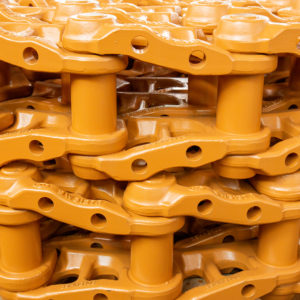
Abstrakt
Die Auswahl geeigneter Raupenketten- und Raupenschuhteile stellt eine Entscheidung dar, die tiefgreifende Auswirkungen auf die Langlebigkeit und Wirtschaftlichkeit schwerer Baumaschinen hat. Diese Analyse untersucht den vielschichtigen Prozess der Beschaffung dieser wichtigen Fahrwerkskomponenten, Wir gehen über oberflächliche preisbasierte Bewertungen hinaus und gehen zu einer differenzierteren Bewertung der Materialwissenschaft über, Fertigungsintegrität, und anwendungsspezifisches Design. Es geht um einen anspruchsvollen Ansatz, basiert auf einem Verständnis der metallurgischen Eigenschaften, Maßgenauigkeit, und Dichtungstechnologien, ist unverzichtbar, um vorzeitigen Verschleiß und katastrophale Ausfälle zu verhindern. Die Untersuchung erstreckt sich auf die wirtschaftlichen Realitäten des Eigentums, plädiert für eine Kosten-pro-Stunden-Metrik als rationalere Investitionsgrundlage als die anfänglichen Anschaffungskosten. Außerdem, Die Rolle des Lieferanten wird untersucht, nicht nur als Verkäufer, sondern als entscheidender Partner, dessen Fachwissen, Qualitätssicherungsprotokolle, and logistical support contribute substantively to the end-user's success. Dieser Diskurs ist auf Stakeholder in anspruchsvollen Umgebungen zugeschnitten, wie sie in ganz Russland zu finden sind, Australien, Mittlerer Osten, und Südostasien, wo Gelände und Klima die Maschinen extrem beanspruchen, Dadurch wird eine fundierte Komponentenauswahl zu einer Frage des betrieblichen Überlebens.
Key Takeaways
- Untersuchen Sie die Stahllegierung und den Wärmebehandlungsprozess für maximale Haltbarkeit.
- Überprüfen Sie die Maßhaltigkeit, insbesondere Gleisneigung, um Systemverschleiß vorzubeugen.
- Passen Sie das Design der Schienenschuhe an (größerer Typ) an Ihre spezifischen Bodenverhältnisse anpassen.
- Bewerten Sie die Teile der Raupenkette und der Raupenschuhe' Dichtungssystem zur Verlängerung der inneren Lebensdauer.
- Analysieren Sie die Gesamtbetriebskosten und nicht nur den anfänglichen Kaufpreis.
- Wählen Sie einen Lieferanten mit bewährter Qualitätskontrolle und starker regionaler Unterstützung.
Inhaltsverzeichnis
- 1. Untersuchen Sie Materialzusammensetzung und Herstellungsprozesse
- 2. Überprüfen Sie die Komponentenkompatibilität und Maßgenauigkeit
- 3. Bewerten Sie das Design von Bodenplatten für Ihre spezifische Anwendung
- 4. Bewerten Sie das Dichtungssystem und die Schmiertechnologie
- 5. Untersuchen Sie die Qualitätskontroll- und Testprotokolle des Lieferanten
- 6. Analysieren Sie die langfristigen Betriebskosten, Nicht nur der Vorabpreis
- 7. Berücksichtigen Sie den Ruf und die regionale Expertise des Lieferanten
- Häufig gestellte Fragen (FAQ)
- Abschluss
- Referenzen
1. Untersuchen Sie Materialzusammensetzung und Herstellungsprozesse
When we begin to consider the underpinnings of a tracked machine's mobility, Wir werden immer zur eigentlichen Schienenmontage geführt. It is the machine's direct interface with the earth, Ein System aus Gelenkstahl, das das gesamte Gewicht der Ausrüstung trägt und die Motorkraft in Bewegung umsetzt. Wer die Raupenketten- und Raupenschuhteile als bloße Waren betrachtet, verkennt deren Rolle grundlegend. Sie sind, im wahrsten Sinne des Wortes, the bones and sinews of the machine's lower body. Ein Ausfall ist hier keine geringfügige Unannehmlichkeit; Es ist ein lähmendes Ereignis, das mehrere Tonnen mit sich bringt, Multi-Millionen-Dollar-Vermögensanlage geriet ins Stocken. Deswegen, Unsere erste und grundlegendste Prüfung muss eine Untersuchung der eigentlichen Substanz dieser Komponenten sein: ihre materielle DNA und die Geschichte ihrer Entstehung.
Das Herz der Haltbarkeit: Stahllegierungen und Härte
Beginnen wir mit dem Stahl. Man kann leicht sagen, dass ein Kettenglied „aus Stahl gefertigt“ ist," aber das ist so, als würde man sagen, ein Buch sei „aus Papier“." ohne Rücksicht auf die Qualität der Prosa. The specific alloy of steel used is the primary determinant of a track component's ability to resist the dual threats of abrasive wear and high-impact shock. Für Gleisverbindungen, Stifte, und Buchsen, Hersteller greifen häufig auf spezielle Stahllegierungen zurück, die Elemente wie Mangan enthalten, Chrom, und Bor.
Stellen Sie sich vor, Sie backen einen Kuchen. Die Grundzutaten – Mehl, Zucker, Eier – sind unerlässlich. Aber es ist die Zugabe von Kakao, Vanille, oder Gewürze, die seinen Charakter definieren. Im Stahlbau, Eisen und Kohlenstoff sind die Grundbestandteile. Mangan wirkt als wichtiges Desoxidationsmittel und verbessert außerdem die Härtbarkeit und Zähigkeit. Chrom verbessert die Korrosionsbeständigkeit und, wichtiger für unsere Zwecke, erhöht die Tiefe, bis zu der der Stahl gehärtet werden kann. Bor, auch in kleinsten Mengen, hat einen starken Einfluss auf die Härtbarkeit, Dadurch kann durch die Wärmebehandlung eine tiefe und gleichmäßige Härte erreicht werden, ohne den Stahl übermäßig spröde zu machen (Kilic, 2021). Ein aus einer hochwertigen Borstahllegierung geschmiedetes Kettenglied hält den Strapazen eines Steinbruchbodens grundsätzlich besser stand als eines aus einem einfacheren Kohlenstoffstahl.
Dies bringt uns zum Konzept der Härte, wird typischerweise auf der Rockwell-C-Skala gemessen (HRC). Hardness is the measure of a material's resistance to localized plastic deformation, wie Kratzer oder Eindrücke. Sie möchten die Außenflächen Ihrer Spurstifte, Buchsen, und die Schienenoberfläche Ihrer Gleisverbindungen ist dem ständigen Sandschleifen außerordentlich widerstandsfähig, Felsen, und Schmutz. Jedoch, Außerdem muss der Kern des Bauteils weicher und härter sein, Sie sind in der Lage, den Stoß zu absorbieren, der entsteht, wenn die Maschine auf einen Stein fällt oder über unebenen Boden schlingert. Wenn das gesamte Bauteil maximal gehärtet wäre, es wäre so spröde wie Glas, beim ersten erheblichen Aufprall zersplittert. Diese Dualität ist die zentrale Herausforderung der Fahrwerksmetallurgie. Ein gut gefertigtes Kettenglied kann eine Oberflächenhärte von haben 52-58 HRC, aber eine Kernhärte von ca 30-35 HRC. Dieser Unterschied ist kein Zufall; Es ist das bewusste Ergebnis einer anspruchsvollen Fertigung.
Schmieden vs. Casting: Was es für die Leistung bedeutet
Wie ein Bauteil seine Form annimmt, ist ebenso aussagekräftig wie das Material, aus dem es besteht. Die beiden vorherrschenden Methoden zur Herstellung von Gleisgliedern sind Schmieden und Gießen. Betrachten wir den Unterschied anhand einer Analogie. Denken Sie an die Maserung eines Stücks Holz. Wenn Sie eine Form aus einem Holzblock schnitzen, das Korn läuft direkt hindurch, Dadurch entstehen potenzielle Schwachstellen. Dies ähnelt dem Casting, wo geschmolzenes Metall in eine Form gegossen wird. Während moderne Gusstechniken sehr fortschrittlich sind, Das resultierende Produkt ist zufällig, gleichachsige Kornstruktur.
Jetzt, Stellen Sie sich vor, Sie nehmen dasselbe Stück Holz und, mit Dampf und Druck, Biegen Sie es in die gewünschte Form. Die Maserung des Holzes würde der Kurve folgen, wodurch es von Natur aus stärker wird. Dies ist das Prinzip des Schmiedens. In Schmieden, Ein massiver Stahlbarren wird erhitzt und dann durch enorme mechanische oder hydraulische Kräfte in Form gebracht oder gepresst. Dieser Prozess verändert physikalisch die innere Kornstruktur des Stahls, Ausrichten an den Konturen des Teils. Dieser ausgerichtete Kornfluss eliminiert die inneren Hohlräume, die beim Gießen auftreten können, und erzeugt ein Bauteil mit überlegener Dichte, Zugfestigkeit, und Ermüdungsfestigkeit. Für ein Teil wie eine Gleisverbindung, die enormen und kontinuierlichen Zugkräften ausgesetzt ist, Die durch das Schmieden verliehene strukturelle Integrität ist ein wesentlicher Vorteil. Während das Gießen für bestimmte Komponenten eine praktikable und kostengünstige Methode sein kann, für die anspruchsvollsten Anwendungen, Geschmiedete Kettenglieder gelten im Allgemeinen als die bessere Wahl.
Die entscheidende Rolle der Wärmebehandlung
Wenn das Schmieden dem Bauteil seine starken Knochen verleiht, Die Wärmebehandlung verleiht ihm seine verhärtete Haut und sein zähes Herz. Dies ist möglicherweise die kritischste und differenzierteste Phase des Herstellungsprozesses für Raupenketten- und Raupenschuhteile. Es ist eine Form der „Stahlalchemie“." where controlled heating and cooling cycles are used to manipulate the material's crystalline structure, Festlegen der gewünschten Eigenschaften von Härte und Zähigkeit.
Die gebräuchlichste Methode ist das Induktionshärten. Stellen Sie sich die Schienenoberfläche einer Gleisverbindung vor, der Teil, der die Rollen berührt. Eine Induktionsspule, angetrieben durch einen hochfrequenten Wechselstrom, wird über diese Fläche geführt. Das erzeugt intensive, sehr schnell lokalisierte Hitze, Erhitzen nur der Oberflächenschicht auf eine kritische Transformationstemperatur. Unmittelbar hinter der Spule befindet sich ein Sprühnebel aus Abschreckflüssigkeit (oft Wasser oder eine Polymerlösung), wodurch die Oberfläche präzise abgekühlt wird. Dieses schnelle Erhitzen und Abkühlen „friert ein“." die kristalline Struktur in einem sehr harten Zustand, der als Martensit bekannt ist. Der Schlüssel liegt darin, dass die Wärme keine Zeit hat, tief in das Teil einzudringen, der Kern bleibt also unberührt, es bleibt weicher, duktilere Eigenschaften.
Das gleiche Prinzip gilt für Spurbolzen und -buchsen. Ein Spurstift muss sich unter enormem Druck in der Buchse drehen können, Daher müssen beide Oberflächen äußerst verschleißfest sein. Sie sind typischerweise bis zu einer beträchtlichen Tiefe durchgehärtet oder einsatzgehärtet, um eine lange Verschleißlebensdauer zu gewährleisten. Eine unsachgemäß durchgeführte Wärmebehandlung kann katastrophale Folgen haben. Zu geringe Härtetiefe, und das Teil wird schnell verschleißen. Zu tief, oder eine falsche Abschreckrate, und das Teil kann spröde werden oder innere Spannungen entwickeln, die zu Rissen führen. Wenn Sie einen potenziellen Lieferanten bewerten, Sie kaufen nicht nur ein Stück Stahl; Sie kaufen ihr Fachwissen in der Metallurgie und ihre Beherrschung des Wärmebehandlungsprozesses.
2. Überprüfen Sie die Komponentenkompatibilität und Maßgenauigkeit
Nachdem wir die grundlegende Bedeutung von Material und Herstellung festgestellt haben, Jetzt müssen wir unsere Aufmerksamkeit auf die Geometrie der Komponenten richten. Im komplizierten Tanz eines Fahrwerkssystems, Präzision ist alles. Die Gleiskette ist kein isoliertes Bauteil; Es ist Mitglied einer Ensemblebesetzung, zu der auch das Antriebskettenrad gehört, die vorderen und hinteren Umlenkrollen, und die oberen und unteren Rollen. Damit das System harmonisch und effizient funktioniert, Jede Komponente muss perfekt synchron sein. Eine dimensionale Diskrepanz, sogar eine, die unbedeutend erscheint, kann eine Kaskade zerstörerischer Kräfte hervorrufen, die den Verschleiß des gesamten Fahrwerks dramatisch beschleunigt, Eine bedeutende Investition in einen vorzeitigen Schrotthaufen verwandeln.
Absolutes Gehör: Warum die Messung der Gleisneigung nicht verhandelbar ist
Die mit Abstand wichtigste Dimension einer Raupenkette ist ihre Teilung. Also, Was ist die Spurneigung?? Stellen Sie sich eine einfache Fahrradkette vor. Der Pitch ist der Abstand von der Mitte eines Pins zur Mitte des nächsten Pins. It is the fundamental unit of the chain's length. In einer Kettenkette für schweres Gerät, das Konzept ist identisch, hat sich gerade enorm vergrößert. Diese Teilung muss genau dem Abstand zwischen den Zähnen des Antriebskettenrads und den Führungsflächen der Rollen und Umlenkrollen entsprechen.
Denken wir darüber nach, was passiert, wenn die Tonhöhe falsch ist. Erwägen Sie die Installation einer neuen Raupenkette auf einem verschlissenen Kettenrad. The sprocket's teeth have been ground down, und der Abstand zwischen ihnen hat sich effektiv vergrößert. Wenn die Kette in das Kettenrad eingreift, Der Stift sitzt nicht perfekt im Tal zwischen den Zähnen. Stattdessen, es wird auf der Zahnfläche hochrutschen. Unter dem gewaltigen Drehmoment des Antriebsmotors, Der Zahn des Kettenrads schleift gegen die Kettenbuchse, versucht, es mit Gewalt an seinen Platz zu bringen. This creates a point of high-pressure contact that rapidly wears both the bushing's outer surface and the sprocket's tooth profile. Die gleiche destruktive Fehlanpassung tritt auf, wenn Sie eine neue Kette mit falscher Teilung auf ein neues Kettenrad montieren.
Dieses Phänomen wird als „Pitch Mismatch“ bezeichnet," und es ist eine Hauptursache für beschleunigten Fahrwerksverschleiß. Im Laufe der Zeit, als Gleiskette fungiert, Seine Stifte und Buchsen verschleißen von Natur aus. Dadurch „streckt“ sich die Kette," Das bedeutet, dass die effektive Tonhöhe zunimmt. Dies ist ein normaler Teil des Verschleißprozesses. Jedoch, Vom ersten Tag an aufgrund schlechter Fertigungstoleranzen mit einer falschen Steigung zu beginnen, ist ein ungezwungener Fehler. Vor dem Kauf von Raupenketten- und Raupenschuhteilen, Es ist unbedingt erforderlich, vom Lieferanten ein Spezifikationsblatt zu erhalten, in dem das Teilungsmaß und die zulässige Toleranz klar angegeben sind. Für einen großen Bulldozer, eine Toleranz von +/- 0.5 mm könnte akzeptabel sein, aber alles andere sollte Anlass zur Sorge geben.
| Szenario einer Komponenten-Nichtübereinstimmung | Primärer Verschleißort | Sekundärer Effekt | Folge |
|---|---|---|---|
| Neue Kette auf verschlissenem Kettenrad | Kettenradzähne, Spurbuchsen | Erhöhter Betriebslärm | Schnelle Zerstörung neuer Buchsen |
| Abgenutzte Kette auf neuem Kettenrad | Kettenradzähne | Kette „springend“." unter Last | Möglicher Bruch der Kettenradzähne |
| Falsche Teilungskette (Neu) | Buchsen, Kettenrad, Leerlauf | Hohe Beanspruchung aller Komponenten | Katastrophal, schneller systemweiter Verschleiß |
| Nicht übereinstimmende Verbindungshöhe | Laufrollen, Verbindungsschienen | Ungleichmäßige Lastverteilung | Beschleunigter Rollen- und Verbindungsverschleiß |
Schnittstelle zu Kettenrädern, Rollen, und Faulenzer
Das Spielfeld ist der Star der Show, Aber auch andere Dimensionen spielen eine entscheidende unterstützende Rolle. Die Höhe der Gleisverbindungsschiene, die Oberfläche, die über die Rollen läuft, muss konsistent sein. Wenn einige Glieder höher sind als andere, those links will bear a disproportionate amount of the machine's weight as they pass over the rollers, Dies führt zu lokalem Verschleiß sowohl an der Verbindung als auch an den Rollen.
Auch die Abmessungen der Raupenbuchse – ihr Außendurchmesser und ihre Länge – sind von entscheidender Bedeutung. Die Buchse ist das Bauteil, das den Kontakt mit dem Kettenradzahn herstellt. Its diameter must match the sprocket's design profile to ensure a smooth transfer of power. Ebenso wichtig sind der Durchmesser des Kettenbolzens und seine Passung innerhalb der Verbindung. Dies ist der Drehpunkt für das gesamte Gelenk. Ein lockerer Sitz führt zum „Peening“." und Verformung der Bolzenbohrung im Verbindungsstück, Ein zu fester Sitz kann zum Festfressen des Gelenks führen, vor allem bei extremen Temperaturen.
Stellen Sie sich das wie den Zusammenbau eines Hochleistungsmotors vor. Sie sollten niemals Kolben verwenden, deren Größe geringfügig zu den Zylindern passt, oder eine Kurbelwelle mit nicht ordnungsgemäß geschliffenen Lagerzapfen. Die Toleranzen werden in Tausendstel Zoll gemessen, da die Kräfte immens sind, und die Betriebsgeschwindigkeiten sind hoch. Die gleiche Denkweise muss auf ein Fahrwerk angewendet werden. Es ist eine niedrige Geschwindigkeit, High-Torque-System, aber die Prinzipien der mechanischen Präzision sind identisch. Ein seriöser Lieferant kann detaillierte mechanische Zeichnungen mit allen kritischen Abmessungen und den damit verbundenen Fertigungstoleranzen bereitstellen. Zögern Sie nicht, danach zu fragen.
Toleranzen für das globale Klima verstehen
Die Betriebsumgebung fügt den Dimensionsüberlegungen eine weitere Komplexitätsebene hinzu. Metall dehnt sich beim Erhitzen aus und zieht sich beim Abkühlen zusammen. Obwohl diese Änderungen winzig erscheinen mögen, Sie können einen echten Einfluss auf die Leistung schwerer Maschinen haben, insbesondere in den extremen Klimazonen, in denen viele dieser Maschinen eingesetzt werden.
Stellen Sie sich einen Bulldozer vor, der im sibirischen Winter im Einsatz ist, wo die Temperaturen auf bis zu -50 °C sinken können. Bei diesen Temperaturen, Der Stahl im Fahrgestell zieht sich zusammen. Das Schmiermittel in den Schienenverbindungen wird unglaublich viskos, fast solide. Die Abstände und Toleranzen zwischen den Stiften, Buchse, und Dichtungen müssen entsprechend ausgelegt sein. Wenn die Toleranzen zu eng sind, Die Kontraktion des Metalls könnte zum Festfressen einer Verbindung führen, Dies kann zu einer enormen Belastung des Antriebssystems oder sogar zum Bruch einer Verbindung führen.
Jetzt, Vergleichen Sie das mit einer Maschine, die in einer Mine in der Region Pilbara in Westaustralien oder auf einer Baustelle im Nahen Osten arbeitet, wo die Umgebungstemperatur 50 °C überschreiten kann. Der Stahl wird sich ausdehnen. Die ständige Reibung und der Druck erzeugen noch mehr Wärme. Wenn die Toleranzen nicht ausreichen, um diese Wärmeausdehnung zu berücksichtigen, Der Innendruck innerhalb der abgedichteten Verbindung kann sich aufbauen, Dies kann möglicherweise zum Versagen von Dichtungen oder zum Verklemmen von Komponenten führen. This is why understanding a supplier's expertise is so important. Ein Hersteller, der hauptsächlich einen gemäßigten Markt bedient, verfügt möglicherweise nicht über die technische Erfahrung, um Raupenketten- und Raupenschuhteile mit Toleranzen zu entwickeln, die für die extreme Kälte Russlands oder die starke Hitze Afrikas geeignet sind. Bei der Beschaffung Fahrwerksteile, Es ist ratsam, mit einem Lieferanten zusammenzuarbeiten, der Erfahrung mit Ihren spezifischen regionalen Klimaherausforderungen vorweisen kann.
3. Bewerten Sie das Design von Bodenplatten für Ihre spezifische Anwendung
Wenn die Raupenkette das Skelett des Unterwagens ist, Die Bodenplatten sind seine Füße. Sie sind der letzte Kontaktpunkt mit dem Boden, ist für die Traktion verantwortlich, Flotation, und Schutz, die die Maschine benötigt, um ihre Arbeit zu erledigen. So wie man bei einer Bergwanderung keine eleganten Schuhe tragen würde, Sie können nicht erwarten, dass ein Bodenplattentyp unter allen Bedingungen optimal funktioniert. Die Auswahl des richtigen Bodenplattendesigns ist eine entscheidende Entscheidung, die sich direkt auf die Maschinenleistung auswirkt, Kraftstoffverbrauch, und die Lebensdauer des gesamten Fahrwerkssystems. Um die richtige Wahl zu treffen, ist eine sorgfältige Beurteilung Ihres typischen Arbeitsumfelds erforderlich.
Einzel, Doppelt, oder Triple Grouser: Passendes Profil zum Gelände
Das sichtbarste Merkmal eines Bodenbelags sind seine Stegstangen – die hervorstehenden Stahlrippen, die sich in den Boden bohren. The number and shape of these grousers define the shoe's primary characteristics. Die drei häufigsten Arten sind Single, doppelt, und Dreisteg-Bodenplatten.
Einsteg-Schuhe: Imagine the cleat on a soccer player's boot. Es ist für eine Sache konzipiert: maximale Durchdringung und Griffigkeit auf einer weichen Oberfläche. Der Einstegschuh funktioniert nach dem gleichen Prinzip. Mit einem großen, aggressive größere Bar, Es bietet ein Höchstmaß an Traktion und Bodendurchdringung. Dies macht ihn zur idealen Wahl für Arbeiten in weichen Böden, schwerer Schlamm, und an steilen Hängen, wo die Verhinderung von Abrutschen von größter Bedeutung ist. Jedoch, Dieses aggressive Design bringt Kompromisse mit sich. The tall grouser concentrates the machine's weight onto a smaller surface area, zunehmender Bodendruck. Auf hart, felsige Oberflächen, Dies kann dazu führen, dass sich der Steg verbiegt oder bricht. Außerdem, Das tiefe Eindringen und die aggressive Drehbewegung verursachen erhebliche Bodenstörungen und stellen eine sehr hohe Drehbelastung für das gesamte Fahrwerk dar, Beschleunigung des Verschleißes der Stifte, Buchsen, und Rollen. Einsteg-Schuhe sind Spezialisten, Am besten eingesetzt, wenn maximale Traktion unangefochtene Priorität hat.
Dreisteg-Schuhe: Jetzt, Denken Sie an das Profil eines Standard-Geländereifens für einen LKW. Es ist als guter Allrounder konzipiert. Dies ist die Aufgabe des Dreisteg-Schuheisens. Mit drei kürzeren, weniger aggressive Grouser, it distributes the machine's weight over a much larger contact area. Dadurch verringert sich der Bodendruck, Dadurch eignet es sich für eine Vielzahl von Bodenbedingungen, von Erde über Kies bis hin zu etwas Fels. Die geringere Steghöhe bedeutet eine geringere Bodeneindringung, was zu einem deutlich geringeren Drehwiderstand führt. Das ist ein entscheidender Punkt. Eine Maschine mit Dreisteg-Bodenplatten lässt sich viel leichter drehen und drehen als eine Maschine mit Einsteg-Bodenplatten, Dadurch werden die auf die Raupenkette und ihre internen Komponenten ausgeübten Verdrehkräfte drastisch reduziert. Dies führt zu einer längeren Lebensdauer des gesamten Fahrwerkssystems. Für den allgemeinen Bau, Ausgrabung, und Erdbewegung, Der Dreisteg-Schuh ist die standardmäßige und vielseitigste Wahl.
Doppelstegschuhe: Der Doppelstegschuh stellt einen Kompromiss zwischen den beiden Extremen dar. Es bietet eine bessere Traktion und Durchdringung als ein Dreisteg-Profil, weist jedoch einen geringeren Drehwiderstand und eine längere Lebensdauer als ein Einzelsteg-Profil auf. Man findet es oft bei Frontladern und anderen Maschinen, die ein Gleichgewicht zwischen guter Traktion und hoher Manövrierfähigkeit erfordern. Es ist eine gute Option für gemischte Bodenbedingungen, die sowohl weiche als auch härtere Böden umfassen, abrasivere Oberflächen.
| Bodenplattentyp | Ideales Gelände | Traktion | Widerstand drehen | Tragen Sie es auf harten Oberflächen |
|---|---|---|---|---|
| Einsteg | Weicher Boden, Dreck, Steile Hänge | Höchste | Höchste | Hoch |
| Doppelter Lebensmittelhändler | Gemischter Boden, Kies, Schmutz | Hoch | Medium | Medium |
| Dreifache Züchter | Abwechslungsreich, Allgemeiner Zweck | Medium | Am niedrigsten | Niedrig |
| Sumpf (Niedriger Bodendruck) | Gesättigter Boden, Sumpf, Tundra | Niedrig | Am niedrigsten | Sehr hoch |
Spezialschuhe: Sumpfgebiete, Gummipads, und Schuhe für den extremen Einsatz
Über die üblichen Stegtypen hinaus, Es gibt eine Welt spezieller Bodenplatten für einzigartige Anwendungen.
Sumpfschuhe (oder Schuhe mit niedrigem Bodendruck): Es handelt sich um extraweite Schuhe, oft mit flachem oder sehr niedrigem Stegprofil. Ihr Zweck ist der Flotation. Durch eine drastische Vergrößerung der Oberfläche der Strecke, they reduce the machine's ground pressure, Dadurch kann es extrem weich arbeiten, gesättigter Boden wie Sümpfe, Sümpfe, oder Tundra, ohne zu sinken. Betrachten Sie sie als die Schneeschuhe der Schwermaschinenwelt.
Gummipads: Für Maschinen, die auf bearbeiteten Oberflächen wie Asphalt oder Beton betrieben werden müssen, Stahlstegplatten sind keine Option, da sie die Oberfläche zerstören würden. Hier, Es werden Gummipads verwendet. Hierbei kann es sich um anschraubbare Polster handeln, die an einem standardmäßigen Dreisteg-Boden befestigt werden, oder um „Clip-on“." Stil, der an der Kette selbst befestigt wird. Es gibt auch „gummigebundene“." Schuhe, bei denen der Gummi dauerhaft mit einer Stahlschuhplatte verbunden ist. Diese sind für den Städtebau unerlässlich, Straßenarbeiten, und jede Anwendung, bei der Oberflächenschäden ein Problem darstellen.
Extremer Service (ES) Schuhe: In den abrasivsten und stark beanspruchten Umgebungen, wie Steinbrüche, Abbruchstellen, und Bergbaubetriebe, Standardschuhe reichen möglicherweise nicht aus. Schuhe für den extremen Einsatz bestehen aus mehr Material und einem robusteren Design. Sie haben typischerweise eine größere Plattendicke und sind höher, Stärkere Stege aus härterem Material, verschleißfestere Stahllegierung. Sie stellen zwar eine höhere Anfangsinvestition dar, Ihre längere Lebensdauer unter schwierigen Bedingungen kann zu niedrigeren Gesamtbetriebskosten führen. When you are looking at a supplier's offerings, Erkundung eines vollständigen Katalogs von Fahrwerksteile kann spezielle Lösungen aufzeigen, an die Sie vielleicht noch nicht gedacht haben.
Die Bedeutung der Steghöhe und -breite
Eine letzte Faustregel bei der Schuhauswahl besteht darin, immer den schmalsten Schuh zu verwenden, der Ihrer Maschine dennoch ausreichend Halt bietet. Warum? Denn ein breiterer Schuh wirkt wie ein längerer Hebel. Wenn die Maschine über unebenen Boden fährt, Ein Stein oder ein Hindernis unter der Kante eines breiten Schuhs übt eine viel größere Verdrehungskraft auf die Verbindung zwischen Kettenbolzen und Buchse aus als bei einem schmaleren Schuh. Diese Torsionsspannung trägt erheblich zum inneren Verschleiß von Bolzen und Buchsen bei und kann sogar zum Ausfall der Dichtung führen. Breitere Bodenplatten erhöhen außerdem die Belastung aller Fahrwerkskomponenten beim Wenden. Sie benötigen jedoch genügend Breite, um ein Absinken der Maschine zu verhindern, Verwenden Sie für alle Fälle einen zu weiten Schuh" ist ein häufiger und kostspieliger Fehler, der die Lebensdauer Ihrer Raupenketten- und Raupenschuhteile unnötig verkürzt.
4. Bewerten Sie das Dichtungssystem und die Schmiertechnologie
Wir haben uns mit der Außenpanzerung des Fahrwerks befasst – der Härte des Stahls und dem Design der Schuhe. Jetzt, wir müssen hineingehen, in die verborgene Welt der Gleisverbindung. Eine Gleiskette besteht aus Dutzenden Gelenkverbindungen, Jedes besteht aus einem Stift, der sich in einer Buchse dreht. Hier wird der eigentliche Kampf gegen den Verschleiß ausgetragen. Das Innere, Die Metall-auf-Metall-Reibung in diesen Gelenken führt dazu, dass sich die Kette „dehnt“." und schließlich das Ende seines Lebens erreichen. Der wichtigste Faktor für die Verlängerung der Lebensdauer einer Raupenkette ist die Wirksamkeit ihres Dichtungssystems und des darin enthaltenen Schmiermittels. Ein Schienengelenk ist, im Wesentlichen, ein auf Lebenszeit abgedichtetes Lager, und seine Langlebigkeit hängt vollständig davon ab, dass das Schmiermittel drin und die abrasiven Verunreinigungen draußen bleiben.
Fettgeschmiert vs. Ölgeschmierte Ketten: Ein tiefer Einblick
Historisch, Raupenketten waren „trocken“.," Das heißt, sie hatten keine interne Schmierung. Die Stifte und Buchsen werden einfach gegeneinander geschliffen, was zu sehr kurzen Standzeiten führt. Die erste große Innovation war die Entwicklung der versiegelten und geschmierten Schiene (SALZ). Diese frühen Versionen waren typischerweise fettgeschmiert.
Fettgeschmierte Ketten: In diesem Design, Der Raum zwischen dem Stift und der Buchse wird bei der Montage mit einem Hochleistungsfett gefüllt. Die Dichtungen an beiden Enden der Buchse sind so konzipiert, dass sie dieses Fett festhalten. Fett hat den Vorteil, dass es dickflüssig und klebrig ist, Daher bleibt es in der Regel an Ort und Stelle. Es sorgt für einen guten Schmierfilm, der den inneren Verschleiß im Vergleich zu einer trockenen Kette drastisch reduziert. Für viele kleinere Maschinen oder solche in weniger anspruchsvollen Anwendungen, Eine gut konzipierte fettgeschmierte Kette bietet ein sehr gutes Verhältnis von Leistung und Kosten. Jedoch, Fett hat seine Grenzen. Es fließt nicht leicht, Daher kann es sein, dass die Verschleißflächen nach der Verdrängung durch hohen Druck nicht vollständig neu beschichtet werden. Im Laufe der Zeit, es kann auch austrocknen oder verunreinigt werden.
Ölgeschmierte Ketten: Für größere Maschinen und anspruchsvollere Anwendungen, Ölgeschmierte Ketten stellen die nächste Leistungsstufe dar. In diesem Design, Jede Schienenverbindung fungiert als eigenes abgedichtetes Ölreservoir. Durch die Mitte des Schienenstifts wird ein Kanal gebohrt, und dieser Behälter ist mit einem speziellen Getriebeöl gefüllt. Wie das Gelenk artikuliert, Das Öl kann fließen und zirkulieren, Der Schmierfilm zwischen Bolzen und Buchse wird ständig erneuert. Öl ist in dieser Anwendung ein besseres Schmiermittel als Fett, da es für eine bessere Kühlung sorgt und mikroskopisch kleine Verschleißpartikel effektiver wegspülen kann. Dies führt zu einem deutlich geringeren inneren Verschleiß und kann die Lebensdauer der Raupenkette um ein Vielfaches verlängern 50% oder mehr im Vergleich zu einer fettgeschmierten Konstruktion unter gleichen Bedingungen (Raupe, 2018). Der Nachteil besteht darin, dass ölgeschmierte Systeme komplexer sind und deutlich höhere Anforderungen an das Dichtungssystem stellen. Kritischer ist ein Dichtungsschaden in einer ölgeschmierten Kette, da das niedrigviskose Öl relativ schnell ausläuft, das Gelenk ungeschützt lassen.
Wenn Sie Ihre Wahl treffen, Berücksichtigen Sie die Größe Ihrer Maschine und die Intensität Ihrer Arbeit. Für einen großen Bulldozer in einem 24/7 Bergbaubetrieb, Die längere Lebensdauer einer ölgeschmierten Kette lohnt sich fast immer. Für einen Minibagger, der zeitweise Versorgungsarbeiten erledigt, Eine fettgeschmierte Kette könnte die wirtschaftlichere und völlig ausreichende Wahl sein.
Die Anatomie einer Robbe: Polyurethan-Dichtungen und ihre Funktion
Die Schienendichtung ist klein, oft übersehene Komponente, Aber das gesamte Schmiersystem hängt von seiner Integrität ab. Es ist der Pförtner der Gleisverbindung. Moderne Gleisabdichtungen sind Wunderwerke der Materialwissenschaft und Präzisionstechnik. Sie bestehen typischerweise aus zwei Hauptteilen: ein Lastring und ein Dichtungsring.
Der Lastring ist ein robuster, Gummiring mit quadratischem Querschnitt, der für die statische Kraft sorgt. Bei der Montage wird es zusammengedrückt und wirkt wie eine Feder, Drücken Sie den Dichtungsring ständig gegen die polierten Metallflächen der Buchse und des Verbindungsstücks. Dadurch wird die Energie bereitgestellt, die die Dichtungsschnittstelle fest verschlossen hält.
Der Dichtungsring ist die dynamische Komponente. Es handelt sich um einen präzise geformten Ring, oft aus einer äußerst haltbaren Polyurethan-Verbindung hergestellt. Dies ist der Teil, der die eigentliche Abdichtung übernimmt. Es verfügt über zwei fein polierte Flächen, die gegen das ebenfalls polierte Ende der Buchse und die Innenseite des Kettenglieds gleiten. Die Grenzfläche zwischen diesen beiden polierten Flächen enthält das Schmiermittel und hält den Schmutz fern. Die Form des Dichtungsrings ist entscheidend. Es ist oft mit einem leichten „Kegel“ gestaltet" Form, um eine spezifische Druckverteilung über die Dichtfläche zu erzeugen, Gewährleistung einer dichten Abdichtung ohne übermäßige Reibung oder Hitze.
Die Qualität des im Dichtungsring verwendeten Polyurethans ist von größter Bedeutung. Es muss dem Abrieb durch feinen Sand, der in die Nähe der Dichtung gelangt, standhalten. Es muss gegen chemische Zersetzung durch das Schmiermittel im Inneren und jegliche Verunreinigungen von außen beständig sein. Am wichtigsten, Es muss über einen großen Temperaturbereich hinweg seine Form und Elastizität behalten, Von der tiefen Kälte eines russischen Winters bis zur sengenden Hitze einer afrikanischen Mine. Eine minderwertige Versiegelung härtet schnell aus, Riss, oder verformen, Dies führt zu Schmierstoffverlust und Schmutzeintrag, was für das Schienengelenk einen schnellen Tod bedeutet. Bei der Befragung eines Lieferanten zu seinen Raupenketten- und Raupenschuhteilen, Fragen Sie gezielt nach Material und Ausführung ihrer Dichtungen. Ein selbstbewusster Lieferant wird stolz darauf sein, die fortschrittlichen Polyurethan-Verbindungen und die Präzisionstechnik, die in seinen Dichtungssystemen zum Einsatz kommen, im Detail zu beschreiben.
Verhinderung von innerem Verschleiß: Der unbesungene Held von Track Life
Der gesamte Zweck des Schmier- und Dichtungssystems besteht darin, den inneren Verschleiß zu bewältigen. Dies ist der Verschleiß, der am Außendurchmesser des Stifts und am Innendurchmesser der Buchse auftritt, wenn sie gegeneinander schwenken. Dieser Verschleiß ist von außen nicht sichtbar, aber es ist der Grund, warum sich die Kette verlängert oder „dehnt“."
Da sich der Stift und die Buchse abnutzen, Das Material wird entfernt, und der Abstand von der Mitte eines Stifts zur Mitte des nächsten nimmt zu. Dies ist die Änderung der Tonhöhe, die wir zuvor besprochen haben. Ein Techniker kann diese Änderung messen, um den Prozentsatz des inneren Verschleißes einer Kette zu bestimmen. Zum Beispiel, Eine Gleiskette könnte in Betracht gezogen werden 100% Innen abgenutzt und benötigt eine „Stift- und Buchsendrehung“." wenn seine Tonhöhe um zugenommen hat 3 mm.
Eine „Stift-und-Buchse-Drehung“." ist ein Wartungsvorgang, bei dem das Gleis demontiert wird, und die Stifte und Buchsen werden gedreht 180 Grad. Dies stellt ein neues dar, unverschlissene Oberfläche bis zu den Bereichen mit hohem Kontakt, Dadurch wird die Uhr bei internem Verschleiß effektiv zurückgesetzt und die Lebensdauer der Kette verlängert. Jedoch, Dieser Vorgang ist nur möglich, wenn der äußere Verschleiß der Buchse nicht zu stark ist. Ein wirksames Dichtungssystem, das das interne Schmiermittel bewahrt, macht eine Stift- und Buchsendrehung zu einer praktikablen und wirtschaftlichen Option. Es verhindert den schnellen inneren Verschleiß, der die Kette sonst unbrauchbar machen würde, lange bevor die äußeren Komponenten abgenutzt sind. Deswegen, Bei der Investition in eine Kette mit einem überlegenen Dichtungssystem geht es nicht nur darum, die erste Lebensdauer der Kette zu verlängern; Es geht darum, durch effektive Wartung ein zweites und sogar drittes Leben zu ermöglichen, Dadurch werden die Gesamtbetriebskosten drastisch gesenkt.
5. Untersuchen Sie die Qualitätskontroll- und Testprotokolle des Lieferanten
Sie haben nun die theoretischen Aspekte untersucht, die ein hochwertiges Gleisbauteil ausmachen – die richtigen Materialien, die richtigen Maße, das richtige Design. Aber wie können Sie sicher sein, dass die spezifische Raupenkette, die Sie kaufen möchten, diese Standards tatsächlich erfüllt?? The answer lies in the supplier's commitment to quality control (QC) und strenge Tests. Ein Lastenheft ist ein Versprechen; Ein robustes QC-Programm ist der Beweis dafür, dass das Versprechen gehalten wird. Für einen Käufer mit Sitz in Australien oder Afrika, weit weg von der Produktionsstätte, Dieser Beweis ist nicht nur beruhigend; es ist eine Grundvoraussetzung für eine sichere Investition. Sie können es sich nicht leisten, dass eine Komponente an einem entfernten Standort ausfällt, weil ein Herstellungsfehler vorliegt, der im Werk hätte erkannt werden müssen.
Über das Datenblatt hinaus: Anfordern von QC-Berichten
Jeder namhafte Hersteller von Raupenketten- und Raupenschuhteilen verfügt über ein Qualitätsmanagementsystem, oft nach einem internationalen Standard wie ISO zertifiziert 9001. Dieses System schreibt vor, dass in verschiedenen Phasen des Produktionsprozesses Kontrollen und Messungen durchgeführt werden. Als anspruchsvoller Käufer, Sie haben das Recht, die Beweise für diesen Prozess einzusehen.
Zögern Sie nicht, einen potenziellen Lieferanten um Kopien seiner typischen Qualitätskontrollberichte für eine Produktionscharge zu bitten. Worauf sollten Sie bei diesen Berichten achten??
- Materialzertifizierung: Der Prozess sollte mit einem Zertifikat des Stahlwerks beginnen, Überprüfung der chemischen Zusammensetzung des Rohstahlbarrens. Bestätigt es das Vorhandensein der angegebenen Legierungen wie Bor und Mangan??
- Maßprüfungen: Der Bericht sollte Messungen enthalten, die nach dem Schmieden oder Gießen und nach der Endbearbeitung durchgeführt wurden. Schlüsselmaße wie die Tonhöhe, Verbindungshöhe, and bore diameters should be recorded and compared against the engineering drawing's specified tolerances.
- Härteprüfung: Dies ist eine der wichtigsten Kontrollen. Der Bericht sollte die Ergebnisse von Rockwell-Härtetests enthalten, die an mehreren Proben der Charge durchgeführt wurden. Es sollte nicht nur die Oberflächenhärte, sondern auch die Härtetiefe angeben (die Dicke der ausgehärteten Schicht) und die Kernhärte. Sind diese Werte konsistent und innerhalb des angegebenen Bereichs??
- Endkontrolle: Ein abschließender Sicht- und Maßkontrollbericht sollte bestätigen, dass die Teile frei von Rissen sind, Grate, oder andere optische Mängel aufweisen und dass alle Endmaße korrekt sind.
Ein Lieferant, der transparent ist und diese Dokumentation bereitwillig bereitstellt, zeigt Vertrauen in seine Prozesse. Ein Lieferant, der zögert oder behauptet, solche Berichte seien „nur intern“." sollten mit Vorsicht betrachtet werden. Ihre Zurückhaltung deutet möglicherweise auf mangelndes Vertrauen in die eigene Konsistenz oder auf einen Prozess hin, der nicht so streng kontrolliert wird, wie sie behaupten. Diese Dokumentation ist Ihr Fenster in die Fabrikhalle, und es ist ein entscheidendes Instrument für die Due Diligence.
Zerstörungsfreie Prüfung (NDT) Methoden: Worauf man suchen sollte
Dabei sind Maß- und Härteprüfungen von entscheidender Bedeutung, Einige der gefährlichsten Mängel sind für das bloße Auge unsichtbar. Interne Risse aus dem Schmiedeprozess oder unterirdische Fehler aus der Wärmebehandlung können zu plötzlichen Schäden führen, katastrophaler Ausfall unter Last. Um diese versteckten Mängel zu finden, Hersteller wenden eine Reihe zerstörungsfreier Prüfungen an (NDT) Methoden. Als Käufer, Zu wissen, um welche Tests es sich handelt, und zu fragen, ob sie durchgeführt werden, kann zusätzliche Sicherheit bieten.
Magnetpulverprüfung (MPI): Dies ist eine gängige Methode zur Erkennung von oberflächlichen und oberflächennahen Rissen in ferromagnetischen Materialien wie Stahl. Das Teil ist magnetisiert, und ein feines Eisenpulver (entweder trocken oder in einer Flüssigkeit suspendiert) wird auf die Oberfläche aufgetragen. Wenn es einen Riss oder Fehler gibt, es wird das Magnetfeld stören, Dadurch sammeln sich die Eisenpartikel an der Fehlerstelle, es für einen Inspektor sichtbar machen. Die Frage, ob Kettenglieder nach dem Schmieden und der Wärmebehandlung MPI ausgesetzt sind, ist eine sehr relevante Frage.
Ultraschallprüfung (UT): Bei dieser Methode werden hochfrequente Schallwellen zur Erkennung interner Fehler verwendet. Ein Wandler sendet einen Schallimpuls in das Teil. Der Schall dringt durch das Material und wird von der Rückwand reflektiert. Gemessen wird die Zeit, die das Echo benötigt, um zurückzukehren. Wenn es einen inneren Fehler wie einen Riss gibt, vermeiden, oder eine Einbeziehung, it will create an additional reflection that appears on the technician's screen, revealing the flaw's location and approximate size. UT ist eine hervorragende Methode, um die interne Integrität kritischer Komponenten wie Spurstifte sicherzustellen.
Inspektion von Flüssigkeitseindringlingen (LPI): Dies kann auf nicht ferromagnetischen Materialien angewendet werden und ist sehr effektiv bei der Suche nach oberflächenbrechenden Rissen. Ein leuchtend farbiger flüssiger Farbstoff (der Penetrant) wird auf die Oberfläche aufgetragen. Nach einer gewissen Verweildauer, das überschüssige Eindringmittel wird abgereinigt. Dann, ein Entwickler wird aufgetragen, das wie ein Löschpapier wirkt, Das Eindringmittel wird aus eventuellen Rissen herausgezogen und deutlich sichtbar gemacht.
Ein Hersteller, der in diese ZfP-Methoden investiert und diese regelmäßig anwendet, beweist sein ernsthaftes Engagement, zu verhindern, dass fehlerhafte Teile jemals sein Werk verlassen. Dies ist ein Markenzeichen eines erstklassigen Lieferanten von Fahrwerkskomponenten und Anbaugeräten wie Schaufeln und Aufreißern.
Die Lieferkette verfolgen: Vom Rohstoff bis zum Endprodukt
Ein letzter Aspekt der Qualitätssicherung ist die Rückverfolgbarkeit. Im Falle eines Ausfalls, Es ist wichtig, das Teil über den gesamten Herstellungsprozess zurückverfolgen zu können, um die Grundursache zu ermitteln. Ein robustes Rückverfolgbarkeitssystem stellt sicher, dass jede einzelne Komponente bzw, häufiger, jede Produktionscharge, hat eine eindeutige Identifikationsnummer.
Diese Nummer soll dem Lieferanten die Nachverfolgung ermöglichen:
- Die spezifische Rohstahlcharge, aus der es hergestellt wurde.
- Das Datum und die Schicht, ob es gefälscht oder gegossen wurde.
- Die Wärmebehandlungscharge, zu der es gehörte, zusammen mit den entsprechenden Ofendiagrammen und Härtetestergebnissen.
- Die endgültigen Bearbeitungs- und Inspektionsberichte.
Dieses Maß an Rückverfolgbarkeit dient nicht nur der Post-Failure-Analyse. Es ist außerdem ein leistungsstarkes internes Werkzeug für den Hersteller zur Aufrechterhaltung der Prozesskontrolle. Wenn ein Härtetest an einer Charge leicht außerhalb der Spezifikation liegt, Sie können die gesamte Charge sofort unter Quarantäne stellen und ihren Wärmebehandlungsprozess für die nächste anpassen. Für dich, der Käufer, Es ist ein Zeichen für einen ausgereiften und professionellen Betrieb. Wenn Sie Ihre Raupenketten- und Raupenschuhteile erhalten, Suchen Sie nach diesen Chargen- oder Seriennummern, die in die Komponenten eingeätzt oder eingestanzt sind. Ihre Anwesenheit ist ein stiller Beweis für ein Qualitätssystem, das hinter dem Produkt steht.
6. Analysieren Sie die langfristigen Betriebskosten, Nicht nur der Vorabpreis
In der Welt der Schwermaschinen, Nur wenige Versuchungen sind so verlockend wie ein niedriger Vorabpreis. Bei Präsentation zweier scheinbar identischer Gleisketten, einer kostet 20-30% weniger als die anderen, Der Impuls, sich für die günstigere Variante zu entscheiden, ist stark. Jedoch, Dies ist oft eine falsche Ökonomie. Der tatsächliche Preis einer Fahrwerkskomponente entspricht nicht dem Preis auf der Rechnung; it is the total cost incurred over the component's entire service life, dividiert durch die Anzahl der Betriebsstunden. Dieses Konzept, bekannt als „Total Cost of Ownership“. (Tco) oder Kosten pro Stunde, ist die einzige rationale Kennzahl zur Bewertung des Wertes von Raupenketten- und Raupenschuhteilen. Eine alleinige Kaufpreisentscheidung ist ein Wagnis, das sich selten lohnt.
Die versteckten Kosten vorzeitiger Abnutzung und Ausfallzeiten
Lassen Sie uns ein Szenario konstruieren. Sie verwalten eine Baggerflotte bei einem großen Infrastrukturprojekt in Südostasien. Sie müssen die Gleisgruppen an einer Ihrer Maschinen austauschen. Lieferant A bietet eine komplette Gleisgruppe für an $15,000. Lieferant B, ein Premium-Anbieter, bietet eine scheinbar identische Gruppe für $20,000. Der $5,000 Sparen ist verlockend. Sie entscheiden sich für Lieferant A.
Die günstigere Gleisgruppe wird eingebaut, und zwar für die ersten paar hundert Stunden, alles scheint in Ordnung zu sein. Jedoch, Diese Kette wurde aus einer minderwertigen Stahllegierung und einer weniger präzisen Wärmebehandlung hergestellt. Seine inneren Dichtungen bestehen aus einem minderwertigen Polymer. Ungefähr die 2.500-Stunden-Marke, lange bevor man es erwarten würde, Die Kette weist Anzeichen einer deutlichen Teilungsverlängerung auf. Ein Siegel ist ausgefallen, das Gelenk ist trocken geworden, und der innere Verschleiß hat sich dramatisch beschleunigt. Die Maschine ist „down“."
Jetzt, Die versteckten Kosten häufen sich. Erste, Hinzu kommen die Kosten für die Ausfallzeit selbst. Ein großer Bagger kann Tausende von Dollar Umsatz pro Tag generieren. Jede Stunde, in der es ungenutzt bleibt, ist entgangener Gewinn. Der Projektzeitplan kann beeinträchtigt werden, möglicherweise Strafen nach sich ziehen. Zweite, es gibt die Arbeitskosten. Sie müssen ein Team von Mechanikern bezahlen, um die defekte Kette zu entfernen und eine neue einzubauen. Dies kann den Einsatz eines mobilen Service-LKWs erfordern, was den Aufwand erhöht. Dritte, Es fallen die Kosten für das Ersatzteil selbst an. Sie müssen eine andere Gleisgruppe kaufen, und dieses Mal, Es ist unwahrscheinlich, dass Sie denselben Fehler machen. Sie kaufen das Premium-Gerät für $20,000.
In diesem Szenario, Ihr Streben nach einem $5,000 Das Sparen im Voraus hat zu Tausenden geführt, oder sogar Zehntausende, Ausfallverluste in Höhe von mehreren US-Dollar, zusätzliche Arbeitskosten, und die Notwendigkeit, viel früher als geplant ein zweites Ersatzteil zu beschaffen. Das „billigere“" Option ist enorm teurer geworden.
Berechnung der Kosten pro Stunde: Eine bessere Kennzahl für den Wert
Ein aufgeklärterer Ansatz besteht darin, den Fokus vom Preis auf den Wert zu verlagern, berechnet als Kosten pro Stunde. Lassen Sie uns unser Szenario aus dieser neuen Perspektive noch einmal betrachten.
Verfolgen Sie Gruppe A (Günstigere Option):
- Anschaffungskosten: $15,000
- Erreichte Lebensdauer: 2,500 Std.
- Kosten pro Stunde: $15,000 / 2,500 Stunden = $6.00 pro Stunde
Verfolgen Sie Gruppe B (Premium-Option):
- Anschaffungskosten: $20,000
- Erwartete Lebensdauer (basierend auf Herstellerdaten und Fallstudien): 5,000 Std.
- Kosten pro Stunde: $20,000 / 5,000 Stunden = $4.00 pro Stunde
Durch diese Linse betrachtet, Die Entscheidung wird klar. Die Spurgruppe, die das war 33% im Voraus teurer ist tatsächlich 33% günstiger auf Stundenbasis zu arbeiten. In dieser Berechnung sind noch nicht einmal die massiven Kosten der ungeplanten Ausfallzeiten eingerechnet, die mit dem vorzeitigen Ausfall der günstigeren Variante einhergehen. Eine hochwertige Komponente, geboren aus überlegener Metallurgie und Fertigung, Bietet mehr Stunden produktiven Service, Das ist das ultimative Ziel. Wenn Sie mit einem potenziellen Lieferanten in Kontakt treten, Fragen Sie sie nach Leistungsdaten. Können sie Fallstudien oder Daten zur Verschleißlebensdauer von Maschinen bereitstellen, die unter ähnlichen Bedingungen wie Ihren betrieben werden?? A supplier confident in their product's longevity will have this information and be eager to share it, da es ihren Preis rechtfertigt und den überlegenen Wert demonstriert, den sie bieten.
Garantie und After-Sales-Support als Wertmultiplikator
Die letzten Bestandteile der TCO-Gleichung sind die Garantie und der vom Lieferanten angebotene Kundendienst. Eine Garantie ist mehr als nur das Versprechen, ein defektes Teil zu ersetzen; it is a statement of the manufacturer's confidence in its own product quality and durability.
Eine umfassende Garantie, die eine angemessene Anzahl von Stunden oder Jahren abdeckt, bietet ein entscheidendes Sicherheitsnetz. Es schützt Ihre Investition vor der Möglichkeit eines seltenen Herstellungsfehlers. Vergleichen Sie sorgfältig die Garantiebedingungen verschiedener Anbieter. Eine längere und umfassendere Garantie ist ein materieller Vermögenswert, der den Kauf wert steigert.
Ebenso wichtig ist der After-Sales-Support. Was passiert, wenn Sie während der Installation eine technische Frage haben?? Was ist, wenn Sie Hilfe bei der Diagnose eines Verschleißmusters benötigen?? Ein Lieferant, der als Partner fungiert, verfügt über kompetentes technisches Personal, das Ihnen zur Seite steht. Sie bieten möglicherweise Dienstleistungen wie Fahrwerksinspektionen und Verschleißanalysen an, um Ihnen bei der effektiveren Verwaltung Ihrer Flotte zu helfen. Dieses Maß an Unterstützung kann von unschätzbarem Wert sein, Wir helfen Ihnen dabei, die Lebensdauer aller Ihrer Fahrwerkskomponenten zu maximieren, Hierzu zählen nicht nur Teile der Raupenkette und der Raupenschuhe, sondern auch die Walzen, Faulenzer, und Kettenräder. Diese Unterstützung verwandelt den Lieferanten von einem einfachen Anbieter in einen langfristigen Partner für Ihren betrieblichen Erfolg, a trait often found by understanding a supplier's Mission und Geschichte.
7. Berücksichtigen Sie den Ruf und die regionale Expertise des Lieferanten
Unsere abschließende Prüfung geht über das physische Objekt der Gleiskette hinaus und befasst sich mit dem Charakter und den Fähigkeiten der Organisation, die sie liefert. Auf einem globalen Markt, Sie können Komponenten von überall auf der Welt beziehen. Jedoch, Die besten Lieferanten sind mehr als nur Transaktionsanbieter; Sie sind Partner, die einen großen Erfahrungsschatz mitbringen, ein nachweisbares Bekenntnis zur Qualität, und ein tiefes Verständnis für die spezifischen Herausforderungen, denen Sie in Ihrer Region gegenüberstehen. Die Wahl des richtigen Lieferanten ist ebenso wichtig wie die Wahl des richtigen Teils, Denn ihr Fachwissen und ihre Unterstützung können den Unterschied zwischen einer erfolgreichen Investition und einer frustrierenden Tortur ausmachen.
Beschaffung für den Erfolg: Der Wert eines spezialisierten Lieferanten
Der Markt für Schwermaschinenteile ist riesig. Es reicht von Generalisten, die alles von Filtern bis hin zu Achsantrieben verkaufen, an hochspezialisierte Unternehmen, die sich ausschließlich auf eine enge Produktpalette konzentrieren. Wenn es um hohen Verschleiß geht, kritische Komponenten wie eine Raupenkette, Es ist von immensem Wert, mit einem Spezialisten zusammenzuarbeiten.
Ein spezialisierter Zulieferer für Fahrwerksteile lebt und lebt diese Technologie. Ihr gesamtes Geschäft basiert auf fundierten Kenntnissen der Metallurgie, Verschleißdynamik, und Anwendungstechnik. Ihre technischen Mitarbeiter sind nicht nur Verkäufer; Sie sind Experten, die ein komplexes Verschleißproblem diagnostizieren oder den perfekten Bodenbelag für schwierige Bodenverhältnisse empfehlen können. Sie sind wahrscheinlich schon oft auf die gleichen Probleme gestoßen und haben sie gelöst. Dieses umfassende Wissen ist eine unschätzbare Ressource.
Außerdem, a specialized supplier's reputation is built entirely on the performance of their chosen product line. Sie können eine minderwertige Raupenkette nicht hinter einem breiten Katalog anderer Teile verstecken. Ihr Erfolg hängt direkt von der Haltbarkeit und Zuverlässigkeit der von ihnen verkauften Fahrwerkskomponenten ab. Dies schafft einen starken Anreiz, nur qualitativ hochwertige Produkte zu beziehen und strenge Qualitätssicherungsstandards einzuhalten. Sie setzen ihren Namen auf die Leistung dieser Raupenkette, was dir gibt, der Käufer, ein erhebliches Maß an Selbstvertrauen. Wenn Sie sich mit einem beschäftigen spezialisierter Lieferant von Schwermaschinenteilen, Sie kaufen nicht nur ein Produkt; Sie erwerben Zugang zu einem Pool fokussierter Fachkompetenz.
Fallstudien und Erfahrungsberichte aus Ihrer Region
Theoretische Leistung und Werkstests sind eine Sache; Die reale Leistung in Ihrer spezifischen Umgebung ist eine andere Sache. Das Schleifmittel, Kieselsäurereicher Sand des australischen Outbacks, die ätzende Feuchtigkeit eines südostasiatischen Dschungels, der Permafrost einer sibirischen Mine, und das felsige Gelände eines afrikanischen Steinbruchs stellen einzigartige und große Herausforderungen an ein Fahrwerk.
Ein wirklich globaler und erfahrener Lieferant wird in der Lage sein, seinen Erfolg in diesem herausfordernden Umfeld unter Beweis zu stellen. Bitten Sie um Fallstudien oder Leistungsdaten von Kunden, die in Ihrem Land oder einer Region mit ähnlichen Bedingungen tätig sind. Eine Fallstudie, die detailliert beschreibt, wie eine bestimmte Gleiskette funktioniert 6,000 Die Lebensdauer eines Bulldozers in einer Eisenerzmine in Westaustralien in Stunden ist weitaus überzeugender als eine allgemeine Broschüre.
Testimonials from other equipment owners and fleet managers in your region are also powerful indicators of a supplier's quality and reliability. In der engen Gemeinschaft der Schwermaschinenbetreiber, Ruf wird auf die harte Tour verdient. Ein Lieferant, der regelmäßig von anderen in Ihrer Nähe empfohlen wird, hat wahrscheinlich seine Fähigkeit unter Beweis gestellt, langlebige Produkte und reaktionsschnellen Service zu liefern. Diese regionale Validierung ist ein entscheidender Teil des Puzzles, providing assurance that the supplier's products are not just good in theory, sondern in der Praxis dort bewährt, wo es für Sie am wichtigsten ist.
Navigieren in Logistik und Support an abgelegenen Standorten
Die letzte Überlegung ist die praktische Realität, die Teile an Ihre Maschine zu liefern und Unterstützung zu erhalten, wenn Sie diese benötigen. Für Betreiber in abgelegenen Teilen Russlands, Australien, oder Afrika, Die Logistik ist eine große Herausforderung. Eine Raupengruppe für einen großen Bulldozer kann mehrere Tonnen wiegen. Der weltweite Versand eines solchen Artikels ist ein komplexes und kostspieliges Unterfangen.
Ein Lieferant mit Erfahrung in der Versorgung Ihrer Region verfügt über etablierte und zuverlässige Logistikkanäle. Sie verstehen die Feinheiten der Zollabfertigung in Ihrem Land und können genaue Lieferzeiten und -kosten angeben. Sie verfügen möglicherweise über regionale Vertriebszentren, die die Lieferzeiten und -kosten im Vergleich zum direkten Versand von einer zentralen Fabrik am anderen Ende der Welt erheblich reduzieren können.
Diese regionale Präsenz erstreckt sich auch auf den After-Sales-Support. Wenn Sie einen Garantieanspruch oder ein technisches Problem haben, Können Sie mit jemandem in einer einigermaßen nahen Zeitzone sprechen?? Haben sie technische Vertreter, die das können?, ggf, Besuchen Sie Ihre Website? Ein Anbieter mit einem starken regionalen Netzwerk zeigt ein langfristiges Engagement am Markt. Sie sind nicht nur an einem einzelnen Verkauf interessiert; Sie investieren in die langfristige Unterstützung Ihres Betriebs. Diese Logistik- und Support-Infrastruktur ist das Letzte, entscheidendes Element, das einen einfachen Kauf in eine echte und sichere Partnerschaft verwandelt, long-term investment in your machine's productivity. Es stellt sicher, dass die von Ihnen so sorgfältig ausgewählten hochwertigen Raupenketten- und Raupenschuhteile durch ein ebenso robustes und zuverlässiges Trägersystem unterstützt werden.
Häufig gestellte Fragen (FAQ)
1. Was ist der Unterschied zwischen OEM, echt, und Aftermarket-Streckenteile?
Erstausrüster (Originalausrüstung Hersteller) Bei Teilen handelt es sich um Komponenten, die von dem Unternehmen, das die Maschine hergestellt hat, oder von seinem benannten Lieferanten hergestellt wurden. Originalteile sind Markenteile des Maschinenherstellers (Z.B., Raupe, Komatsu) können jedoch von einem Drittanbieter nach dessen genauen Spezifikationen hergestellt werden. Aftermarket -Teile werden von unabhängigen Unternehmen produziert. Hochwertige Aftermarket-Lieferanten können Teile anbieten, die hinsichtlich Material und Leistung den OEM-Spezifikationen entsprechen oder diese sogar übertreffen, oft zu einem wettbewerbsfähigeren Preis. Der Schlüssel liegt darin, den Ersatzteillieferanten anhand der in diesem Leitfaden beschriebenen Überprüfungen gründlich zu überprüfen.
2. Wie oft sollte ich meine Raupenketten- und Raupenschuhteile überprüfen??
Regelmäßige Kontrollen sind unerlässlich. Ein täglicher Rundgang, um nach lockeren Schrauben zu suchen, sichtbare Risse, oder erheblicher Schaden ist eine gute Vorgehensweise. Gründlichere Fahrwerksinspektionen, einschließlich Messkomponenten für Verschleiß, sollte regelmäßig von einem geschulten Techniker durchgeführt werden. The frequency depends on the application's severity, aber ein gemeinsames Intervall ist jedes 500 Servicezeiten. Dadurch können Sie Verschleißraten verfolgen und proaktiv Wartung oder Austausch planen.
3. Kann ich Komponenten verschiedener Marken in meinem Unterwagen kombinieren??
Auch wenn es manchmal unvermeidbar ist, Generell wird nicht empfohlen, Hauptkomponenten wie Raupenketten und Kettenräder verschiedener Hersteller zu kombinieren. Wie besprochen, Dimensionskompatibilität ist entscheidend. Selbst geringfügige Unterschiede in der Teilung oder im Zahnprofil zwischen den Marken können zu beschleunigtem Verschleiß führen. Am sichersten ist es, interagierende Komponenten auszutauschen, wie Kette und Kettenrad, als passendes Set aus einem Stück, vertrauenswürdiger Lieferant.
4. Was ist eine „Pin-and-Buchse-Drehung“?," und wann soll es gemacht werden?
Eine Bolzen- und Buchsendrehung ist ein Wartungsvorgang für abgedichtete und geschmierte Gleisketten. Wenn der innere Verschleiß der Bolzen und Buchsen eine bestimmte Grenze erreicht (typischerweise als Kettendehnung gemessen), Die Kette ist zerlegt, und die Stifte und Buchsen werden gedreht 180 Grad, um ein neues zu präsentieren, ungetragene Oberfläche. Dadurch kann die Lebensdauer der Kettenverbindungsbaugruppe effektiv verdoppelt werden. It should be done when internal wear reaches the manufacturer's recommended limit, normalerweise in der Nähe 100%, aber bevor der Verschleiß der äußeren Buchse zu groß wird.
5. Meine Maschine arbeitet sowohl in weichem Boden als auch in hartem Gestein. Welcher Laufschuh eignet sich am besten??
Das ist ein klassisches Dilemma. Für gemischte Bedingungen, Ein Dreisteg-Schuheisen ist fast immer der beste Kompromiss. Es bietet in den meisten Situationen eine ausreichende Leistung bei geringstem Wendewiderstand, wodurch die Lebensdauer des gesamten Fahrwerks erhalten bleibt. Wenn Sie mehr ausgeben als 75% of your time in extreme rock, ein extremer Service (ES) Schuh könnte gerechtfertigt sein. If you spend most of your time in deep mud, a single grouser might be necessary, Sie müssen jedoch den beschleunigten Verschleiß in Kauf nehmen, der auftritt, wenn Sie auf härteren Oberflächen arbeiten.
6. Warum wird die Verwendung möglichst schmaler Bodenplatten empfohlen??
A wider track shoe acts as a longer lever, increasing the twisting forces (Torsionsspannung) an den Spurbolzen und -buchsen, wenn die Maschine über unebenen Boden fährt oder Kurven fährt. Diese Belastung beschleunigt den inneren Verschleiß und erhöht das Risiko eines Dichtungsversagens. Sie benötigen einen Schuh, der breit genug ist, um den Bodenverhältnissen angemessenen Halt zu bieten, Die Verwendung eines unnötig breiten Schuhs erhöht die Belastung und das Gewicht, Verkürzung der Lebensdauer Ihrer Raupenketten- und Raupenschuhteile.
7. Was bedeutet „HRC" meinen, wenn es um die Stahlhärte geht?
HRC steht für die Rockwell-Härteskala, Teil C. Es handelt sich um eine Standardmethode zur Messung der Härte von Stahl und anderen Metallen. Bei dem Test wird ein Diamantkegel mit einer bestimmten Kraft in das Material gedrückt und die Tiefe des Eindrucks gemessen. Eine höhere HRC-Zahl weist auf ein härteres Material hin, das verschleißfester ist. Für Gleiskomponenten, eine hohe Oberflächenhärte (Z.B., 52-58 HRC) ist für die Verschleißfestigkeit erwünscht, während eine geringere Kernhärte (Z.B., 30-35 HRC) wird für Zähigkeit und Schlagfestigkeit benötigt.
Abschluss
Die Reise durch die komplizierte Welt der Raupenketten- und Raupenschuhteile bringt eine grundlegende Wahrheit ans Licht: Sorgfalt bei der Auswahl ist keine Ausgabe, sondern eine Investition in Betriebszeit und Rentabilität. Wer diese Komponenten als einfache Stahlerzeugnisse betrachtet, ignoriert das komplexe Zusammenspiel der Metallurgie, Präzisionstechnik, und anwendungsspezifisches Design, das ihre Leistung definiert. Der anfängliche Preis, obwohl sofort erkennbar, ist ein schlechter und oft irreführender Indikator für den wahren Wert. Ein tieferes Verständnis, wurzelt in einer Analyse der Materialzusammensetzung, Wärmebehandlung, Maßhaltigkeit, und Dichtungstechnik, ermöglicht dem Käufer, über den Tellerrand hinauszuschauen.
Durch die Übernahme einer Kosten-pro-Stunden-Mentalität, Der Fokus verlagert sich von kurzfristigen Einsparungen hin zu langfristiger Effizienz. Diese Perspektive erkennt die immensen versteckten Kosten vorzeitiger Ausfälle und ungeplanter Ausfallzeiten an, Die höheren Anschaffungskosten einer Premium-Komponente werden als sinnvolle Investition in die Zuverlässigkeit umgestaltet. Die hier vorgestellten sieben Checks bieten einen strukturierten Rahmen für diesen anspruchsvollen Ansatz. Sie fördern einen Dialog mit Lieferanten, der über den Preis hinausgeht und zu einer inhaltlichen Diskussion der Qualitätskontrolle führt, Testprotokolle, und bewährte Leistung. Letztlich, Die Auswahl dieser Grundkomponenten ist eine Entscheidung zwischen einer kurzfristigen Transaktion und einer langfristigen Partnerschaft – einer Partnerschaft mit einem Lieferanten, dessen Fachwissen und Unterstützung so langlebig sind wie der von ihnen gelieferte Stahl, Stellen Sie sicher, dass Ihre Maschinen auch in den anspruchsvollsten Umgebungen der Welt produktiv und profitabel bleiben.
Referenzen
Raupe. (2018). Anleitung zum Caterpillar-Fahrwerk (3rd. Aufl.). Caterpillar Inc.
Kilic, M. (2021). Einfluss von Bor auf die Härtbarkeit von Stählen. Zeitschrift für Materialforschung und -technologie, 15, 2235-2244.